Ember Kitchen
Ember Kitchen occupies a suite address on West Cesar Chavez in Austin, positioning itself within the city's growing cohort of fire-focused dining rooms where the cooking method is the concept. The room and format place it alongside Austin's more deliberate, slower-paced restaurants, where the meal is structured as an event rather than a transaction. Advance planning is advisable for anyone building a serious Austin dining itinerary.
Pearl is the En Primeur Club membership app — saves, bookings, and concierge access live there. Same editors, same standards.
- Address
- 800 W Cesar Chavez St Ste PP110, Austin, TX 78701
- Phone
- +15122916846
- Website
- opentable.com
- Directions
- Get directions
 Saves & bookings on Pearl
Fire as Structure: How Ember Kitchen Fits Austin's Live-Fire Dining Tradition
Austin's relationship with fire and smoke runs deeper than its barbecue reputation suggests. Over the past decade, a separate tier of live-fire restaurants has emerged in the city, operating at a register entirely distinct from the brisket lines at la Barbecue or the pit-smoked plates at InterStellar BBQ. These kitchens treat ember, flame, and radiant heat as precision tools, applying them to tasting menus and composed plates rather than whole animals by the pound. Ember Kitchen, addressed at 800 West Cesar Chavez, sits within that second category. The suite designation and West Cesar Chavez corridor place it in a commercial stretch that has absorbed several of Austin's more considered dining concepts in recent years.
The broader shift is worth understanding before you sit down. In American cities where live-fire cooking has crossed from casual into fine-dining territory, the leading examples treat combustion not as spectacle but as discipline. The meal's pacing, the sequencing of courses, and the quiet rhythms of service all carry more weight when the kitchen has committed to a cooking method that cannot be rushed, adjusted mid-service with a dial, or easily replicated by a line cook who hasn't internalized its timing. Hestia, a few blocks away, is Austin's clearest established reference for this format, with its wood-burning hearth anchoring a full tasting program. Ember Kitchen enters that conversation from its own position on the same corridor.
The Ritual of the Meal: Pacing, Format, and What to Expect
Dining at a kitchen built around ember and heat requires a different mental contract than ordering from a standard à la carte menu. The cooking method imposes its own timeline. Proteins rested over charcoal or finished in residual heat from wood embers are not interchangeable with gas-range cooking at a moment's notice. In this format across American restaurants, courses tend to arrive with deliberate spacing, the kitchen controlling the pace rather than the table. Guests who arrive expecting the transactional rhythm of a busy brasserie will need to recalibrate.
This structural pacing is a feature, not a limitation. At restaurants that operate this way successfully — from Smyth in Chicago to Lazy Bear in San Francisco — the controlled timing allows the kitchen to finish each element to order over live heat, so nothing is held under a lamp or finished in a combi oven to compensate for a misfired ticket. The table's job is to arrive having eaten lightly beforehand, to allow the service team to set the rhythm, and to treat the meal as an extended occasion.
Austin's more ambitious dining rooms have moved steadily toward this event-structured format over the past five years. Barley Swine built its reputation on a rotating tasting program that reflects the same commitment to structure over spontaneity. What Austin's live-fire tier adds to this is a physical and sensory layer: the sight and smell of working fire in or adjacent to the dining room, which changes how the meal is experienced even before the first course arrives.
Where Ember Kitchen Sits in Austin's Competitive Dining Set
Austin's restaurant scene has split along a familiar axis. At one end: high-volume, accessible concepts with short wait times and broad menus. At the other: format-driven rooms where the reservation is as deliberate as the meal itself, and where the kitchen's focus is narrow by design. Ember Kitchen's suite address within a larger building suggests a room scaled for intimacy rather than throughput, which aligns it with the latter category.
The relevant comparison set for a room of this type in Austin is not the city's barbecue institutions but its more structured contemporary American kitchens. Nationally, the category includes tightly focused rooms like Blue Hill at Stone Barns in Tarrytown and Single Thread Farm in Healdsburg, where the sourcing and cooking method together define the format. Regionally, Addison in San Diego and Providence in Los Angeles represent the structured-tasting tier on the West Coast. Austin's version of this conversation is younger and less credentialed at present, but the format is arriving here at pace.
What distinguishes the live-fire format specifically from other precision-tasting programs is the irreducibility of the cooking surface. A chef working over ember cannot fully delegate the feel of the fire to a recipe card. This is a different kind of kitchen discipline than the precise plating culture at, say, Atomix in New York City or the classical rigor of Le Bernardin, and it produces a different register of flavour at the table: char, rendered fat, residual smoke, caramelized crust alongside raw technique. When a kitchen executes it well, the result reads as both primal and deliberate, a combination that few other cooking methods achieve.
Austin Context: The West Cesar Chavez Corridor
The 800 block of West Cesar Chavez sits between the Warehouse District and Clarksville, on a stretch that connects downtown Austin's commercial density to the residential neighbourhood to the west. The corridor has seen a concentration of independent food and beverage concepts move in as downtown rents have pushed creative operators slightly westward. It is accessible from central Austin by rideshare in under ten minutes from most hotel clusters, and the area supports post-dinner movement to bars and cocktail rooms in the adjacent blocks.
For visitors building an Austin itinerary around serious dining, the West Cesar Chavez address makes Ember Kitchen a logical anchor for an evening that begins or ends elsewhere in the downtown-to-Clarksville corridor. Craft Omakase represents a different discipline within Austin's structured-format dining tier and makes for a useful contrast across two evenings. The city's barbecue traditions, documented in our full Austin restaurants guide, occupy a separate day-visit category that complements rather than competes with an evening at a live-fire kitchen like this one.
For international reference points, the live-fire-meets-fine-dining format has European precedent in rooms like Atelier Moessmer Norbert Niederkofler in Brunico, where fire and regional sourcing together constitute the kitchen's identity. The American version of this format is still establishing its critical vocabulary, and Austin is one of the cities where that conversation is active.
Know Before You Go
- Address: 800 W Cesar Chavez St, Suite PP110, Austin, TX 78701
- Neighbourhood: West Cesar Chavez corridor, between Warehouse District and Clarksville
- Format: Live-fire kitchen; confirm current menu format and booking method directly with the venue
- Getting there: Accessible by rideshare from downtown Austin hotel clusters; street and garage parking available nearby
- Leading for: Structured evening dining; guests who treat the meal as the event itself
Reputation First
| Venue | Cuisine | Price | Awards |
|---|---|---|---|
| Ember KitchenThis venue — the venue you are viewing | Not listed | Not listed | This venue |
| Olamaie | Southern | $$$ | Michelin 1 Star |
| la Barbecue | Barbecue | $$ | Michelin 1 Star |
| Barley Swine | New American, Contemporary | $$$$ | Michelin 1 Star |
| Terry Black’s BBQ | Texas Barbecue | $$ | Texas Barbecue |
| Jeffrey's | French - Steakhouuse, Contemporary | $$$$ | French - Steakhouuse, Contemporary |
Continue exploring
More in Austin
Restaurants in Austin
Browse all →
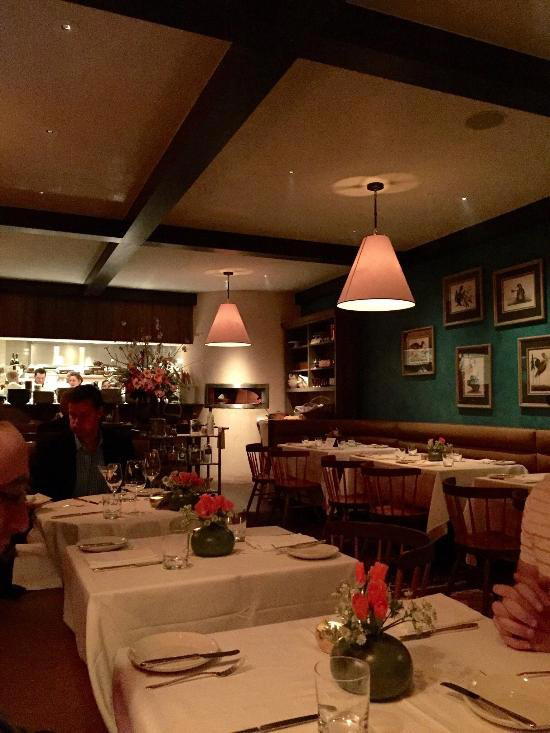
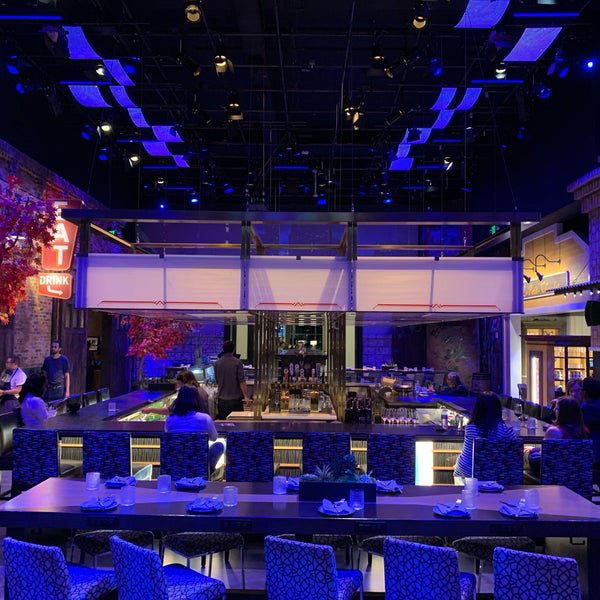
Bars in Austin
Browse all →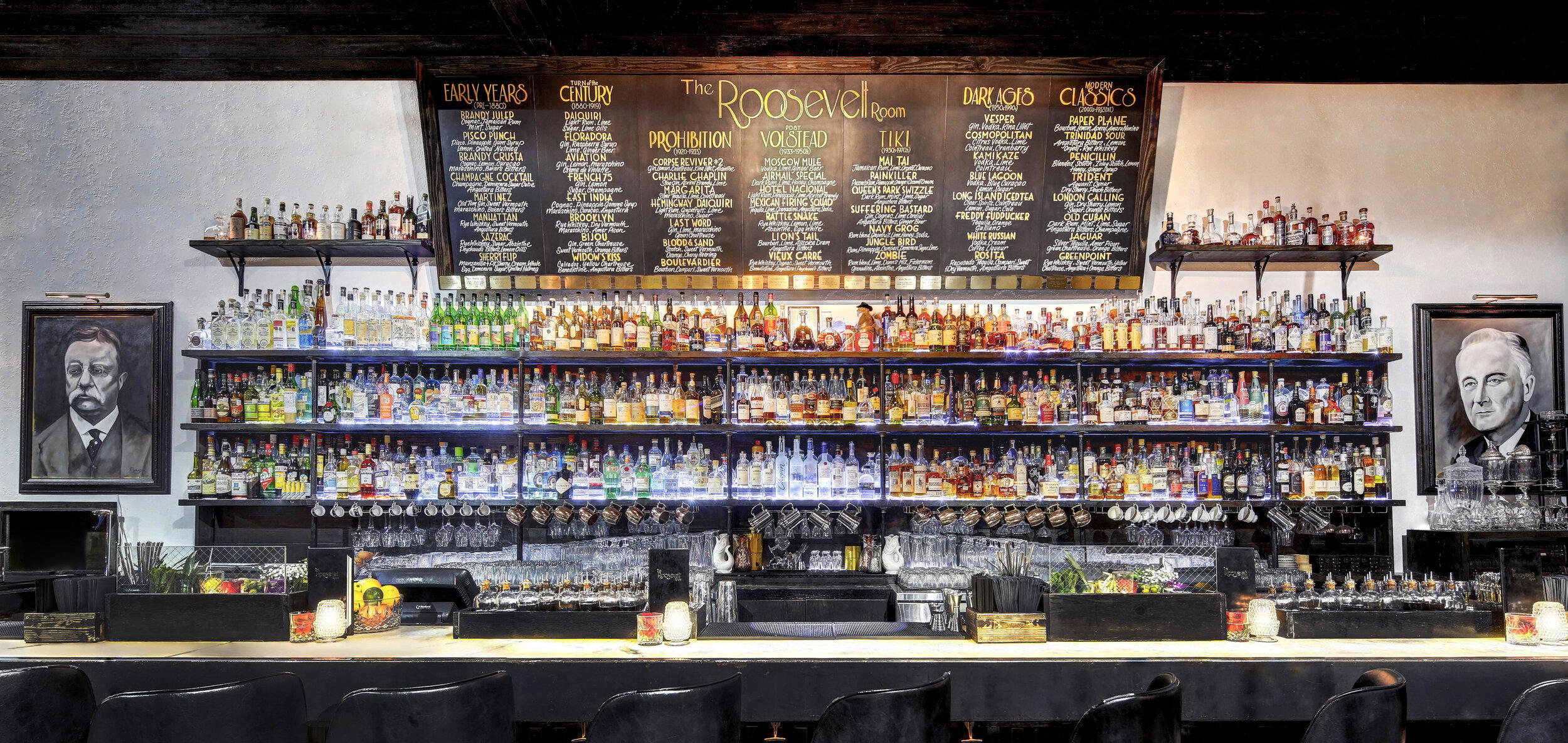
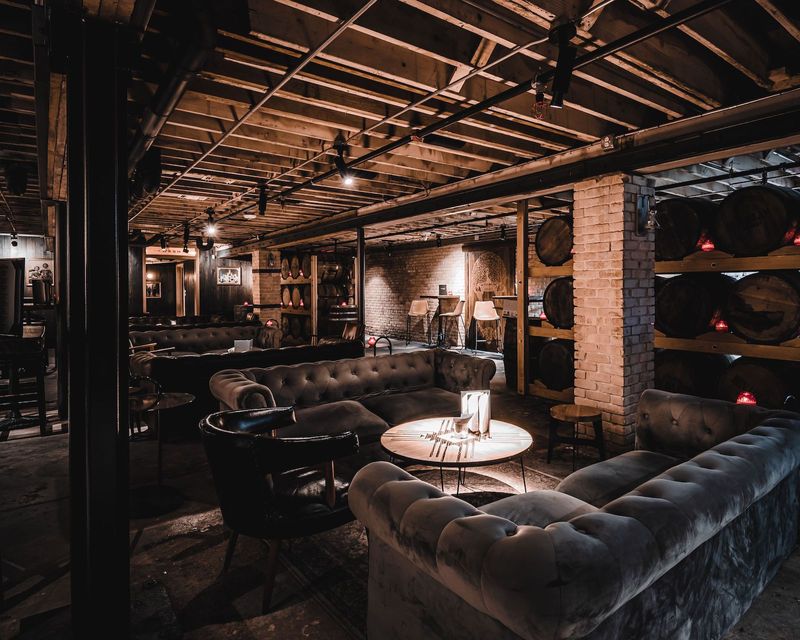

Hotels in Austin
Browse all →
At a Glance
- Industrial
- Modern
- Trendy
- Elegant
- Date Night
- Special Occasion
- Business Dinner
- Open Kitchen
- Rooftop
- Historic Building
- Craft Cocktails
- Skyline
Current opening hours
- Monday
- 5–10 PM
- Tuesday
- 5–10 PM
- Wednesday
- 5–10 PM
- Thursday
- 5–10 PM
- Friday
- 5–11 PM
- Saturday
- 10:30 AM–2 PM, 5–11 PM
- Sunday
- 10:30 AM–2 PM, 5–10 PM
Hours can change for holidays and private events. Last verified .
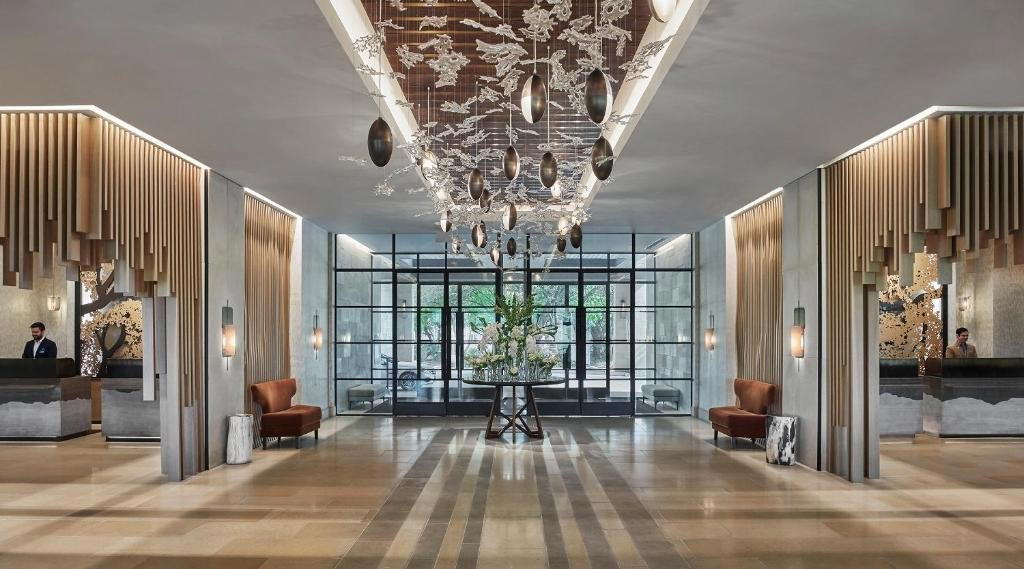
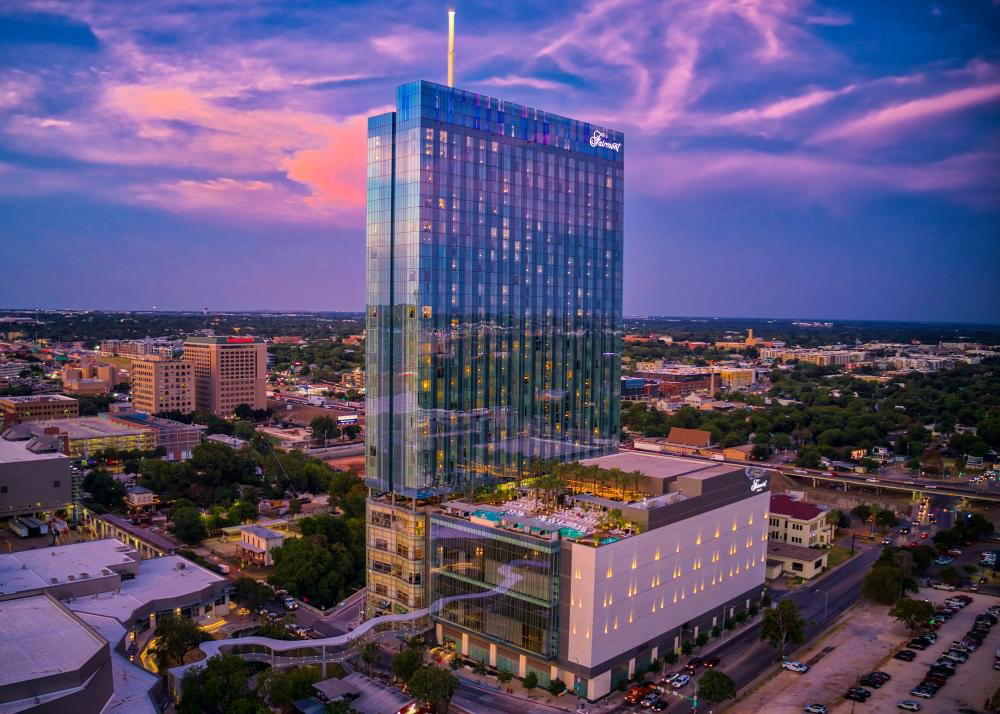
Industrial-chic atmosphere with vintage brick walls, exposed piping, multi-level dining, and soaring glass windows overlooking boilers and city views.
Know Before You Go
- Getting there
- 800 W Cesar Chavez St Ste PP110, Austin, TX 78701