
Tabelog 100 #99
Our verdict
Ibuki sits in Shinjuku’s hot pot register rather than its tasting-menu register: sukiyaki, shabu shabu, Japanese cooking, sake, shochu, and wine in a compact 20-seat room. Selection for Tabelog 100 Hot Pot 2024 gives it a clear trust signal, while the Nishishinjuku address keeps it tied to after-work Tokyo rather than destination dining theatre.

Pearl is the En Primeur Club membership app, where members save venues, book tables and use the concierge.
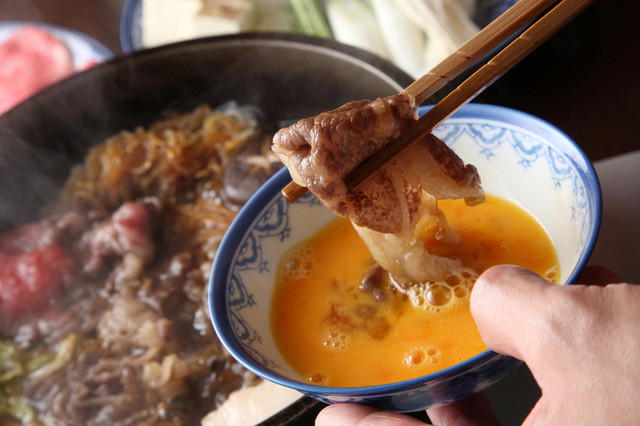
Tokyo changes character quickly after office hours. The city sheds its commuter speed, side streets tighten, and compact dining rooms become the more interesting part of the evening. Ibuki belongs to that Tokyo category: focused, small in feeling, built around hot pot rather than spectacle, with a room where service rhythm matters as much as cooking. The format is sukiyaki and shabu shabu, supported by Japanese cuisine.
That matters because Tokyo’s hot pot culture is not a single lane. Sukiyaki carries the sweet soy intensity of warishita and beef at the centre of the table; shabu shabu is cleaner, more about broth, dipping sauces, and timing. Restaurants that handle both need coordination between kitchen and floor, since the meal is not simply delivered fully finished from the pass. At this scale, the dining room becomes part of the cooking system: pace, heat, replenishment, and the flow of the meal all sit in the hands of the team.
Tokyo hot pot with small-room discipline
In Tokyo, the choice is often between high-turnover station food, corporate dining, and small specialist rooms with a narrower brief. Ibuki sits in the third camp. Its Tabelog Hyakumeiten recognition for 2024 places it within a conversation around sukiyaki and shabu shabu rather than the broader Tokyo restaurant race. That is the useful distinction: this is not a chef’s counter built around course-by-course invention, but a hot pot address whose value is measured by ingredients, timing, and the consistency of service over a full evening.
The room’s compact scale also changes the way to read it. Large-format hot pot can become social noise; here, a smaller footprint points toward a meal where the front-of-house role is more visible. The format is aligned with friends or close colleagues rather than banquet-style dining. For visitors comparing Tokyo categories, this is a more grounded hot pot dinner than cocktail-led nights such as Ben Fiddich, and more focused than casual station-area meals such as Itteki Hassenya Shinjuku honten or 12/10 Shinjuku ten.
Price also frames the experience. The listed dinner range sits at JPY 5,000 to JPY 5,999, a band that in Tokyo tends to reward diners who want a specific Japanese format without entering the luxury bracket. That makes the 2024 Tabelog Hyakumeiten recognition more meaningful: the signal is not about gilded dining, but about a disciplined execution of a category many travellers misunderstand as casual by default.
What the team dynamic changes at the table
Hot pot exposes weak service quickly. The kitchen can prepare the base, ingredients, and sequence, but the table depends on the floor for temperature, rhythm, and explanation. Drink suggestions also need to account for sweetness, fat, broth, and dipping sauces rather than a single plated dish. Ibuki’s appeal is tied to that choreography. The meal works when the kitchen, drinks service, and floor read the same pace.
This is why the venue fits Tokyo as a practical dinner choice rather than a purely ceremonial one. The city is transport-heavy and built for people who know exactly what they want after work. Ibuki’s Tokyo setting keeps it close to the rhythms of the city while giving the meal a more focused identity than a casual stop. The result is not hushed luxury; it is compact Tokyo dining with a clear category and limited tolerance for distraction.
Tokyo travellers often over-index on sushi counters and kaiseki when planning serious meals. Hot pot deserves a separate decision. Sukiyaki and shabu shabu are communal but not loose; they ask diners to pay attention to order, heat, and drink. For a broader view of how this fits the city, compare it with other specialist restaurant pages across Tokyo. Each shows a different Tokyo truth: specialization, not breadth, is often the point.
How to place it in a Tokyo itinerary
Ibuki is strongest as a dinner anchored in Tokyo rather than a cross-city pilgrimage planned around ceremony. The category suits cooler evenings, small groups, and travellers who want Japanese comfort cooking with enough recognition to justify prioritising it. It also works before or after drinks elsewhere in the city, though its hot pot format deserves a meal slot, not a rushed prelude.
The wider planning question is whether the night should be restaurant-first, bar-first, or neighbourhood-first. For a food-led stay, start with Our full Tokyo restaurants guide. For the hotel base around dining routes, use Our full Tokyo hotels guide. If the evening bends toward cocktails after dinner, Our full Tokyo bars guide gives the better comparison set; for cellar-led detours, see Our full Tokyo wineries guide. Travellers building culture around meals should also keep Our full Tokyo experiences guide close.
Hot pot also travels across Japan in different registers, but Ibuki is best understood through Tokyo’s own appetite for precise, category-led dining. Diners looking beyond the city can compare it generically with other beef-focused, casual, or specialist Japanese formats, while abroad the same ingredients and rituals often take another shape. The useful point is not to chase names, but to recognise how focused cooking can define a whole evening.
The verdict is practical: choose Ibuki when the brief is Tokyo, hot pot, and a small table rather than theatrical luxury. The 2024 Tabelog Hyakumeiten selection gives the meal editorial weight; the price band keeps it in reach for travellers who want a serious category meal without turning dinner into the whole trip.
Frequently asked questions
Is Ibuki a family-friendly restaurant?
Ibuki is not specifically marked family-friendly in the provided public details. Its Tokyo setting and sukiyaki and shabu shabu format make it a better fit for diners comfortable with table-service hot pot. Check the venue's official channels for the latest details.
What is the atmosphere like at Ibuki?
Ibuki is a compact Tokyo restaurant with service focused on sukiyaki and shabu shabu. The mood is restrained and local rather than showy, shaped by a clear hot pot brief and Japanese cuisine focus.
What's the pricing like at Ibuki?
Pricing at Ibuki is listed as JPY 5,000 - JPY 5,999.
What is Ibuki known for?
Ibuki is known in Tokyo for sukiyaki, shabu shabu, and Japanese cuisine, with 2024 Tabelog Hyakumeiten recognition and a listed score of 3.58.
Snapshot
Comparable options at the same price tier.
| Venue | Cuisine | Price | Awards | Notes |
|---|---|---|---|---|
| IbukiThis venue (the venue you are viewing) | Traditional Japanese Sukiyaki | $30–50 | Tabelog 100 #99 | Not listed |
| 白寧 | Modern French-Japanese Fusion | $200–300 | 1 Michelin Star | Minato |
| 赤坂 島袋 | Japanese Robatayaki | Not listed | Tabelog 100 #86 | Minato |
| 隼 | Japanese Cuisine | Not listed | Not listed | Minato |
| WAGYU BURGER HIROKIYA | Japanese Wagyu Burgers | $20–30 | Tabelog 100 #83 | Minato |
| Kirakutei | Yakiniku | $30–50 | Tabelog 100 #99 | Minato |
Recognition history
Dated appearances from independent guides and award organizations, with the underlying list record or original source where available.
Tabelog 100 #99 · No. 99
Tabelog · Tabelog 100 - Hot Pot - 2024
Continue exploring
More in Tokyo
Restaurants in Tokyo
All restaurants in Tokyo →



Bars in Tokyo
All bars in Tokyo →







Details
- Classic
- Cozy
- Quiet
- Intimate
- Casual Hangout
- Special Occasion
- Date Night
- Business Dinner
- Standalone
- Historic Building
- Sake Program
- Beer Program
- Local Sourcing
- Set Menu
- A La Carte
- Sake
- Beer
- Wine
Current opening hours
- Monday
- 5–11 PM
- Tuesday
- 5–11 PM
- Wednesday
- 5–11 PM
- Thursday
- 5–11 PM
- Friday
- 5–11 PM
- Saturday
- 5–11 PM
- Sunday
- Closed
Hours can change for holidays and private events. Hours as of .
Unpretentious, calm, and low-key, with a long-standing neighborhood feel rather than a flashy or modern dining room.