Michelin Bib Gourmand
Our verdict
At a $$ price point, this is the kind of cooking that rewards attention: rooted, unfussy, and specific to place in ways that most urban restaurants cannot replicate.

Pearl is the En Primeur Club membership app, where members save venues, book tables and use the concierge.
The menu
What to order
- Fried egg tofu in plum sauce
- Steamed millet dumpling with pork and sakura shrimps
- Free-range chicken braised in plum sauce with shiso leaves
Meinong and the Hakka Table
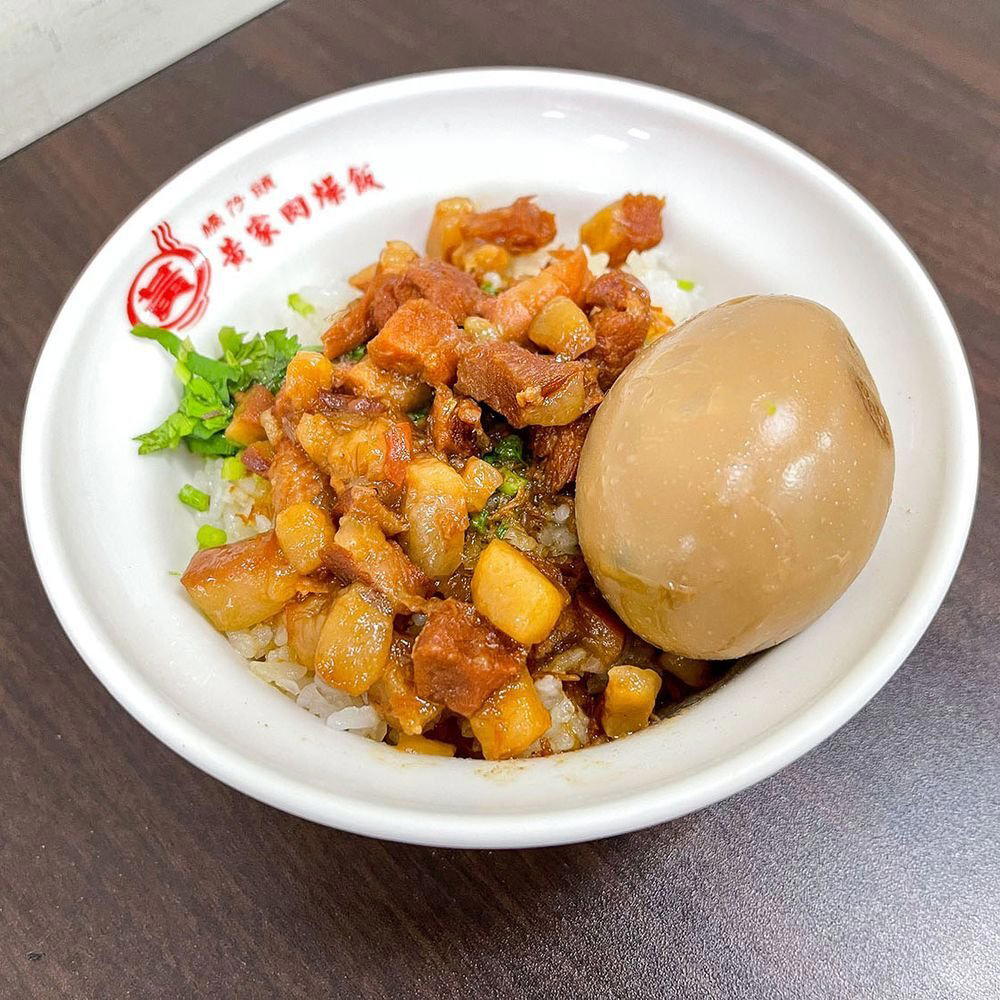
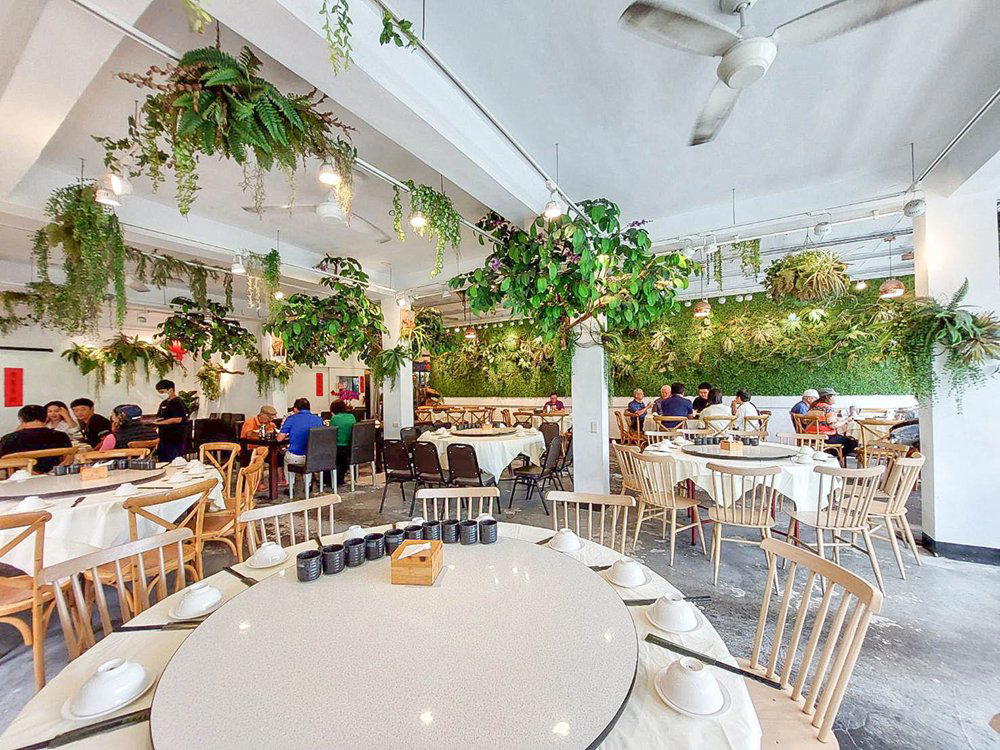
Kaohsiung's dining reputation is built largely on its port-city energy and the beef soup counters and night-market stalls that define the urban core. Meinong District sits at a different register entirely. About an hour inland from the city centre, it is one of Taiwan's most intact Hakka communities, and the food here reflects that continuity: preserved vegetables, braised pork belly, rice-based staples, and a cooking vocabulary that has stayed closer to its southern Chinese roots than anything you will find in Taipei or even central Kaohsiung. Ibu Kitchen occupies that tradition directly, and two consecutive Michelin Bib Gourmand awards (2024 and 2025) have made it the most legible address in the district for visitors arriving with serious appetite and limited time.
The Bib Gourmand designation matters here not as a trophy but as a category signal. Michelin awards the Bib to restaurants offering notable cooking at moderate cost, defined internationally as a satisfying meal for a reasonable price. At a $$ price point, Ibu Kitchen sits comfortably within that framing, and the back-to-back recognition across two guide cycles confirms the kitchen's consistency rather than a single strong year. Among Kaohsiung's Michelin-recognised roster, which includes starred venues like GEN and Haili at higher price tiers, Ibu Kitchen represents the accessible anchor, the place where the guide's reach extends into regional, everyday cooking rather than destination dining.
What Hakka Cooking Actually Means on This Menu
It is worth being precise about where that framing fits and where it requires adjustment. Ibu Kitchen is a Hakka restaurant, not a Cantonese yum cha house, and the two traditions are related but distinct. Hakka cuisine shares some dumpling and wrapped-food vocabulary with Cantonese cooking, pan-fried rice dumplings, stuffed tofu, glutinous preparations, but the flavour profile tends toward saltier, more preserved ingredients, with dried radish, fermented bean curd, and salted mustard greens appearing as recurring structural elements rather than garnishes.
Where the morning-ritual framing does apply is in the pace and format of a Hakka meal at a place like this. Dishes arrive in sequence, portions are designed for sharing, and the pleasure is cumulative rather than climactic. The rhythm resembles the unhurried cadence of a dim sum session more than the linear progression of a Western tasting menu. Meinong's signature preparation, ban tiao, flat rice noodles served with toppings in a loose broth or dry-tossed, is the kind of dish that makes sense as a first item on the table before heavier braised preparations follow. The dumpling traditions here tend toward heavier, chewier skins than the delicate har gow of a Cantonese tearoom, reflecting the Hakka preference for textures that hold up to strong braising liquids and pickled accompaniments.
Meinong as a Destination, Not a Detour
One of the structural questions for any Kaohsiung itinerary is whether Meinong warrants the trip on its own terms or functions only as an add-on to a day at the nearby Fo Guang Shan monastery complex. The Michelin recognition of Ibu Kitchen has shifted that calculation. The comparison point is useful: most Bib Gourmand restaurants in Taiwan's major cities exist within competitive urban clusters where the award is one of many quality signals. In Meinong, Ibu Kitchen operates with more singular prominence, the Michelin designation here acts as a louder signal than it would in a city block full of recognised restaurants.
Visitors combining Ibu Kitchen with the broader Meinong experience, yellow butterfly migration in spring, the tobacco-barn architecture, the paper umbrella workshops, will find the cooking fits the place rather than contrasting with it. That coherence between setting and plate is increasingly rare, and it is the core reason this address appears in conversation alongside very different venues in Taiwan's broader dining scene, including starred urban operators like JL Studio in Taichung or logy in Taipei, not as a peer in cuisine type, but as part of the same national story about what Michelin's Taiwan guide now covers and values.
Where Ibu Kitchen Fits Among Kaohsiung's Recognised Restaurants
Kaohsiung's Michelin-acknowledged dining now spans a wide range. At the upper end, Japanese venues like Sho and Cantonese rooms like GEN sit at the $$$$ tier with star recognition. Haili operates at $$$ with a Michelin star in the Modern Cuisine category. Then there is the accessible tier, where Beef Chief (Zihciang 2nd Road) anchors Taiwanese beef soup culture in the city's urban grid. Ibu Kitchen occupies the same $$ tier as Beef Chief but operates in an entirely different geographical and culinary register, suburban, Hakka, and oriented around preserved and braised preparations rather than the fresh-kill beef soup tradition.
Within the broader Taiwanese dining canon, the regional specificity of Ibu Kitchen connects it to a strand of cooking that places like A Cun Beef Soup in Tainan and Akame in Wutai Township also represent: kitchens whose identity is inseparable from their geography. This is not cooking that could be lifted and replicated in a Taipei dining room without losing something essential. That rootedness is the proposition. For visitors who have already covered Taipei's Taiwanese dining options, including Fujin Tree Taiwanese Cuisine & Champagne, Golden Formosa, and Ming Fu, Ibu Kitchen represents a genuinely different chapter of the same island's food culture.
Kaohsiung's other Taiwanese addresses worth cross-referencing include A Fung's Harmony Cuisine, Bo Home, Chang Sheng 29, and Chao Ming. Each occupies a different position in the city's dining spread, and taken together they map a cuisine range from night-market-adjacent to destination-worthy.
Planning a Visit
Ibu Kitchen is located at No. 629, Section 2, Zhongshan Road, Meinong District, a specific address in a low-density district where navigation by GPS is more reliable than street logic. The practical reality of Meinong is that public transport connections from central Kaohsiung are limited; most visitors arrive by scooter, car, or organised day-trip. Building Ibu Kitchen into a half-day Meinong itinerary rather than a standalone lunch trip makes better use of the travel time involved. The Bib Gourmand recognition has increased visitor volume, so arriving early or timing outside peak weekend hours will improve the experience. For the full picture on where to eat, drink, and stay in the city, see our full Kaohsiung restaurants guide, Kaohsiung hotels guide, Kaohsiung bars guide, Kaohsiung wineries guide, and Kaohsiung experiences guide.
Frequently asked questions
What's the price range at Ibu Kitchen?
Pricing at Ibu Kitchen is listed as $$.
Has Ibu Kitchen won any awards?
Ibu Kitchen has received recognition including: Michelin Bib Gourmand (2025); Michelin Bib Gourmand (2024).
What should I eat at Ibu Kitchen?
Ibu Kitchen holds a Michelin Bib Gourmand for both 2024 and 2025, awarded specifically in the context of its Hakka home cooking tradition. The Hakka table in Meinong centres on preserved, braised, and stir-fried preparations that differ clearly from the beef soup and night-market formats that dominate Kaohsiung's urban core.
Where is Ibu Kitchen in Kaohsiung?
Ibu Kitchen is located at No. 629號, Section 2, Zhongshan Rd, Meinong District, Kaohsiung City, Taiwan 843, Kaohsiung.
How far ahead should I plan for Ibu Kitchen?
Ibu Kitchen is located at No. 629, Section 2, Zhongshan Road in Meinong District, a low-density area where GPS navigation is advisable and transport requires planning in advance. Its consecutive Bib Gourmand recognitions in 2024 and 2025 have raised its profile beyond local regulars, so confirming availability before making the trip from central Kaohsiung is sensible. No booking phone or website is currently listed in public records, so enquiring through your hotel or arriving early on the day are the most reliable options.
Fast Comparison
| Venue | Cuisine | Price | Awards | Notes |
|---|---|---|---|---|
| Ibu KitchenThis venue (the venue you are viewing) | Indigenous Taiwanese | $20–30 | Michelin Bib Gourmand | Not listed |
| Sho | Modern Japanese Kaiseki with Taiwanese Influences | $100–150 | 1 Michelin Star | Japanese |
| Papillon | Modern French Neo Bistro | $100–150 | Michelin Plate | French, French Contemporary |
| GEN | Modern Chinese Fine Dining | Not listed | 1 Michelin Star | Cantonese |
| Haili | Japanese-French Fusion Fine Dining | $100–150 | 1 Michelin Star · Star Wine List | Modern Cuisine |
| Beef Chief (Zihciang 2nd Road) | Taiwanese Beef Hot Pot | $10–20 | Michelin Bib Gourmand | Taiwanese |
Recognition history
Dated appearances from independent guides and award organizations, with the underlying list record or original source where available.
Michelin Bib Gourmand
Michelin
Full recognition history (3 entries)
Michelin Bib Gourmand
Michelin
Michelin Bib Gourmand
Michelin