On a narrow street in Antwerp's old city, I Ro HA brings Japanese dining ritual to the heart of Belgium's most food-serious city. The address on Haarstraat 8 places it within walking distance of Antwerp's cathedral quarter, positioning it alongside a cohort of restaurants that treat the meal as a structured, paced event rather than a casual transaction.
 Discover on Pearl
Pearl is the En Primeur Club membership app — saves, bookings, and concierge access live there. Same editors, same standards.
- Address
- Haarstraat 8, 2000 Antwerpen, Belgium
- Phone
- +32 3 213 08 32
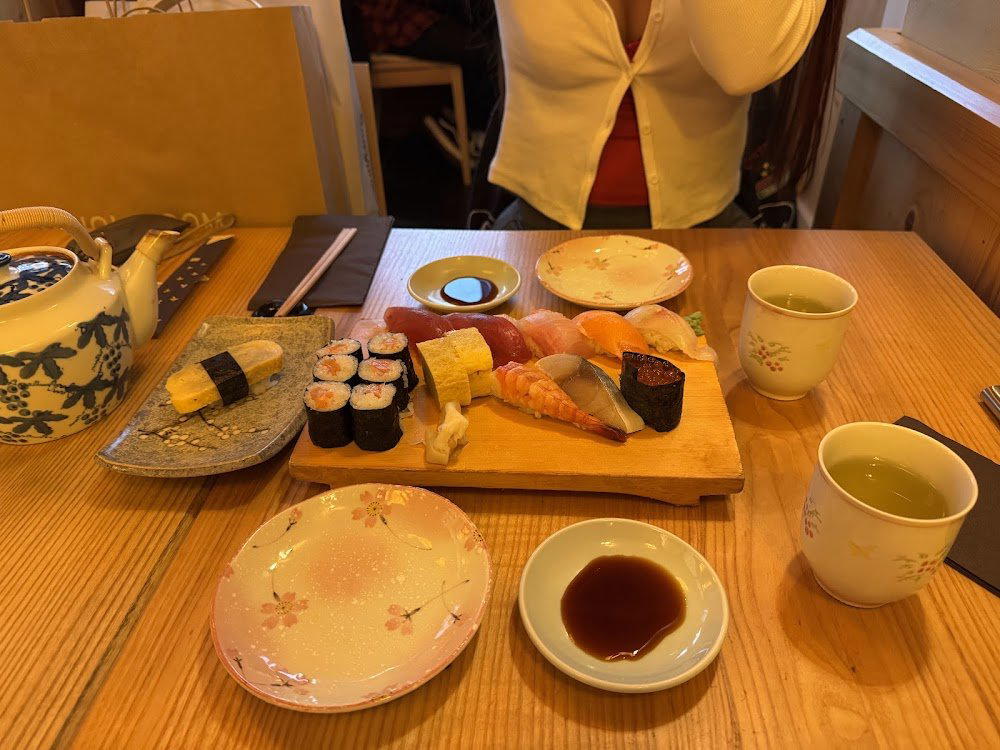
Haarstraat and the Japanese Dining Tradition in Antwerp
Antwerp has long operated as one of Belgium's most serious dining cities, a place where the restaurant as institution carries genuine cultural weight. The city's leading tables, from the creative intensity of Zilte to the Flemish classicism of 't Fornuis, share a commitment to the meal as a deliberate, time-structured experience. Japanese cuisine, at its more serious end, operates by the same logic: the meal unfolds in a sequence dictated by the kitchen, not the diner's impatience. I Ro HA, at Haarstraat 8 in the old city, occupies that intersection, bringing Japanese dining customs to a city that already knows how to receive them.
Haarstraat sits close to Antwerp's cathedral quarter, a part of the city where narrow medieval streets open unexpectedly onto grand civic spaces. The physical approach to I Ro HA sets a register before anything is served. Japanese restaurant culture has long understood that arrival and threshold are part of the meal: the shift from street to interior, from noise to quiet, signals to the diner that a different set of expectations now applies. That transition matters in Antwerp, where the surrounding neighbourhood moves at the pace of a busy port city.
The Logic of Japanese Dining Ritual
At the more formal end of Japanese dining, the meal is not a menu of choices so much as a sequence of decisions already made on the diner's behalf. The kitchen sets the pace. Courses arrive when they are ready, not when summoned. This model, familiar from omakase counters in Tokyo or the Korean tasting format that Atomix in New York has refined over consecutive years of recognition, asks something specific of the diner: patience, attention, and a willingness to follow rather than direct.
That ask is increasingly welcome in Antwerp's dining culture. The city's most discussed restaurants in recent years have moved toward longer, more structured formats. Hertog Jan at Botanic, operating at the €€€€ price tier, treats each service as a composed event. DIM Dining, also at €€€€, brings Japanese and Asian influences to a similarly deliberate format. I Ro HA enters this environment as a venue whose core proposition is the ritual itself: the order in which things arrive, the way the table is managed, the respect accorded to silence between courses.
Across Belgium's wider fine dining circuit, the structured meal has become a consistent signal of serious intent. Hof van Cleve in Kruishoutem, Boury in Roeselare, and Willem Hiele in Oudenburg each demonstrate, in different registers, that Belgian diners are fluent in the slow, sequenced meal. Japanese dining ritual asks for something similar but brings its own grammar: the bow, the presentation of ingredients before preparation, the warm towel before eating, the deliberate minimalism of the table setting.
Placing I Ro HA in Antwerp's Japanese Dining Tier
Antwerp's Japanese restaurant offer has broadened considerably over the past decade, but serious Japanese dining in Belgium remains a smaller, more concentrated category than in Paris or Amsterdam. The venues that operate at the higher end of that category typically distinguish themselves not by the number of dishes but by the quality of sourcing, the precision of technique, and the discipline of service pacing. I Ro HA's address in the old city, away from the more commercial dining strips, signals an orientation toward the local regular rather than the passing tourist.
For comparison within Belgium's broader fine dining geography, venues like Bartholomeus in Heist and De Jonkman in Sint-Kruis demonstrate that serious culinary ambition in Belgium is not confined to the major cities. Within Antwerp itself, the Japanese dining tier sits alongside French-influenced rooms and modern Flemish formats, each competing for the diner who wants the meal as the event of the evening.
At the international reference point, Japanese-influenced fine dining has been validated repeatedly by major award bodies. Le Bernardin in New York has long demonstrated how Japanese precision can translate through a French fine dining framework. That cross-cultural fluency is increasingly common in European cities, where Japanese technique has migrated from specialist venues into the broader fine dining vocabulary. I Ro HA operates in a city already familiar with that migration.
Etiquette, Pacing, and What to Expect
For diners less familiar with the customs of serious Japanese dining, a few structural observations are useful. The meal at a venue operating in this tradition moves on the kitchen's timeline, not the diner's. Arriving on time matters more than it does at a brasserie. The table is typically spare: no elaborate decorative elements, few unnecessary objects. This is not minimalism as aesthetic gesture but minimalism as function, keeping the diner's attention on what arrives in front of them.
What can be said is that Japanese restaurants operating at this register in European cities tend to build their identity around a small number of preparations done with unusual precision, rather than a broad menu with multiple options per course. The diner's role is to receive, not to compose.
Japanese restaurants at the more serious end of the market in European cities typically require advance booking, sometimes weeks ahead during peak periods. The sensible approach is to treat a reservation as essential rather than optional. Haarstraat 8 is the confirmed address;
Complementary options nearby include Bistrot du Nord for French traditional cuisine and the full creative range available at Zilte. Further afield in Belgium, L'air du temps in Liernu, Castor in Beveren, and Bozar Restaurant in Brussels represent the wider Belgian dining conversation that serious Antwerp restaurants are part of.
Cuisine Context
Comparable venues nearby, for context on price, style, and recognition.
| Venue | Cuisine | Price | Awards | Notes |
|---|---|---|---|---|
| I Ro HAThis venue — the venue you are viewing | Authentic Japanese | $$ | , | |
| Izumi | Authentic Japanese Sushi & Sashimi | $$$ | , | Zuid |
| Takumi | Authentic Japanese Ramen | $$ | , | City Center |
| Kato | Traditional Japanese Omakase | $$ | , | Marnixplein area |
| Mico & Jon | Progressive Asian Fusion | $$ | , | Antwerp South |
| BelRoy's at Nine | Cocktail Bar | $$ | , | Historic Center |
At a Glance
- Cozy
- Hidden Gem
- Intimate
- Minimalist
- Date Night
- Special Occasion
- Sake Program
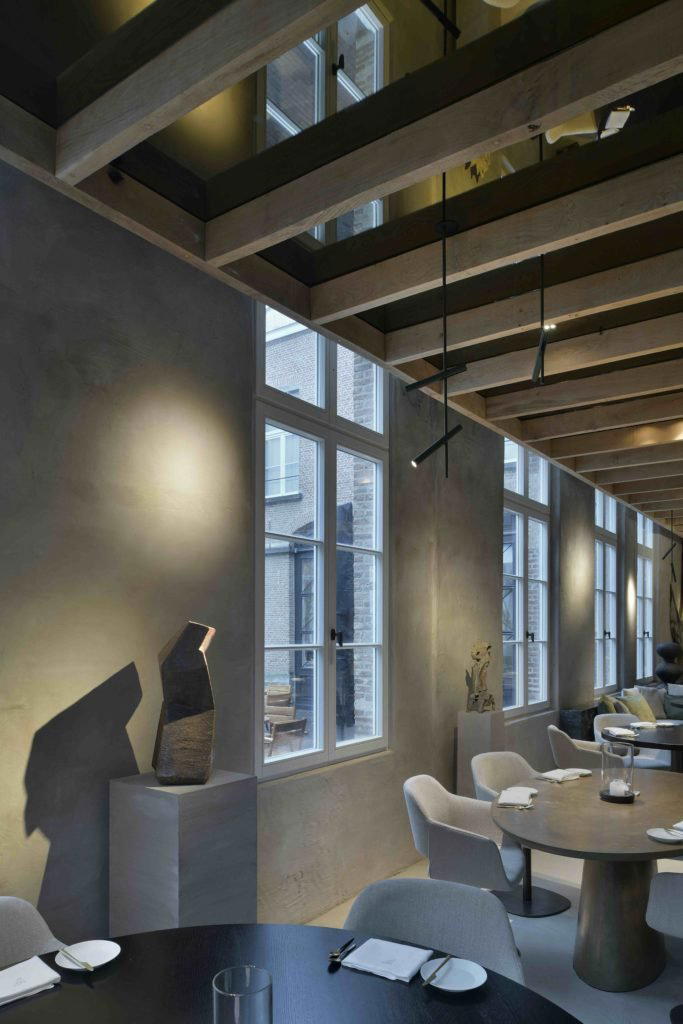
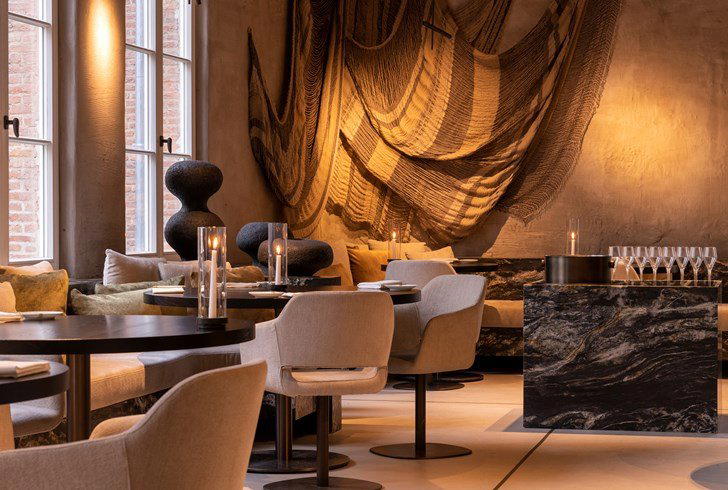
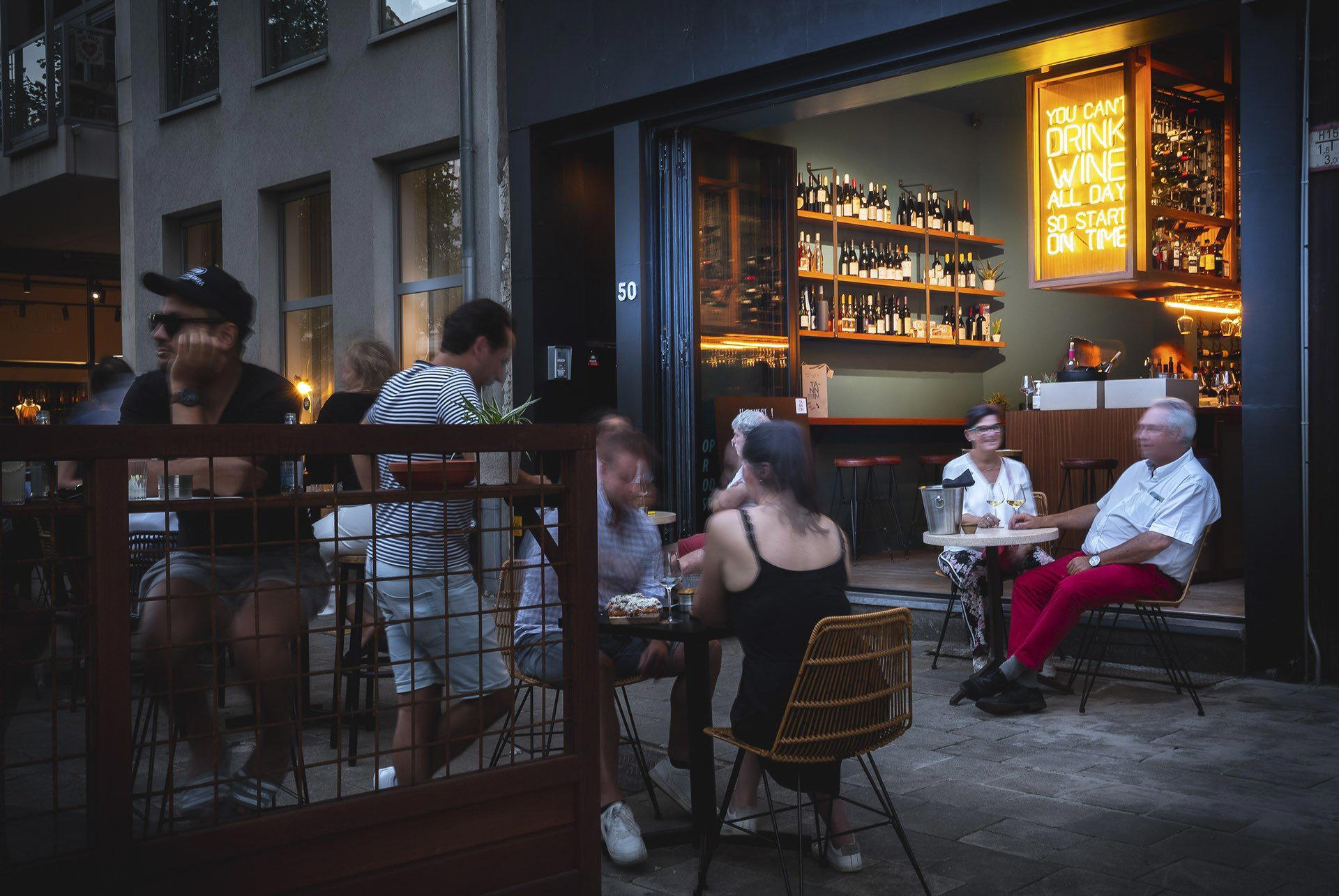
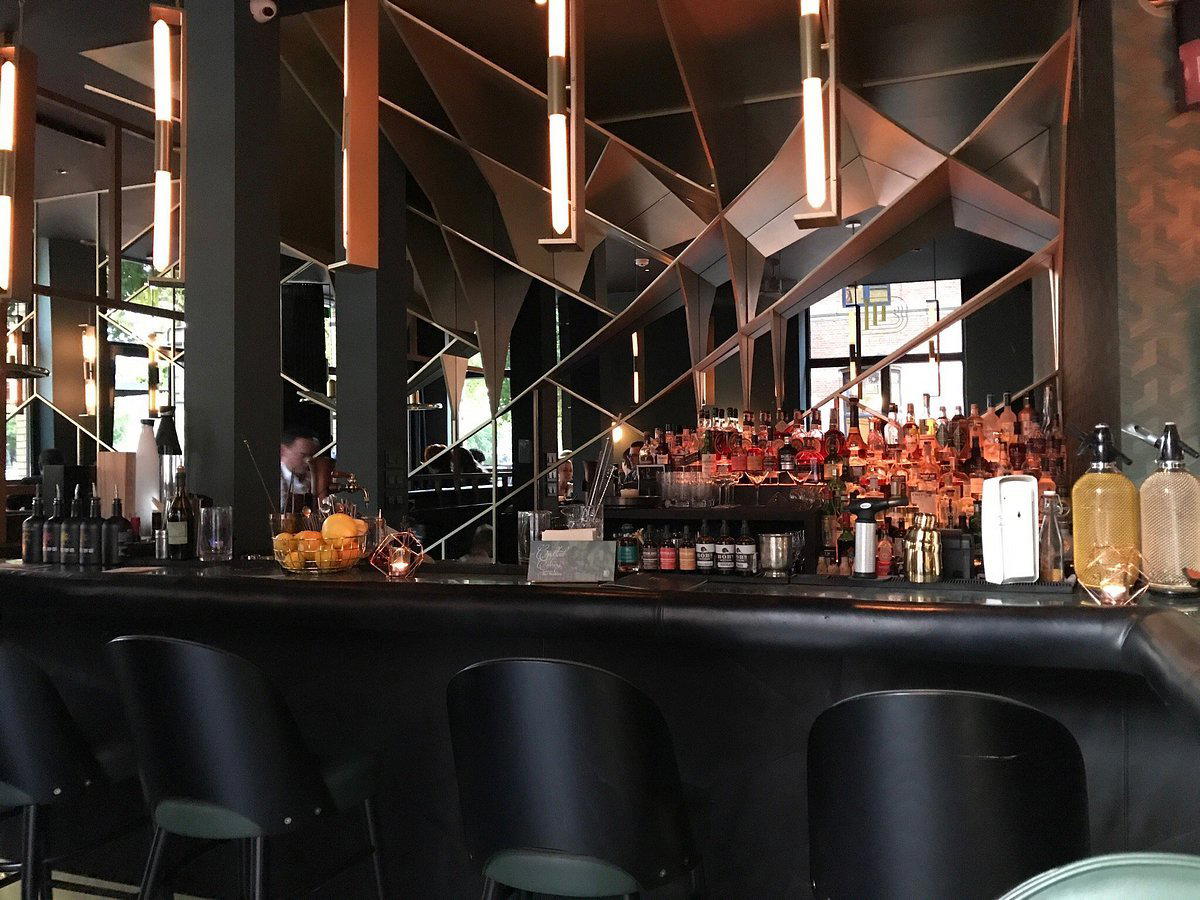
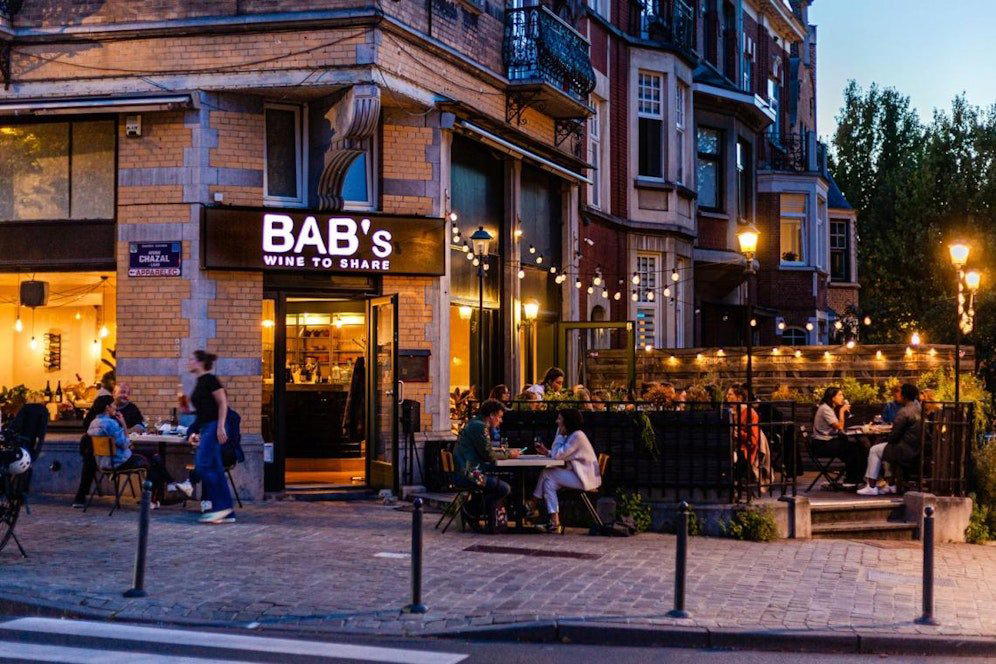
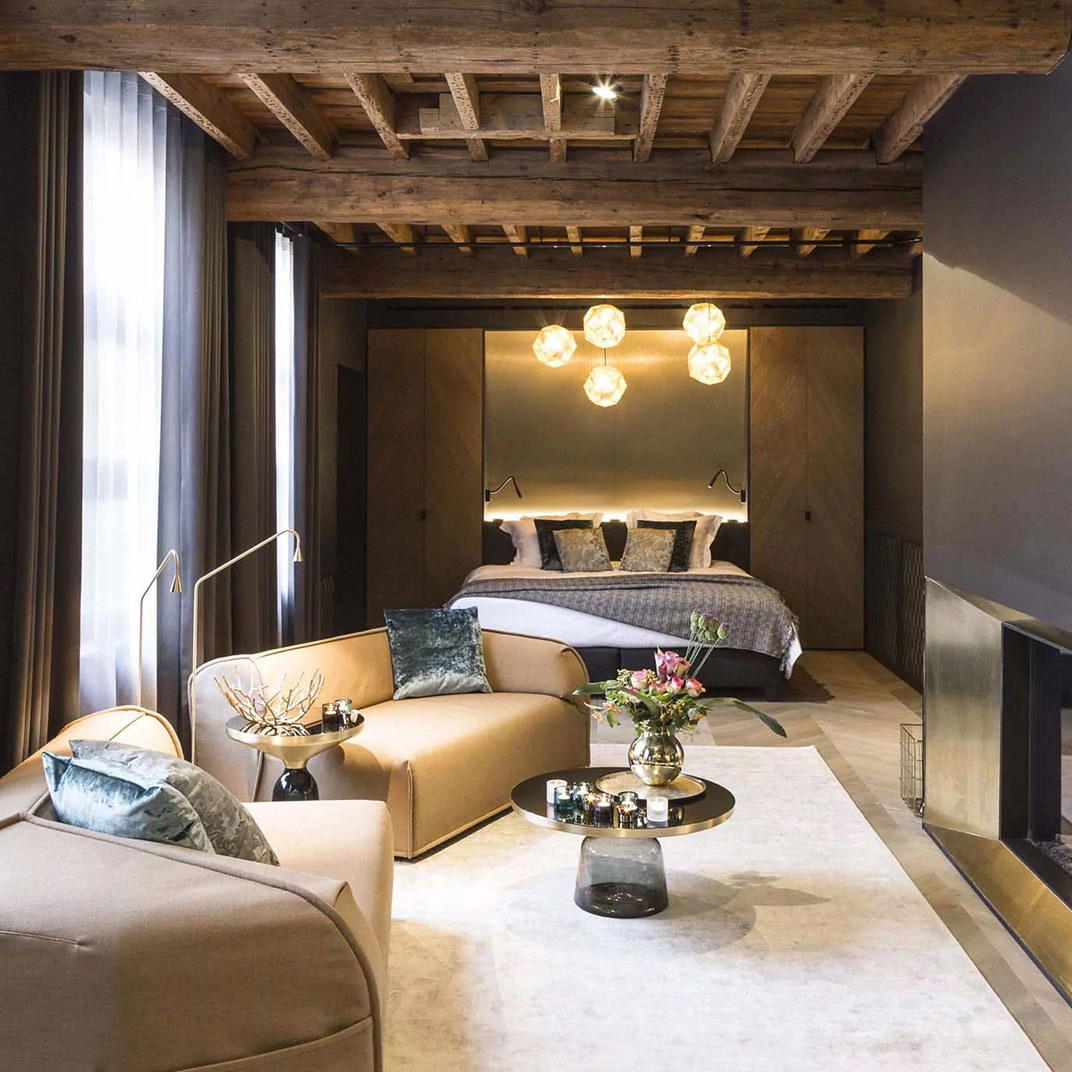
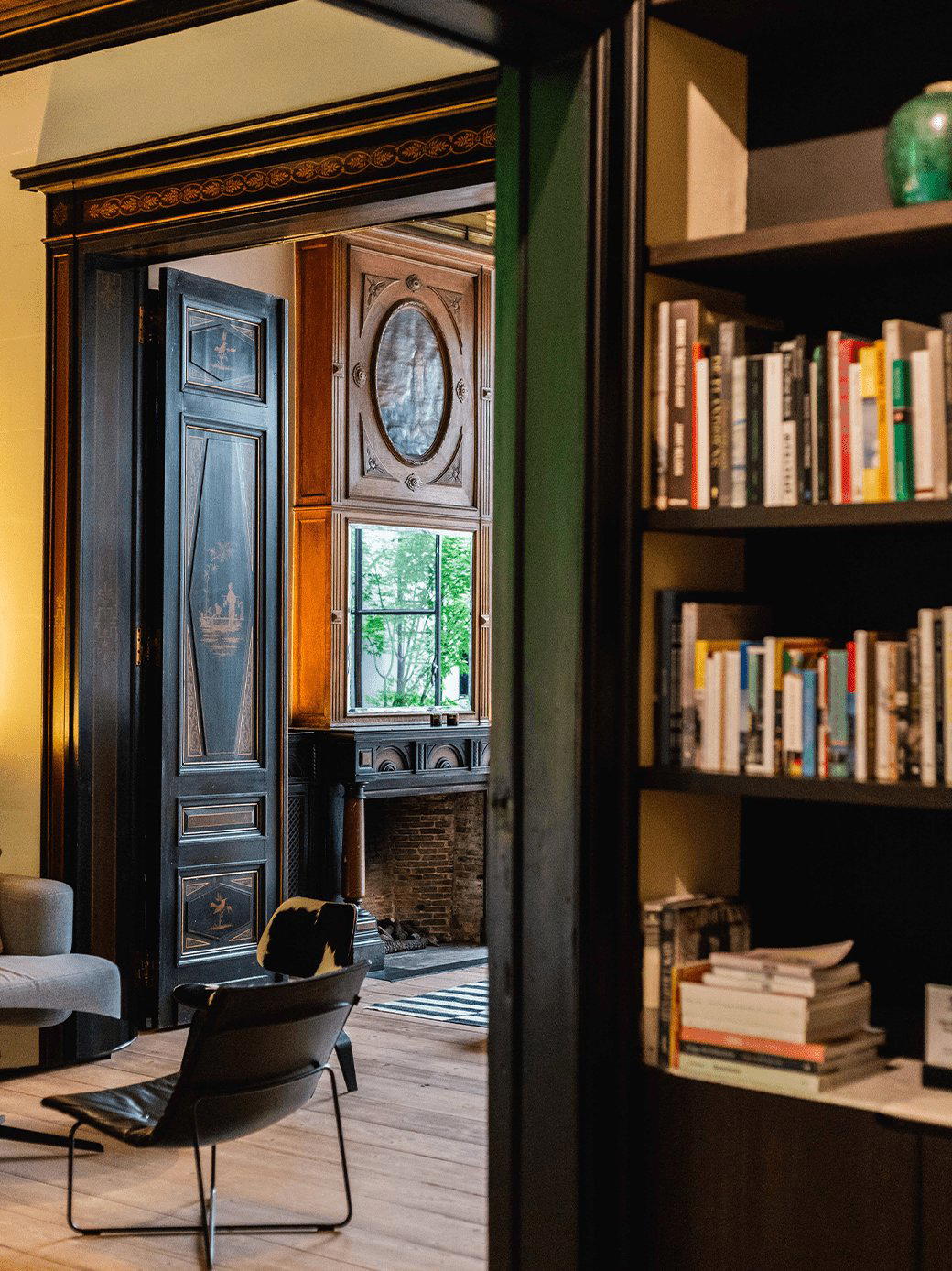
Minimalistic and traditional interior that is cozy, pleasant, and quiet with a warm, authentic Japanese atmosphere.