Hydraulic Hearth
Our verdict
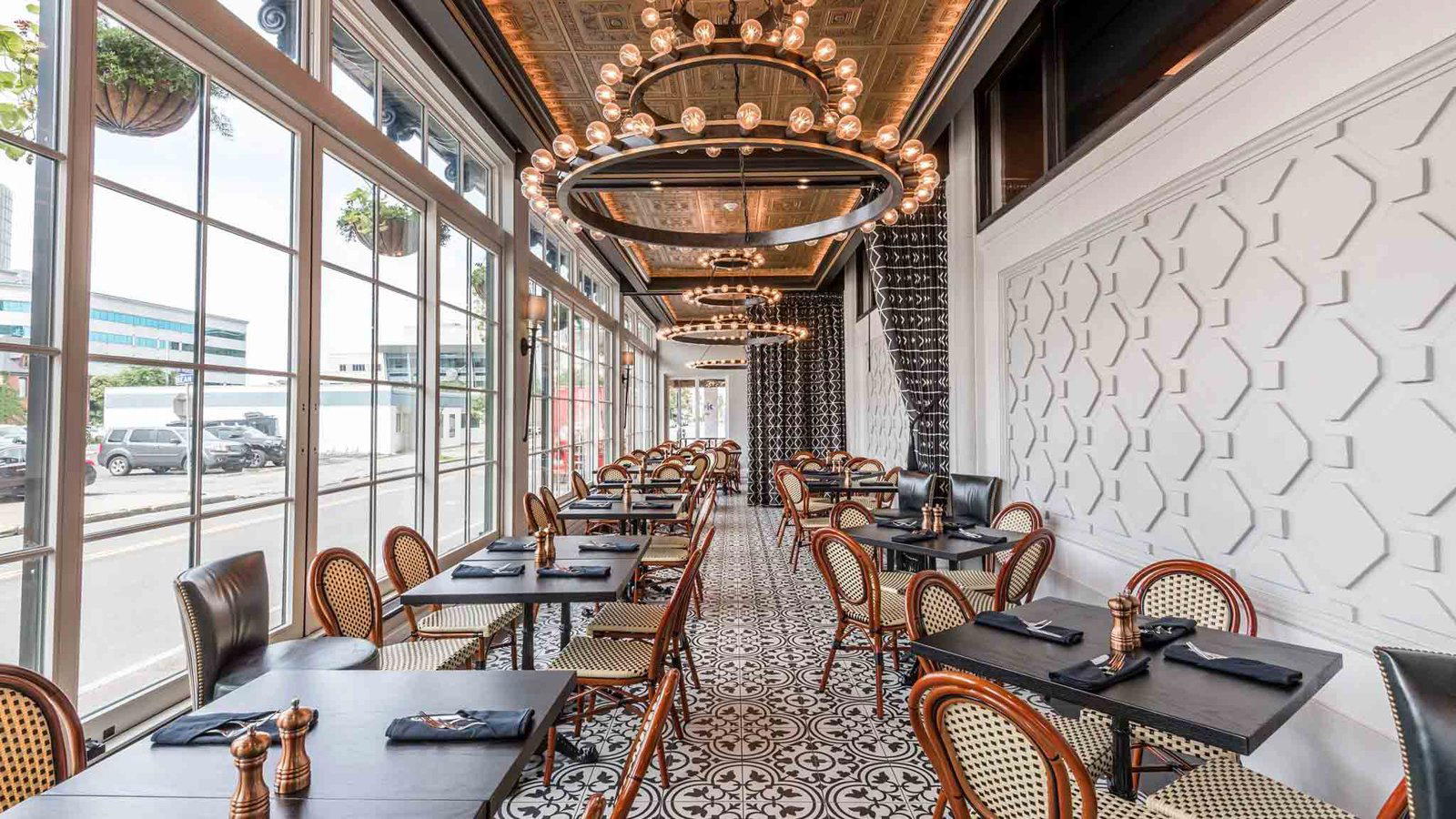
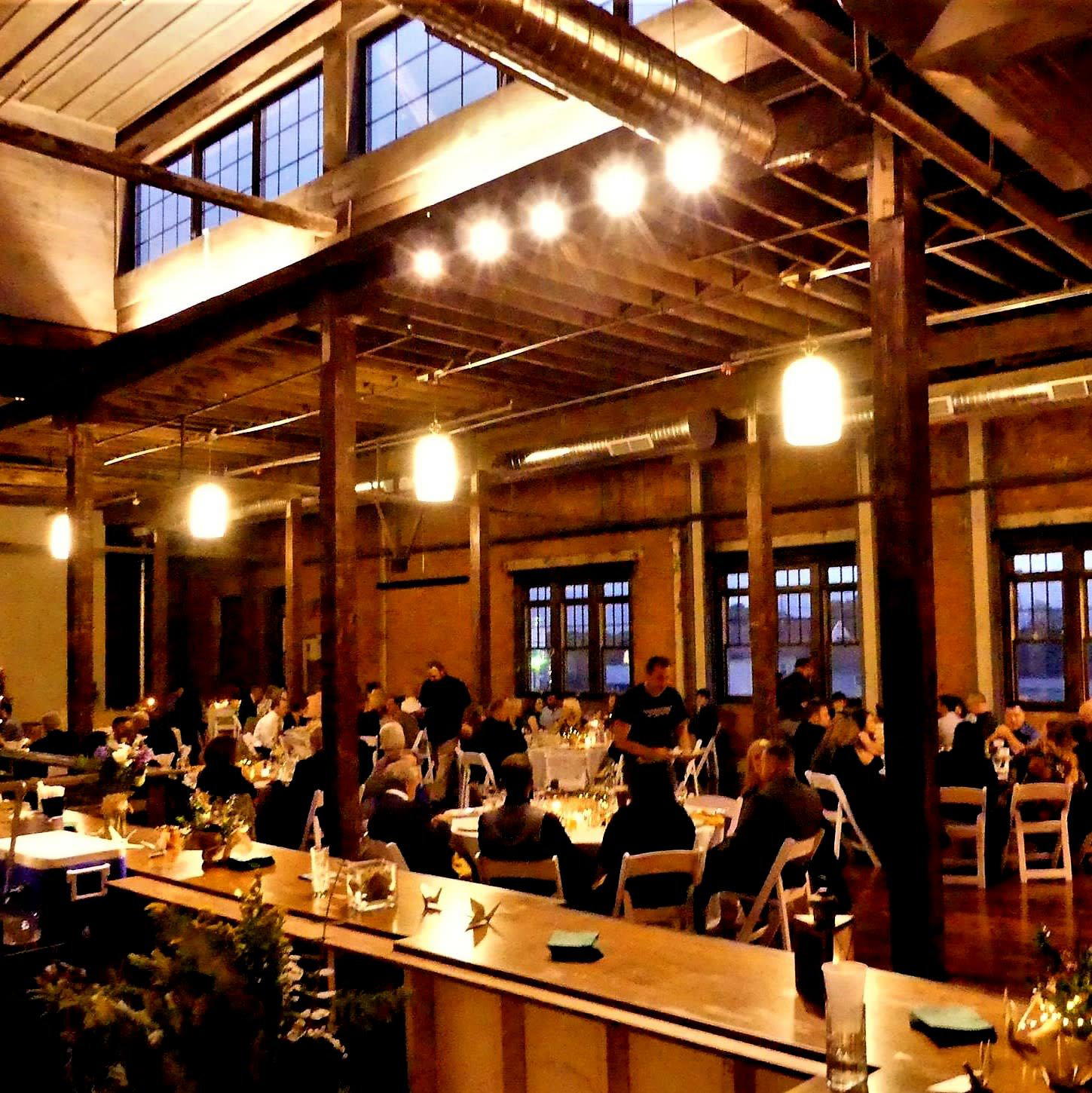
Hydraulic Hearth occupies a converted industrial space on Swan Street in Buffalo's Hydraulic Hearth district, where exposed brick and open hearth cooking define both the room and the menu. Positioned among Buffalo's mid-tier dining options, it draws on the neighbourhood's manufacturing heritage while serving wood-fired food in a setting that reads as a deliberate counterpoint to the city's bar-food defaults.

Pearl is the En Primeur Club membership app — saves, bookings, and concierge access live there. Same editors, same standards.
- Address
- 716 Swan St, Buffalo, NY 14210, USA
- Phone
- (716) 248-2216
- Hours
- Mon ClosedTue–Wed 4–9 PMThu 4–10 PMFri–Sat 4–11 PMSun Closed
- Website
- hydraulichearth.com
- Directions
- Get directions
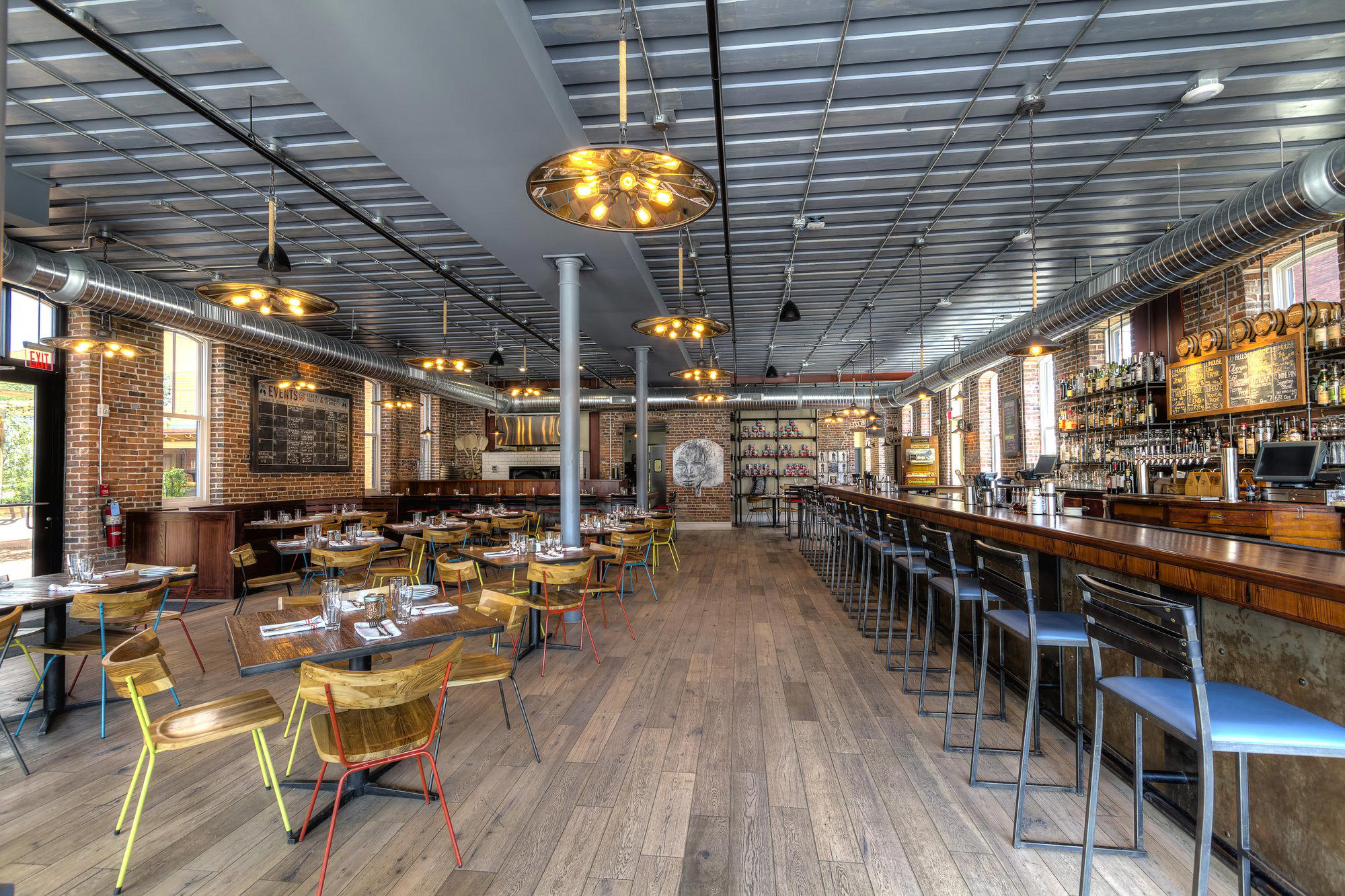
Steel, Brick, and Fire: Buffalo's Industrial Dining Moment
Buffalo's dining scene has spent the better part of a decade working out what to do with its industrial inheritance. The city's 19th-century grain elevators, tanneries, and machine shops left behind a stock of high-ceilinged, heavy-timbered interiors that a new generation of operators has converted into something closer to destination dining. Hydraulic Hearth, at 716 Swan Street in the old Hydraulic district on the city's lower east side, sits squarely inside that renovation wave. The building's bones — exposed brick, structural ironwork, the kind of scale that only a former industrial use could generate — do the first act of the story before any food arrives.
That physical weight matters in a market like Buffalo, where the dining conversation still begins and ends with wings and the Anchor Bar tradition. A room that announces itself through architecture is, in this context, making an editorial statement. Swan Street itself has become something of a corridor for this kind of adaptive reuse, with the neighbourhood drawing comparison to the warehouse-district conversions that reshaped parts of Detroit and Cleveland over the same period.
The Hearth as Organizing Principle
In American dining, the open hearth has moved from novelty to a broadly accepted signal of kitchen seriousness. From Smyth in Chicago to Lazy Bear in San Francisco, fire-forward cooking has become the dominant aesthetic for restaurants that want to communicate craft without leaning on classical French formalism. The reasoning is direct: live fire is both a technique and a visual proposition, and in a room with the right industrial proportions, a working hearth transforms the sightlines of the dining experience entirely.
Hydraulic Hearth's name foregrounds this commitment explicitly. Where a counter-service spot might rely on the neighbourhood's reputation alone, anchoring the name in the hearth itself sets a particular expectation about how food will be cooked and how the room will feel. For diners comparing options on Swan Street, that specificity functions as differentiation in a city where casual bar-food formats, represented by venues like Billy Club, remain the default.
Buffalo's Adaptive Reuse Dining Tier
Buffalo's dining market splits in ways that map fairly cleanly onto property type. The highest-visibility addresses tend to cluster around the waterfront and the Theatre District, where 42N at The Flats positions itself against a lake-view premium. Neighbourhood dining, represented by long-running spots like Amy's Place and Betty's, holds a different kind of loyalty based on community tenure. The adaptive-reuse industrial tier, which Hydraulic Hearth occupies, sits between these two poles: more destination-oriented than the neighbourhood stalwarts, but without the water-view premium of the waterfront addresses.
What this tier trades on is atmosphere density, the sense that the physical space is doing significant work alongside the kitchen. In cities with stronger fine-dining ecosystems, this might be a secondary consideration. In Buffalo, where the bar for physical ambition remains relatively low compared to peer markets, a room that reads as intentionally designed carries proportionally more weight. It is worth comparing this dynamic to how adaptive-reuse dining has functioned in other mid-sized American cities: in each case, the industrial venue tends to operate as a proof-of-concept for what the neighbourhood could become, as much as it functions as a restaurant in the conventional sense.
Where Hydraulic Hearth Sits in a National Conversation
Placing Hydraulic Hearth against the national field requires some adjustment of scale. The venues that have defined fire-forward American dining at the highest level, Blue Hill at Stone Barns in Tarrytown, Single Thread Farm in Healdsburg, or The French Laundry in Napa, operate at a price and intensity point that places them in a category apart. Closer to Buffalo's market weight, the more relevant comparison is how fire-focused programming has migrated down from those flagship addresses into regional dining markets, losing some of the obsessive sourcing infrastructure but retaining the visual and culinary logic of live-fire cooking.
At the far end of the national spectrum, Le Bernardin in New York City, Atomix in New York City, and Providence in Los Angeles represent what technical mastery looks like when resourced at full scale. Addison in San Diego, Emeril's in New Orleans, and The Inn at Little Washington each illustrate how regional markets can sustain serious cooking when the room, the concept, and the local audience align. Atelier Moessmer Norbert Niederkofler in Brunico pushes the comparison into European territory, where the industrial-heritage-meets-fine-dining format has developed its own distinct vocabulary. Hydraulic Hearth operates several tiers below all of these in ambition and price, but the underlying logic, a historically significant physical space organized around a specific cooking method, runs as a consistent thread through the category.
For a complete view of how Hydraulic Hearth compares to the full Buffalo dining field, see our full Buffalo restaurants guide.
Planning a Visit
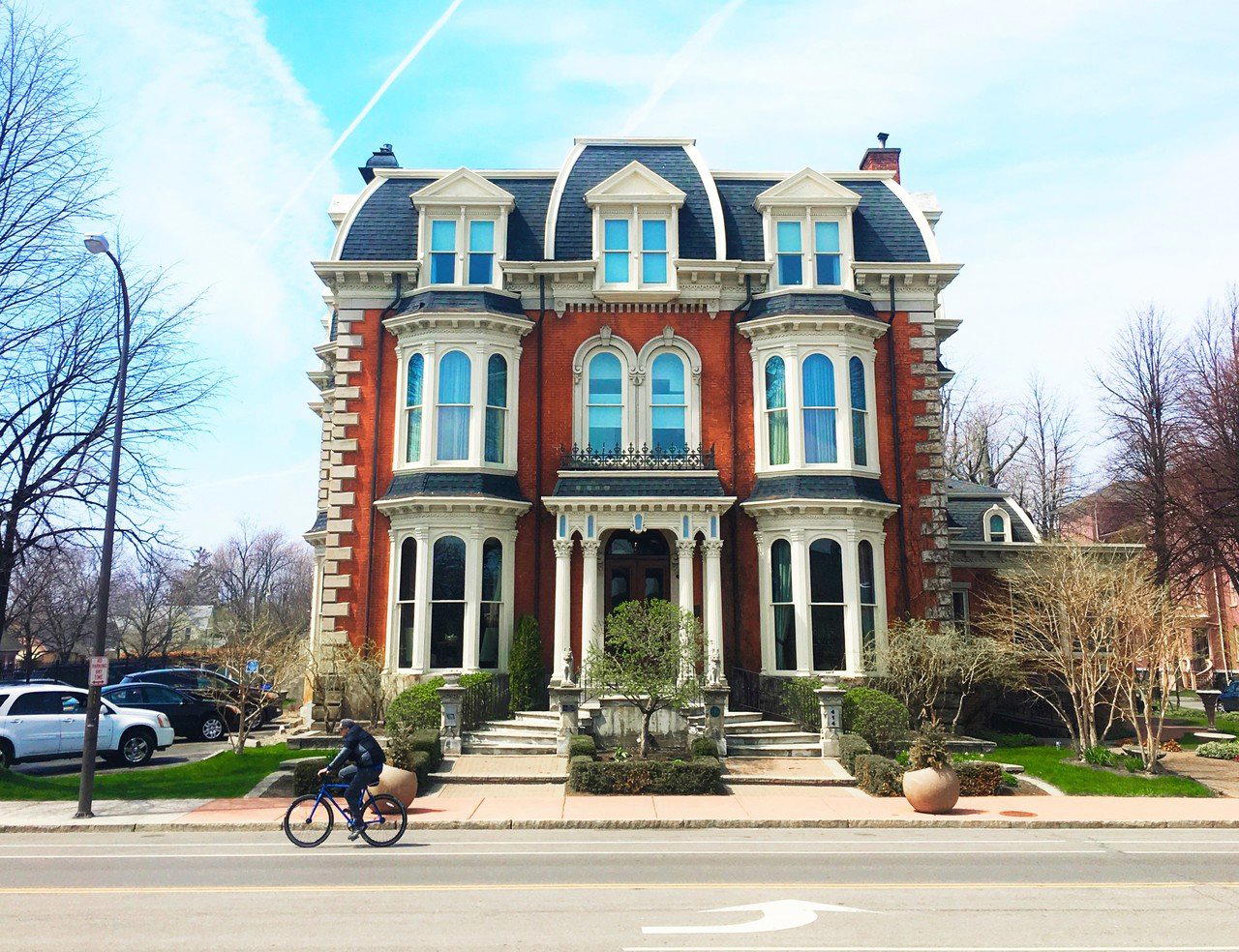
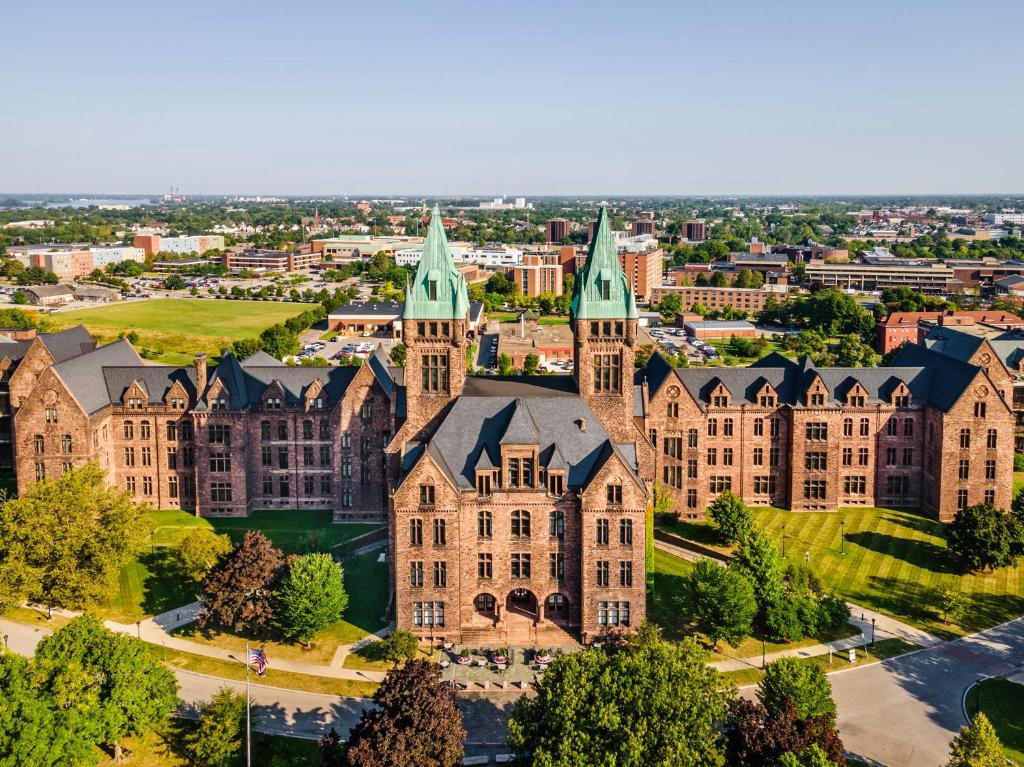
Hydraulic Hearth's Swan Street address places it in the Hydraulic district, a few minutes south of downtown Buffalo by car or rideshare. The neighbourhood retains a working-class industrial character that has not yet been fully smoothed by gentrification, which means the approach to the building is part of the experience: the venue announces itself against a backdrop of older brick warehouses and machine-shop facades rather than polished retail frontage.
Frequently asked questions
Where exactly is Hydraulic Hearth?
Hydraulic Hearth is located at 716 Swan St, Buffalo, NY 14210, USA, Buffalo.
What kind of setting does Hydraulic Hearth occupy in the Hydraulic district?
Hydraulic Hearth occupies 716 Swan Street in Buffalo's Hydraulic district, a neighbourhood shaped by 19th-century industrial construction that has become one of the city's more active adaptive-reuse corridors. The combination of a converted historic structure and an open hearth as the kitchen's central feature places it in a specific tier of Buffalo dining where the building itself is part of the concept, not incidental to it.
What do people recommend at Hydraulic Hearth?
The kitchen's organizing principle is the open hearth, so wood-fired preparations are the natural starting point for any order. In hearth-forward restaurants as a category, fire-cooked proteins and anything finished directly over live coals tend to draw the most attention from returning guests. Hydraulic Hearth's Swan Street location in Buffalo's Hydraulic district draws a crowd that knows what it came for, so following the menu's fire-driven logic is the surest path to a representative meal.
Do they take walk-ins at Hydraulic Hearth?
Buffalo's adaptive-reuse dining corridor on Swan Street operates without the reservation pressure of award-tracked venues in New York City or Chicago, but Hydraulic Hearth has developed enough of a local following that evenings and weekends can fill quickly. Contacting the restaurant directly before arrival is the practical approach, particularly for groups or weekend visits to the Hydraulic district.
What's the signature at Hydraulic Hearth?
In hearth-focused kitchens, the signature is typically defined by what the fire does with greatest precision: proteins cooked over live coals, house-made preparations that benefit from radiant heat, and anything where wood smoke becomes a deliberate seasoning rather than a byproduct. At Hydraulic Hearth, the hearth itself is the organizing concept, which means the dishes that lean hardest into that technique are the clearest expression of what the kitchen is built around.
A Minimal comparable set
Comparable venues nearby, for context on price, style, and recognition.
| Venue | Cuisine | Price | Notes |
|---|---|---|---|
| Hydraulic HearthThis venue — the venue you are viewing | Wood-Fired Pizza & Brewery | $20–30 | Not listed |
| Toutant | Southern American Comfort | Not listed | Central, Southern American Comfort |
| The Bijou | Classic American Comfort | Not listed | Central, Classic American Comfort |
| Patina 250 | Modern American Fine Dining | $50–100 | Central, Modern American Fine Dining |
| The Black Sheep Restaurant & Bar | Farm-to-Table American Gastropub | Not listed | West Side, Farm-to-Table American Gastropub |
| Buffalo RiverWorks | American Gastropub | $20–30 | Central, American Gastropub |
Continue exploring
More in Buffalo
Restaurants in Buffalo
Browse all →
Bars in Buffalo
Browse all →
Hotels in Buffalo
Browse all →

Details
- Rustic
- Lively
- Industrial
- Cozy
- Group Dining
- Casual Hangout
- Brunch
- Open Kitchen
- Craft Cocktails
- Beer Program
- A La Carte
- Small Plates
- Craft Beer
- Craft Cocktails
- Vegetarian Friendly
- Vegan Options
- Gluten Free Options
Current opening hours
- Monday
- Closed
- Tuesday
- 4–9 PM
- Wednesday
- 4–9 PM
- Thursday
- 4–10 PM
- Friday
- 4–11 PM
- Saturday
- 4–11 PM
- Sunday
- Closed
Hours can change for holidays and private events. Last verified .
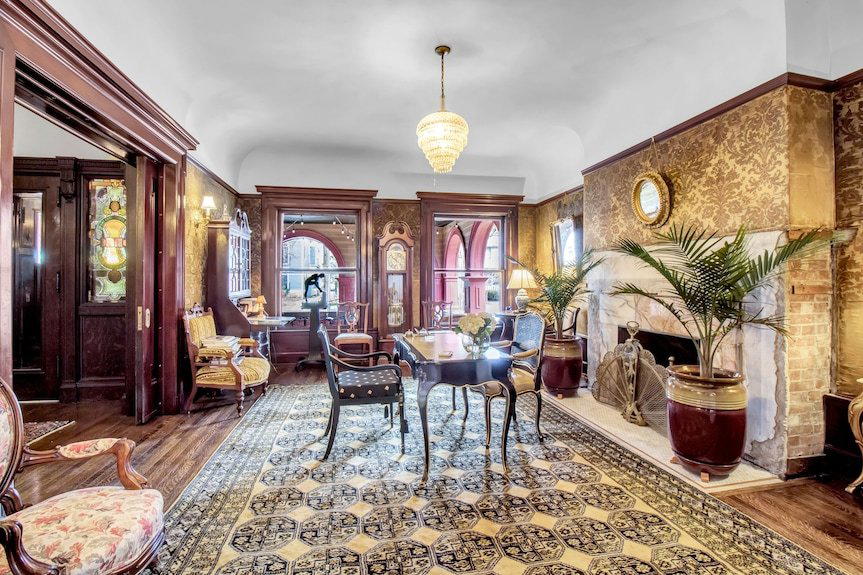
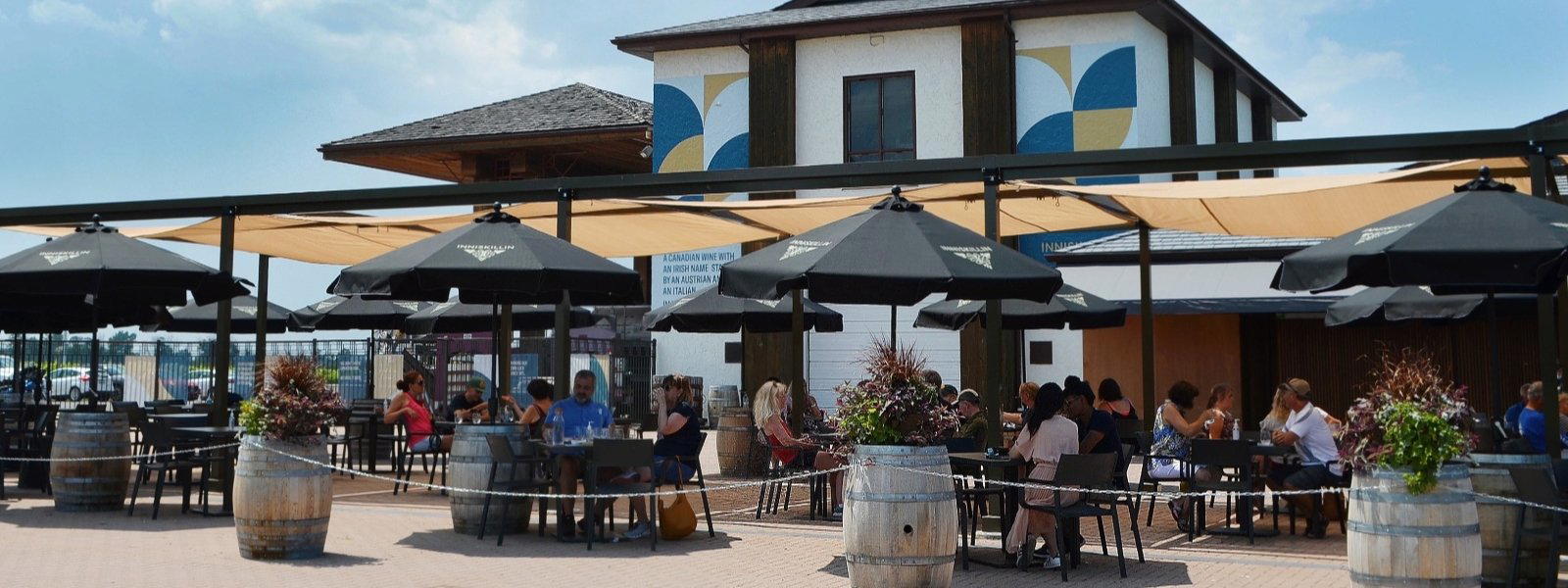
Rustic industrial atmosphere with warm brick oven views, lively indoor space, and popular outdoor patio.