Hummus Mediterranean Kitchen
Our verdict
Hummus Mediterranean Kitchen on East 4th Avenue brings the structural logic of Levantine cooking to downtown San Mateo, where mezze-forward menus and shared plates sit at the more accessible end of a dining scene that otherwise skews toward omakase counters and chef-driven tasting formats. The address puts it within walking distance of the Caltrain corridor, making it a practical choice before or after travel.

Pearl is the En Primeur Club membership app — saves, bookings, and concierge access live there. Same editors, same standards.
- Address
- 150 E 4th Ave, San Mateo, CA 94401
- Phone
- (650) 401-6903
- Hours
- Mon–Sat 10:30 AM–9:30 PMSun 10:30 AM–9 PM
- Website
- eatathummus.com
- Directions
- Get directions
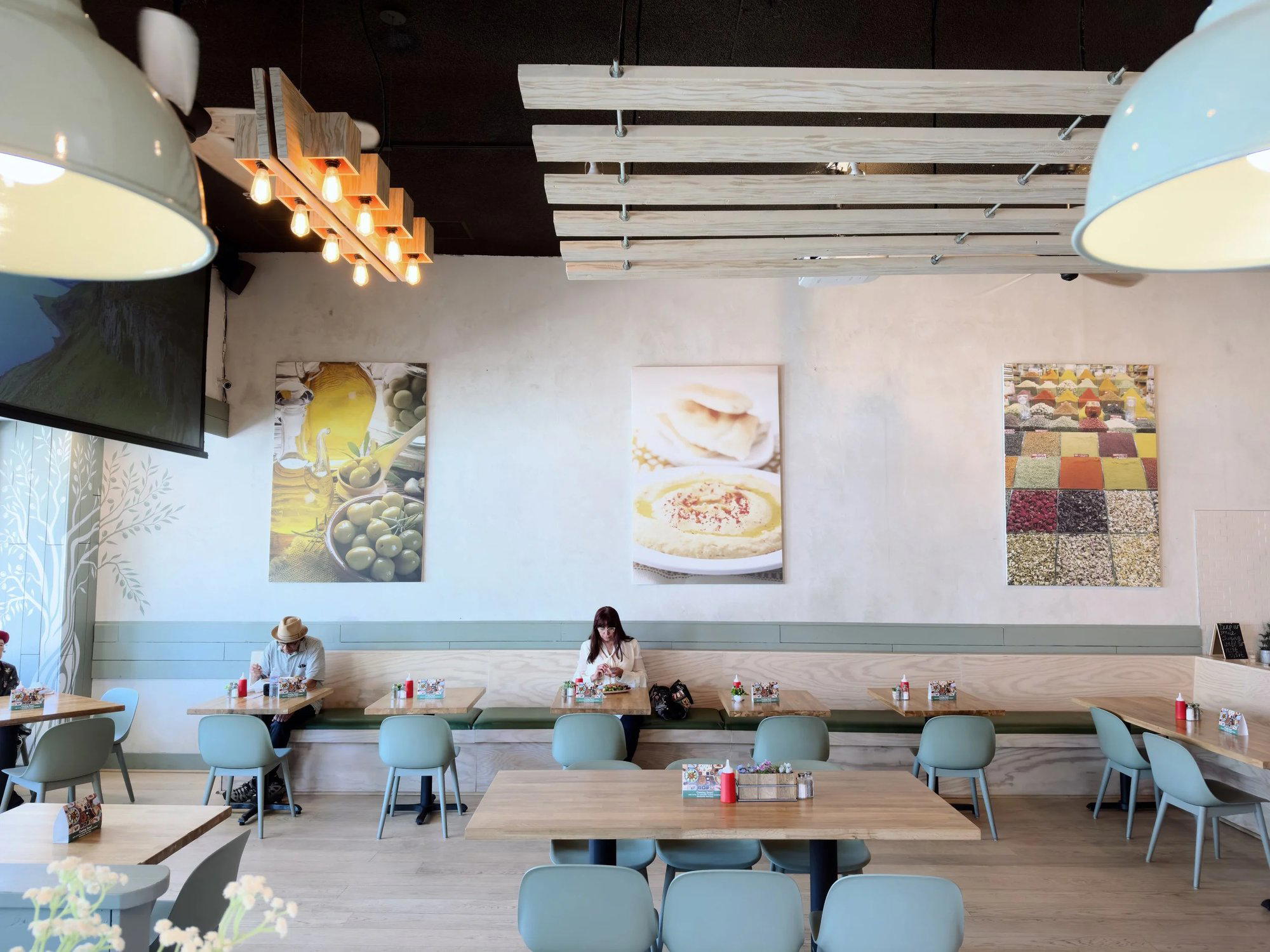
Mezze Logic on East 4th Avenue
San Mateo's dining corridor along 4th Avenue mixes price points and traditions in ways that few Peninsula cities manage. At the higher register, counters like Wakuriya operate on strict omakase formats with long lead times, and international kitchens like All Spice push into the $$$$ tier with composed tasting-adjacent menus. Hummus Mediterranean Kitchen at 150 East 4th Avenue occupies a different position entirely: a format built around shared plates and category anchors, where the menu's architecture does the ordering for you.
That architecture is the real story here. Mediterranean mezze menus are among the most structurally democratic in any cuisine tradition. They resist the top-down logic of a tasting menu and instead present a horizontal spread where hummus, dips, grilled proteins, and flatbreads exist in rough equivalence. There is no prescribed sequence, no chef-dictated pace. The table negotiates its own meal. For a city that has increasingly moved toward chef-controlled formats at the upper end, a kitchen organized around that kind of lateral menu logic reads as a deliberate counterpoint.
What the Menu Architecture Reveals
The broader Levantine and Eastern Mediterranean kitchen tradition that a name like Hummus Mediterranean Kitchen signals is one of the most ingredient-focused in the world. Chickpeas cooked and blended with tahini, lemon, and garlic; bulgur and fresh herbs in tabbouleh; flatbreads baked to order; grilled meats seasoned with spice blends that vary by region and family. The menu at a restaurant organized around these categories is essentially a catalogue of technique: how well the kitchen emulsifies tahini, how correctly it seasons and chars a kofta, whether the pita arrives hot enough to stay pliable. These are not flashy tests, but they are discriminating ones.
Mezze-forward restaurants also force a different relationship with the table. Dishes arrive when ready rather than in strict courses, which means a well-run kitchen produces a rhythm of arrival that keeps the meal moving without feeling choreographed. That kind of service logic is harder to execute than a tasting menu where the kitchen controls every beat. When it works, the meal feels both casual and considered, which is precisely the register most neighborhood kitchens aim for and few sustain.
In the context of San Mateo's full dining range, which runs from the $-tier noodle shops near the Caltrain station to the $$$$ omakase and international formats downtown, the Mediterranean category sits in a middle register that the city's dining scene genuinely needs. The comparison set isn't Lazy Bear in San Francisco or the farm-to-table formalism of Single Thread Farm in Healdsburg. It's the neighborhood kitchen that handles a weeknight dinner without the friction of a reservation system designed for special occasions.
The East 4th Corridor in Context
East 4th Avenue functions as one of the more walkable dining stretches on the Peninsula. The Caltrain station sits a few blocks away, which gives the street an in-and-out cadence that restaurant groups in more car-dependent parts of the Bay Area rarely enjoy. Neighboring venues like Avenida and Bahche reflect the corridor's range, and wine-and-small-plates spots like B Street & Vine demonstrate that the neighborhood's appetite for informal sharing formats extends across categories.
Mediterranean and Levantine kitchens fit that corridor logic well. The format is inherently suited to groups that don't know in advance how hungry they'll be, or who want to order incrementally rather than committing to a fixed price at the door. It's a menu philosophy that rewards return visits because the combinations available from a standard mezze spread multiply across the table's changing composition.
For a fuller picture of how this venue sits within San Mateo's broader dining patterns, the full San Mateo restaurants guide maps the range from the highest-rated counters to the most approachable neighborhood formats.
Where It Sits in the American Mediterranean Picture
American cities have seen Mediterranean and Middle Eastern formats move significantly upmarket over the past decade. The category that once meant falafel wraps and counter service has produced tasting-format restaurants and earned serious critical attention in coastal markets. That shift hasn't necessarily changed what the core hummus-and-mezze format does well; it has simply clarified that the ingredients and techniques demand the same precision as any other serious cuisine. A chickpea purée is not an easy thing to get right consistently, and a kitchen that anchors its identity in that dish is making a specific claim about its own standard.
In cities like New York, that claim has been tested at high levels. In a Bay Area context, where the dining conversation often gravitates toward Californian produce-forward formats or the Japanese precision exemplified by counters like Wakuriya, Mediterranean kitchens operate in a somewhat different lane. The reference point is less about star ratings or tasting menus and more about whether the kitchen executes its own tradition honestly.
For readers curious about what serious execution looks like at the highest end of American fine dining more broadly, venues like Le Bernardin in New York City, Alinea in Chicago, The French Laundry in Napa, Providence in Los Angeles, Addison in San Diego, Atomix in New York City, Blue Hill at Stone Barns in Tarrytown, The Inn at Little Washington, Emeril's in New Orleans, and 8 1/2 Otto e Mezzo Bombana in Hong Kong each illustrate how a cuisine tradition performs under maximum scrutiny. The contrast sharpens what a neighborhood-format Mediterranean kitchen is actually trying to do, which is something different and no less considered in its own register.
Planning a Visit
Hummus Mediterranean Kitchen is located at 150 East 4th Avenue in downtown San Mateo. The East 4th corridor is walkable from the San Mateo Caltrain station, which makes the address accessible without a car from both San Francisco and San Jose. For current hours, contact, and booking details, the venue address is the leading starting point; phone and website details were not available at the time of publication. Walk-in availability at mezze-format restaurants in this price tier is generally higher than at fixed-format counters, though weekend evenings in a compact dining room can close that window quickly.
Frequently asked questions
What's the address for Hummus Mediterranean Kitchen?
Hummus Mediterranean Kitchen is located at 150 E 4th Ave, San Mateo, CA 94401, San Mateo.
Is Hummus Mediterranean Kitchen a good option for vegetarians in San Mateo?
The Levantine and Eastern Mediterranean kitchen tradition is among the most vegetable-forward in any major culinary category, with dishes like hummus, falafel, tabbouleh, and roasted vegetable mezze forming the structural core of most menus in this format. At 150 East 4th Avenue in San Mateo, a restaurant whose identity centers on hummus is working within that tradition, which makes it a practical choice for plant-based diners on the Peninsula.
What's the best thing to order at Hummus Mediterranean Kitchen?
In a kitchen whose name foregrounds hummus, the chickpea preparations are the most direct measure of quality. Mediterranean mezze formats typically organize around shared spreads, flatbreads, and vegetable-forward plates, so ordering across several smaller dishes gives the clearest picture of what the kitchen does well. The venue is located at 150 East 4th Avenue in downtown San Mateo, convenient for a lunch or early dinner format that suits mezze-style sharing.
Do they take walk-ins at Hummus Mediterranean Kitchen?
Mezze-format restaurants at this price point on the Peninsula generally accommodate walk-ins more readily than tasting-menu counters. The East 4th Avenue location in downtown San Mateo benefits from Caltrain proximity, which drives steady foot traffic, so arriving early in a service period improves your odds during busier hours. Calling ahead is advisable for larger groups.
Awards and Standing
Comparable venues nearby, for context on price, style, and recognition.
| Venue | Cuisine | Price | Notes |
|---|---|---|---|
| Hummus Mediterranean KitchenThis venue — the venue you are viewing | Mediterranean Turkish | $10–20 | Not listed |
| Sapore Express | Fast-Casual Italian Pasta | $20–30 | downtown |
| Central Park Bistro | Contemporary American Bistro | $30–50 | downtown |
| Jeffrey's Hamburgers | Classic American Diner Burgers | $10–20 | Downtown |
| Taqueria La Cumbre | Authentic Mexican Taqueria | $10–20 | Downtown San Mateo |
| Ramen Dojo | Spicy Japanese Ramen | $10–20 | downtown |
Continue exploring
More in San Mateo
Restaurants in San Mateo
Browse all →
Bars in San Mateo
Browse all →
Hotels in San Mateo
Browse all →



Details
- Cozy
- Casual
- Casual Hangout
- Family
- Group Dining
- Open Kitchen
- A La Carte
- Small Plates
- Vegetarian Friendly
- Vegan Options
Current opening hours
- Monday
- 10:30 AM–9:30 PM
- Tuesday
- 10:30 AM–9:30 PM
- Wednesday
- 10:30 AM–9:30 PM
- Thursday
- 10:30 AM–9:30 PM
- Friday
- 10:30 AM–9:30 PM
- Saturday
- 10:30 AM–9:30 PM
- Sunday
- 10:30 AM–9 PM
Hours can change for holidays and private events. Last verified .
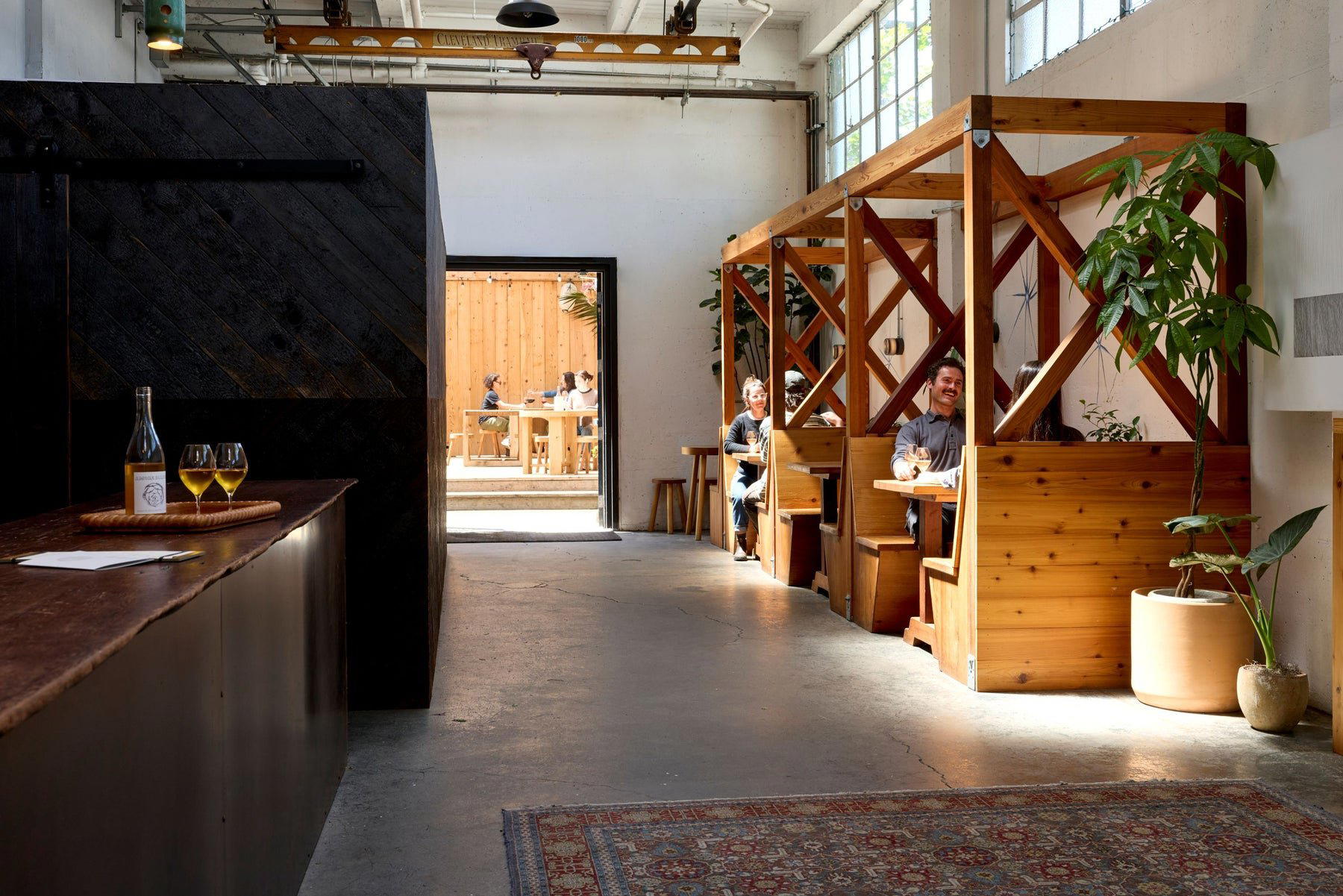
Simple, comfortable setting with friendly service ideal for casual dining.