Wakuriya


1 Michelin Star
Our verdict
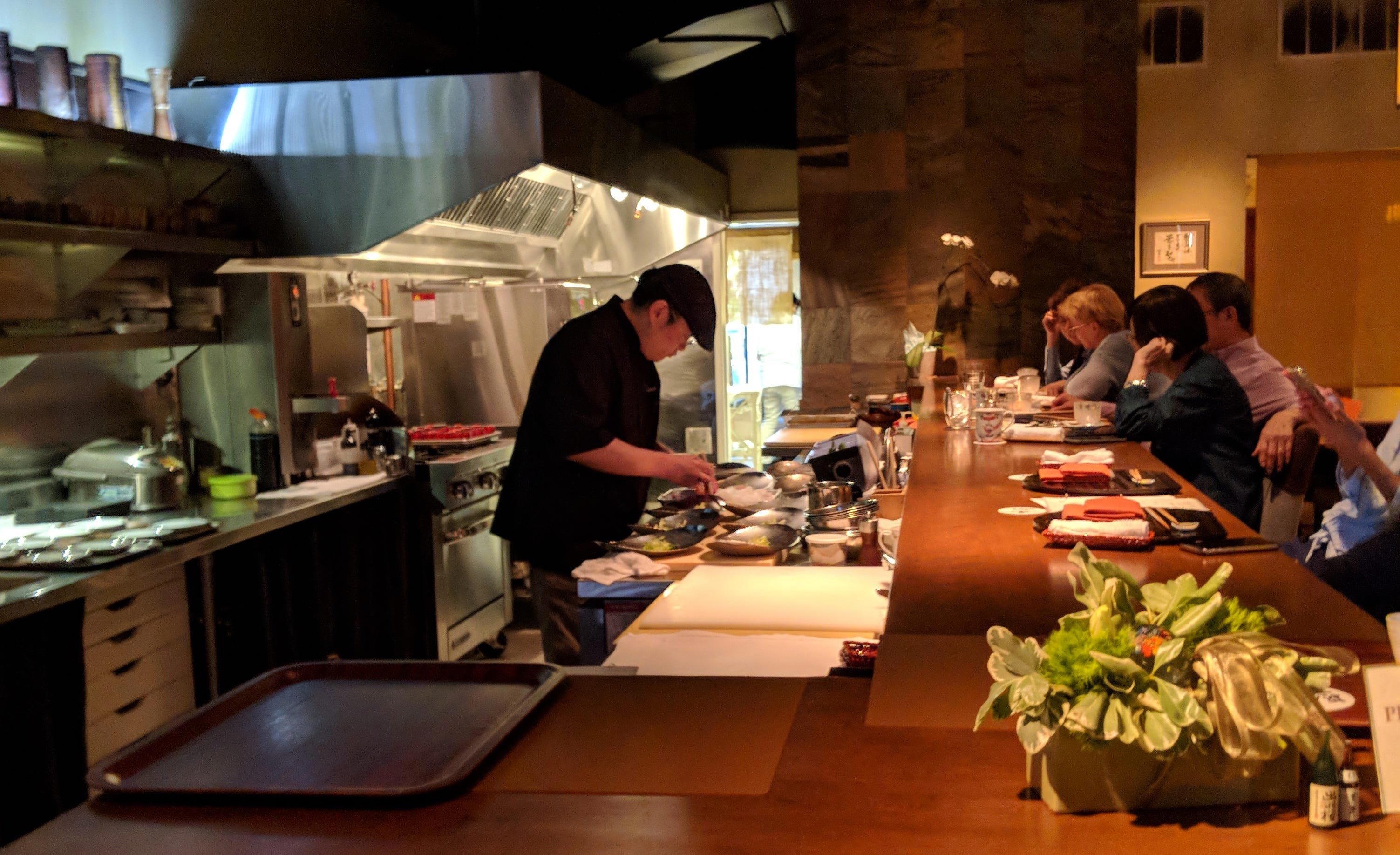
Wakuriya holds a Michelin star and a 2025 Opinionated About Dining ranking of #274 in North America, placing it among the Peninsula's most serious Japanese dining destinations. Chef Katsuhiro Yamasaki runs a kaiseki-influenced counter in San Mateo where pacing and presentation follow the measured logic of traditional Japanese meal structure. Dinner runs four evenings a week, Wednesday through Sunday, from a De Anza Boulevard address that rewards those who seek it out.

Pearl is the En Primeur Club membership app — saves, bookings, and concierge access live there. Same editors, same standards.
- Address
- 115 De Anza Blvd, San Mateo, CA 94402
- Phone
- (650) 286-0410
- Hours
- Mon–Tue ClosedWed–Fri 6:30–9:30 PMSat–Sun 6–9 PM
- Website
- wakuriya.com
- Directions
- Get directions
The menu
What to order
- Poached lobster with dashi gelée
- Alaskan black cod
- Shirako tofu
Dinner as Deliberate Structure
The Peninsula's fine-dining conversation tends to orbit San Francisco, but San Mateo has quietly built a credible case of its own. Wakuriya, at 115 De Anza Blvd, sits inside that argument as the area's most decorated Japanese counter: a Michelin star held in both 2024 and 2025, and a climb on the Opinionated About Dining North America list from a 2023 recommendation to #482 in 2024 and then #274 in 2025. That kind of consistent upward movement in a notoriously competitive survey is a useful signal — it reflects accumulated critical attention, not a one-season spike.
What the awards collectively describe is a restaurant operating within the kaiseki tradition, where the meal functions less as a collection of dishes and more as a composed arc with a beginning, middle, and resolution. In that tradition, timing is not incidental. It is the medium. Courses arrive at intervals that allow each preparation to occupy its own moment — not rushed by the kitchen's production needs, and not drawn out for theatrical effect. The pacing at this level of Japanese dining is a form of editorial judgment: what comes first, what follows, and how long the silence between courses lasts are all decisions with culinary meaning.
Where Wakuriya Sits on the Peninsula's Japanese Spectrum
The Bay Area's Japanese dining scene spans a wide price and format range, from casual ramen counters to multi-course omakase rooms with national recognition. Within the $$$$ tier, Wakuriya's nearest peer on the Peninsula is Sushi Yoshizumi in San Mateo, another Michelin-recognized Japanese counter that draws serious diners from across the region. The two restaurants occupy similar price territory and share a commitment to Japanese sourcing and technique, but the kaiseki framing at Wakuriya places it in a different structural conversation, one closer to the progression-driven format you'd find at Single Thread Farm in Healdsburg than to the pure sushi-centric omakase model.
Nationally, the comparison set for a one-star kaiseki counter with a rising OAD position includes rooms like Masa in New York City and Sushi Masaki Saito in Toronto, both operating at the apex of the North American Japanese counter format. Wakuriya's OAD #274 ranking places it well inside the tier where those comparisons become relevant. It is not priced or structured as a neighborhood sushi bar; it belongs to the cohort where reservation windows, format discipline, and the kitchen's relationship to Japanese seasonal logic all define the experience.
Chef Katsuhiro Yamasaki and the Kaiseki Logic
Chef Katsuhiro Yamasaki's name appears across nearly a decade of critical recognition for this address. In kaiseki dining, the chef functions as a kind of seasonal editor, selecting ingredients at a specific moment in their calendar, then building a progression that reflects that moment rather than a fixed signature. The discipline requires restraint in a particular way: the goal is not to demonstrate technical range for its own sake but to present ingredients at the point of their greatest natural coherence. That restraint is easier to describe than to execute at a consistent level, and the sustained Michelin recognition across multiple years is evidence that the kitchen is holding to that standard.
In the broader Bay Area context, the kaiseki tradition sits alongside tasting-menu formats at Lazy Bear in San Francisco and the French-influenced progression at The French Laundry in Napa, both of which share the same underlying logic that a meal should have structural intent. What separates kaiseki from those Western analogues is the weight placed on seasonal precision and the suppression of the chef's ego as a visible element of the presentation. The food is not meant to be about the cook.
San Mateo's Dining Context
San Mateo's restaurant mix reflects the Peninsula's demographics: a working professional base with international food fluency and above-average willingness to spend. The city supports a full range of formats, from the Kajiken noodle counter at the $ end through mid-range options like Pausa (Italian) and Wursthall Restaurant and Bierhaus to $$$$ tasting-menu destinations. At the top of that range, All Spice occupies the international fine-dining position, while Wakuriya and Sushi Yoshizumi anchor the Japanese fine-dining tier.
That density of credentialed restaurants in a mid-Peninsula city of roughly 100,000 people is notable. It means Wakuriya is not operating in a vacuum, the local audience has enough adjacent fine-dining experience to appreciate what the kaiseki format is doing structurally, rather than encountering it as an unfamiliar mode. For visitors traveling from San Francisco or further south, the De Anza Blvd address is accessible by Caltrain (the San Mateo station is within walking range) and carries none of the reservation-day stress associated with San Francisco's most competitive rooms.
Planning a Visit: Format, Timing, and Practical Notes
Wakuriya operates four evenings a week. Wednesday through Friday, service runs from 6:30 to 9:30 pm. Saturday and Sunday seatings begin at 6:00 pm and close at 9:00 pm. Monday and Tuesday are dark. The condensed weekly schedule, roughly 15 hours of service per week, is consistent with how serious Japanese tasting-menu counters manage quality: fewer covers mean tighter ingredient sourcing and more consistent execution across each table. The $$$$ price designation puts it in the same bracket as Le Bernardin in New York City and Alinea in Chicago by spend tier, though the kaiseki format means the experience is structured differently from either of those rooms.
Given the narrow service window and the restaurant's OAD profile, booking well in advance is sensible. The combination of a one-star Michelin status, a rising national ranking, and limited weekly covers creates the conditions where last-minute availability is the exception rather than the rule. Those considering the restaurant as part of a broader Peninsula or Bay Area itinerary will find our full San Mateo restaurants guide useful for building the surrounding trip, alongside guides to San Mateo hotels, San Mateo bars, San Mateo wineries, and San Mateo experiences.
The sample size is smaller than a casual restaurant's would be, which is expected given the limited capacity and weekly hours, but the consistency of the score across that sample carries weight.
Frequently asked questions
How much does it cost to eat at Wakuriya?
Pricing at Wakuriya is listed as $$$$.
Recognition, Side-by-Side
| Venue | Cuisine | Price | Awards |
|---|---|---|---|
| WakuriyaThis venue — the venue you are viewing | Modern Kaiseki | Not listed | 1 Michelin Star |
| Pausa | Modern Italian | $50–100 | Michelin Bib Gourmand |
| Sushi Yoshizumi | Traditional Edomae Omakase | $300–500 | Michelin Plate |
| Wursthall Restaurant & Bierhaus | German-American | Not listed | Not listed |
| All Spice | Modern Californian with Global Influences | $100–150 | Michelin Plate |
| Kajiken | Aburasoba (Oil-Based Ramen) | $10–20 | Michelin Plate |
Recognition history
Dated appearances from independent guides and award organizations, with the underlying list record or original source where available.
Michelin 1 Star
Michelin
Opinionated About Dining Top Restaurants in North America Recommended
Opinionated About Dining
Full recognition history (7 entries)
Michelin 1 Star
Michelin
Opinionated About Dining Top Restaurants in North America Ranked #274
Opinionated About Dining
Michelin 1 Star
Michelin
Opinionated About Dining Top Restaurants in North America Ranked #482
Opinionated About Dining
Opinionated About Dining Top Restaurants in North America Recommended
Opinionated About Dining
Continue exploring
More in San Mateo
Restaurants in San Mateo
Browse all →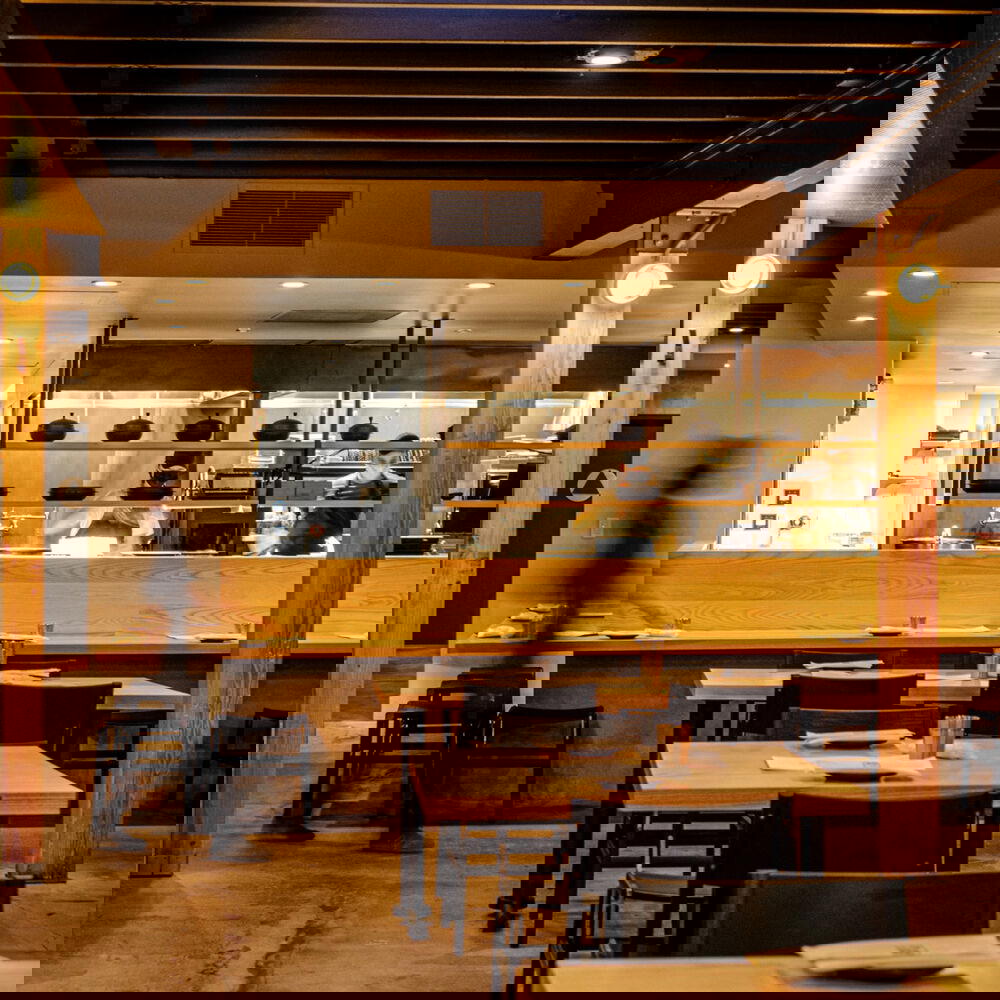
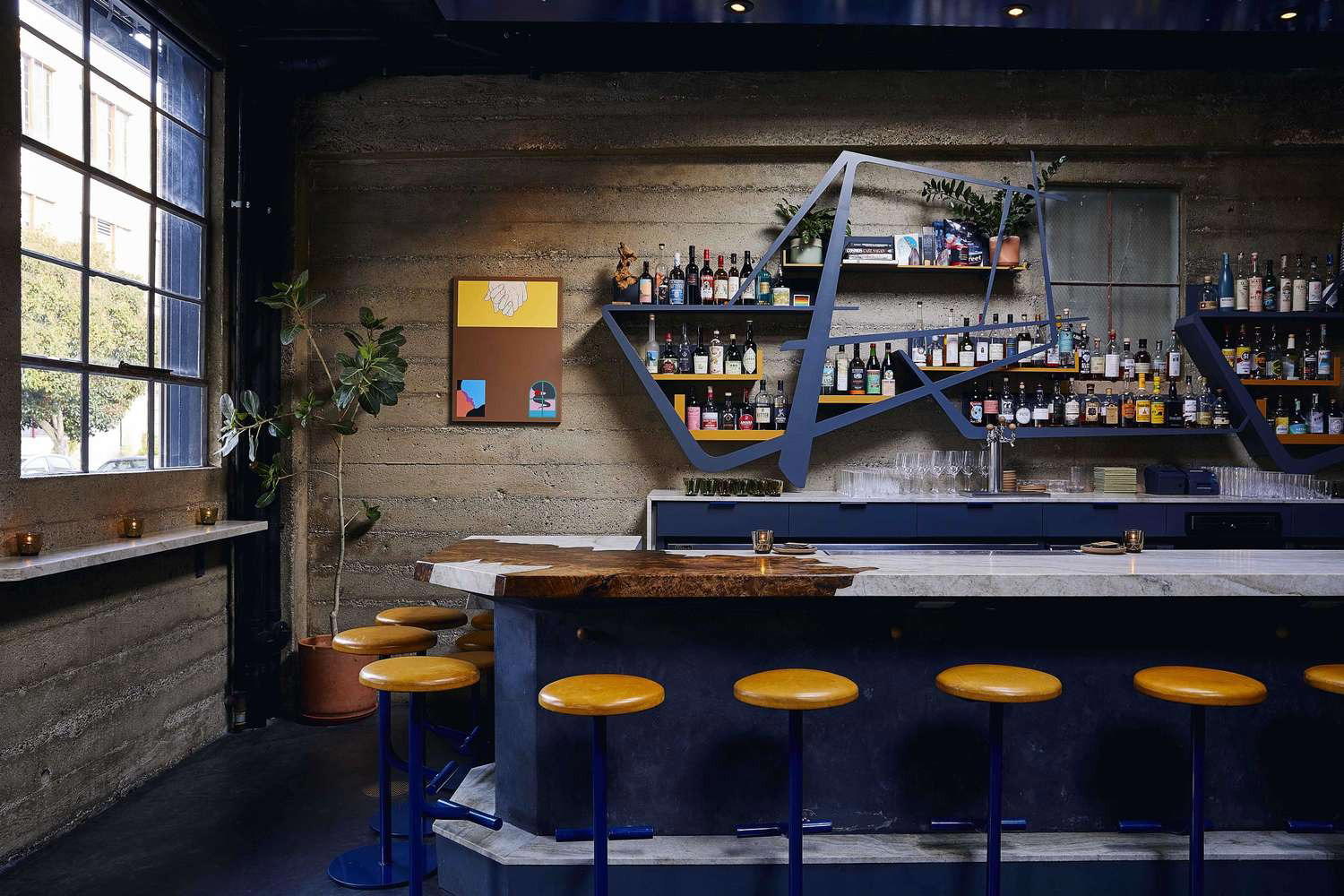
Bars in San Mateo
Browse all →
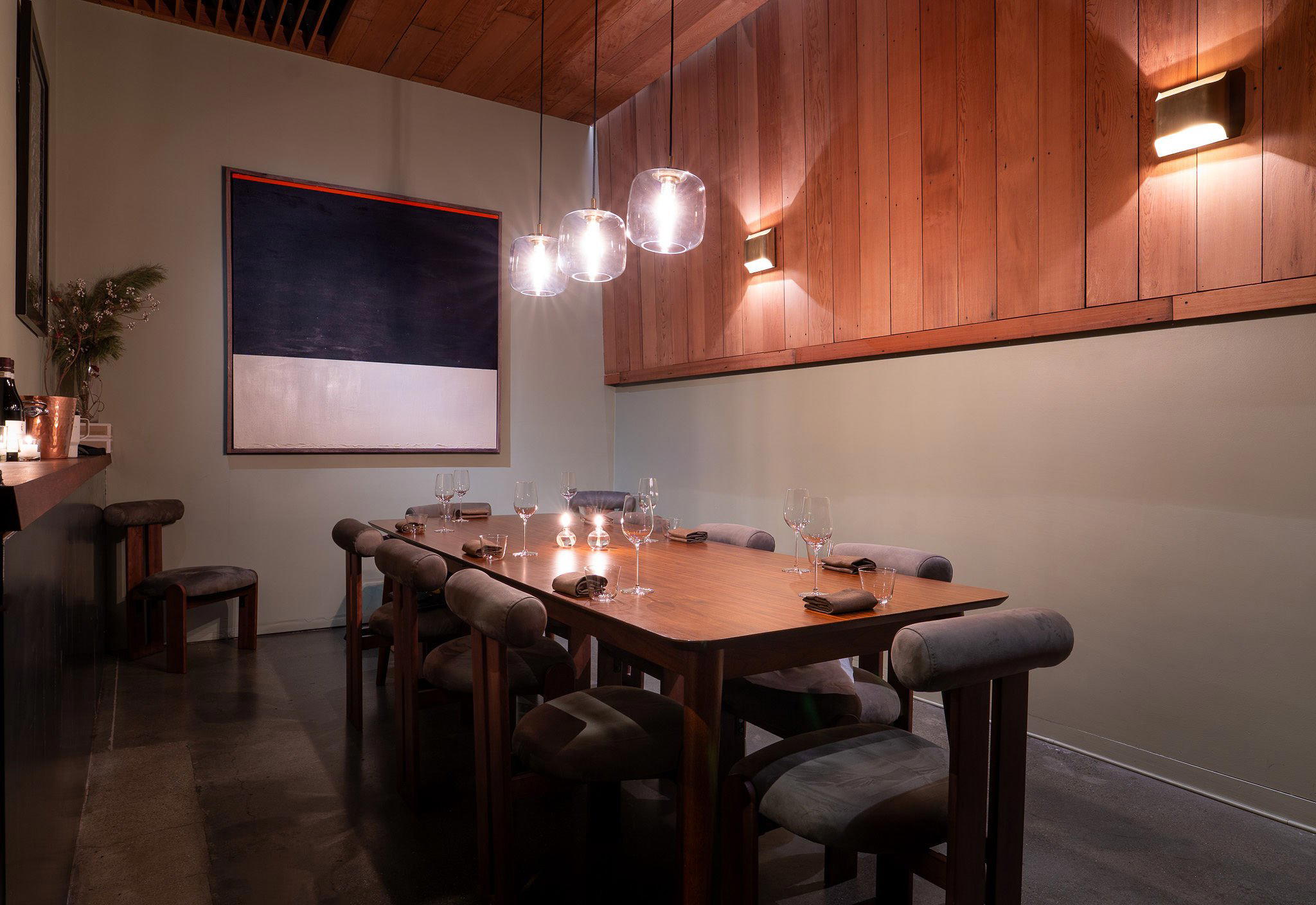
Hotels in San Mateo
Browse all →
Details
- Intimate
- Elegant
- Quiet
- Sophisticated
- Date Night
- Special Occasion
- Chefs Counter
- Sake Program
- Local Sourcing
- Prix Fixe
- Sake
Current opening hours
- Monday
- Closed
- Tuesday
- Closed
- Wednesday
- 6:30–9:30 PM
- Thursday
- 6:30–9:30 PM
- Friday
- 6:30–9:30 PM
- Saturday
- 6–9 PM
- Sunday
- 6–9 PM
Hours can change for holidays and private events. Last verified .
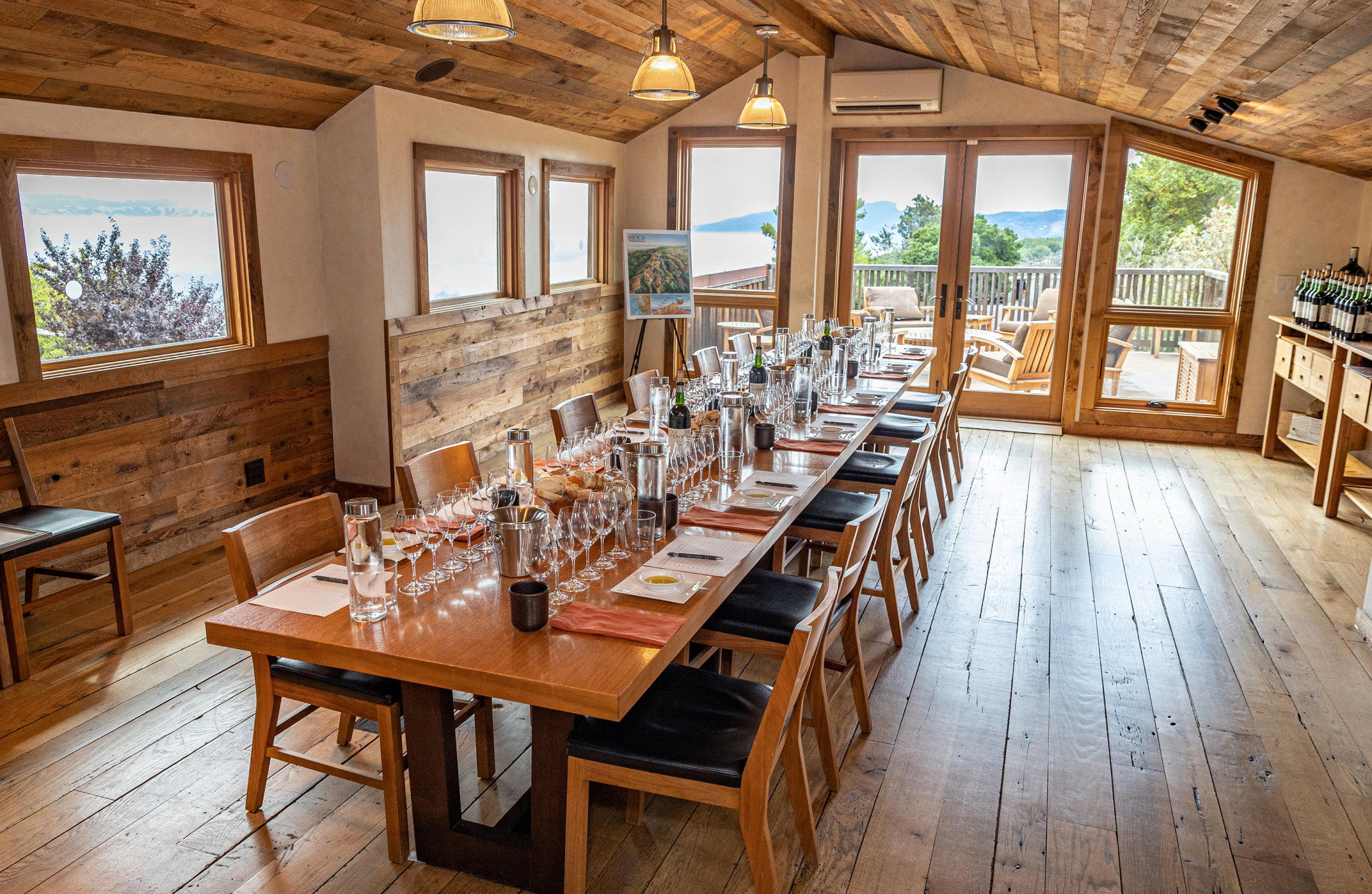
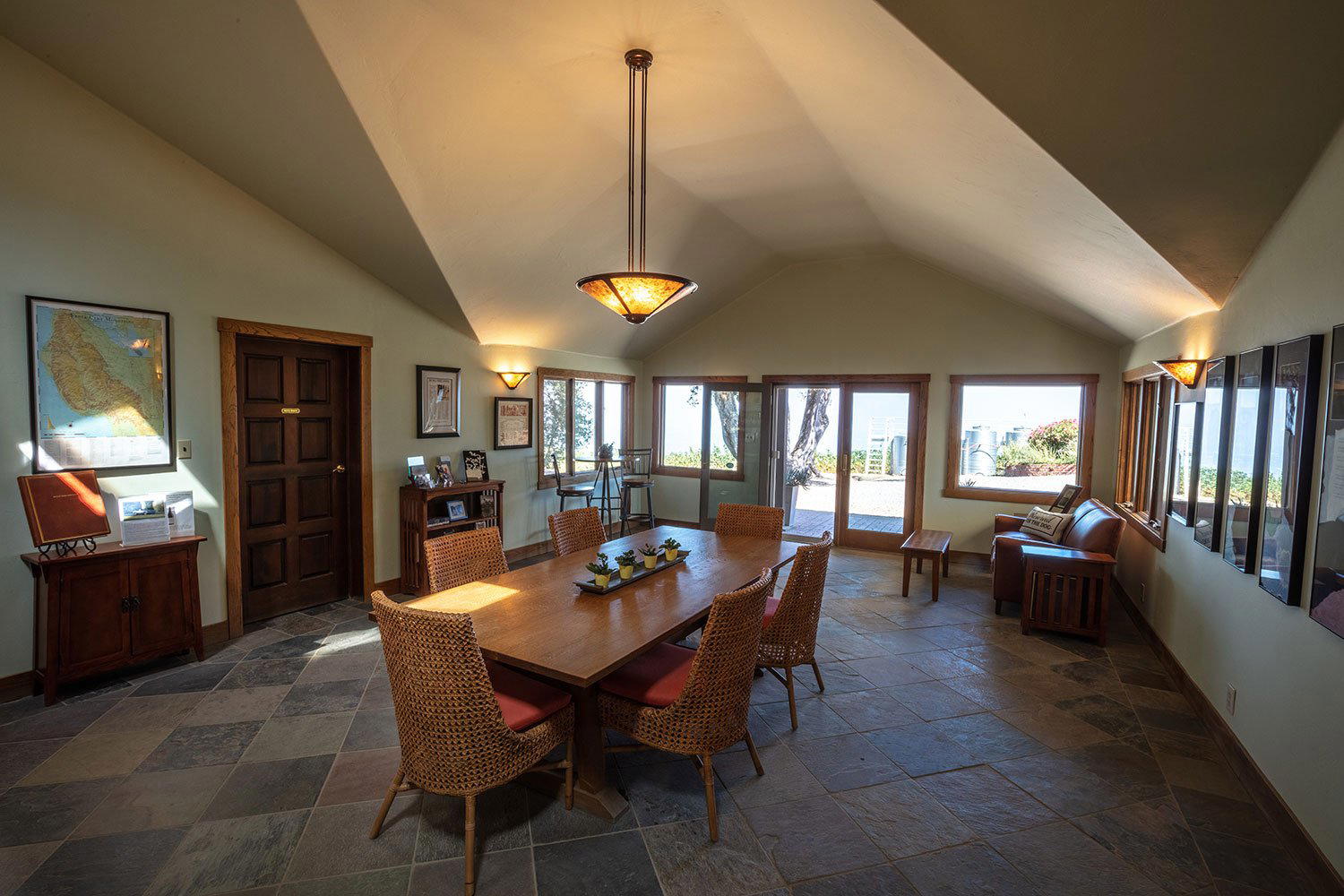
Intimate and minimalist with warm simple colors, soft Japanese music, and a calm quiet atmosphere focused on the culinary experience.