Google: 4.5 · 834 reviews
True Laurel


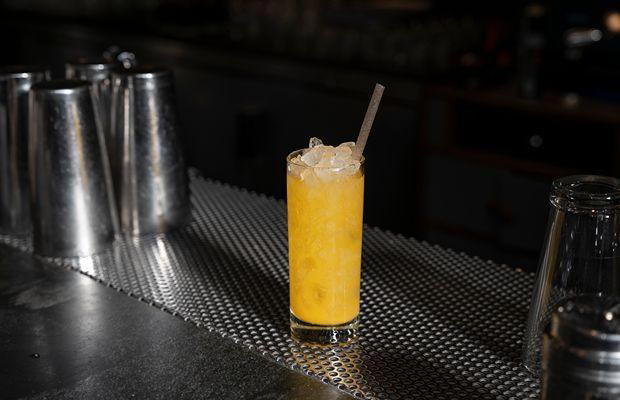
True Laurel on Alabama Street operates at the intersection of fine-dining technique and casual bar culture, drawing on chef David Barzelay's Lazy Bear background to produce cocktails and food with the kind of precision normally reserved for tasting-menu kitchens. Recognized on Resy's Best of the Hit List in 2025 and ranked in Opinionated About Dining's North America Casual list, it holds a 4.5 Google rating across nearly 800 reviews.
 Discover on Pearl
Pearl is the En Primeur Club membership app — saves, bookings, and concierge access live there. Same editors, same standards.
Where Fine-Dining Technique Meets the Neighbourhood Bar
Alabama Street in the Mission runs through one of San Francisco's most densely programmed dining corridors, a stretch where taqueria counters and ambitious chef-driven rooms sit within blocks of each other. The bar that occupies number 753 fits neither category cleanly. True Laurel operates as a cocktail lounge in format but draws on a culinary vocabulary that belongs to the tasting-menu tier, the direct consequence of its connection to Lazy Bear, the ticketed Progressive American dining room that established this particular corner of the Mission as a destination address. The two share a kitchen and a philosophy, and that lineage shapes everything about what True Laurel does and who it is pitched at.
Across American cities, the post-pandemic bar scene has sorted itself into two broad camps: high-volume cocktail programmes anchored by Instagram-friendly theatre, and lower-key technical operations where the work is visible in the glass rather than in the room's production values. True Laurel belongs firmly to the second group, alongside rooms like Aviary in Chicago, where culinary ambition sets the ceiling for what a cocktail can be. The difference in San Francisco is the register: True Laurel maintains the technical standard while leaning into a neighbourhood bar atmosphere rather than a destination-experience format.
The Cultural Logic of the Kitchen-Bar
The kitchen-bar hybrid is not a San Francisco invention, but the city has given it a particular inflection shaped by its proximity to the wine country of Sonoma and Napa and by a long tradition of treating casual dining with the same ingredient seriousness applied to formal rooms. That tradition runs through places like Saison and Benu at the fine-dining end, and filters down through the city's more accessible venues in ways that make San Francisco's bar food category meaningfully different from its equivalents in, say, Chicago or New York. A bar that shares a kitchen with a four-dollar-sign tasting-menu room is not producing bar snacks in any conventional sense. It is producing a parallel menu where the casual format is the editorial choice, not a limitation of resources.
Chef David Barzelay's background at Lazy Bear, a room that built its reputation on the progressive American tasting-menu format and earned sustained recognition from the food press, is the credential that gives True Laurel its positioning signal. In the same way that the cocktail programme at Atomix in New York draws authority from the kitchen's Korean fine-dining rigour, True Laurel's drinks and food carry the implied endorsement of a serious culinary operation running in parallel. The bar exists because the kitchen made it possible, and the kitchen's standards are the baseline.
Recognition and Where It Sits in the Peer Set
True Laurel's awards profile is modest in volume but pointed in what it signals. The Resy Leading of the Hit List recognition for 2025 places it among the venues that the platform's editorial team considers actively worth tracking, a list that rewards consistency and relevance rather than novelty. The Opinionated About Dining Casual North America ranking, which placed it at number 435 in 2024 following a Recommended citation in 2023, positions it within a national frame where the competition includes the most considered casual dining and drinking rooms across the continent. A 4.5 Google rating from 794 reviews adds a volume signal to the critical one: this is not a room surviving on specialist attention alone.
In San Francisco's own competitive set, the peer comparison is instructive. The city's highest-profile rooms — Atelier Crenn, Quince, and the restaurants mentioned above — operate at price points and booking lead times that place them in a separate consideration tier. True Laurel functions as the accessible entry point into the same culinary sensibility, the place where the technique is present but the commitment required from the guest is measured in an evening rather than a months-out reservation and a four-figure bill. For visitors working through San Francisco's restaurant scene, that positioning is genuinely useful.
Nationally, the kitchen-informed cocktail bar format has produced a handful of rooms that have attracted sustained critical attention. Le Bernardin in New York operates at the formal end of the chef-driven spectrum; Alinea in Chicago and its affiliated Aviary represent the maximum-ambition version of the format. Single Thread Farm in Healdsburg applies the same ingredient-led rigour in a wine country setting. True Laurel's contribution to this conversation is the casual register: the argument that serious technique does not require a formal container.
The Mission District as Context
The Mission's dining identity has been in negotiation for years, with rising rents pushing out longstanding taquerias and community institutions while drawing in chef-driven rooms that occupy the neighbourhood's converted industrial spaces. Alabama Street sits in this contested middle ground, and True Laurel's physical address is part of its meaning. A bar operating at this technical level in a neighbourhood that retains genuine ethnic and culinary diversity makes a different statement than the same room would in, say, Hayes Valley or the Financial District. The Mission placement is a choice, and it reads as one.
San Francisco's bar scene more broadly has followed the national trajectory toward technical cocktail programmes, but the city's food culture means those programmes are more likely than average to be anchored in kitchen practice rather than pure mixology tradition. For a fuller picture of where True Laurel sits within that scene, the San Francisco bars guide maps the relevant peer set. Visitors planning a broader trip can also cross-reference the San Francisco hotels guide, the wineries guide, and the experiences guide for a complete picture of what the city offers at this level. Comparable chef-driven rooms in other cities , Providence in Los Angeles and Emeril's in New Orleans , illustrate how the same fine-dining-to-casual bridge plays out in different regional culinary cultures.
Planning a Visit
True Laurel opens Tuesday through Friday from 4 pm, with later closing on Friday (midnight) and Saturday (midnight). Saturday also opens for a daytime service starting at 11 am, making it one of the few venues at this level with a weekend afternoon option. Sunday runs 11 am to 10 pm; Monday is closed. The Alabama Street address in the Mission is accessible by BART to 16th Street Mission, a short walk from the venue. No booking method, dress code, or seat count is confirmed in available data, but the bar's format and neighbourhood positioning suggest walk-in access is possible outside peak hours, with Friday and Saturday evenings warranting more lead time.
Quick reference: True Laurel, 753 Alabama St, San Francisco, CA 94110. Tuesday to Friday from 4 pm; Saturday and Sunday from 11 am. Closed Monday.
Credentials Lens
A quick comparison pulled from similar venues we track in the same category.
| Venue | Awards | Cuisine | Notes |
|---|---|---|---|
| True Laurel | Resy Best of the Hit List (2025); Opinionated About Dining Casual in North Ameri… | Cocktail Lounge | This venue |
| Lazy Bear | Michelin 2 Star | Progressive American, Contemporary | Progressive American, Contemporary, $$$$ |
| Benu | Michelin 3 Star | French - Chinese, Asian | French - Chinese, Asian, $$$$ |
| Atelier Crenn | Michelin 3 Star | Modern French, Contemporary | Modern French, Contemporary, $$$$ |
| Quince | Michelin 3 Star | Italian, Contemporary | Italian, Contemporary, $$$$ |
| Saison | Michelin 2 Star | Progressive American, Californian | Progressive American, Californian, $$$$ |
Continue exploring
More in San Francisco
More from Chef David Barzelay
Browse all →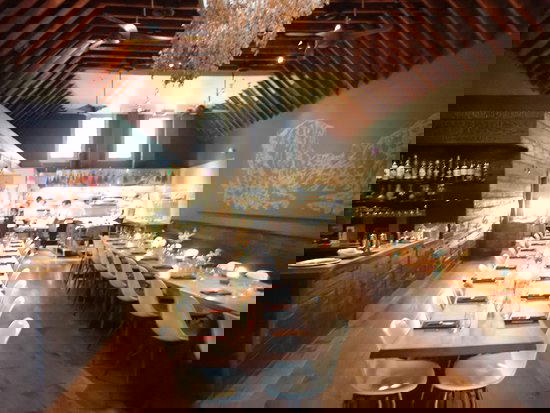
Restaurants in San Francisco
Browse all →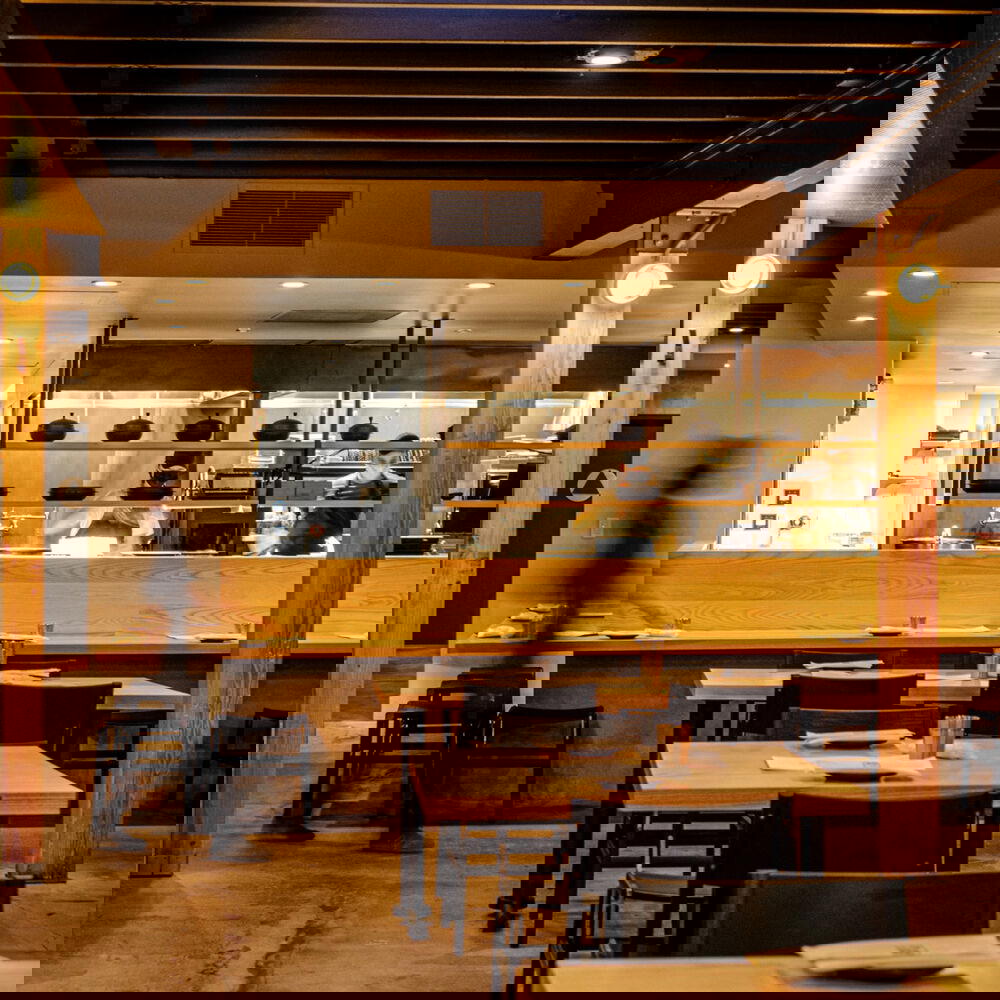
Bars in San Francisco
Browse all →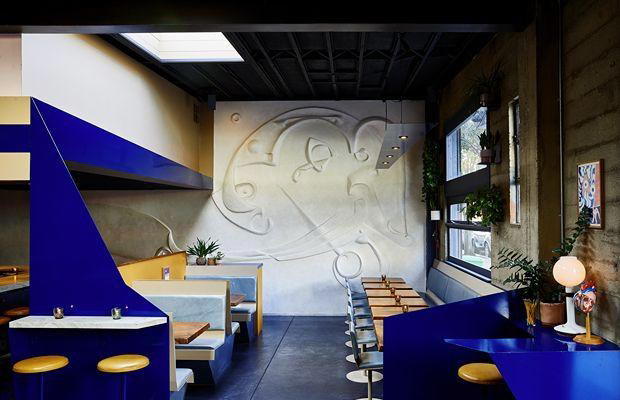
Hotels in San Francisco
Browse all →
At a Glance
- Cozy
- Trendy
- Intimate
- Hidden Gem
- Modern
- Date Night
- Casual Hangout
- After Work
- Open Kitchen
- Craft Cocktails
- Local Sourcing
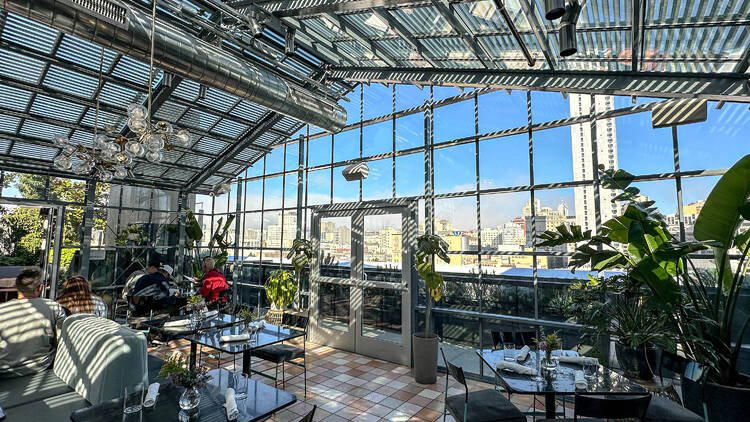
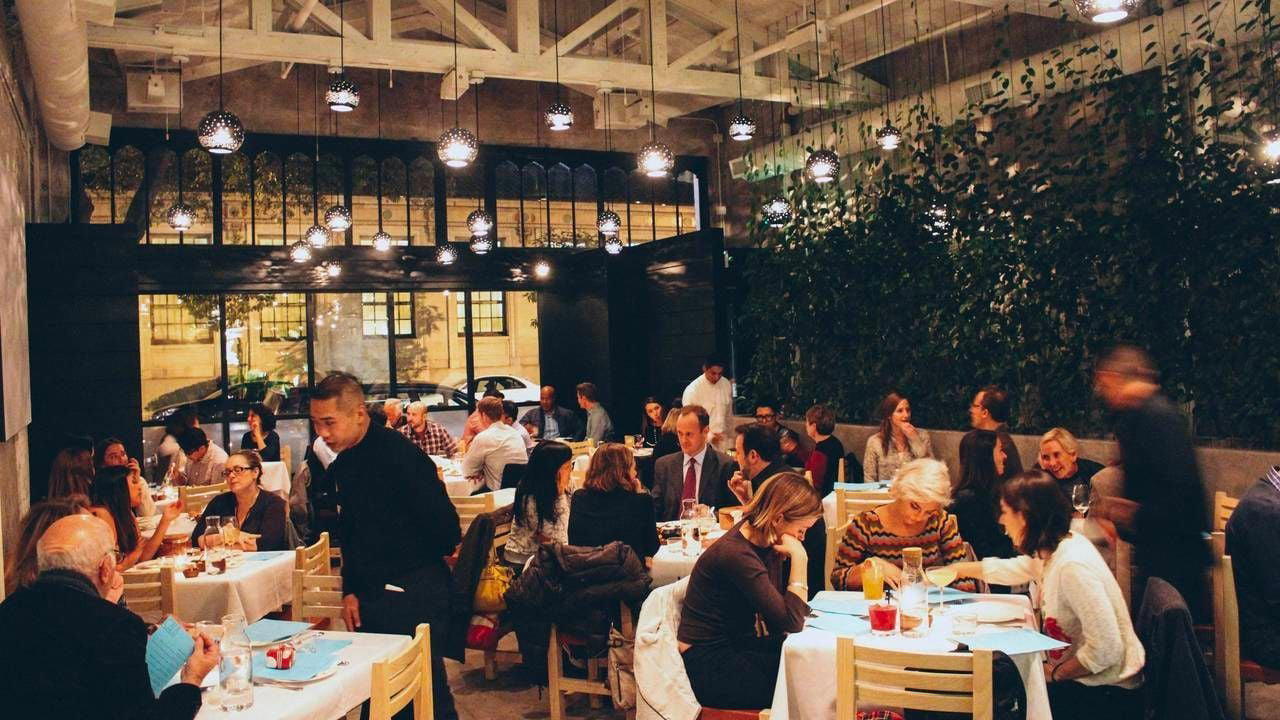
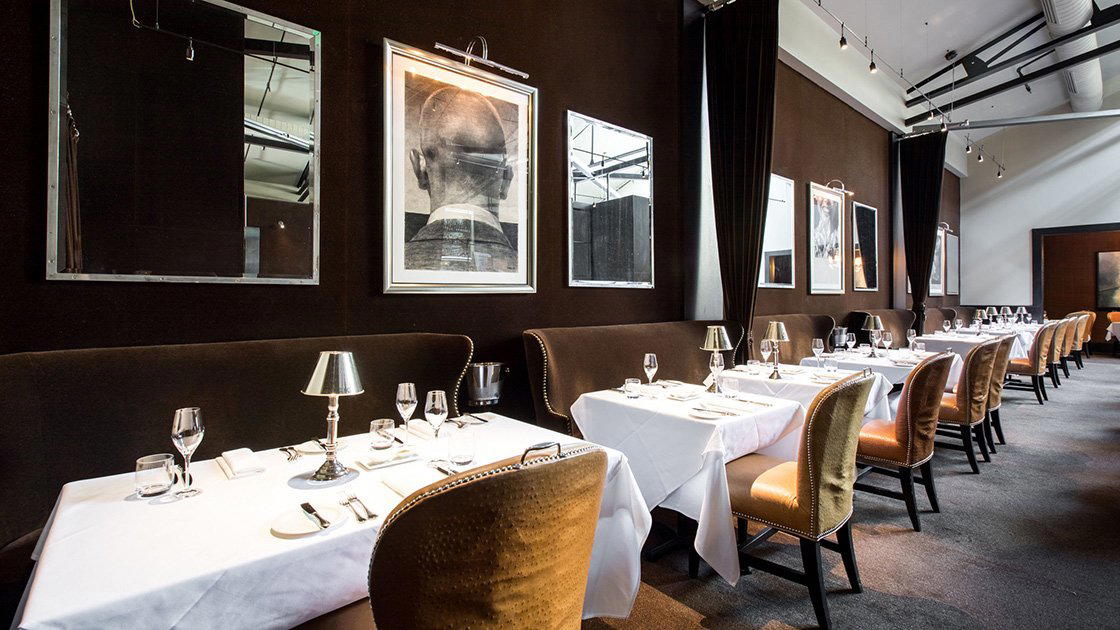
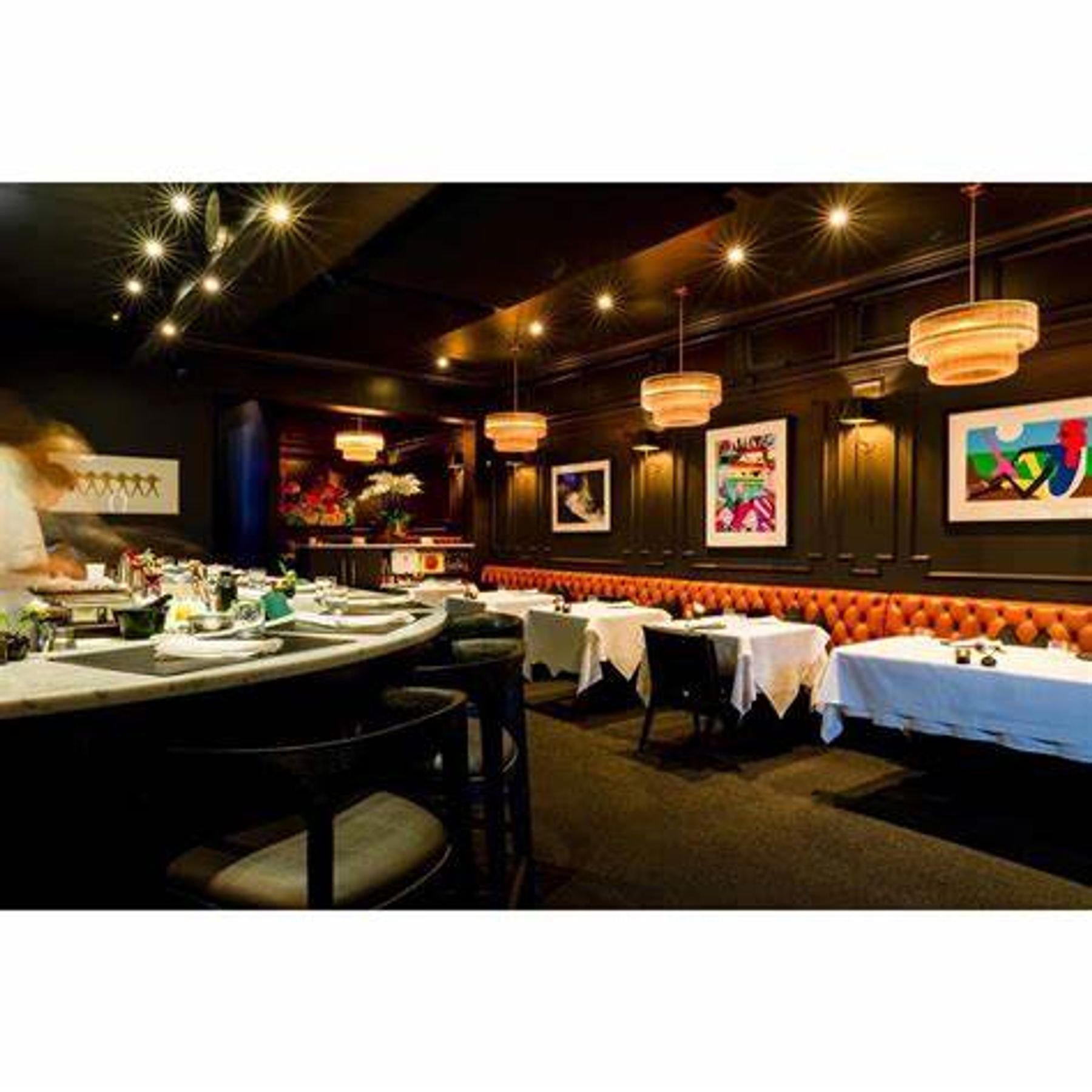
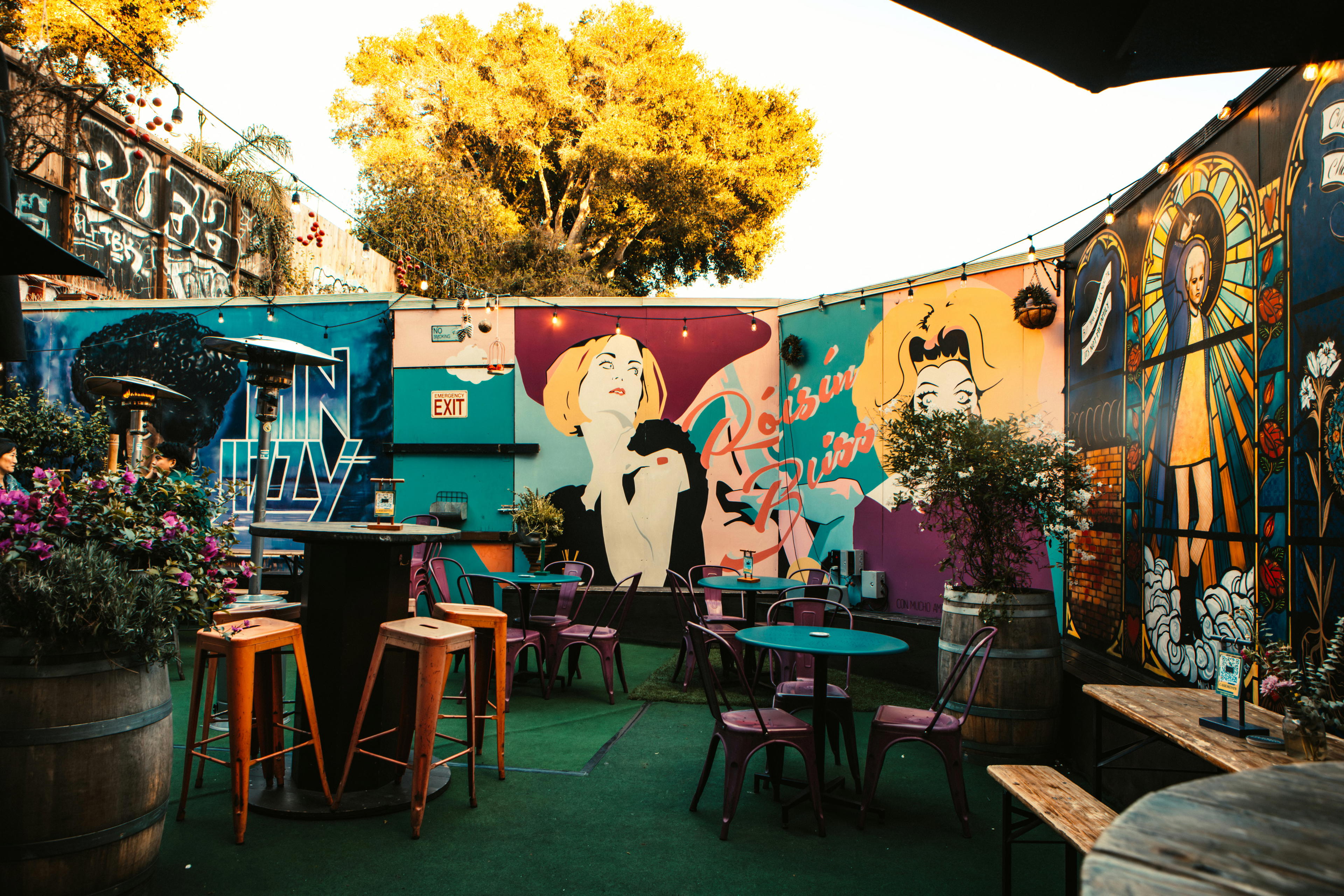
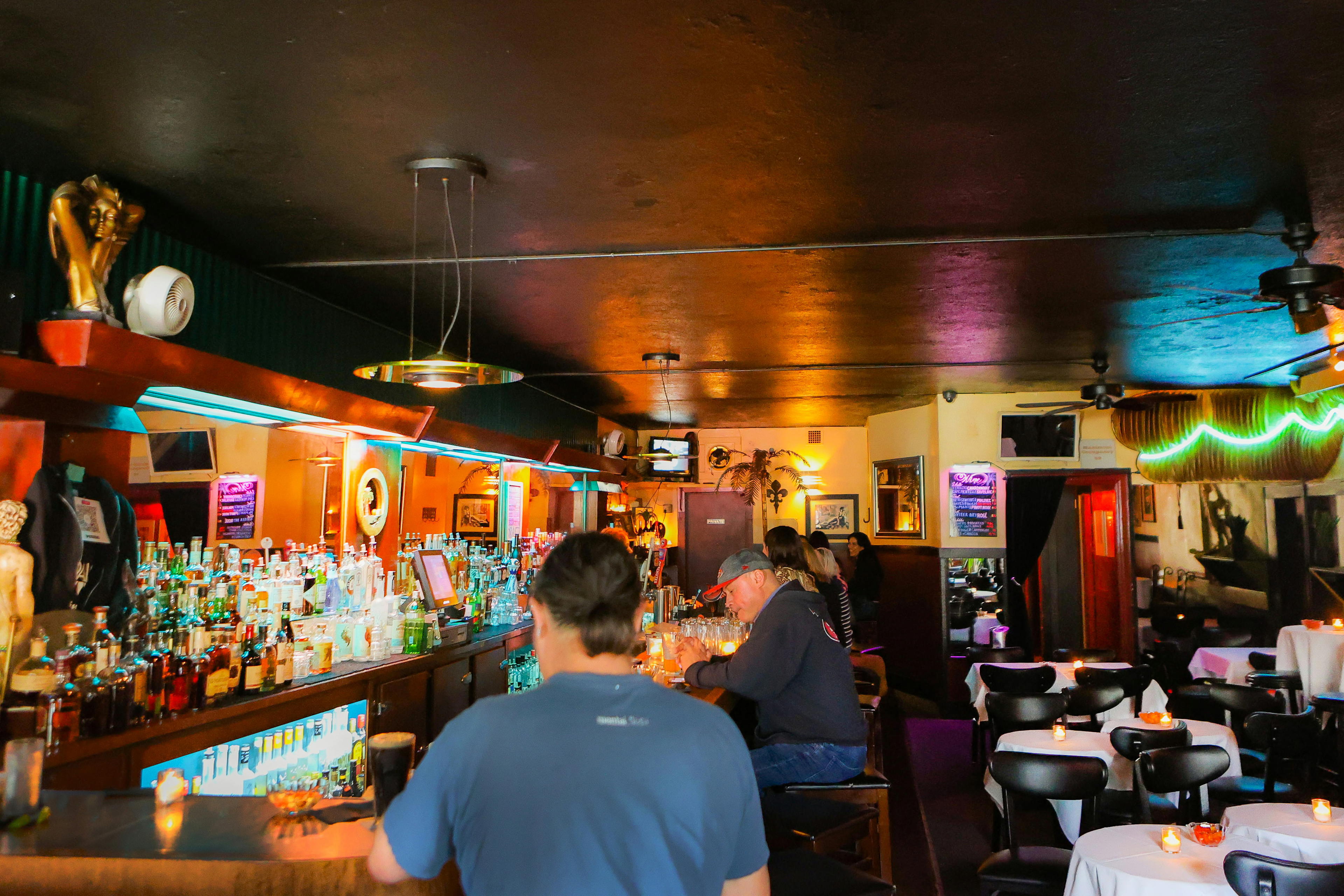
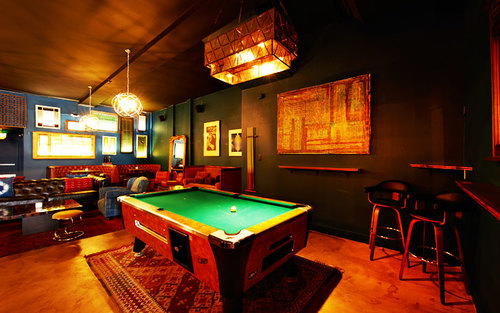
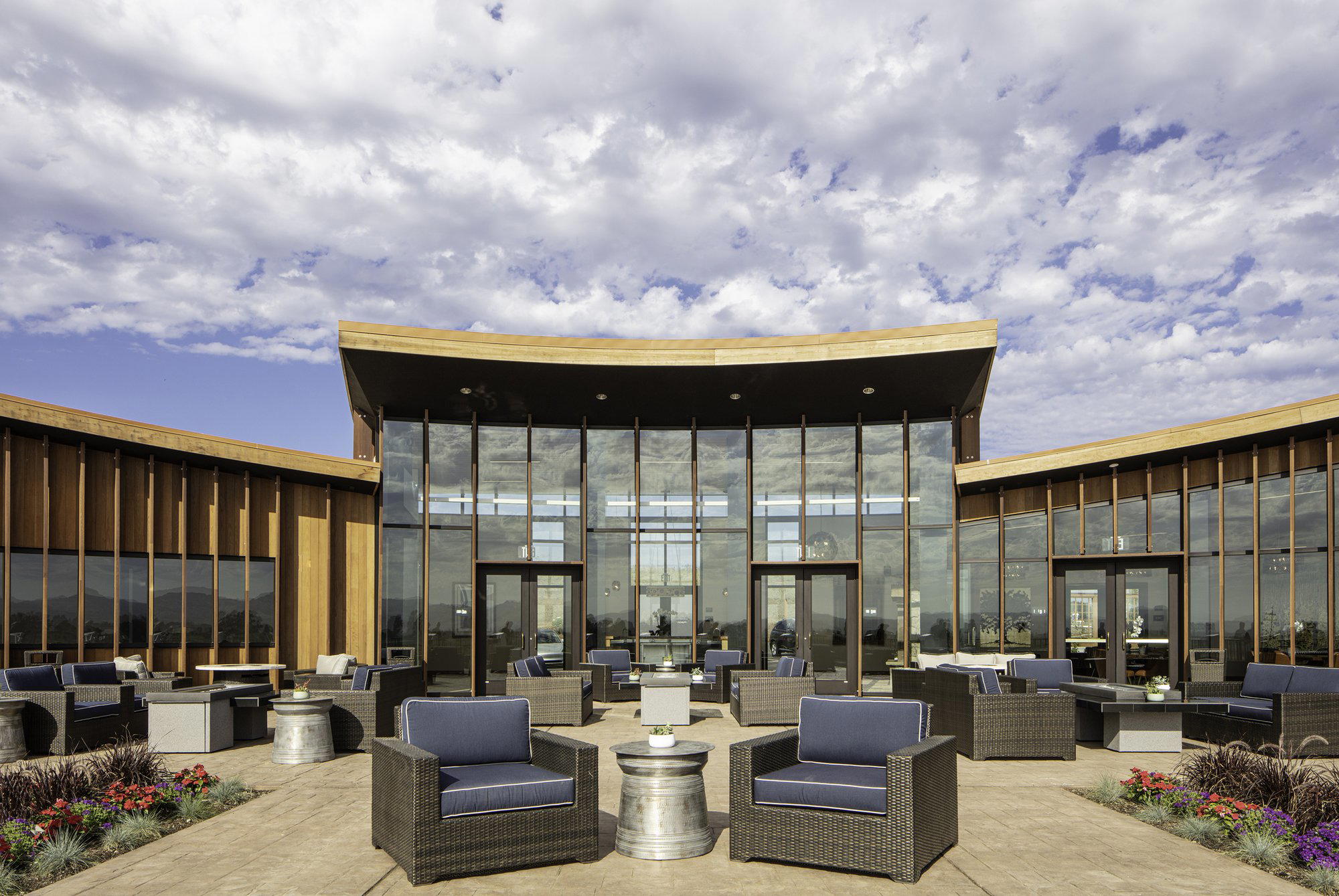
Cozy and dimly lit with an arty industrial feel, featuring custom elements like bas-relief plaster walls and steel shelving.