Hummus Mediterranean Kitchen
On Polk Street in San Francisco's Russian Hill corridor, Hummus Mediterranean Kitchen brings the communal, mezze-forward eating customs of the eastern Mediterranean to a neighborhood better known for California-casual dining. The format rewards sharing and slow pacing over quick single-plate orders, placing it in a different register from the tasting-menu heavyweights that define San Francisco's fine-dining conversation.
Pearl is the En Primeur Club membership app — saves, bookings, and concierge access live there. Same editors, same standards.
- Address
- 2164 Polk St, San Francisco, CA 94109
- Phone
- +14156553340
- Website
- eatathummus.com
- Directions
- Get directions
 Saves & bookings on Pearl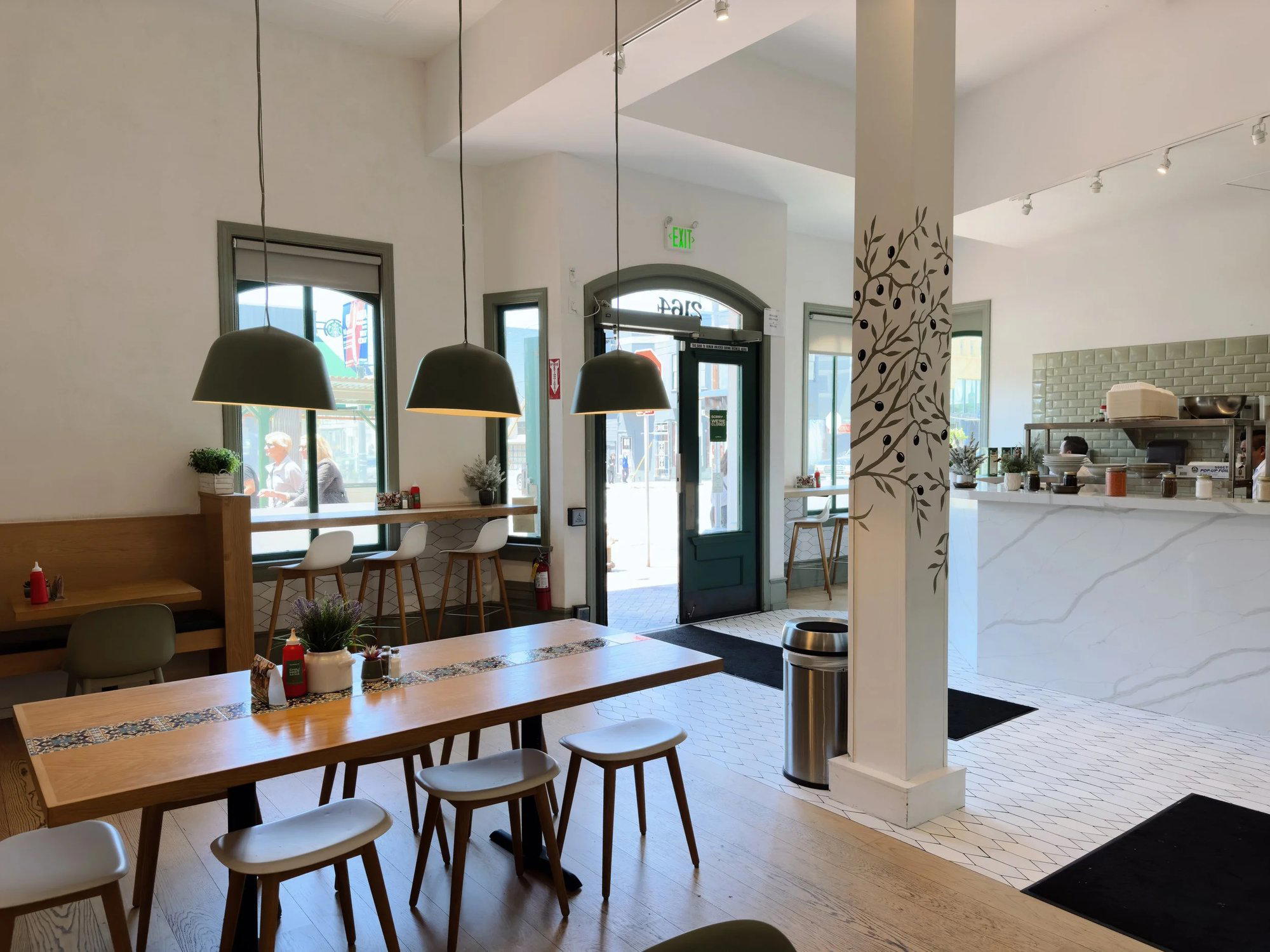
Polk Street and the Mezze Ritual
San Francisco's fine-dining identity is dominated by tasting-menu formats at places like Lazy Bear, Atelier Crenn, and Benu, where pacing is controlled by the kitchen and the meal moves in one predetermined direction. Mediterranean eating works on an opposing logic. The table fills with small plates before anyone has decided what the main event will be, dips arrive as a course in their own right, and the meal finds its shape through conversation rather than a printed sequence. Hummus Mediterranean Kitchen, at 2164 Polk Street in Russian Hill, operates inside that second tradition, on a stretch of Polk that sits outside the SoMa and Financial District corridors where San Francisco's highest-profile restaurant openings tend to cluster.
That positioning matters. Russian Hill's dining scene has a neighborhood character that the downtown corridors lack: regulars rather than destination visitors, a shorter average travel time from home, and an appetite for the kind of food that works on a Tuesday as reliably as it does on a Saturday. Mediterranean and Middle Eastern kitchens have found consistent footing in exactly these kinds of residential pockets across American cities, and the reasons are structural. The cuisine is built around sharing, which lowers the per-person commitment on any single visit, and the core pantry, chickpeas, tahini, olive oil, flatbread, fresh herbs, keeps the kitchen accessible across a wide price band.
How the Meal Is Meant to Work
The dining ritual at a mezze-led restaurant is distinct enough from Western service sequences that it's worth understanding before you arrive. In Lebanese, Israeli, and broader Levantine tradition, hummus is not a starter to clear before the serious eating begins, it is a dish in its own right, often the anchor of the table, and the quality of the kitchen can be read in it directly. Properly made hummus is smooth without being textureless, carries the faint bitterness of tahini against the earthiness of cooked chickpeas, and is served warm or at room temperature rather than cold from a refrigerator. It lands on the table with oil pooled in the center and is treated as a communal plate, eaten with torn flatbread throughout the meal rather than finished in one pass.
This rhythm, multiple plates arriving in loose waves, bread as a constant utensil, no hard boundary between starters and mains, is the correct frame for reading any Mediterranean kitchen in this tradition. Ordering a single plate and waiting for it to arrive in isolation misses the logic of the format entirely. The meal is designed for two people ordering four to six dishes, or four people ordering eight to ten, with everything landing in whatever sequence the kitchen finds efficient rather than a strict appetizer-to-entree progression. This is less a quirk of any particular restaurant and more a feature of how the cuisine works across the region from Tel Aviv to Beirut to Athens.
Where It Sits in San Francisco's Broader Dining Map
San Francisco's restaurant conversation tends to concentrate on stronger examples from the price range, where Quince and Saison operate, or on the hyperlocal California-ingredient format that has defined the city's culinary identity since the 1980s. Mediterranean and Middle Eastern cooking sits largely outside that conversation, which means it also sits outside the price escalation that has pushed tasting menus at the city's benchmark restaurants well above $200 per person. That is not a secondary consideration. For a city with San Francisco's cost of living, the availability of serious cooking in a format that doesn't require reservation slots booked weeks in advance represents a real alternative to the fine-dining tier.
For context on what the upper end of that fine-dining tier looks like nationally, consider that Le Bernardin in New York City, Alinea in Chicago, and The French Laundry in Napa all operate in a price register and reservation structure that requires planning of a different order. The same applies to California peers like Single Thread Farm in Healdsburg, Providence in Los Angeles, and Addison in San Diego. Hummus Mediterranean Kitchen does not compete in that tier, nor does it try to. Its reference points are neighborhood restaurants where the barrier to entry is low and the food pays off reliably per visit, not per occasion.
That is a legitimate and distinct category. American cities have long had their fine-dining landmarks, the Blue Hill at Stone Barns format in Tarrytown, Bacchanalia in Atlanta, The Inn at Little Washington, but the more frequent dining decisions happen at the neighborhood level, and that is where a kitchen like this one does its work. See our full San Francisco restaurants guide for how the city breaks down across price tiers and formats.
The Ingredients and What They Signal
Mediterranean cooking at its core is pantry-driven, which means quality is read through ingredients rather than technique. The chickpea is not a neutral backdrop, different varieties produce noticeably different textures, and dried chickpeas soaked and cooked fresh produce a result that canned product cannot replicate. Tahini varies significantly by brand and origin, with Lebanese and Syrian sesame pastes carrying a different flavor profile than mass-market alternatives. These are not fine distinctions visible only to specialists; they show up in the finished dish in ways that are immediately apparent to any regular eater of the cuisine.
The same applies to flatbread, which in a kitchen taking the format seriously is baked to order or sourced fresh daily rather than pulled from a bag. Freshness here is not an abstract virtue, stale flatbread changes the mechanics of eating the meal, since it serves as both utensil and component throughout the ritual. Olive oil, the other constant, carries enough variation between origins and harvest years that it functions almost like a wine program in miniature, with a kitchen's oil choices saying something about how seriously it treats the supporting cast of the cuisine.
Planning Your Visit
Hummus Mediterranean Kitchen is located at 2164 Polk Street, San Francisco, CA 94109, in the Russian Hill neighborhood. For readers accustomed to the booking complexity of San Francisco's tasting-menu tier, Atomix in New York City or Emeril's in New Orleans require advance planning of a different order, Mediterranean neighborhood restaurants of this format typically operate with walk-in availability on weeknights and modest waits on weekend evenings. That is part of the appeal: the meal is designed to be repeatable, not ceremonial. Bring two to four people, plan to order widely across the menu, and allow the pacing to unfold at the table rather than against a clock. See also 8½ Otto e Mezzo Bombana in Hong Kong for how Mediterranean-influenced cooking operates at the formal fine-dining end of the spectrum, as a useful point of comparison for the different register this restaurant occupies.
Address: 2164 Polk St, San Francisco, CA 94109. Dress: Casual neighborhood standard. Getting there: Russian Hill is accessible via Muni lines serving the Polk Street corridor; street parking is available but competitive on evenings.
Recognition Snapshot
Comparable venues nearby, for context on price, style, and recognition.
| Venue | Cuisine | Price | Notes |
|---|---|---|---|
| Hummus Mediterranean KitchenThis venue — the venue you are viewing | Mediterranean (Greek & Turkish) | $$ | Not listed |
| Penaber Mediterranean meze house | Mediterranean Meze House | $$ | Nob Hill |
| Roots | Organic Mediterranean | $$ | Financial District/South Beach |
| Coco500 | California/Mediterranean | $$$ | SoMa |
| Luella | Refined Comfort Food with Mediterranean & Southern Influences | $$ | Russian Hill |
| Mariposa Cafeteria | Authentic Peruvian Rotisserie | $$ | SoMa |
Continue exploring
More in San Francisco
Restaurants in San Francisco
Browse all →
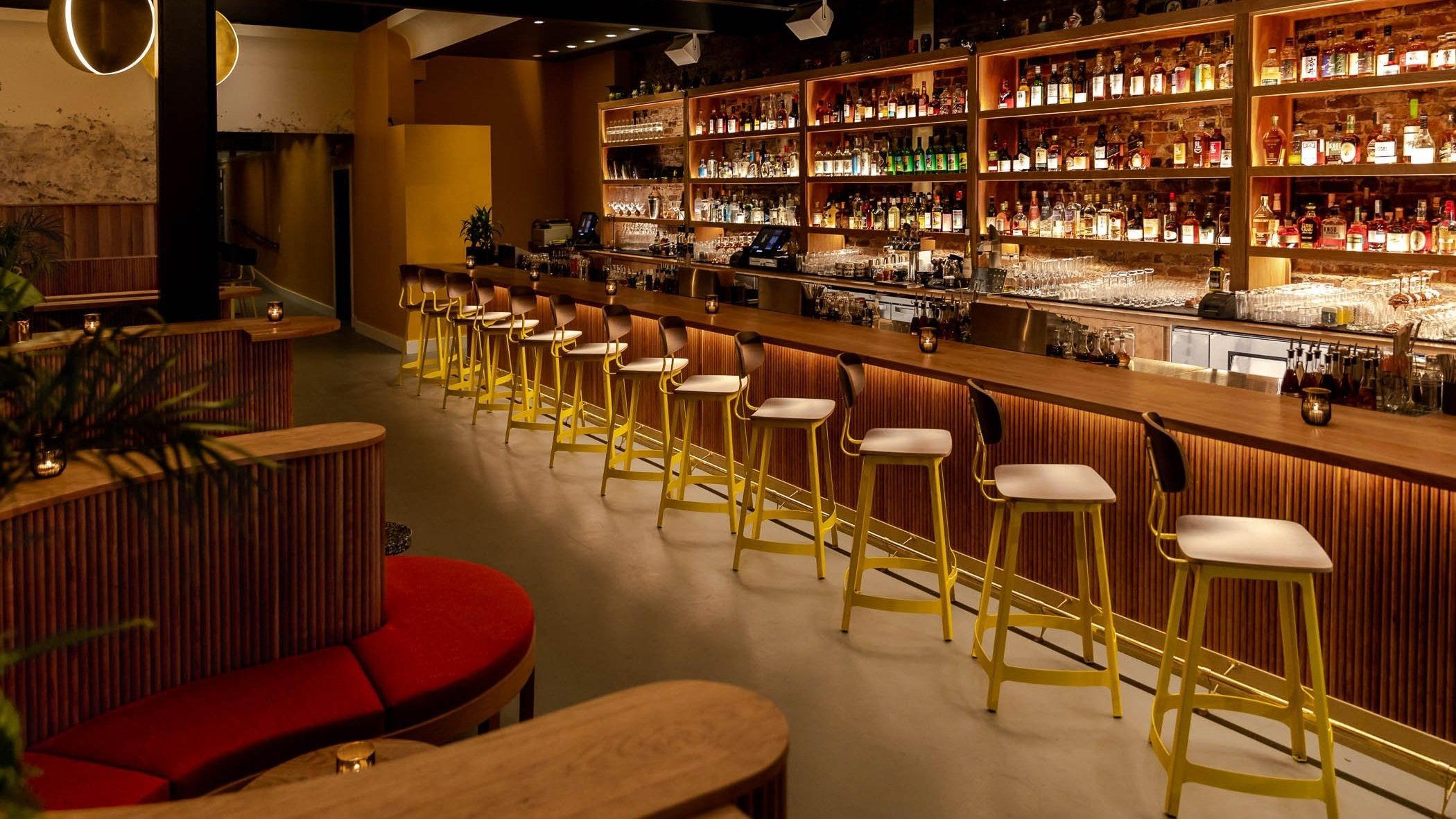
Bars in San Francisco
Browse all →
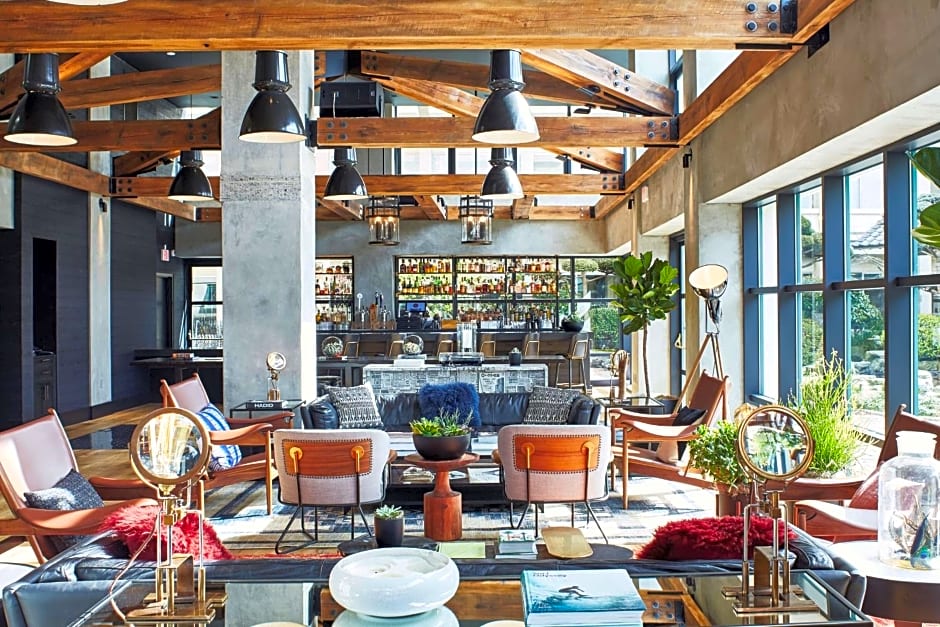
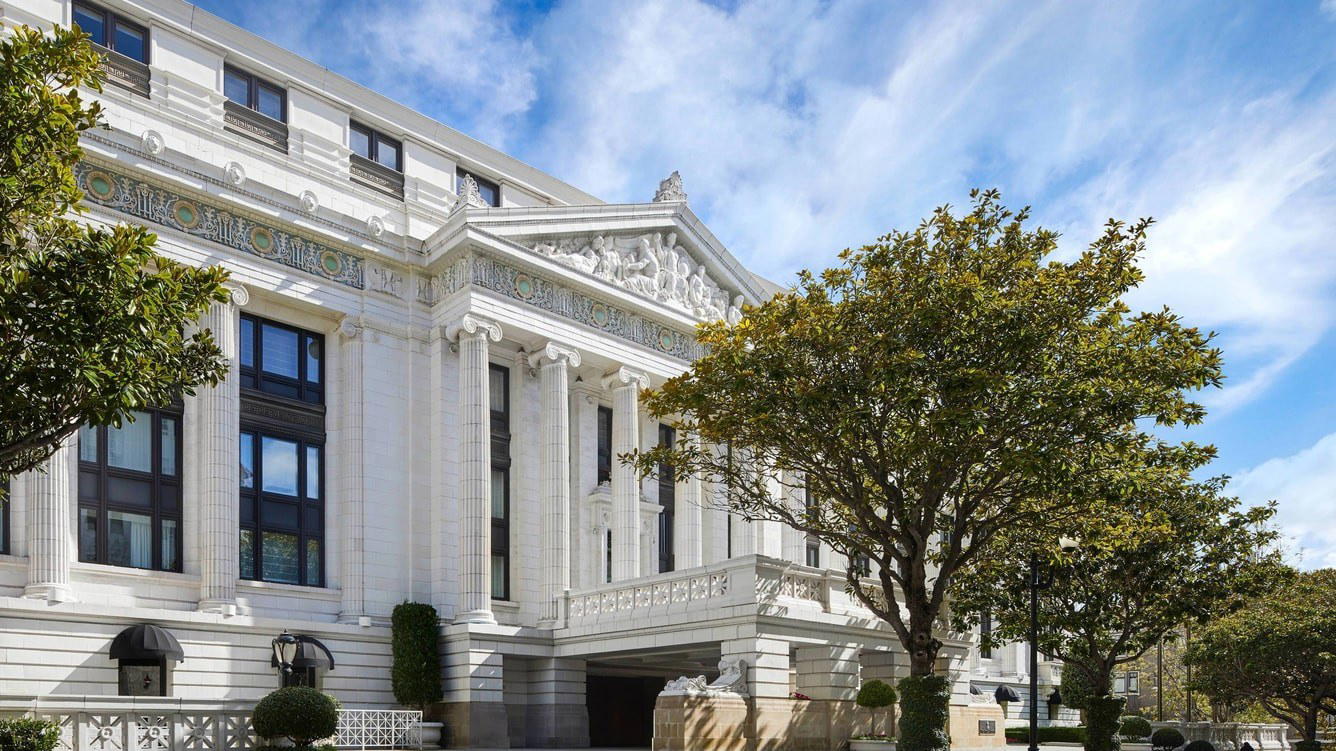
Hotels in San Francisco
Browse all →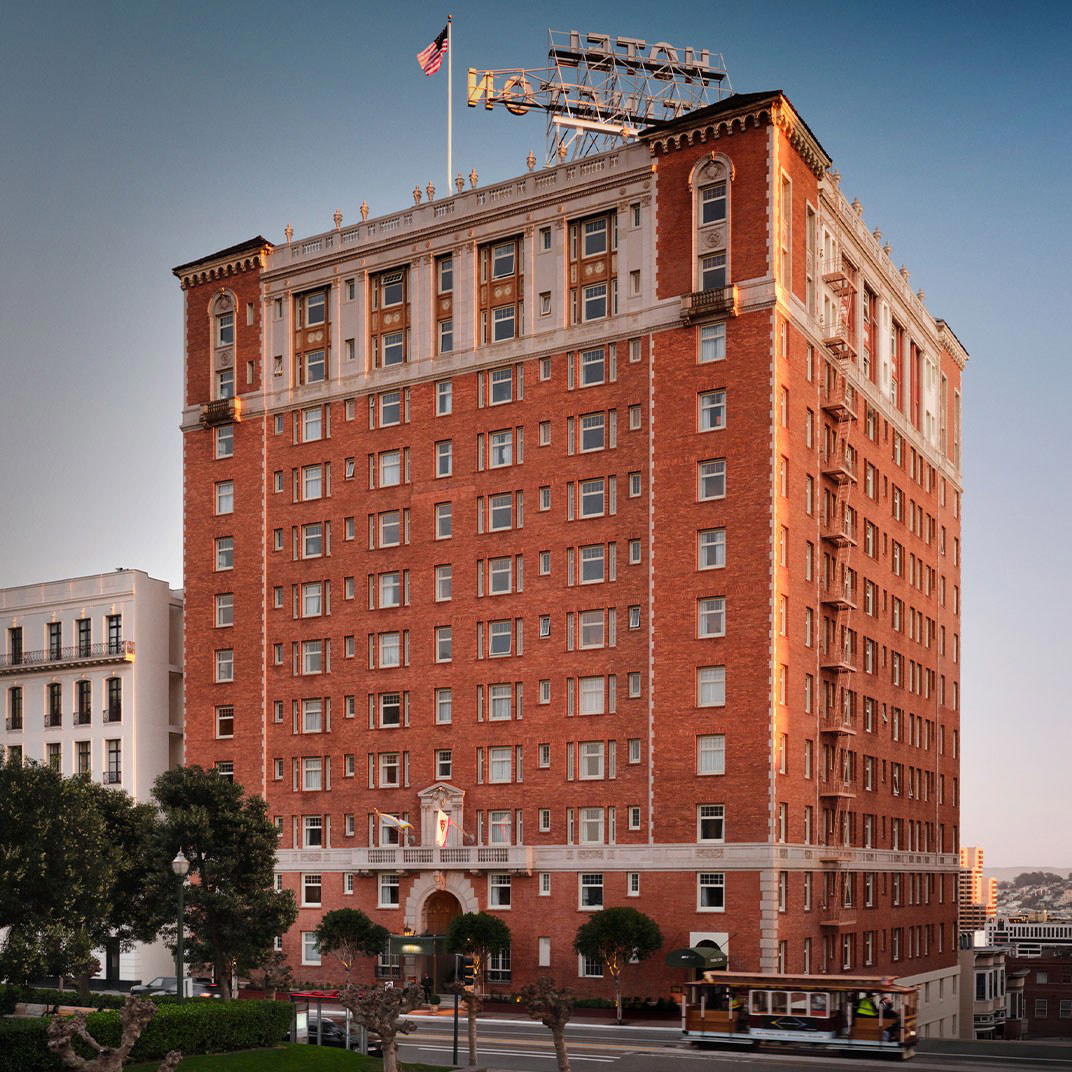




At a Glance
- Cozy
- Trendy
- Casual Hangout
- Brunch
- Open Kitchen
Current opening hours
- Monday
- 10:30 AM–9:30 PM
- Tuesday
- 10:30 AM–9:30 PM
- Wednesday
- 10:30 AM–9:30 PM
- Thursday
- 10:30 AM–9:30 PM
- Friday
- 10:30 AM–10 PM
- Saturday
- 10 AM–10 PM
- Sunday
- 10 AM–9 PM
Hours can change for holidays and private events. Last verified .
Casual and welcoming with a focus on fresh, nutritious ingredients creating a lively yet cozy atmosphere.