Coco500
Our verdict
Loretta Keller had already built a following at Bizou, the French-inflected bistro she ran at 500 Brannan Street, before she gutted the space and reopened it as Coco500, a signal that the SoMa dining corridor was ready for something looser and more California in temperament. The renovation produced a sleeker room: teak wood tables, a bar and kitchen running in close proximity, and an atmosphere that read younger and more improvisational than its predecessor. The menu leaned into that spirit. Contemporary California cooking with French and Italian threads ran through small plates designed for sharing, alongside full entrées, oysters, and cheese selections. Locally sourced and organic ingredients were a consistent commitment rather than a marketing footnote. The wood-burning oven anchored the kitchen's identity, producing flatbreads, among them a version with squash blossoms, truffle oil, and Parmesan that drew repeated attention from San Francisco Chronicle coverage and from other chefs who ate there. Coco500 occupied a mid-priced register that SoMa needed: serious enough in sourcing and technique to satisfy the neighbourhood's growing professional crowd, casual enough in format that a table could order widely without ceremony. The address at 4th and Brannan placed it within easy reach of the district's creative and tech offices, and the sharing-plate format made it practical for groups with different appetites. Press coverage was favorable, though the restaurant operated without the major award designations that would have placed it in a different tier of the city's dining hierarchy. Coco500 has since closed. Its significance in the SoMa story rests on what it demonstrated: that a chef with Keller's French-trained background could pivot toward a more relaxed California idiom without sacrificing the sourcing standards that defined the city's better tables in that period.

The menu
What to order
- Fried Green Beans
- Braised Beef Cheeks
- Truffled Flatbread
- Harvest Pizza
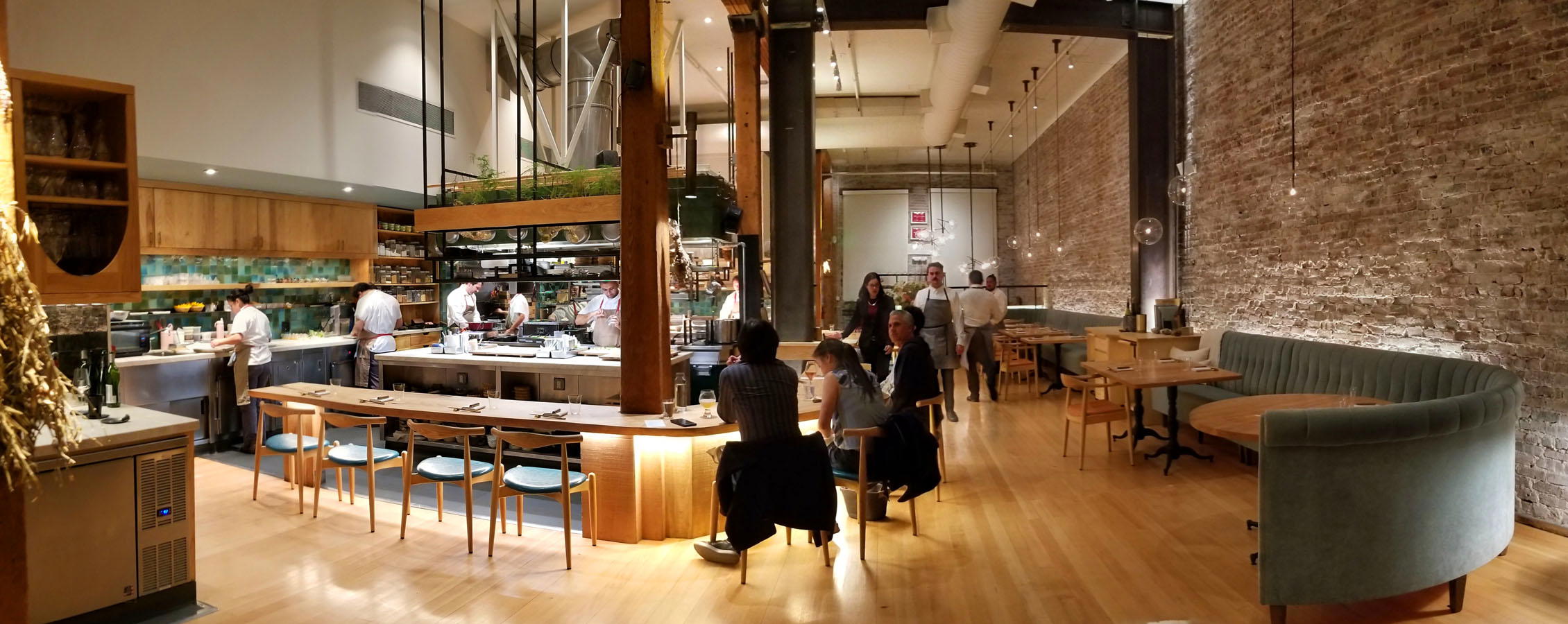
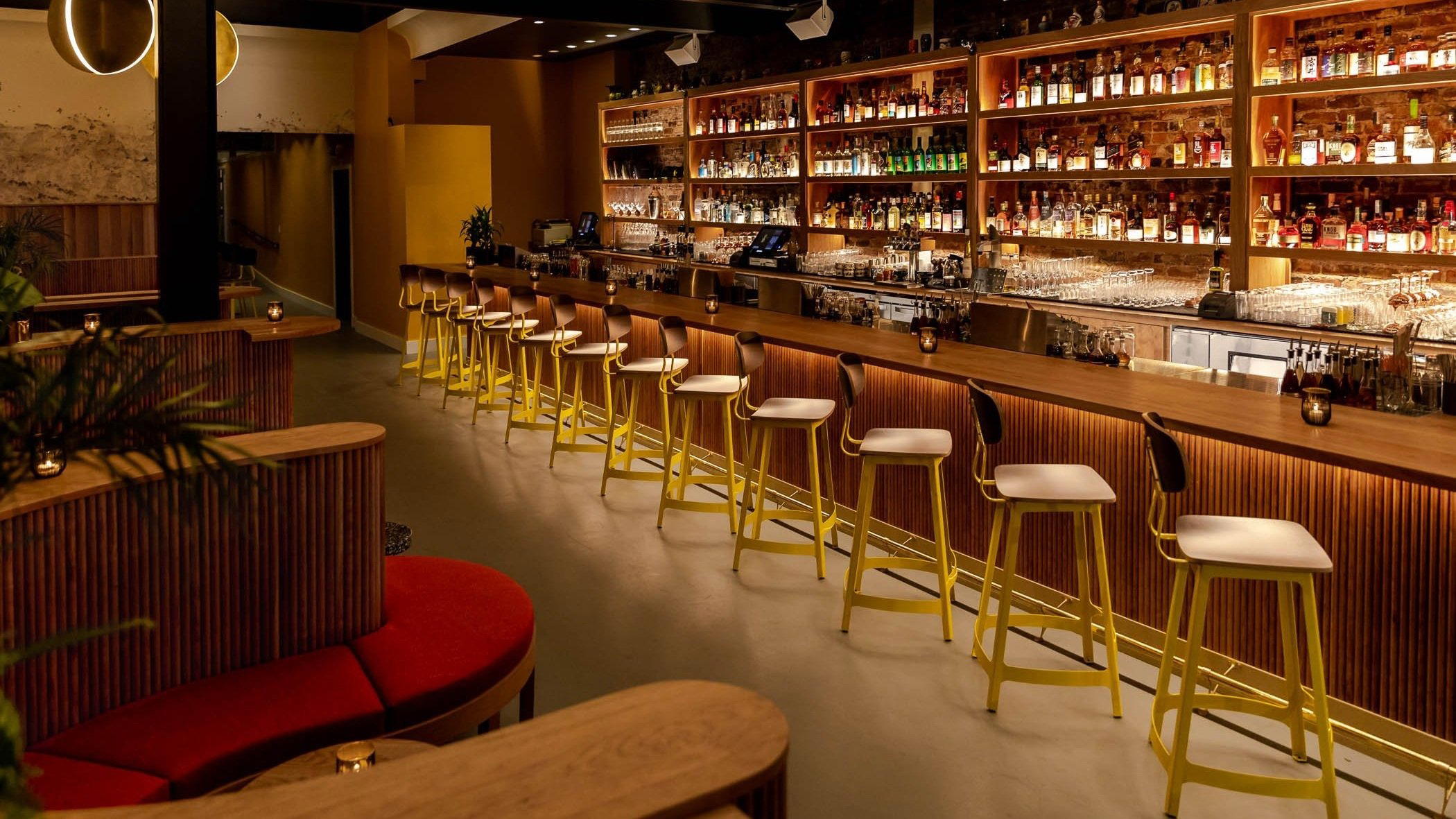
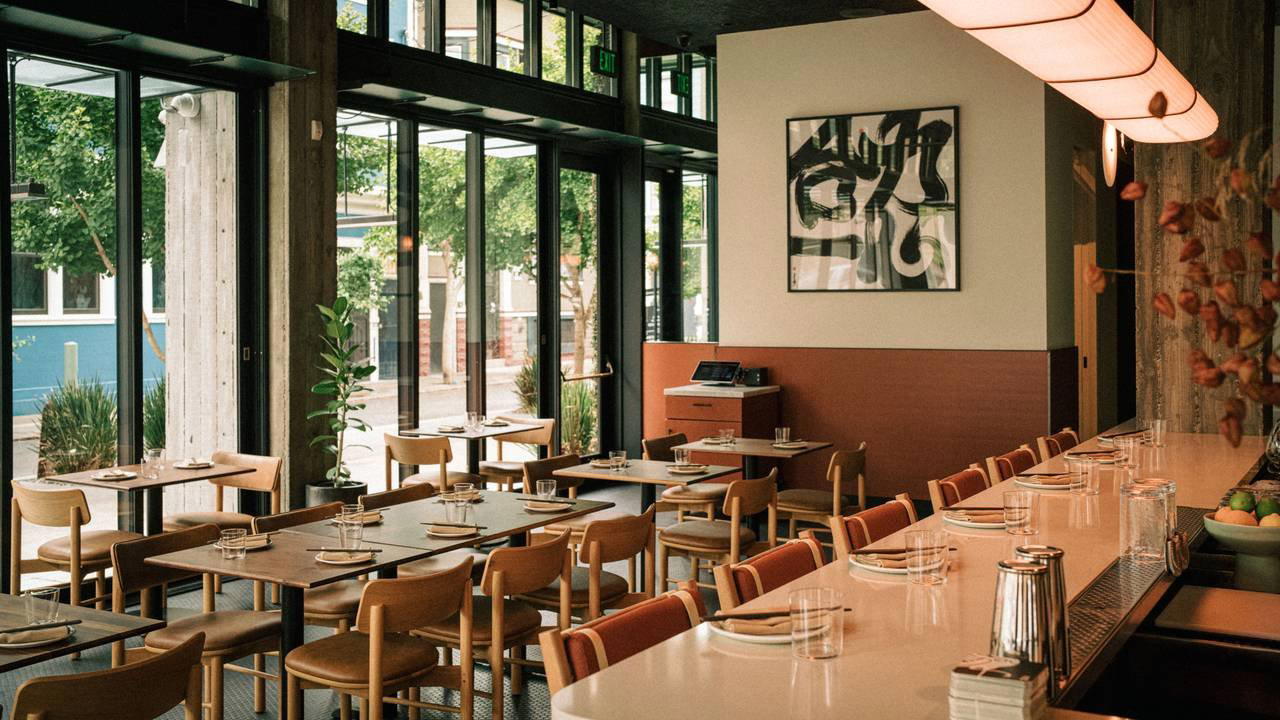
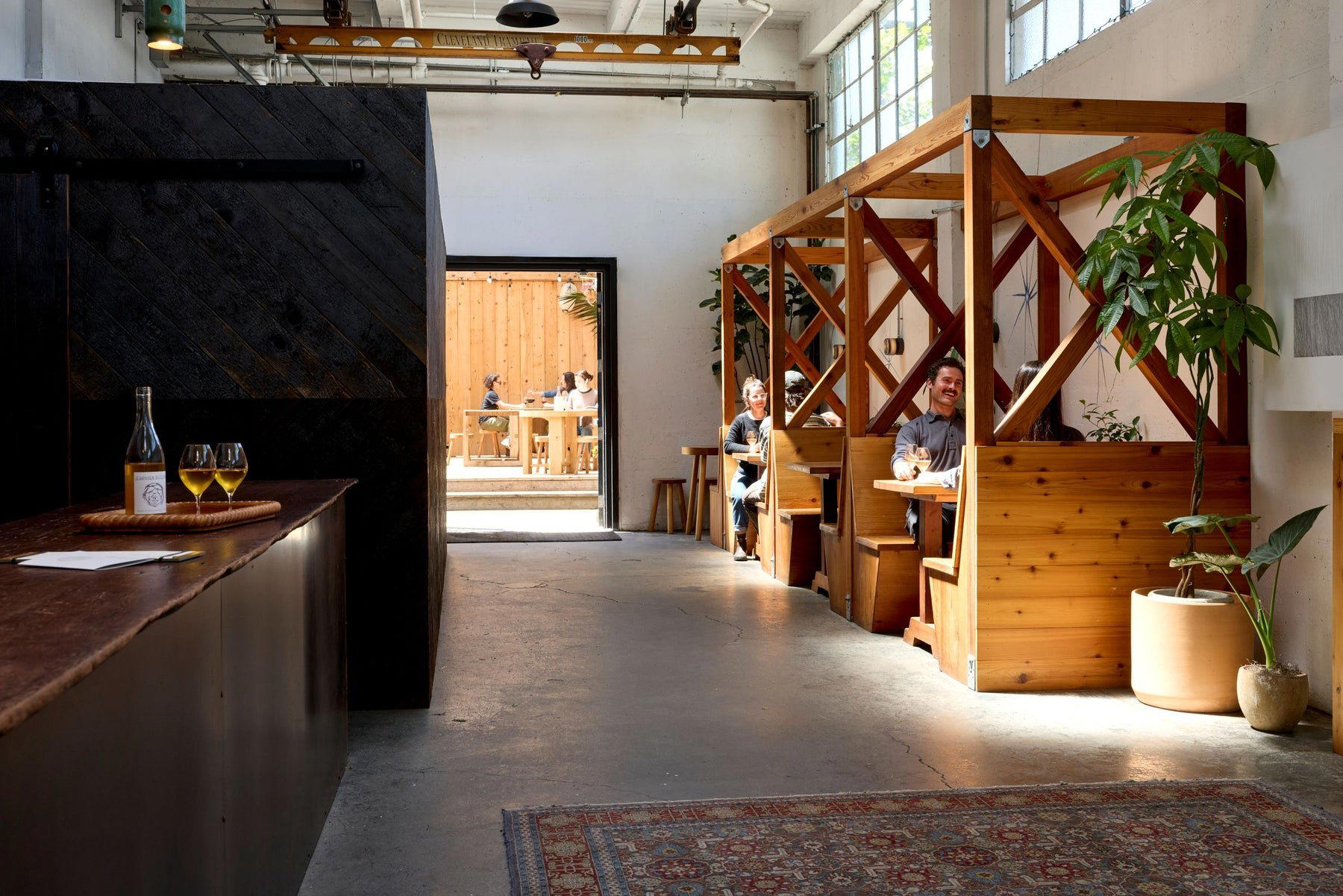
Loretta Keller had already built a following at Bizou, the French-inflected bistro she ran at 500 Brannan Street, before she gutted the space and reopened it as Coco500, a signal that the SoMa dining corridor was ready for something looser and more California in temperament. The renovation produced a sleeker room: teak wood tables, a bar and kitchen running in close proximity, and an atmosphere that read younger and more improvisational than its predecessor.
The menu leaned into that spirit. Contemporary California cooking with French and Italian threads ran through small plates designed for sharing, alongside full entrées, oysters, and cheese selections. Locally sourced and organic ingredients were a consistent commitment rather than a marketing footnote. The wood-burning oven anchored the kitchen's identity, producing flatbreads, among them a version with squash blossoms, truffle oil, and Parmesan that drew repeated attention from San Francisco Chronicle coverage and from other chefs who ate there.
Coco500 occupied a mid-priced register that SoMa needed: serious enough in sourcing and technique to satisfy the neighbourhood's growing professional crowd, casual enough in format that a table could order widely without ceremony. The address at 4th and Brannan placed it within easy reach of the district's creative and tech offices, and the sharing-plate format made it practical for groups with different appetites. Press coverage was favorable, though the restaurant operated without the major award designations that would have placed it in a different tier of the city's dining hierarchy.
Coco500 has since closed. Its significance in the SoMa story rests on what it demonstrated: that a chef with Keller's French-trained background could pivot toward a more relaxed California idiom without sacrificing the sourcing standards that defined the city's better tables in that period.
How It Compares
Comparable venues nearby, for context on price, style, and recognition.
| Venue | Cuisine | Price | Notes |
|---|---|---|---|
| Coco500This venue (the venue you are viewing) | California/Mediterranean | Not listed | Not listed |
| The Pearl | Cal-Mediterranean | $50–100 | Potrero Hill |
| Gola | Modern Tunisian | $30–50 | Mission |
| Buoy Bar | Modern Korean Anju | $50–100 | Hayes Valley |
| Biscuits & Blues | Southern Soul Food with Live Blues | $30–50 | Nob Hill |
| Aquitaine Wine Bistro | Southwest French Bistro | $50–100 | Downtown |
Continue exploring
More in San Francisco
Restaurants in San Francisco
All restaurants in San Francisco →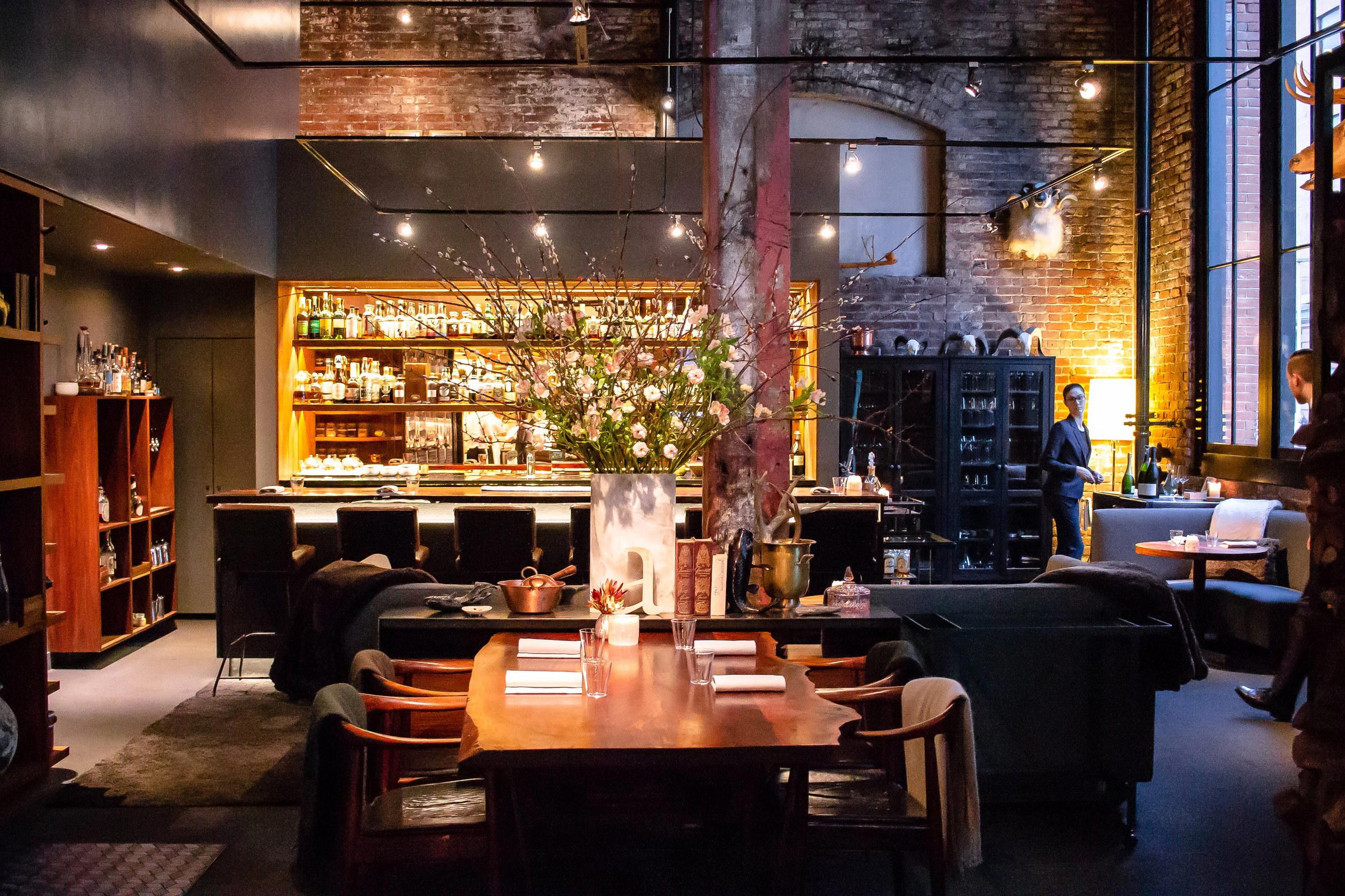
Bars in San Francisco
All bars in San Francisco →
Details
- Modern
- Elegant
- Trendy
- Date Night
- Casual Hangout
- Open Kitchen
- Small Plates
- A La Carte
- Vegetarian Friendly
Sleek interior with smooth wood, dangling lights resembling white Roman candles, and a bar backed by a long rust-colored painting.