Roots
Roots occupies a quietly considered address on Bush Street in San Francisco's Financial District fringe, where the dining ritual takes precedence over spectacle. The format rewards attention: pacing, sequencing, and the logic of each course matter here in ways that distinguish it from the city's more theatrical fine-dining tier. For readers already familiar with the Bay Area's progressive restaurant culture, Roots offers a different register entirely.
Pearl is the En Primeur Club membership app — saves, bookings, and concierge access live there. Same editors, same standards.
- Address
- 466 Bush St, San Francisco, CA 94108
- Phone
- +18443325240
- Website
- theorchardgardenhotel.com
- Directions
- Get directions
 Saves & bookings on Pearl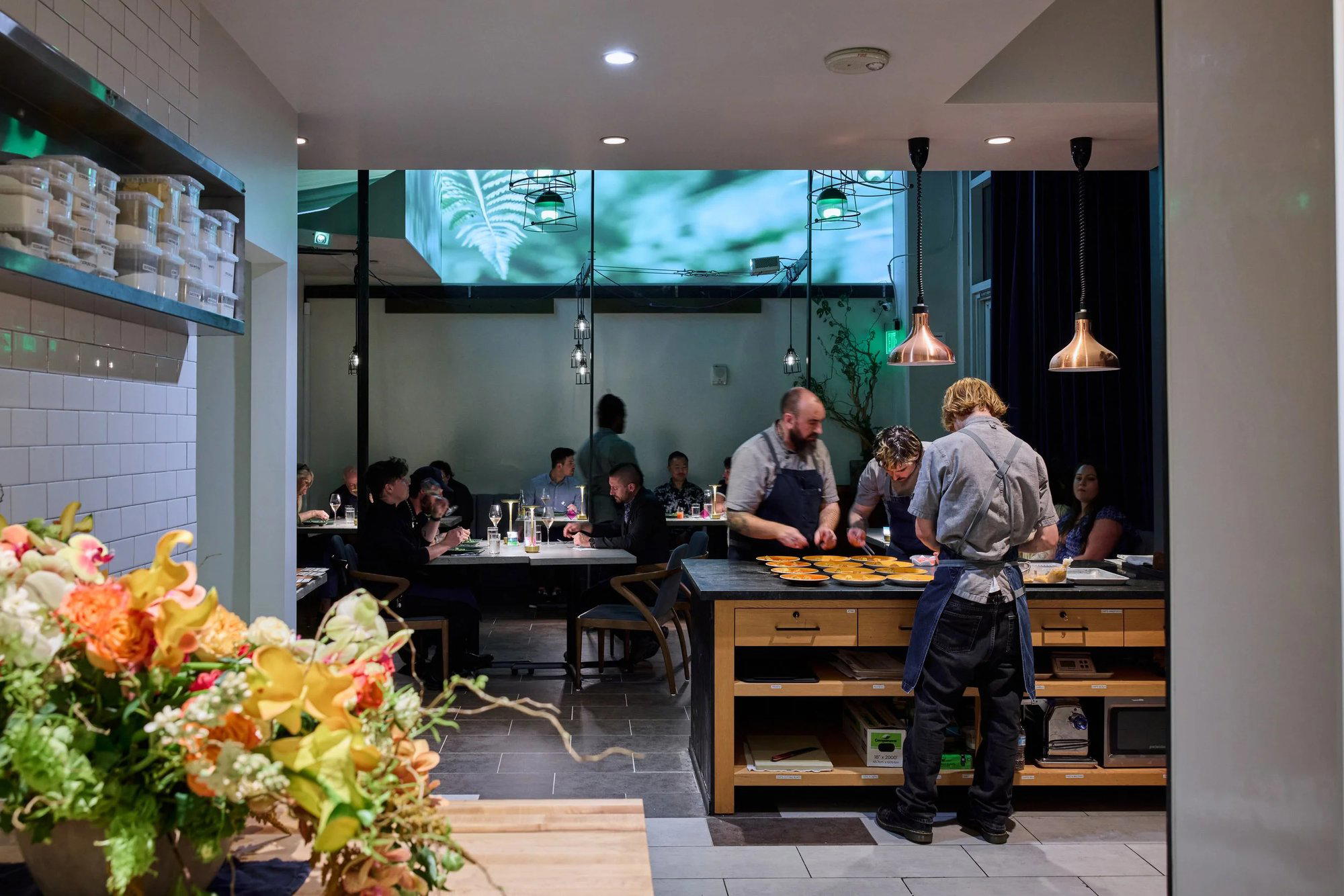
Where the Meal Has a Grammar of Its Own
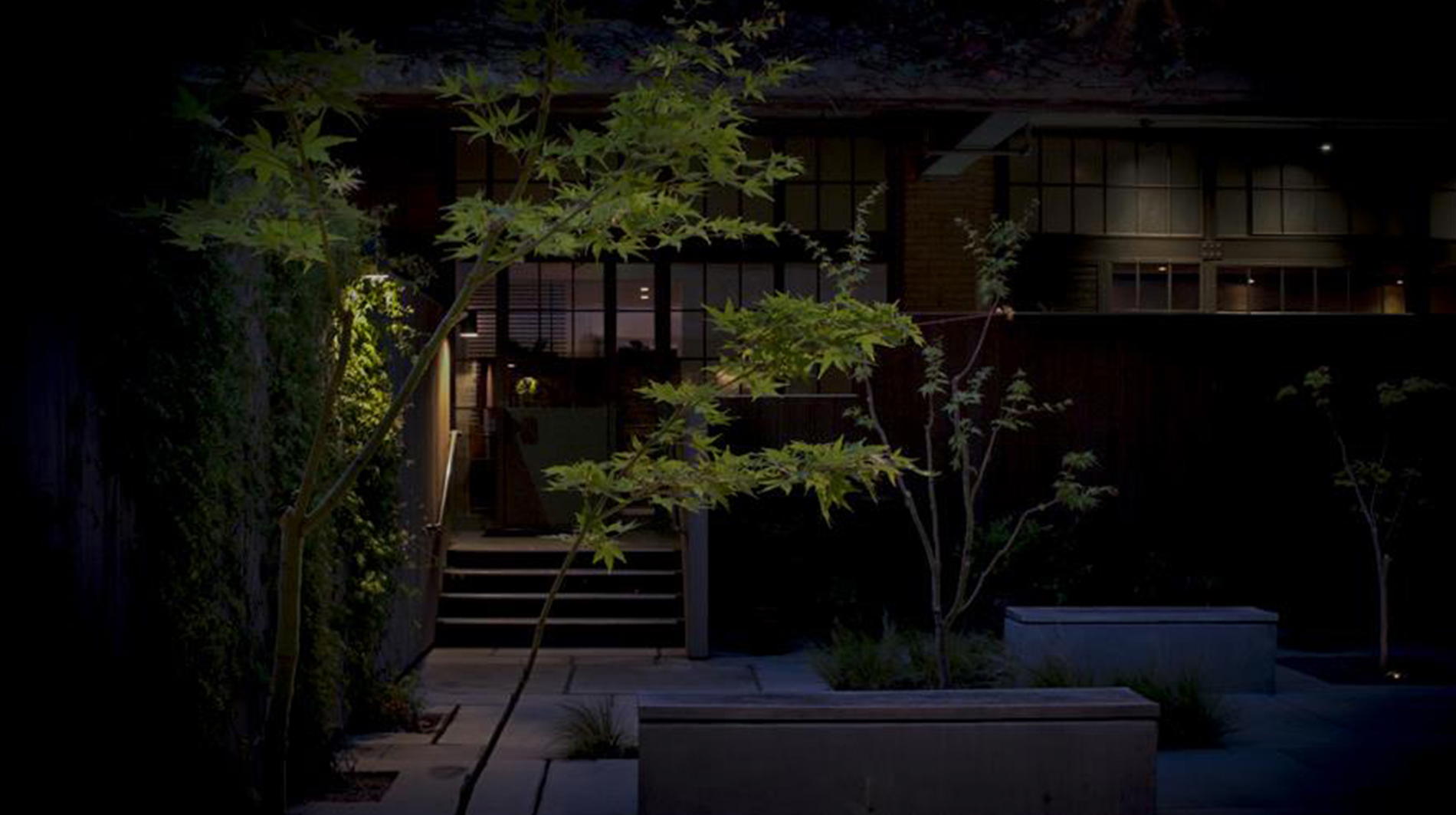
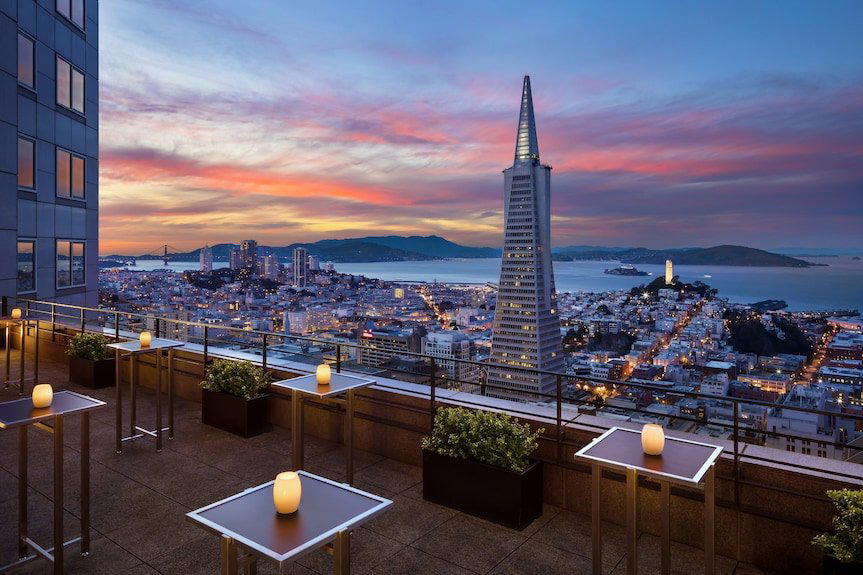
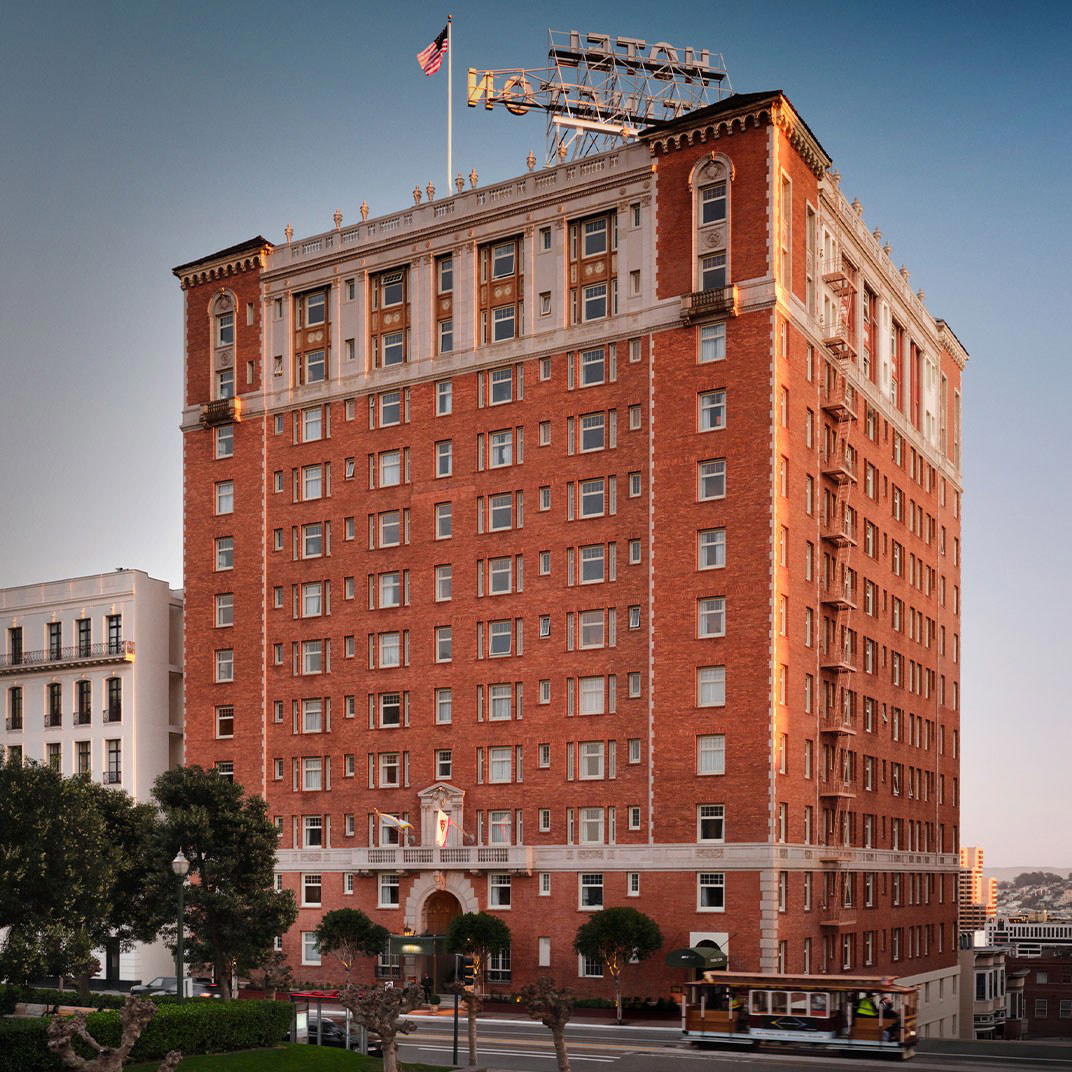
Bush Street, running through the edge of San Francisco's Financial District and into the lower reaches of Chinatown, is not a dining corridor in the way Hayes Valley or the Mission are. The blocks around 466 have the quality of transition zones: office workers at lunch, the occasional tourist cutting between Union Square and the Embarcadero, and a handful of addresses that have chosen the neighbourhood precisely because it does not perform for anyone. In that context, Roots reads as deliberate. A restaurant that opens in a location without foot-traffic ambition is signalling something about its relationship to attention.
That signal matters in San Francisco, a city whose fine-dining tier has spent the past decade sorting itself into distinct camps. On one side: the theatrically progressive formats, where the room and the choreography are as much the product as the food. Lazy Bear operates on that register, its communal tables and narrated courses functioning as a kind of dinner-as-performance. Atelier Crenn pushes further into the poetic and the conceptual. On the other: restaurants where the dining ritual is interior rather than announced, where the intelligence of the meal is embedded in the sequencing and the ingredient logic rather than the presentation of those things to the guest.
The Ritual Architecture of the Meal
San Francisco's serious dining culture has long been shaped by a particular set of inherited assumptions: that California produce should anchor everything, that the kitchen's relationship to suppliers is part of the story, and that a meal's pacing is itself a form of editorial judgment. These assumptions run through the city's most discussed rooms, from Saison's live-fire precision to Benu's cross-cultural formalism. They also shape what a guest is expected to bring to the table: patience, curiosity, and a willingness to follow a structure rather than impose their own.
The dining ritual, at this tier, is never incidental. The order in which courses arrive, the interval between them, the shift from acidic to fatty to sweet, the moment a kitchen chooses to introduce heat or texture contrast, these decisions constitute the actual argument of the meal. At the restaurants that take this seriously, a misordered sequence feels like a grammatical error. At those that do not, the menu is simply a list of things to eat. The distinction is worth holding in mind when considering where Roots sits relative to its San Francisco peers.
Nationally, the restaurants that have most rigorously theorised the dining ritual as structure include Alinea in Chicago, where Grant Achatz's kitchen treats pacing as a compositional problem, and Blue Hill at Stone Barns in Tarrytown, where the meal's logic is agricultural before it is culinary. Within California, The French Laundry in Napa and Single Thread Farm in Healdsburg both operate menus where the sequence is non-negotiable and the guest is understood to have signed up for that constraint. These are useful reference points for calibrating expectations around any San Francisco address operating in the same tradition.
The Bush Street Address in City Context
The Financial District fringe has produced a particular kind of San Francisco restaurant over the years: serious, relatively quiet at lunch, dependent on a clientele that knows to seek it out rather than stumble across it. Quince on Pacific Avenue operates in a comparable zone of deliberate remove from the city's more tourist-facing corridors. The neighbourhood rewards restaurants that do not need to compete for walk-in traffic because their reservation hold is strong enough to sustain them independently.
For a visitor arriving from outside the Bay Area, the practical implication is direct: Bush Street at this block is a destination rather than a discovery. You will not pass Roots on the way to something else. The walk from Union Square takes roughly five minutes; from the Embarcadero BART station, closer to ten. The neighbourhood at dinner service is quiet, which is either a feature or a liability depending on what you want the ambient texture of your evening to be.
Compared to the city's more geographically central fine-dining addresses, or to restaurants in the Mission with louder room energy, the Bush Street location produces a specific atmospheric condition: the meal is the main event in a way it is harder to sustain when the street outside is busy and the room is half-full of people who wandered in. That insularity, in the tradition of rooms like The Inn at Little Washington or Addison in San Diego, focuses attention inward.
How Roots Fits the Bay Area's Progressive Dining Tier
San Francisco's top tier of progressive American cooking, the tier that also includes Providence in Los Angeles, Le Bernardin in New York City, and Atomix in New York City at the national level, is defined less by cuisine type than by a shared set of commitments: to sourcing transparency, to format discipline, and to the idea that the guest's role is participatory rather than passive. Restaurants in this tier do not explain themselves on the menu. They expect the meal to do the work.
For readers building a San Francisco itinerary around dinner plans, the practical question is sequencing. Roots at 466 Bush Street is not a starting point for someone new to the city's food culture; it is more legible after you have spent time with the register that defines the broader scene. Our full San Francisco restaurants guide maps the city's dining tiers in more detail, with neighbourhood-by-neighbourhood breakdowns that help locate any single address in its broader competitive context.
For those who have already moved through the city's more visitor-facing rooms and are ready for something that demands more of the diner, Bush Street is worth the deliberate trip. The rooms that stay with you longest in this city are rarely the ones you find by accident.
Planning Your Visit
Roots is located at 466 Bush Street, San Francisco, CA 94108, in the Financial District fringe between Union Square and Chinatown. Confirmation of current booking method, hours, and format directly with the restaurant before visiting is advisable.
Address: 466 Bush St, San Francisco, CA 94108. Verify current hours and reservations directly with the venue before visiting.
Cuisine Lens
Comparable venues nearby, for context on price, style, and recognition.
| Venue | Cuisine | Price | Notes |
|---|---|---|---|
| RootsThis venue — the venue you are viewing | Organic Mediterranean | $$ | Not listed |
| Penaber Mediterranean meze house | Mediterranean Meze House | $$ | Nob Hill |
| Boochmania | Levantine Mediterranean with Fermentation | $$ | Financial District/South Beach |
| Coco500 | California/Mediterranean | $$$ | SoMa |
| Sens Restaurant | Modern Mediterranean | $$$ | Financial District/South Beach |
| TRULY Mediterranean | Authentic Mediterranean Falafel and Shawarma | $ | Mission |
Continue exploring
More in San Francisco
Restaurants in San Francisco
Browse all →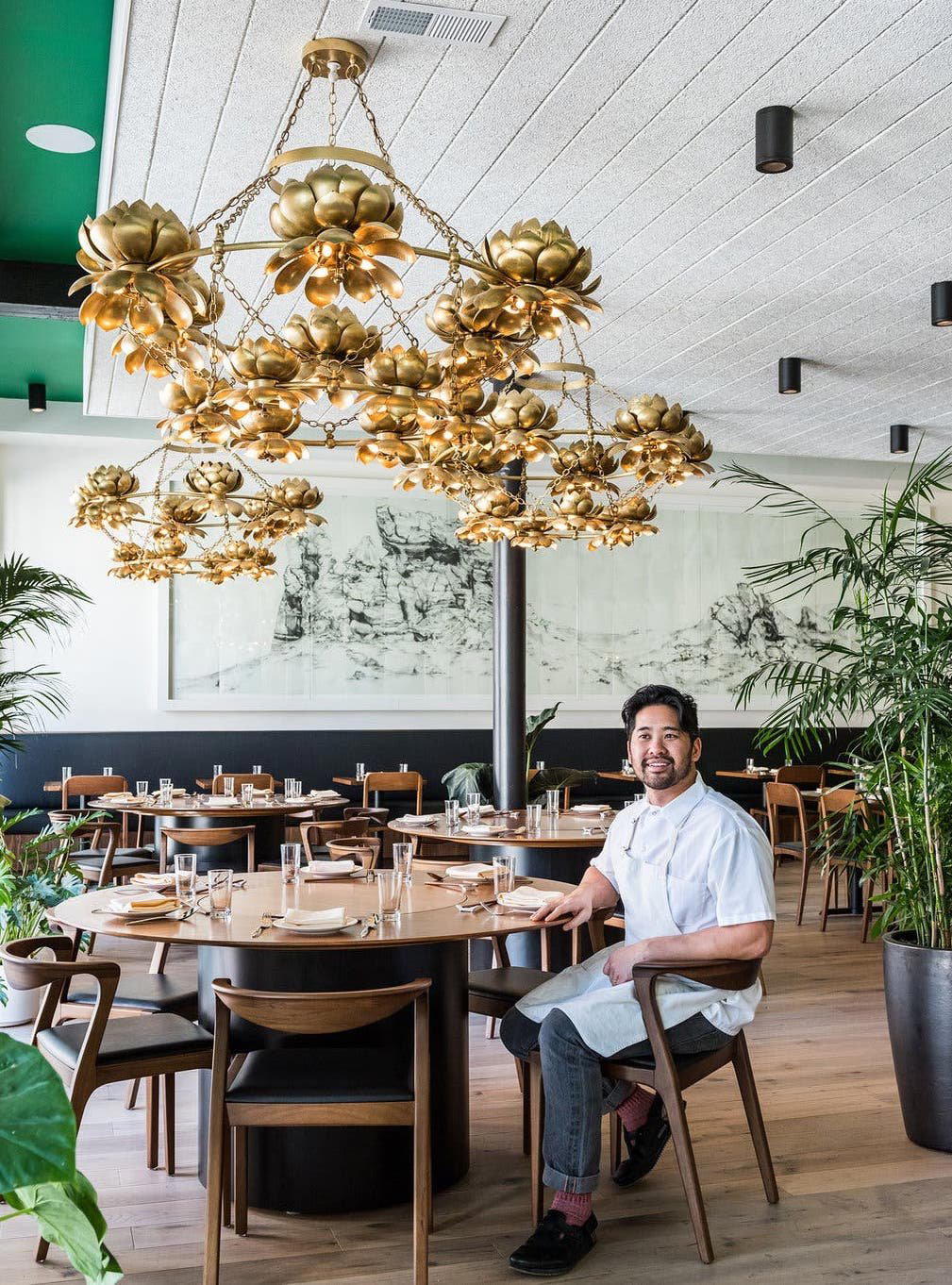
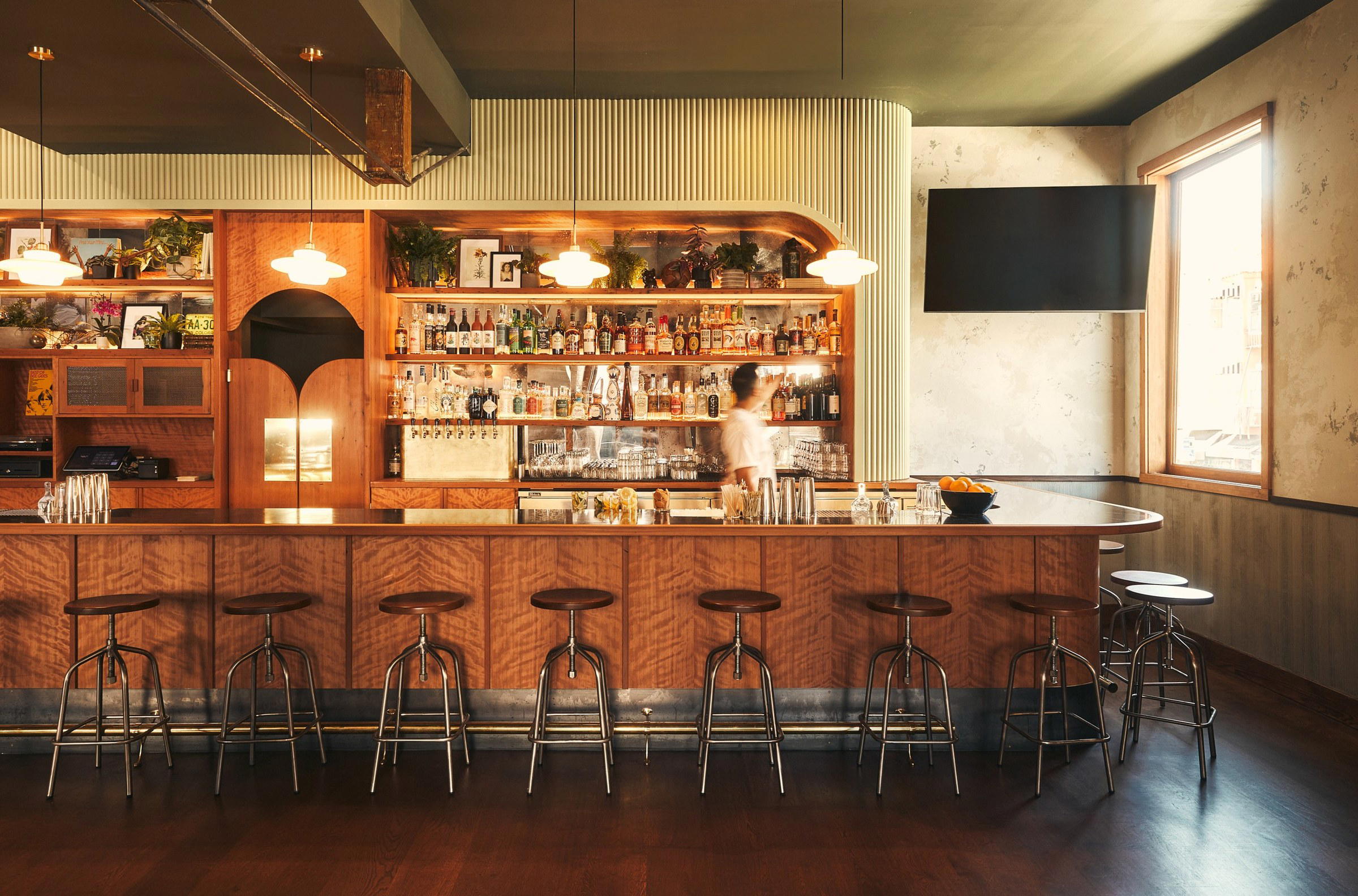
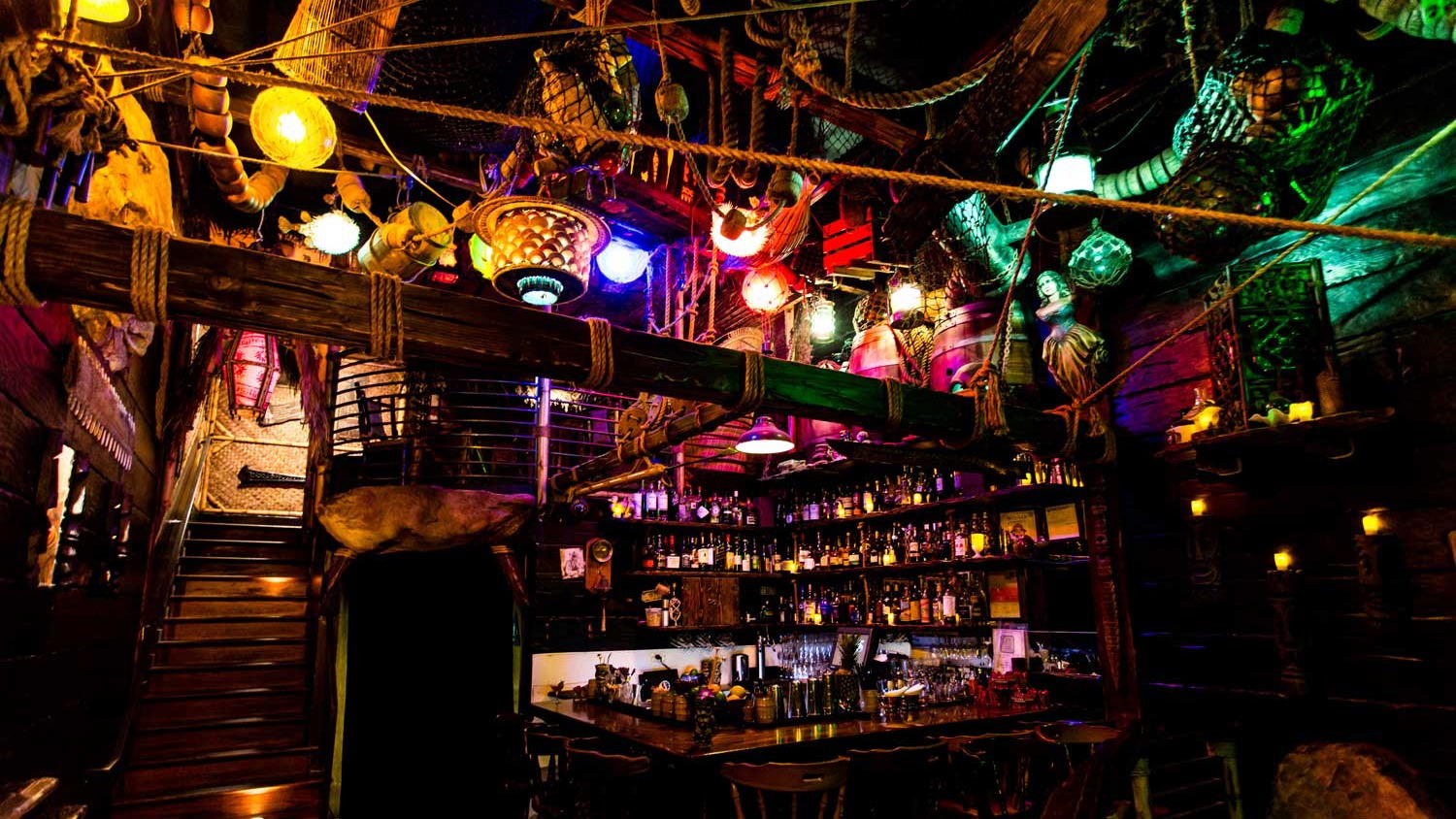
Bars in San Francisco
Browse all →
Hotels in San Francisco
Browse all →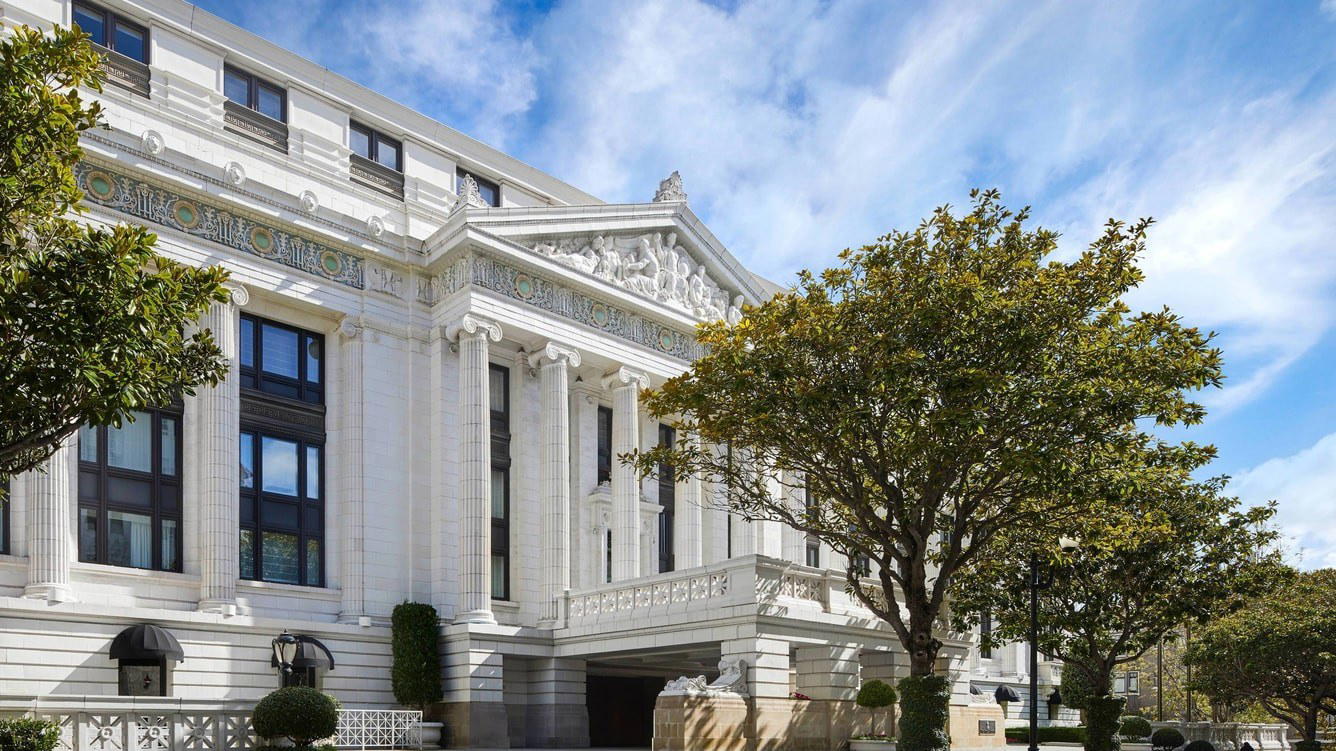
At a Glance
- Cozy
- Intimate
- Modern
- Business Dinner
- Hotel Restaurant
- Extensive Wine List
- Farm To Table
- Local Sourcing
- Organic
Current opening hours
- Monday
- 6–10 AM
- Tuesday
- 6–10 AM
- Wednesday
- 6–10 AM
- Thursday
- 6–10 AM
- Friday
- 6–10 AM
- Saturday
- 7–10:30 AM
- Sunday
- 7–10:30 AM
Hours can change for holidays and private events. Last verified .
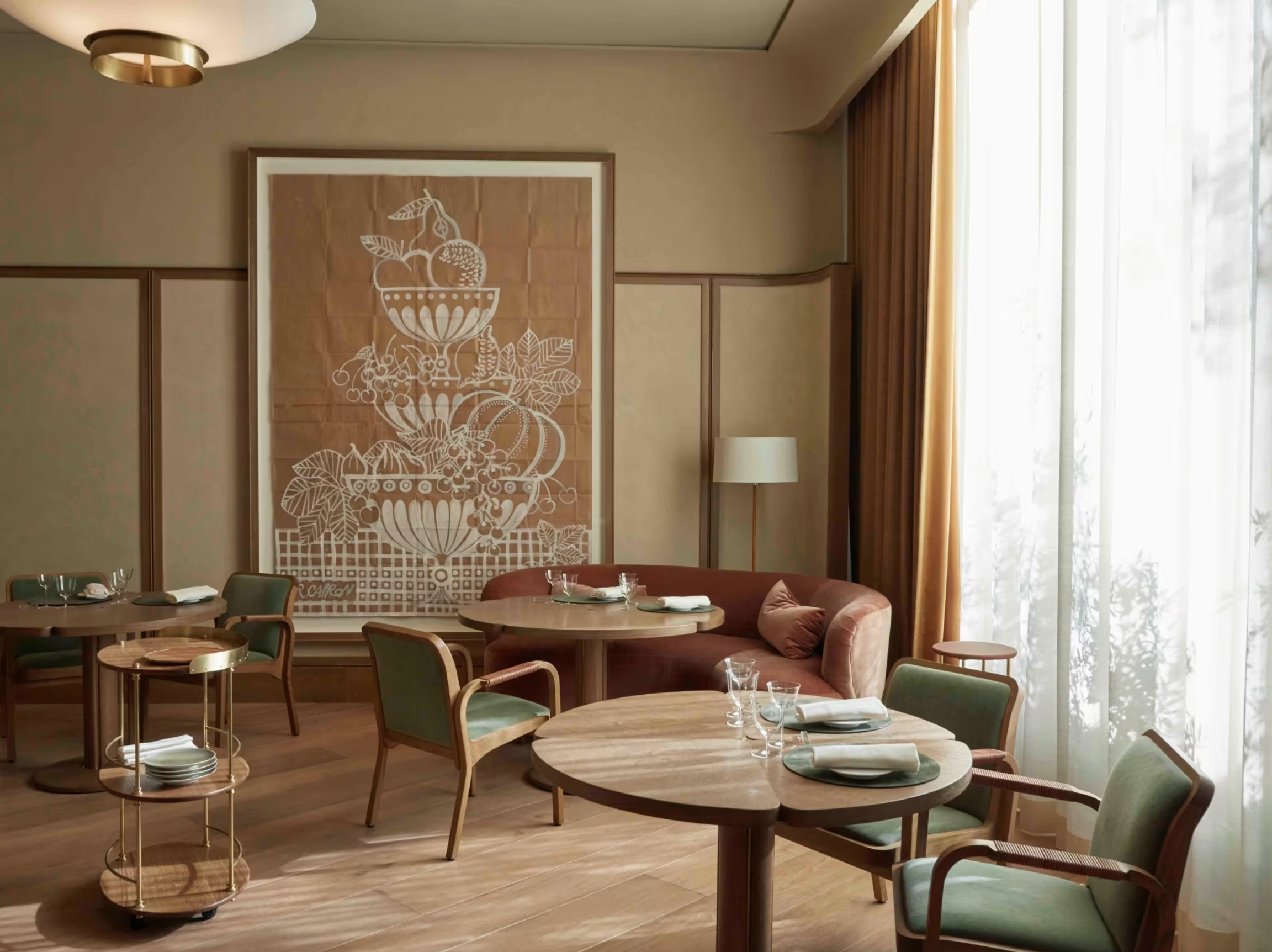
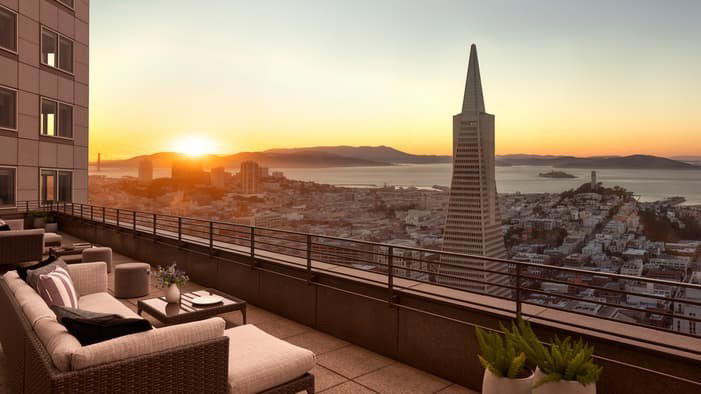
Intimate ambiance with soft color palettes, light maple tones, whimsical wall sconces, comfortable leather upholstery, and artful sophistication.