Huerta de Carabana

We're Smart World 4 Radishes
Our verdict
Forty kilometres southeast of Madrid, Huerta de Carabaña sits at the source of its own supply: a working farm producing the vegetables and fruit that arrive directly on the plate. The kitchen operates within the Think Vegetables! Think Fruit! philosophy, placing seasonal produce at the centre of every recipe. For anyone following Spain's farm-to-table conversation, this is where the argument becomes literal.

Pearl is the En Primeur Club membership app — saves, bookings, and concierge access live there. Same editors, same standards.
- Address
- Carretera de Perales a Albares S/N, 28560 Carabaña, Madrid, Spain
- Phone
- +34 910 55 38 41
- Website
- huertacarabana.com
- Directions
- Get directions
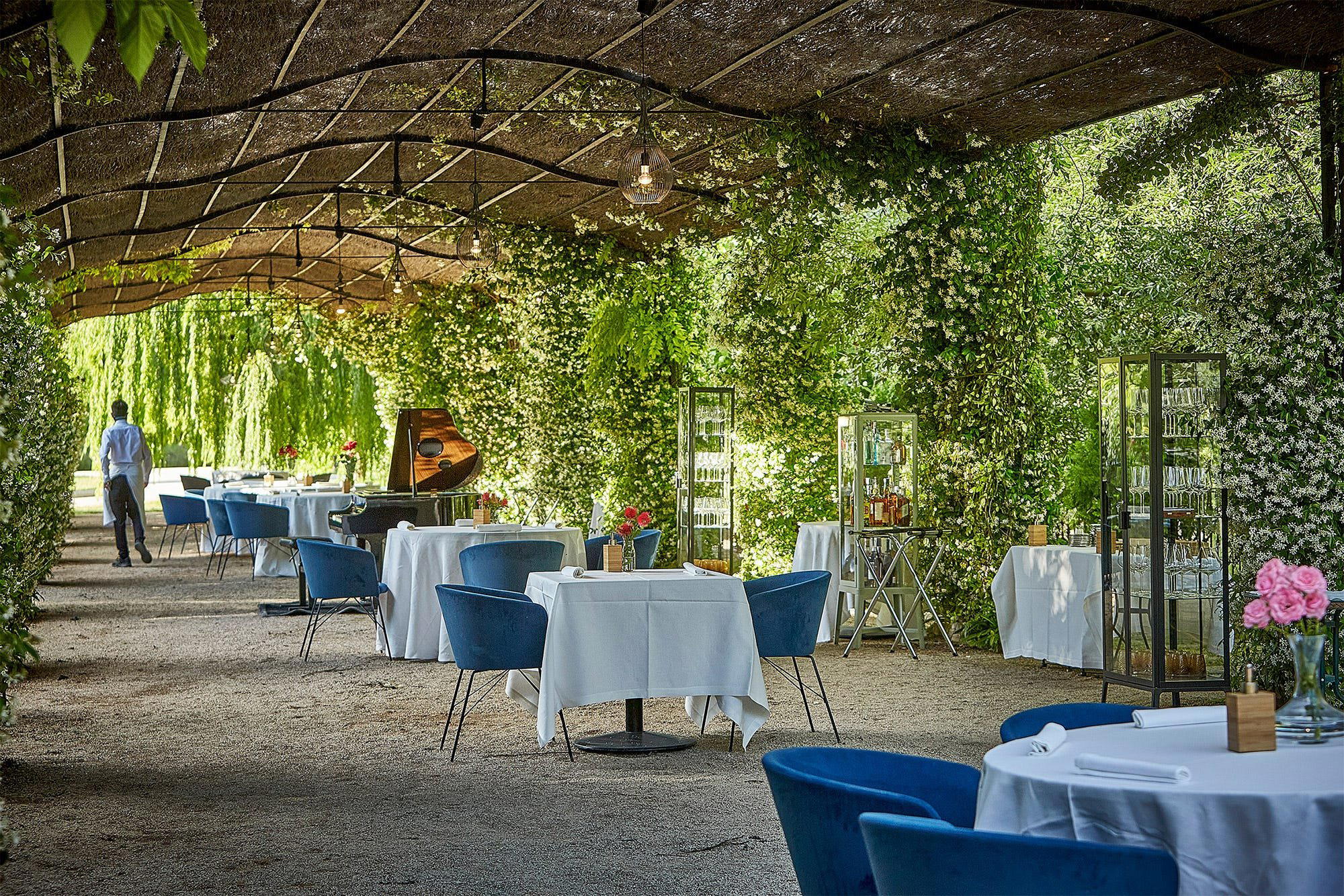
Where the Farm Is the Kitchen's Argument
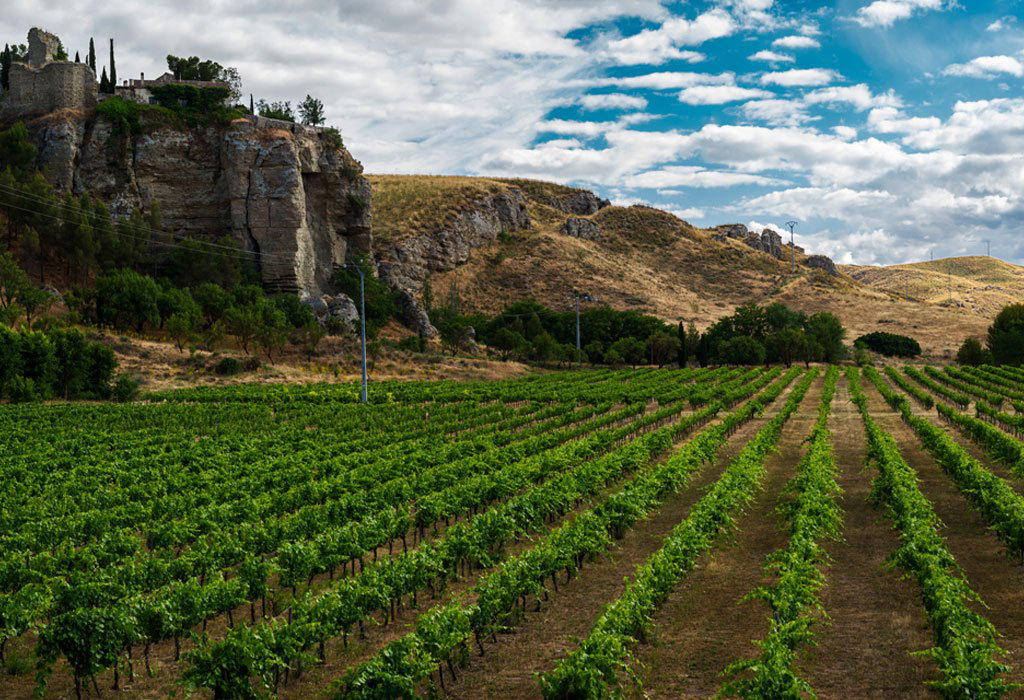
The road from Madrid to Carabaña runs southeast through flat Castilian scrubland, past villages that don't register on most dining itineraries. Arriving at Carretera de Perales a Albares, the distinction between farm and restaurant dissolves: the kitchen sits on working land, surrounded by the very plots that supply it. That physical relationship between soil and plate is not a branding exercise here — it is the operational premise. In a country whose most discussed restaurants tend toward technical complexity (think the progressive kitchens of DiverXO in Madrid or Azurmendi in Larrabetzu), Huerta de Carabaña positions itself at the opposite pole: the argument is not what the chef does to the ingredient, but what happens when the ingredient barely needs intervention at all.
Spain's Farm-to-Table Conversation, Made Concrete
Across Spain's premium dining circuit, sourcing credentials have become a standard part of the narrative. Kitchens from El Celler de Can Roca in Girona to Arzak in San Sebastián make careful claims about producers and supply chains. What separates Huerta de Carabaña from that broader trend is the absence of distance between producer and cook. Most restaurants narrate their sourcing relationships; this one eliminates the relationship entirely by collapsing it into a single location. The Carabaña area has long been associated with mineralrich water (the historical Agua de Carabaña mineral springs were one of the region's better-known exports), and the agricultural soil around the village reflects that geological character. When a kitchen operates at that kind of proximity to its raw materials, the seasonal calendar is not an editorial choice — it is a practical constraint, and that constraint shapes every plate.
The Think Vegetables! Think Fruit! philosophy acknowledged at Huerta de Carabaña is a registered culinary framework that places plant produce at the structural centre of a menu, rather than treating vegetables as accompaniments to protein. That shift has broader relevance across contemporary European cooking, where vegetable-forward menus have moved from niche positioning to a credible fine-dining category. At Huerta de Carabaña, the approach is grounded in what the farm actually grows, season by season, rather than in a fixed menu architecture. The result, according to the venue's own framing, is recipes that express the purity and flavour of produce harvested close to its peak. For the reader oriented toward ingredient-led cooking, that is the central draw, and a meaningful counterpoint to the tasting-menu theatrics that dominate Spain's most-publicised tables, from Mugaritz in Errenteria to Aponiente in El Puerto de Santa María.
Situating Carabaña on the Madrid Dining Map
The Spanish capital's dining conversation tends to concentrate inside the M-30 ring road, with a secondary cluster around the northern suburbs. Carabaña sits roughly forty kilometres to the southeast, outside the radius most Madrid-based diners will cover for a casual lunch. That distance functions as a filter: visits here require intention, which tends to attract a different kind of diner than the one filling midweek tables at a city-centre brasserie. The journey along the A-3 and then local roads is not long by rural Spanish standards, but it does mean that Huerta de Carabaña operates in a different register from urban destination restaurants. The setting is part of the experience in a way that even the most scenically positioned Madrid city restaurant cannot replicate. Compared with Casa Marcial in Arriondas or Martin Berasategui in Lasarte-Oria, both restaurants that require deliberate travel and reward it, Huerta de Carabaña occupies a smaller, less internationally publicised position, but one that is coherent on its own terms.
For visitors building a wider Madrid-region itinerary, the full Carabaña (Madrid) restaurants guide maps the local dining options more completely. The area also offers context beyond the table: see the Carabaña (Madrid) hotels guide for accommodation near the farm, and the experiences guide for what else the area supports. Those interested in the wider regional wine picture can check the Carabaña (Madrid) wineries guide, while the bars guide covers the village's drinking options.
The Seasonal Logic of the Menu
Produce-led kitchens are only as convincing as their commitment to seasonal reality. When a restaurant claims farm-to-table credentials but maintains a stable menu across twelve months, the sourcing story weakens under scrutiny. The operational logic at Huerta de Carabaña, where the kitchen draws from land on the same site, makes genuine seasonal rotation structurally necessary rather than optionally aspirational. What is on the table in late spring, when the kitchen has access to early lettuces, tender alliums, and stone fruits coming into condition, will differ materially from what appears in autumn, when root vegetables, late-season tomatoes, and squash dominate the harvest. This is the kind of seasonality that kitchens elsewhere describe as a value; here it is simply what the farm produces. Comparable ingredient-focused approaches at different scales exist across Spain's reference kitchens, Ricard Camarena in València and Cocina Hermanos Torres in Barcelona both build menus around producer relationships and seasonal availability, but neither operates from a farm on-site.
Planning a Visit
The address places Huerta de Carabaña on the Carretera de Perales a Albares, outside the village of Carabaña in the Community of Madrid. A car is the practical choice for reaching the farm; public transport connections to Carabaña are limited and do not terminate near the site. Given the rural setting and the farm-driven menu structure, visiting in the warmer months, when the growing season is at its most active and outdoor surroundings are accessible, gives the fullest sense of what the location offers. Booking ahead is advisable for any farm restaurant operating at limited capacity; contacting the venue directly before planning travel is the sensible first step, particularly for larger groups or dietary requirements. Those who cross similar distances for ingredient-led dining at international level, the extended journey to Emeril's in New Orleans or the deliberate travel required for Le Bernardin in New York City, will recognise the calculus: when the sourcing argument is this literal, the distance becomes part of the point.
Frequently asked questions
Has Huerta de Carabana won any awards?
Huerta de Carabana has received recognition including: Everything starts with good seasonal products. At Huerta de Carabana, they understand that very well; here you are at the source! When a passionate chef is presented with such riches and knows how to deal with them, the result is unique rec….
Where do I go for Huerta de Carabana?
Huerta de Carabana is located at Carretera de Perales a Albares S/N, 28560 Carabaña, Madrid, Spain, Carabaña (Madrid).
Would Huerta de Carabaña be comfortable with kids?
The farm setting on the Carretera de Perales a Albares outside Carabaña is a working agricultural environment, which tends to engage children who have an interest in where food comes from. The pace is rural and unhurried, which suits families more than it suits a quick urban lunch. That said, the experience is built around seasonal produce and a kitchen philosophy — not a children's activity programme.
How would you describe the vibe at Huerta de Carabaña?
This is not a dressed-up country restaurant; the farm is the context, not the backdrop. Carabaña sits outside Madrid's urban radius, and the atmosphere at Huerta de Carabaña reflects that — produce-focused, unforced, with the kitchen's credibility resting entirely on what the land is producing that week. The Think Vegetables! Think Fruit! philosophy shapes the tone: grounded and ingredient-driven rather than occasion-driven.
Fast Comparison
Comparable venues nearby, for context on price, style, and recognition.
| Venue | Cuisine | Price | Awards | Notes |
|---|---|---|---|---|
| Huerta de CarabanaThis venue — the venue you are viewing | Vegetable-Focused Spanish | $30–50 | We're Smart World 4 Radishes | Not listed |
| Restaurante El Tostadero. | Spanish Gastrobar | Not listed | Not listed | La Cibelina |
| Come Bebe Ama | Modern Extremaduran Spanish Gastrobar | $30–50 | Not listed | San Isidro |
| Desencaja | Modern Castilian Fine Dining | $50–100 | Not listed | Ciudad Universitaria |
| Sagardi en Euskal Etxea | Traditional Basque Rotisserie | $50–100 | Not listed | Cortes |
| Askua Barra | Modern Spanish Tapas | $50–100 | Not listed | Cortes |
Recognition history
Dated appearances from independent guides and award organizations, with the underlying list record or original source where available.
We're Smart World 4 Radishes
We're Smart World
Continue exploring
More in Carabaña (Madrid)
Restaurants in Carabaña (Madrid)
Browse all →

Bars in Carabaña (Madrid)
Browse all →
Hotels in Carabaña (Madrid)
Browse all →



Details
- Cozy
- Elegant
- Rustic
- Date Night
- Business Dinner
- Special Occasion
- Open Kitchen
- Extensive Wine List
- Farm To Table
- Local Sourcing
- A La Carte
- Small Plates
- Vegetarian Friendly
- Vegan Options
- Gluten Free Options
Cozy and welcoming with warm lighting, soft background music, and well-insulated for comfortable conversations.