
Our verdict
Situated on the western edge of Madrid near Moncloa-Aravaca, Desencaja is a Spanish kitchen under chef Iván Sáez that has earned back-to-back recognition from Opinionated About Dining, appearing on the Casual Europe list in both 2023 and 2025. The format leans into the small-plates tradition — ordered freely, shared across the table — placing it in a tier of serious but unstuffy cooking that Madrid does particularly well.

Pearl is the En Primeur Club membership app — saves, bookings, and concierge access live there. Same editors, same standards.
- Address
- Ctra. Castilla, Km 2, Moncloa - Aravaca, 28023 Madrid, Spain
- Phone
- +34 918 98 22 40
- Hours
- Mon 1–4 p.m.Tue–Sat 1–4 p.m., 8–10:30 p.m.Sun 1–4 p.m.
- Website
- terrazaclubdecampo.es
- Directions
- Get directions
- Booking
- Book on the venue's website
The menu
What to order
- Callos_a_la_madrileña
- Partridge_with_foie_gras
- Croquetas
On the Western Edge of the Madrid Dining Map
The road out toward Moncloa-Aravaca is not where most visitors go looking for a meal. That geography — Carretera de Castilla, a stretch that feels more transit corridor than neighbourhood — is precisely the point. Madrid's most talked-about tables are concentrated in Salamanca, Chamberí, and the old city centre, where Botín Restaurante anchors the historic end and bars like Casa Revuelta keep the old tapas ritual alive. Desencaja operates away from that circuit, on a site that asks something of the diner before service even begins. That distance filters the room. The people who make the trip have generally decided in advance that the cooking is the reason.
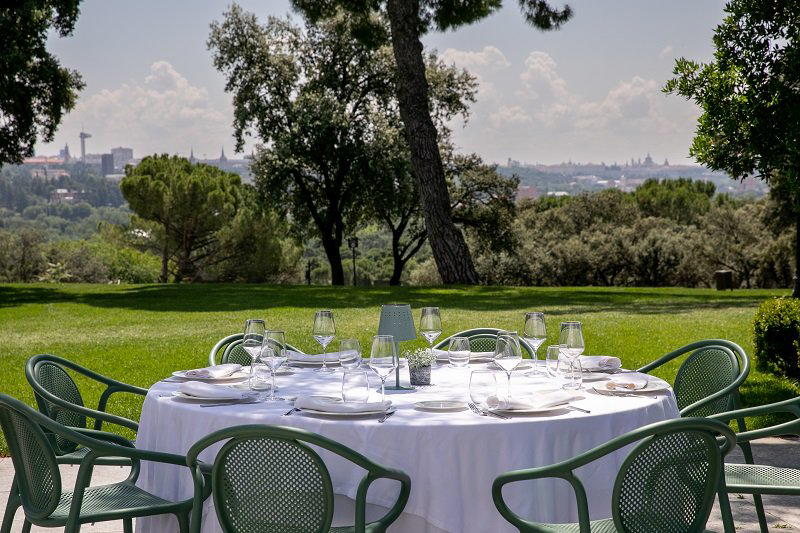
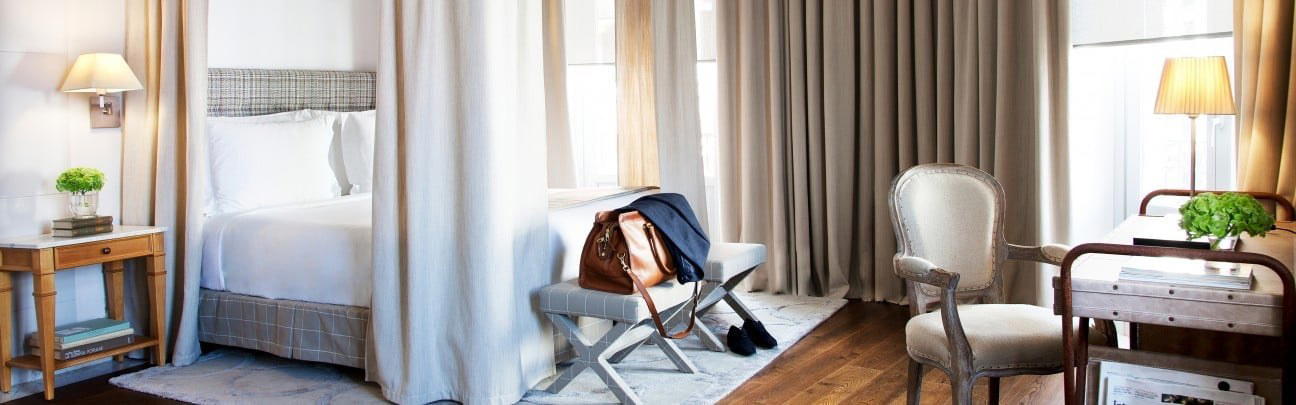
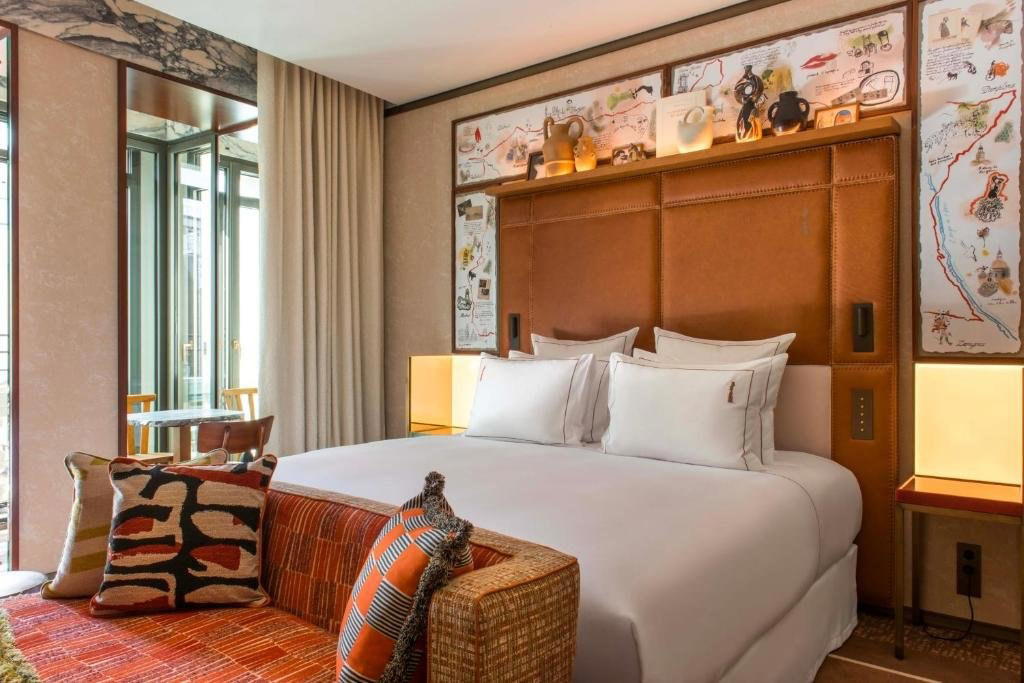
Inside, the setting does not announce itself through any particular visual drama. What registers first is the atmosphere of a room in which conversation is possible, a meaningful baseline in a city where noise levels in casual dining can make ordering feel like shouting. Madrid's small-plates culture depends on the table staying engaged across many rounds of food; a room that works against that rhythm defeats the format before the first dish lands.
Small Plates as Social Architecture
The Spanish small-plates tradition is older than the modern tasting menu and more democratic in its logic. Where a prix fixe sequences the diner through a chef's predetermined arc, the tapas and raciones model hands control back to the table. You order what you want, in the order you want it, and the meal expands or contracts around appetite and mood. At its finest, the format produces something closer to a dinner party than a restaurant experience: plates arrive, opinions form, more plates follow from disagreement or enthusiasm about what just came before.
Desencaja works within this tradition rather than against it. Chef Iván Sáez's kitchen occupies a register that Opinionated About Dining, a peer-reviewed international dining guide with a notably selective approach to casual European restaurants, has recognised in two consecutive survey cycles, ranking the restaurant at number 537 in its Casual Europe list for 2025 and carrying a Recommended designation from 2023. That kind of sustained recognition from a source that prioritises cooking quality over décor or theatre signals a kitchen performing consistently in a competitive field.
In Madrid, that field is genuinely demanding. At the leading end, DiverXO holds three Michelin stars and operates at price points and booking lead times that place it in a different category entirely. Coque and Smoked Room run at two stars each, their formats built around extended tasting progressions. Desencaja's positioning inside the OAD Casual tier is a meaningful distinction: the cooking is taken seriously by serious observers, but the format remains one where a table of four can eat without ceremony or a two-month wait.
The Ordering Discipline That Makes the Format Work
The risk in small-plates dining, particularly when the cooking is genuinely skilled, is ordering past appetite in the first two rounds and losing the ability to engage with what comes after. This is a universal challenge across the format, from the pintxos bars of San Sebastián to the raciones houses of Madrid's Malasaña district. The discipline is to hold back early and order in response to what the kitchen is showing you, rather than front-loading the table with everything that sounds good on the menu.
At Desencaja, where the OAD recognition suggests a kitchen with a clear point of view, the better approach is to begin with fewer plates than instinct suggests, read what arrives, and extend from there. Spanish cooking at this register often builds on classical technique applied to seasonal produce and regional ingredients, approaches visible across the broader contemporary Madrid scene at places like Cuenllas and El Fogón de Trifón. The shared-table format rewards patience more than speed.
Where Desencaja Sits in the Wider Spanish Conversation
Spanish haute cuisine in 2025 is concentrated outside Madrid as much as within it. El Celler de Can Roca in Girona and Arzak in San Sebastián remain the reference points for what Spanish fine dining means at its most ambitious. Azurmendi in Larrabetzu and Martin Berasategui in Lasarte-Oria operate in the Basque country, where produce and culinary culture give their kitchens a specific regional grounding. Aponiente in El Puerto de Santa María has built a reputation on the Andalusian coast through a focus on marine ingredients that would be impossible to replicate inland.
The Spanish dining conversation has also become genuinely international. ZURRIOLA in Tokyo and Arco by Paco Pérez in Gdańsk represent Spanish technique finding footholds in non-Spanish markets, while Cocina Hermanos Torres in Barcelona shows the format expanding within Spain's own metropolitan centres.
Desencaja's place in this conversation is specific rather than sweeping: it is a Madrid restaurant, working within Spanish culinary tradition, that has drawn sustained attention from a discerning international audience for its casual-format cooking. That is a narrower claim than being compared to the three-star tier, and it is more useful for what it tells a diner actually planning a meal.
Planning a Visit
Desencaja sits at Carretera de Castilla, Km 2, in the Moncloa-Aravaca zone of western Madrid, not a walking destination from central hotels, but reachable by taxi or car in under twenty minutes from most of the city's main accommodation districts. For those building out a fuller Madrid trip, our [full Madrid restaurants guide]() maps the broader scene by neighbourhood and format, while the [Madrid hotels guide](), [bars guide](), [wineries guide](), and experiences guide cover the rest of the city's premium circuit.
What to Order at Desencaja
The OAD Casual Europe designation, awarded to restaurants where cooking quality is the primary evaluative criterion, points toward a kitchen that takes Spanish technique seriously at an accessible price tier. In the small-plates format, the most reliable approach at a restaurant of this type is to ask the room what has been arriving well that week and anchor the table around two or three of those, supplementing with whatever looks like a signature from the written menu. At a kitchen with recognised consistency, the house choices tend to be more reliable than menu archaeology. For broader context on Madrid's Spanish cuisine at various price tiers, the Gran Café Santander offers a useful reference point at a different register in the city.
Standing Among Peers
| Venue | Cuisine | Price | Awards | Notes |
|---|---|---|---|---|
| DesencajaThis venue — the venue you are viewing | Modern Castilian Fine Dining | $50–100 | Not listed | Not listed |
| DiverXO | Avant-Garde Spanish Tasting Menu | $300–500 | 3 Michelin Stars · World's 50 Best #4 | Progressive - Asian, Creative |
| Deessa | Modern Valencian Fine Dining | $150–200 | 2 Michelin Stars · La Liste Top Restaurants | Modern Spanish, Creative |
| Smoked Room | Modern Japanese Fire Omakase | $200–300 | 2 Michelin Stars · La Liste Top Restaurants | Progressive Asador, Contemporary |
| Coque | Modern Spanish Fine Dining | $300–500 | 2 Michelin Stars · La Liste Top Restaurants | Spanish, Creative |
| Paco Roncero | Avant-Garde Spanish Fine Dining | $150–200 | 2 Michelin Stars · La Liste Top Restaurants | Creative |
Recognition history
Dated appearances from independent guides and award organizations, with the underlying list record or original source where available.
Opinionated About Dining Casual in Europe Recommended
Opinionated About Dining
Full recognition history (3 entries)
Opinionated About Dining Casual in Europe Ranked #537
Opinionated About Dining
Opinionated About Dining Casual in Europe Recommended
Opinionated About Dining
Continue exploring
More in Madrid
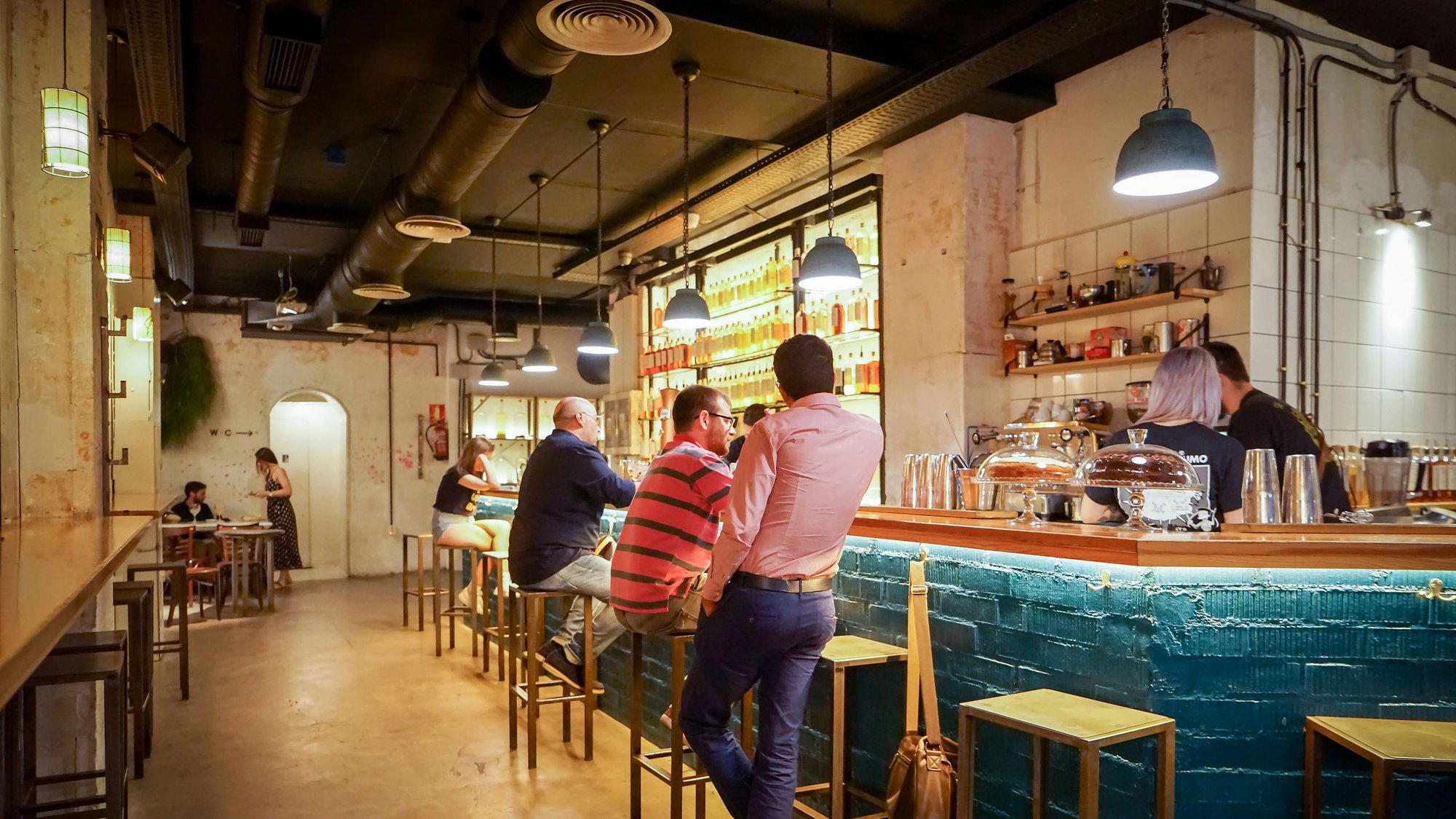
Restaurants in Madrid
Browse all →
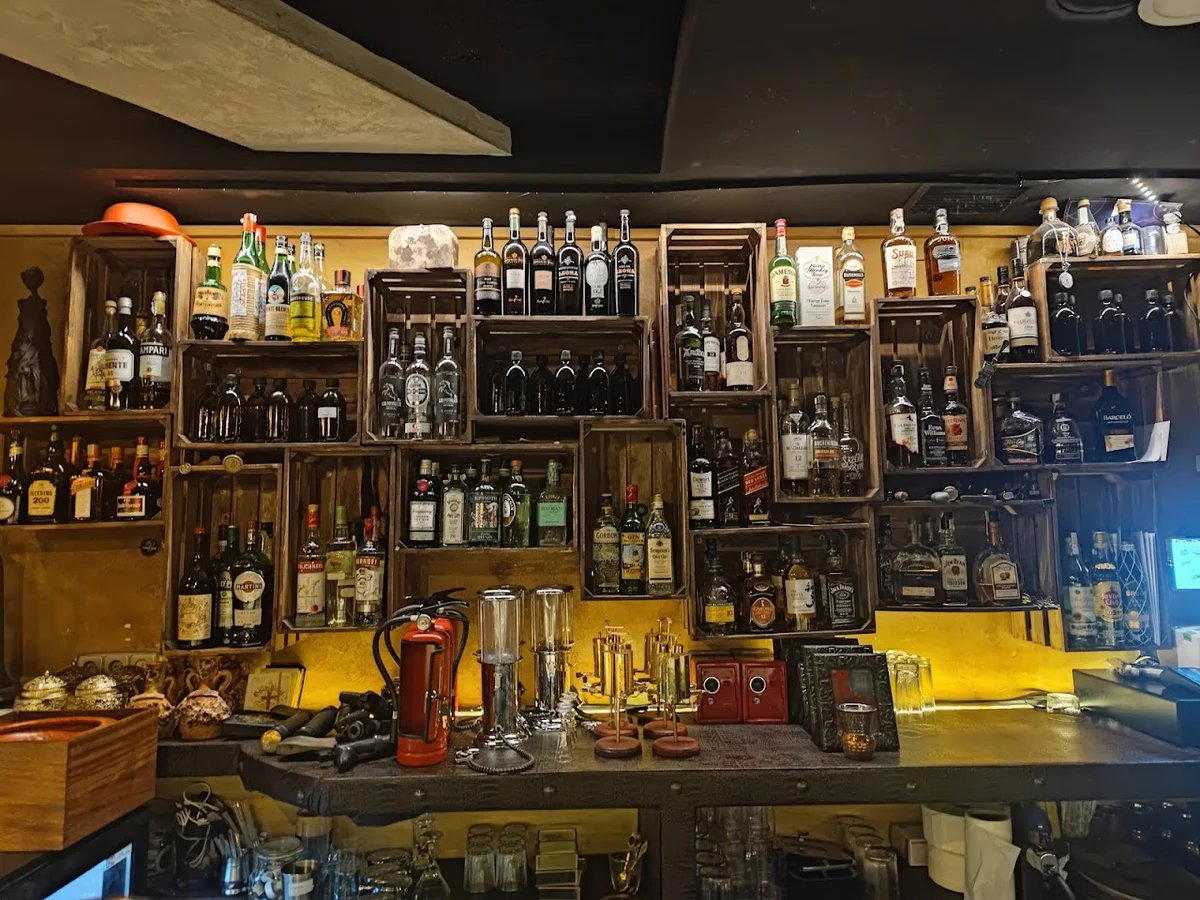
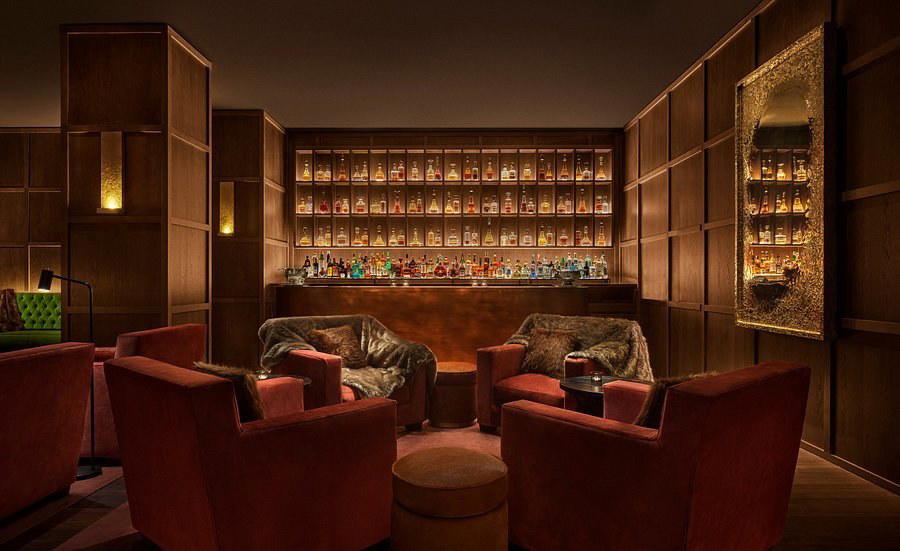
Bars in Madrid
Browse all →
Hotels in Madrid
Browse all →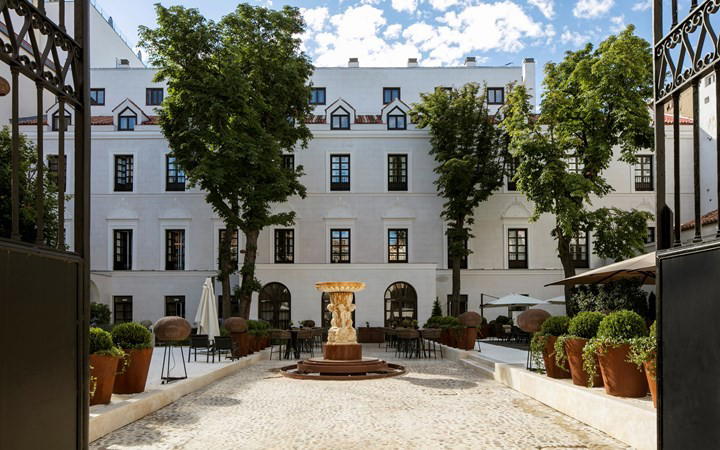

Details
- Sophisticated
- Elegant
- Modern
- Intimate
- Special Occasion
- Date Night
- Extensive Wine List
- Tasting Menu
- A La Carte
- Small Plates
Current opening hours
- Monday
- 1–4 p.m.
- Tuesday
- 1–4 p.m., 8–10:30 p.m.
- Wednesday
- 1–4 p.m., 8–10:30 p.m.
- Thursday
- 1–4 p.m., 8–10:30 p.m.
- Friday
- 1–4 p.m., 8–10:30 p.m.
- Saturday
- 1–4 p.m., 8–10:30 p.m.
- Sunday
- 1–4 p.m.
Hours can change for holidays and private events. Last verified .
Contemporary elegance honoring Spanish heritage with a less formal, hipster vibe featuring cork-like walls and intimate sophisticated atmosphere.