Huarachis Taqueria
On North Central Avenue, Huarachis Taqueria represents the kind of Mexican street-food tradition that Phoenix does quietly and well: huarache-forward, neighbourhood-rooted, and priced for regulars rather than occasion dining. The address puts it in a part of central Phoenix where casual taquerias and long-standing lunch spots share blocks with newer openings, making it a useful anchor for anyone eating across the city's mid-range Mexican tier.
Pearl is the En Primeur Club membership app — saves, bookings, and concierge access live there. Same editors, same standards.
- Address
- 814 N Central Ave, Phoenix, AZ 85004
- Phone
- +16027731413
- Website
- huarachis.com
- Directions
- Get directions
 Saves & bookings on Pearl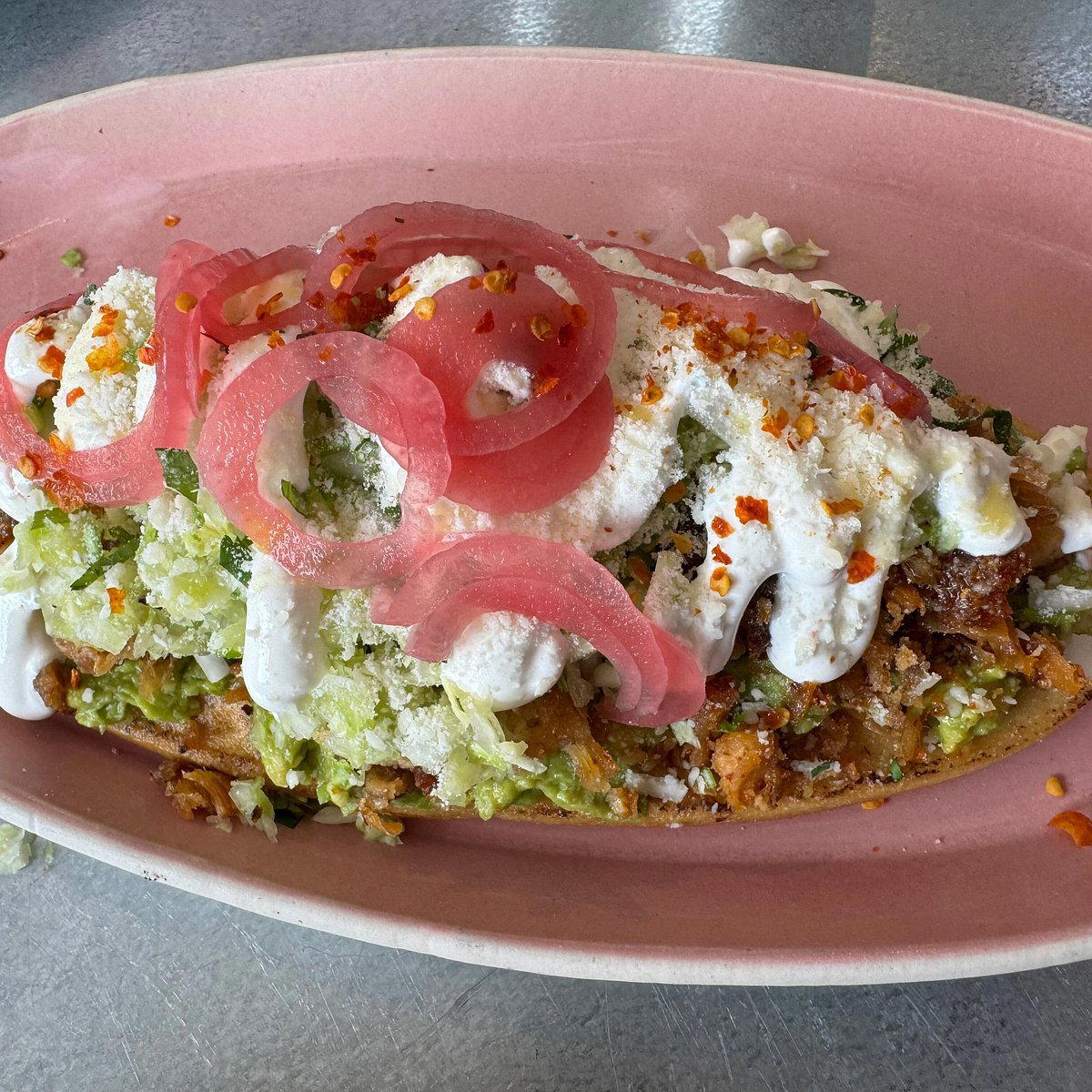
Central Avenue and the Taqueria Tradition
Phoenix's taqueria scene has never been short of ambition, but its most durable entries tend to operate outside the cycles of press attention and award seasons that shape dining conversation elsewhere. Huarachis Taqueria is a casual Mexican taqueria in Phoenix, at 814 N Central Ave, with a price point around $25 per person. The stretch of North Central Avenue where Huarachis Taqueria sits at 814 N Central Ave is a useful example of that pattern: a corridor that mixes long-established neighbourhood restaurants with the kind of casual Mexican counter service that fills tables through consistency rather than concept. In a city where Sonoran-inflected cooking carries real geographic and culinary weight, a taqueria organised around huaraches occupies a specific and relatively narrow niche even within the Mexican category.
The huarache itself warrants some context. Named for its sandal-like shape, the huarache is a thick oval of masa, typically griddled or fried, that serves as a base for proteins, salsa, and fresh garnishes. It sits in a different register from the taco: more substantial, more bread-like in its role, and associated with Mexico City street cooking rather than the northern Sonoran traditions that dominate Phoenix's Mexican dining. A taqueria that centres the format is making a deliberate choice about which tradition to represent, and that choice shapes everything from portion logic to ordering rhythm. For comparison, Bacanora operates in the Sonoran register with mesquite-fired technique, while Huarachis occupies a different lane altogether.
Where It Sits in the Phoenix Casual Tier
Phoenix's casual dining grid is wide and competitive. The mid-range Mexican category alone includes counter-service operations, family-run sit-down rooms, and fast-casual hybrids that have expanded across the metro over the past decade. On North Central, Huarachis sits near other neighbourhood staples that have built followings through repetition and value rather than editorial positioning. Pane Bianco, a few blocks away, demonstrates how a focused format (in that case, wood-fired bread and sandwiches) can anchor a loyal audience in the same general corridor. The logic is similar here: a menu built around a single masa format, executed at a neighbourhood price point, for a returning rather than destination clientele.
That positioning matters when you consider the broader Phoenix restaurant scene. At the higher end of the city's dining spectrum, operations like Vincent Guerithault on Camelback have built reputations over decades on French-Southwestern technique. Nationally, the reference points for serious tasting-menu ambition are places like Alinea in Chicago or The French Laundry in Napa. Huarachis operates in a different conversation entirely: the value-led, format-specific neighbourhood taqueria that serves the city's daily eating rather than its occasion dining. That is simply a different one.
What to Know Before You Go
The editorial angle here is logistical, because with neighbourhood taquerias in Phoenix, the planning questions are often the ones that catch visitors off-guard. Casual Mexican counter service in this part of central Phoenix tends to run on limited hours concentrated around lunch and early dinner, with some operations closing once product runs out rather than at a fixed hour. Arriving early in service reduces the risk of running into a shortened menu or a long queue at the counter. This is a pattern across the category, not specific to any single taqueria, but it shapes how you should approach a visit.
Booking, in the conventional sense, does not apply to a counter-service taqueria. Walk-in is the operational model, and the question is less about securing a table than about timing your arrival relative to the lunch rush. On North Central, midday weekday traffic from nearby offices and institutions tends to peak between noon and one o'clock. Arriving before noon or after one-thirty typically means shorter waits and more consistent service pacing. This kind of timing intelligence matters more at format-specific spots like this than it does at full-service restaurants, where a reservation absorbs much of the friction.
For out-of-town visitors using Huarachis as part of a broader Phoenix food day, it pairs logically with other neighbourhood stops rather than with the city's higher-end destinations. Lom Wong represents a different neighbourhood anchor in the Thai category, and 5 & Diner covers the American diner format in the same casual tier. Building a day around a few focused neighbourhood stops, rather than mixing casual counter service with destination dining, tends to produce a more coherent experience of how Phoenix actually eats. Our full Phoenix restaurants guide maps that broader picture across neighbourhoods and cuisine categories.
The Broader Context: Phoenix's Mexican Dining Depth
Phoenix benefits from genuine geographic proximity to Sonoran culinary traditions, and that proximity shows up across the city's Mexican restaurant tier in ways that cities further from the border cannot replicate as directly. The masa-based formats that anchor taquerias like Huarachis draw on deep regional tradition, and the concentration of that kind of cooking across central Phoenix neighbourhoods gives the city's casual Mexican scene a depth that is easy to underestimate if you approach it only through the destination-dining lens that drives most travel editorial. Nationally recognised restaurants like Le Bernardin in New York, Providence in Los Angeles, or Blue Hill at Stone Barns in Tarrytown represent the upper register of American fine dining. Phoenix has entries in that conversation too, but its most distinctive contribution to American eating may be in the mid-range Mexican tier, where neighbourhood taquerias have been operating at a high baseline for decades without seeking external validation. Additional reference points across American fine dining include Lazy Bear in San Francisco, Single Thread Farm in Healdsburg, Addison in San Diego, Emeril's in New Orleans, Atomix in New York City, The Inn at Little Washington, and 8½ Otto e Mezzo Bombana in Hong Kong, but Phoenix's casual Mexican depth operates on entirely different terms and is worth engaging on those terms directly.
Recognition, Side-by-Side
Comparable venues nearby, for context on price, style, and recognition.
| Venue | Cuisine | Price | Notes |
|---|---|---|---|
| Huarachis TaqueriaThis venue — the venue you are viewing | Mexican Taqueria | $$ | Not listed |
| Chilte | Modern Mexican | $$ | Downtown |
| Filiberto’s | Arizona Mexican Taqueria | $ | Steeplechase |
| Across The Pond | Traditional Japanese Sushi with Filipino Influences | $$ | Encanto |
| Nook Kitchen Arcadia | Modern American with Italian Roots | $$ | Camelback East |
| Over Easy | Modern American Breakfast & Brunch | $$ | Camlback Corridor |


At a Glance
- Whimsical
- Cozy
- Trendy
- Lively
- Group Dining
- Casual Hangout
- Open Kitchen
- Craft Cocktails
Current opening hours
- Monday
- Closed
- Tuesday
- 11 AM–10 PM
- Wednesday
- 11 AM–10 PM
- Thursday
- 11 AM–10 PM
- Friday
- 11 AM–11 PM
- Saturday
- 11 AM–11 PM
- Sunday
- 11 AM–3 PM
Hours can change for holidays and private events. Last verified .
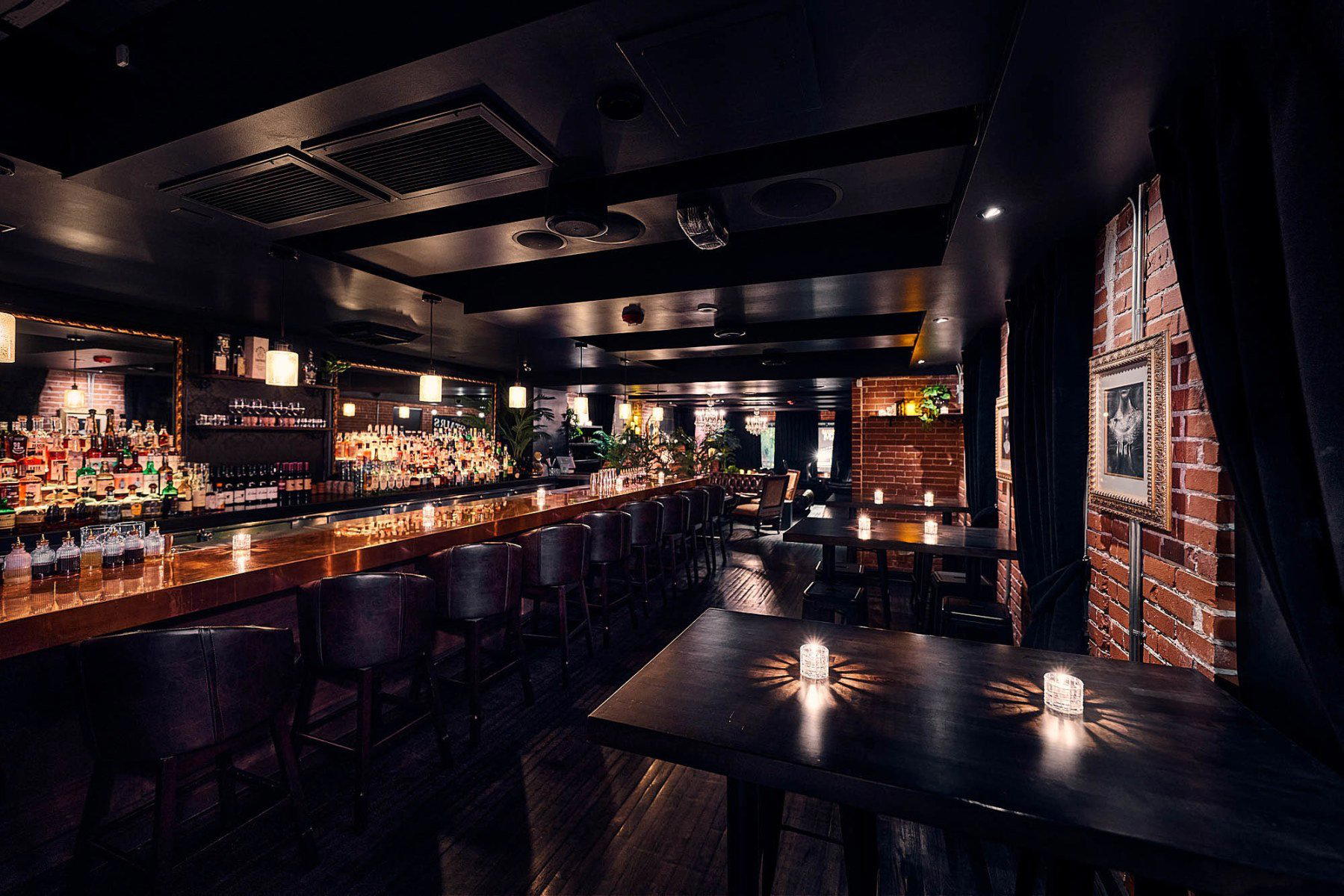
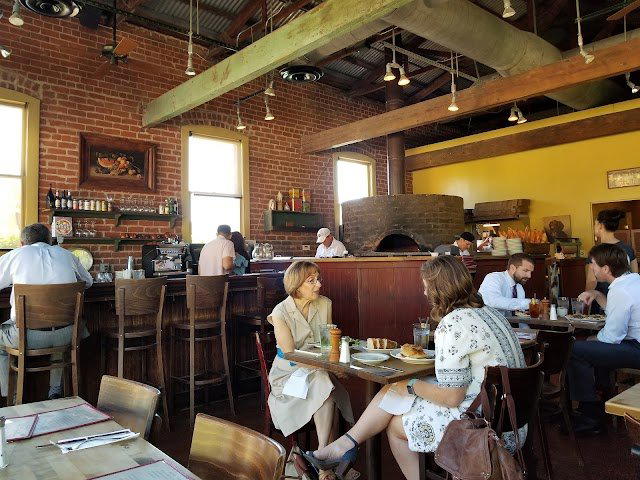
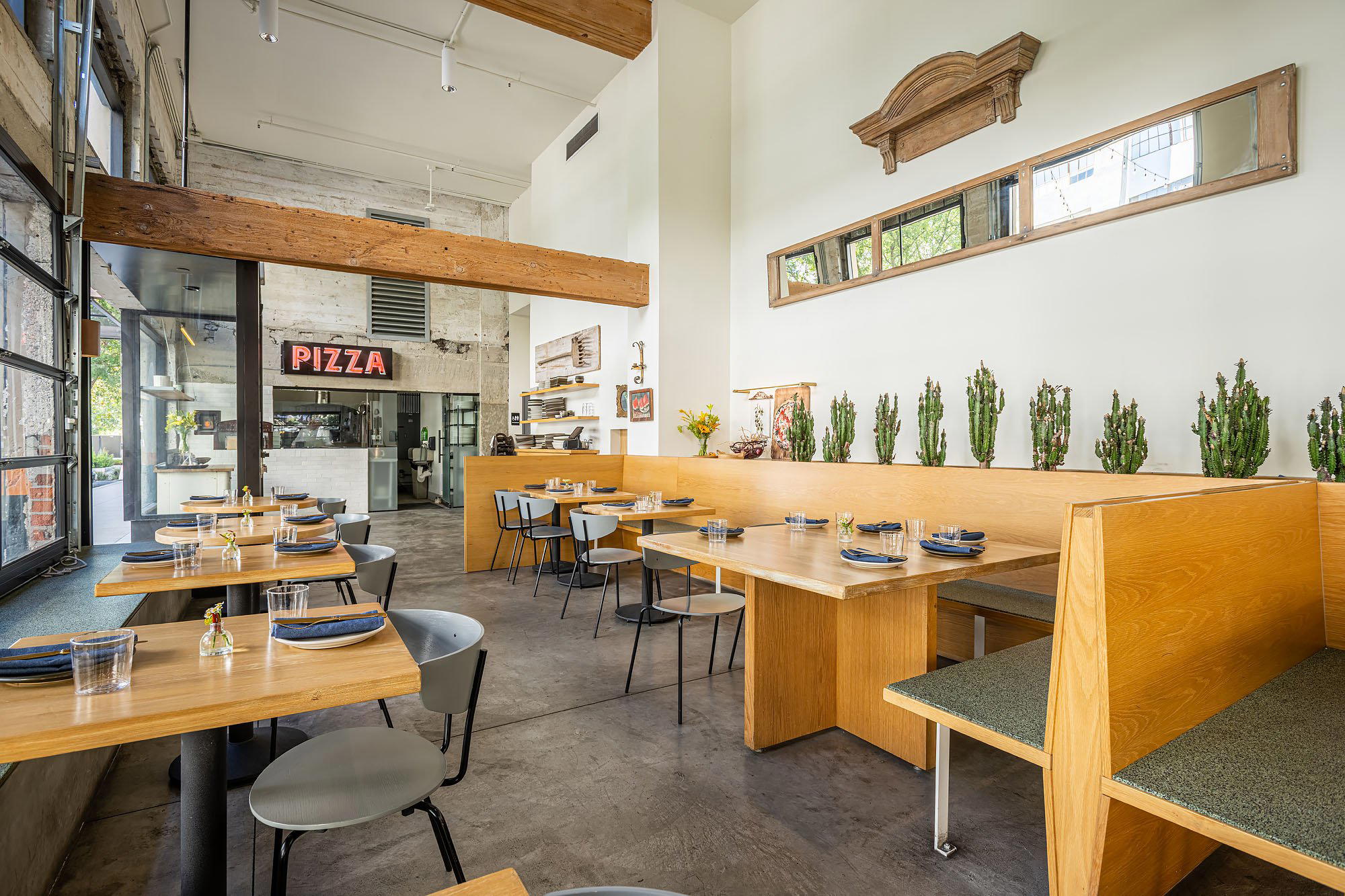
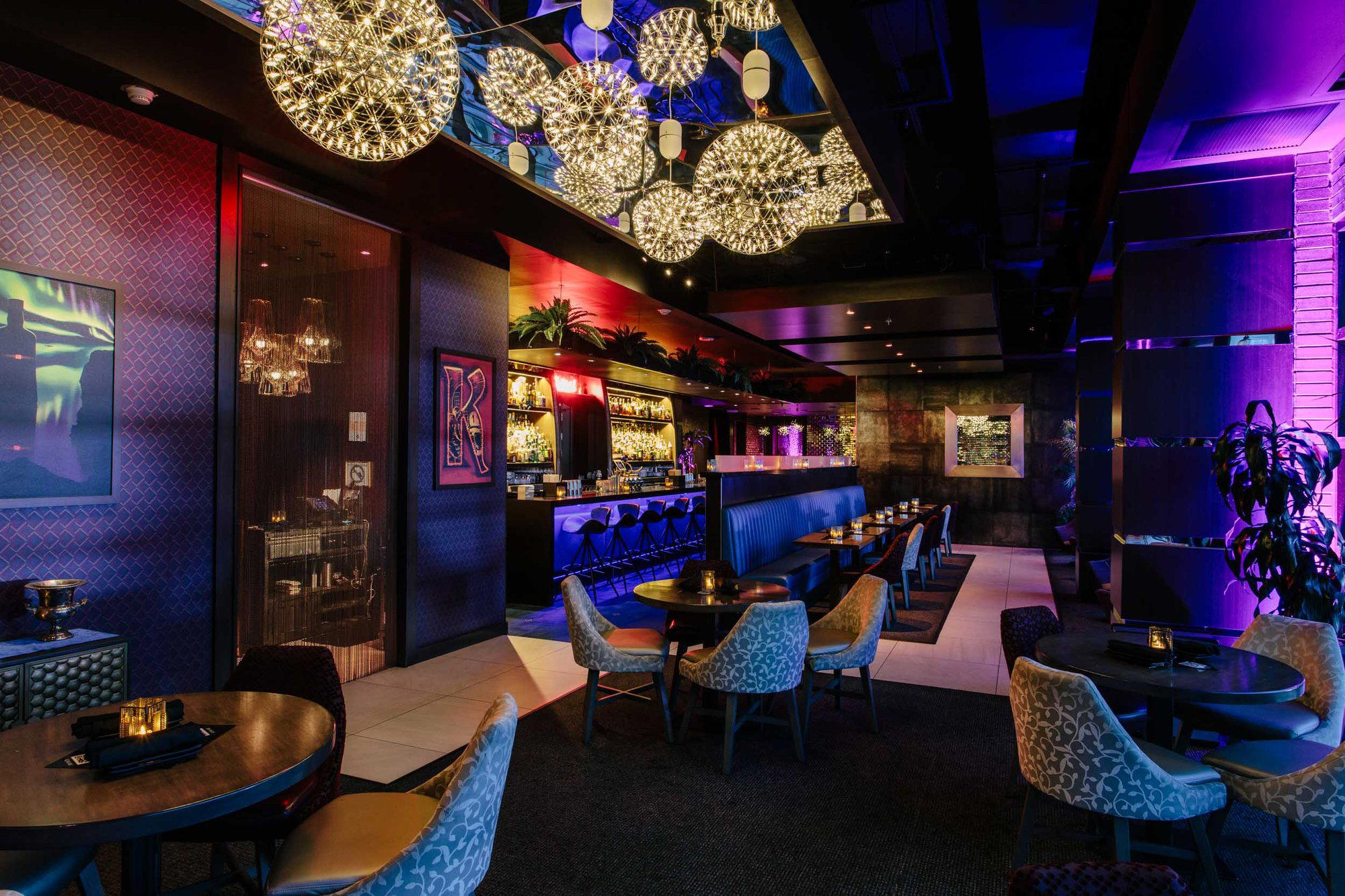
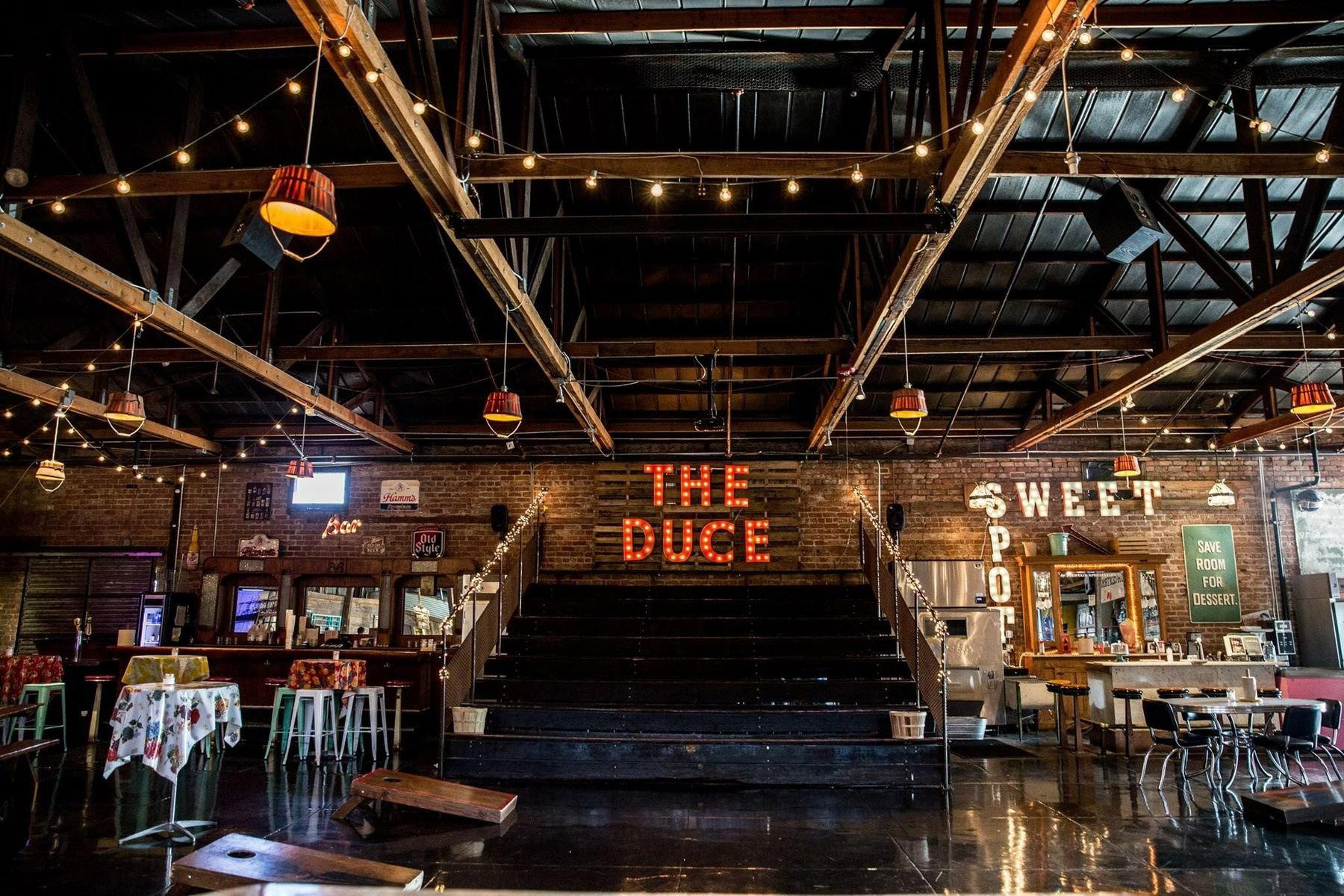
Pink, houseplant-filled décor with Jesus and hubcaps on display, quirky but comfortable, evoking a friend's backyard hangout with cumbia and rap soundtrack.