Tastee Steam Kitchen
Our verdict
Tastee Steam Kitchen operates out of downtown Oakland at 329 11th St, placing it within a neighbourhood that has long absorbed the Bay Area's most plural food cultures. The name signals a cooking method with deep roots across Chinese, Southeast Asian, and West African traditions. Oakland's Chinatown proximity and its history of immigrant-driven food enterprise give that framing real weight.

Pearl is the En Primeur Club membership app, where members save venues, book tables and use the concierge.

The menu
What to order
- Live prawns and geoduck
- Marble beef
- Seafood boil
Steam, Heat, and the Cultures That Built It
Steam cooking is one of the older and more disciplined techniques in the global kitchen. It predates ovens in many of the world's major food traditions, appearing in Chinese dim sum houses, Vietnamese bánh cuốn stalls, West African tamale preparations, and Korean mandu kitchens. What those traditions share is a respect for moisture retention, for the ingredient's own flavour without the interference of frying fat or dry heat. In Oakland, a city whose food culture has been shaped by successive waves of Cantonese, Vietnamese, Ethiopian, and Central American communities, a restaurant built around steam sits at an intersection that feels less like a concept and more like an inheritance.
Tastee Steam Kitchen occupies 329 11th St in downtown Oakland, a block that places it close to the city's Chinatown corridor, one of the oldest and most continuous Chinese-American neighbourhoods on the West Coast. That geography matters when reading a menu built around steamed preparations. The technique arrived in California with Cantonese labourers in the nineteenth century and never left. Oakland's Chinatown has sustained dim sum houses, Cantonese seafood restaurants, and steam-forward cooking through economic cycles that closed many other dining institutions. A venue working in that tradition, in that location, is not operating in isolation, it is operating inside a lineage.
What the East Bay Steam Tradition Looks Like in Practice
Across the Bay Area, steam-based cooking tends to appear in two formats. The first is the large-scale dim sum operation: high-turnover, cart service or order-sheet systems, designed for family groups and measured in the number of baskets arriving at the table. The second is the smaller, more focused counter or café format, where steamed dishes are prepared to order rather than pre-staged and held. Oakland's Chinatown has historically been home to the former; newer entrants in the surrounding downtown blocks have more often adopted the latter model.
Nearby Oakland venues illustrate how plural the city's food culture has become. 8th St Cafe 文記茶餐廳 operates in the Hong Kong cha chaan teng register, milk tea, toast, congee, and a menu that runs from breakfast through late lunch with the kind of utility that defines the format. 3 Bottled Fish works in a different register entirely, reflecting Oakland's capacity to hold very different food traditions within a few blocks of each other. That density is part of what makes downtown Oakland a genuinely interesting place to eat rather than a city with a single dominant food identity.
Oakland's Food Geography and Where Steam Fits
The cultural context for steamed cooking in the Bay Area extends well beyond the kitchen. In Cantonese culture, steam is the technique of restraint: it signals freshness because it cannot mask inferior ingredients the way a heavy sauce or high heat can. A steamed fish, a basket of har gow, a bowl of silken tofu set with minimal intervention, these dishes expose the quality of sourcing in a way that fried or braised preparations do not. When Bay Area restaurants working in this tradition draw local sourcing into the equation, as many have since the 1990s farm-to-table shift centred in Berkeley and San Francisco, the logic compounds.
Oakland's broader dining scene has moved steadily toward this kind of specificity. Agave Uptown brings Mexican spirit culture into focus a few blocks north; alaMar Dominican Kitchen holds ground for Caribbean-rooted cooking with serious kitchen credentials; Alem's Coffee maps Ethiopian coffee ceremony into a café format. What these venues share is a commitment to cultural specificity rather than fusion blurring. A steam kitchen in this context reads as part of the same pattern: technique as identity, not decoration.
For readers building a picture of the West Coast's serious dining tier, it is worth noting that the Bay Area's most-decorated restaurants operate in a different price register and format entirely. Lazy Bear in San Francisco runs a communal tasting format at the upper end of the city's fine dining bracket. Further afield, The French Laundry in Napa and Single Thread Farm in Healdsburg define California's highest-investment dining tier. Tastee Steam Kitchen operates in a different register, neighbourhood-scale, technique-focused, rooted in a tradition that predates the tasting menu era by centuries. That is not a weakness in positioning; it is a different kind of authority.
Nationally, steam-forward cooking in its more formal expressions has appeared at venues like Atomix in New York City, where Korean technique informs a tasting format at the high end of the market, and at Le Bernardin in New York City, where classical French technique applied to seafood has always relied heavily on gentle heat and moisture. The tradition is serious. Its application at the neighbourhood scale in Oakland is simply a different expression of the same underlying logic.
Planning Your Visit
Downtown Oakland's 11th Street corridor is walkable from the 12th Street City Center BART station, making access direct from San Francisco or the wider East Bay without a car. The neighbourhood's character is mixed-use and active through the day, with the Chinatown blocks leading explored on foot. Readers who want to build a broader Oakland dining itinerary around a visit should consult our full Oakland restaurants guide, which maps the city's food culture across neighbourhoods and cuisine types.
Does Tastee Steam Kitchen's location near Oakland's Chinatown reflect a specific cooking lineage?
The 11th Street address places Tastee Steam Kitchen within close reach of Oakland's Chinatown, one of the oldest Chinese-American neighbourhood food corridors on the West Coast. Cantonese steam cooking has been a constant in that area since the nineteenth century, running through dim sum houses, seafood restaurants, and casual kitchens that have outlasted successive cycles of Oakland's economic shifts. A venue operating under a steam-focused identity in this geography is working inside that tradition whether it positions itself explicitly as Chinese or not, the technique carries its own cultural address. For readers building context, 8 1/2 Otto e Mezzo Bombana in Hong Kong represents the high-end formal expression of the Cantonese-adjacent culinary world; Oakland's version of that tradition operates at a different scale but from the same deep root.
Cuisine Context
Comparable venues nearby, for context on price, style, and recognition.
| Venue | Cuisine | Price | Notes |
|---|---|---|---|
| Tastee Steam KitchenThis venue (the venue you are viewing) | Chinese Seafood Steam & Hot Pot | $20–30 | Not listed |
| Ben's | Authentic Cantonese Chinese | $10–20 | Produce and Waterfront |
| Shan Dong | Shandong-Style Chinese Noodles & Dumplings | $10–20 | Chinatown |
| Ming’s Tasty Restaurant | Authentic Chinese Dim Sum | $20–30 | Chinatown |
| Peony Seafood Restaurant | Traditional Cantonese Dim Sum & Seafood | $20–30 | Chinatown |
| lion dance cafe | Vegan Singaporean-Chinese California Italian Fusion | $30–50 | Downtown |
Continue exploring
More in Oakland
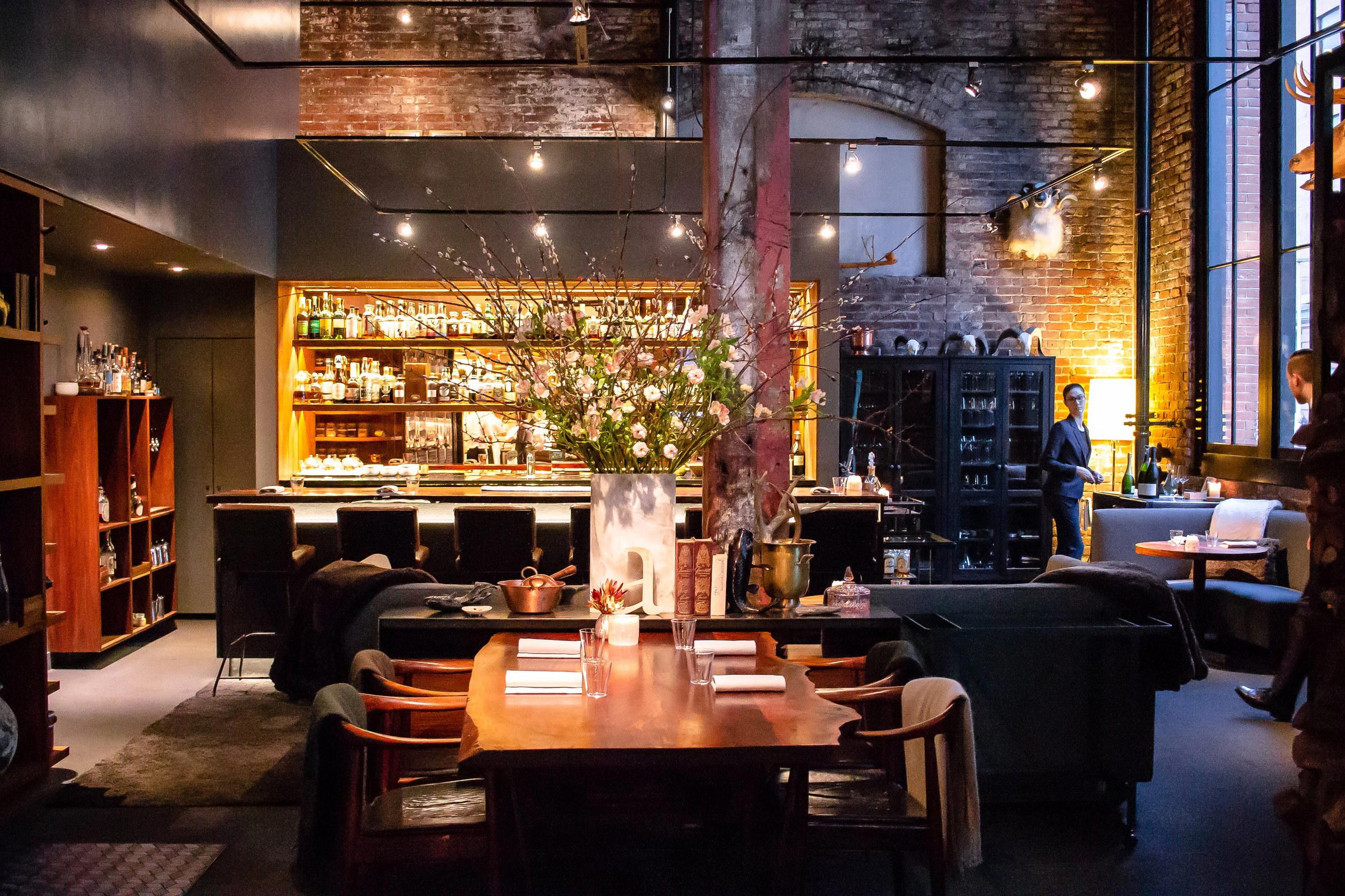
Restaurants in Oakland
All restaurants in Oakland →
Bars in Oakland
All bars in Oakland →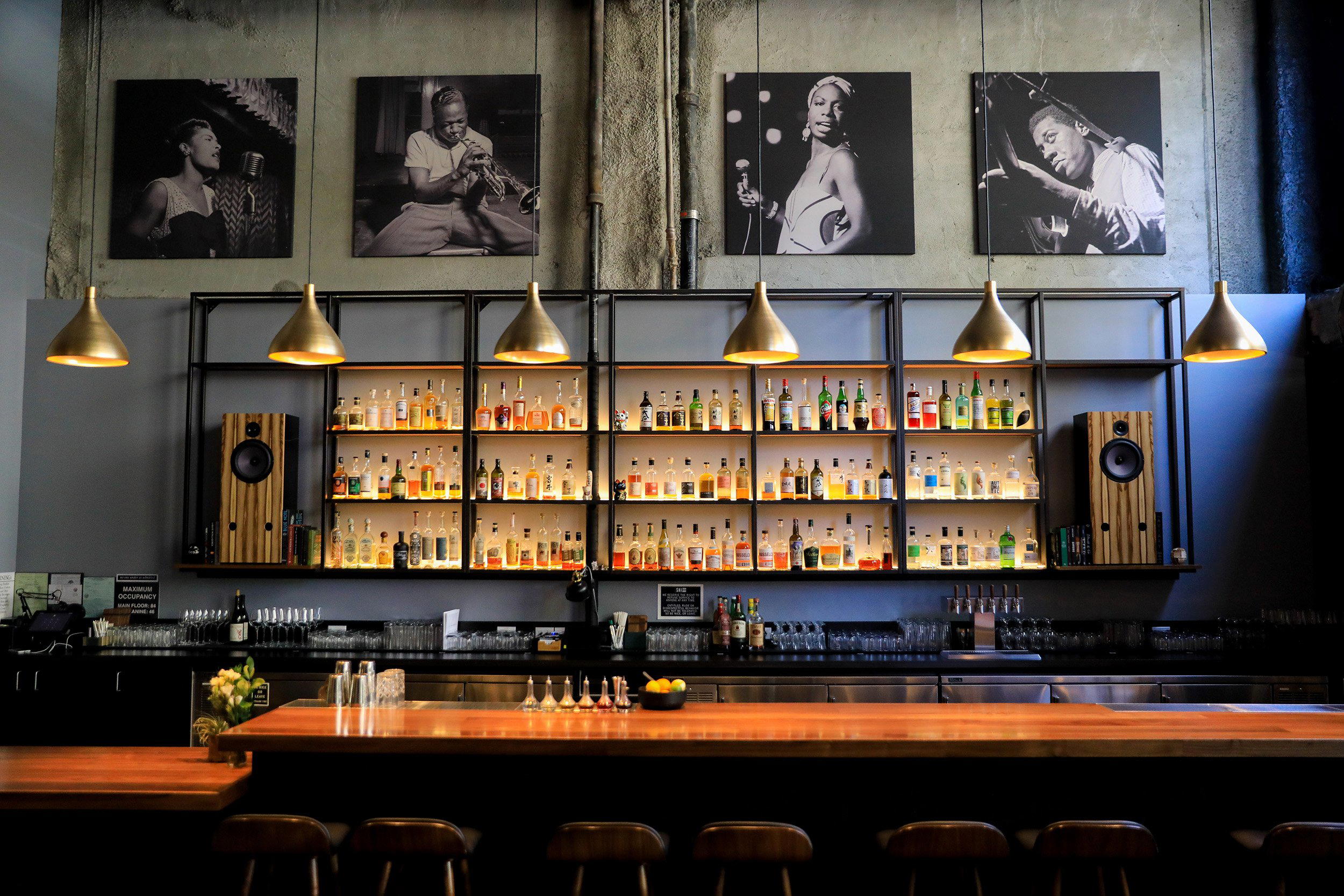

Details
- Lively
- Trendy
- Group Dining
- Casual Hangout
- Open Kitchen
- Beer Program
- A La Carte
- Small Plates
- Sake Program
Current opening hours
- Monday
- 11:30 AM–10:30 PM
- Tuesday
- 11:30 AM–10:30 PM
- Wednesday
- 11:30 AM–10:30 PM
- Thursday
- 11:30 AM–10:30 PM
- Friday
- 11:30 AM–10:30 PM
- Saturday
- 11:30 AM–10:30 PM
- Sunday
- 11:30 AM–10:30 PM
Hours can change for holidays and private events. Hours as of .
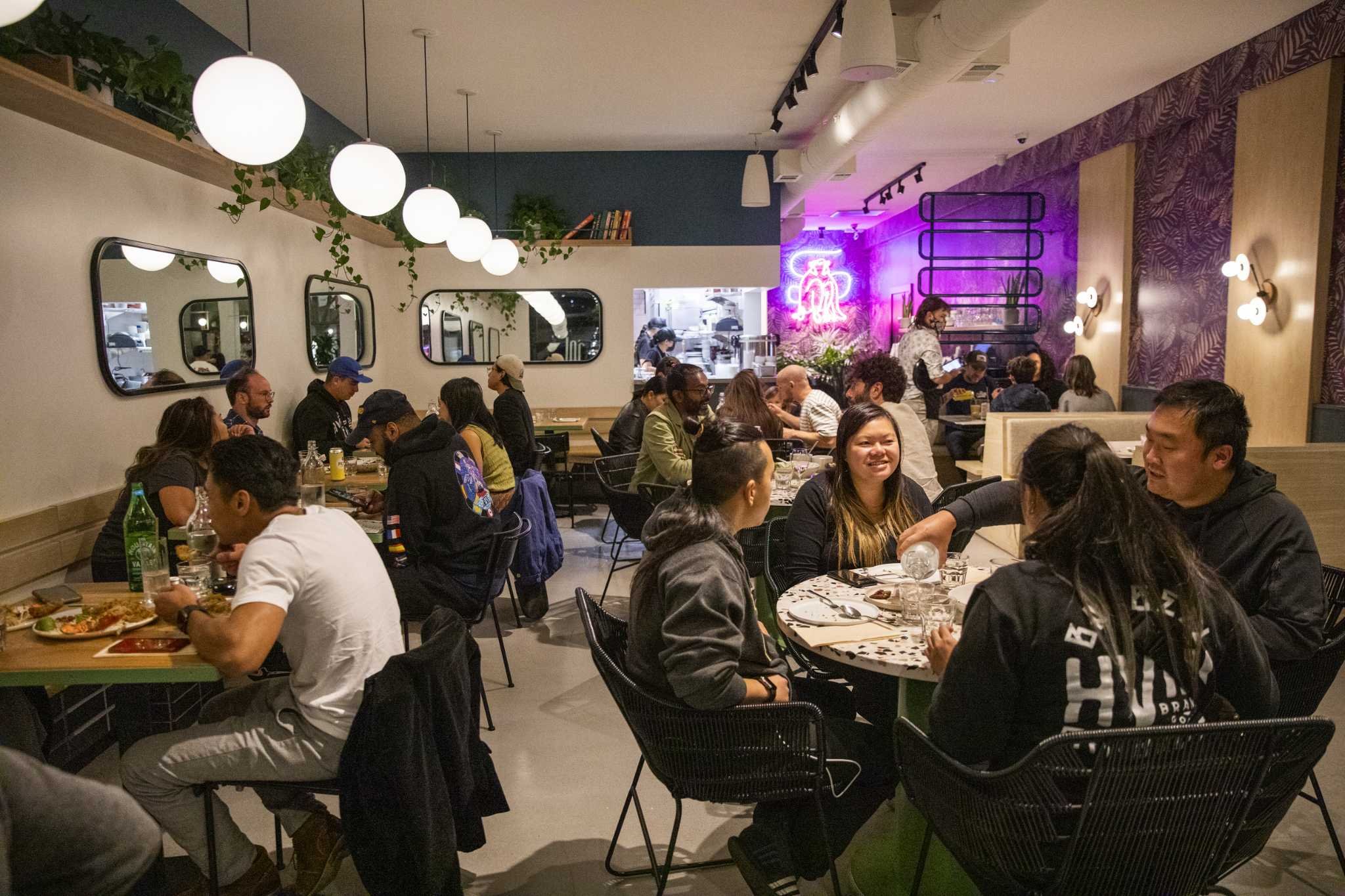
Casual and energetic atmosphere focused on interactive table steaming with bold seafood flavors.