Shan Dong
Shan Dong occupies a specific niche in Oakland's Chinatown: a long-running Chinese restaurant at 328 10th Street that draws regulars for its northern Chinese kitchen in a neighborhood better known for Cantonese cooking. Against Oakland's broader Chinese dining options, it represents one of the few addresses where hand-pulled noodles and dumplings from China's northeastern provinces anchor the menu.
Pearl is the En Primeur Club membership app — saves, bookings, and concierge access live there. Same editors, same standards.
- Address
- 328 10th St #101, Oakland, CA 94607
- Phone
- (510) 839-2299
- Website
- shandongrestaurant.store
- Directions
- Get directions
 Saves & bookings on Pearl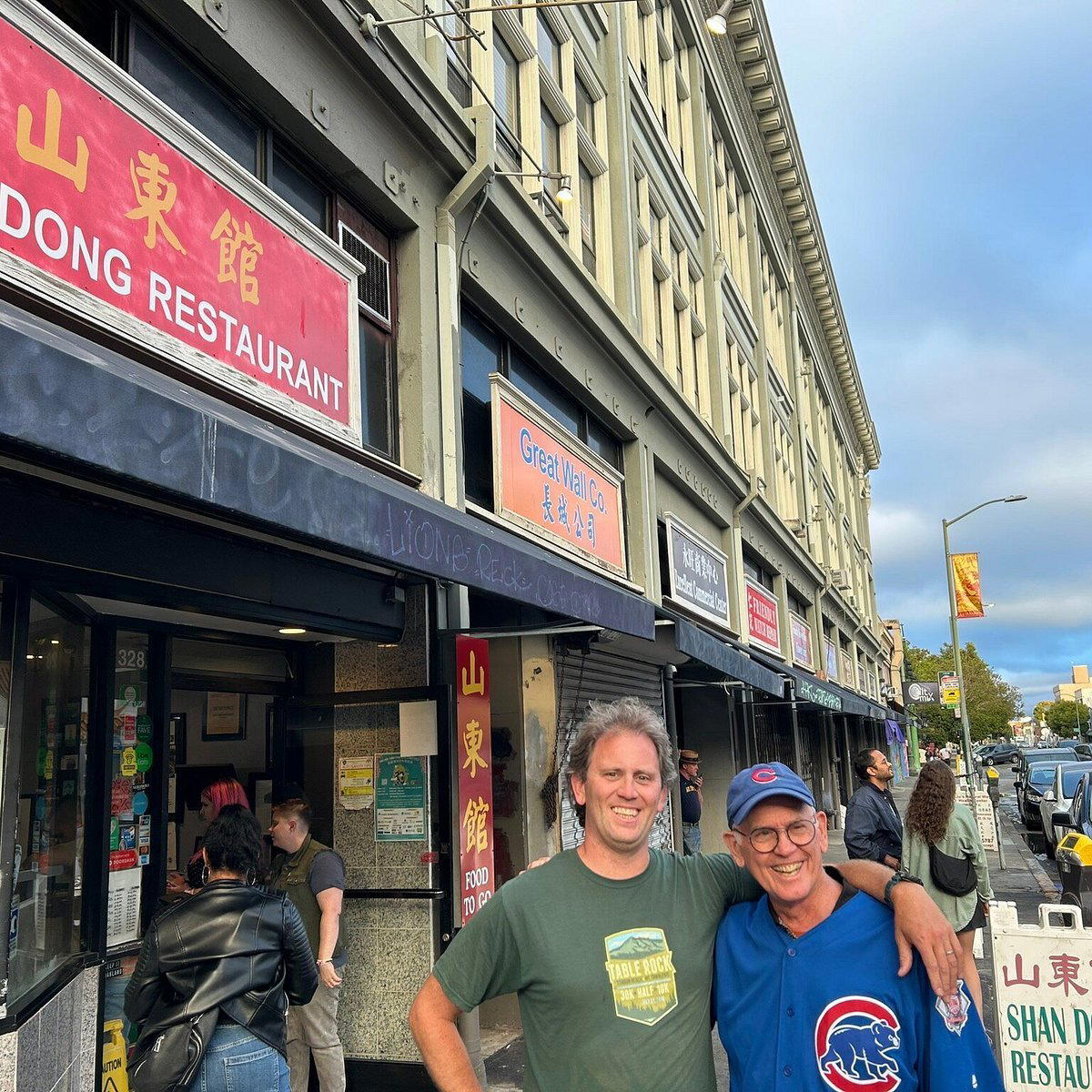
Oakland's Chinatown and the Northern Chinese Tradition
Oakland's Chinatown, centered on the blocks around 8th and 9th Streets, has historically been a Cantonese neighborhood. The community that settled here from Guangdong province shaped the area's culinary character across more than a century: dim sum parlors, roast duck windows, and congee kitchens built a recognizable grammar that persists in the storefronts along Webster and Franklin. Against that backdrop, northern Chinese cooking occupies a minority position, which is precisely what makes Shan Dong worth understanding on its own terms.
Shandong province, the culinary tradition the restaurant takes its name from, is one of the foundational regional cuisines of China. Unlike the sweeter profiles of Shanghainese cooking or the chili heat of Sichuan and Hunan, Shandong cuisine is built around wheat-based staples, preserved vegetables, and seafood from the Yellow Sea. Hand-pulled noodles and filled dumplings are structural parts of the diet rather than specialty items, and the cooking tends toward savory depth over complexity. In a Bay Area context where Sichuan and Cantonese restaurants attract most of the attention, this northwestern tradition rarely gets direct representation.
For a broader survey of where Oakland's Chinese dining scene sits relative to the Bay Area's other neighborhoods, see our full Oakland restaurants guide. Oakland's Chinatown punches significantly above its geographic size when it comes to Chinese regional variety, even if it remains underrepresented in the wider food press relative to San Francisco.
What the Dining Room Signals
The address at 328 10th Street puts Shan Dong in the thick of Chinatown's commercial core, on a block where produce stalls and herbal medicine shops still operate alongside newer businesses. The physical format follows a pattern common to the neighborhood's longer-running Chinese restaurants: functional, un-styled, built for throughput rather than ambiance. The room doesn't try to signal anything beyond the food, which in this context is itself a signal. In Oakland's Chinatown, longevity and local regulars tend to be more reliable trust signals than decor investment.
This contrasts sharply with the tier of fine dining destinations that EP Club covers in California and nationally. Restaurants like The French Laundry in Napa or Single Thread Farm in Healdsburg operate at a different register entirely, where the room, the service architecture, and the wine program are as central as the plate. Shan Dong belongs to a different tradition of restaurant culture, one where the cooking is the entirety of the proposition. That isn't a lesser proposition; it's a different one, and understanding the distinction matters when setting expectations.
Nearby on 8th Street, 8th St Cafe offers another entry point into the neighborhood's Chinese dining options, though its focus differs. For those working through Oakland's wider range beyond Chinese food, Agave Uptown, alaMar Dominican Kitchen, and Alem's Coffee represent the kind of neighborhood specificity that makes Oakland's food scene worth spending time in. The city's restaurant culture has historically been shaped by waves of immigration that produced genuine, community-rooted cooking rather than trend-following.
The Case for Wheat-Based Chinese Cooking in a Rice-Default City
The Bay Area's Chinese restaurant ecosystem skews Cantonese by historical accident. The immigrants who built San Francisco and Oakland's Chinatowns came predominantly from Guangdong, and their food culture became the default Chinese dining experience for American audiences for generations. This means that rice-based dishes, stir-fries, and the dim sum tradition dominate both the actual restaurants and the public understanding of what Chinese food is.
Northern Chinese cooking operates differently. In Shandong and the broader northeastern provinces, a meal might center on hand-pulled lamian noodles, pan-fried potstickers (guotie), or steamed baozi with pork and cabbage fillings. Vinegar appears where southern Chinese cooking would use sweetness. Garlic and green onion are structural aromatics. The textures tend toward chewier, denser preparations that reflect a cuisine shaped by colder winters and wheat agriculture rather than subtropical rice paddies.
For context: when Bay Area diners think of northern Chinese cooking, the reference points are typically the lamb skewer spots in the Richmond District or the handful of Xi'an-style operations that serve hand-ripped noodles (biang biang mian). Shandong-specific cooking has even lower representation, making a restaurant that holds to this regional tradition notable simply by virtue of existing and persisting. The same logic applies in the national context: even in cities with larger Chinese populations, Shandong cuisine rarely reaches the visibility of Cantonese, Sichuan, or Shanghainese cooking. Addresses like 8½ Otto e Mezzo Bombana in Hong Kong document how international cities build reputations around specific culinary traditions; Oakland's Chinatown is doing something smaller in scale but comparable in specificity.
Chinatown Context: What Else Is Around
The blocks around Shan Dong contain some of Oakland's most interesting food options outside the main dining corridors. 3 Bottled Fish operates nearby and represents another thread in the neighborhood's culinary fabric. The area rewards walking: Chinatown's density means that a short loop covers multiple distinct culinary traditions operating within a few city blocks.
For those whose Oakland itinerary extends beyond Chinatown, the city's restaurant culture has broadened considerably in the past decade. The range now runs from the Ethiopian community's restaurants in East Oakland (where Alem's Coffee offers a point of entry) to the Dominican and Afro-Caribbean cooking represented by alaMar Dominican Kitchen. This is a city where the food story is largely an immigration story, and Chinatown is the oldest chapter of it.
How Shan Dong Compares to Peers in the Category
Within Oakland's Chinese restaurant tier, the restaurant positions as a specialist rather than a generalist. Where many Chinatown restaurants cover a broad menu of Cantonese standards, a northern-focused kitchen necessarily narrows its scope to the wheat-based preparations and seasonings that define the regional tradition. That narrowing is a feature: specialists in specific regional Chinese cuisines tend to produce more technically consistent results in their core dishes than restaurants trying to serve every Chinese cooking style simultaneously.
The comparison set for the restaurant isn't the fine dining addresses that EP Club covers at the high end of the California spectrum, including Providence in Los Angeles or Addison in San Diego. The relevant peers are the other community-rooted Chinese restaurants operating in Oakland and the East Bay that prioritize regional fidelity over broad appeal. In that set, longevity and a loyal local following function as the primary indicators of quality, since this category rarely attracts the kind of critical apparatus that produces formal awards or published ratings.
Know Before You Go
- Address: 328 10th St #101, Oakland, CA 94607
- Neighborhood: Chinatown, Oakland
- Cuisine focus: Northern Chinese, with Shandong regional tradition
- Pricing: Consistent with Chinatown's neighborhood pricing tier; verify current prices at the venue
- Parking: Street parking on 10th Street; the 19th Street BART station is approximately 10 minutes on foot
Compact Comparison
Comparable venues nearby, for context on price, style, and recognition.
| Venue | Cuisine | Price |
|---|---|---|
| Shan DongThis venue — the venue you are viewing | Not listed | $$ |
| Shanghai Restaurant | Chinatown, Shanghai Chinese | $$ |
| Classic Guilin Rice Noodle | Chinatown, Authentic Guilin Rice Noodles | $$ |
| Mr. Liu Noodle House | Chinatown, Chongqing Style Noodles | $$ |
| Taiwan Bento | Uptown, Taiwanese Fast-Casual | $ |
| Yung Kee Restaurant | Chinatown, Cantonese Chinese | $ |
Continue exploring
More in Oakland
Restaurants in Oakland
Browse all →
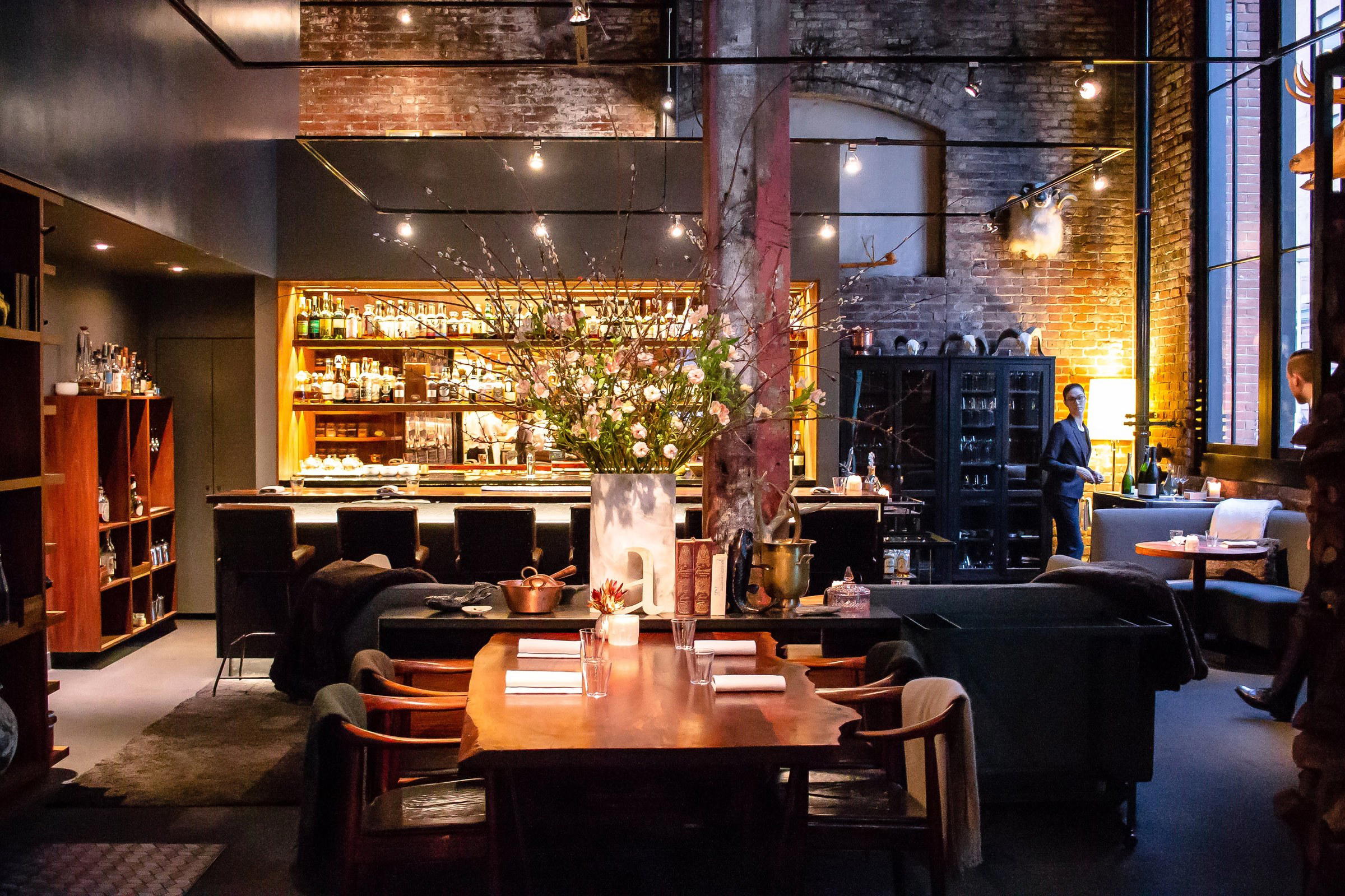

Bars in Oakland
Browse all →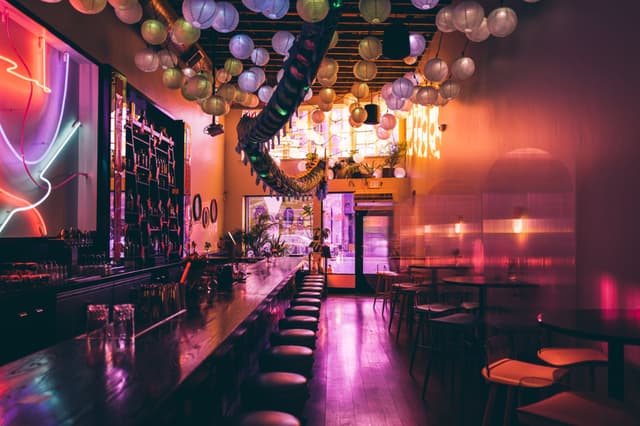
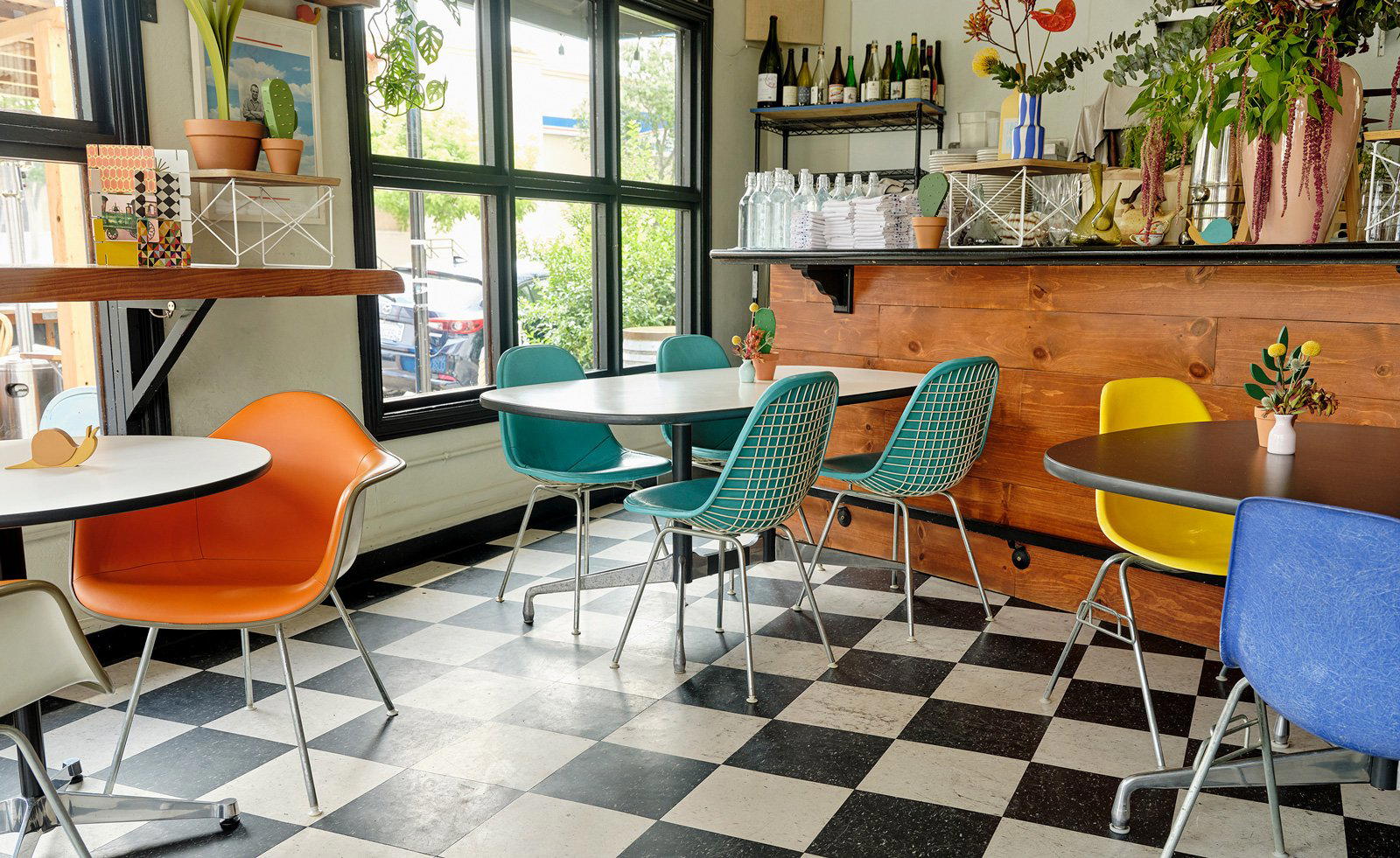
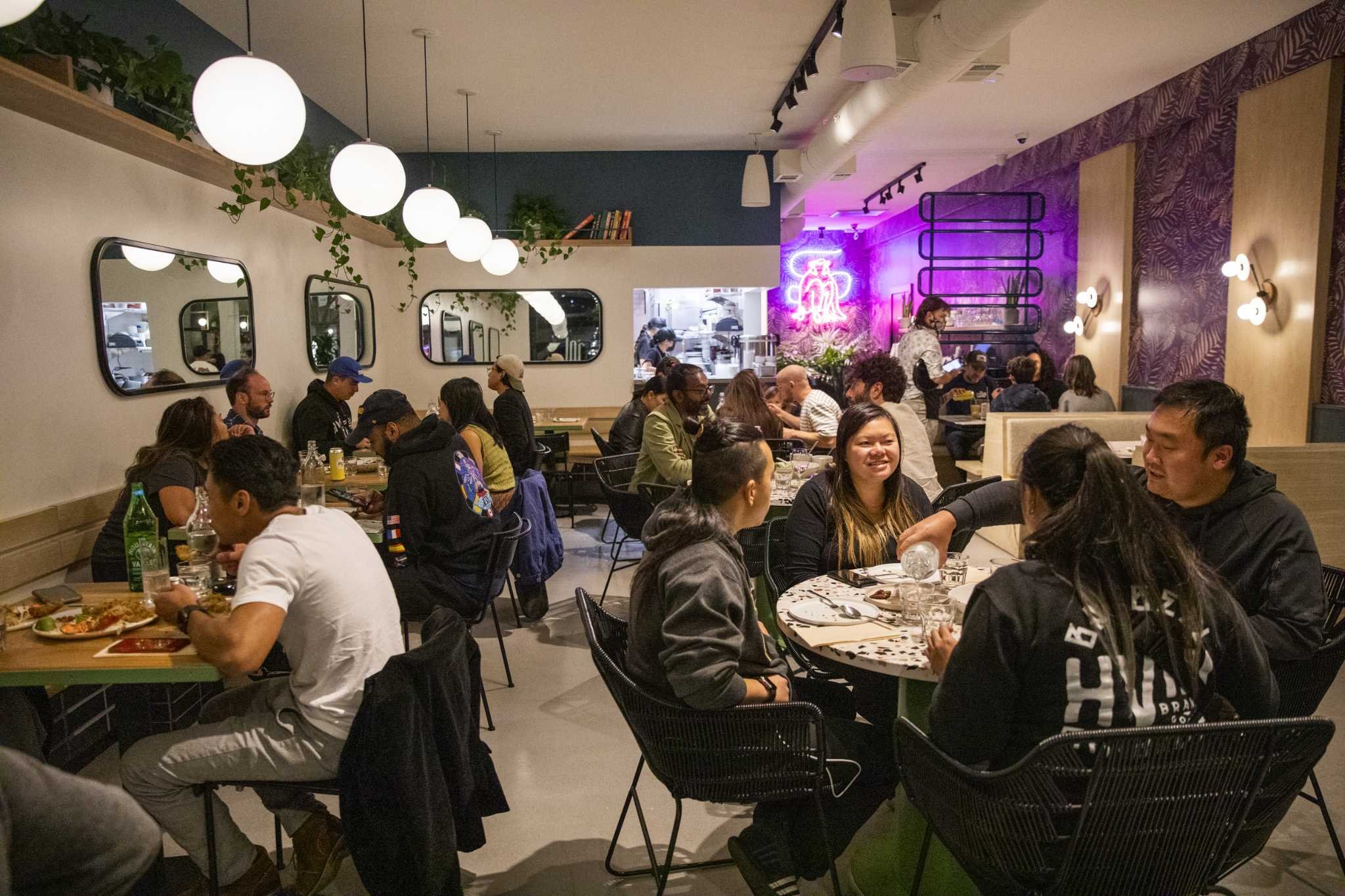
Hotels in Oakland
Browse all →





At a Glance
- Cozy
- Casual
- Casual Hangout
- Open Kitchen
Current opening hours
- Monday
- Closed
- Tuesday
- 11 AM–3 PM, 4–9 PM
- Wednesday
- 11 AM–3 PM, 4–9 PM
- Thursday
- 11 AM–3 PM, 4–9 PM
- Friday
- 11 AM–3 PM, 4–9:30 PM
- Saturday
- 11 AM–3 PM, 4–9:30 PM
- Sunday
- 11 AM–3 PM, 4–9 PM
Hours can change for holidays and private events. Last verified .
Casual, no-frills Chinatown spot with a cozy, tiny dining area focused on authentic noodle preparation.