Google: 3.6 · 360 reviews
.png)
Hsiu Ming sits on Ziqiang 1st Road in Kaohsiung's Qianjin District, holding consecutive Michelin Bib Gourmand recognition in 2024 and 2025 at a price point that keeps it accessible to the full range of the city's diners. The kitchen operates in the small-eats register — the format that defines southern Taiwan's street-food tradition — and has drawn over 10,000 Google reviews averaging 4.3 stars.
 Discover on Pearl
Pearl is the En Primeur Club membership app — saves, bookings, and concierge access live there. Same editors, same standards.
The Small-Eats Tradition and Where Hsiu Ming Sits Within It
Kaohsiung's food culture is built, in large part, on informality. The city's most respected kitchens are not always the ones with white tablecloths or long tasting menus. The small-eats format — dishes ordered à la carte, eaten quickly, priced low, and repeated often — runs through the city's dining identity the same way it does in Tainan, its older northern neighbour. The distinction between a Kaohsiung street stall and a Michelin-recognised small-eats counter is rarely found in the setting. It is found in the consistency, the sourcing discipline, and the specific command of a narrow repertoire. Hsiu Ming, at No. 53 Ziqiang 1st Road in the Qianjin District, has received consecutive Michelin Bib Gourmand recognition , in both 2024 and 2025 , placing it in a category the guide reserves for kitchens that deliver notable quality at prices that remain genuinely accessible.
That double recognition matters as a signal. The Bib Gourmand designation, distinct from the star system, is the guide's mechanism for acknowledging cooking that operates below the fine-dining price tier without operating below a quality threshold. In Kaohsiung's context, where Cianjin Braised Pork Rice and Cheng Tsung Duck Rice occupy a similar register of Taiwanese comfort eating, Hsiu Ming's repeated listing indicates the kitchen is producing something that holds up to scrutiny across multiple inspection cycles, not a single good year.
Reading the Menu as a Map of Southern Taiwanese Cooking
The small-eats format is, at its core, a menu architecture built around brevity and specificity. Where a full-service restaurant may span cuisines and techniques, a well-run small-eats kitchen does fewer things and does them with greater precision. The structure of the menu at a place like Hsiu Ming , operating in the $ price bracket , reflects a deliberate constraint: the kitchen defines itself by what it excludes as much as what it includes. This is the logic behind the category across Taiwan. Compare it to what places like A Hai Taiwanese Oden or A Wen Rice Cake do in Tainan: each occupies a single lane of Taiwanese cooking, and the recognition follows from mastery of that lane rather than breadth.
Southern Taiwan's small-eats culture divides broadly into rice-anchored dishes, braised preparations, noodle formats, and lighter snack items. The Qianjin District, where Hsiu Ming operates, has a dense concentration of these counters. Streets like Ziqiang 1st Road function as informal eating corridors rather than dining destinations, meaning the competition is immediate and the audience is local. Reaching a Google rating of 4.3 across more than 10,000 reviews in that environment , where repeat visitors form the bulk of the review base , is a different kind of credential than performing well in a tourist-heavy area. It reflects sustained local approval rather than novelty.
For context on what the broader Kaohsiung small-eats scene looks like, the full Kaohsiung restaurants guide covers the range from street-level counters to the city's starred dining rooms. The contrast between Hsiu Ming's $ price point and Kaohsiung's Michelin-starred operations , Sho at $$$$ and GEN at $$$$ , illustrates how the city's recognised dining now spans a genuine price spectrum, from the accessible end of the Bib list to high-end Cantonese and Japanese formats.
Qianjin District: Eating Where the City Eats
The Qianjin District is one of Kaohsiung's older central areas, positioned between the port and the city's newer commercial corridors. It is not a neighbourhood that positions itself for visitors. The eating here is habitual and pragmatic , the kind of food that office workers return to weekly, that families order from by memory. Streets in this part of the city tend to operate in the rhythms of working life rather than tourism: busy at lunch, functional in the evening, less choreographed than the night market strips further north.
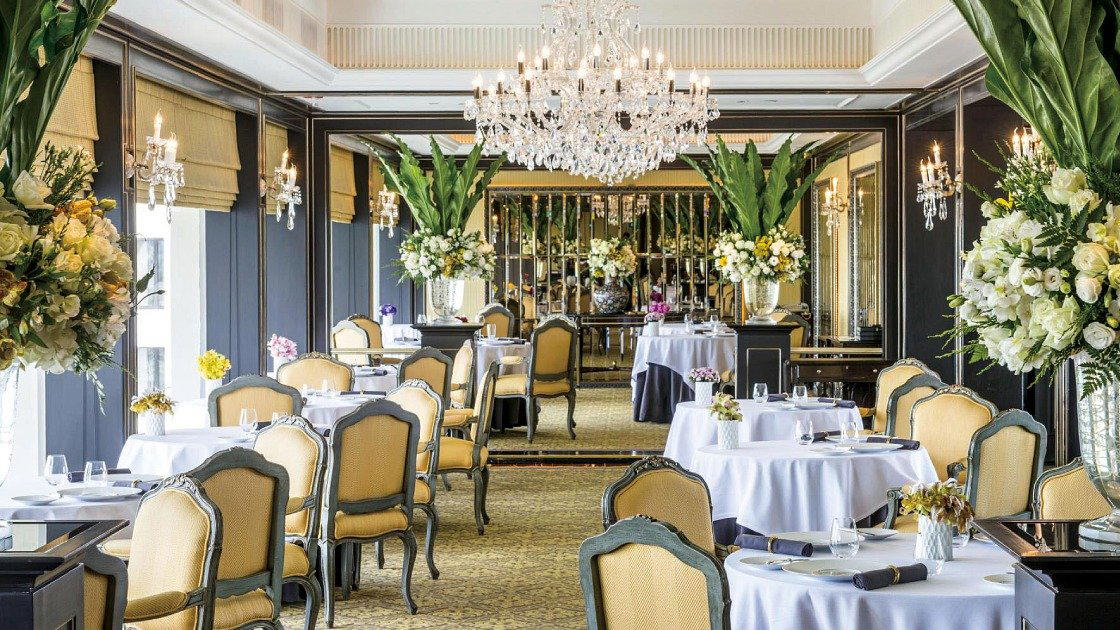
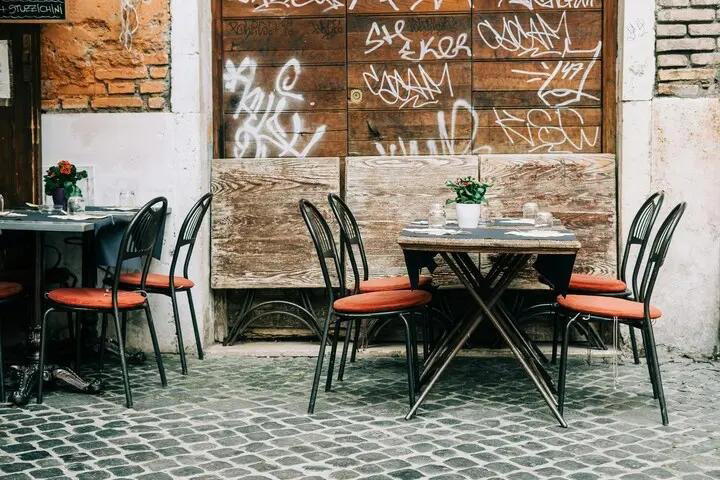
That context shapes the experience of eating at a place like Hsiu Ming. Arriving at a counter on Ziqiang 1st Road, the physical environment reads as ordinary in the leading sense: no design intervention, no queue management system, no ambient soundtrack. The signal that something is worth attention comes from the consistency of the crowd rather than the presence of signage. This is how most of the small-eats counters that hold Michelin recognition in Taiwan operate. Similar dynamics apply at Chun Lan Gua Bao and Bei Gang Tsai Rice Tube elsewhere in Kaohsiung: the setting is functional, the draw is in the product.
Hsiu Ming in the Wider Taiwan Food Context
Kaohsiung sits at one end of a Taiwan dining conversation that runs from the night-market accessibility of the south to the increasingly international fine-dining scene of Taipei and Taichung. Logy in Taipei and JL Studio in Taichung represent one pole of that conversation. The Bib Gourmand counters of Kaohsiung represent another: the argument that Taiwan's most compelling cooking does not require a tasting menu or a reservation made weeks in advance.
The small-eats category also links Kaohsiung to Tainan, which is widely regarded as Taiwan's reference point for this style of eating. Places like A Ming Zhu Xing in Tainan occupy the same cultural register as Hsiu Ming in Kaohsiung , Michelin-recognised, low-priced, and embedded in local daily life rather than the visitor economy. The Bib list, read across both cities, is essentially a guide to how southern Taiwan eats when it is eating for itself. For readers exploring southern Taiwan more broadly, Akame in Wutai Township offers a different angle on indigenous Taiwanese ingredients, while A Cun Beef Soup in Tainan illustrates the same single-product mastery model in a different format.
Closer to Hsiu Ming's own neighbourhood, Caizong Li offers a point of comparison within Kaohsiung's recognised small-eats tier.
Planning Your Visit
Hsiu Ming is located at No. 53 Ziqiang 1st Road in the Qianjin District, a central and accessible part of Kaohsiung reachable by MRT or taxi from the main transport hubs. The price range sits at the $ level, making it one of the more accessible meals in the city by cost. Phone and hours are not published in the venue record, so arriving with flexibility in timing , particularly outside the noon and early-evening peaks typical of this type of counter , is advisable. As with most small-eats operations in Taiwan, the format does not require or typically accommodate advance bookings. The address on Ziqiang 1st Road places it within reasonable proximity of Kaohsiung's central districts, making it a practical stop alongside other Qianjin-area eating. For a fuller picture of what the city offers across categories, the Kaohsiung hotels guide, bars guide, wineries guide, and experiences guide cover the wider range of what the city has to offer.
Cuisine Context
A quick snapshot of similar venues for side-by-side context.
| Venue | Cuisine | Awards | Notes |
|---|---|---|---|
| Hsiu Ming | Small eats | Bib Gourmand | This venue |
| Sho | Japanese | Michelin 1 Star | Japanese, $$$$ |
| Papillon | French, French Contemporary | French, French Contemporary, $$$$ | |
| GEN | Cantonese | Michelin 1 Star | Cantonese, $$$$ |
| Haili | Modern Cuisine | Michelin 1 Star | Modern Cuisine, $$$ |
| Beef Chief (Zihciang 2nd Road) | Taiwanese | Taiwanese, $$ |
Continue exploring
More in Kaohsiung
Restaurants in Kaohsiung
Browse all →
Bars in Kaohsiung
Browse all →


At a Glance
- Hidden Gem
- Rustic
- Classic
- Casual Hangout
- Solo
- Standalone
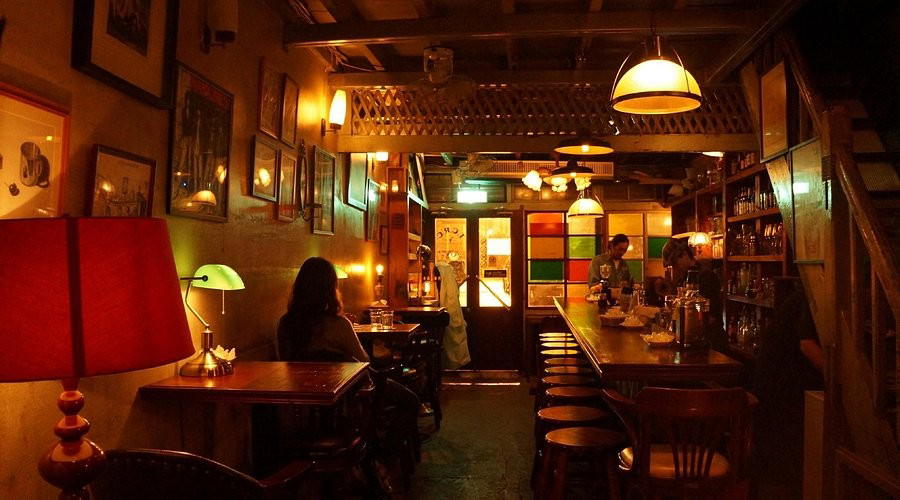
Neat, compact shop with a no-frills local atmosphere; simple, unpretentious setting that reflects decades of tradition.