
A back-to-back Michelin Bib Gourmand recipient in 2024 and 2025, Cheng Tsung Duck Rice operates from Zuoying District as one of Kaohsiung's most consistent small-eats destinations. The format is direct: rice, duck, and the accompaniments that regulars have quietly made into a ritual.
Pearl is the En Primeur Club membership app — saves, bookings, and concierge access live there. Same editors, same standards.
- Address
- No. 245號, Yucheng Rd, Zuoying District, Kaohsiung City, Taiwan 813
- Phone
- +886 7 556 6428
- Website
- zh-tw.facebook.com
- Directions
- Get directions
 Saves & bookings on Pearl
The Street-Level Logic of Zuoying's Duck Rice Counters
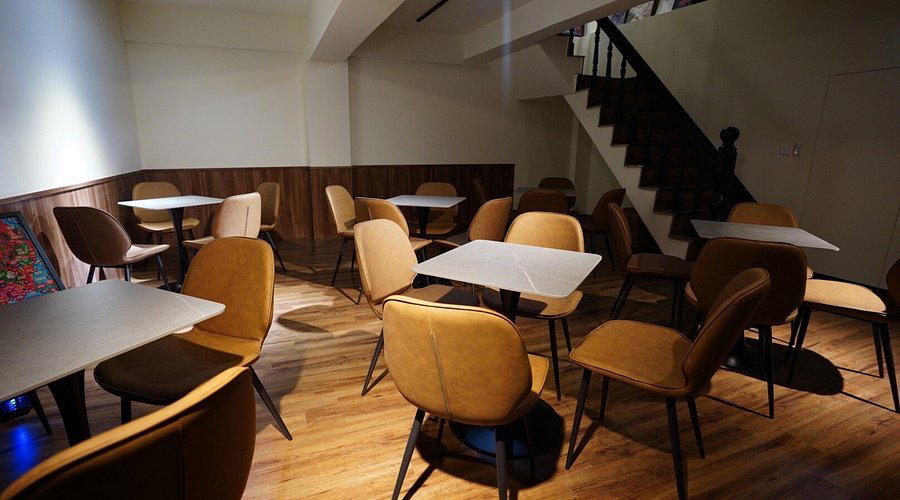
Arrive at Yucheng Road during the lunch hour and the scene reads immediately. Plastic stools pulled close to low tables, trays carried at elbow height through narrow aisles, the dry-savory pull of braised poultry fat drifting into the street. This is the operational register of Kaohsiung's small-eats culture, where overhead is low and the cooking occupies the foreground without ceremony. Cheng Tsung Duck Rice sits inside that tradition, not as an exception to it, but as one of its better-executed examples, now carrying back-to-back Michelin Bib Gourmand recognition from 2024 and 2025.
Duck rice as a format belongs to a wider southern Taiwanese grammar of single-protein rice plates. Where Tainan tilts heavily toward beef soup and braised pork, Kaohsiung's port-district eating culture developed a parallel track with duck as the centerpiece, served simply with rice and a short list of sides. The Bib Gourmand category, which rewards price-to-quality ratio rather than fine-dining ambition, fits this kind of cooking precisely. Cheng Tsung has earned it twice, placing it in company with other recognized small-eats venues across Taiwan's Michelin cities.
What Keeps the Regulars Coming Back
That kind of score, sustained over a large sample, points to consistency rather than spectacle, the thing that actually drives return visits in a neighborhood where alternatives are plentiful.
Regulars at duck rice counters across southern Taiwan operate from an unwritten menu logic: the main plate is assumed, but the selection of cold sides, offal cuts, and braised accompaniments is where preference becomes personal. The pattern at venues like this one typically involves combinations built over successive visits, a particular cut added, a side adjusted, a pairing refined. That process is the actual product, and it explains why Bib Gourmand venues in this category tend to cultivate loyalty that fine-dining rooms, with their rotating seasonal formats, often cannot match. The format at Cheng Tsung is stable enough that regulars can act on accumulated knowledge rather than starting from the menu each time.
This is the structural advantage of a focused small-eats counter over a broader menu operation. There is less to memorize, which means the gap between a first visit and a fluent one closes faster. Within a few visits, most customers have developed a position on the rice-to-accompaniment ratio, on which cuts reward the braising treatment, and on how the plate holds together as it cools slightly at the table.
Placing Cheng Tsung in Kaohsiung's Small-Eats Tier
Kaohsiung's Michelin Bib Gourmand list functions as a map of the city's most consistent affordable cooking, and duck rice sits within a cluster of single-dish or short-menu formats that dominate that recognition tier. The price range here is the lowest bracket, which means the Bib Gourmand signal carries particular weight: inspectors are confirming quality relative to cost, not just quality in isolation.
The comparison set for Cheng Tsung is not the city's higher-end dining rooms. Venues like Sho (Japanese, four-price-bracket), GEN (Cantonese, one Michelin star), Haili (Modern Cuisine, one Michelin star), and Papillon (French Contemporary, four-price-bracket) occupy a different tier entirely, built around tasting formats, reservation systems, and a different category of investment from the diner. Cheng Tsung operates in the same city but in a distinct competitive register, one it shares with other recognized small-eats counters across the region.
Within Kaohsiung itself, the small-eats Bib Gourmand cluster includes venues working across different single-dish formats. Cianjin Braised Pork Rice, Ciao Zai Tou Huang's Braised Pork Rice in Ciaotou, and Bei Gang Tsai Rice Tube in Yancheng each anchor a specific protein-and-rice format, and together they represent a pattern: Kaohsiung's most recognized affordable eating is built around this kind of tight-focus discipline. Chun Lan Gua Bao and Caizong Li extend the picture further, showing how the city's small-eats recognition spans formats beyond rice plates.
Further afield, Taiwan's Michelin-recognized cooking ranges from the upper end of the fine-dining register to indigenous-focused cooking and broth-centered street eating. Cheng Tsung occupies the accessible end of that range.
Planning a Visit to Yucheng Road
Cheng Tsung Duck Rice is located at No. 245 Yucheng Road in Zuoying District, Kaohsiung's northern urban zone, and is reachable via the Zuoying MRT station or the city's YouBike network. Zuoying sits adjacent to the high-speed rail terminal, which makes it a practical first or last stop for visitors arriving or departing from outside the city. The surrounding streets carry a mix of temple-district density and mid-century residential blocks that give the neighborhood a different texture from the Yancheng and Cianjin waterfront areas where several other recognized small-eats venues concentrate.
Arriving early, particularly at lunch, is the standard approach for high-traffic Bib Gourmand counters in this format category. Hours and booking arrangements are best checked before a visit.
City Peers
Comparable venues nearby, for context on price, style, and recognition.
| Venue | Cuisine | Price | Notes |
|---|---|---|---|
| Cheng Tsung Duck RiceThis venue — the venue you are viewing | Taiwanese Duck Rice | $ | Not listed |
| Cianjin Braised Pork Rice | Taiwanese Braised Pork Rice | $ | Qianjin District |
| Liao Chi Migao | Taiwanese Migao Rice Cake | $ | Qiaotou District |
| Hung Chi Rice Shop | Taiwanese Braised Pork Rice | $ | Zuoying District |
| Chao Ming | Authentic Taiwanese Home-Style Cooking | $$ | Qianjin District |
| Simmer House | Chinese Double-Boiled Soups | $$ | Cianjhen District |
Recognition history
Dated appearances from independent guides and award organizations, with the underlying list record or original source where available.
Michelin Plate
Michelin
Michelin Bib Gourmand
Michelin
Michelin Bib Gourmand
Michelin
Continue exploring
More in Kaohsiung
Restaurants in Kaohsiung
Browse all →
Bars in Kaohsiung
Browse all →
At a Glance
- Classic
- Cozy
- Casual Hangout
Current opening hours
- Monday
- 11 AM–8:30 PM
- Tuesday
- 11 AM–8:30 PM
- Wednesday
- 11 AM–8:30 PM
- Thursday
- 11 AM–8:30 PM
- Friday
- 11 AM–8:30 PM
- Saturday
- Closed
- Sunday
- 11 AM–8:30 PM
Hours can change for holidays and private events. Last verified .
Simple, unpretentious shop often jam-packed with customers, offering great service in a casual Taiwanese eatery atmosphere.