Hüsi Bierhaus
Hüsi Bierhaus serves Swiss-German bierhaus dishes in Interlaken, with a beer program, terrace seating, and live music for lunch, dinner, or late night.
Pearl is the En Primeur Club membership app — saves, bookings, and concierge access live there. Same editors, same standards.
- Address
- Postgasse 3, 3800 Interlaken, Switzerland
- Phone
- +41338232332
- Website
- huesi-bierhaus.com
- Directions
- Get directions
 Saves & bookings on Pearl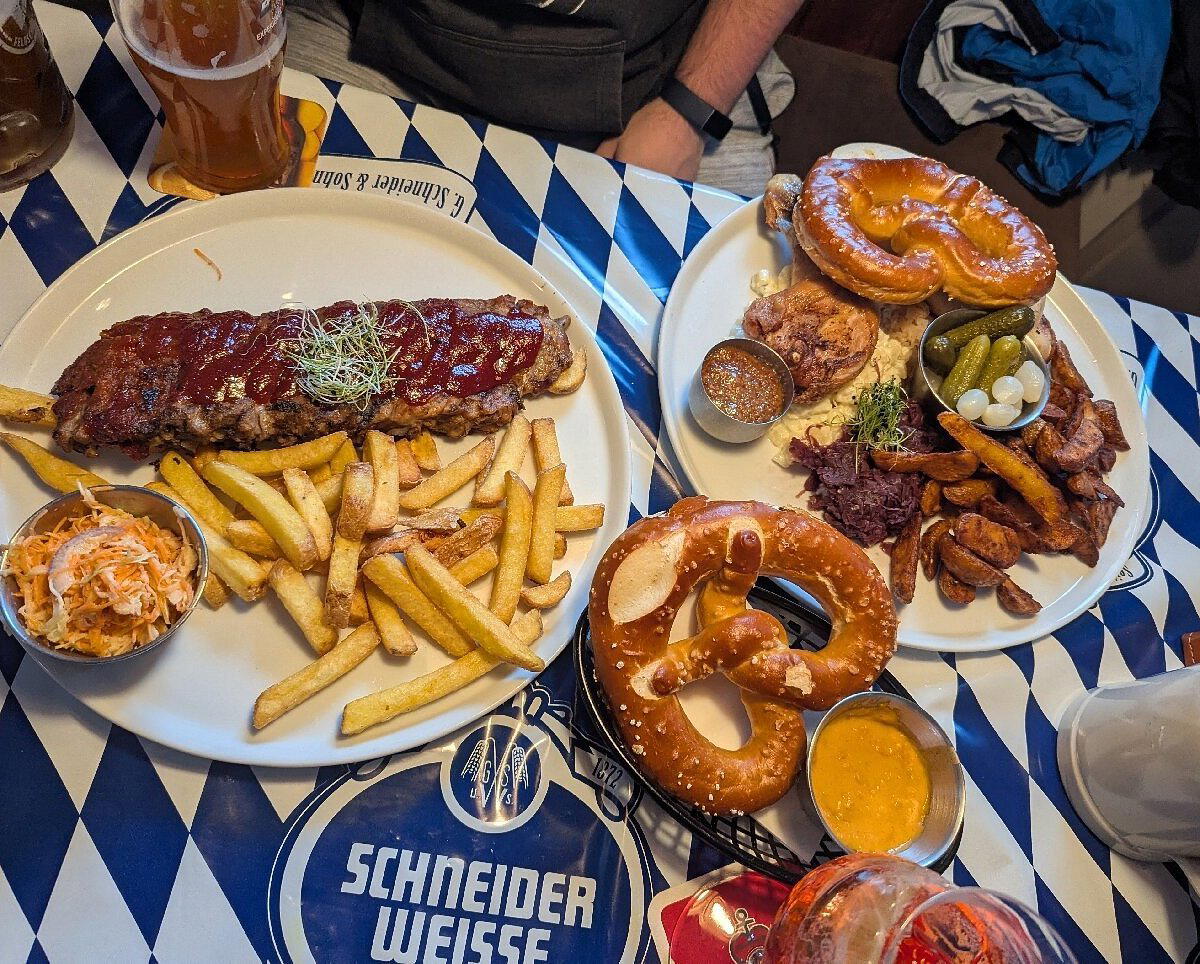
Beer and Bread Country: The Bierhaus Tradition in Alpine Switzerland
Postgasse cuts through the older residential fabric of Interlaken, a few streets back from the Höheweg promenade where the souvenir shops and hotel lobbies compete for foot traffic. It is on this quieter stretch that Hüsi Bierhaus occupies its address at number 3. Approaching from the street, the format announces itself plainly: this is a bierhaus, a category of Swiss-German hospitality with a logic of its own. Communal tables, house-poured beer, and cooking built around local agricultural supply. The atmosphere reads as working hospitality rather than performative rustic, which in the Bernese Oberland is exactly the right register.
The bierhaus format, common across the German-speaking cantons, sits at an interesting point in Swiss dining. It is neither the tourist fondue parlour nor the Michelin-chasing tasting menu room. Venues like Radius by Stefan Beer address the premium regional end of Interlaken dining, while La Terrasse Brasserie holds a casual contemporary position. Hüsi Bierhaus operates in a different lane: the convivial, ingredient-grounded, beer-anchored tradition that Switzerland shares culturally with Bavaria and Baden-Württemberg.
Where the Ingredients Come From
In the Bernese Oberland, the sourcing case for local produce makes itself. The Emmental and Simmental valleys, both within an hour of Interlaken, produce some of Switzerland's most documented dairy: Gruyère and Emmentaler hold protected designation of origin status, meaning the milk, the aging, and the production geography are legally bounded. A bierhaus operating in this corridor has direct access to cheese, cured meats, and dairy at a quality level that restaurants in Zurich or Geneva pay considerably more to source from the same region.
Alpine cattle farming in this part of the Bernese Oberland also means beef from animals that graze at altitude for significant portions of the year, a practice that affects fat composition and flavour in ways that lowland grain-finished beef does not replicate. Swiss Wagyu and highland breeds have attracted increasing attention from European chefs, including at destinations like Schloss Schauenstein in Fürstenau, where Andreas Caminada's kitchen has long championed Swiss provenance across the menu. At the bierhaus level, the same regional supply chain manifests more directly: fewer intermediaries between the farm and the kitchen, and cooking formats that let the ingredient read without elaborate transformation.
Bread in the Swiss-German tradition is itself a sourcing statement. Rye, spelt, and emmer wheats grown in the Swiss plateau produce loaves with density and acidity distinct from the baguette tradition to the west. The bread basket at a bierhaus is not a formality; it is often the clearest signal of how seriously the kitchen treats its supply relationships.
Interlaken's Dining Structure and Where the Bierhaus Fits
Interlaken's restaurant scene is calibrated to a peculiar mix of international tourism and a resident population of roughly 6,000. The result is a dining map that skews toward accessible mid-range formats in the centre, with a handful of higher-ambition kitchens serving guests staying at the Grindelwald or Grindelwald area properties. Brasserie 17 and Asllanis Corner represent the more casual end of that spectrum. El Azteca speaks to the town's international visitor base. The bierhaus format addresses a gap: locals who want grounded, recognisable cooking and visitors who have spent a day on the Jungfraujoch or the Schilthorn and return wanting something warm and direct rather than elaborate.
That positioning is commercially useful in a tourism-heavy town, but it also creates a quality ceiling that not all bierhaus operations in Alpine tourist zones respect. The signal to watch for is whether the menu changes with season and local supply, or whether it reads as a laminated permanent document. In the Bernese Oberland, the former is achievable without logistical strain given proximity to farms and markets. This is the standard a bierhaus at this address should be held to.
For context on where Swiss fine dining sits at the national level, the country's Michelin concentration is dense for its size: Hotel de Ville Crissier in Crissier, Cheval Blanc by Peter Knogl in Basel, and Memories in Bad Ragaz operate at the upper tier of European restaurant ambition. Closer to the Alps, 7132 Silver in Vals and Da Vittorio in St. Moritz serve a destination-resort clientele. The bierhaus occupies none of that tier, nor does it try to. It is a different civic function: community eating, beer culture, and the practical pleasures of well-sourced regional cooking at a price that does not require a room at the Victoria-Jungfrau to justify.
Beer as an Ingredient, Not a Backdrop
Switzerland's craft beer movement accelerated significantly after 2010, with the number of active breweries rising from under 100 to more than 1,000 by the early 2020s. The Bernese Oberland has contributed several producers to that count. A bierhaus that takes this seriously will carry regional draught lines rather than defaulting to national brands, and the beer selection will be integrated with the food rather than treated as a separate beverage category. Swiss lagers tend toward clean malt profiles with restrained hop bitterness, while the newer craft producers have introduced Belgian-influenced wheat beers, session IPAs, and seasonal specialities using local botanicals. The pairing logic with Alpine food, fatty cured meats, rye bread, aged cheese, braised root vegetables, is more coherent than many wine pairings at the same price point.
Planning Your Visit
Hüsi Bierhaus is located at Postgasse 3 in Interlaken, a short walk from the Interlaken Ost railway station, which serves direct trains from Bern, Zurich, and Basel. The address places it away from the main tourist corridor, which means walk-in availability is often more accessible than at the Höheweg-facing establishments, though groups during peak summer and winter seasons should account for demand. Current hours, booking methods, and pricing are best confirmed directly, as the venue's operational details were not available at time of writing. For a broader view of where Hüsi Bierhaus fits in the town's dining options, the EP Club Interlaken restaurants guide covers the full range of formats and price tiers. Visitors who want to extend across the Swiss dining spectrum can find editorial coverage of IGNIV Zürich by Andreas Caminada, Colonnade in Lucerne, focus ATELIER in Vitznau, and Einstein Gourmet in Sankt Gallen for the country's more decorated kitchens. For international reference points on what serious ingredient-led cooking looks like at the highest level, EP Club also covers Le Bernardin in New York City and Atomix in New York City.
How Hüsi Bierhaus Interlaken compares with similar nearby venues.
| Venue | Cuisine | Price |
|---|---|---|
| La Terrasse Brasserie | Contemporary | €€ |
| Radius by Stefan Beer | Regional Cuisine | €€€€ |
| Sapori | Italian | €€ |
Continue exploring
More in Interlaken
Restaurants in Interlaken
Browse all →
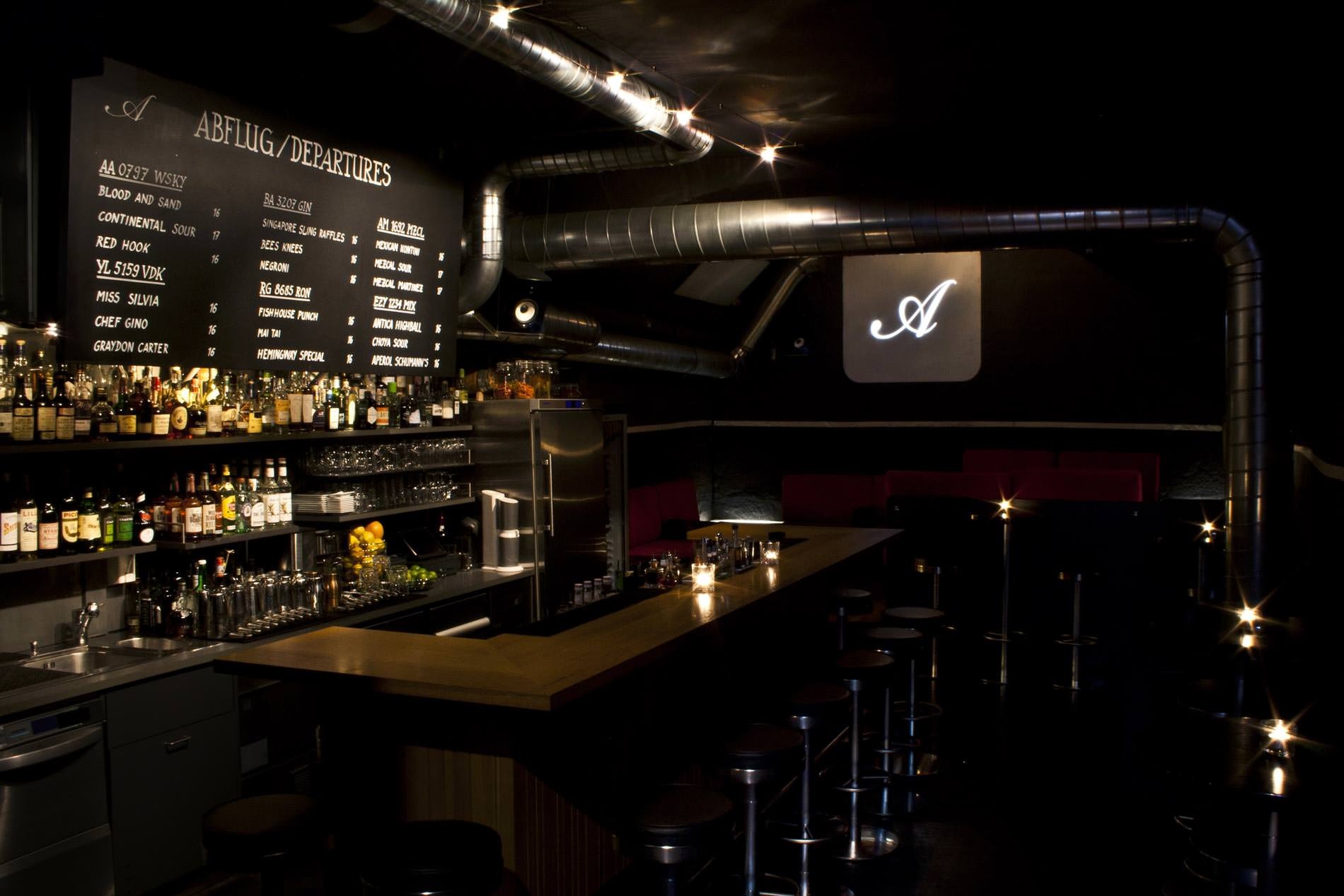
Bars in Interlaken
Browse all →

Hotels in Interlaken
Browse all →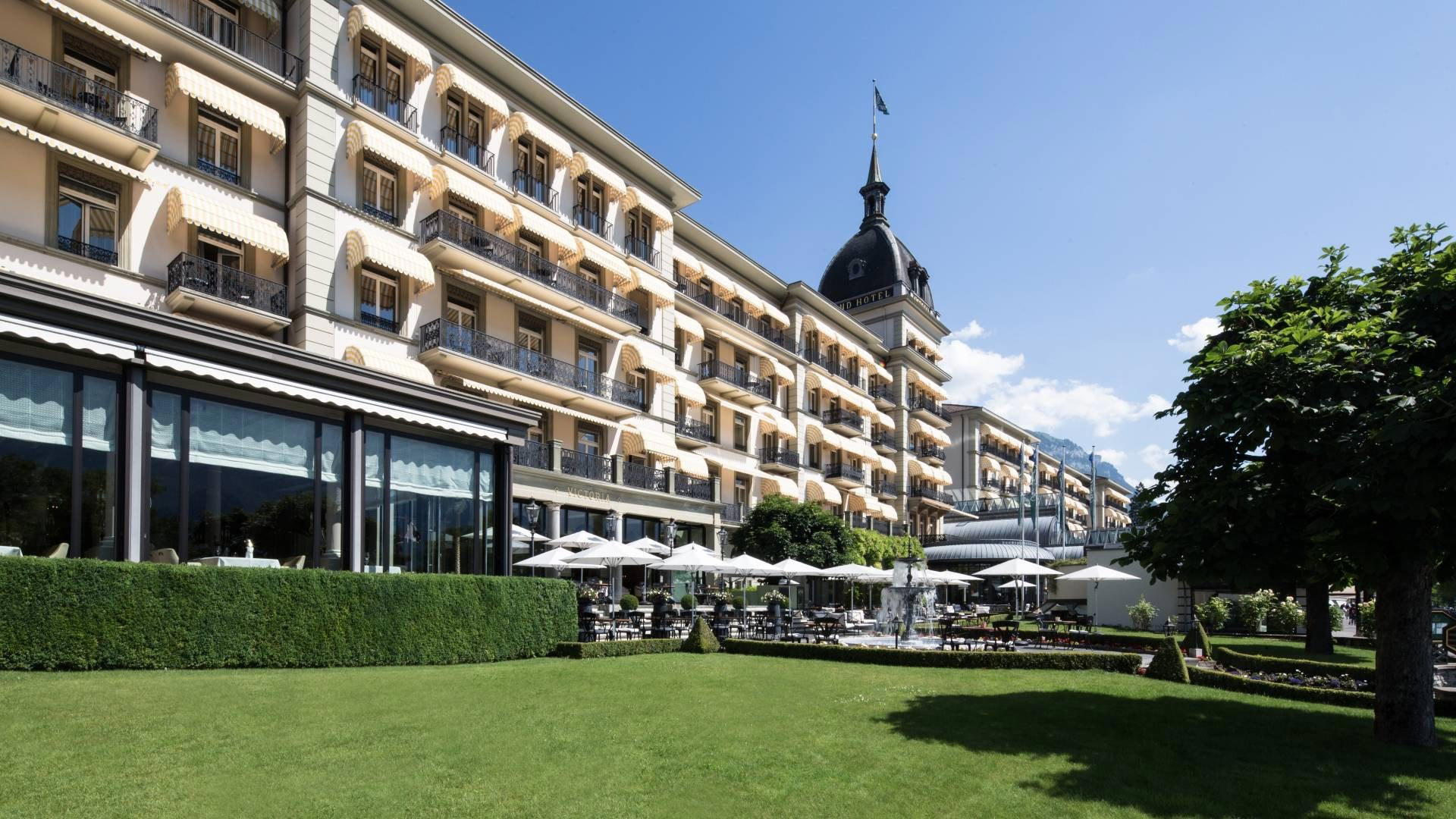



At a Glance
- Cozy
- Lively
- Rustic
- Casual Hangout
- Group Dining
- Late Night
- Live Music
- Terrace
- Beer Program
Current opening hours
- Monday
- 3–11:30 PM
- Tuesday
- Closed
- Wednesday
- 3–11:30 PM
- Thursday
- 3–11:30 PM
- Friday
- 3 PM–12:30 AM
- Saturday
- 12:30 PM–12:30 AM
- Sunday
- 12:30–11:30 PM
Hours can change for holidays and private events. Last verified .