Centric Dining


1 Michelin Star · Falstaff Restaurant - 93 Falstaff Points
Our verdict
At Hotel Seepark on the edge of Lake Thun, Centric Dining serves a five- or seven-course seasonal tasting menu where each dish carries a named theme, from Scandinavian Flavours to The Call of Lake Thun. The kitchen table is available for private groups of eight to twelve. It sits in a category of lake-facing Swiss dining rooms that take their sourcing seriously and their setting as given.

Pearl is the En Primeur Club membership app, where members save venues, book tables and use the concierge.
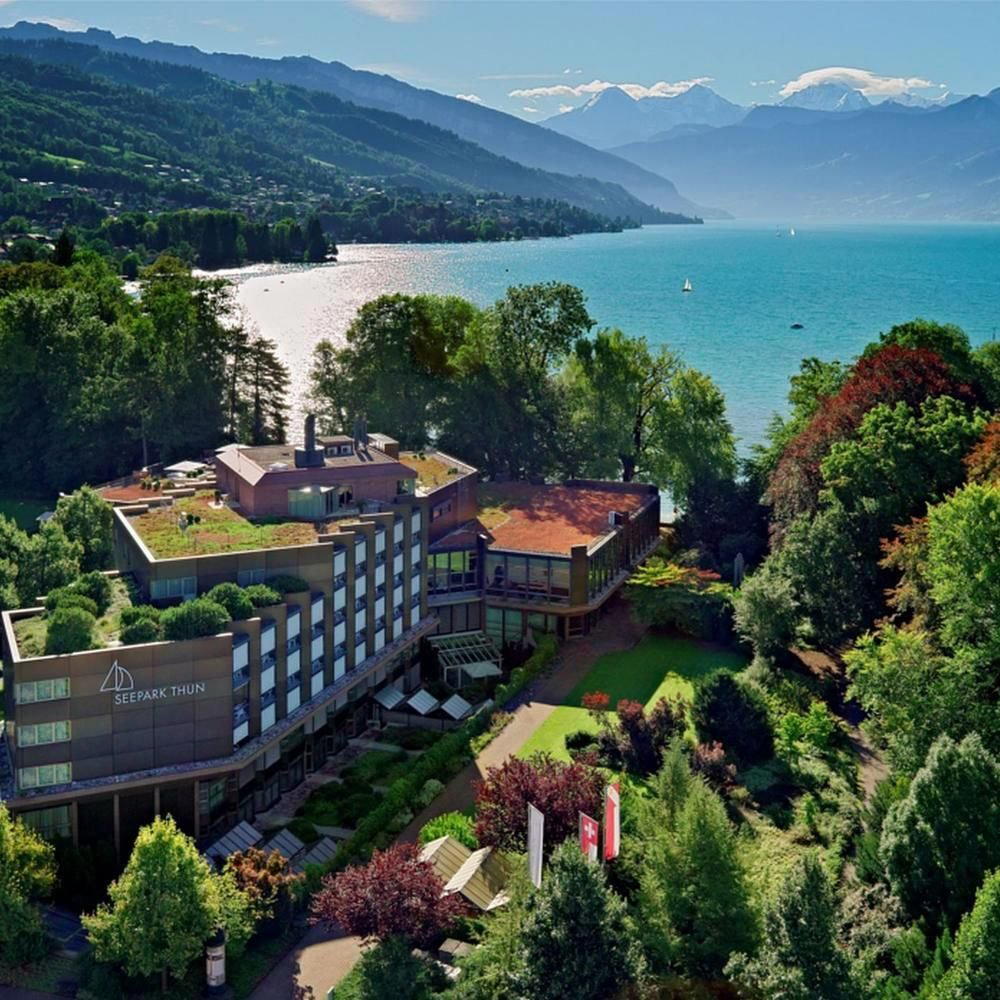
A Lake as Context, Not Just a View
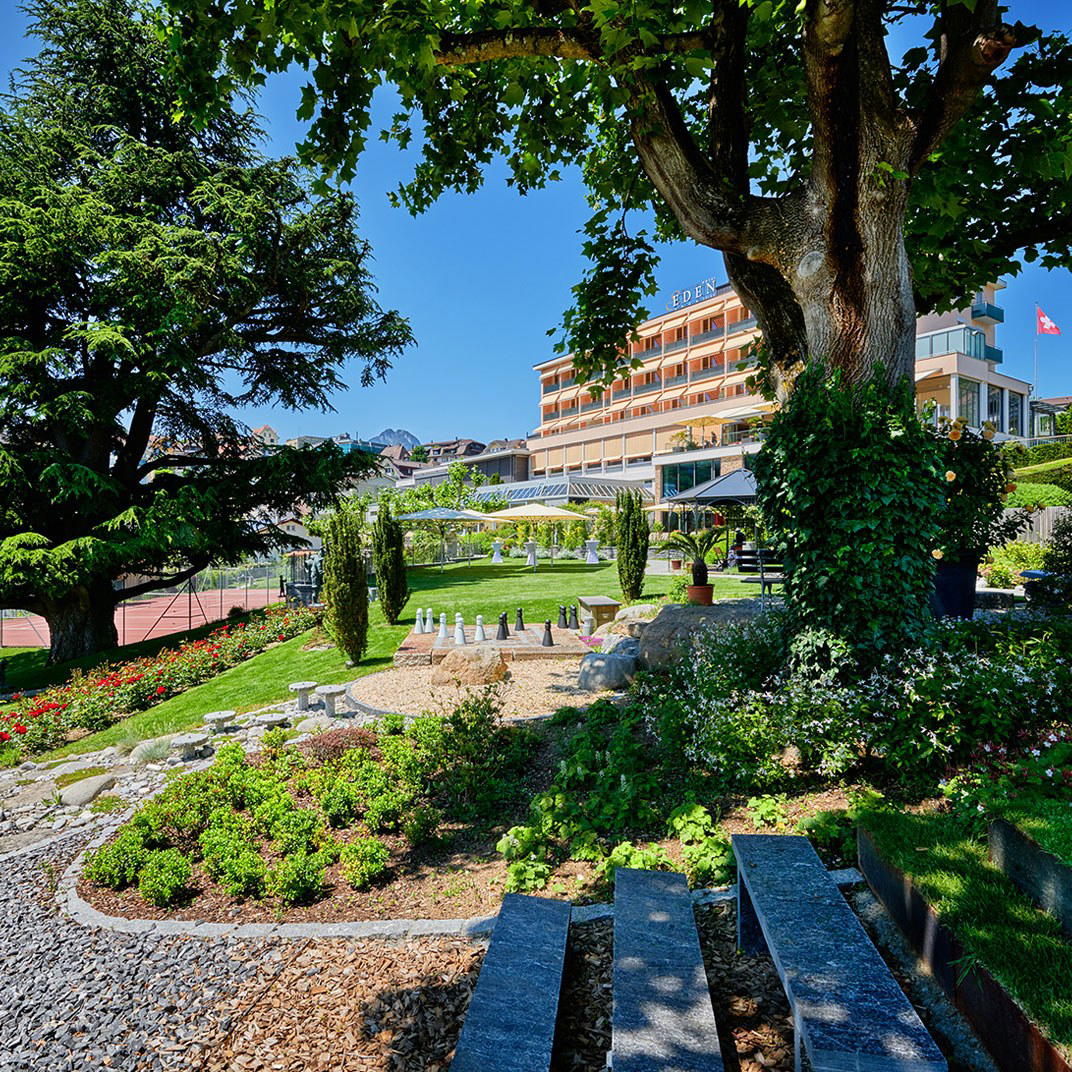
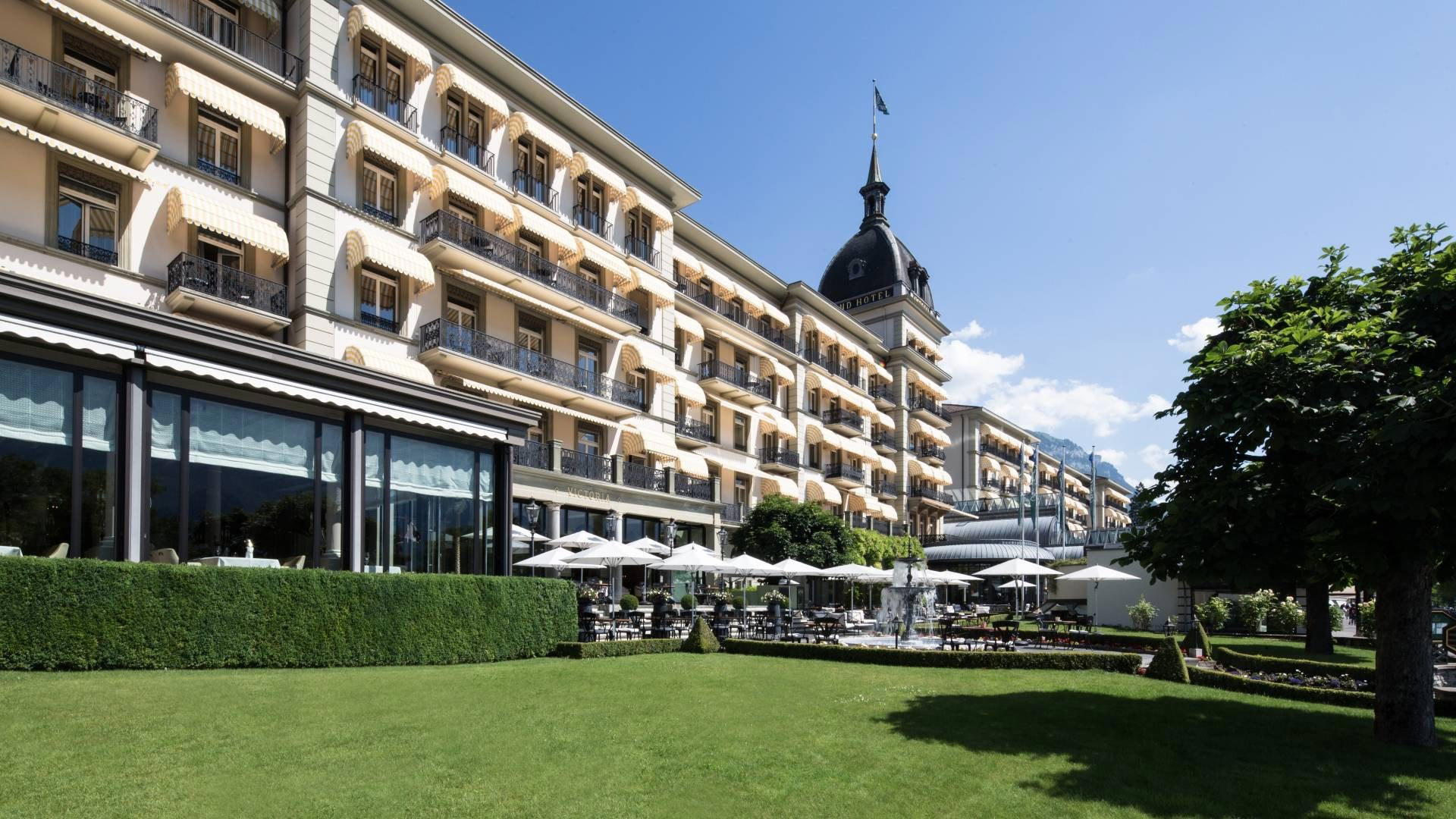
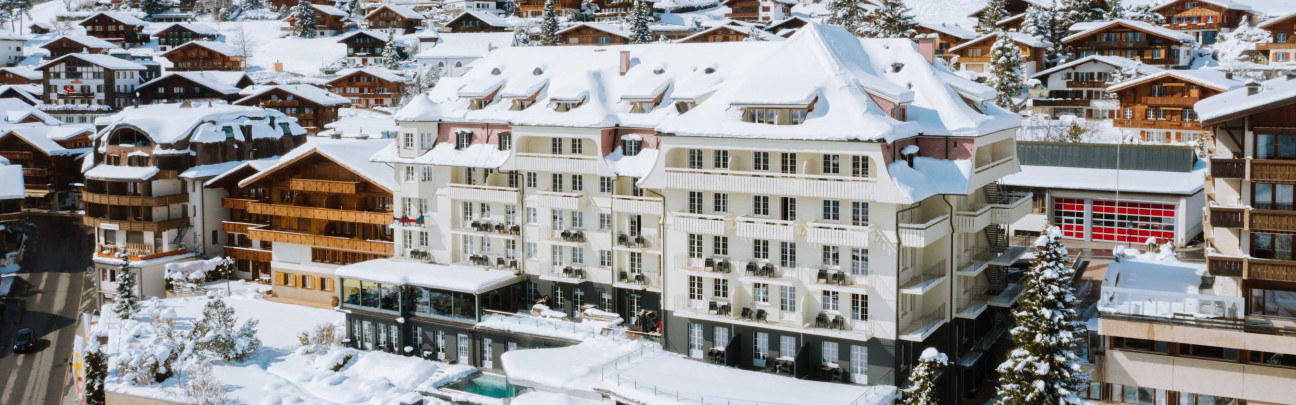
The approach to Hotel Seepark along Seestrasse 47 tells you something about what kind of dining room Centric Dining is going to be. Lake Thun sits wide and cold to the south, framed by the Bernese Oberland in a way that demands you acknowledge it before you even reach the door. Inside, the restaurant is small and deliberately restrained, a space scaled to the tasting menu format rather than to volume. The terrace extends that relationship with the water outward, and on clear evenings it becomes the more compelling seat. This is a room that earns its setting by not overplaying it.
Thun itself occupies a particular position in Swiss dining. It is neither Zurich nor Geneva, neither a global financial capital with the restaurant infrastructure that follows international money, nor a congress city with high-volume hospitality built for rotating delegates. It is a mid-sized Bernese Oberland town with a serious local food culture, a lake that drives seasonal thinking, and proximity to alpine producers that is short enough to be practically useful. For a kitchen working with a seasonal tasting menu format, these are real advantages. For a broader look at the city's dining options, explore the Thun experiences guide.
Where the Food Comes From
The tasting menu format at Centric Dining operates through named dish themes, Scandinavian Flavours, Root of Life, The Call of Lake Thun, Dry-Aged Pork at its Finest, and those names are a reliable indicator of how the kitchen thinks about sourcing. Themes built around a lake, a root vegetable, or a specific aging process are not decorative; they signal a menu architecture that starts with an ingredient or a provenance and works backward to the plate, rather than building around technique and then selecting produce to fit.
The Bernese Oberland sits at the intersection of alpine dairy farming, lake fisheries, and lowland agriculture in a way that gives kitchens here unusual range. Lake Thun itself supports a cold, clean freshwater fishery, the kind of northern European lacustrine environment that produces the restraint-friendly protein profiles seen in Scandinavian-influenced menus. A dish titled The Call of Lake Thun is not a poetic flourish in this context; it is a declaration of a short supply chain. The Scandinavian Flavours thread speaks to a broader pan-European ingredient conversation that Swiss kitchens at this level have been engaged with for over a decade, drawing on Nordic fermentation, preservation, and cold-climate produce philosophies that map naturally onto alpine terroir.
Dry-aging as a named menu theme is worth noting as a signal of kitchen confidence. Offering dry-aged pork under its own dish concept requires both a reliable supplier relationship and enough lead time in menu planning to commit to aging schedules. It places the sourcing decision inside the dish narrative rather than behind it, a choice that distinguishes ingredient-led kitchens from those that describe sourcing in press materials but don't foreground it at the table.
The Format and What It Signals
A five- or seven-course tasting menu with named themes is a specific format within Swiss fine dining, and it sits differently from the longer, technique-forward omakase-adjacent menus that characterise some of the country's most-discussed tables. Venues like Schloss Schauenstein in Fürstenau, Memories in Bad Ragaz, and focus ATELIER in Vitznau operate in a tier defined by Michelin recognition and a price point that reflects both real estate and culinary ambition at national scale. Centric Dining occupies a different position: a hotel restaurant in a smaller city, with a menu length and a storytelling format designed for an audience that includes local diners, hotel guests, and visitors to the Thun-Interlaken corridor rather than destination diners arriving specifically for the kitchen.
That positioning is not a criticism. The tasting menu format in a smaller Swiss city requires a different kind of skill: keeping a rotating seasonal structure coherent without the supply chains and budget of a destination address, and maintaining a service culture where each dish is presented in detail at the table without the infrastructure of a larger brigade. The team at Centric Dining handles this by having kitchen staff explain dishes directly, which collapses the distance between kitchen logic and table understanding in a way that works particularly well for concept-named courses.
The chef's table in the kitchen, available by prior reservation for private groups of eight to twelve, is the format's most interesting variant. A kitchen-facing private dining setup at this scale puts guests inside the sourcing and production process in a way that is coherent with the menu's ingredient-narrative approach. It is a different evening from the main dining room, and the prior reservation requirement means it functions as a dedicated experience rather than an upsell.
Centric Dining in the Swiss Tasting Menu Conversation
Switzerland's tasting menu scene is dense at its upper tier. Hotel de Ville Crissier in Crissier, Cheval Blanc by Peter Knogl in Basel, and IGNIV Zürich by Andreas Caminada in Zurich define the country's most formally recognised tier, drawing international attention and commanding corresponding price points. La Brezza in Ascona, Da Vittorio in St. Moritz, and 7132 Silver in Vals represent a different variant: destination dining attached to resort and spa infrastructure in high-end alpine settings.
Centric Dining is neither of these. It is a serious kitchen working a well-defined format in a town with its own character and reasons to visit. The Thun experiences guide covers the area in more depth. The comparison set for an evening at Centric Dining is not Zurich or Crissier; it is the question of whether the Thun basin, with Schadau Park along the lakeshore, a working medieval old town, and the Bernese Oberland as its backdrop, constitutes a worthwhile destination in itself. The answer is yes, and this restaurant is a coherent part of that case.
For reference points outside Switzerland, Colonnade in Lucerne and L'Atelier Robuchon in Geneva illustrate how hotel-attached fine dining in Swiss cities operates at different scales and price tiers. The format questions they raise, how much does location substitute for or reinforce kitchen ambition? are useful to hold when considering what Centric Dining is doing on the edge of Lake Thun.
Planning an Evening Here
Centric Dining is at Seestrasse 47 within Hotel Seepark, and the walk along the lake through Schadau Park before dinner is a practical suggestion as much as a scenic one, it orients you to the water that shows up repeatedly on the menu. The restaurant is small, which means that booking ahead is advisable, particularly for the terrace on summer evenings when the lake view is at its most direct. The chef's table for private groups of eight to twelve requires advance reservation and is treated as a separate planning exercise from a standard dinner booking. For those extending a visit in the region, the Thun experiences guide offers additional context.
Frequently asked questions
Is Centric Dining better for a quiet night or a lively one?
This is a small, tastefully designed restaurant where each course is presented at the table with detail, the format orients toward a focused, conversational dinner rather than a social evening with energy and noise. The lakeside terrace shifts the mood slightly in summer, but the kitchen's approach remains deliberate throughout. If you want atmosphere and buzz, look elsewhere in Thun.
What's Centric Dining's location?
Centric Dining is located at Seestrasse 47, Thun.
What's the best way to book Centric Dining?
Book directly through Hotel Seepark at Seestrasse 47 for standard dinner reservations; the restaurant is small and terrace seats fill quickly during summer months. For the chef's table in the kitchen, which accommodates eight to twelve guests, prior reservation is required separately. Check the venue's official channels to arrange private dining.
Side-by-Side Snapshot
A quick comparison of nearby and comparable dining formats.
| Venue | Cuisine | Price | Awards | Notes |
|---|---|---|---|---|
| Centric DiningThis venue (the venue you are viewing) | Modern Seasonal Fine Dining | $150–200 | 1 Michelin Star · Falstaff Restaurant - 93 Falstaff Points | Not listed |
| Schloss Schauenstein | Creative Swiss Country Fine Dining | $300–500 | 3 Michelin Stars · World's 50 Best #52 | Modern European, Creative |
| Memories | Modern Swiss Alpine Cuisine | $300–500 | 3 Michelin Stars · La Liste Top Restaurants | Modern Swiss |
| focus ATELIER | Modern French Fine Dining | $200–300 | 2 Michelin Stars · La Liste Top Restaurants | Modern Swiss, Creative |
| IGNIV Zürich by Andreas Caminada | Modern Swiss Fusion Sharing | $150–200 | 2 Michelin Stars · La Liste Top Restaurants | Sharing |
| La Table du Lausanne Palace | Contemporary French Fine Dining | $200–300 | 2 Michelin Stars · La Liste Top Restaurants | Modern French |
Recognition history
Dated appearances from independent guides and award organizations, with the underlying list record or original source where available.
Michelin 1 Star
Michelin
Falstaff Restaurant - 93 Falstaff Points
Falstaff
Continue exploring
More in Thun
Restaurants in Thun
All restaurants in Thun →
Bars in Thun
Browse all →

Details
- Modern
- Elegant
- Intimate
- Sophisticated
- Date Night
- Special Occasion
- Open Kitchen
- Terrace
- Waterfront
- Hotel Restaurant
- Extensive Wine List
- Local Sourcing
- Waterfront
- Tasting Menu
- Vegetarian Friendly
- Vegan Options
Current opening hours
- Monday
- Closed
- Tuesday
- Closed
- Wednesday
- Closed
- Thursday
- 6–11 PM
- Friday
- 6–11 PM
- Saturday
- 6–11 PM
- Sunday
- Closed
Hours can change for holidays and private events. Hours as of .
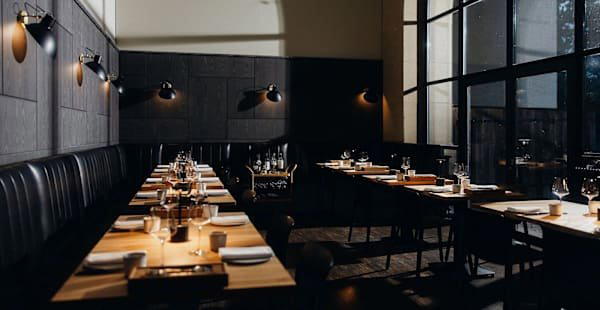
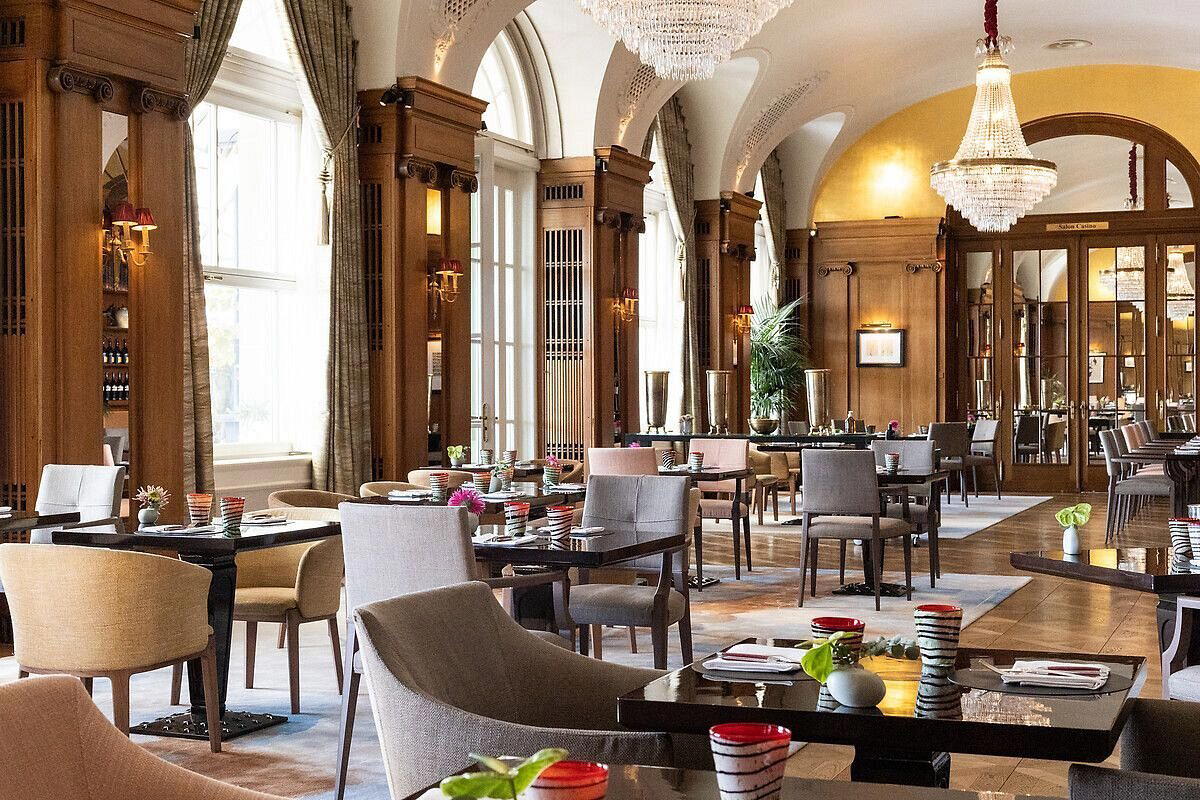
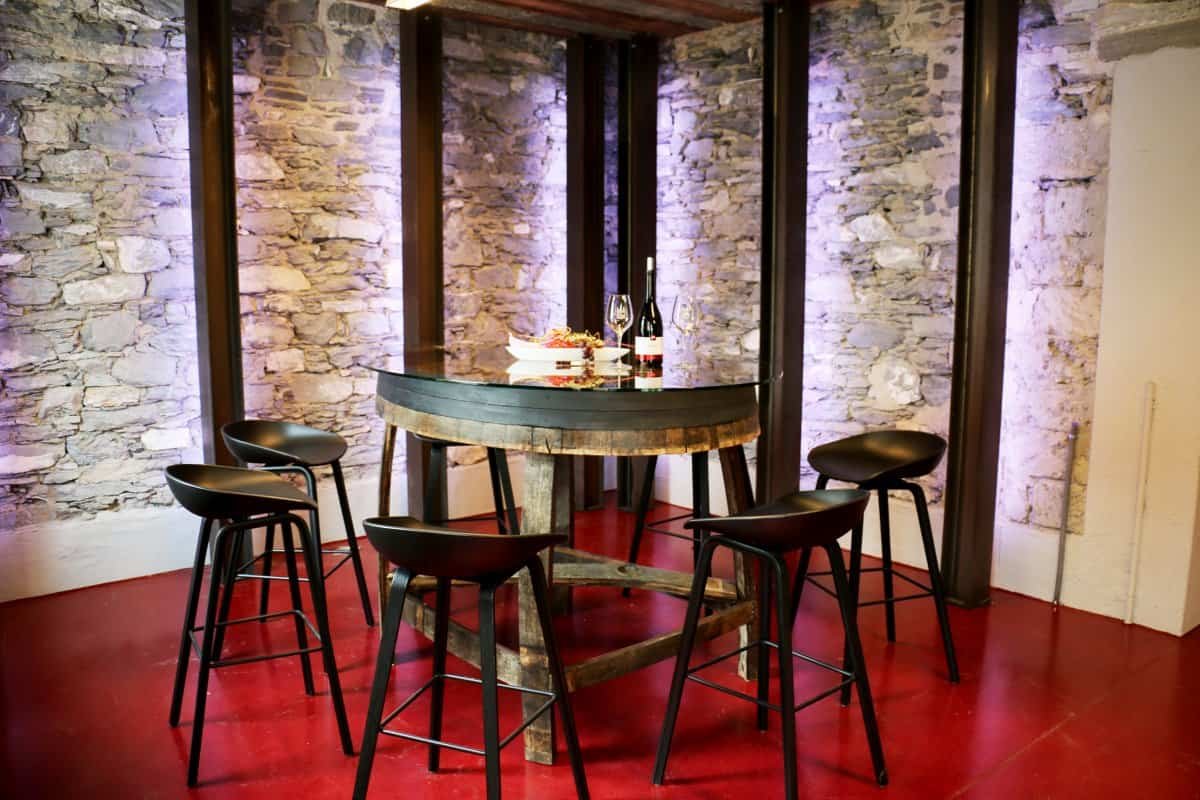
Tastefully designed small restaurant with dramatic lake views, stylish lighting, and an enchanting lakeside atmosphere.