La Terrasse Brasserie


Set along Interlaken's Höheweg promenade inside the Victoria-Jungfrau Grand Hotel, La Terrasse Brasserie holds a 2024 Michelin Plate and a Star Wine List White Star recognition. The menu spans Swiss, Mediterranean, Asian, and Arab preparations, making it one of the Bernese Oberland's more range-conscious hotel dining rooms at a mid-range price point.
Pearl is the En Primeur Club membership app — saves, bookings, and concierge access live there. Same editors, same standards.
- Address
- Höheweg 41, 3800 Interlaken, Switzerland
- Phone
- +41 33 828 26 41
- Website
- victoria-jungfrau.ch
- Directions
- Get directions
 Saves & bookings on Pearl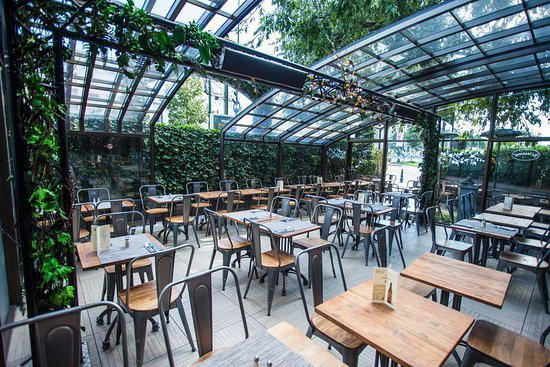
The Promenade Setting and What It Demands of a Kitchen
Along the Höheweg, Interlaken's central promenade, the Eiger, Mönch, and Jungfrau occupy the southern horizon at a scale that makes most architecture feel provisional. Hotel dining rooms that open toward this backdrop carry an implicit obligation: the food either earns its place against that view or becomes incidental to it. La Terrasse Brasserie, operating within the Victoria-Jungfrau Grand Hotel at Höheweg 41, takes the outdoor terrace seriously enough that the summer promenade seating functions as one of the more considered spots to eat along this stretch. The visual context is not decorative — it shapes how a meal here is structured and why guests return to the terrace specifically.
The Victoria-Jungfrau itself belongs to a tier of grand Alpine hotels with deep operational traditions. Brasserie formats within these properties tend to carry different expectations than their starred dining siblings: broader menus, accessible pricing, and a guest mix that spans hotel residents, local professionals, and visitors passing through the Bernese Oberland. La Terrasse operates in exactly this register, at the €€ price range — the same bracket as SALZANO and Sapori in Interlaken, positioning itself as an accessible entry into a hotel property that otherwise signals considerable formality.
A Menu Built Across Ingredient Traditions
The menu at La Terrasse draws from Swiss, Mediterranean, Asian, and Arab culinary traditions. In a resort town with a large international visitor base, Interlaken has long attracted guests from the Gulf region, East Asia, and across Europe, this breadth is not arbitrary. It reflects an active decision about sourcing and preparation range, one that requires the kitchen to work across distinct ingredient logics rather than defaulting to a single pantry or technique set.
Swiss preparations at this altitude have a specific logic: dairy from the Bernese Oberland, lake fish from the surrounding region, and seasonal alpine produce that changes materially between summer and winter. The Mediterranean and Arab components of the menu introduce olive oils, preserved lemons, spiced preparations, and grain-based dishes that require sourcing networks well outside the immediate region. Asian elements add a further layer. What makes this model work, or fail, is whether the kitchen treats each tradition as a distinct sourcing and preparation discipline rather than as a surface flavour register applied to generic proteins.
The 2024 Michelin Plate recognition is a useful signal here. A Plate acknowledges cooking that is described by Michelin inspectors as simply good food, technically proficient, consistent, and worth noting, without the additional criteria for a star. Alongside the Star Wine List White Star, published December 2021, it positions La Terrasse within a recognisable tier for hotel dining in mid-sized Swiss resort towns: credentialled without being specialist.
For comparison, Interlaken's higher-end restaurant context sits at Radius by Stefan Beer, a Michelin-starred operation at the €€€€ price point working with regional cuisine. La Terrasse occupies a deliberately different register, broader in scope, lower in price, and oriented toward a mixed guest profile rather than a tasting-menu audience. Across Switzerland, hotel dining rooms at comparable properties, including Colonnade in Lucerne and 7132 Silver in Vals, tend to operate with similar structural logic: credentialled by association with the property, consistent through the awards record, and accessible at a price point below the property's flagship dining offer.
Where the Ingredient Sourcing Question Gets Interesting
Hotel brasseries in Alpine Switzerland occupy a specific sourcing position. The region's agricultural identity is strong, Bernese mountain cheese, Simmental beef, Bernese honey, and stone-fruit preserves from the lower valleys all represent distinct local ingredient categories. When a menu also pulls from Arab and Asian traditions, the sourcing decisions become more visible. Imported spice blends, specialty grains, and condiment bases that define those cuisines cannot be substituted with local equivalents without losing what distinguishes them. A kitchen that attempts this breadth honestly is making a claim about supply chain reach, not just culinary ambition.
The White Star recognition from Star Wine List adds a separate dimension: the wine programme is considered selection-worthy at the recognition level. For a property with the Victoria-Jungfrau's heritage, a wine list that earns external acknowledgement indicates curation beyond the standard hotel beverage operation. Swiss wine, particularly from Valais and Vaud, represents a natural anchor for a list at this location, with the Rhône varieties and Chasselas whites that define the country's vinous identity offering strong pairings for both the Mediterranean and Swiss elements of the menu. Switzerland's upper-end dining rooms, from Hotel de Ville Crissier in Crissier to Schloss Schauenstein in Fürstenau, tend to lead with depth in domestic and French bottles. A brasserie-level programme at the White Star tier suggests similar attention at an accessible price register.
The Seasonal Calculus of the Terrace
The outdoor terrace operates in summer, oriented toward the promenade and the mountain backdrop. This is not an incidental feature, for a brasserie in this position, the terrace fundamentally changes the dining proposition. Summer eating in the Bernese Oberland carries its own rhythm: arrivals from Lauterbrunnen and Grindelwald in the late afternoon, day visitors completing circular routes, and hotel guests in the evening hours. The terrace captures all three groups in ways that an interior room cannot. In winter, the same promenade reads differently, quieter, with the mountains defined against clearer skies and a more local dining population.
Seasonal shift also has menu implications. Alpine summer produce, particularly local herbs, berries, and lighter proteins, anchors a different preparation register than the root-vegetable and preserved-ingredient logic of winter. A kitchen working across the range of cuisines on offer at La Terrasse has to manage these seasonal rotations across multiple ingredient traditions simultaneously. That operational complexity, handled well, is what distinguishes a hotel brasserie with genuine kitchen discipline from one that relies on a static menu year-round.
Planning a Meal Here
La Terrasse Brasserie sits at Höheweg 41, within the Victoria-Jungfrau Grand Hotel, in easy walking distance of Interlaken West and Interlaken Ost train stations. The €€ pricing makes it one of the more accessible meals on the Höheweg strip without moving away from the hotel-quality setting. the consensus holds across a substantial number of visits. For summer visits, the promenade terrace warrants an advance request when booking. The Star Wine List White Star recognition suggests the wine selection is worth engaging with rather than defaulting to house pours.
Visitors building a broader Interlaken dining and hospitality picture can reference our full Interlaken restaurants guide, alongside our full Interlaken hotels guide, our full Interlaken bars guide, our full Interlaken wineries guide, and our full Interlaken experiences guide. For context on where contemporary brasserie and hotel dining formats sit globally, César in New York City and Jungsik in Seoul represent the contemporary end of the spectrum. Within Switzerland's higher-stakes dining tier, Cheval Blanc by Peter Knogl in Basel, Memories in Bad Ragaz, and Einstein Gourmet in Sankt Gallen define the upper reference points against which hotel dining in resort towns is measured. Da Vittorio in St. Moritz offers a further comparison for Alpine hotel dining at the starred level.
How It Stacks Up
| Venue | Cuisine | Price | Awards |
|---|---|---|---|
| La Terrasse BrasserieThis venue — the venue you are viewing | Contemporary | €€ | Not listed |
| Radius by Stefan Beer | Regional Cuisine | €€€€ | Michelin 1 Star |
| SALZANO | Regional Cuisine | €€ | Regional Cuisine, €€ |
| Sapori | Italian | €€ | Italian, €€ |
Recognition history
Dated appearances from independent guides and award organizations, with the underlying list record or original source where available.
Star Wine List
Star Wine List
Michelin Plate
Michelin
Michelin Plate
Michelin
Continue exploring
More in Interlaken
Restaurants in Interlaken
Browse all →
Bars in Interlaken
Browse all →

Hotels in Interlaken
Browse all →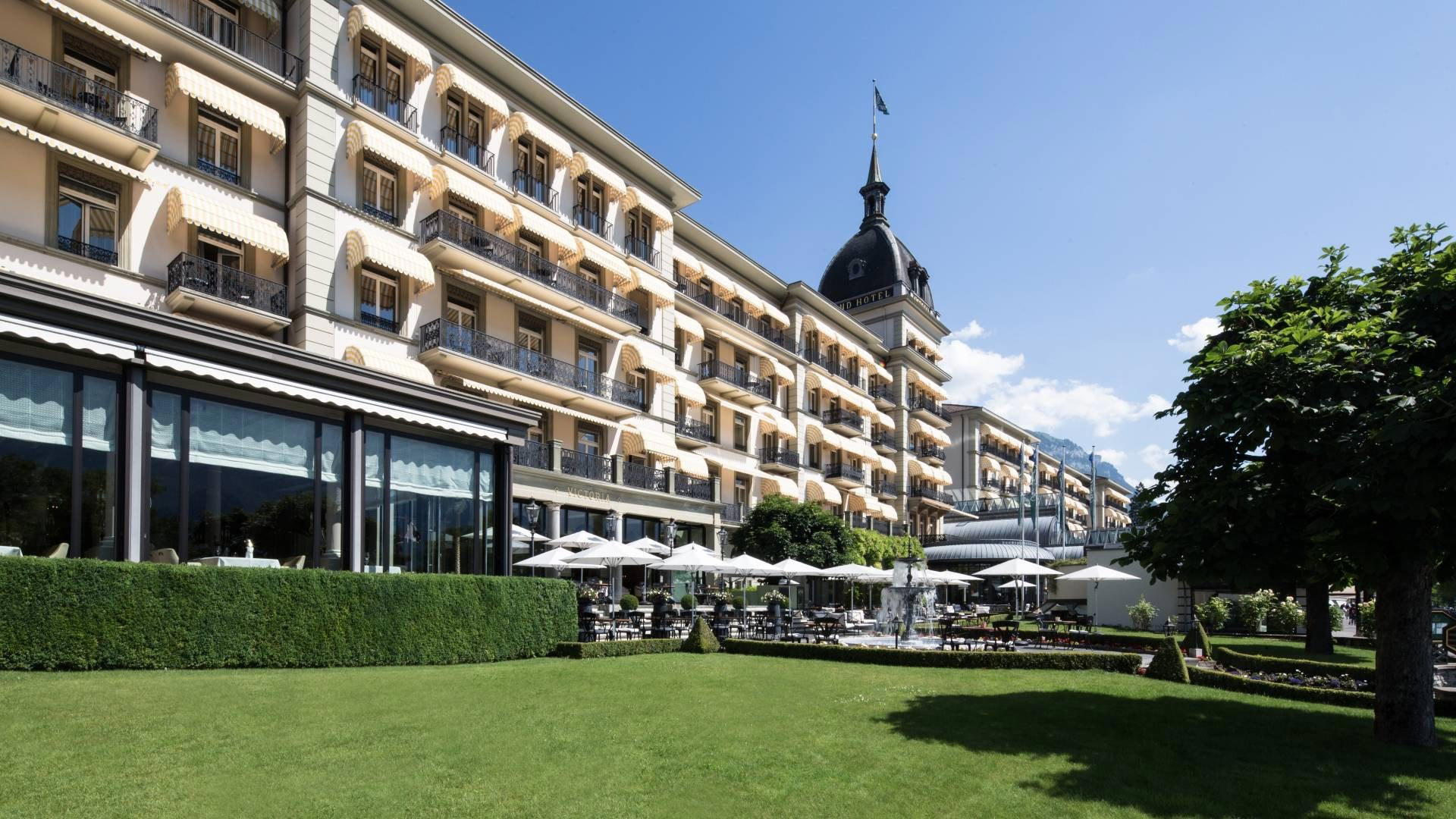



At a Glance
- Elegant
- Scenic
- Classic
- Sophisticated
- Date Night
- Special Occasion
- Celebration
- Terrace
- Hotel Restaurant
- Panoramic View
- Extensive Wine List
- Local Sourcing
- Mountain
- Street Scene
Current opening hours
- Monday
- 2–10 PM
- Tuesday
- Closed
- Wednesday
- Closed
- Thursday
- 2–10 PM
- Friday
- 2–10 PM
- Saturday
- 2–10 PM
- Sunday
- 2–10 PM
Hours can change for holidays and private events. Last verified .
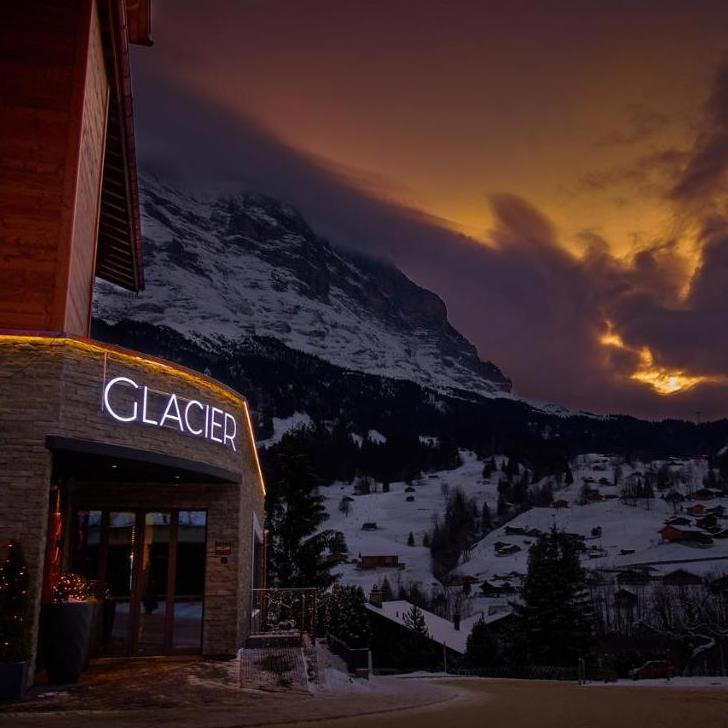
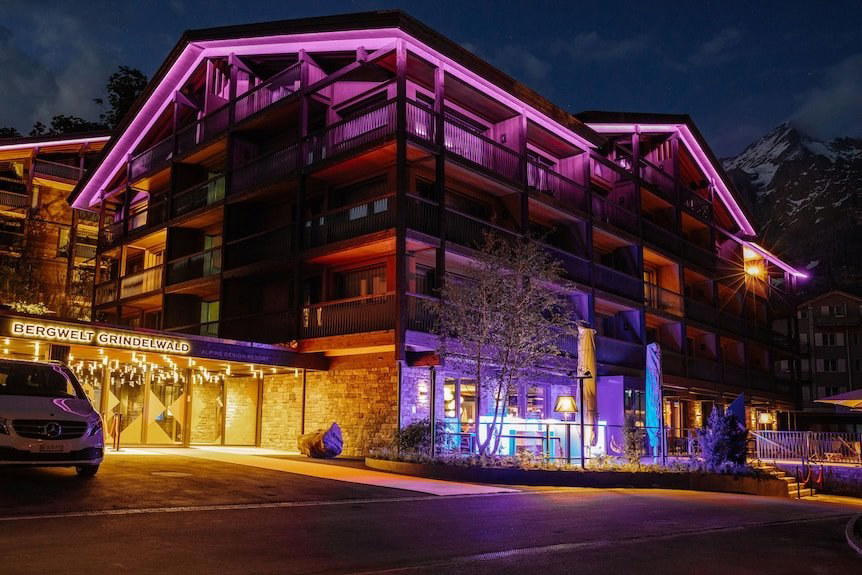
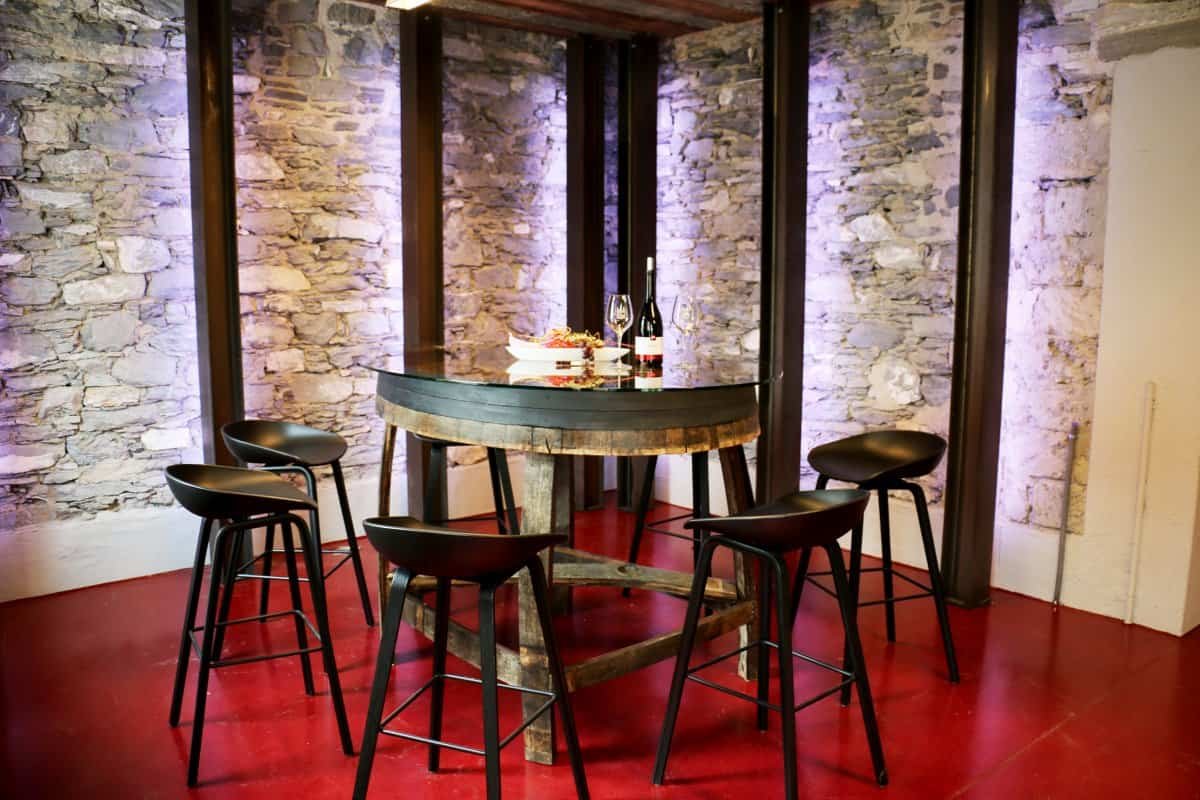
Classically refined atmosphere with elegant lighting, enhanced by scenic mountain views from the terrace and a welcoming indoor space.