1910 Gourmet by Hausers

The sole Michelin-starred restaurant in Grindelwald, 1910 Gourmet by Hausers operates from just six tables inside Hotel Belvedere, with a menu built on local seasonal produce, some harvested by the kitchen team itself. Hungarian chef Dávid Imre Rózsa runs two set menus, one of them fully vegetarian, with Swiss organic wines as the pairing option.
Pearl is the En Primeur Club membership app — saves, bookings, and concierge access live there. Same editors, same standards.
- Address
- Dorfstrasse 53, 3818 Grindelwald, Switzerland
- Phone
- +41 33 854 57 57
- Website
- gourmet-1910.ch
- Directions
- Get directions
 Saves & bookings on Pearl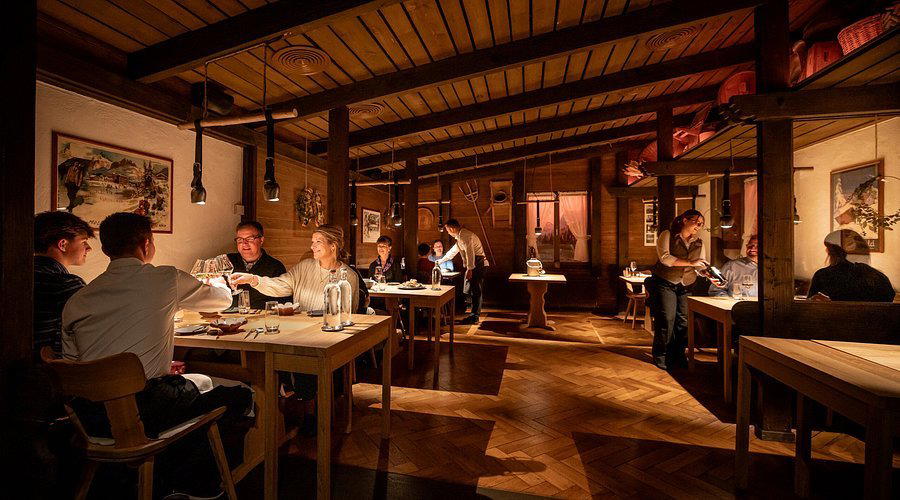
Six Tables, One Star: Fine Dining at Altitude in Grindelwald
Grindelwald's dining scene is anchored, predictably, in the alpine comfort register. The village draws skiers, hikers, and glacier tourists, and most of its restaurants respond accordingly, with Bergwelt - BG's Grill Restaurant, Fiescherblick, GLACIER, and Schmitte all operating at the €€€ tier with contemporary or modern cuisine formats suited to a broad visitor base. Against that backdrop, 1910 Gourmet by Hausers occupies a different position: a six-table room inside Hotel Belvedere on Dorfstrasse, serving technically modern cuisine that holds a Michelin star. It is the only Michelin-starred address in the village, and its constraints, capacity, and format are deliberate signals about what kind of dining it is.
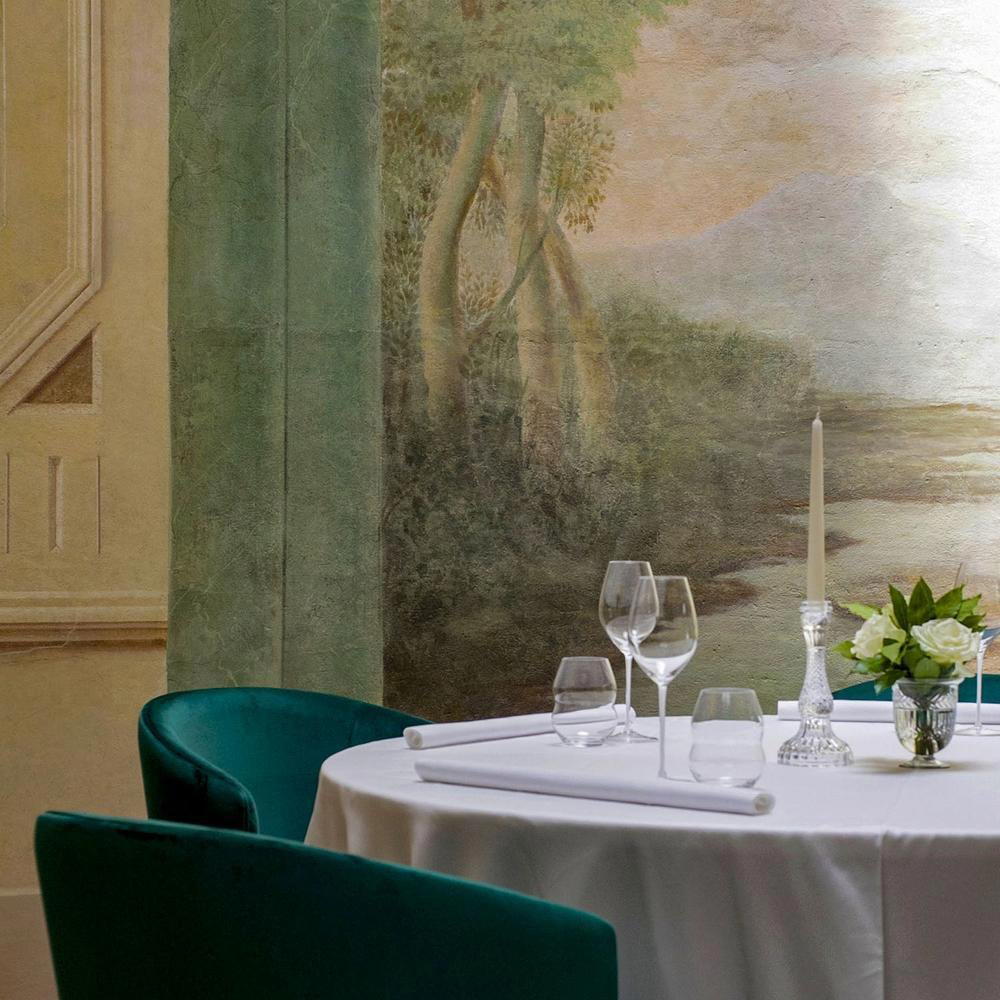
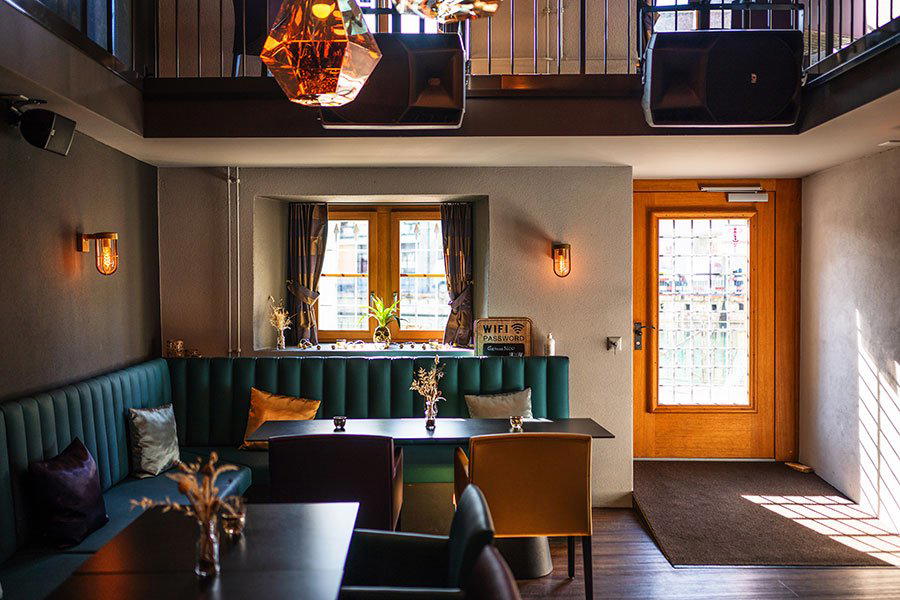
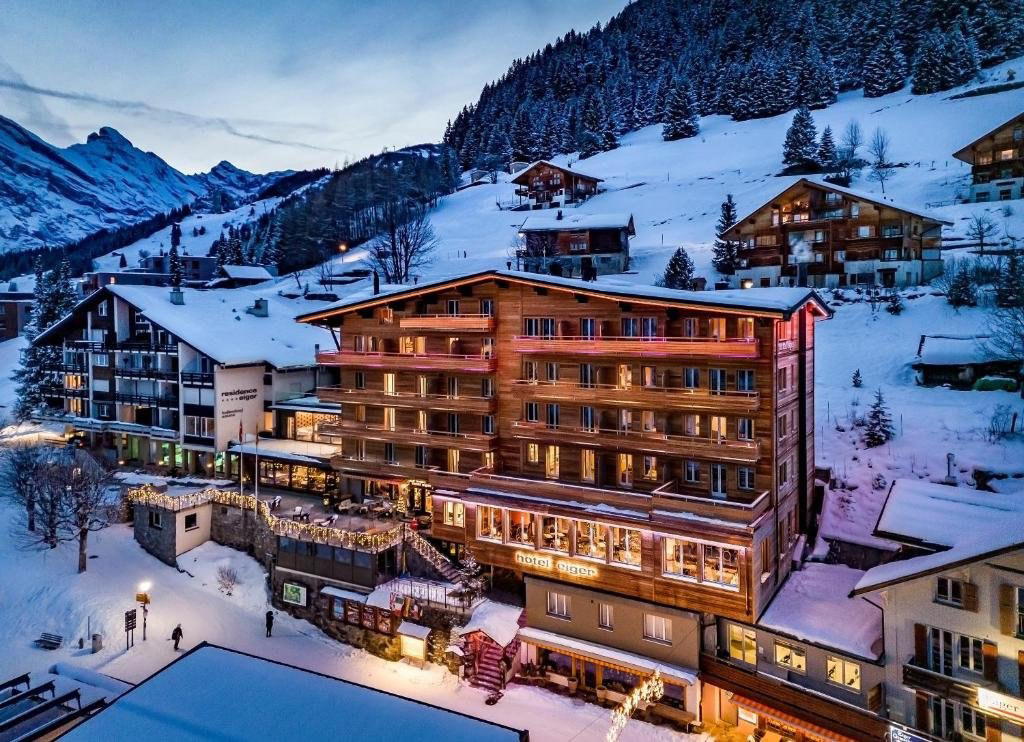
Approaching the Hotel Belvedere in the early evening, the village is winding down from the day's outdoor activity. The restaurant itself is compact by design: six tables is closer to a private dining room than a conventional restaurant floor, and that scale shapes everything from the pace of service to the relationship between kitchen and guest. There is no background noise problem at six tables.
Where the Ingredients Come From, and Why the Answer Matters
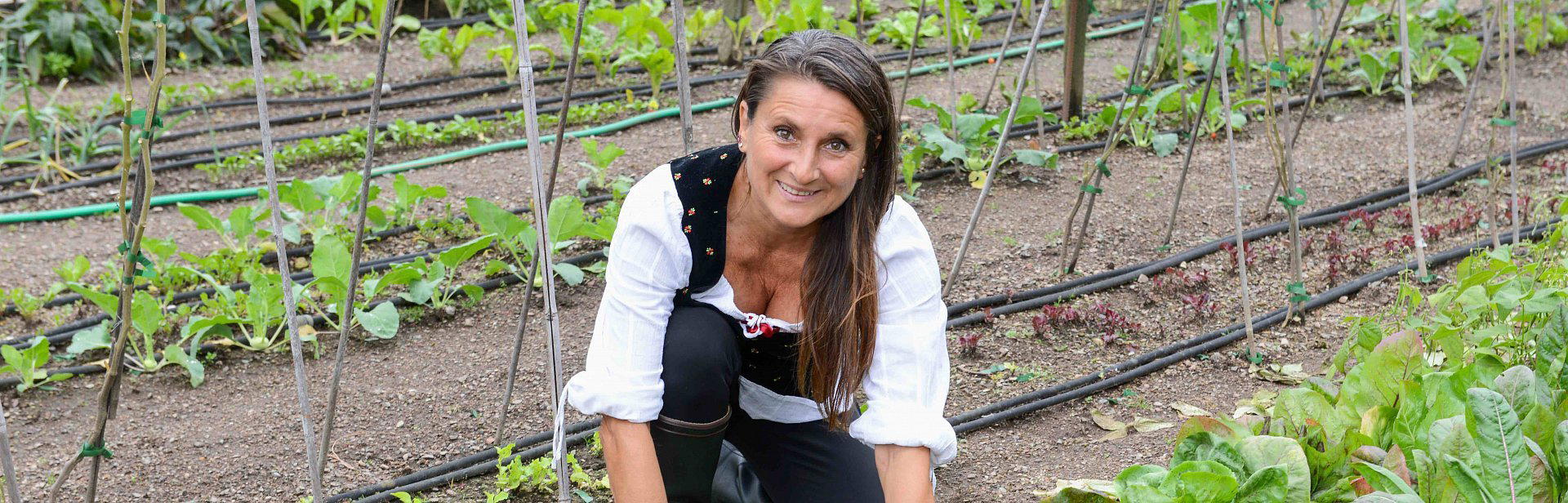
The defining characteristic of the kitchen's approach at 1910 Gourmet is not technique, though the execution is technically modern and controlled. It is sourcing. The kitchen operates with a firm focus on local, seasonal produce, and the commitment goes further than menu language: the team collects and plants some of its own ingredients. In an alpine setting, that involves real constraints. The growing season is compressed, the altitude limits what can be cultivated, and the logistics of supply in a mountain village are less forgiving than in a major city. The menu that results from those constraints carries their logic, what appears on the plate is determined in part by what the surrounding landscape makes available, not by what a broader market catalogue could supply.
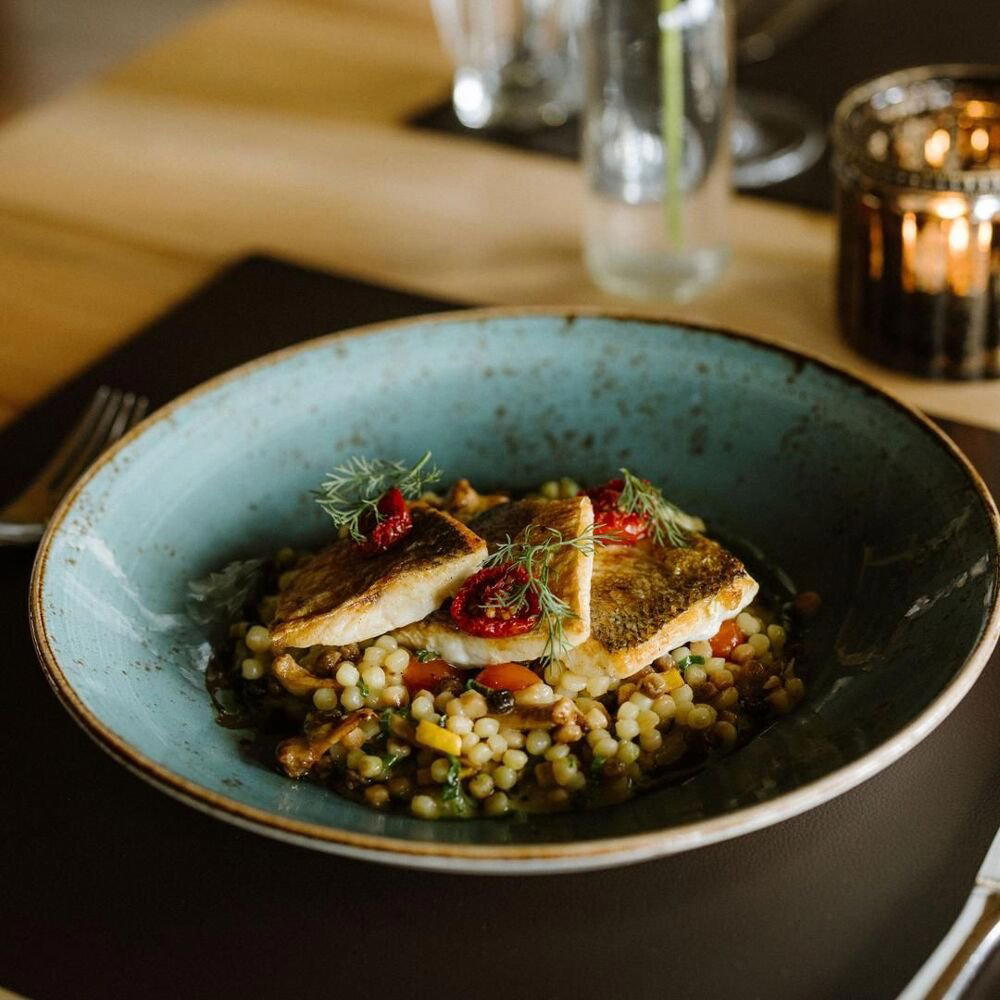
The sourcing philosophy surfaces clearly in the kitchen's handling of fish. Dry-aged pike perch paired with Oscietra caviar sourced from Frutigen is cited in the Michelin assessment as a representative dish. Frutigen, in the Bernese Oberland, is home to the Tropenhaus Frutigen, a facility that uses waste heat from the Lötschberg rail tunnel to raise tropical fish and other produce in a landlocked alpine canton. That caviar travels a fraction of the distance of imported Russian or Iranian product, and its provenance is traceable to a single Swiss facility. The pairing of locally aged freshwater fish with local caviar makes a clear argument: the kitchen is not reaching outward for luxury signals, it is finding them in the region.
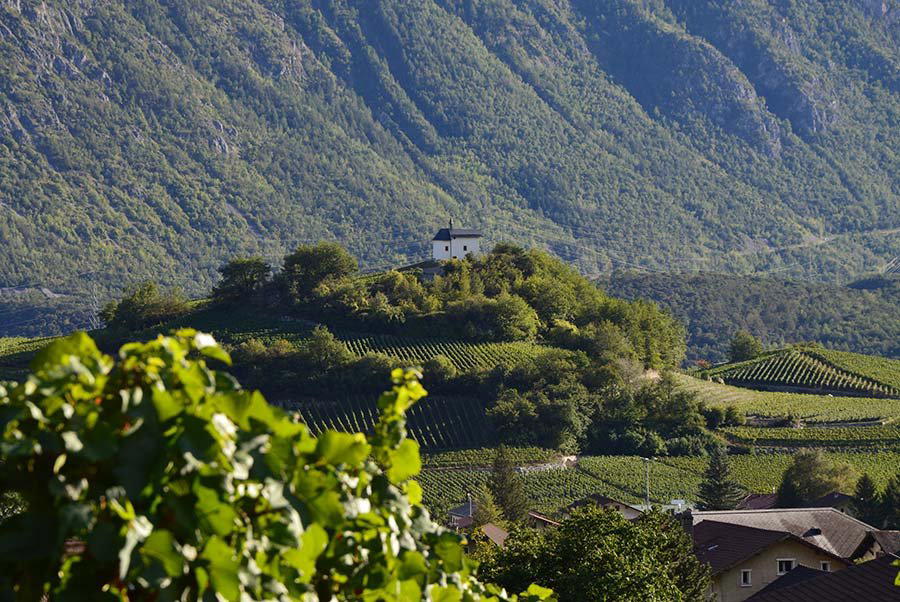
This sourcing logic extends to the wine program. The set menu pairing draws exclusively from Swiss organic wines. Switzerland produces a small volume of wine relative to its European neighbours, and Swiss organic wine is a smaller category still, with producers operating at limited scale in cantons including Valais, Vaud, and German-speaking Switzerland. Choosing that category as the pairing anchor rather than a broader European selection reflects the same regional logic as the food sourcing. It also means the pairing works as an introduction to a wine tradition that international visitors are unlikely to encounter elsewhere, given that the vast majority of Swiss wine never leaves the country.
The Format: Two Menus, One Fully Vegetarian
Fine dining's relationship with vegetarian cuisine has shifted considerably over the past decade. What was once a dietary accommodation offered alongside a meat-led main menu has, at a small number of kitchens, become a structural equal. At 1910 Gourmet, the vegetarian menu is not a parallel track for guests with restrictions; it is one of two set menus that define the restaurant's offer. That positioning places significant creative pressure on the vegetable-led menu, requiring it to carry the same technical and aesthetic weight as the menu that includes fish and meat.
Chef Dávid Imre Rózsa runs both menus. His style is described by Michelin as technically modern and pared back, with an emphasis on conveying emotion through flavour rather than complexity for its own sake. The restraint orientation fits the sourcing logic: when ingredients are local and seasonal, the tendency to build elaborate scaffolding around them often obscures rather than supports. A kitchen that harvests some of its own produce is making a bet that the ingredient, well handled, is the point.
The wine list offers ordering by the glass alongside the set pairing, which gives guests the option to follow the organic Swiss pairing or to build their own selection from the broader list. The service is run by a front-of-house team, with the kitchen providing direct support.
1910 Gourmet in Swiss Fine Dining Context
Switzerland's Michelin-starred restaurant map is dense relative to the country's size, concentrated in cities and select destination resort communities. At the higher end, addresses like Hotel de Ville Crissier in Crissier, Schloss Schauenstein in Fürstenau, and Cheval Blanc by Peter Knogl in Basel represent the three-star tier, while single-star kitchens like Memories in Bad Ragaz, 7132 Silver in Vals, Colonnade in Lucerne, and Da Vittorio - St. Moritz in St. Moritz occupy a different comparable set. 1910 Gourmet sits closer to that last group in its format, particularly the alpine resort examples, where Michelin recognition arrives alongside constraints of geography and seasonality that urban kitchens do not face in the same way.
The comparison with St. Moritz is instructive. Grindelwald is a larger, more accessible village than St. Moritz but operates within a similar tension between mass tourism infrastructure and a narrow tier of fine dining that exists, in part, for a different kind of visitor. Contemporary fine dining formats drawing international critical recognition, including, at a different scale, César in New York City and Jungsik in Seoul, share with 1910 Gourmet an interest in restraint and produce-led cooking that prioritises what the ingredient communicates over what technique can impose on it. The shared tendency is less a school than a broad critical direction that Michelin has tracked across markets.
Planning a Visit
1910 Gourmet operates Wednesday through Saturday from 6:30 PM to 11 PM. The restaurant is closed Monday, Tuesday, and Sunday. The six-table capacity means that booking well ahead of arrival is advisable, particularly in peak ski season and during summer hiking months when the village operates at full capacity. The address is Dorfstrasse 53, within Hotel Belvedere. The price range sits at the €€€€ tier, consistent with the set menu fine dining format and its Michelin standing.7 across 80 ratings.
What People Recommend at 1910 Gourmet by Hausers
Michelin's 2024 assessment points to the dry-aged pike perch with Oscietra caviar from Frutigen as a dish that captures the kitchen's priorities: local sourcing, technical control, and a pared-back style that conveys flavour without unnecessary layering. The vegetarian set menu is frequently noted as a serious equal to the fish and meat menu rather than a secondary option, reflecting the kitchen's genuine structural commitment to plant-led cooking. The Swiss organic wine pairing draws specific mention as an introduction to a category that guests are unlikely to encounter in depth elsewhere. Chef Dávid Imre Rózsa's Michelin star positions this kitchen above the broader contemporary dining offer in Grindelwald, and within a credible peer group among Switzerland's alpine resort fine dining addresses.
Comparable Spots, Quickly
Comparable venues nearby, for context on price, style, and recognition.
| Venue | Cuisine | Price | Awards | Notes |
|---|---|---|---|---|
| 1910 Gourmet by HausersThis venue — the venue you are viewing | Modern Swiss Fine Dining | $$$$ | Michelin 1 Star | Not listed |
| GLACIER | Modern Swiss Fine Dining with French Finesse | $$$ | Michelin Plate | Grindelwald |
| Fiescherblick | Modern Swiss Fine Dining | $$$$ | Michelin Plate | Grindelwald |
| Schmitte | Modern Swiss Fine Dining | $$$ | Michelin Plate | Grindelwald |
| Bergwelt - BG's Grill Restaurant | Contemporary Alpine Grill | $$$ | Michelin Plate | Grindelwald |
| Bergrestaurant First | Traditional Swiss Alpine Cuisine | $$ | Not listed | Grindelwald |
Recognition history
Dated appearances from independent guides and award organizations, with the underlying list record or original source where available.
Michelin 1 Star
Michelin
Michelin 1 Star
Michelin
Continue exploring
More in Grindelwald
Restaurants in Grindelwald
Browse all →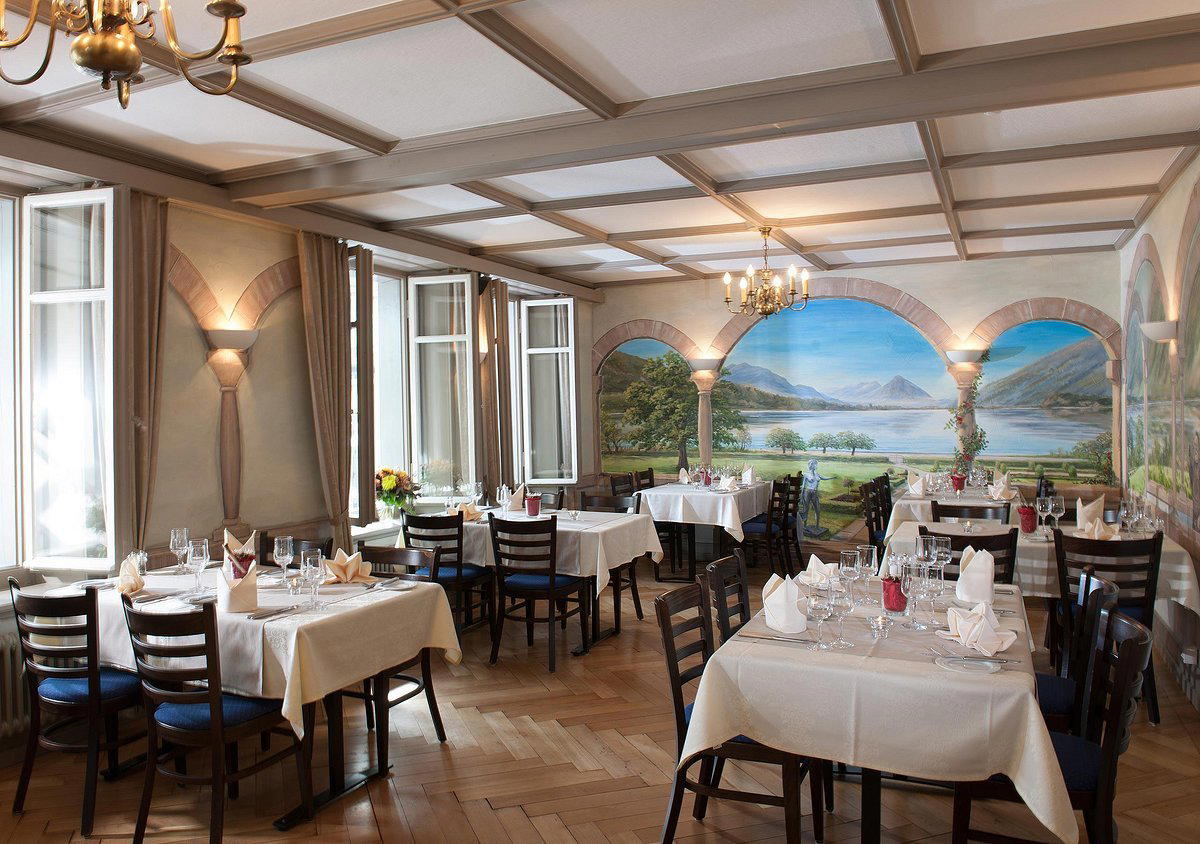
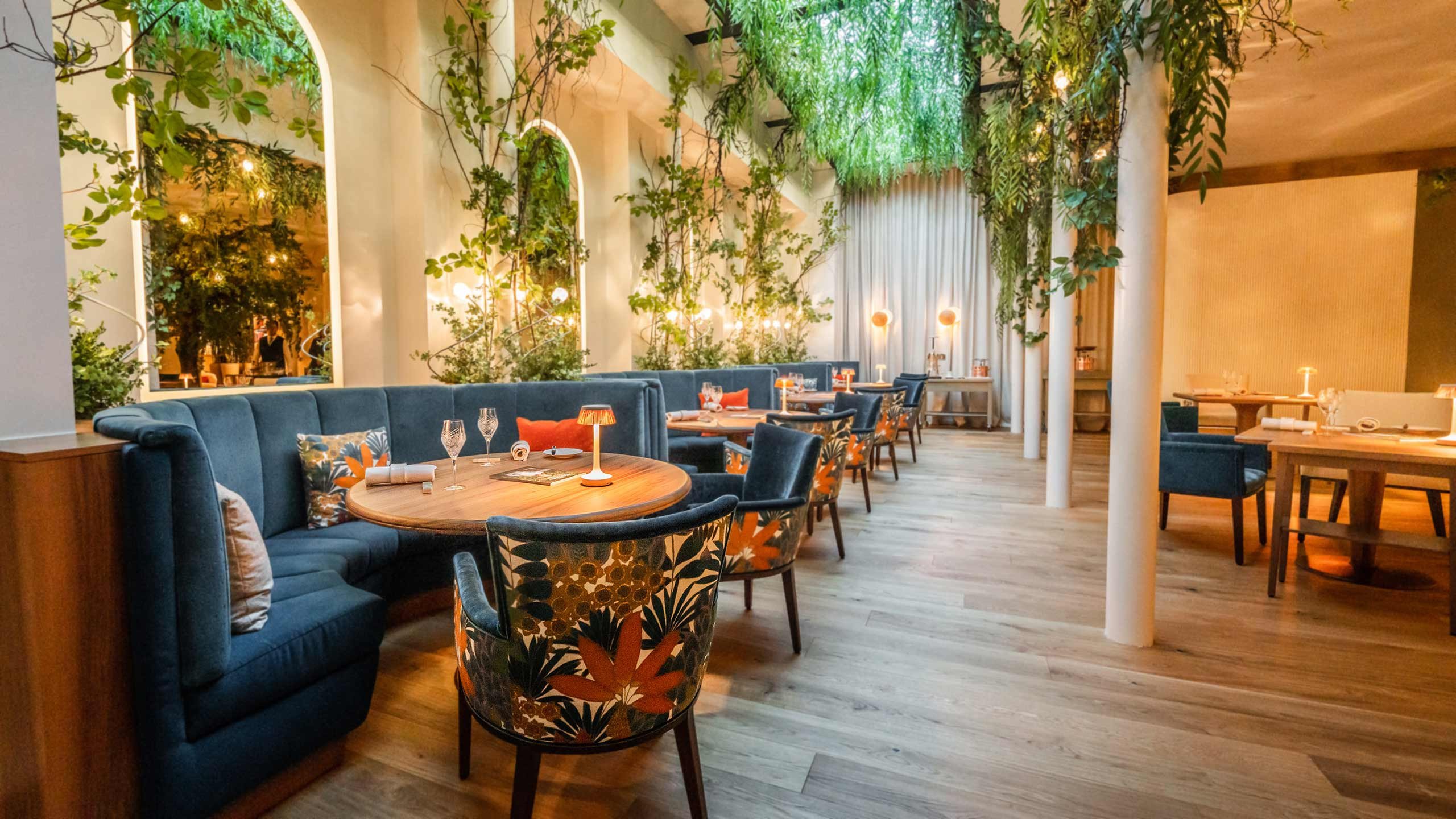
Bars in Grindelwald
Browse all →


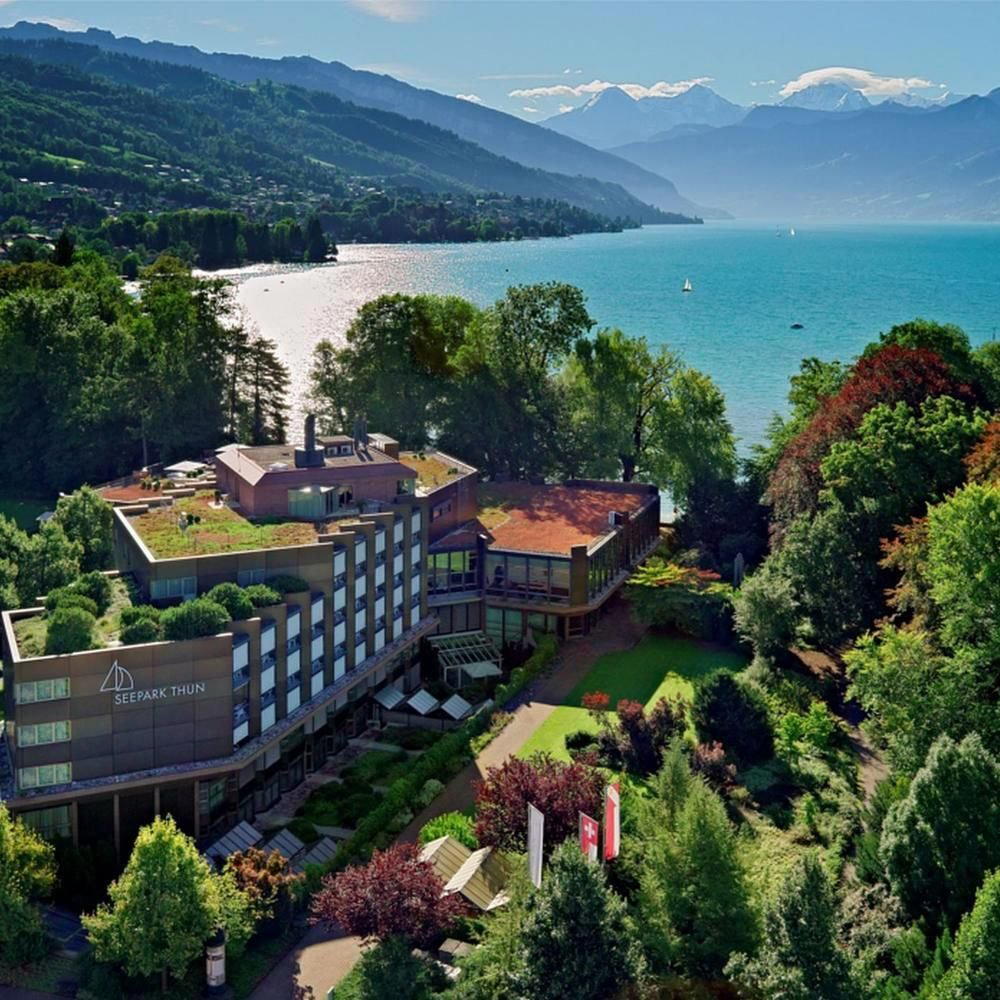
Hotels in Grindelwald
Browse all →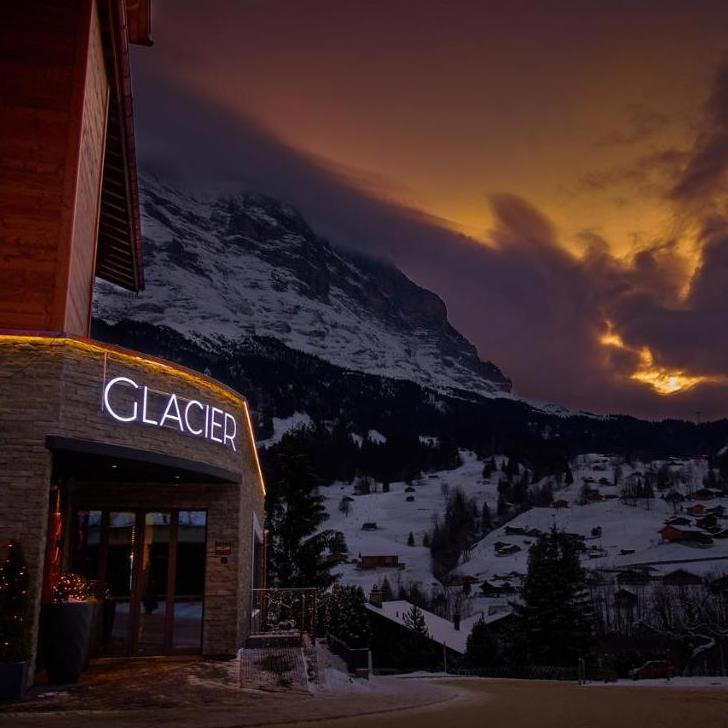


At a Glance
- Intimate
- Elegant
- Cozy
- Sophisticated
- Date Night
- Special Occasion
- Celebration
- Hotel Restaurant
- Historic Building
- Extensive Wine List
- Local Sourcing
- Mountain
Current opening hours
- Monday
- Closed
- Tuesday
- Closed
- Wednesday
- 6:30–11 PM
- Thursday
- 6:30–11 PM
- Friday
- 6:30–11 PM
- Saturday
- 6:30–11 PM
- Sunday
- Closed
Hours can change for holidays and private events. Last verified .
Intimate and cozy atmosphere in a small historic parlor with subdued lighting, praised for its warm, unrushed service and sensory culinary experience.