Brasserie 17
Brasserie 17 occupies a address on Rosenstrasse in central Interlaken, positioning itself within a town better known for adventure tourism than serious dining. In a restaurant scene shaped largely by hotel kitchens and international visitors, the brasserie format offers a more grounded, European register.
Pearl is the En Primeur Club membership app — saves, bookings, and concierge access live there. Same editors, same standards.
- Address
- Rosenstrasse 17, 3800 Interlaken, Switzerland
- Phone
- +41338223225
- Website
- brasserie17.ch
- Directions
- Get directions
 Saves & bookings on Pearl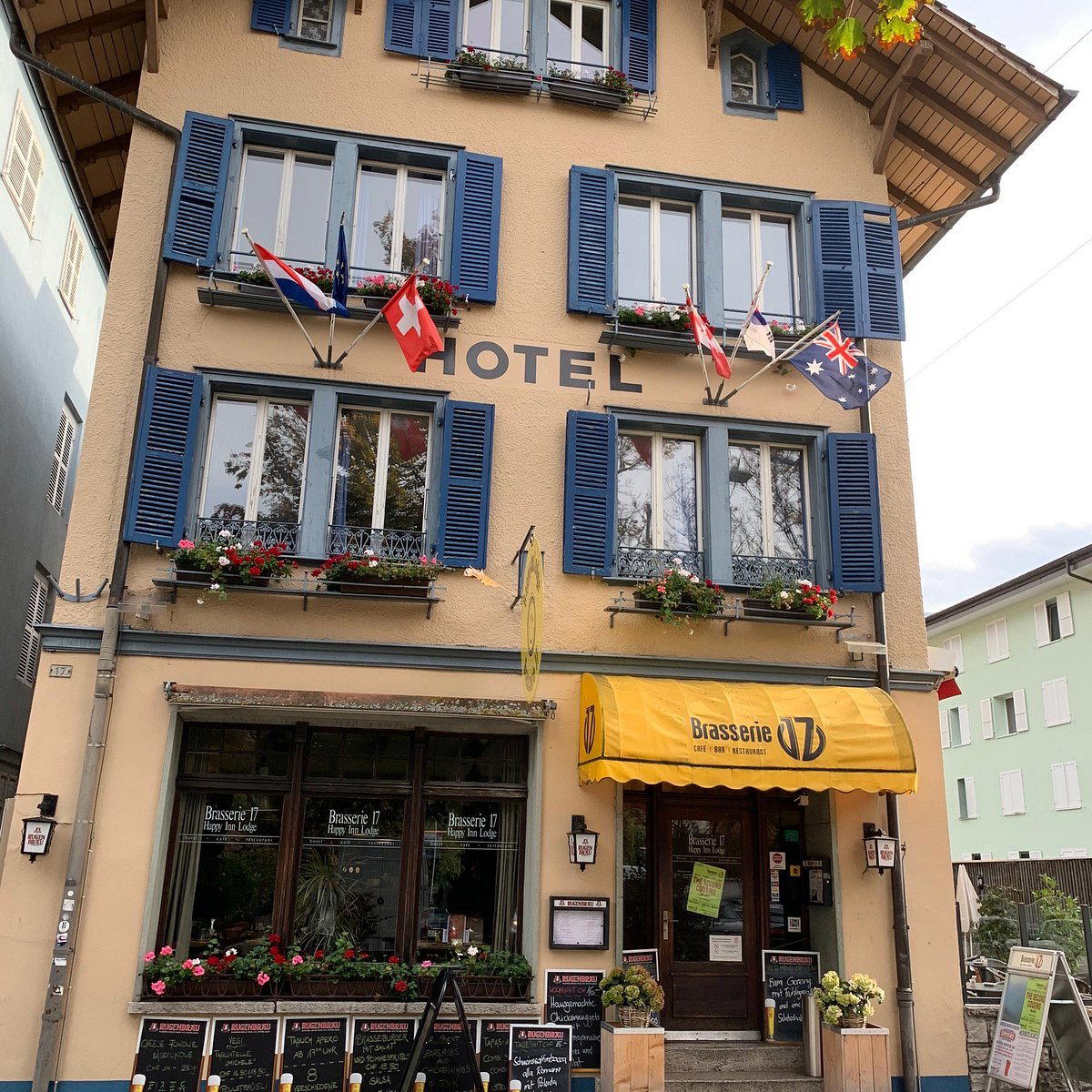
Dining in Interlaken: Between the Mountains and the Menu
Interlaken sits at an unusual intersection in Swiss hospitality. The town draws visitors almost entirely for what surrounds it — the Jungfrau region, the lakes, the cable cars — and its restaurant scene has historically followed that logic, organised around hotel dining rooms and menus designed for rapid turnover. Against that backdrop, the brasserie format carries a specific cultural weight. In French and Swiss-French culinary tradition, the brasserie occupies a middle register: more disciplined than a casual bistro, less ceremonial than a gastronomic restaurant, and anchored to a set of conventions, sustained kitchen hours, broad menus, a commitment to the table as a place to stay rather than pass through, that make it a genuinely different proposition in a tourist town built for transit.
Brasserie 17, at Rosenstrasse 17 in central Interlaken, takes its address as its name, a convention that signals a certain confidence in location over branding. The Rosenstrasse address places it within walking distance of the town's commercial core, which means foot traffic from visitors staying across the hotel spectrum, as well as proximity to the train connections that define how most people arrive in and depart from Interlaken. For the wider dining context in the area, the EP Club Interlaken restaurants guide maps the full range of options across price tiers and cuisines.
The Brasserie Tradition and What It Demands
The brasserie as a format originated in Alsace and spread through French-speaking Europe as a model for sustained, democratic dining, not cheap, but not exclusive either. Its conventions are specific: a menu that covers ground from midday through evening, dishes anchored in technique rather than experimentation, and a room designed for conversation at a reasonable volume. Swiss brasseries in German-speaking cantons have adapted this template with varying degrees of fidelity, sometimes retaining the format's breadth while incorporating local ingredients and preparations, sometimes adopting only the aesthetic without the culinary discipline.
In the Bernese Oberland, the tradition sits at a crossover point between French-Swiss and German-Swiss culinary registers. Rösti, air-dried meats from the mountain valleys, and dairy-forward preparations from the surrounding farming region coexist with the classic brasserie repertoire of steak frites, tartare, and slow-braised preparations. How any individual venue in this geography manages that tension, whether it commits to one tradition or moves fluidly between them, largely determines its identity in the local market. For comparison, La Terrasse Brasserie in Interlaken operates in the contemporary register at a €€ price point, offering one data point for how the format has been adapted locally at accessible pricing.
The dining options across Interlaken span a wider range than the town's tourism-heavy reputation suggests. Radius by Stefan Beer occupies the serious end of the local spectrum, with a regional cuisine focus at the €€€€ price tier that places it in a different competitive set entirely, closer in ambition to the destination restaurants that draw visitors to Swiss alpine towns for the food itself. At the other end, venues like Asllanis Corner and El Azteca serve the more casual, international-facing segment of the market. Hüsi Bierhaus covers the informal end of the Swiss-German register.
Within this spread, a brasserie format at Rosenstrasse 17 sits in the middle tier by format if not necessarily by price, a position that can be commercially advantageous in a town where the majority of visitors are not looking to book six weeks ahead for a tasting menu, but do want a proper meal with some culinary seriousness behind it. The format's flexibility is its commercial logic: cover the table twice in an evening, serve a full range from starters through dessert, and maintain consistency without the production demands of haute cuisine service.
Switzerland's Broader Fine Dining Frame
To understand where any Swiss restaurant sits in the wider national hierarchy, it helps to know the upper tier against which all others are measured. Switzerland punches well above its population size in Michelin-starred restaurants, with properties like Hotel de Ville Crissier, Schloss Schauenstein in Fürstenau, and Memories in Bad Ragaz setting a standard of formal ambition that few towns outside Zurich, Geneva, or the major resort destinations can sustain. Cheval Blanc by Peter Knogl in Basel, Maison Wenger in Le Noirmont, and Einstein Gourmet in Sankt Gallen extend that picture across the country's linguistic regions. Alpine resort dining is represented by properties like Da Vittorio in St. Moritz, while more rural ambition surfaces at venues like Mammertsberg in Freidorf and La Table du Valrose in Rougemont. For technically ambitious cooking in a lakeside setting, focus ATELIER in Vitznau represents the country's experimental register.
Interlaken, by contrast, is not a destination that draws visitors for its restaurants. That framing matters: it means any serious dining here serves a captive audience of people who arrived for something else and are looking for a meal that does not disappoint. That is a different brief from the destination restaurant, and the brasserie format is, structurally, well matched to it. For international reference points on what serious brasserie-adjacent cooking looks like at the upper end of the market, Le Bernardin in New York City and the communal-format ambition of Lazy Bear in San Francisco illustrate how different the best of that market can look.
Planning a Visit
Brasserie 17 is located at Rosenstrasse 17, 3800 Interlaken, Switzerland. Current hours, reservation options, menu details, and pricing are best confirmed directly with the venue, as this information was not available at time of publication. Interlaken is well served by Swiss Federal Railways, with Interlaken Ost and Interlaken West stations both within walking distance of the town centre. Visitors arriving by train from Zurich or Bern will find the journey direct, with frequent connections. For a fuller picture of where Brasserie 17 sits among the town's dining options across formats and price points, the EP Club Interlaken guide provides comparative context.
Price Lens
| Venue | Cuisine | Price | Awards |
|---|---|---|---|
| Brasserie 17This venue — the venue you are viewing | Not listed | This venue | Not listed |
| Radius by Stefan Beer | Regional Cuisine | €€€€ | Michelin 1 Star |
| La Terrasse Brasserie | Not listed | €€ | Contemporary, €€ |
| Sapori | Not listed | €€ | Italian, €€ |
Continue exploring
More in Interlaken
Restaurants in Interlaken
Browse all →
Bars in Interlaken
Browse all →

Hotels in Interlaken
Browse all →



At a Glance
- Lively
- Cozy
- Energetic
- Group Dining
- Casual Hangout
- After Work
- Terrace
- Hotel Restaurant
- Craft Cocktails
- Beer Program
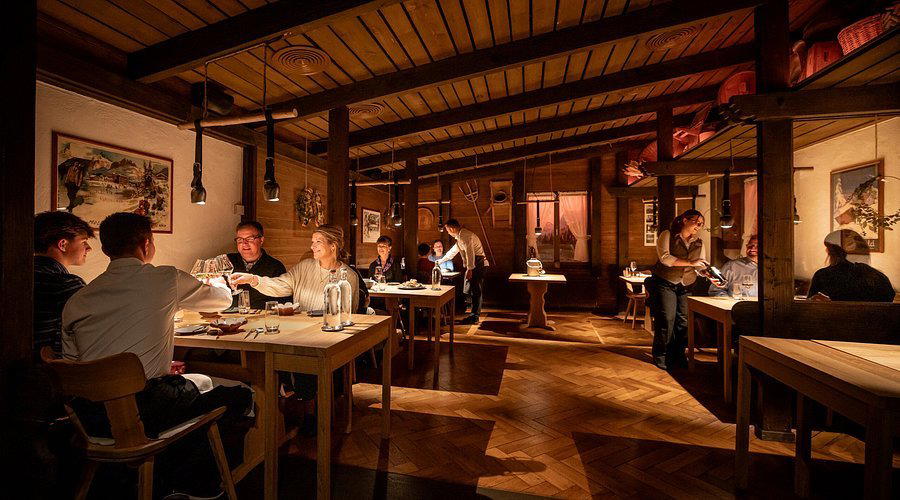
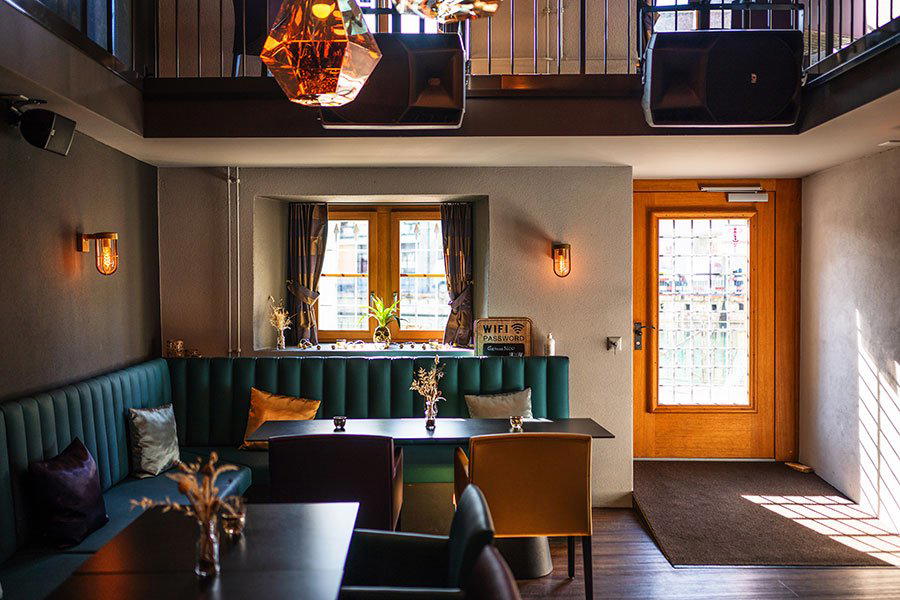
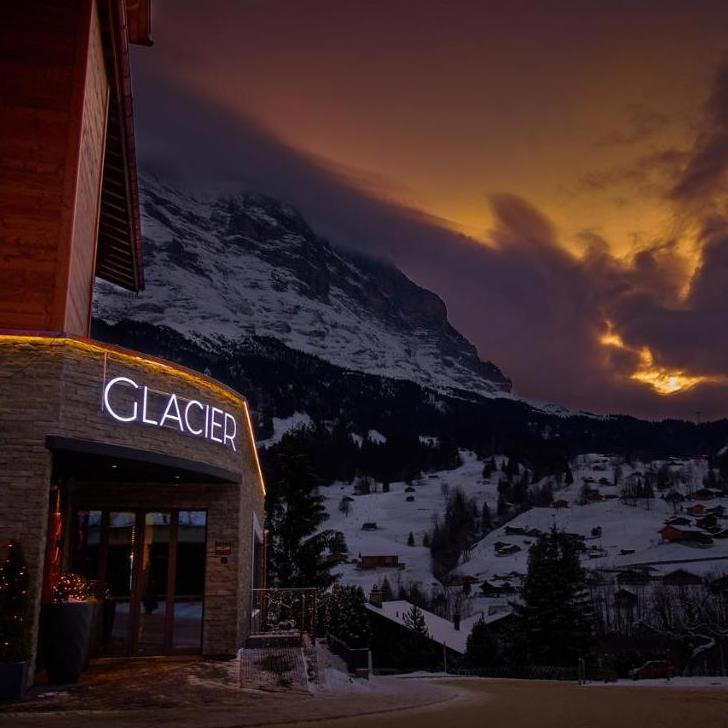
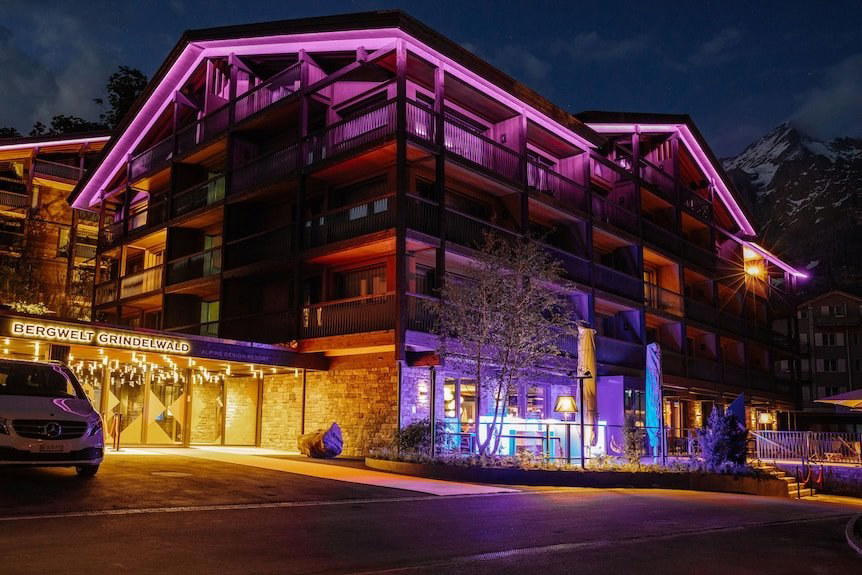
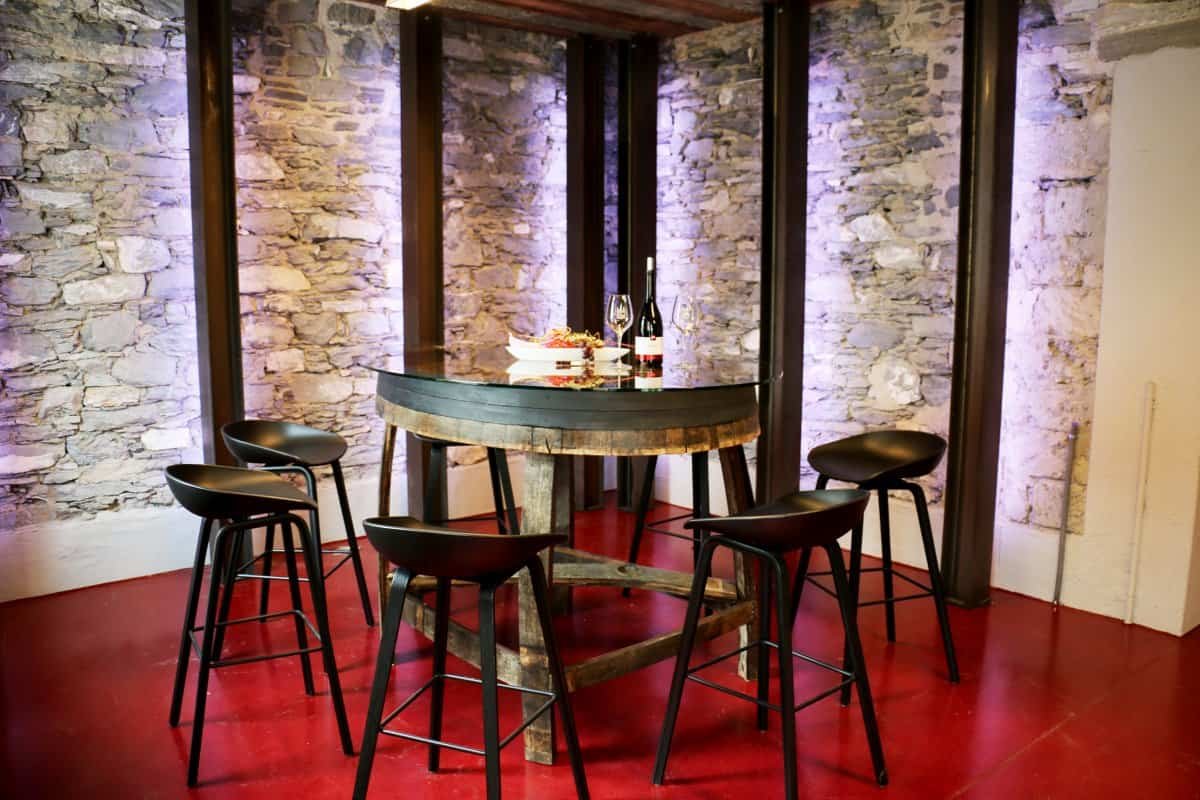
Cozy wooden interior with a welcoming, social atmosphere, lively terrace in summer, and live music or sports evenings in winter.