Vivis Wok
A wok-forward Asian kitchen on Centralstrasse 8 in Interlaken, Vivis Wok occupies a practical niche in a town where dining options skew toward Swiss staples and tourist-facing brasseries. It serves as a counterpoint to the alpine-heavy restaurant scene, offering a more casual, heat-driven approach to Asian cooking in the Bernese Oberland.
Pearl is the En Primeur Club membership app — saves, bookings, and concierge access live there. Same editors, same standards.
- Address
- Centralstrasse 8, 3800 Interlaken, Switzerland
- Phone
- +41338212158
- Website
- vivis-wok-interlaken.ch
- Directions
- Get directions
 Saves & bookings on Pearl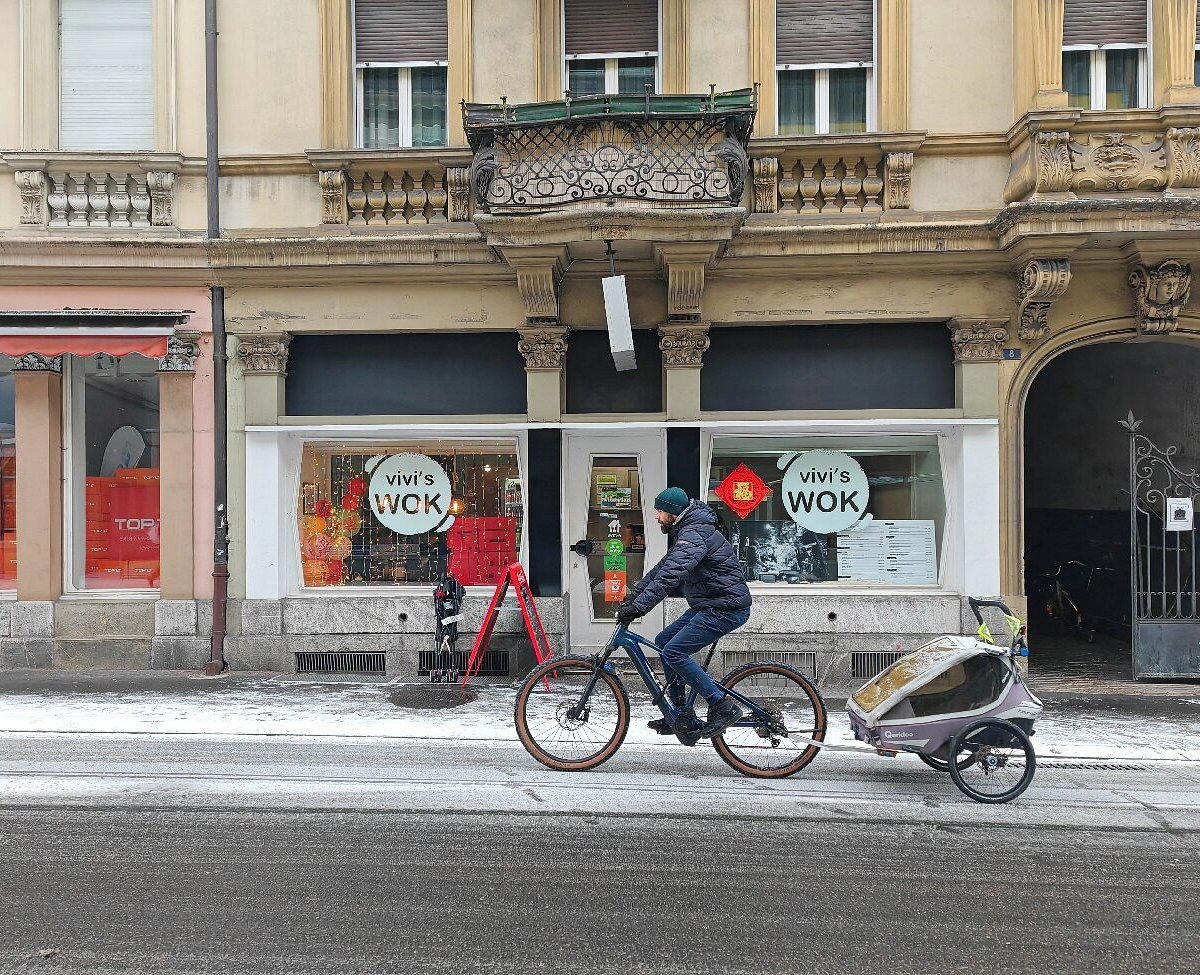
Asian Cooking in the Alpine Mainstream
Interlaken's restaurant scene is shaped primarily by its role as a gateway to Jungfrau country. The town draws visitors from across Europe, Japan, and Southeast Asia, yet its dining options have historically leaned toward Swiss comfort food, fondue, and international brasserie formats designed for fast turnover rather than culinary specificity. That context matters when placing a wok-focused Asian kitchen on Centralstrasse: it is not competing with the high-altitude European dining found at something like Radius by Stefan Beer, nor is it trying to. It fills a different gap in the local offer.
Wok cooking as a culinary tradition carries specific cultural logic that gets flattened when exported. The high-heat technique, the speed of execution, the layering of aromatics in a seasoned steel pan: these are methods developed in Chinese and Southeast Asian kitchens over centuries, where the wok was not merely a cooking vessel but a tool that determined how flavour built across a dish. When that method travels well, it does so because the kitchen preserves the technique rather than adapting it into a slower, more Western-friendly format. That is the bar against which any wok-forward restaurant in central Europe should be measured.
Where Vivis Wok Sits in Interlaken's Dining Mix
Interlaken's dining offer splits roughly into three registers. At the formal end, Radius by Stefan Beer anchors regional fine dining at the leading price tier. In the mid-range, options like Brasserie 17 and Asllanis Corner cover European and Mediterranean ground. Then there is the casual tier, where Hüsi Bierhaus handles beer-hall dining and El Azteca covers Latin American. Vivis Wok, at Centralstrasse 8, belongs to this third register: accessible, specific in its cooking style, and positioned for the kind of visitor who wants something other than rösti or pasta after a day on the trails.
That positioning is not a criticism. In a town of this size and visitor profile, the casual tier serves a genuine function. Interlaken's international visitor base, particularly the significant numbers arriving from across Asia, often seeks food that connects with familiar flavour profiles rather than local Swiss cuisine. A wok kitchen in this context is responding to a real demand pattern, not a niche one.
The Broader Swiss Dining Frame
Switzerland's fine dining infrastructure is concentrated away from alpine tourist towns. The country's Michelin-recognised tables cluster in cities and smaller gourmet destinations: Hotel de Ville Crissier in Crissier, Schloss Schauenstein in Fürstenau, Cheval Blanc by Peter Knogl in Basel, Memories in Bad Ragaz, and resort-adjacent destinations like 7132 Silver in Vals or Da Vittorio in St. Moritz. Lakeside and mountain-town dining in cantons like Lucerne, represented by Colonnade in Lucerne, and urban anchor restaurants such as IGNIV Zürich by Andreas Caminada or Einstein Gourmet in Sankt Gallen define the upper tier of Swiss restaurant culture. focus ATELIER in Vitznau rounds out the lakeside fine-dining picture.
Interlaken does not sit in that fine-dining constellation. It is a transit and adventure-tourism town, and its restaurants generally reflect that function. Within that frame, a wok kitchen like Vivis Wok occupies a coherent position: casual enough for post-activity dining, specific enough in its format to offer something distinct from the default hotel buffet or fondue house.
Cultural Roots of Wok Cooking
The displacement of Asian cooking techniques into European tourist towns is a documented pattern across Switzerland and neighbouring countries. What distinguishes the better executions is whether the kitchen treats wok cooking as a method or merely an aesthetic. The wok's value lies in what food scientists call the Maillard reaction operating at extreme speed: proteins and vegetables hit a surface hot enough to sear rather than steam, producing flavour compounds that slower Western cooking methods cannot replicate. Chinese cooks refer to the product of this heat as wok hei, literally the breath of the wok. It is the difference between a dish that tastes alive and one that tastes merely assembled.
For a kitchen in central Switzerland to deliver that quality consistently, it needs both the right equipment and the technique to use it. Restaurant wok burners in Asia operate at significantly higher BTUs than most European commercial kitchen equivalents, which is why wok-cooked dishes in Asian cities often carry a smokiness and char that European versions struggle to replicate. That technical gap is worth knowing before ordering, because it sets the context for what any European wok kitchen is working within.
Planning a Visit
Vivis Wok is located at Centralstrasse 8 in Interlaken, within walking distance of both Interlaken West and Interlaken Ost train stations, which makes it accessible without a car or taxi. For visitors arriving from Zurich, the train journey runs approximately two hours; from Bern, closer to fifty minutes. The restaurant's casual format and central location mean it suits the end of a hiking or excursion day without requiring advance wardrobe planning.
Booking lead times and current hours are not publicly confirmed in EP Club's database, so contact directly before planning around a specific meal time. Given Interlaken's high summer and winter peak seasons, particularly July through August and December through February when visitor numbers are at their peak, verifying availability ahead of arrival is advisable. For context on the full Interlaken dining scene before planning your itinerary, the EP Club Interlaken restaurants guide covers the complete local offer across price tiers and cuisine types.
Travellers with broader dining itineraries who want to benchmark against what Asian cooking looks like at the upper end of international fine dining might reference Le Bernardin in New York City or Atomix in New York City for how Asian culinary heritage translates at the highest technical level, though both represent entirely different price points and formats.
How Vivis Wok Interlaken compares with similar nearby venues.
| Venue | Cuisine | Price |
|---|---|---|
| La Terrasse Brasserie | Contemporary | €€ |
| Radius by Stefan Beer | Regional Cuisine | €€€€ |
Continue exploring
More in Interlaken
Restaurants in Interlaken
Browse all →
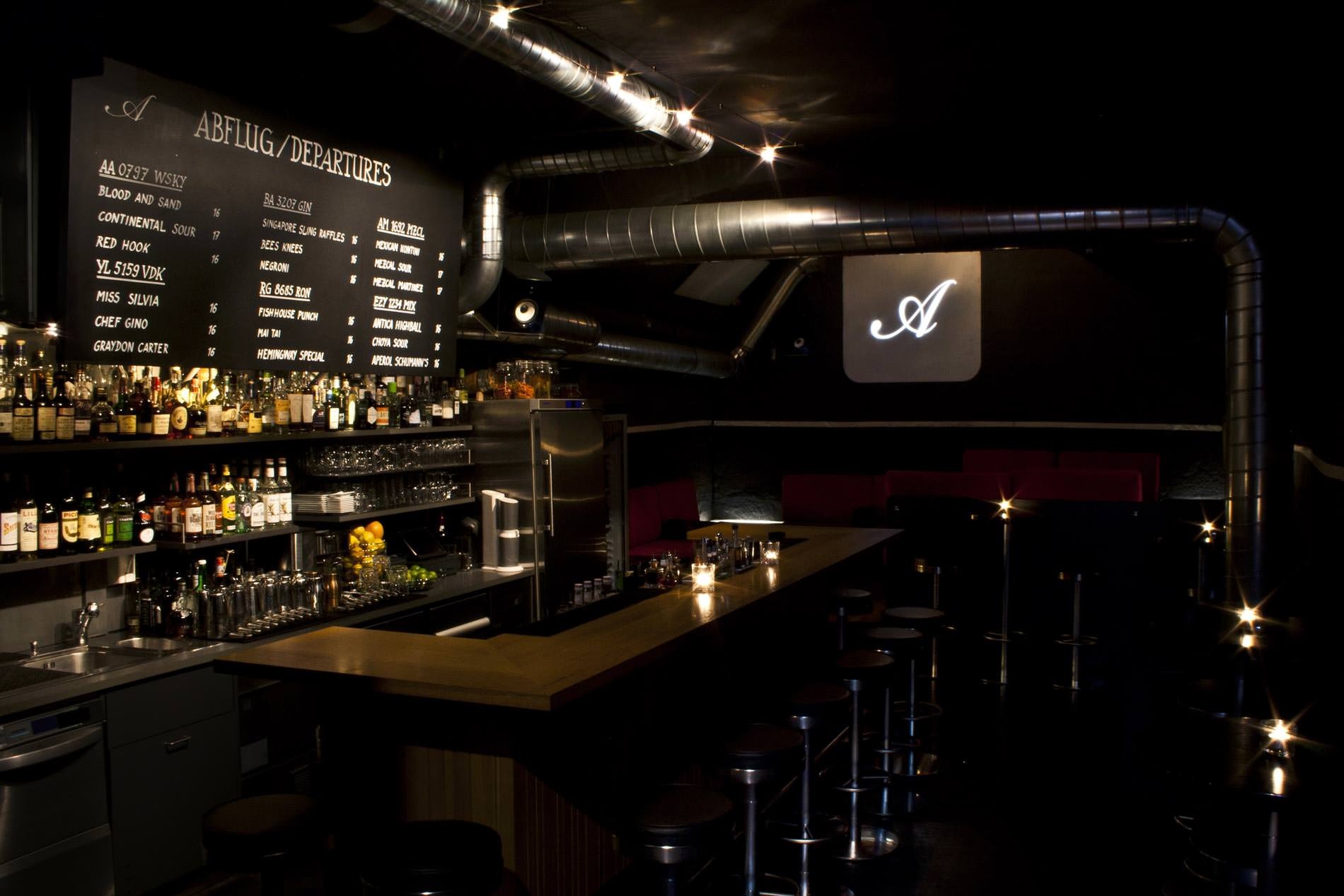
Bars in Interlaken
Browse all →

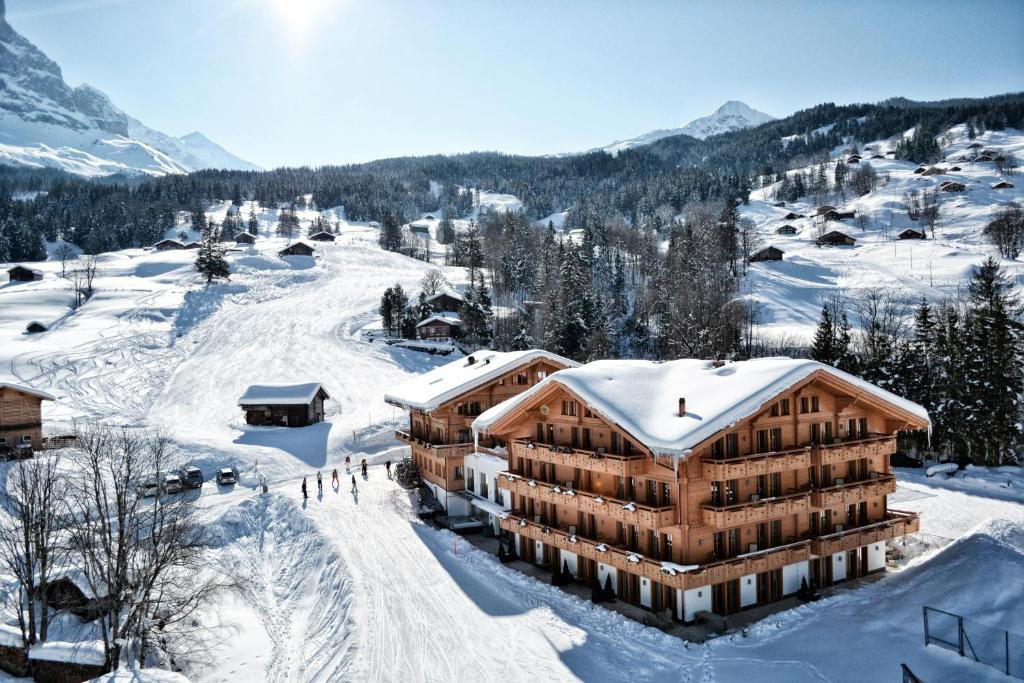
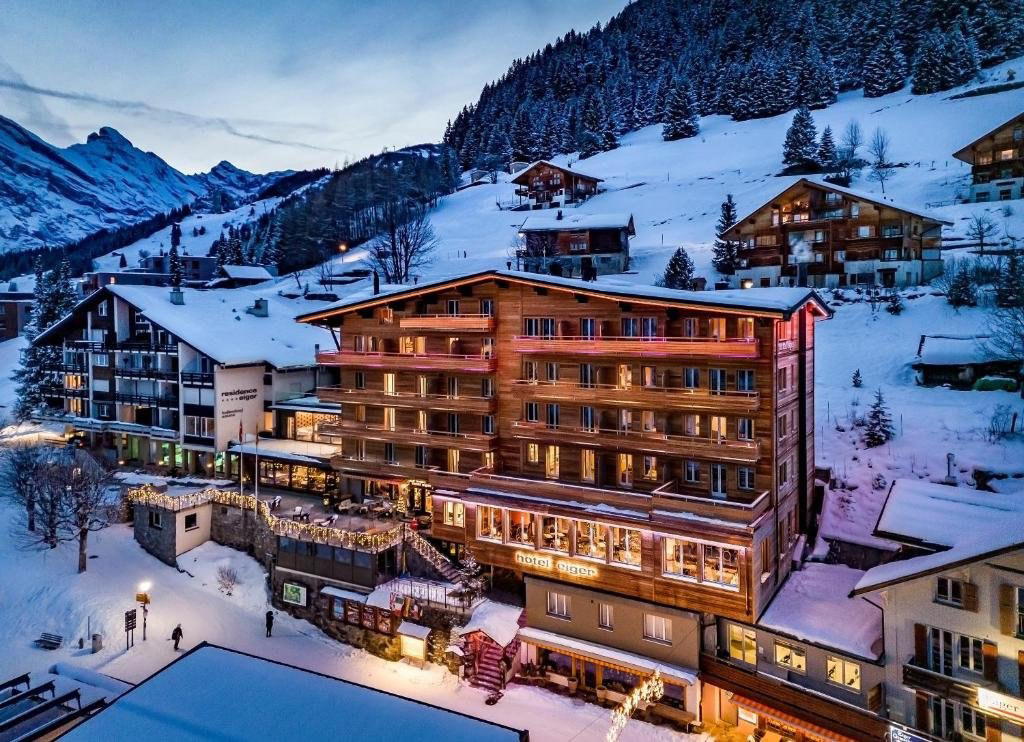
Hotels in Interlaken
Browse all →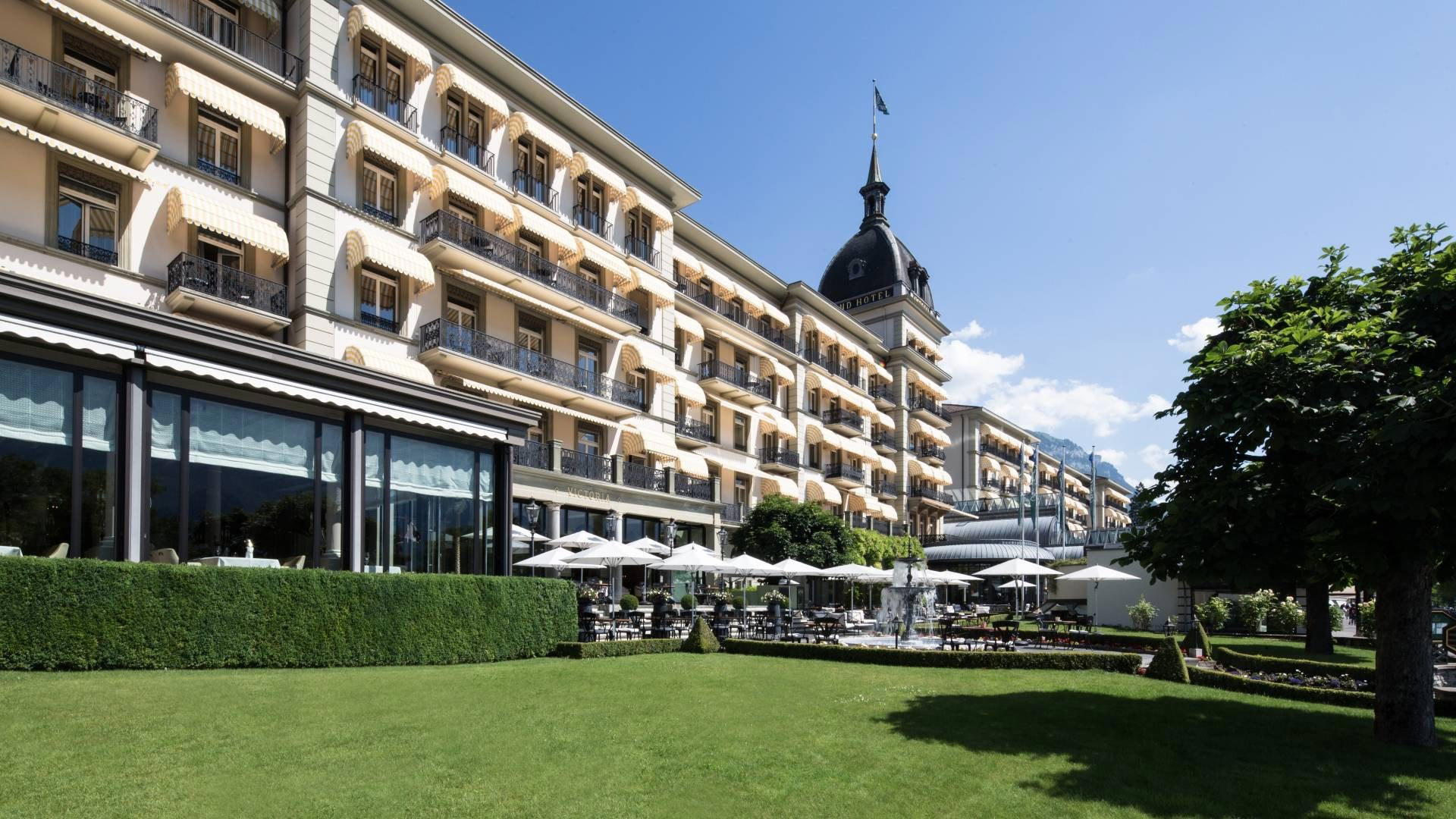



At a Glance
- Cozy
- Casual Hangout
Current opening hours
- Monday
- 11 AM–3 PM, 5–10 PM
- Tuesday
- 11 AM–3 PM, 5–10 PM
- Wednesday
- 11 AM–3 PM, 5–10 PM
- Thursday
- 11 AM–3 PM, 5–10 PM
- Friday
- 11 AM–3 PM, 5–10 PM
- Saturday
- 11 AM–3 PM, 5–10 PM
- Sunday
- 11 AM–3 PM, 5–10 PM
Hours can change for holidays and private events. Last verified .
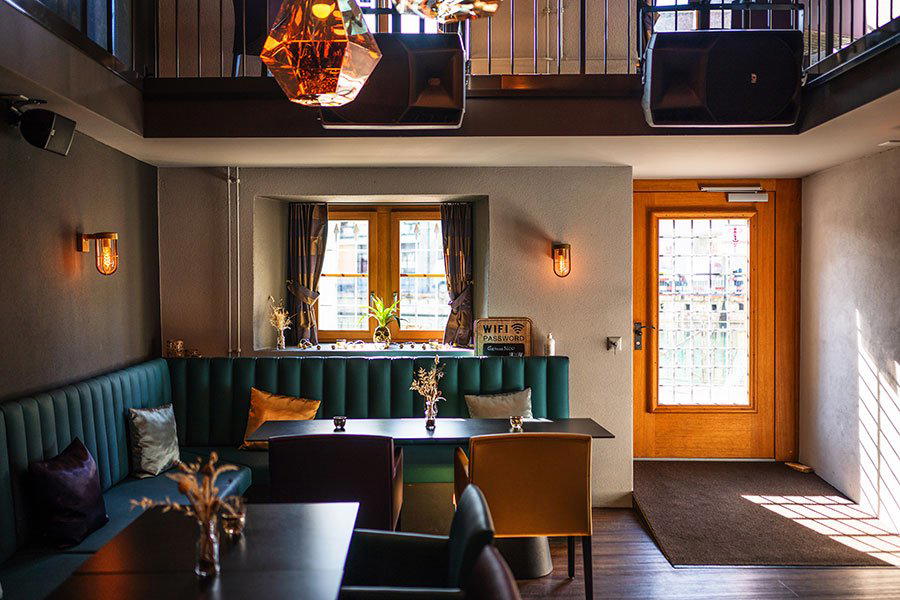
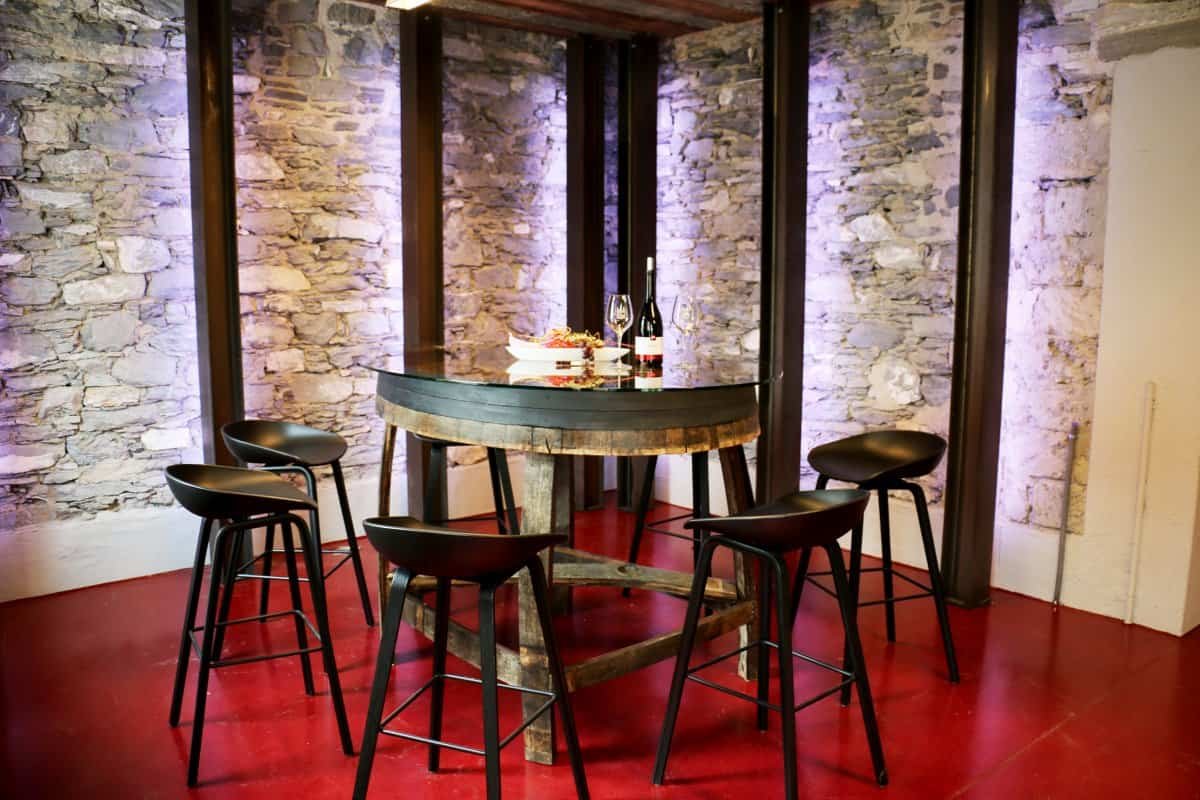
Simple sparse decor creating a cozy atmosphere.