Our verdict
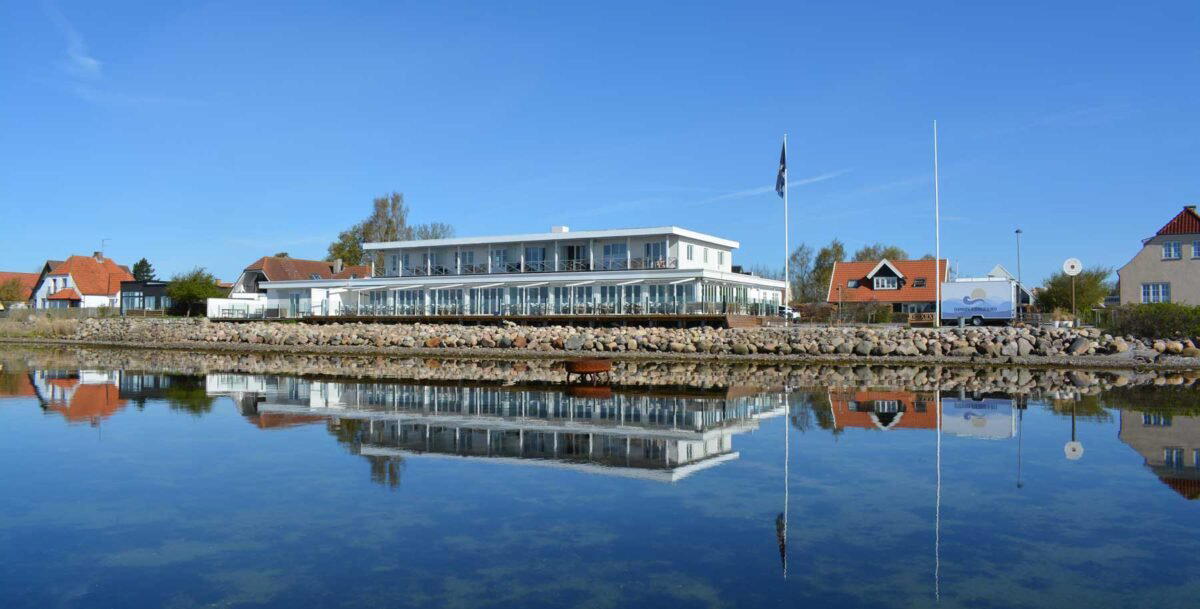
Hørby Færgekro sits at the edge of the Isefjord in the small community of Hørby, outside Holbæk, where the ferry-inn tradition of Zealand's waterways shapes the kitchen's relationship with its immediate surroundings. The address alone — Strandvejen 1 — signals proximity to the water, and with it, an expectation that ingredients arrive with minimal distance from source to plate. A practical stop and a genuine expression of regional Danish inn cooking.

Pearl is the En Primeur Club membership app — saves, bookings, and concierge access live there. Same editors, same standards.
- Address
- Strandvejen 1, Hørby, 4300 Holbæk, Denmark
- Phone
- +4559460131
- Website
- hfkro.dk
- Directions
- Get directions
- Booking
- Book on the venue's website
Where the Fjord Shapes the Plate
Along the western shore of the Isefjord, the old Danish færgekro format — the ferry inn, historically a waystation for travellers crossing by boat — survives in a handful of places. Hørby Færgekro, at Strandvejen 1 in the village of Hørby near Holbæk, is one of them. Approaching from the road, the water announces itself before the building does: the flat, grey-green surface of the fjord, the low sky of central Zealand, and the particular quiet of a landscape whose economy was once entirely organised around tidal movement and seasonal catch. That physical context is not incidental to what a kitchen here can and should be doing, it is the foundational argument for the place's existence.
The færgekro tradition is worth understanding before you sit down. These inns were not conceived as destination restaurants. They were provisioning stops, places where the crossing-dependent traveller could eat what was immediately available: fish pulled from the fjord, bread baked that morning, preserved goods from the surrounding farms. What distinguishes the format from an ordinary roadside inn is the directness of that supply chain. Geography enforced a kind of ingredient discipline that contemporary sourcing-conscious kitchens in Copenhagen spend considerable effort trying to reconstruct. At a working waterside inn on the Isefjord, that logic is still embedded in the address.
The Sourcing Argument at a Waterside Inn
The Isefjord is one of Denmark's most productive coastal inlets. Flatfish, eel, and smaller pelagic species move through it seasonally, and the surrounding farmland of Odsherred and the Holbæk municipality supports both arable agriculture and livestock at close range. For a kitchen at this address, the case for hyper-local sourcing is less a philosophical stance than a practical one: the infrastructure for it exists within a short radius in every direction.
This matters because it places Hørby Færgekro in a distinct category relative to the broader Danish dining conversation. The kitchens that have driven Denmark's international profile, places like Geranium in Copenhagen or Jordnær in Gentofte, operate at a level of technical ambition and resource investment that is structurally different from a regional inn. But the sourcing logic that animates those kitchens traces its roots to exactly this kind of place: the waterside inn that had no choice but to cook what the fjord and the farm provided that week. The question for any færgekro operating today is how honestly it maintains that relationship versus how far it drifts toward a generic pub-dining format.
Further afield, the Danish provinces have produced their own serious examples of this kind of grounded, ingredient-driven cooking. Henne Kirkeby Kro in Henne is the most cited reference point for the rural inn format operating at a high level, with a kitchen garden and sourcing geography that defines its menus. Dragsholm Slot Gourmet in Hørve is geographically close to Hørby, Hørve sits on the same Odsherred peninsula, and operates a kitchen that sources directly from the estate's land. These are the regional reference points against which a serious inn kitchen in this part of Zealand gets measured, even if the scale and ambition differ considerably.
Holbæk's Dining Context
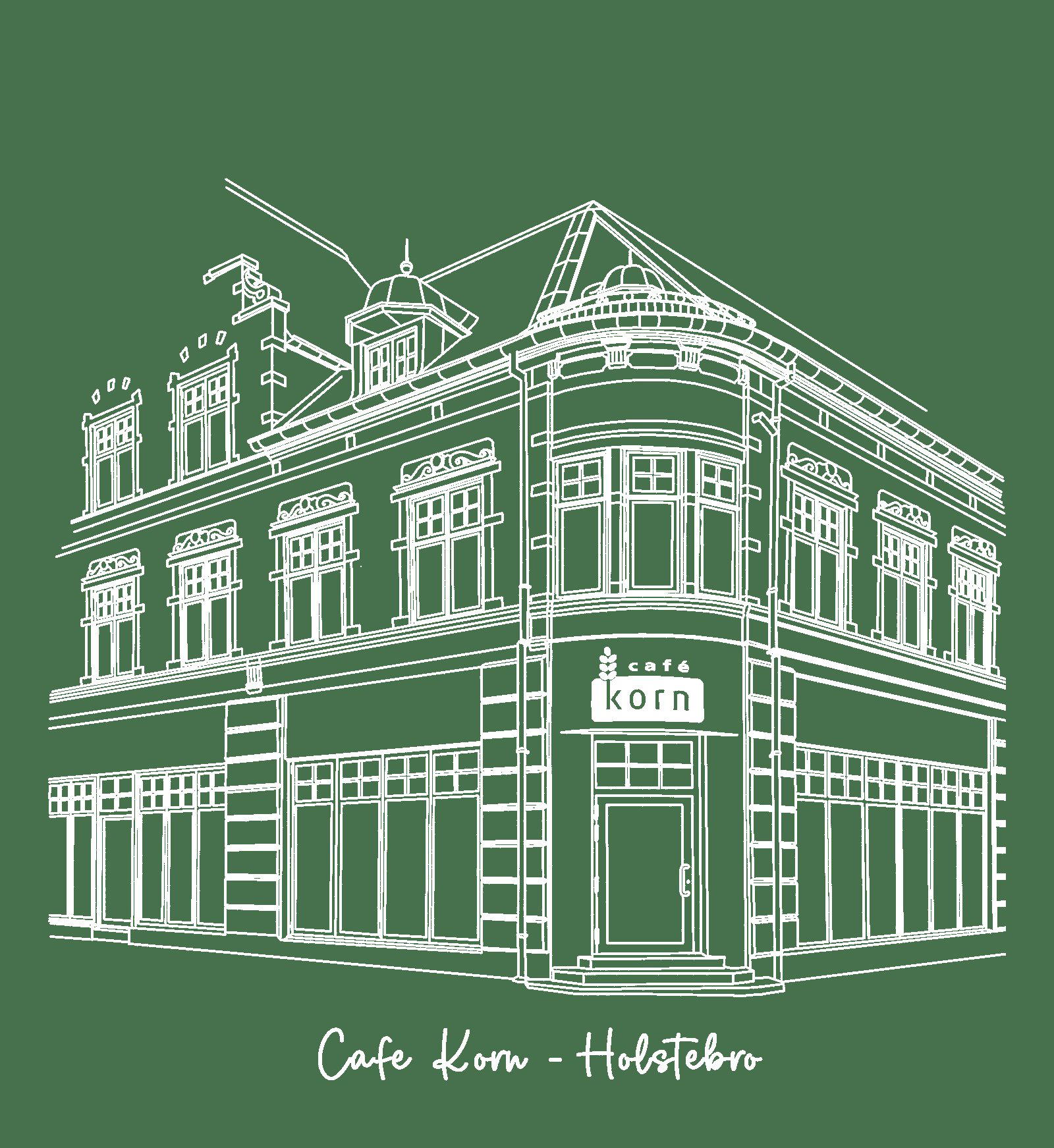
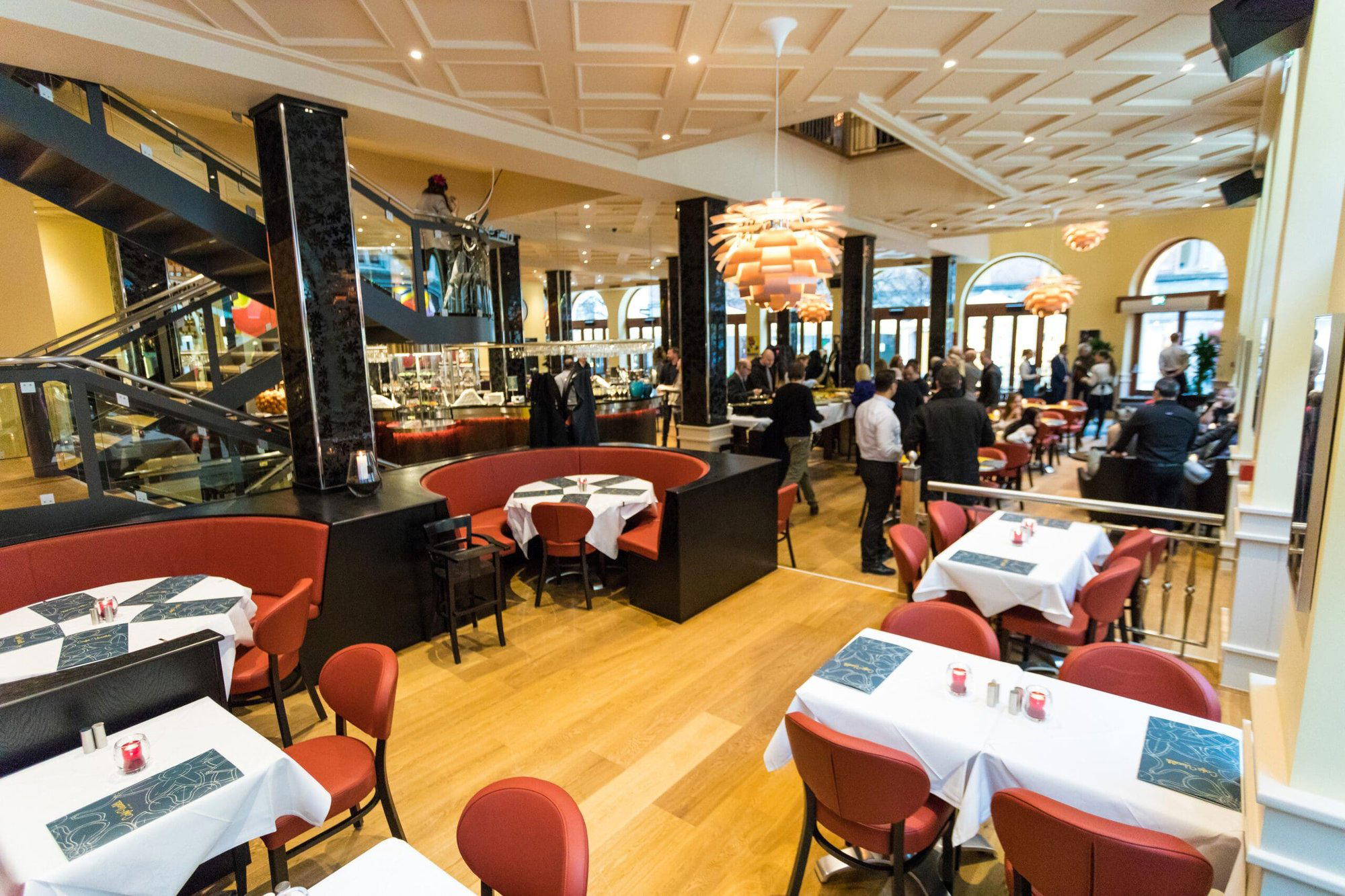
Holbæk itself is a mid-sized Zealand town with a dining scene that is compact but more varied than its profile outside Denmark might suggest. The waterfront and older streets carry a mix of formats: Bistrot La Cannelle and Cafe Vivaldi anchor the more café-bistro end of the offering, while Cafe Svanen and Cafe Zehros represent the casual daytime-to-evening format. Café Korn rounds out a scene that serves the local population and day visitors from the Copenhagen corridor rather than positioning for international gastro-tourism. A full picture of the options is available in our full Holb K restaurants guide.
Hørby Færgekro sits outside this town centre geography, in the village of Hørby to the south, which places it in a separate register entirely. It is not a choice you make while wandering a high street. It requires a specific decision to go there, which means the people who arrive have already self-selected toward the kind of experience the address implies. That dynamic tends to produce a more engaged room.
Provincial Denmark and the Inn Tradition
The broader provincial dining story in Denmark has grown considerably more interesting over the past decade. Beyond the Copenhagen axis, destinations like Frederikshøj in Aarhus, Alimentum in Aalborg, ARO in Odense, LYST in Vejle, and Domæne in Herning have demonstrated that serious kitchen ambition is no longer geographically concentrated in the capital. The parallel story in the inn and kro format is quieter but equally worth tracking: places that maintain a direct relationship with their immediate food geography, serving a local and regional audience rather than optimising for awards recognition, form a different but complementary layer of the Danish food culture.
For international visitors building a broader Scandinavian itinerary, the contrast between a Michelin-registered Copenhagen counter and a working waterside inn on the Isefjord is itself instructive. If Le Bernardin in New York City represents the formalised apex of seafood cooking as a technical discipline, and Atomix in New York City illustrates how a structured tasting format can carry cultural weight, then a well-run Danish kro on a fjord represents something different: cooking that derives its authority from place and season rather than from technique or concept. Frederiksminde in Præstø is another Zealand example of a heritage inn format that has found a way to operate with both local rootedness and broader culinary credibility.
Planning Your Visit
Hørby is a small village, and Hørby Færgekro at Strandvejen 1 is accessible by car from Holbæk town centre in a short drive south along the fjord road. Public transport options to the village itself are limited, which makes self-drive or taxi the practical choice. Given the waterside setting and the seasonal patterns of fjord cooking, the warmer months from late spring through early autumn represent the period when the surrounding landscape and the outdoor environment of an inn at this address are at their most legible.
Frequently asked questions
What's the address for Hørby Færgekro?
Hørby Færgekro is located at Strandvejen 1, Hørby, 4300 Holbæk, Denmark, Holb K.
Is Hørby Færgekro worth the drive from central Holbæk?
Strandvejen 1 in Hørby sits a short drive south of Holbæk town centre along the Isefjord shore, placing it well outside the immediate town dining options but accessible without significant travel time. The færgekro format, a working ferry-inn tradition tied to the waterway rather than a town high street, is the specific reason to make that drive; it represents a category of Danish provincial dining that is distinct from what you will find in Holbæk itself.
What should I eat at Hørby Færgekro?
The færgekro format has historically centred on whatever the immediate water and farmland provide, and at Strandvejen 1 on the Isefjord that points toward flatfish, eel, and seasonal pelagic species. The Isefjord is one of Denmark's more productive coastal inlets, so expect the kitchen's focus to follow that supply.
Can I walk in to Hørby Færgekro?
Hørby is a small village outside Holbæk, and the inn at Strandvejen 1 draws a mix of local regulars and deliberate visitors arriving by car along the fjord road. Walk-in availability will depend on the season and day of the week, with summer months likely requiring more planning. Booking ahead is the safer approach, particularly for weekend visits.
What's the signature at Hørby Færgekro?
That combination, waterway catch matched to regional agriculture, is the defining logic of the inn tradition at this location on the Isefjord.
How does Hørby Færgekro handle allergies?
Do not rely on general assumptions about the menu, as a kitchen operating on seasonal, fjord-sourced supply can shift ingredients regularly.
In Context: Similar Options
| Venue | Cuisine |
|---|---|
| Hørby FærgekroThis venue — the venue you are viewing | Danish inn restaurant |
| Cafe Zehros | Café |
| Kiyomi Sushi | Authentic Japanese Sushi |
| Kabyssen The Pantry | Café |
| Bistrot La Cannelle | French-British Bistro |
| Habesha Restaurant | African |
Continue exploring
More in Holb K
Restaurants in Holb K
Browse all →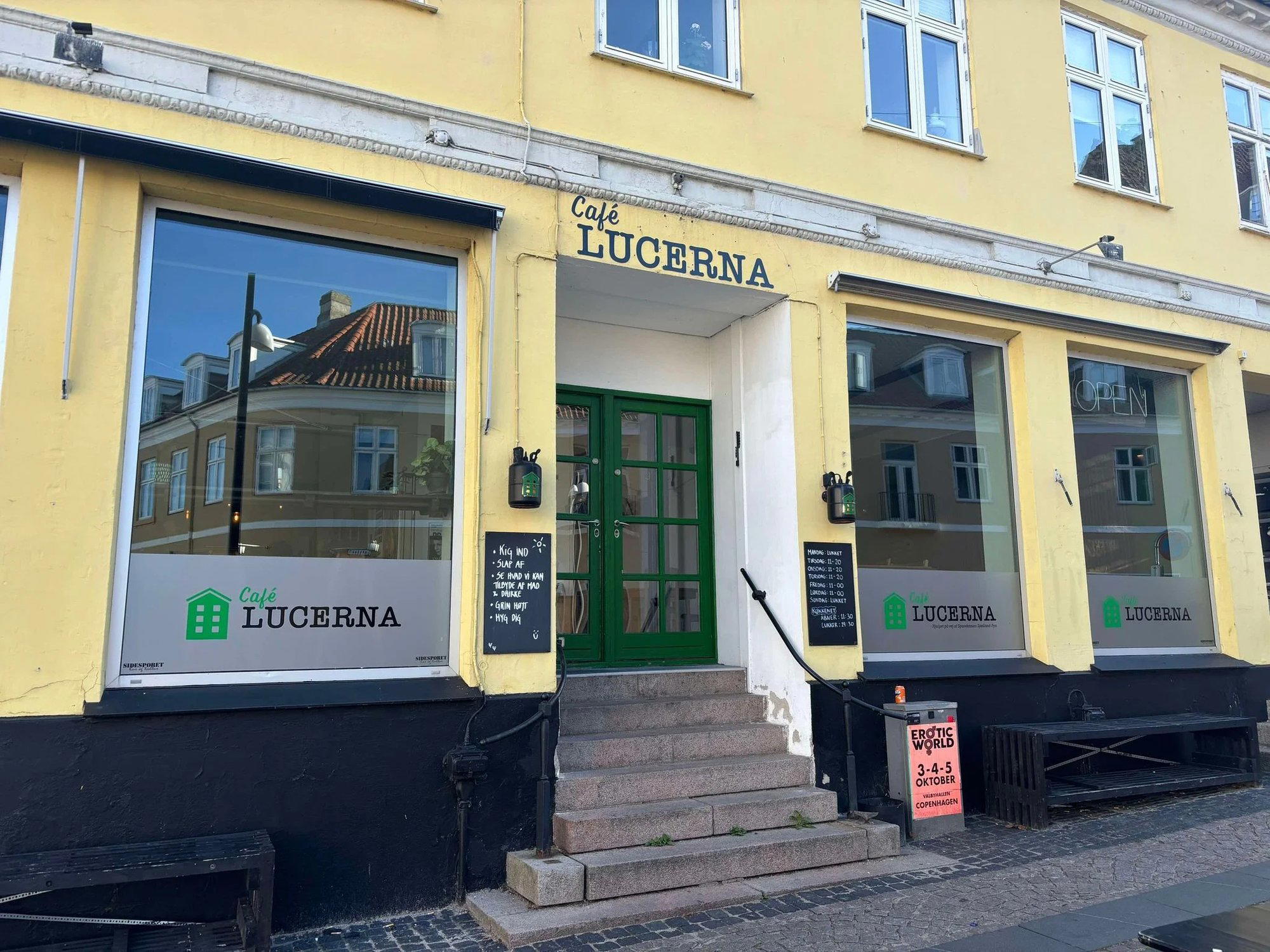
Bars in Holb K
Browse all →
Hotels in Holb K
Browse all →

Details
- Scenic
- Cozy
- Classic
- Quiet
- Rustic
- Date Night
- Family
- Casual Hangout
- Waterfront
- Historic Building
- Terrace
- Hotel Restaurant
- Waterfront
- A La Carte
Peaceful, light-filled and traditionally Danish-cozy, with a relaxing waterside atmosphere.