Cafe Zehros is a café at Ahlgade 39 in Holbæk, set up for breakfast or lunch with casual service and a conversational quick bite.
Pearl is the En Primeur Club membership app — saves, bookings, and concierge access live there. Same editors, same standards.
- Address
- Ahlgade 39, 4300 Holbæk, Denmark
- Phone
- +4559432548
- Website
- zehros.dk
- Directions
- Get directions
 Saves & bookings on Pearl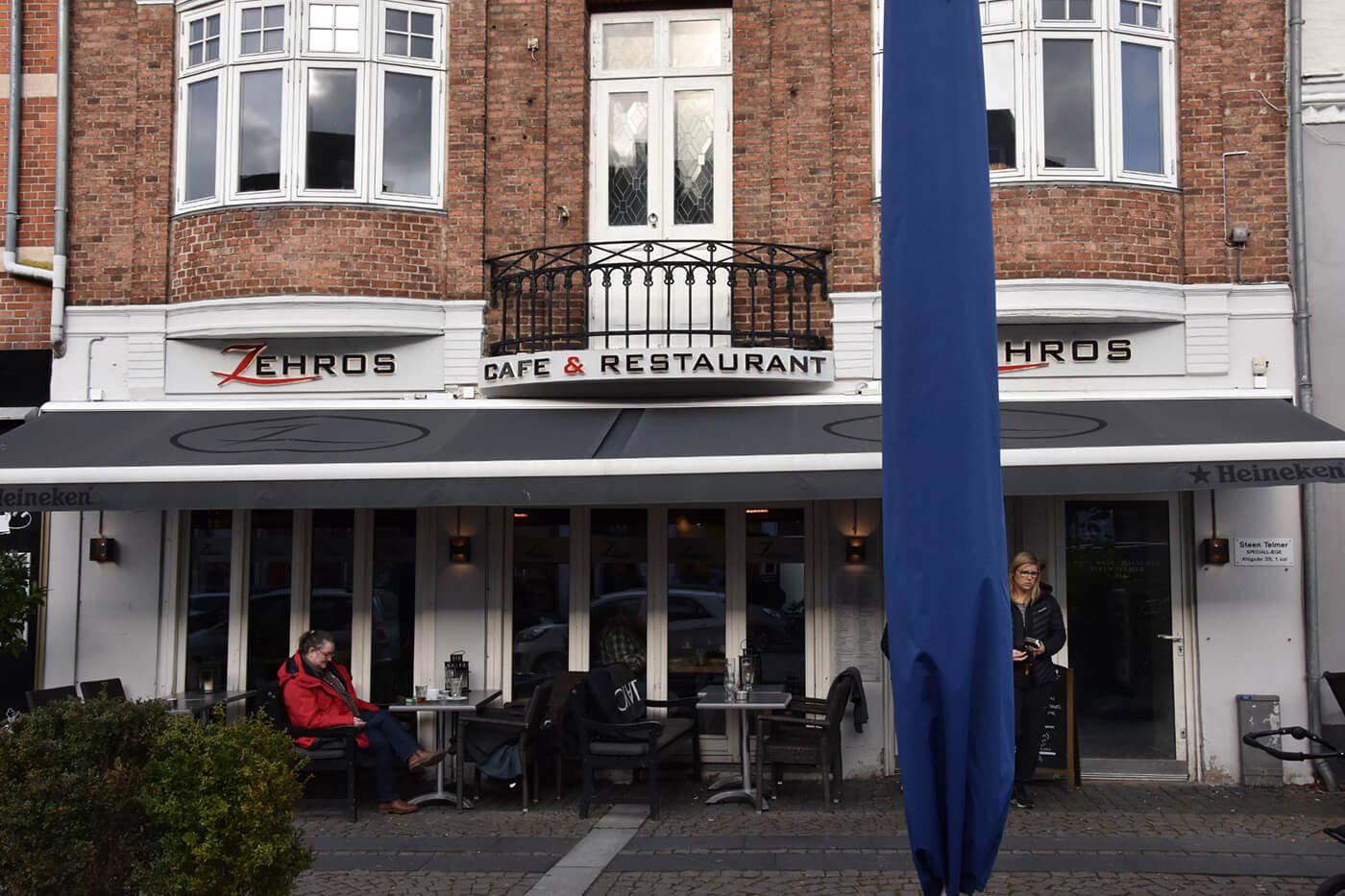
Ahlgade in Context: Holbæk's Everyday Cafe Scene
Holbæk sits on the southern shore of Isefjord, roughly an hour west of Copenhagen by rail, and its main commercial artery, Ahlgade, carries the particular rhythm of a Danish provincial town that hasn't fully committed to either tourist trap or local preserve. The cafes along this street form a distinct tier in the regional dining picture: not the destination-driven, tasting-menu format you find at Dragsholm Slot Gourmet in Hørve or the Michelin-level ambition of Jordnær in Gentofte, but neighbourhood-rooted spaces where the mid-morning coffee and a late lunch carry equal weight. Cafe Zehros occupies number 39 on that street, and in a town of this scale, a fixed address on the main drag is itself a statement of intent.
What the Street Communicates Before You Walk In
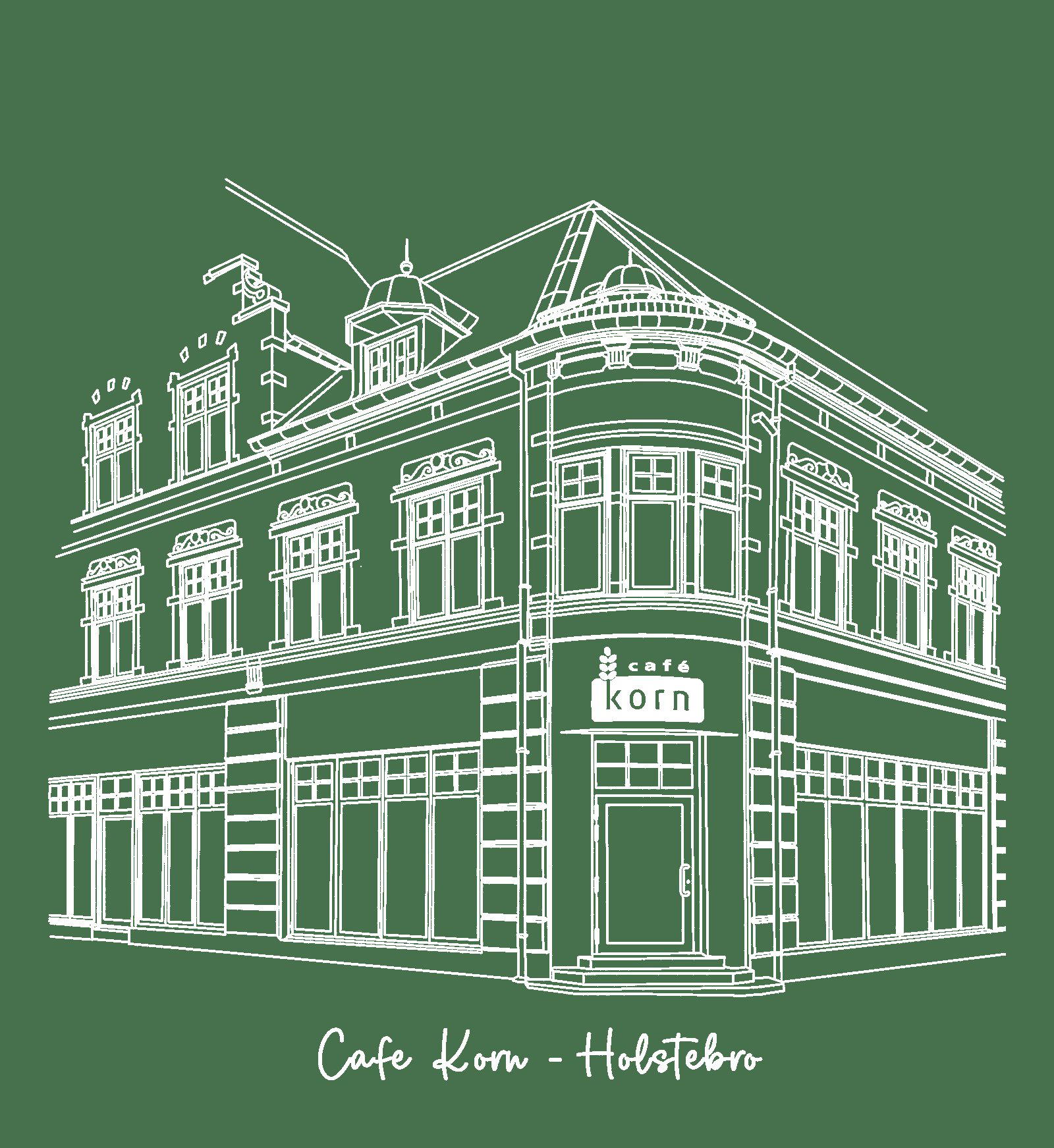
The sensory cues of any cafe begin outside, and Ahlgade's mix of low brick facades and modest shopfronts gives the block a settled, unpretentious quality that defines what to expect before a menu is in hand. Danish provincial cafe culture has long prioritised the social function of the space over theatrical presentation: the sounds that matter are conversation, the low percussion of ceramic on wooden tables, the hiss of an espresso machine timed against a lull. This is the register in which Holbæk's everyday cafes, Cafe Zehros among them, tend to operate. It sits in the same broad category as nearby spots including Cafe Svanen, Cafe Vivaldi, and Café Korn, all of which anchor themselves in the same community-centric model rather than competing on fine-dining credentials.
That category distinction matters when you're deciding how to spend time in Holbæk. The town doesn't have the concentrated dining density of Aarhus, where Frederikshøj anchors a more layered restaurant scene, nor the coastal isolation that gives places like Henne Kirkeby Kro in Henne their particular draw. What Holbæk offers instead is a compact, walkable centre where the cafe functions as a genuine gathering point for the town's working population, and Ahlgade 39 is positioned squarely inside that social geography.
Atmosphere: The Sensory Register of a Danish Town Cafe
Cafes operating in this format across provincial Denmark share certain atmospheric constants. Light in these interiors tends toward the warm and low-contrast, particularly in autumn and winter when Scandinavian daylight is rationed and a well-lit room carries disproportionate appeal. The seasonal shift from summer's extended outdoor seating to the enclosed warmth of a Danish November interior is one of the more underrated pleasures of spending time in small Danish towns: by October, the choice of cafe in Holbæk is also a choice about where to sit out the afternoon. This is the kind of environment in which the smell of fresh coffee and bread becomes structural, not incidental, to the experience.
Compared with the theatrical formats you might encounter at destination restaurants further afield, such as LYST in Vejle or Ti Trin Ned in Fredericia, the town cafe in provincial Denmark delivers something structurally different: ambient familiarity rather than curated surprise. For a visitor arriving by train from Copenhagen, that shift in register can be exactly what the trip is for.
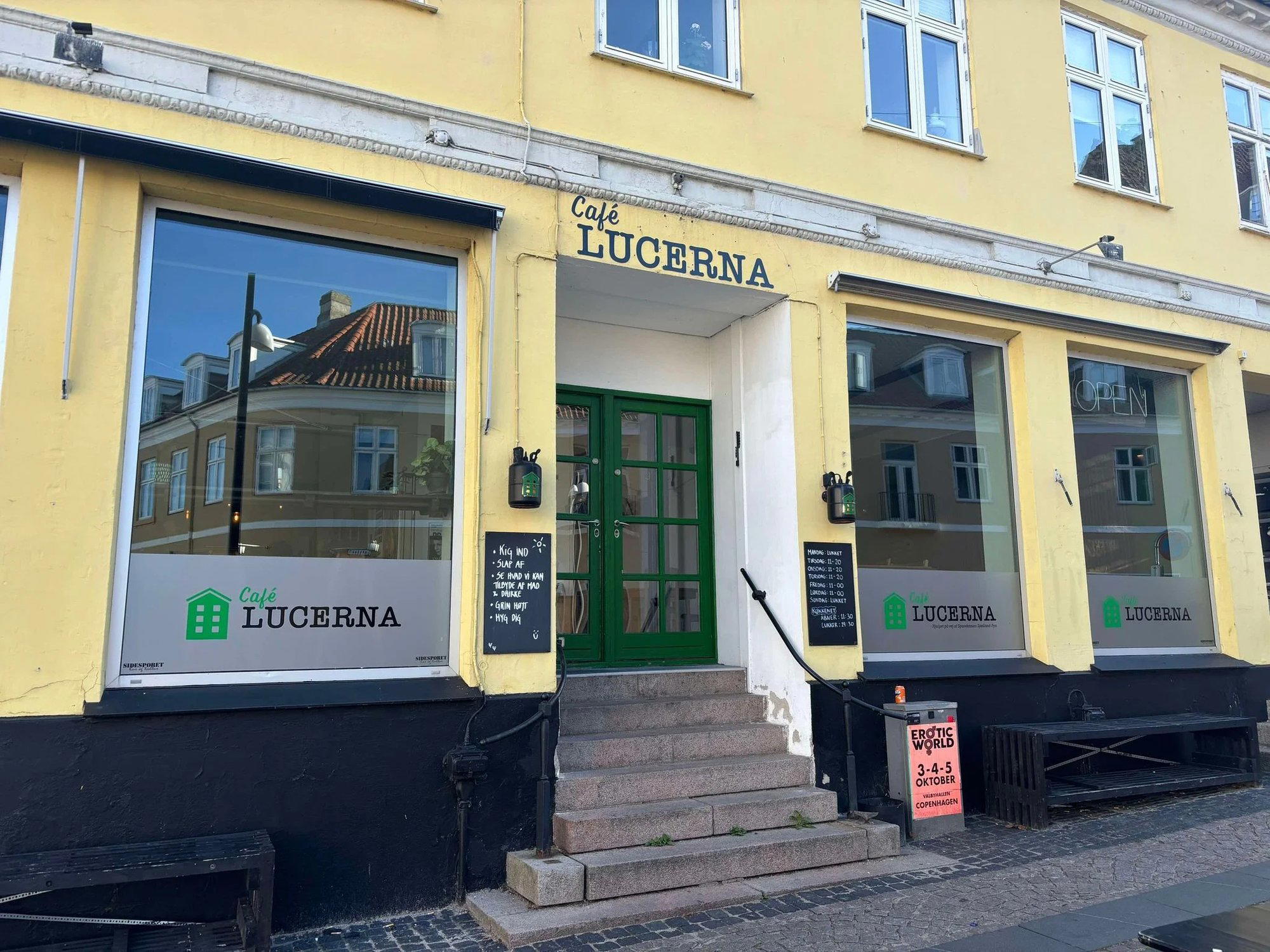
The cluster of cafes on and around Ahlgade gives visitors a genuine choice of format and feel. Bistrot La Cannelle leans into French bistro framing, while Café Lucerna signals a more European cafe aesthetic. Cafe Zehros sits within this local spread without the kind of documented awards or chef credentials that would distinguish it from a category standpoint. That absence of formal recognition is not unusual for the peer group: the cafes operating at this level in smaller Danish towns rarely pursue Michelin attention, which is concentrated in Copenhagen (notably at Geranium) and a small number of ambitious regional properties.
What the address on Ahlgade does confirm is geographic centrality. Holbæk's commercial core is compact, and a cafe at number 39 is close to the pedestrian activity of the main street, accessible on foot from the train station without the need for a taxi, and positioned to draw the passing trade that sustains this format. For anyone building an itinerary that includes a stop in Holbæk, the logistics of reaching Ahlgade from the station are minimal. The train journey from Copenhagen Central takes approximately 55 to 65 minutes depending on the service, placing the town comfortably inside a day-trip radius.
For a broader map of what the town and its surrounding area offer in dining terms, the full Holbæk restaurants guide covers the range from neighbourhood cafes to the more ambitious properties operating in the Isefjord region, including the Dragsholm estate to the northwest.
Planning a Visit
Holbæk is reached directly by rail from Copenhagen H, with services running regularly throughout the day on the Roskilde-Kalundborg line. The address at Ahlgade 39 places Cafe Zehros within the main pedestrian core, making it a natural pause point when exploring the town on foot. Because specific hours, booking requirements, and current pricing for Cafe Zehros are not confirmed in available records, it is worth treating a visit as a walk-in proposition and confirming operational details locally. Danish town cafes in this format typically operate through the lunch period and into the mid-afternoon, with seasonal variation in hours common between summer and winter trading patterns. Visitors planning a broader Danish road trip along the provincial cafe and restaurant circuit might also note properties at different price and format tiers: Frederiksminde in Præstø and Pearl by Paul Proffitt in Kruså both represent the more structured, destination-dining end of the Danish regional spectrum, while Tri in Agger charts a different coastal path altogether. For context on how Danish regional dining sits within a global frame, the community-first format of provincial cafes here shares certain values with what places like Lazy Bear in San Francisco formalise into a tasting experience, and what Le Bernardin in New York City strips back to technique and produce alone. The Danish town cafe occupies a completely different position on that spectrum, but the underlying social contract, a place where people return because the environment earns it, is the same.
Similar Picks
| Venue | Cuisine |
|---|---|
| Cafe ZehrosThis venue — the venue you are viewing | This venue |
Continue exploring
More in Holb K
Restaurants in Holb K
Browse all →
Bars in Holb K
Browse all →
Hotels in Holb K
Browse all →

At a Glance
- Casual
- Cozy
- Casual Hangout
- After Work
Current opening hours
- Monday
- 10 AM–10 PM
- Tuesday
- 10 AM–10 PM
- Wednesday
- 10 AM–10 PM
- Thursday
- 10 AM–10 PM
- Friday
- 10 AM–12 AM
- Saturday
- 10 AM–12 AM
- Sunday
- 10 AM–10 PM
Hours can change for holidays and private events. Last verified .
Casual neighborhood café atmosphere with a welcoming, informal environment.
Know Before You Go
- Getting there
- Ahlgade 39, 4300 Holbæk, Denmark