Café Korn occupies a central address on Ahlgade 10 in Holbæk, a provincial Danish town where the café tradition carries more cultural weight than restaurant guides typically acknowledge. Sitting within a dining scene that includes neighbours like Bistrot La Cannelle and Cafe Svanen, Korn represents the everyday café format that anchors Danish provincial life between the country's celebrated fine-dining tier and its informal lunch culture.
Pearl is the En Primeur Club membership app — saves, bookings, and concierge access live there. Same editors, same standards.
- Address
- Ahlgade 10, 4300 Holbæk, Denmark
- Phone
- +4520804300
- Website
- cafekorn.dk
- Directions
- Get directions
 Saves & bookings on Pearl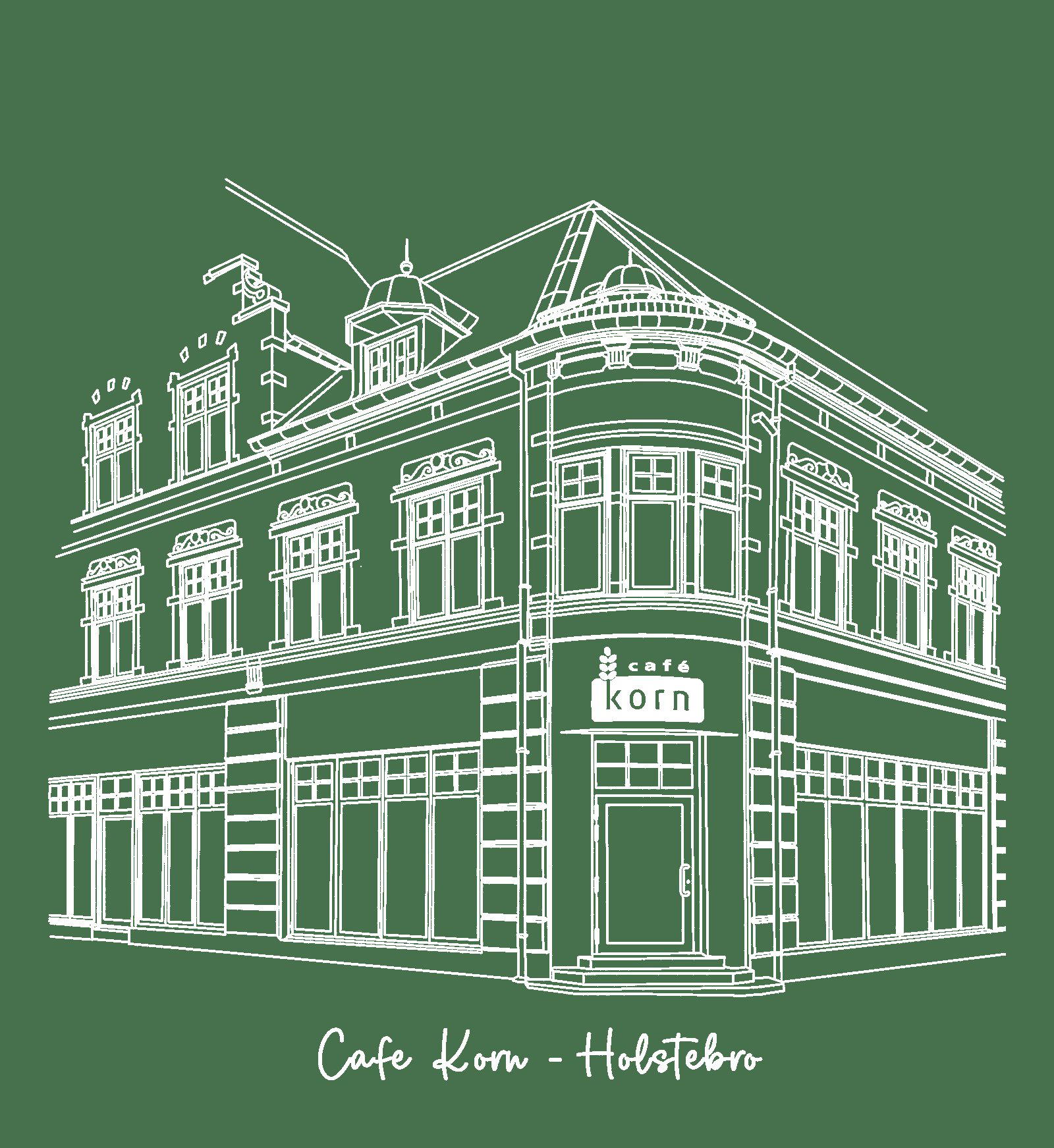
The Provincial Café and What It Actually Means in Denmark
Walk along Ahlgade, Holbæk's main commercial artery, and the rhythm of the street is set less by retail than by the café stops punctuating it. At number 10, Café Korn occupies the kind of position that Danish provincial towns have long reserved for their social anchors: a ground-floor address on a pedestrian-facing street where the boundary between morning coffee, midday smørrebrød, and afternoon cake is deliberately blurred. This is not a trend. The Danish café as a civic institution predates the current wave of Copenhagen fine dining by at least a century, and towns like Holbæk have sustained the format through every shift in national food culture.
That context matters when placing Café Korn within Holbæk's dining picture. The town sits on the Isefjord, roughly an hour west of Copenhagen by train, and its food scene operates on a different register from the capital. Where Copenhagen's dining conversation is increasingly shaped by venues like Geranium in Copenhagen and the Nordic tasting-menu format it helped define, Holbæk's scene centres on cafés, bistros, and lunch houses that serve a local population rather than destination diners. Café Korn belongs to that local tier, alongside peers including Cafe Svanen, Cafe Vivaldi, Cafe Zehros, and Café Lucerna.
Danish Café Culture: What the Format Carries
The Danish café tradition draws on a specific set of expectations that differ from both the French café model and the Scandinavian coffee-bar format that has spread globally. At its core, the Danish café serves as a transitional space: somewhere between a bakery, a lunch restaurant, and an informal meeting room. The smørrebrød element, open-faced rye bread with toppings ranging from pickled herring to roast beef and remoulade, is rarely absent from a serious café menu in a provincial town. It represents a lunch culture with deep roots in Danish working life, where the midday meal was historically the main meal and quality rye bread was a marker of regional identity.
Beyond smørrebrød, the provincial café format typically offers a rotating selection of warm dishes, often reflecting seasonal Danish produce, alongside coffee, cake, and lighter bites. The coffee culture in Denmark has tracked closely with Scandinavian third-wave trends, meaning filter coffee and single-origin espresso have displaced the older percolator tradition even in smaller towns. A café occupying a central Holbæk address in the current decade would be expected to reflect those shifts while maintaining the accessible, unhurried atmosphere that distinguishes the format from a restaurant proper.
This is the tier of Danish dining that rarely appears in international food media, which focuses heavily on the Michelin-recognised end of the spectrum. Venues like Jordnær in Gentofte or Frederikshøj in Aarhus command global attention and booking windows measured in months. The provincial café operates on a completely different axis, one where regularity of visit and neighbourhood familiarity count for more than reservation strategy.
Holbæk's Dining Scene in Regional Perspective
Holbæk sits within a region of Zealand that has produced some of Denmark's more interesting rural dining experiments. Dragsholm Slot Gourmet in Hørve, less than 30 kilometres to the northwest, has built a reputation around estate-grown produce and a format that blends historic setting with technically serious cooking. Frederiksminde in Præstø and Henne Kirkeby Kro in Henne represent the Danish country-inn model at its most refined. These are destination restaurants that draw visitors from Copenhagen and beyond.
Café Korn occupies a different position in this geography. It serves the town itself rather than the wider region, and its role is closer to that of a community café than a destination dining room. That distinction is not a criticism. The Danish food ecosystem needs both registers, and the provincial café tier is where most Danes actually eat most of the time. For a visitor spending time in Holbæk rather than passing through on a food-focused itinerary, understanding this distinction shapes how to approach the town's options. Our full Holbæk restaurants guide maps the full range across formats and price points.
For comparison beyond Denmark's borders, the provincial café format has equivalents across northern Europe, though the Danish version carries its own specificity: the rye bread culture, the afternoon cake tradition centred on wienerbrød and lagkage, and the social convention of the long coffee. Internationally, venues like Le Bernardin in New York City or Lazy Bear in San Francisco represent the opposite end of the dining spectrum where format discipline and tasting-menu architecture define the experience. The Danish provincial café operates with none of that infrastructure and asks for none of it in return.
Placing Café Korn Among Holbæk's Options
On Ahlgade, the competition for the café-format visitor is direct. Bistrot La Cannelle brings a French-inflected format to the same street-level market. Cafe Svanen and Cafe Vivaldi operate within a similar daytime café register. The choice between them in practice often comes down to location relative to where you are walking, time of day, and the specific menu offer on a given visit rather than any sharp qualitative difference at the tier level.
Further afield, provincial café formats across Jutland show how the model can evolve. Ti Trin Ned in Fredericia and LYST in Vejle represent the point where provincial ambition tips into something closer to a destination format. Tri in Agger and Pearl by Paul Proffitt in Kruså show how the southern Danish peninsula has developed its own dining character distinct from Zealand's patterns. Holbæk's café scene sits at a remove from those trajectories, oriented inward toward the town rather than outward toward regional recognition.
Planning a Visit
Café Korn is located at Ahlgade 10, 4300 Holbæk, in the town centre. Holbæk is served by direct rail from Copenhagen Central Station, with journey times typically around one hour, making a day visit from the capital direct. Current hours, booking arrangements, and menu details are not confirmed in available records and should be verified directly with the venue before visiting. Given the café format, walk-in availability during daytime hours is standard practice for this tier of Danish café, though specific policies may vary by season and day of week.
Cost Snapshot
| Venue | Price |
|---|---|
| Café KornThis venue — the venue you are viewing | This venue |
Continue exploring
More in Holb K
Restaurants in Holb K
Browse all →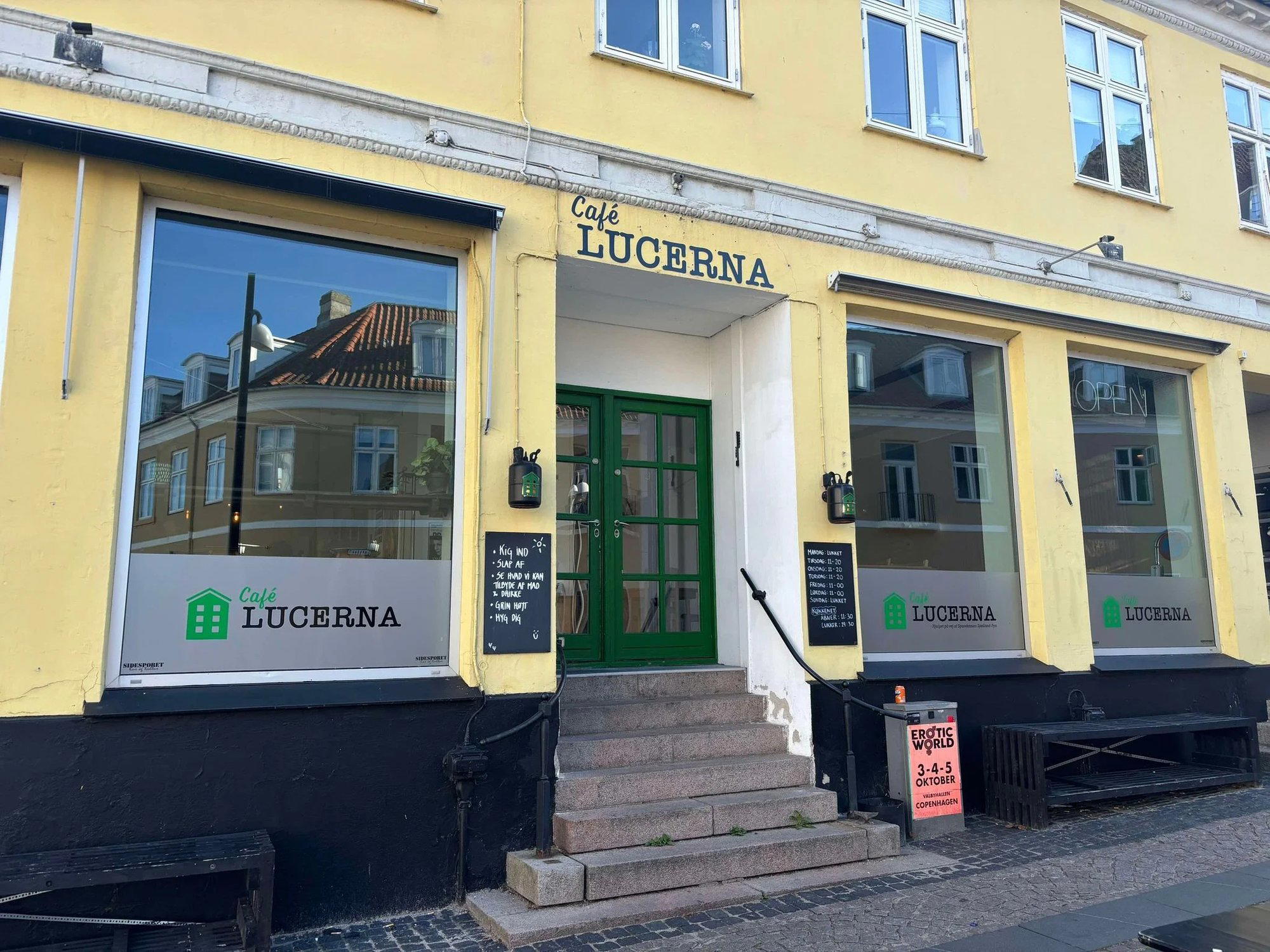
Bars in Holb K
Browse all →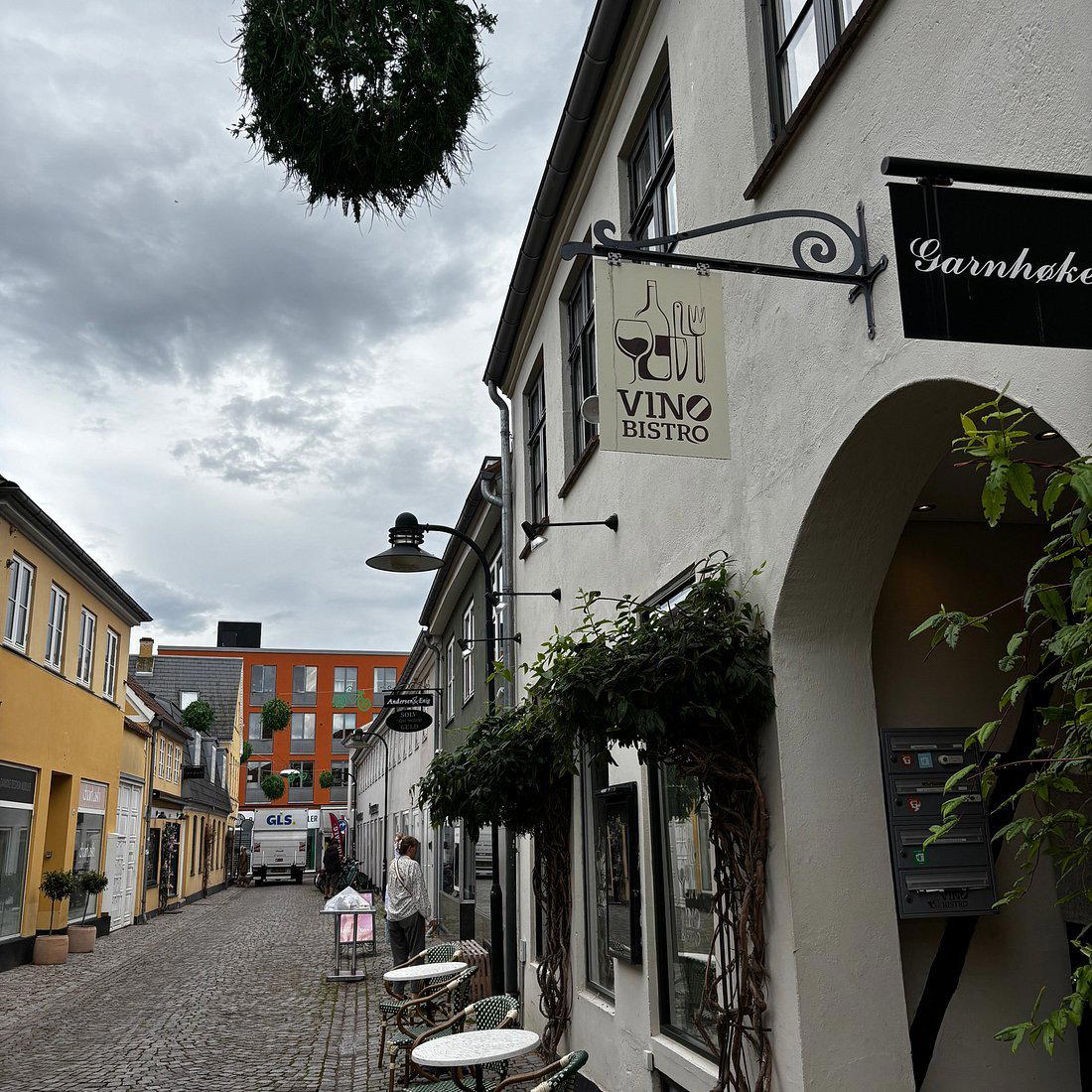
Hotels in Holb K
Browse all →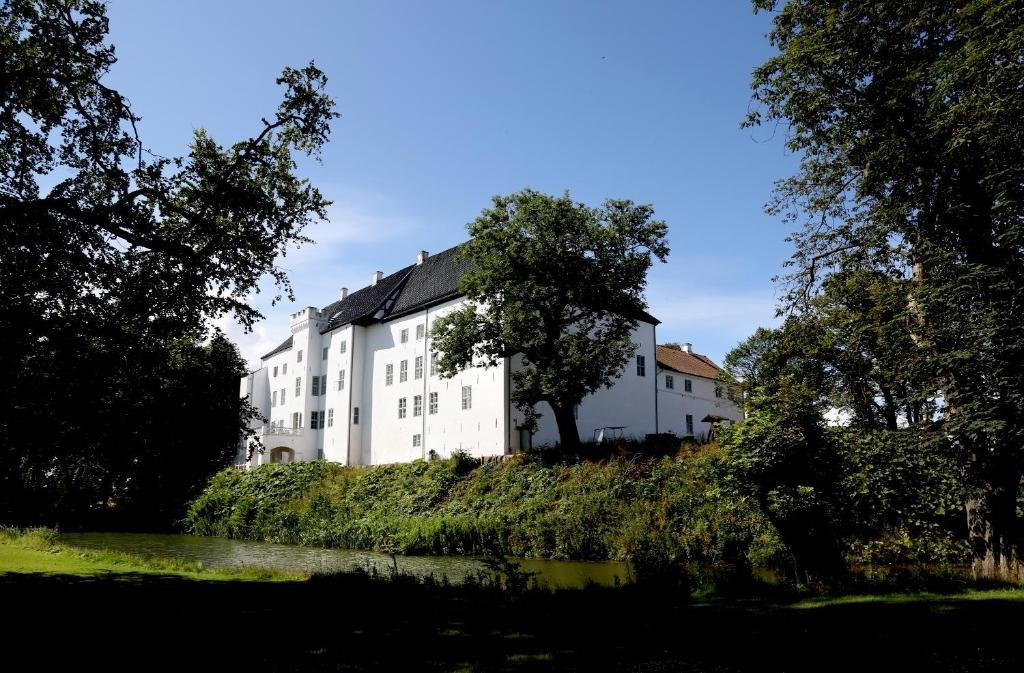

At a Glance
- Cozy
- Modern
- Family
- Casual Hangout
- Open Kitchen
- Street Scene
Current opening hours
- Monday
- 10 AM–9 PM
- Tuesday
- 10 AM–9 PM
- Wednesday
- 10 AM–9 PM
- Thursday
- 10 AM–9 PM
- Friday
- 10 AM–10 PM
- Saturday
- 10 AM–10 PM
- Sunday
- 10 AM–4 PM
Hours can change for holidays and private events. Last verified .
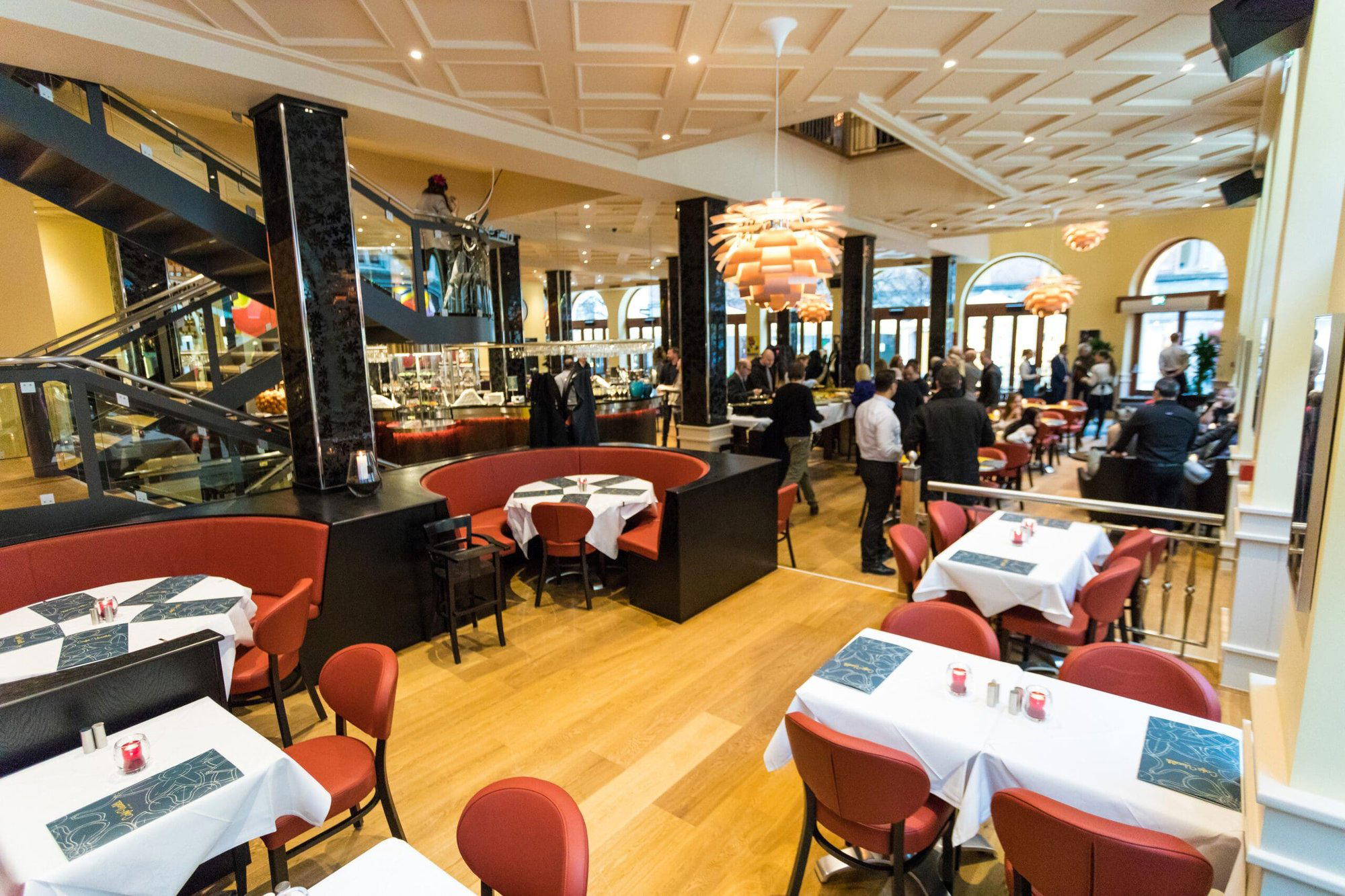
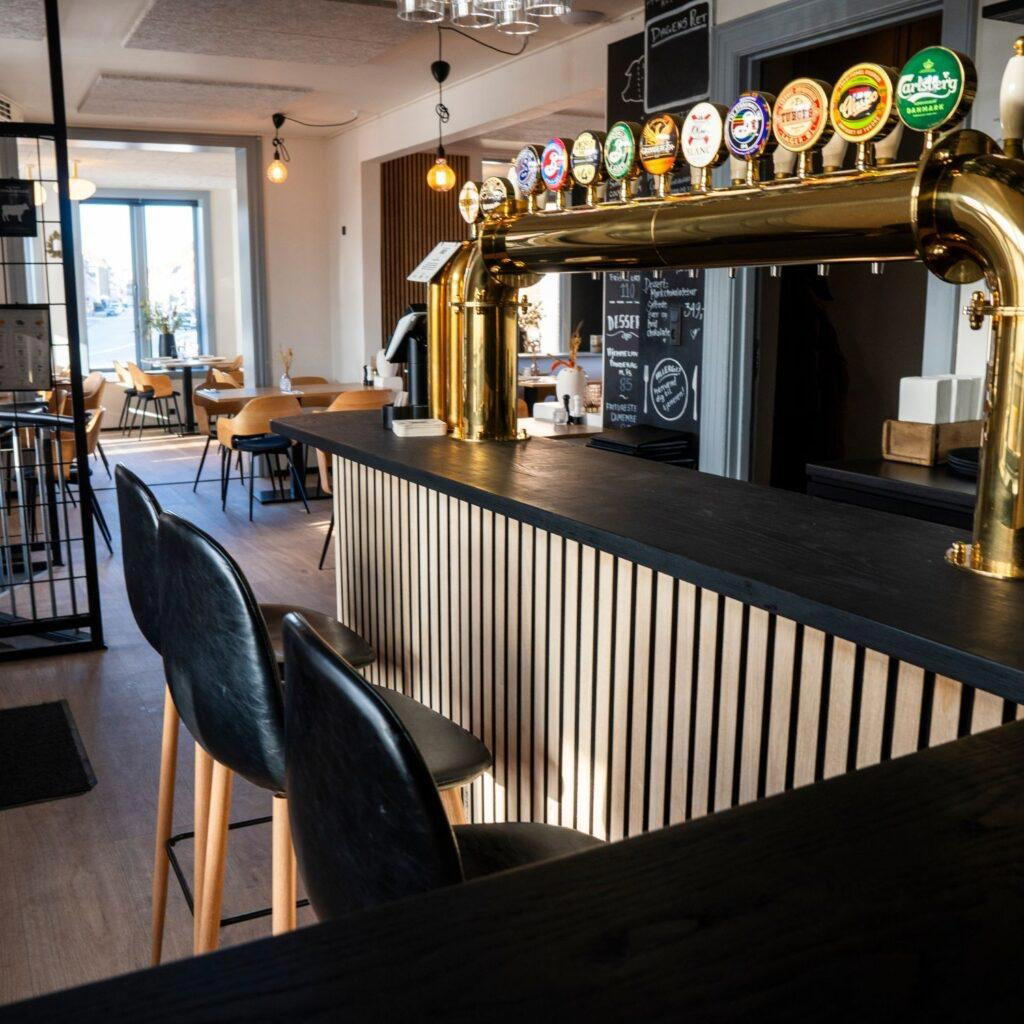
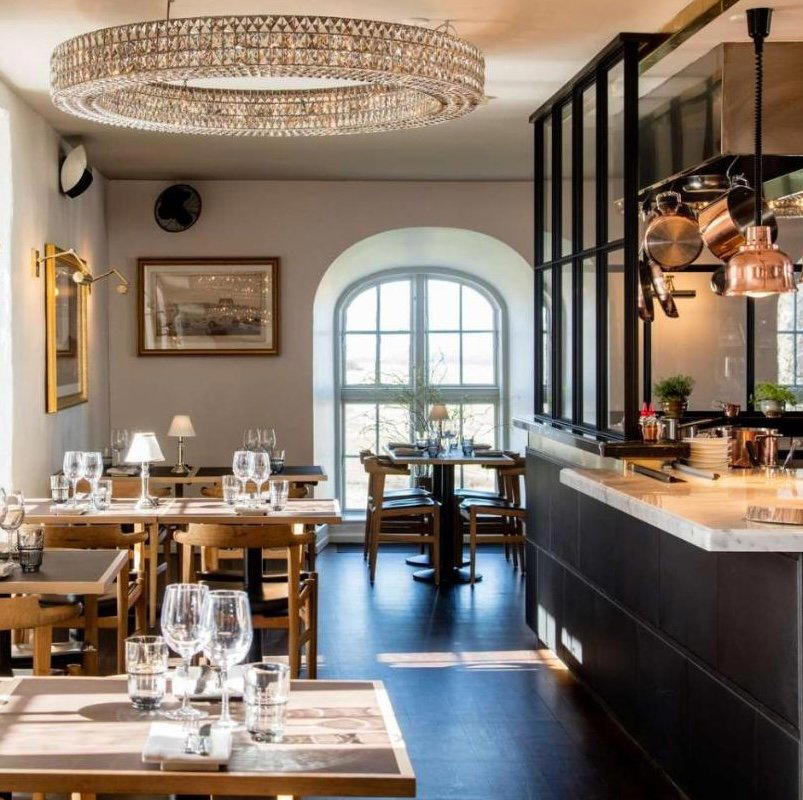
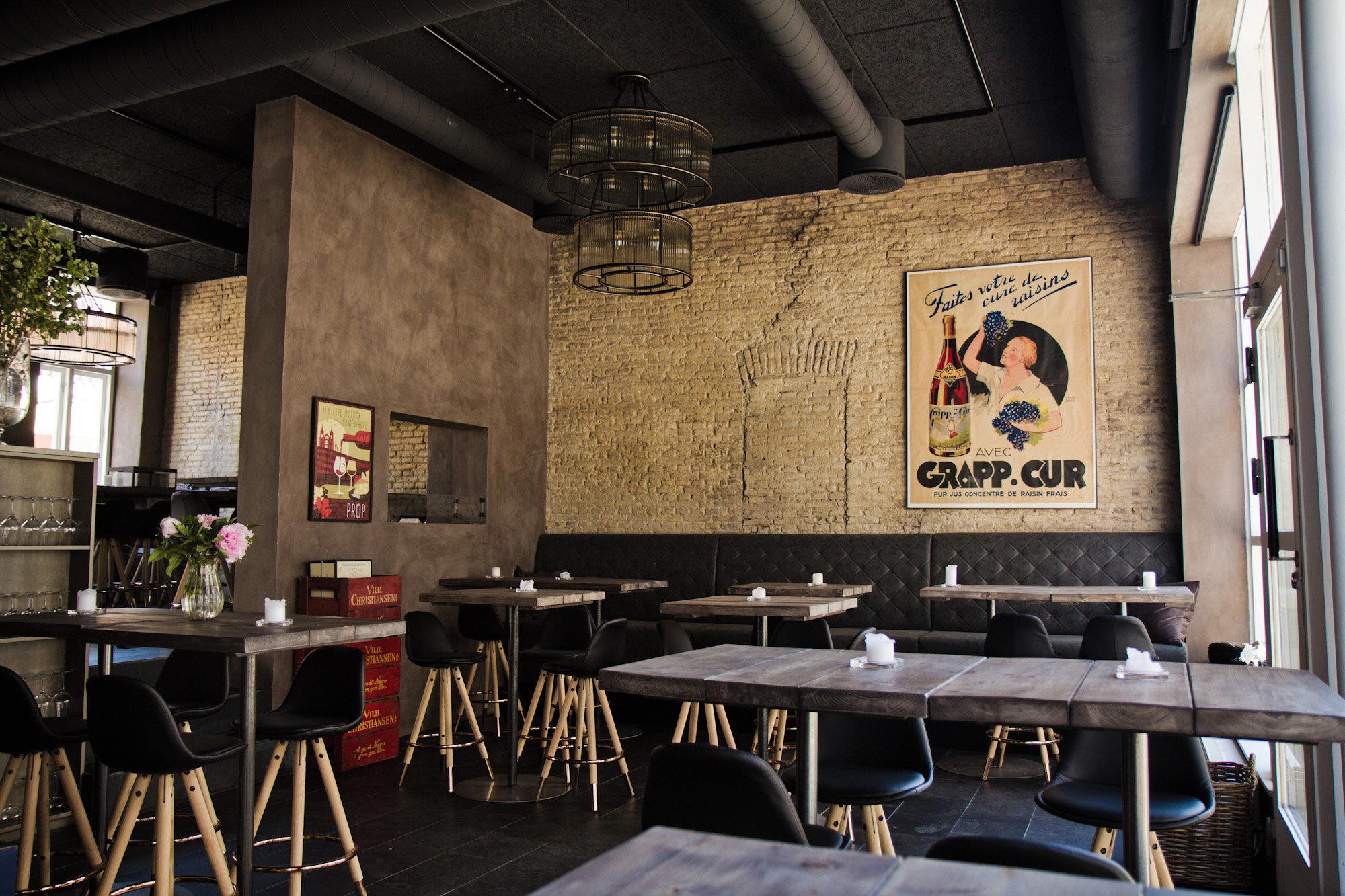
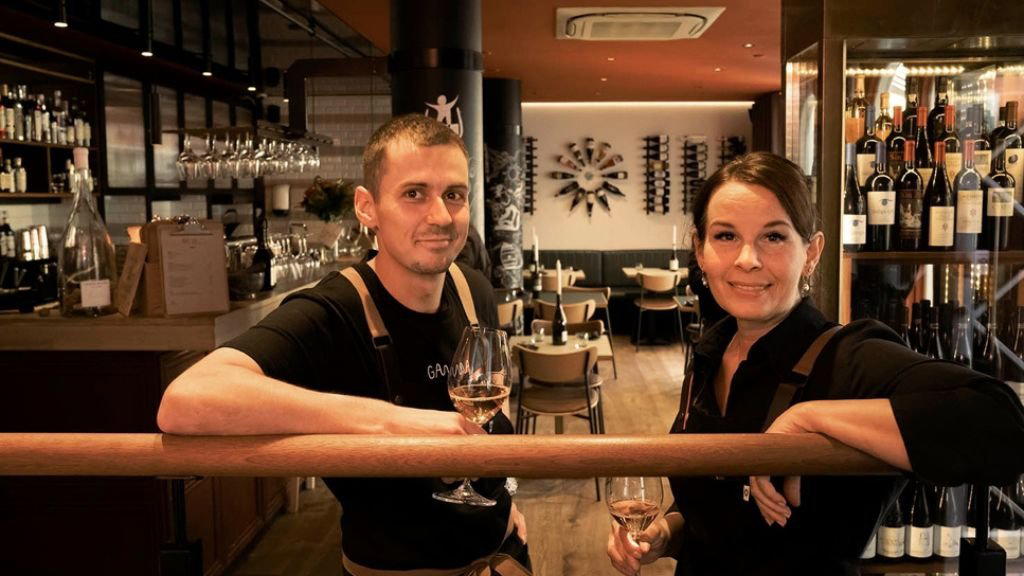
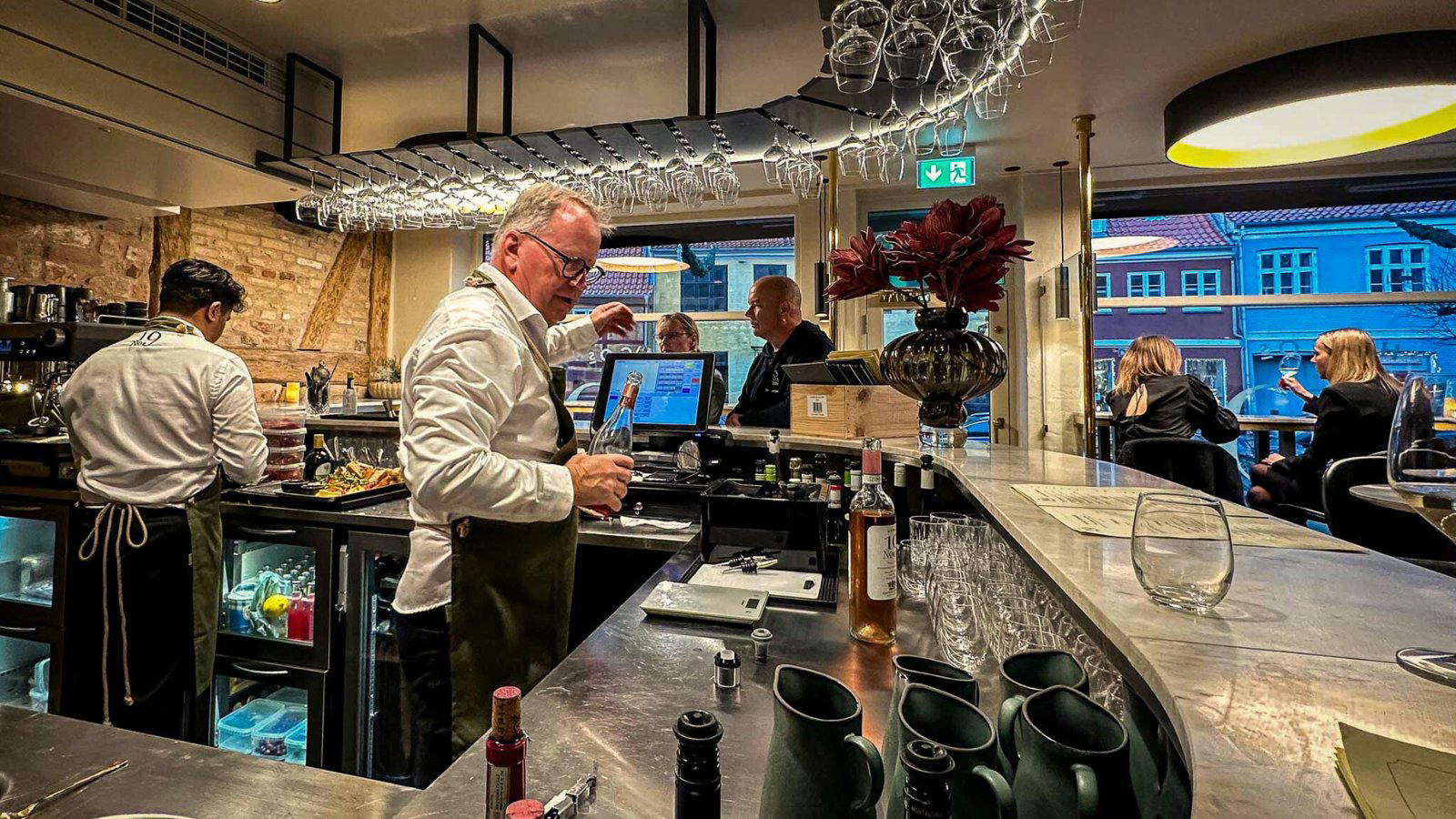
Modern bistro atmosphere with cozy seating and views of the main street.
Know Before You Go
- Getting there
- Ahlgade 10, 4300 Holbæk, Denmark