Our verdict
Habesha Restaurant on Smedelundsgade brings East African cooking to Holbæk, a mid-sized Danish fjord town whose dining scene runs mostly toward Scandinavian and European formats. The address places it in a neighbourhood where Ethiopian and Eritrean cuisine remains rare, giving it a distinct position among the city's restaurants. For context on where it sits in the local dining picture, see our full Holbæk guide.

Pearl is the En Primeur Club membership app — saves, bookings, and concierge access live there. Same editors, same standards.
- Address
- Smedelundsgade 22C, 4300 Holbæk, Denmark
- Phone
- +4554624965
- Hours
- Mon–Thu 3–9 PMFri–Sat 3–10:30 PMSun Closed
- Website
- habesha-restaurant.dk
- Directions
- Get directions
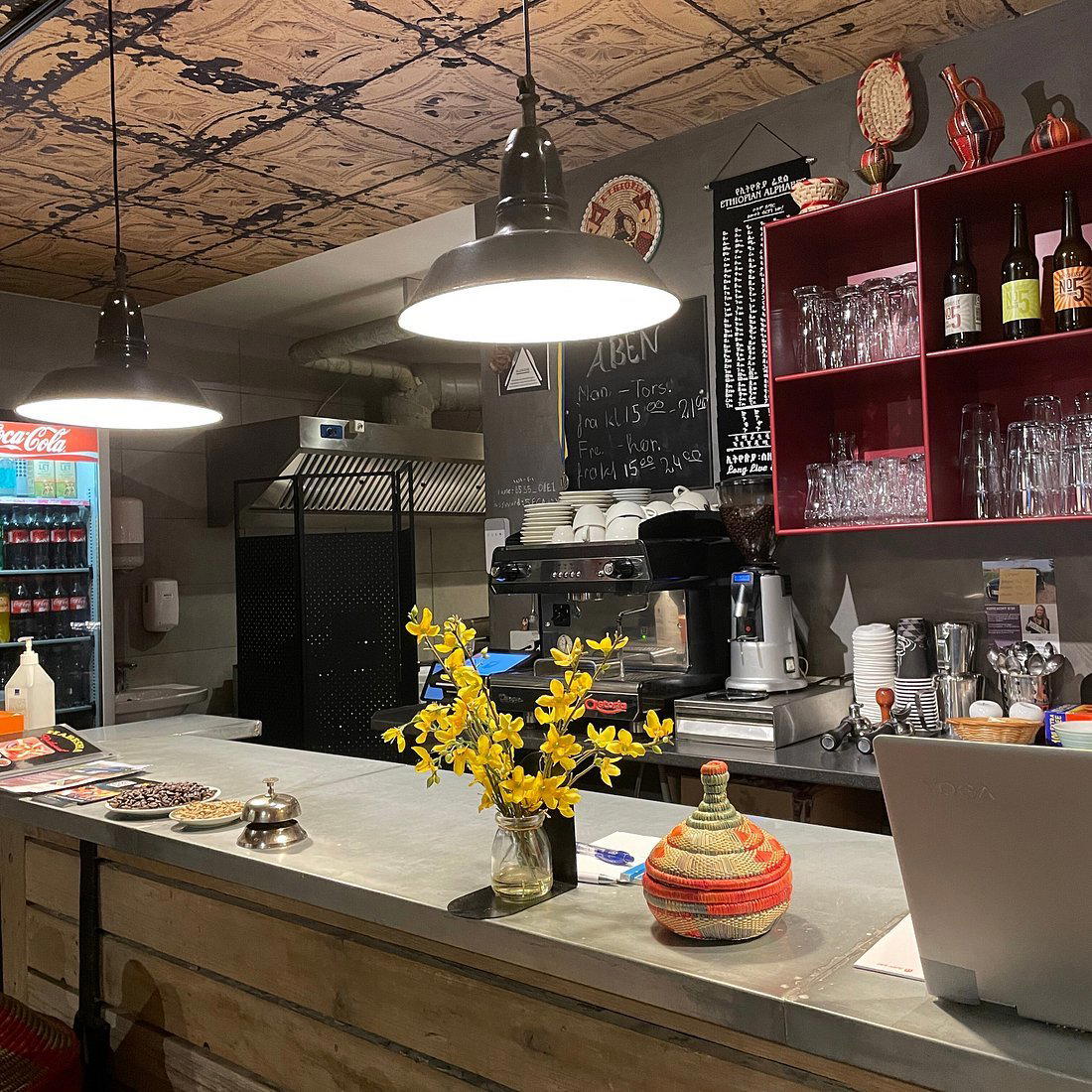
Ethiopian and Eritrean Cooking in a Danish Fjord Town
Smedelundsgade is not a street that announces itself. It runs through a working section of Holbæk, a town of roughly 35,000 on the western shore of Isefjord, where the restaurant trade skews heavily toward Danish and broadly European formats. That context matters, because Horn of Africa cuisine is not common in towns of this size anywhere in Scandinavia. Most Ethiopian and Eritrean restaurants in Denmark concentrate in Copenhagen, where community size and tourist volume can sustain the format. Habesha Restaurant, at number 22C on that quiet street, represents something less predictable: a dedicated Ethiopian or Eritrean kitchen operating in a provincial setting where the reference points for injera and slow-braised stews are thin on the ground.
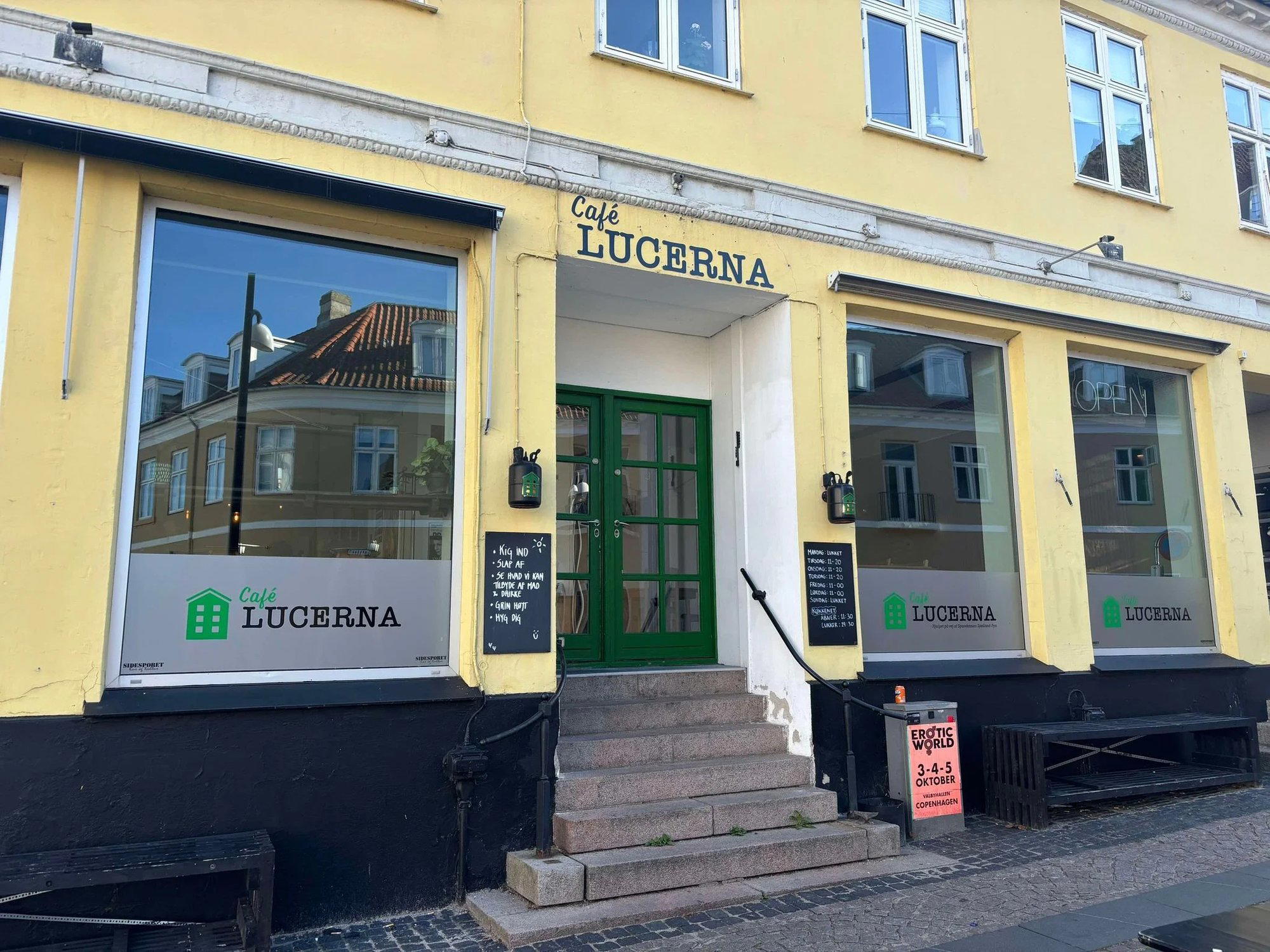
The neighbourhood character shapes the experience from the moment you arrive. Holbæk's centre mixes older merchant-town architecture with the kind of low-key commercial fabric you find in Danish provincial towns that grew around fjord trade rather than capital proximity. The street-level dining scene here includes places like Bistrot La Cannelle, Cafe Svanen, Cafe Vivaldi, Cafe Zehros, and Café Korn, mostly operating within a familiar European register. Against that backdrop, a kitchen built around communal platters, berbere-spiced proteins, and fermented teff flatbread occupies a different register entirely.
The Place of Horn of Africa Cooking in Denmark's Wider Food Map
To understand what Habesha Restaurant represents, it helps to place it against Denmark's broader dining geography. The country's most decorated tables cluster around Copenhagen and, increasingly, a handful of regional cities. Geranium in Copenhagen and Jordnær in Gentofte anchor the capital's fine-dining tier, while Frederikshøj in Aarhus, Alimentum in Aalborg, and ARO in Odense represent a growing provincial fine-dining circuit. Beyond that tier, the mid-market in smaller Danish towns is dominated by smørrebrød cafes, pizza, and accessible European bistros. Restaurants built around East African culinary tradition sit almost entirely outside that taxonomy.
It is that it occupies a category with almost no local competition. Ethiopian and Eritrean dining customs, where diners eat communally from a shared platter lined with injera, and where the meal is as much a social form as a feeding exercise, require a different frame than the average Danish restaurant visit. In a town like Holbæk, that makes the experience genuinely unfamiliar to most local diners.
What the Format Delivers
Horn of Africa cooking, as practised in restaurants from Addis Ababa to the Ethiopian diaspora communities of Washington D.C. and Stockholm, centres on a few structural pillars. Injera, the spongy fermented flatbread made from teff flour, functions simultaneously as plate, utensil, and staple carbohydrate. Wots, the slow-cooked stews that sit on leading, range from doro wot made with chicken and hard-boiled egg to misir wot built from red lentils, with berbere spice blend giving the kitchen its most recognisable aromatic signature. The communal platter format means the meal has a built-in social architecture: it is designed for groups, and eating alone from a shared spread carries its own mild formality.
For diners arriving from outside that tradition, the learning curve is part of the experience. There is no cutlery to manage; the injera tears and scoops. The pacing is slow by design. This is not the quick-turnaround format of a Danish lunch cafe. For those familiar with Ethiopian and Eritrean food from Copenhagen or from travel, finding a kitchen operating in this register in a town the size of Holbæk changes the calculus of a trip to the area considerably.
Holbæk as a Dining Destination
Holbæk sits roughly 60 kilometres west of Copenhagen, accessible by direct rail in under an hour. The town draws visitors primarily for its fjord setting, its local museum, and as a staging point for exploring the surrounding Zealand countryside. The dining scene has not historically been a draw in itself, though that is slowly shifting as independent operators establish footholds. For a broader read on where to eat and drink across the city, the full Holbæk restaurants guide maps the current picture.
Habesha Restaurant's address on Smedelundsgade puts it within walking distance of the town centre and the harbour area. For visitors combining a fjord day trip with a meal, the location is practical. For Holbæk residents looking for something outside the European mid-market, it fills a gap that the rest of the local dining scene does not address.
For comparison, the kind of culinary ambition Habesha brings to a small Danish city echoes what restaurants like Domæne in Herning, LYST in Vejle, and Frederiksminde in Præstø each represent in their own way: a restaurant format that would be unremarkable in a major city, but that acquires a different weight by existing in a smaller Danish town where alternatives are limited. The ambition is not identical across these examples, but the underlying dynamic is the same.
On a global dining scale, the communal-platter format has been attracting serious critical attention. Venues like Le Bernardin in New York City and Atomix in New York City represent the fine-dining end of immigrant culinary traditions finding formal critical recognition. The street-level Ethiopian and Eritrean diaspora restaurant is a different format entirely, but the broader trajectory toward valuing non-European culinary traditions in Western cities is the same movement.
Planning a Visit
Given Holbæk's scale and the restaurant's neighbourhood location, walk-in visits are plausible for smaller groups, though calling ahead is advisable, particularly for larger parties where a communal-platter format requires preparation. The address is Smedelundsgade 22C, 4300 Holbæk, reachable on foot from the town's main train station in roughly ten minutes.
Frequently asked questions
Can I bring kids to Habesha Restaurant?
Horn of Africa dining formats generally work well for families — shared platters placed at the centre of the table mean children can eat selectively from communal portions without fixed-course pressure. Habesha sits on Smedelundsgade 22C in a working residential section of Holbæk, the kind of neighbourhood setting that typically runs at a relaxed pace rather than a formal one. Confirm current seating arrangements directly with the restaurant before visiting with young children.
What's the overall feel of Habesha Restaurant?
Habesha occupies Smedelundsgade 22C in a low-key commercial stretch of Holbæk, a fjord town of roughly 35,000 people — the setting is functional rather than scenographic. Ethiopian and Eritrean restaurants in this size of city tend toward modest, community-facing formats: tightly spaced tables, warm service, and cooking that does the work the room doesn't. Expect an atmosphere shaped by the food and its traditions rather than by interior design.
Is Habesha Restaurant in Holbæk one of the few places in Zealand to eat Ethiopian or Eritrean food?
Horn of Africa restaurants are concentrated in Copenhagen, particularly in the Nørrebro and Vesterbro districts, making Habesha at Smedelundsgade 22C one of very few options for Ethiopian and Eritrean cooking outside the capital on the island of Zealand. For anyone based in or visiting Holbæk and the surrounding fjord region, it represents a format with almost no local competition. That scarcity is a practical argument for the reservation advice above.
What do regulars order at Habesha Restaurant?
In Ethiopian and Eritrean restaurants of this type, injera-based combination platters are the anchor order — a sourdough flatbread base supporting multiple stews, typically including lentil-heavy vegetarian options alongside spiced meat preparations.
What part of town is Habesha Restaurant in?
Habesha Restaurant is located at Smedelundsgade 22C, 4300 Holbæk, Denmark, Holb K.
Do I need a reservation for Habesha Restaurant?
Holbæk has a limited supply of Horn of Africa restaurants, which means Habesha draws from a wide catchment area extending toward Copenhagen, roughly 60 kilometres to the east by direct rail. At that scale of local demand with few alternatives, weekends can fill faster than the town's size would suggest.
The Quick Read
Comparable venues nearby, for context on price, style, and recognition.
| Venue | Cuisine | Price | Notes |
|---|---|---|---|
| Habesha RestaurantThis venue — the venue you are viewing | African | Not listed | Not listed |
| Skippers Bistro | Continental Bistro | Not listed | Holbæk, Continental Bistro |
| Rødhættes Thaibox | Thai Takeaway | Not listed | Holbæk, Thai Takeaway |
| Restaurant Blossom | Modern Danish and International | Not listed | Holbæk, Restaurant |
| Cafe Svanen | Traditional Danish Smørrebrød & Café | $10–20 | Labæk, Holbæk, Traditional Danish Smørrebrød & Café |
| Kiyomi Sushi | Authentic Japanese Sushi | Not listed | Holbæk, Authentic Japanese Sushi |
Continue exploring
More in Holb K
Restaurants in Holb K
Browse all →
Bars in Holb K
Browse all →
Hotels in Holb K
Browse all →

Details
- Casual Hangout
- A La Carte
Current opening hours
- Monday
- 3–9 PM
- Tuesday
- 3–9 PM
- Wednesday
- 3–9 PM
- Thursday
- 3–9 PM
- Friday
- 3–10:30 PM
- Saturday
- 3–10:30 PM
- Sunday
- Closed
Hours can change for holidays and private events. Last verified .