House of Emperor
House of Emperor occupies a strip-mall address on South Naper Boulevard that belies the seriousness of what happens inside. The name signals Chinese imperial tradition, and the room and menu both lean into that register. For Naperville's dining scene, it occupies a tier where ingredient sourcing and kitchen ambition matter more than the surrounding real estate.
Pearl is the En Primeur Club membership app — saves, bookings, and concierge access live there. Same editors, same standards.
- Address
- 1212 S Naper Blvd #123, Naperville, IL 60540
- Phone
- +16309838284
- Website
- houseofemperorchinese.com
- Directions
- Get directions
 Saves & bookings on Pearl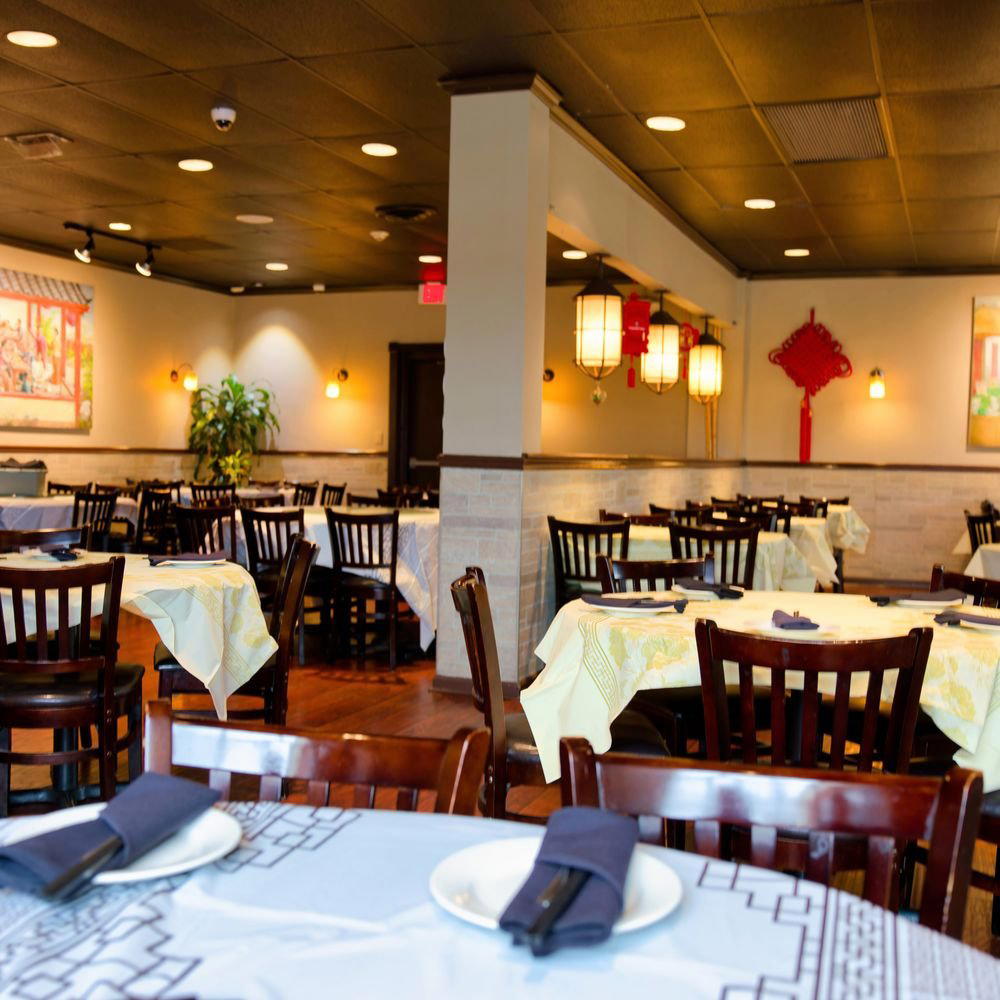
The Strip-Mall Register and What It Means in Naperville
South Naper Boulevard is the kind of arterial road where chain restaurants outnumber independent operators by a wide margin. The address at 1212 S Naper Blvd, Suite 123 places House of Emperor squarely in that commercial corridor, sharing a parking lot with the visual noise of retail signage and drive-throughs. This is not unusual in suburban Illinois, and it is worth saying plainly: particularly serious Chinese cooking in the American Midwest has always operated from strip-mall footprints. The overhead economics allow kitchens to spend where it matters, and in Chinese culinary tradition, spending on sourcing is the argument, not the room.
Naperville's dining scene has diversified considerably over the past decade. Alongside established Spanish-Mediterranean options like Mesón Sabika and fast-casual operators such as Naf Naf, there is a growing tier of independent restaurants serving immigrant communities with regional specificity rather than Americanized approximations. House of Emperor positions itself in that tier. The name itself invokes the ceremonial cooking of the imperial court, a culinary tradition defined less by rusticity and more by precision, rare ingredients, and technical preparation methods developed over centuries to satisfy audiences with no tolerance for the ordinary.
Ingredient Sourcing as the Central Argument
Imperial Chinese cuisine, in its classical formulation, was built around sourcing hierarchies that would be recognizable to any contemporary farm-to-table advocate, though the logic predates that movement by about a millennium. Rare proteins, seasonal produce timed to specific harvest windows, and dried or preserved specialty ingredients with regional provenance were the currency of prestige in the Qing and Ming court kitchens. A restaurant invoking that tradition today makes an implicit claim about ingredient standards, whether or not it spells that out on the menu.
This is the frame through which a restaurant named House of Emperor should be read. The question is not simply what is on the plate but where it came from and whether the kitchen has treated sourcing as a discipline rather than an afterthought. Chinese cooking at this level typically involves imported dried goods from specific Chinese provinces, live seafood held to order, proteins selected for breed and rearing method, and fresh aromatics that refuse substitution. The gap between a Chinese restaurant that sources carefully and one that does not is not a matter of presentation, it is legible in the flavor and texture of the dish itself.
For context, this sourcing-first philosophy animates particularly discussed American restaurants across every cuisine category. Blue Hill at Stone Barns in Tarrytown has made its on-site farm the editorial spine of every menu decision. Single Thread Farm in Healdsburg structures its entire program around the seasonal farm calendar. The French Laundry in Napa has maintained a kitchen garden across the road from its dining room for decades. In each case, the sourcing argument is inseparable from the kitchen's identity. House of Emperor, by invoking imperial tradition, enters a similar conversation, one where ingredient pedigree carries as much weight as technique.
Where the Name Places It in a Competitive Context
The branding register of the restaurant is worth taking seriously. Restaurants that invoke Chinese imperial or royal culinary heritage are not positioning against casual stir-fry houses or dim sum carts. They are placing themselves in a conversation with serious Chinese dining rooms found in cities like New York, Los Angeles, and San Francisco, where the upper tier of Cantonese, Shanghainese, and Sichuan cooking commands prices and expectations comparable to French or Japanese fine dining.
In Chicago proper, which sits roughly thirty miles north, that conversation includes a handful of Chinese restaurants operating at genuinely high standards. Naperville's Chinese dining options are fewer at that tier, which creates both a gap and an opportunity. A restaurant operating under an imperial banner in a suburban market is making a bet that its audience is willing to engage seriously with ingredient quality, preparation complexity, and price points that reflect both.
For comparison, the kind of kitchen ambition implied by the name the restaurant is not unlike what drives the tasting-menu format at Atomix in New York City, where Korean culinary heritage is treated with the same rigor applied to French or Japanese fine dining, or the precision sourcing that defines Le Bernardin in New York City's seafood program. The ambition is comparable even when the format and price tier differ.
The Broader Pattern: Serious Regional Chinese Cooking Outside Major Cities
One of the more interesting developments in American Chinese dining over the past fifteen years is the geographic dispersal of serious regional cooking away from traditional coastal Chinatowns and into suburban markets with large Chinese-American and Chinese immigrant populations. The Chicagoland suburbs, including Naperville, have seen this pattern play out. Communities with purchasing power and genuine regional food knowledge create demand that sustains higher-quality kitchens. Restaurants that respond to that demand tend to operate with a seriousness that surprises visitors expecting generic buffet-format output.
This is the context in which the restaurant should be understood: not as an outlier but as part of a recognizable national pattern in which suburban Chinese restaurants have increasingly outpaced their urban counterparts in specific ingredient categories, particularly whole animal preparations, live seafood, and dried goods sourcing. Other American restaurants that demonstrate what ingredient-first ambition looks like at the highest level, regardless of cuisine, include Alinea in Chicago, Lazy Bear in San Francisco, Providence in Los Angeles, Addison in San Diego, Bacchanalia in Atlanta, Brutø in Denver, Causa in Washington, D.C., The Inn at Little Washington, and Emeril's in New Orleans. Each occupies a different tier and tradition, but the sourcing-first commitment is a thread that connects them. For international reference, 8 1/2 Otto e Mezzo Bombana in Hong Kong demonstrates how European fine-dining discipline applied in an Asian city context can reframe ingredient expectations for a regional audience.
Planning a Visit
The restaurant is located at 1212 S Naper Blvd, Suite 123, Naperville, IL 60540, accessible by car from the I-88 corridor with parking available at the development. Check directly with the restaurant before visiting, particularly for larger parties or if specific dishes or preparation styles are a priority. The South Naper Boulevard corridor is a daytime and evening destination, with traffic patterns that make weeknight visits generally more practical than peak weekend hours for those coming from Chicago.
- Peking Duck
- General Tso's Chicken
- Mongolian Beef
- Egg Rolls
- Gon Chow Rice Noodles
- Lemon Chicken
Comparable Venues
Comparable venues nearby, for context on price, style, and recognition.
| Venue | Cuisine | Price | Notes |
|---|---|---|---|
| House of EmperorThis venue — the venue you are viewing | Traditional Chinese & Thai | $$ | Not listed |
| Naf Naf | Middle Eastern Grill | $$ | Freedom Commons |
| Mesón Sabika | Authentic Spanish Tapas | $$$ | near downtown Naperville |
Continue exploring
More in Naperville
Restaurants in Naperville
Browse all →
Bars in Naperville
Browse all →
At a Glance
- Classic
- Cozy
- Family
- Group Dining
- Casual Hangout
- Standalone
- Beer Program
Current opening hours
- Monday
- 11 AM–8 PM
- Tuesday
- 11 AM–8 PM
- Wednesday
- 11 AM–8 PM
- Thursday
- 11 AM–8 PM
- Friday
- 11:30 AM–8:30 PM
- Saturday
- 11:30 AM–8:30 PM
- Sunday
- 11:30 AM–8 PM
Hours can change for holidays and private events. Last verified .
Modest, casual strip-mall setting with spacious dining room and ample seating; warm and welcoming atmosphere with attentive service.