Our verdict
A farm-kitchen address on Schulenburgstraße 16 in Wolfsburg, Wildfrisch Gutsküche positions itself around produce provenance and the estate-kitchen tradition. In a city better known for its corporate fine dining, it occupies a more grounded register. Visitors drawn to sourcing-driven cooking will find it a credible counterpoint to the area's high-end tasting-menu circuit.

Pearl is the En Primeur Club membership app, where members save venues, book tables and use the concierge.
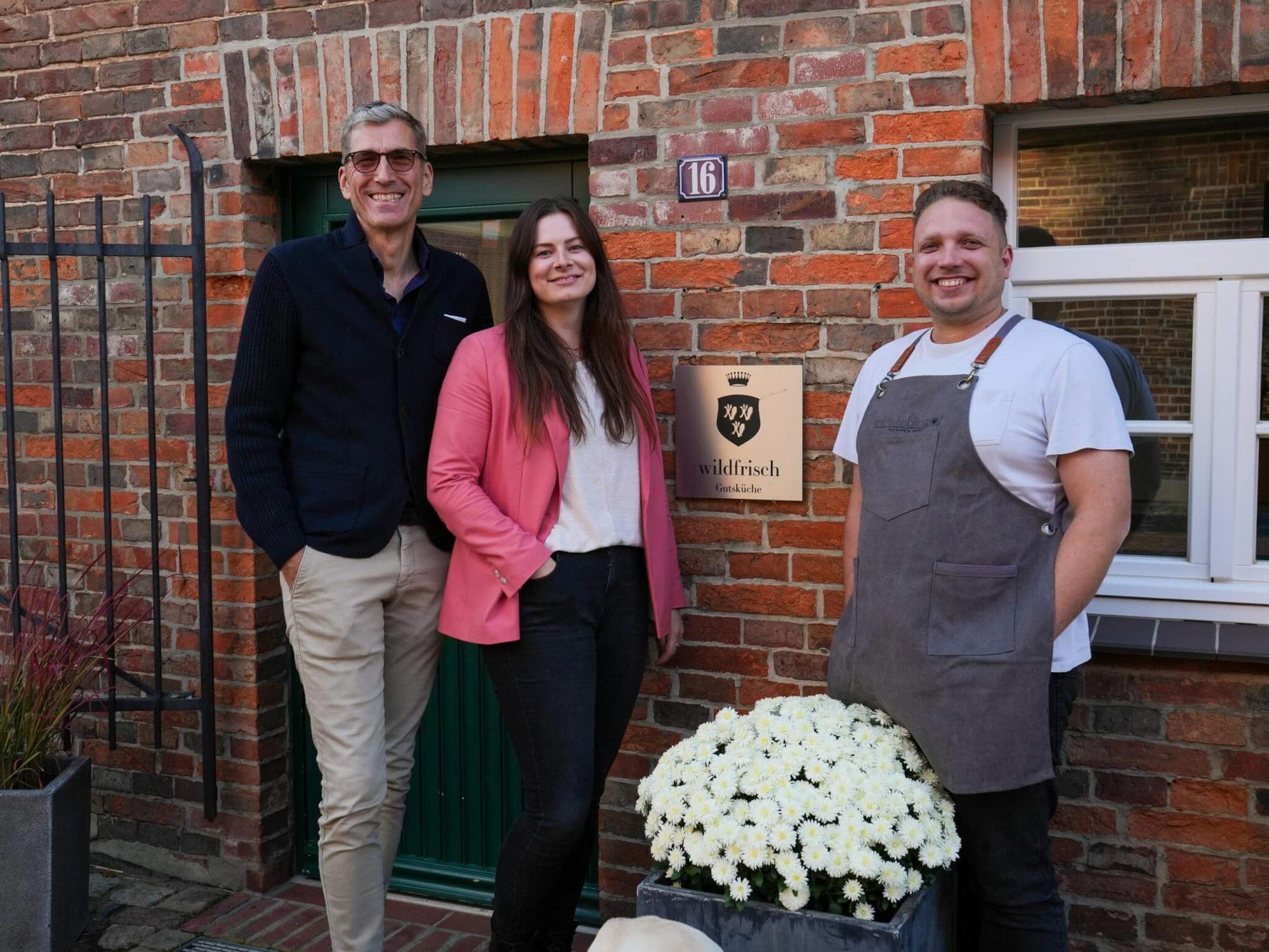
Estate Cooking in an Industrial City
Wolfsburg is not a city most food writers reach for when listing Germany's serious dining destinations. Its culinary identity has been shaped largely by corporate infrastructure: the Ritz-Carlton campus on the Autostadt grounds hosts Aqua, one of Germany's most decorated fine-dining rooms, while the surrounding restaurant scene has grown in its shadow. That context matters when placing Wildfrisch Gutsküche, because the address on Schulenburgstraße 16 positions itself against that current rather than with it. The word Gutsküche carries meaning in German culinary tradition: it refers to the kitchen of a Gut, or estate, a working farm or landed property where cooking is organised around what the land produces rather than what a menu concept demands. Whether Wildfrisch fully inhabits that tradition or borrows its register is the operative question for anyone considering a visit.
The Sourcing Frame: What Gutsküche Actually Means
Germany's farm-to-table movement arrived later than in Scandinavia or the United Kingdom, but it has taken root with particular seriousness in recent years. The Gutsküche model is distinct from the broader farm-to-table label in one key respect: it implies continuity of land and kitchen, a relationship between a specific estate's output and a specific cooking operation, rather than a curated sourcing network assembled after the fact. Restaurants operating in this register typically build their menus around seasonal availability from a defined geographic source, which means the menu shifts meaningfully across the year and certain ingredients simply disappear when the land or the season dictates.
This model sits at some distance from the Aqua end of Wolfsburg's dining spectrum, and equally from the more international registers found at BAO BAO or the modern European cooking at FERDINANDS Restaurant. Among the city's options, Wildfrisch occupies a more grounded tier, closer in spirit to the approach one finds at Lang is her, which also works in the contemporary German mode, though with a different price and format positioning. The L'Oliva Nera sits further out on the Italian end of the dial, making Wildfrisch one of the few addresses in the city working directly within a German regional cooking tradition.
Where Wolfsburg Sits on the German Dining Map
Lower Saxony rarely gets the culinary column inches that Bavaria, Baden-Württemberg, or the Rhine corridor command. The three-Michelin-star density found in the Black Forest region, anchored by addresses like Schwarzwaldstube in Baiersbronn, or the precision cooking at Vendôme in Bergisch Gladbach and Victor's Fine Dining by Christian Bau in Perl, sets a benchmark against which most regional German cooking must orient itself. Wolfsburg's position in this map is unusual: a prosperous manufacturing city with above-average disposable income among its workforce, supporting a small cluster of serious restaurants that would be harder to sustain in a comparably sized city without the automotive industry's economic anchoring.
Farm-kitchen cooking in this environment answers a different demand than it would in, say, a rural Bavarian market town. The audience in Wolfsburg includes professionals who travel frequently for work, have exposure to international food cultures, and often want a deliberate counterpoint to hotel dining. The Gutsküche format, with its emphasis on seasonal produce and estate sourcing, offers that counterpoint without requiring the formality of a tasting-menu room. In that sense, Wildfrisch operates in a gap that the city's fine-dining end leaves open.
The German Estate-Kitchen Tradition in Context
The Gutsküche concept has historical depth in the German-speaking world. Before the postwar standardisation of restaurant formats, many larger estates and agricultural properties maintained working kitchens that fed both the household and, in some cases, paying guests. The produce was integrated because it was simply what existed on the property: root vegetables, preserved meats, dairy from estate herds, game from adjoining forests. Contemporary restaurants adopting this label are typically invoking the spirit of that self-sufficiency rather than replicating its economics, but the better examples do maintain genuine sourcing relationships that give the model credibility.
This is worth understanding as a visitor because it shapes what you should expect from the menu across different visits. Restaurants in this register do not maintain a fixed menu architecture season after season in the way that a classical French kitchen might. The cooking at addresses like Schanz in Piesport or Restaurant Haerlin in Hamburg operates within a more stable repertoire, built around technical mastery that transcends any single ingredient. The Gutsküche model inverts that logic: the ingredient leads, and the technique follows.
Planning a Visit to Schulenburgstraße
Wildfrisch Gutsküche is located at Schulenburgstraße 16 in Wolfsburg, a city most international visitors arrive at by train from Hanover or Berlin, both within comfortable rail distance. The address places it away from the Autostadt hotel cluster, which means it draws a more local clientele than the corporate-dining rooms in that precinct. Given the limited volume of confirmed public data on the restaurant, prospective visitors are advised to verify current opening hours, booking arrangements, and menu format directly before visiting, particularly if travelling specifically for a meal. The Gutsküche format, if maintained, suggests the menu will shift with the season, making timing relevant to what produce is in cycle. For a broader orientation to what Wolfsburg's dining scene offers across price points and formats, the EP Club Wolfsburg restaurants guide provides comparative context.
Visitors with prior experience of sourcing-led German cooking at addresses like ES:SENZ in Grassau or the more experimental register at CODA Dessert Dining in Berlin will approach Wildfrisch with calibrated expectations. It sits in a different register from both, closer to a regional workhorse kitchen than to a conceptual dining destination. That is not a demotion; it is a different category of value, one that Germany's estate-kitchen tradition has always represented.
Frequently asked questions
Is Wildfrisch Gutsküche child-friendly?
The Gutsküche format, rooted in estate-kitchen tradition, tends toward a considered, unhurried pace that suits adults more than young children. That said, the setting at Schulenburgstraße 16 in Wolfsburg is not a formal fine-dining room in the conventional sense, and families with older children who are comfortable at a slower table should not feel excluded. Contacting the venue directly before visiting is the most reliable way to confirm seating arrangements.
What's the overall feel of Wildfrisch Gutsküche?
The name signals the ethos clearly: 'wildfrisch' points to freshness from the source, while 'Gutsküche' invokes the German estate-kitchen tradition, a format historically tied to working farms and manor houses rather than urban restaurant culture. In Wolfsburg, a city defined by automotive industry rather than culinary heritage, that framing gives the venue a deliberately counter-programmed identity. Expect a grounded, produce-led atmosphere rather than the theatrical staging of destination restaurants.
How does the Gutsküche concept at Wildfrisch differ from standard farm-to-table restaurants in Germany?
The Gutsküche model has a specific historical lineage in the German-speaking world, originating in the working kitchens of estates and manor farms rather than in the chef-driven farm-to-table movement that emerged in Scandinavia and the UK. Where the latter is often a statement of culinary philosophy applied to a conventional restaurant format, a Gutsküche draws its identity from the estate itself as the source. At Schulenburgstraße 16 in Wolfsburg, the 'wildfrisch' name reinforces that the sourcing relationship, not the chef's technique, is the primary credential. That distinction places it closer to the European agriturismo or ferme-auberge tradition than to the tasting-menu farm-to-table category.
What's the signature dish at Wildfrisch Gutsküche?
The 'wildfrisch' prefix in the venue name points to wild and freshly sourced ingredients as the through-line. Visiting during different seasons at Schulenburgstraße 16 in Wolfsburg will likely yield a materially different plate.
What part of town is Wildfrisch Gutsküche in?
Wildfrisch Gutsküche is located at Schulenburgstraße 16, 38446 Wolfsburg, Germany, Wolfsburg.
Should I book Wildfrisch Gutsküche in advance?
Estate-kitchen venues operating on a farm-sourcing model typically run with limited covers and supply-dependent menus, both of which compress availability. Wolfsburg does not have the depth of restaurant competition found in Hamburg or Berlin, which can concentrate demand on the venues that operate with clear culinary intent. Booking ahead is the lower-risk approach, particularly for weekend visits or larger groups.
What's Wildfrisch Gutsküche best at?
The venue's positioning sits squarely in the Gutsküche tradition: cooking that draws on direct farm or estate sourcing and lets the provenance of ingredients carry the menu rather than technique for its own sake. In Lower Saxony, where that sourcing infrastructure is credible, this approach has more local grounding than it would in a larger city further removed from agricultural supply. That farm-to-plate directness is the most coherent thread running through what Wildfrisch Gutsküche appears to offer.
A Quick Peer Check
Comparable venues nearby, for context on price, style, and recognition.
| Venue | Cuisine | Price | Awards | Notes |
|---|---|---|---|---|
| Wildfrisch GutskücheThis venue (the venue you are viewing) | Modern German Contemporary | $50–100 | Not listed | Not listed |
| Terra | Modern German Seasonal Cuisine | $50–100 | Michelin Plate | Wolfsburg City Center |
| FERDINANDS Restaurant | Modern German Fusion | $30–50 | Not listed | Stadtmitte |
| L'Oliva Nera | Modern Italian Seasonal Tasting | $50–100 | Not listed | Fallersleben Altstadt |
| Lang is her | Modern International Fine Dining | $100–150 | Michelin Plate | Not listed |
| BAO BAO | Modern Chinese-Asian Fusion | $20–30 | Not listed | Wolfsburg |
Continue exploring
More in Wolfsburg
Restaurants in Wolfsburg
All restaurants in Wolfsburg →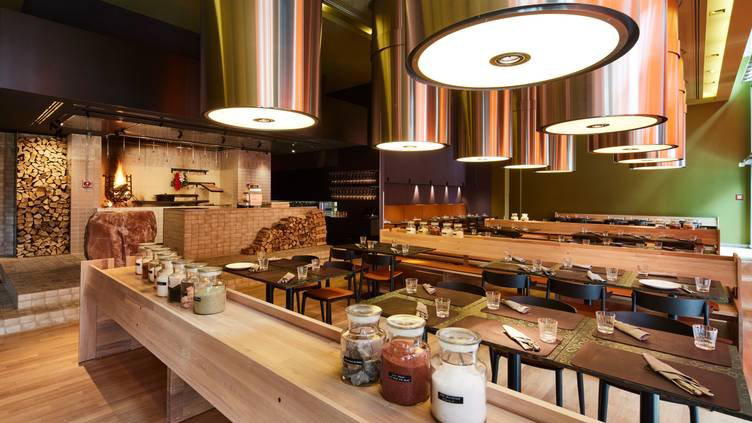
Hotels in Wolfsburg
All hotels in Wolfsburg →
Details
- Modern
- Elegant
- Rustic
- Date Night
- Special Occasion
- Open Kitchen
- Historic Building
- Local Sourcing
- A La Carte
Current opening hours
- Monday
- Closed
- Tuesday
- Closed
- Wednesday
- 5:30–10 PM
- Thursday
- 5:30–10 PM
- Friday
- 5:30–10 PM
- Saturday
- 5:30–10 PM
- Sunday
- 12–2 PM
Hours can change for holidays and private events. Hours as of .
Modern-elegant atmosphere with an open show kitchen and few intimate tables.