Our verdict
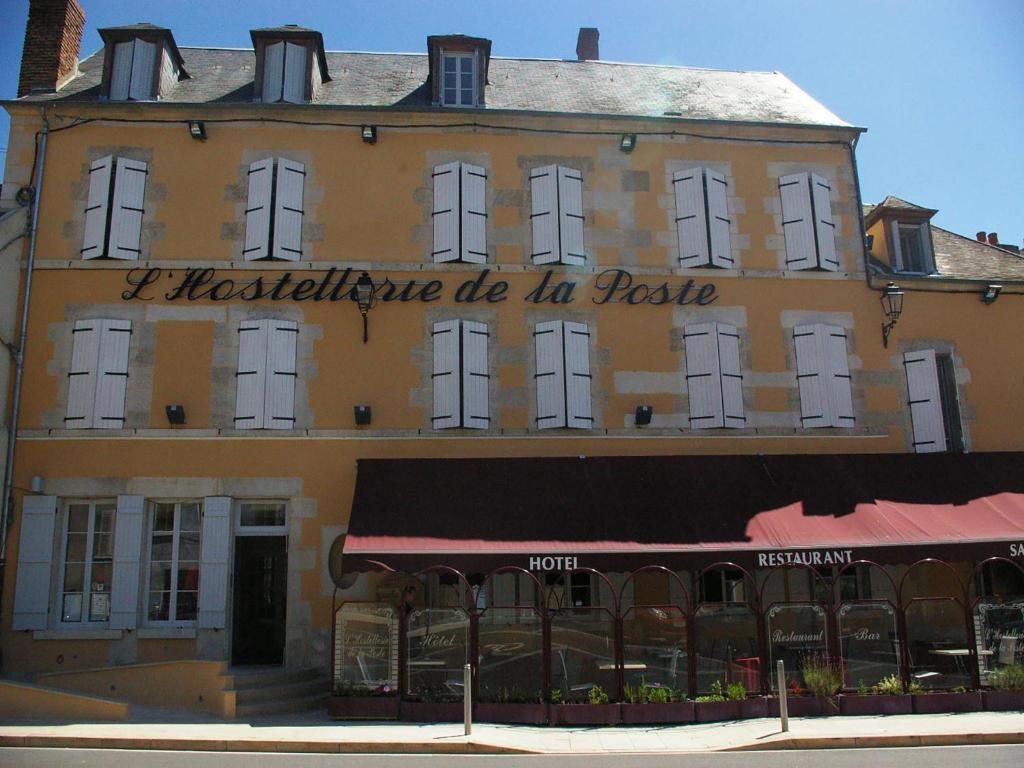
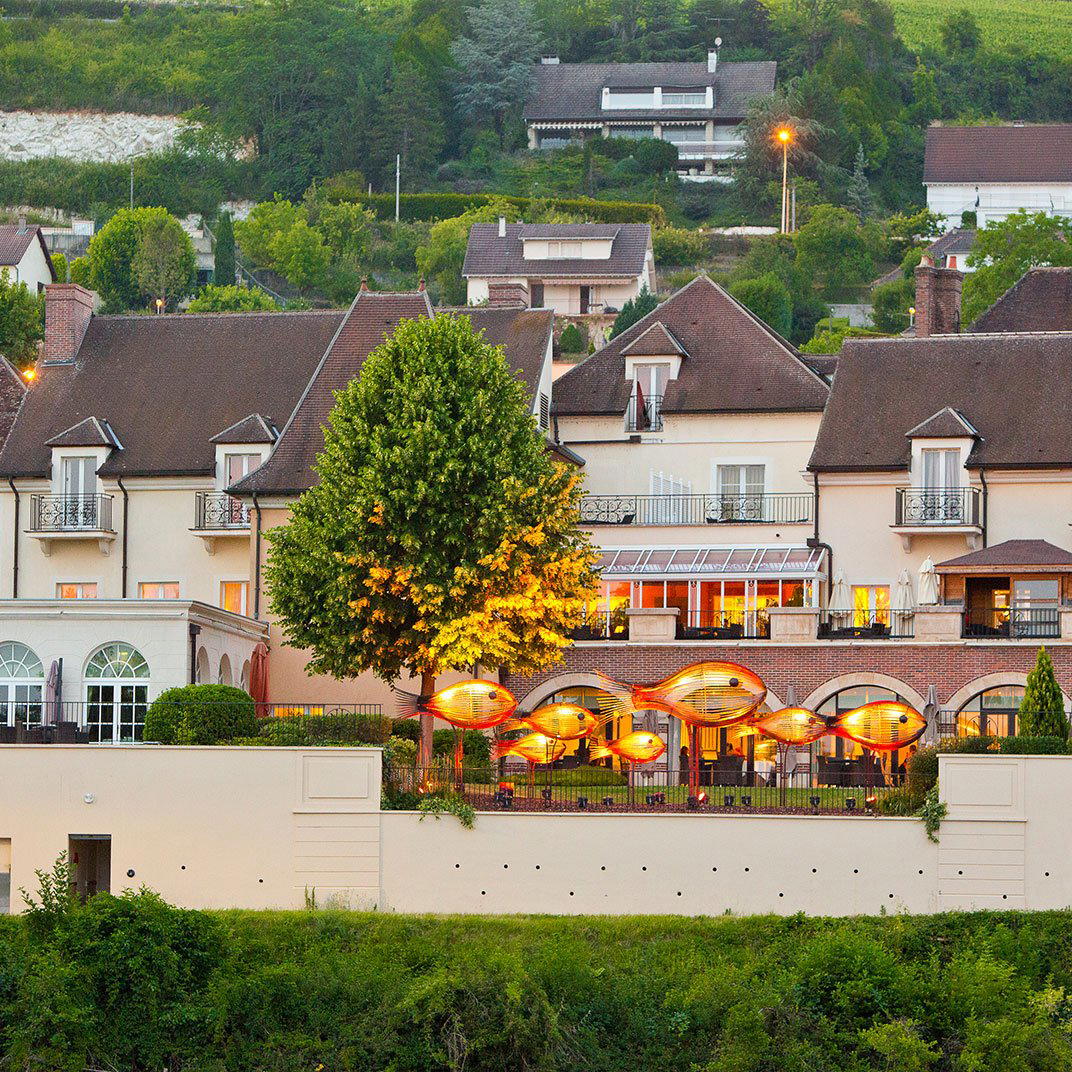
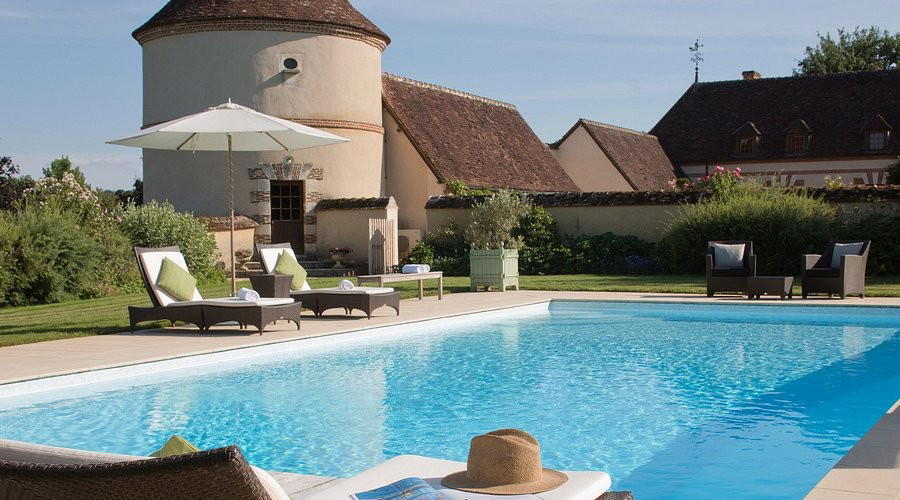
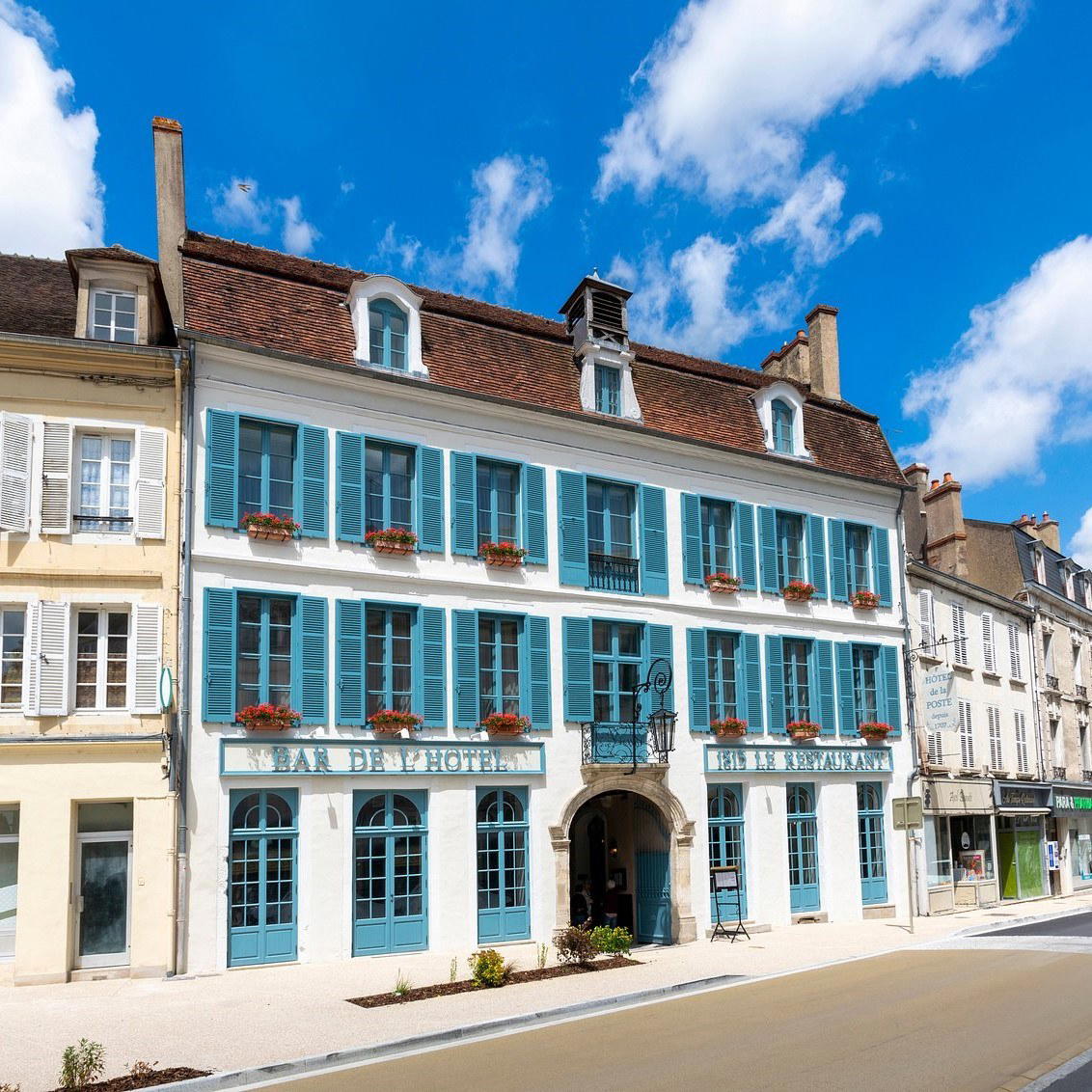
Hostellerie de la Poste occupies a historic address on Place Émile Zola in Clamecy, a Burgundy canal town where the Yonne and Beuvron rivers meet. The property sits within the broader tradition of French provincial hostelleries that have long served as waypoints between Paris and the deeper south, offering table and room in the same stone walls. For travellers moving through the Nièvre, it is a fixed point in a region that rewards slower itineraries.

Pearl is the En Primeur Club membership app — saves, bookings, and concierge access live there. Same editors, same standards.
- Address
- 9 Pl. Emile Zola, 58500 Clamecy, France
- Phone
- +33386270155
- Website
- hostelleriedelaposte.fr
- Directions
- Get directions
- Booking
- Book on TheFork
The menu
What to order
- Tartare au saumon et agrumes
- Gaspacho de melon & pancetta
Where the Canal Trade Once Stopped
Clamecy is not a city that announces itself. Tucked into the northern edge of the Nièvre department, it sits at the confluence of the Yonne and Beuvron rivers, a town whose prosperity once ran on timber floating downstream to Paris and, before that, on pilgrimage routes heading south. The Place Émile Zola at its centre carries that layered civic weight: a square that has seen market stalls, coaching traffic, and the slow rhythms of provincial French life across several centuries. Hostellerie de la Poste occupies a building at this address, and its name signals its function in the older geography of French travel — the post house, the relay point, the place where a journey paused before continuing.
That tradition of the provincial hostellerie is a specific French institution, distinct from the grand-palace hotel or the contemporary boutique property. These are establishments where dining room and bedroom share the same logic: honest regional cooking, a wine list anchored in the surrounding appellations, and an understanding that guests arrive by road rather than flight. The format persists most credibly in towns like Clamecy, where the alternative to this kind of property is not a five-star competitor but an absence. For context on how French provincial hospitality differs at its most ambitious end, properties such as Georges Blanc in Vonnas or Auberge de l'Ill in Illhaeusern represent what the hostellerie format becomes when decades of kitchen investment compound — but both began from the same provincial-relay premise.
Burgundy at the Table: What the Region Puts on the Plate
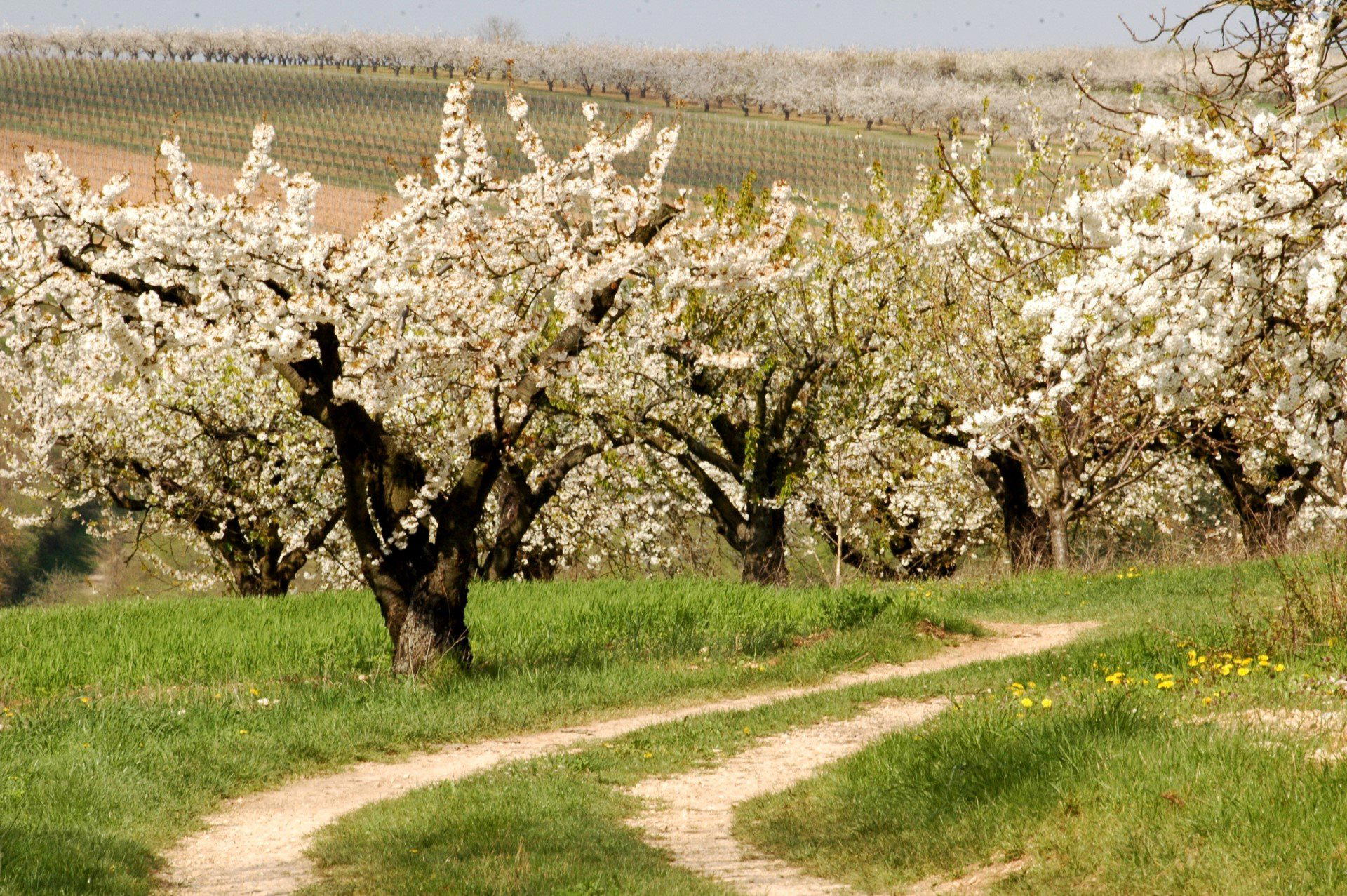
The Nièvre sits within the broader administrative region of Bourgogne-Franche-Comté, which means the sourcing tradition here draws from one of France's most ingredient-defined territories. Burgundy's agricultural character is not incidental to its cooking: Charolais cattle from the western plateau, freshwater fish from the rivers and the Canal du Nivernais, wild mushrooms from the surrounding forests, and a network of small producers who have supplied local kitchens across generations. The hostellerie format in towns like Clamecy has historically served as the primary market for these producers, sitting between the farm and the traveller in a more literal sense than any urban restaurant could manage.
That sourcing proximity matters because it shapes what regional French cooking at this level actually is. It is not the ingredient-driven creativity of Mirazur in Menton or the technical ambition of AM par Alexandre Mazzia in Marseille. Provincial Burgundian cooking in this northern zone is defined by patience: long braises, sauces built from reduced stocks, the local Pinot Noir used as both table wine and cooking medium. The comparison set for a Clamecy hostellerie is not Michelin-starred destination dining but the broader category of honest regional French table that the Guide Michelin's Bib Gourmand tier was originally designed to recognise. For readers calibrating expectations, the relevant frame is comfort and locality rather than spectacle.
This is also the zone where the Canal du Nivernais introduces its own ingredient logic. The waterway, completed in the early nineteenth century, runs directly through Clamecy and connects the town to a corridor of rural production extending north toward the Loire and south toward the Morvan. Kitchens that draw from this geography have access to freshwater species, pike, perch, crayfish in season, that appear rarely on urban French menus. That specificity is the argument for eating in a town like this rather than simply passing through.
Provincial Hostelleries in French Dining: The Broader Pattern
The French hostellerie-restaurant format has faced structural pressure since the 1990s. The autoroute network redirected transit traffic away from market-town routes, reducing the captive audience that once filled dining rooms on weekday evenings. Many properties in this tier closed or converted; those that remained did so either by developing a strong local clientele or by repositioning toward weekend leisure travel from Paris and Lyon. Clamecy, roughly two and a half hours from Paris by road and accessible via Auxerre on the rail network, sits within the weekend-reach radius of the capital, which gives properties here a different demand profile than more isolated rural addresses.
The comparison across French provincial dining is instructive. At the upper end of the committed provincial format, Bras in Laguiole or Auberge du Vieux Puits in Fontjoncouse demonstrate what happens when a provincial address builds a destination identity around a singular kitchen vision. Hostellerie de la Poste operates at a different register, the town-square inn rather than the gastronomic pilgrimage point, and that distinction is not a criticism but a category description. See also L'Oustau de Baumanière in Les Baux and Christopher Coutanceau in La Rochelle for examples of provincial properties that have built nationally recognised identities while maintaining regional character.
For the reader comparing French regional addresses more broadly, Assiette Champenoise in Reims and Au Crocodile in Strasbourg illustrate how the provincial fine-dining format has evolved in regions with stronger urban anchors. The Nièvre, without a significant city to drive demand, relies on a different calculus: travellers who choose the slower route and the smaller town because the territory itself is the point. Our full Clamecy restaurants guide maps that territory in more detail.
Planning a Visit to Clamecy
Clamecy is most naturally approached as part of a longer itinerary through Burgundy rather than as a standalone destination. The town is served by rail connections through Auxerre, placing it within reach of travellers moving between Paris and Lyon who are willing to step off the TGV corridor. The Canal du Nivernais makes the area particularly well-suited to spring and autumn visits, when the towpath cycling routes are in good condition and the surrounding Morvan forests have colour. Summer brings river tourism and market activity to the Place Émile Zola; winter is quiet in the way that small French market towns tend to be, the dining room matters more than the street.
For properties at this address and price tier in provincial France, booking ahead for weekend dinners is prudent, particularly in the warmer months when Parisian visitors fill weekend tables. The address at 9 Place Émile Zola places the property at the centre of the old town, within walking distance of the medieval cathedral of Saint-Martin and the Musée d'Art et d'Histoire Romain Rolland, the latter relevant because Clamecy was the birthplace of Nobel laureate Romain Rolland, a fact that gives the town a literary dimension unusual for its size. That cultural texture is part of what makes a stop here different from a generic road-trip pause. Those whose appetite for high-end French cooking extends to the capital's grandest addresses might cross-reference Alléno Paris au Pavillon Ledoyen or Flocons de Sel in Megève to understand the full range of what French hospitality delivers at different price tiers and settings. For transatlantic context, Le Bernardin in New York City and Atomix in New York City show how French culinary influence travels; the provincial French original, in a town like Clamecy, is a different kind of education. The Paul Bocuse - L'Auberge du Pont de Collonges and Troisgros - Le Bois sans Feuilles in Ouches are also worth studying as examples of how landmark French provincial kitchens have evolved over generations. Clamecy sits at the quieter, less-celebrated end of that same tradition, and that, for certain travellers, is precisely the appeal. La Marine in Noirmoutier-en-l'île offers another angle on what committed French provincial cooking looks like when rooted in specific territory.
Frequently asked questions
What's the overall feel of Hostellerie de la Poste?
The setting is a traditional French hostellerie on Place Emile Zola in Clamecy, a quiet canal town in the Nièvre. Expect the tone of a provincial stopover rather than a destination restaurant: unhurried, locally rooted, and oriented around the rhythms of the town rather than a performance for visitors.
Is Hostellerie de la Poste a good base for exploring the Burgundy canal routes?
Clamecy sits at the confluence of the Yonne and Beuvron rivers and was historically a staging point along the canal trade network feeding Paris. The hostellerie's address on Place Emile Zola places it within easy reach of the towpaths and the town's 12th-century heritage. Travellers routing through Burgundy by canal boat or along the D-road network through the Nièvre department will find Clamecy a practical and undervisited midpoint between Auxerre and Nevers.
What dish is Hostellerie de la Poste famous for?
Clamecy sits within the broader Bourgogne-Franche-Comté region, where the sourcing tradition draws on Charolais beef, freshwater fish from local rivers, and the charcuterie and cheeses of the Nièvre — patterns that tend to shape menus at hostelleries of this type.
What part of town is Hostellerie de la Poste in?
Hostellerie de la Poste is located at 9 Pl. Emile Zola, 58500 Clamecy, France, Clamecy.
Can I walk in to Hostellerie de la Poste?
Clamecy is a small town, and the hostellerie sits directly on Place Emile Zola, so foot access from the town centre is straightforward. Given the limited dining options in the area, calling ahead is sensible, particularly on weekends or during regional market days.
Side-by-Side Snapshot
Comparable venues nearby, for context on price, style, and recognition.
| Venue | Cuisine | Price | Awards | Notes |
|---|---|---|---|---|
| Hostellerie de la PosteThis venue — the venue you are viewing | Refined French Regional Bistro | $30–50 | Not listed | Not listed |
| Bienheureux | Modern French Creative | Not listed | Michelin Plate | Wasquehal |
| Auberge Les Tilleuls | Traditional French Bistro | $50–100 | Not listed | Vincelottes |
| Comptoir De Vie | Modern French Tasting Counter-Bar | $100–150 | Not listed | 2nd Arrondissement |
| La Poule Noire | Traditional Burgundian Bistro | $30–50 | Not listed | historic heart |
| Le Relais des Gourmets | Traditional Burgundian French Bistro | $30–50 | Not listed | Centre-ville |
Continue exploring
More in Clamecy
Restaurants in Clamecy
Browse all →
Bars in Clamecy
Browse all →
Hotels in Clamecy
Browse all →
Hostellerie de la Poste
The wine
- Wine program
- Curated wine list
- Extensive wine list
Details
- Classic
- Elegant
- Cozy
- Family
- Business Dinner
- Special Occasion
- Historic Building
- Hotel Restaurant
- Extensive Wine List
- Local Sourcing
- A La Carte
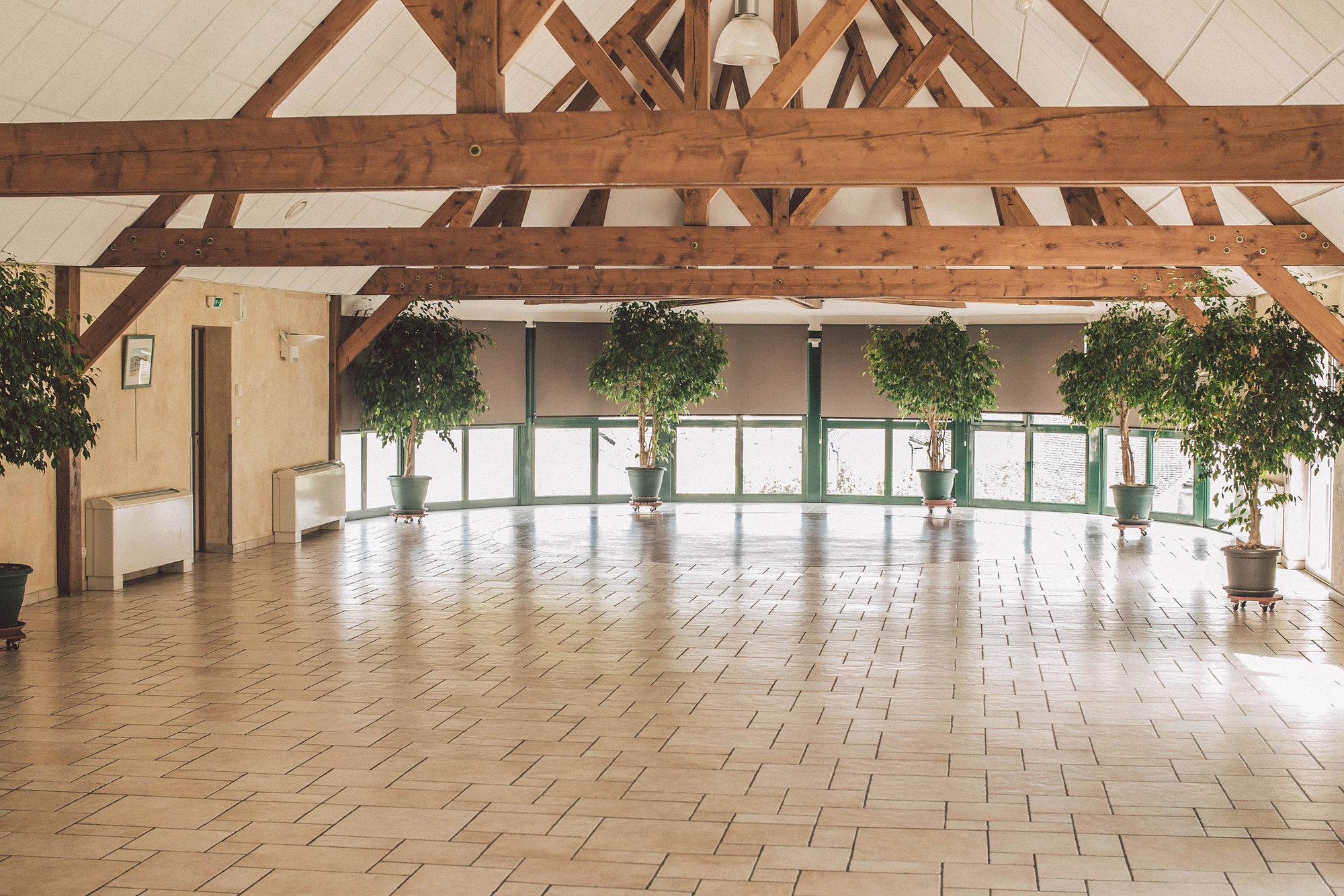
Refined and classic bourgeois atmosphere with reassuringly traditional charm.