Honduras' Kitchen
Honduras' Kitchen on East 4th Street brings Central American home cooking to one of Long Beach's most culturally layered corridors. The kitchen draws on Honduran culinary tradition, where ingredients and technique carry the weight of the dish rather than presentation theatrics. For a city with serious depth in Southeast Asian and Latin dining, it adds a less-represented voice to the conversation.
Pearl is the En Primeur Club membership app — saves, bookings, and concierge access live there. Same editors, same standards.
- Address
- 1909 E 4th St, Long Beach, CA 90802
- Phone
- +15626248849
- Website
- hkhonduraskitchen.com
- Directions
- Get directions
 Saves & bookings on Pearl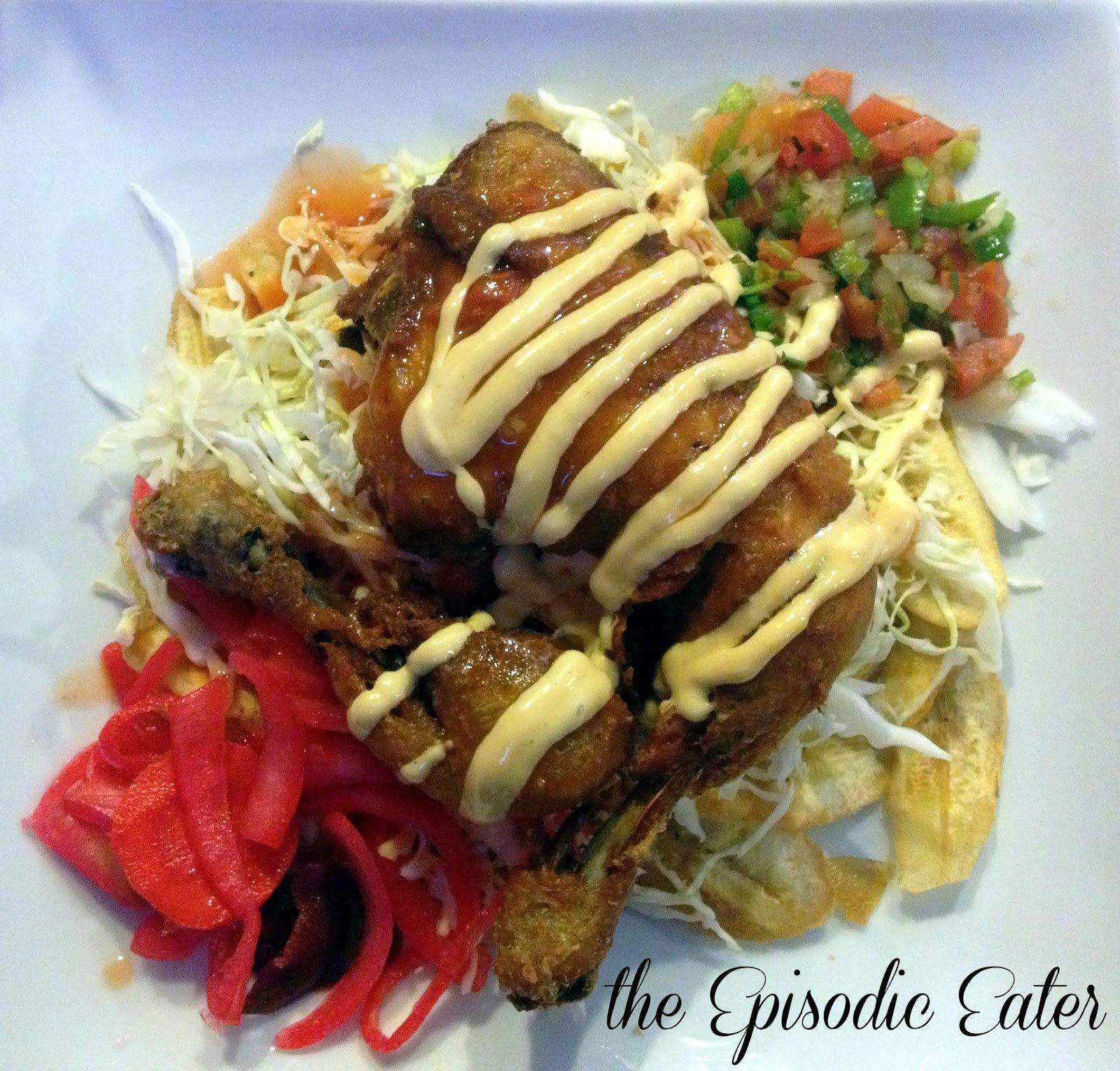
East 4th Street and the Logic of Ingredient-Driven Diaspora Cooking
Long Beach's East 4th Street corridor has developed one of Southern California's more quietly compelling stretches of immigrant-rooted restaurants. The street runs through neighborhoods where culinary identity is built from necessity and memory rather than concept decks, and the kitchens along it tend to reflect that. Honduras' Kitchen, at 1909 E 4th St, fits that pattern. The dining room keeps its focus narrow and its sourcing close to tradition, positioning itself within a tier of Long Beach restaurants where the ingredient list tells you more about a dish's integrity than any award citation could.
Central American cuisines remain underrepresented in Southern California's dining press, which tends to cluster its attention around Mexican regional cooking, Southeast Asian food corridors in the San Gabriel Valley, and the higher-price brackets of the coastal dining scene. Honduran food, in particular, occupies a space where the sourcing logic is direct: dried beans, fresh corn, plantains at specific ripeness stages, slow-cooked proteins, and chiles that do structural work rather than decorative heat. These are not ingredients that benefit from substitution, and kitchens that handle them well tend to source them with some care.
What Honduran Cooking Actually Involves
The culinary tradition Honduras' Kitchen draws from is built around a handful of foundational techniques and ingredient categories that reward attention. Baleadas, the flour tortilla-based staple, depend entirely on the quality of the refried beans inside them and the freshness of the tortilla itself. Sopa de res, the country's most recognized slow-cooked beef soup, requires the right cut-to-broth ratio and the patience to develop flavor through time rather than seasoning shortcuts. Tajadas, fried plantain slices, read differently depending on whether the fruit was pulled at peak ripeness or processed early for shelf convenience.
These distinctions matter because they separate restaurants that source intentionally from those that approximate. In diaspora cooking, the gap between the two is often most visible in the staple items, the ones that don't carry enough menu prestige to justify corners being cut, but that regulars will notice immediately. At Honduras' Kitchen, the emphasis on those staple preparations gives the menu its coherence.
For context, compare the sourcing logic here with what happens at the higher price points of Southern California dining. Providence in Los Angeles and Addison in San Diego both treat sourcing as a marketing cornerstone, naming farms and fishing boats on the menu. At the other end of the price spectrum, the sourcing discipline is quieter but no less real, and often more directly tied to cultural authenticity than to trend.
Long Beach's Broader Dining Context
Long Beach operates as a genuinely diverse dining city, with credible representation across Southeast Asian, Mexican, American, and now Central American cuisines. The downtown core and its surrounding streets hold a range of price points and formats. 555 East anchors the steakhouse tier. Heritage (Californian) works the farm-to-table Californian register. Benley and Alli Kaphiy speak to the city's Vietnamese and Ethiopian communities respectively, and Boathouse on the Bay holds the waterfront leisure dining position.
The restaurant occupies a different register from all of them: neighborhood-scale Central American, on a street that functions as a practical dining corridor rather than a destination one. That positioning carries specific implications. The clientele skews local and repeat. The menu pricing reflects the neighborhood rather than the coastal premium zones. The kitchen isn't calibrated for a visiting food tourist's first impression; it's calibrated for the fourth visit, when you already know what you're ordering.
For those building a complete picture of what Long Beach's restaurant scene actually contains, our full Long Beach restaurants guide maps the city across cuisine type, price point, and neighborhood in more detail.
Where It Sits Against National Benchmarks
The restaurants that draw critical attention in the American dining press, places like Lazy Bear in San Francisco, Alinea in Chicago, Le Bernardin in New York City, or The French Laundry in Napa, operate within a framework where sourcing is documented, publicized, and priced accordingly. Ingredient provenance at those tables is a product feature. At Single Thread Farm in Healdsburg and Blue Hill at Stone Barns in Tarrytown, it's the organizing principle of the entire experience.
Diaspora kitchens like Honduras' Kitchen operate on sourcing discipline of a different kind: cultural fidelity rather than farm certification. The question isn't whether the plantain came from a named supplier, but whether it was handled correctly within a tradition that has specific expectations for how it should taste and function on the plate. That is a different form of ingredient accountability, and one that rarely gets the same editorial coverage, despite being no less rigorous in its own terms.
Comparable restaurants across the country, including Emeril's in New Orleans, Atomix in New York City, and 8 1/2 Otto e Mezzo Bombana in Hong Kong, all operate within well-documented culinary traditions where technique and sourcing work together. The traditions differ; the discipline does not. The Inn at Little Washington makes the same argument from an American regional standpoint.
Planning a Visit
The restaurant is located at 1909 E 4th St in Long Beach, California 90802, on a street that rewards walking the block before or after eating. The surrounding corridor has other small restaurants and cafes, and the neighborhood character is residential and workaday rather than tourist-facing. Arriving without a reservation and without a specific agenda tends to produce the right kind of meal here: direct, filling, and priced for regular attendance rather than occasional splurging. Phone and website details are not currently listed, so one reliable approach is to visit directly or check recent community-sourced listings for current hours and any operational changes.
Comparable Venues
Comparable venues nearby, for context on price, style, and recognition.
| Venue | Cuisine | Price | Notes |
|---|---|---|---|
| Honduras' KitchenThis venue — the venue you are viewing | Authentic Honduran | $$ | Not listed |
| Sura | Korean BBQ & Tofu House | $$ | Downtown |
| HOMAREYA | Japanese Izakaya & Yakitori | $$ | Long Beach |
| Taboon Mediterranean | Authentic Mediterranean & Middle Eastern | $$ | Bixby Knolls |
| Telefèric Barcelona Long Beach | Authentic Spanish Tapas & Paellas | $$ | 2nd and PCH |
| Knolls Restaurant | American Casual | $$ | Long Beach |
Continue exploring
More in Long Beach
Restaurants in Long Beach
Browse all →
Bars in Long Beach
Browse all →
Hotels in Long Beach
Browse all →
Wineries in Long Beach
Browse all →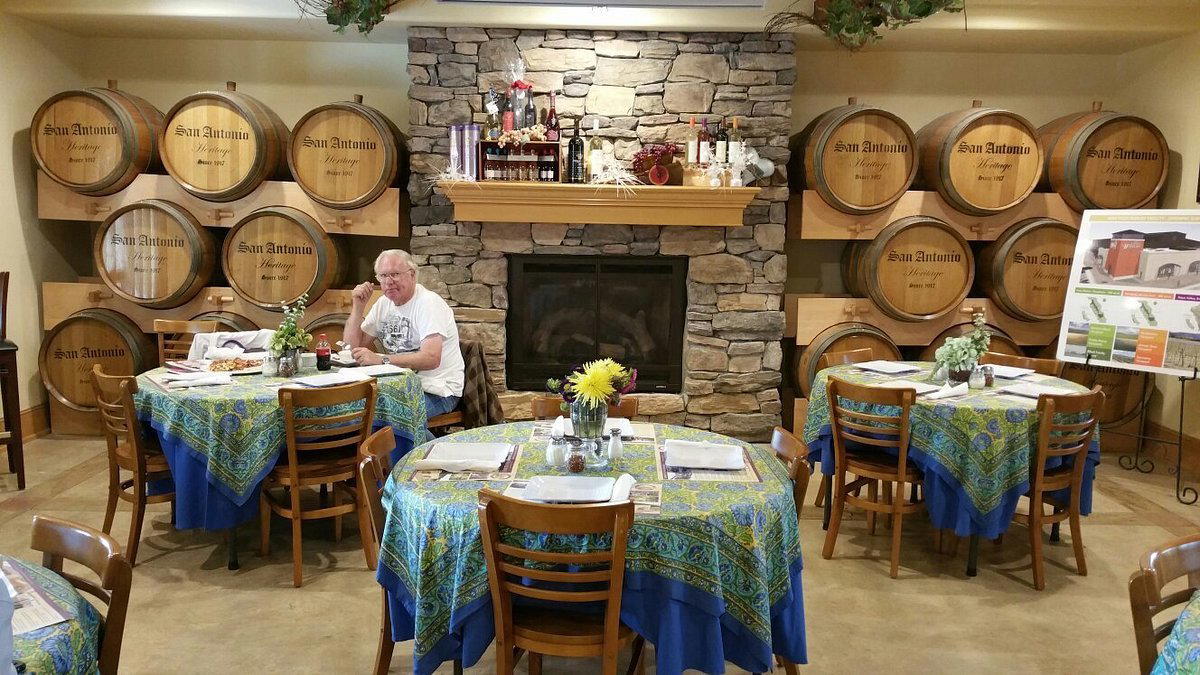
At a Glance
- Cozy
- Casual
- Family
- Group Dining
- Casual Hangout
- Standalone
Current opening hours
- Monday
- 11 AM–8 PM
- Tuesday
- Closed
- Wednesday
- 11 AM–8 PM
- Thursday
- 11 AM–8 PM
- Friday
- 11 AM–9 PM
- Saturday
- 10 AM–9 PM
- Sunday
- 10 AM–9 PM
Hours can change for holidays and private events. Last verified .
Casual and welcoming atmosphere with friendly service, unassuming exterior but spacious interior, suitable for families and friends.