The California Tasting Menu and the Farm Connection
California has produced its own grammar for the tasting menu format, distinct from the French-trained classicism that still anchors rooms like Le Bernardin in New York City or the Southern confidence of Emeril's in New Orleans. The California version tends to organize itself around produce and season rather than technique and protein, and it leans on proximity to farmland as a primary credential. Heritage follows this model with precision: the kitchen sources from a nearby farm operated in connection with the restaurant, which means the menu's seasonal character is not a marketing position but a structural reality. When a fruit or vegetable appears across multiple courses, as the Michelin citation describes with seasonal fruit threading through savory and dessert courses alike, it reflects what the farm is producing rather than a design decision made months in advance.
That approach places Heritage in a recognizable California lineage, alongside Caruso's in Montecito and Citrin in Los Angeles, where the region's agricultural depth provides the menu's organizing logic. At Heritage, the execution extends that tradition into a format that is notably accessible given the award context. The tasting menu is priced, as the Michelin inspectors noted, quite reasonably for its tier, which is a rarer claim in 2025 than it should be. Most starred tasting menus in California now price between $175 and $350 per person before wine. Heritage operates below what that range implies, making it one of the more financially approachable entry points to starred tasting-menu dining in Southern California.
For a broader sense of how Heritage fits within the Long Beach dining scene, the city's restaurant offerings span from the casual Thai cooking at Chiang Rai and the comfort-driven Southern food at The Attic to the formal Italian of L'Opera. Heritage operates in a different register from all of them, and in a different register from most of what the city has historically offered. The 2025 Michelin recognition is Long Beach's strongest signal yet that the city can sustain serious fine dining at a level that invites comparison with Los Angeles rather than simply contrasting with it.
Siblings, Service, and the Division of Labor
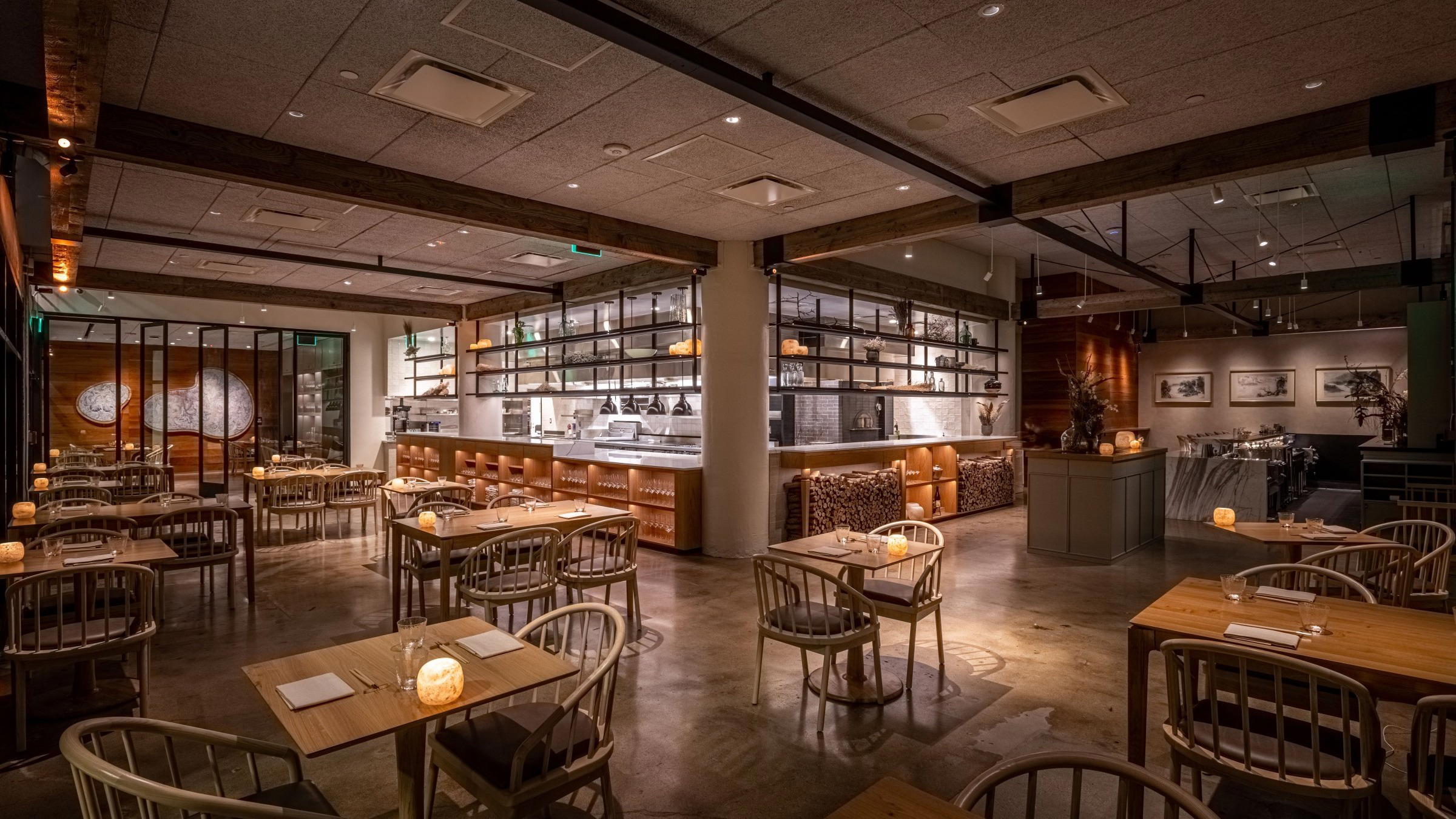
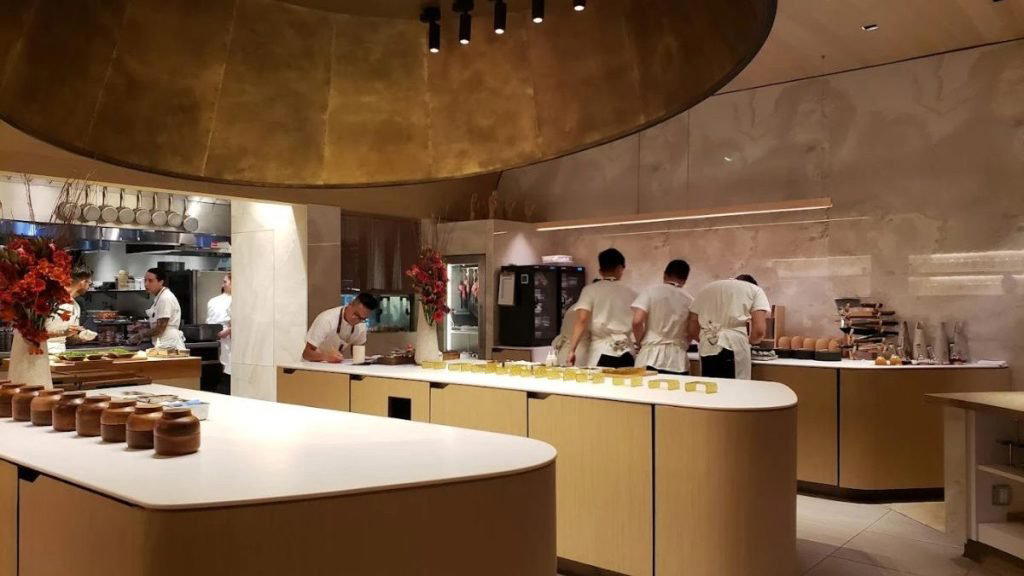
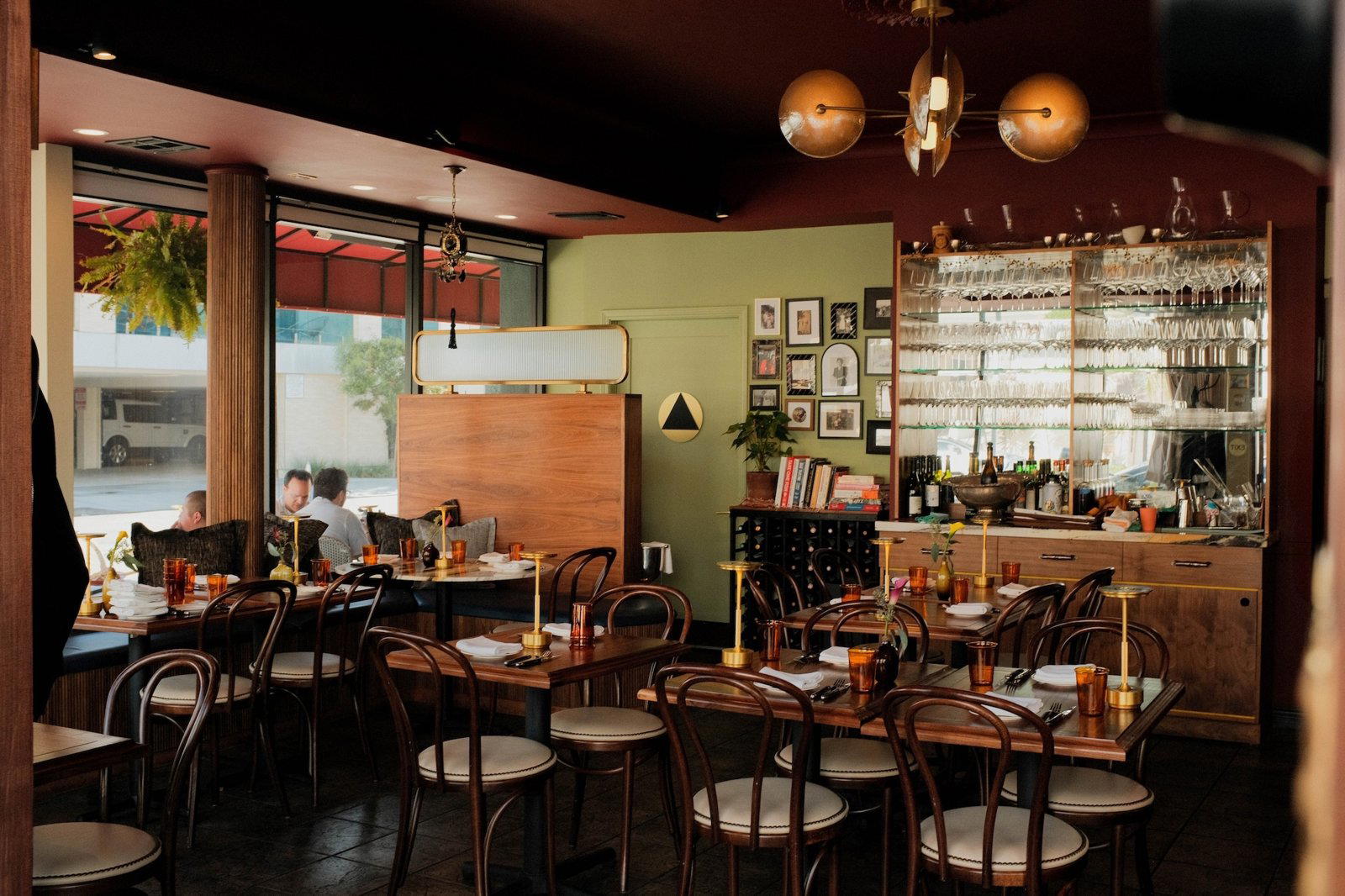
The sibling model, a kitchen lead paired with a front-of-house lead who share both ownership and responsibility, recurs often enough in American fine dining to constitute its own recognizable format. The pairing tends to produce a particular kind of coherence: the meal reads as a single statement rather than two departments running parallel operations. At Heritage, Philip Pretty runs the kitchen and Lauren Pretty manages the front of house. The result is relaxed but detail-conscious, which maps closely to what this operational structure tends to produce when it works. The service register matches the physical environment: attentive without being formal, informed without being performative. In a tasting menu context, where the pace and temperature of a room can make or break the format, that calibration is not a minor quality.
The guest experience at Heritage is anchored by a single multicourse tasting menu. That commitment to a single format is consistent with the direction American fine dining has taken at the serious end of the market, where Providence in Los Angeles has maintained tasting menu primacy while the broader market has oscillated between formats. The single-format approach concentrates the kitchen's effort and allows the seasonal thread, fruit across savory and dessert courses in the examples the Michelin record describes, to read as intentional rather than incidental.
Planning a Visit
Heritage is located at 2030 E 7th St in Long Beach's Rose Park neighborhood, a residential area southeast of downtown. The Rose Park location means the restaurant does not benefit from foot traffic, which reinforces the reservation-first model standard for tasting menu formats at this level. Reservations are essential.
The tasting menu is priced at about $175 per person. The dress code is smart casual.
For those building a Southern California fine dining itinerary, Heritage now sits alongside Providence as one of two Long Beach-adjacent anchors worth planning a trip around, rather than a local curiosity that happens to have a star. That repositioning is the real significance of the 2025 recognition, and it is consistent with a broader pattern in which Michelin has been identifying starred talent in cities that the national fine dining conversation has historically undervalued.