HOMAREYA
On the corner of 4th Street in downtown Long Beach, HOMAREYA occupies a stretch of the city's growing independent dining corridor. Visitors curious about Long Beach's evolving restaurant scene will find it worth investigating firsthand.
Pearl is the En Primeur Club membership app — saves, bookings, and concierge access live there. Same editors, same standards.
- Address
- 145 E 4th St, Long Beach, CA 90802
- Phone
- +15627543302
- Website
- opentable.com
- Directions
- Get directions
 Saves & bookings on Pearl
Downtown Long Beach and the Independent Dining Corridor
Downtown Long Beach has spent the better part of a decade shifting from a secondary destination into a dining address worth planning around. The stretch near 4th Street, where HOMAREYA sits at number 145, concentrates a mix of independent operators that have quietly reshaped what the city's dining scene looks like from the outside. This is not the polished waterfront strip where tourists default; it is the part of Long Beach where operators open because the rent still allows ambition, and because a local customer base has grown sufficiently informed to support it.
That context matters for understanding where HOMAREYA fits. Long Beach's independent restaurant tier now competes meaningfully with Los Angeles County at large, not merely with itself. Heritage (Californian) set a benchmark for what serious cooking at the $$$$-tier looks like in this city, and a broader cohort of operators, from the Vietnamese-inflected Benley to the coastal-positioned Boathouse on the Bay, has built out the range of formats available to a visitor willing to move beyond the obvious. HOMAREYA enters that conversation at 4th Street, a block that carries a particular energy in the evening hours when the downtown foot traffic consolidates.
What the Address Tells You Before You Walk In
In American dining cities, a restaurant's block often communicates as much as its menu. The 4th Street corridor in Long Beach sits near enough to the city's civic core to draw a mixed crowd, professionals who work nearby, residents from the surrounding grid of mid-century neighborhoods, and a growing subset of LA visitors who make the Metro A Line journey south specifically to eat. That audience tends to reward operators who build a focused identity rather than a broad crowd-pleasing program. The address at 145 E 4th St places HOMAREYA squarely in that dynamic: close enough to foot traffic to benefit from discovery, distinct enough in character to retain regulars.
For comparison, the steakhouse format of 555 East anchors a different part of the downtown market, one oriented toward expense-account dining and celebratory occasions. The more neighborhood-scale operators, like the Ethiopian-inflected Alli Kaphiy, occupy the other end of the spectrum. HOMAREYA's precise position within that range is something a first visit will clarify, but the location signals that it is operating in the middle tier where interesting independent work tends to happen.
Menu Architecture as Editorial Lens
The structure of a restaurant's menu, how many sections it contains, whether it privileges small plates over large, whether it offers a fixed-price path alongside à la carte, communicates a philosophy before a single dish arrives. Restaurants that organize around sharing formats are signaling one kind of social contract with the guest; those that anchor on a single protein or culinary tradition are signaling another. In the current American independent dining moment, particularly deliberate operators are making that architecture legible and intentional, building menus that read as a coherent argument rather than a list of options.
This approach characterizes particularly discussed American restaurants of the past decade. At Lazy Bear in San Francisco, the fixed-format communal experience is itself the point; at Alinea in Chicago, the progression is so structured that the menu barely exists as a document the guest interacts with at all. Further north, Single Thread Farm in Healdsburg builds its menu around a kaiseki-adjacent seasonal logic tied directly to its farm operation. These are extreme examples, but they mark a broader trend: the menu as architecture, not inventory.
At the California level, Providence in Los Angeles has long demonstrated how a seafood-focused tasting format can carry the weight of a complete dining statement, while Addison in San Diego, California's first and only Michelin three-star restaurant, shows how French classical structure can be reframed through a local sourcing lens. Internationally, restaurants like Atomix in New York City and 8 1/2 Otto e Mezzo Bombana in Hong Kong illustrate how menu architecture communicates cultural positioning as much as culinary skill. What HOMAREYA does with its own menu structure, whether it builds toward a tasting format, anchors on a signature cuisine, or operates as a more fluid à la carte program, is the central question a visit will answer.
For readers who want to situate HOMAREYA within the wider American fine dining conversation, the roster of operationally distinct comparisons extends further: Le Bernardin in New York City remains the reference point for discipline and focus in a single-ingredient category; The French Laundry in Napa set the standard for how a small-town American address can carry international weight; Blue Hill at Stone Barns in Tarrytown made farm provenance the organizing principle of an entire dining experience; The Inn at Little Washington in Virginia showed how a regional destination could sustain decades of relevance through consistent creative renewal; and Emeril's in New Orleans demonstrated that a chef-driven brand could anchor a city's dining identity without losing its local character. HOMAREYA operates at a different scale than any of these, but the principles that make menu architecture legible are the same regardless of category.
Planning a Visit
HOMAREYA is located at 145 E 4th St in downtown Long Beach, CA 90802, a walkable distance from the downtown transit hub, which makes it accessible without a car from central Los Angeles via the Metro A Line. HOMAREYA is recommended for reservations and opens Tuesday through Sunday, with Monday closed. Downtown Long Beach dining tends to be busiest on Thursday through Saturday; if schedule flexibility exists, a Tuesday or Wednesday visit often allows for a more relaxed experience and greater attention from the kitchen and floor.
Standing Among Peers
Comparable venues nearby, for context on price, style, and recognition.
| Venue | Cuisine | Price | Notes |
|---|---|---|---|
| HOMAREYAThis venue — the venue you are viewing | Japanese Izakaya & Yakitori | $$ | Not listed |
| L'Opera Italian Restaurant | Authentic Italian Ristorante | $$ | Downtown Long Beach |
| Taboon Mediterranean | Authentic Mediterranean & Middle Eastern | $$ | Bixby Knolls |
| Telefèric Barcelona Long Beach | Authentic Spanish Tapas & Paellas | $$ | 2nd and PCH |
| Noble Rotisserie | Polished Rotisserie Chicken | $$ | 2nd & PCH |
| Alli Kaphiy | Authentic Peruvian Coffee & Cafe | $$ | Bixby Knolls |
Continue exploring
More in Long Beach
Restaurants in Long Beach
Browse all →
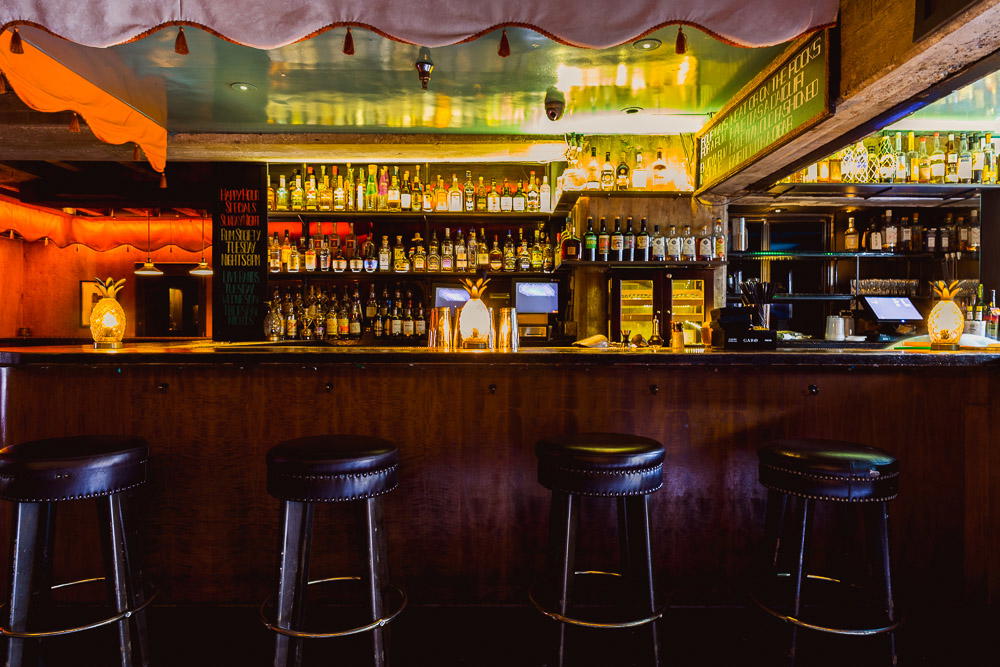
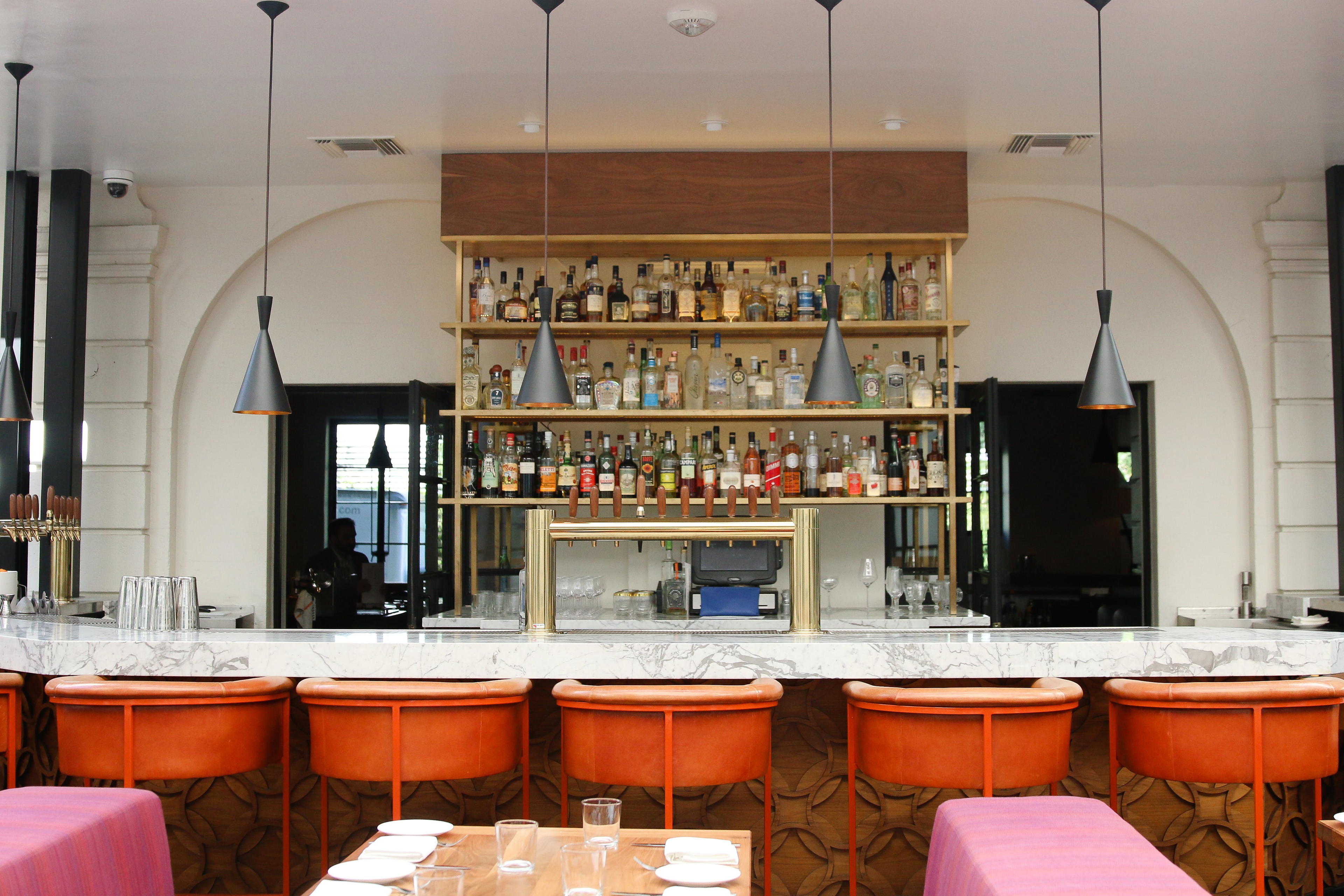
Bars in Long Beach
Browse all →
Hotels in Long Beach
Browse all →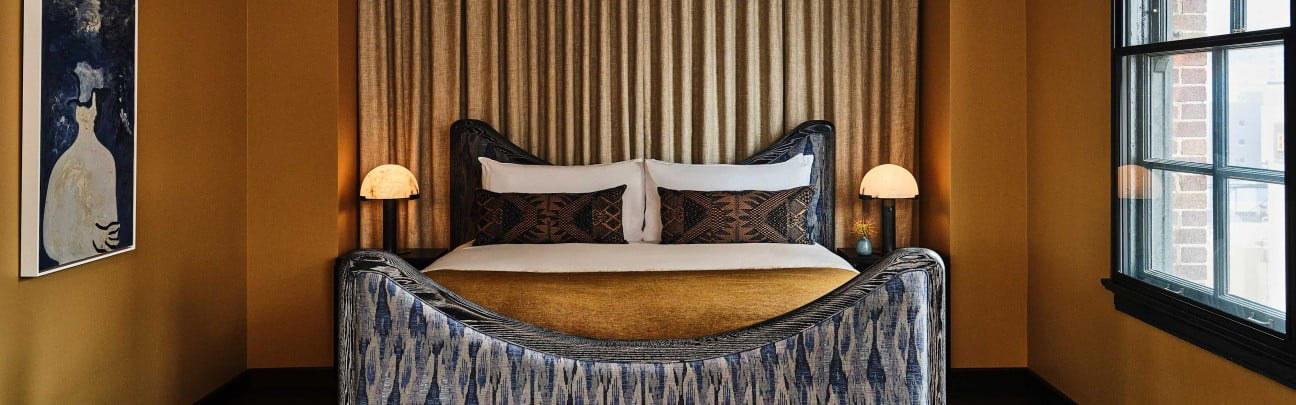
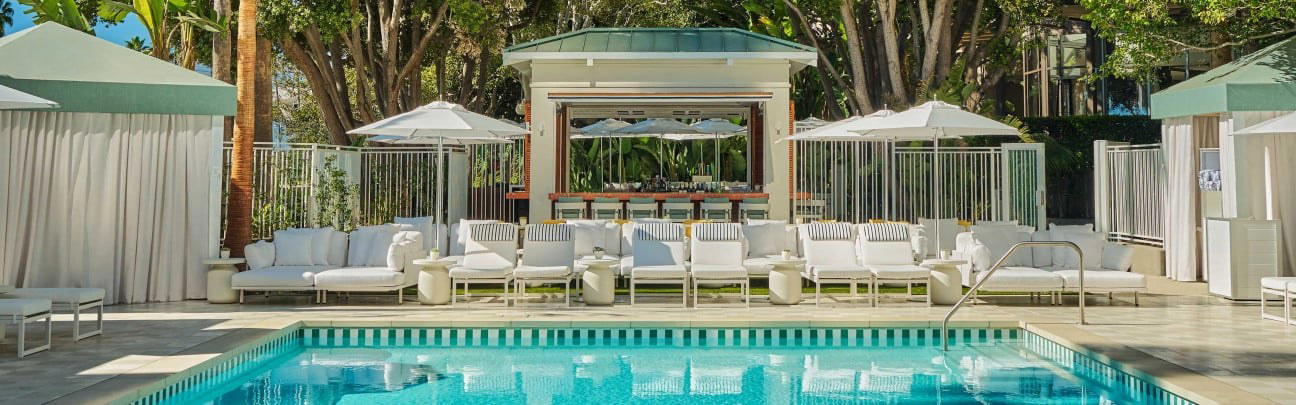
Wineries in Long Beach
Browse all →
At a Glance
- Lively
- Cozy
- Modern
- Special Occasion
- Business Dinner
- Group Dining
- Casual Hangout
- Open Kitchen
- Chefs Counter
- Sake Program
- Beer Program
- Corkage Allowed
- Local Sourcing
Current opening hours
- Monday
- Closed
- Tuesday
- 5:30–9:30 PM
- Wednesday
- 5:30–9:30 PM
- Thursday
- 5:30–9:30 PM
- Friday
- 5:30–10 PM
- Saturday
- 5:30–10 PM
- Sunday
- 5:30–9 PM
Hours can change for holidays and private events. Last verified .
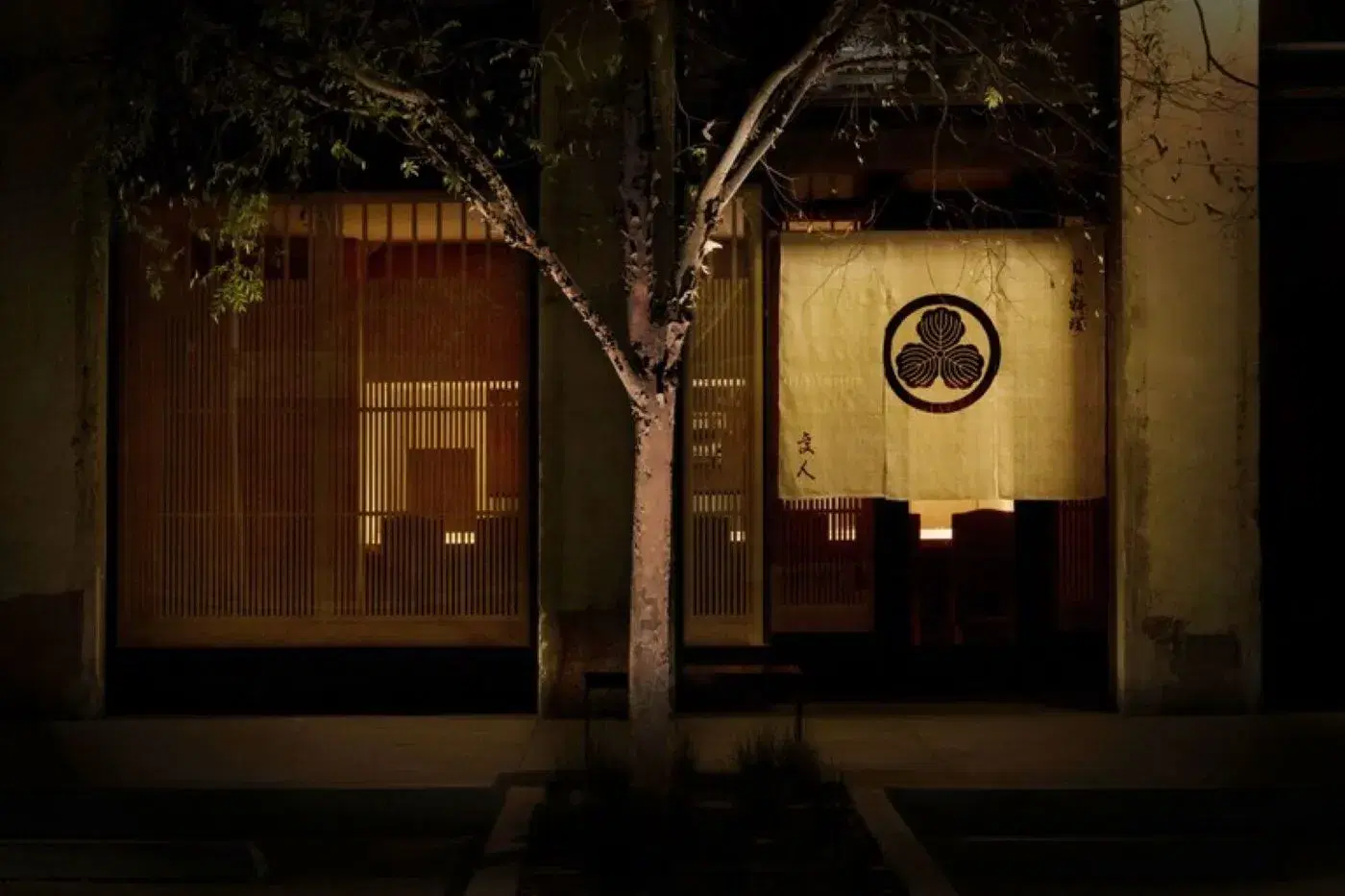
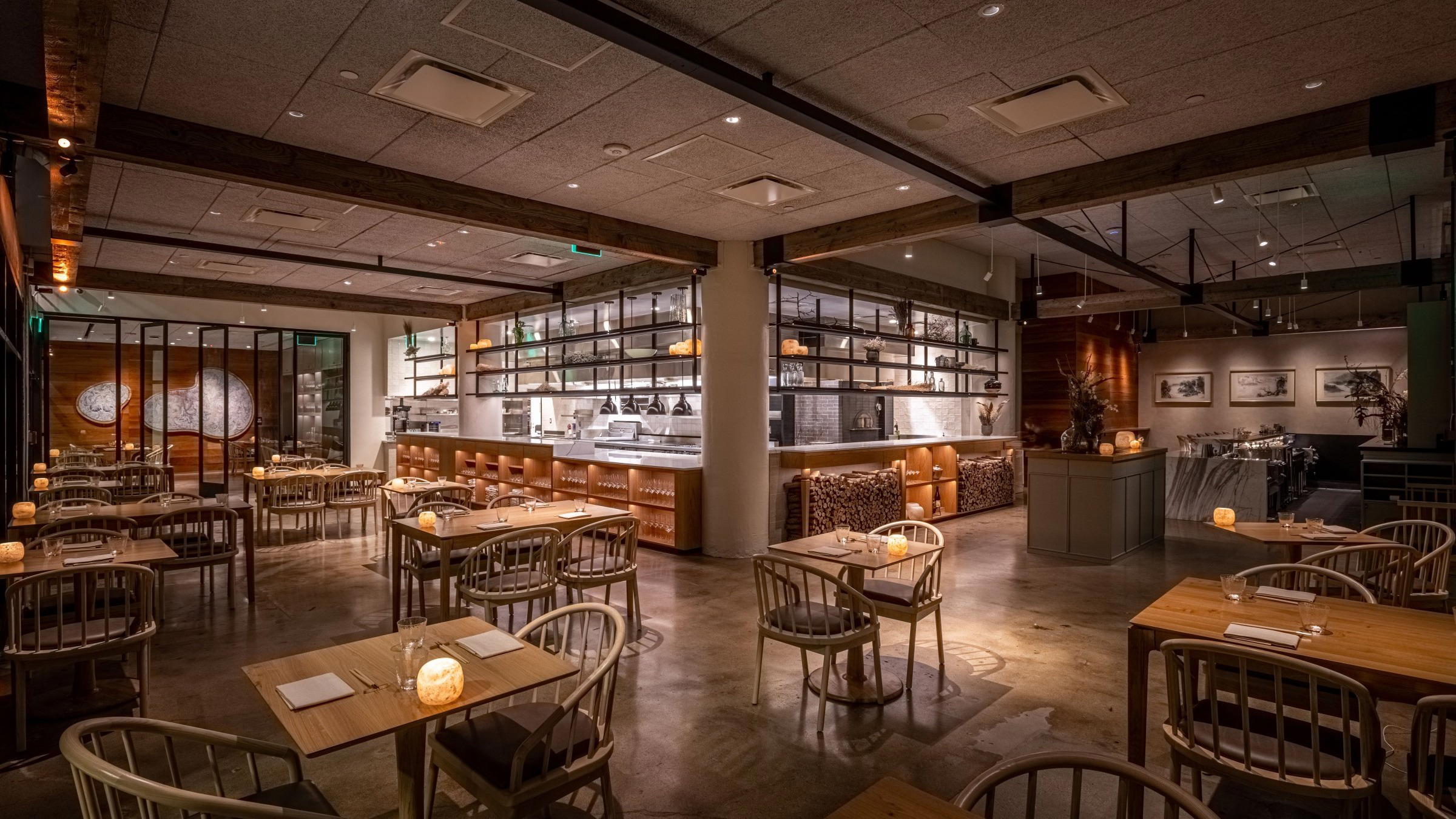
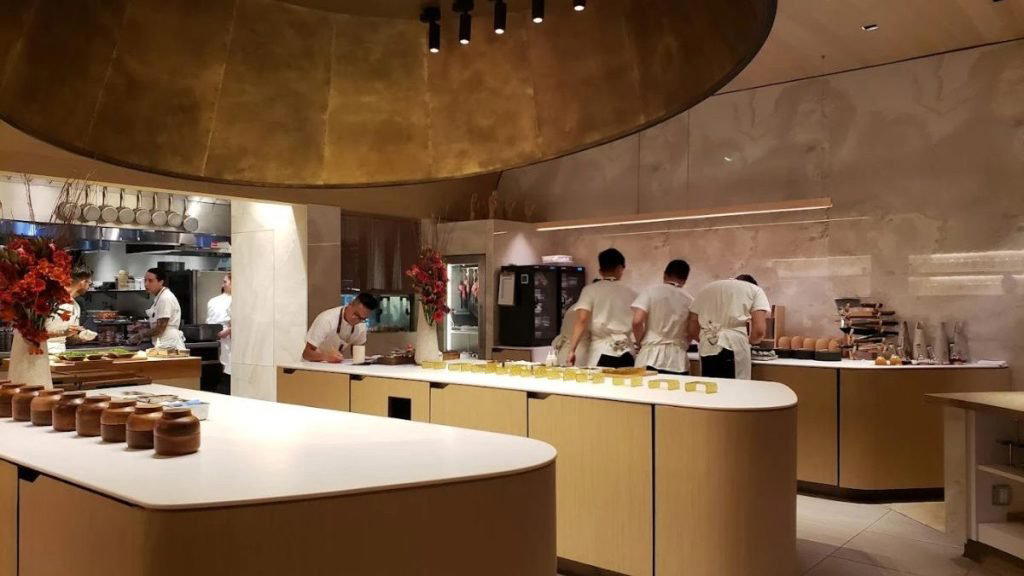
Warm and welcoming culinary space with an open, live kitchen that engages the senses; casual counter-dining atmosphere with a focus on craft and tradition.