
Akasaka Oozeki Honten belongs to Tokyo’s old-school yakiniku tier: charcoal, Japanese Black Wagyu, tripe, table seating, and a clientele that treats repeat visits as part of the rhythm of Akasaka nights. Its selection for Tabelog 100 Yakiniku Tokyo 2025 gives it a public marker in a category where regulars often trust habit more than hype.
Pearl is the En Primeur Club membership app — saves, bookings, and concierge access live there. Same editors, same standards.
- Address
- 3 Chome-18-12 Akasaka, Minato City, Tokyo 107-0052, Japan
- Phone
- +81 3-3586-5456
- Website
- yakiniku-ozeki.com
 Saves & bookings on Pearl
After office hours, Akasaka’s restaurant alleys shift from ministerial formality and hotel lobbies to smaller rooms where smoke, conversation, and tabletop grilling set the pace. Here, yakiniku is not kaiseki-style ceremony but repetition, ordering fluency, and a table that knows when to slow down over shochu or sake. Akasaka Oozeki Honten fits that Tokyo grammar: a house-style yakiniku room with Japanese BBQ and tripe at its core, not a tasting-menu performance for first-time spectacle.
Tokyo yakiniku rewards regulars differently from sushi or tempura. At a counter, the chef controls sequence and tempo; around a grill, the table has agency. Cuts arrive in groups, side orders fill pauses, and the meal depends on heat, timing, and appetite. The draw is not only beef quality, though A5-ranked Japanese Black Wagyu is part of it, but a format that lets a group eat seriously without surrendering the evening to choreography.
Charcoal yakiniku for Akasaka regulars, not a scripted tasting counter
Tokyo’s market splits between luxury beef rooms, casual chain yakiniku, and independent addresses with a local rhythm. Akasaka Oozeki Honten sits in the third lane. Its recognition in Tabelog 100 Yakiniku Tokyo 2025 places it within a curated category set, while the format stays grounded in table grilling rather than chef-led progression. For travelers, the meal is assembled through choices, not delivered as a fixed narrative.
The category listing also matters. Yakiniku and tripe signal a broader Japanese grill vocabulary than lean steak-house ordering. Serious Tokyo yakiniku depends on contrast: fatty and lean beef, offal and familiar cuts, drinks that handle smoke and salt, and rice or sides used as pacing rather than garnish. Drinks include sake, shochu, wine, and cocktails, reflecting contemporary yakiniku rooms built for mixed groups rather than one beverage orthodoxy.
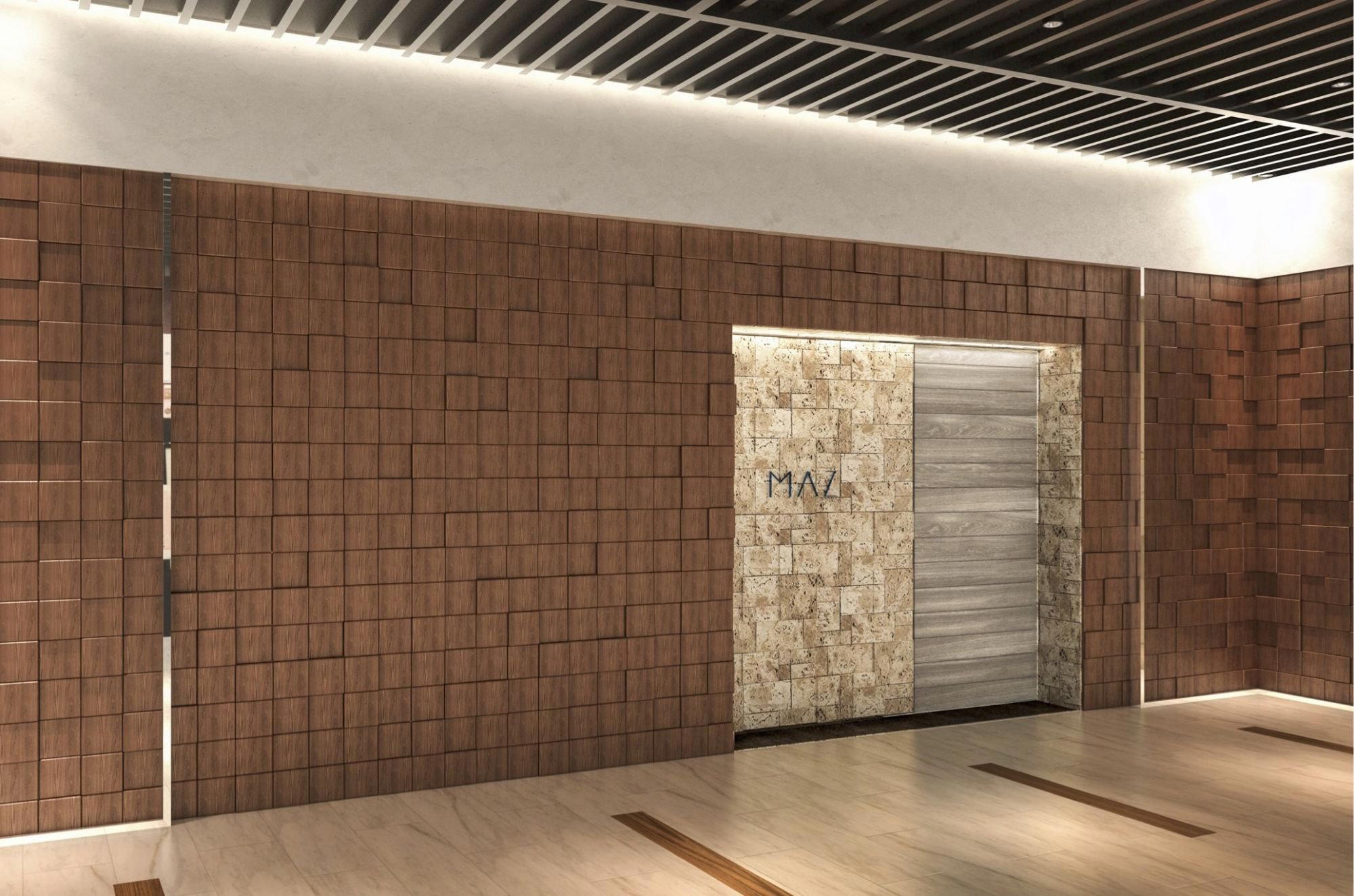
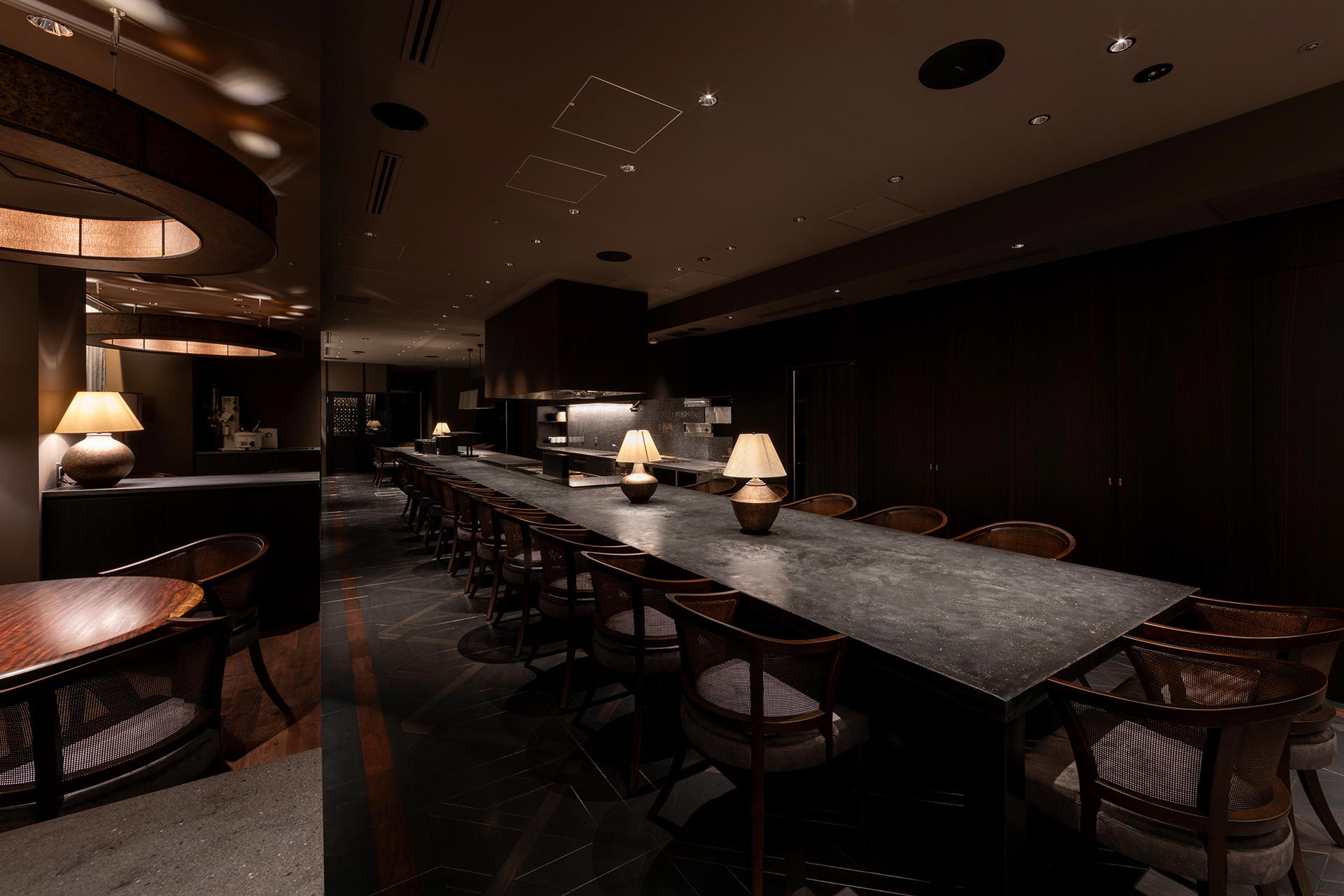
Akasaka Oozeki Honten has 58 seats split between table seating and tatami seating, a different social register from tiny counter restaurants. The room can absorb families, friends, and group dinners without becoming anonymous: large enough for a lively evening, small enough for repeat diners to build habits around preferred cuts, pacing, and the second drink.
Compared with nearby beef-focused addresses, the distinction is format and mood. 赤坂 炭火焼肉 金星 belongs to the same broad Akasaka charcoal-grill conversation, while Sushisho Saito represents another Tokyo luxury language: sushi, counter sequence, and tighter chef control. Bar Tiare, also in Tokyo, shows the after-dinner cocktail side rather than the dinner table itself. The restaurant is not competing with sushi theatre or bar technique; it works inside the democratic pleasures of grill, smoke, and group appetite.
What the repeat crowd understands about ordering
The unwritten rule at a good yakiniku table is balance. A meal built only around premium beef can turn monotonous; tripe, grilled vegetables, rice, soup, and drink rhythm create the arc. The restaurant’s public description emphasizes thick cuts of A5-ranked Japanese Black Wagyu, but experienced diners read that as one part of the order, not the whole point. Tokyo regulars manage richness rather than chase it blindly.
The price tier is useful context, not just a luxury signal. In Tokyo, a dinner budget in this range for award-recognized yakiniku places the restaurant below high-end omakase beef rooms and above casual grill chains. The value proposition is access to a serious independent yakiniku meal without the formality or cost structure of a chef-controlled tasting format.
2025 Tabelog 100 selection is the clearest external trust marker, and the longer award history across recent years suggests consistency in a category where public enthusiasm can swing quickly. Yakiniku is exposed to trend cycles: new beef specialists, influencer-driven reservation spikes, and premium branding around wagyu provenance. Recurring attention over several cycles usually signals something more durable than novelty: reliable sourcing, familiar service rhythms, or a clientele that returns without needing a new story each season.
For travelers building a Tokyo food itinerary, the choice is strategic. Ginza sushi and Aoyama French occupy one kind of evening; Akasaka yakiniku answers another. It suits dinner after meetings, a group meal where no one wants a silent counter, or a night when pleasure lies in controlling the grill rather than watching someone else perform. Readers planning across categories can place it alongside Our full Tokyo restaurants guide, then widen the itinerary through Our full Tokyo bars guide, Our full Tokyo hotels guide, Our full Tokyo experiences guide, and Our full Tokyo wineries guide.
How it fits into a wider Tokyo and Japan dining map
Akasaka’s strength is proximity, not one cuisine: political offices, corporate dining, hotels, late bars, and side-street restaurants compressed into a walkable district. That creates demand for rooms serving weekday regulars and visitors who know what they want. The restaurant offers a Tokyo-specific answer to a common travel problem: where to eat beef seriously without making dinner a trophy reservation.
It also shows how diverse Tokyo’s dining grid has become. A guest might spend one night on charcoal tuna and drinks at. 鮪と炭火焼き うお炭 秋葉原店, another on yakitori at 124. KAGURAZAKA (Yakitori), or shift into curry at 3 Chome no Curry Ya San. The city allows that movement without treating any category as secondary. Even casual addresses such as 2D Cafe or compact specialist formats like 12/10 Shinjuku ten show how precisely Tokyo diners segment occasions.
Beyond the capital, the same logic applies across Japan’s regional table: beef sukiyaki in Kamakura at -Grilled beef Sukiyaki- KAMAKURA TANUKIAN 鎌倉 たぬき庵 in Kamakura, cafe culture in Osaka at.cafe in Osaka, contemporary dining in Kumamoto at.know in Kumamoto, Vietnamese cooking in Kawasaki at (Shoku) Vietnam in Kawasaki, curry in Sapporo at [Curry Senmon Ten] Maruyama Kyoju. in Sapporo, and Kyoto minimalism at [ki:] in Kyoto. Japanese dining abroad adds another axis, from Jōdo Saké Bar in Los Angeles to Onigiri Time in Pasadena. Against that map, this Akasaka room is not an outlier; it is a clear example of how Tokyo regulars use yakiniku as a social, flexible, repeatable form of serious eating.
Nearby-ish Comparables
Comparable venues at a similar level for quick context.
| Venue | Cuisine | Price | Notes |
|---|---|---|---|
| Akasaka Oozeki Honten | Charcoal-grilled Japanese Yakiniku | $$$ | Minato |
| Shinjuku Takano Fruits Parlor | Japanese Fruit Parlor | $$$ | Shinjuku |
| Tori Tsune Shizen Do | Traditional Japanese chicken & oyakodon specialist | $$$ | Chiyoda |
| green glass | Handmade Soba & Shizuoka Sake | $$$ | Shinjuku |
| Tori Cho | High-end Yakitori Omakase | $$$ | Nerima |
| Tempura Osaka | Seasonal Tempura Omakase | $$$ | Minato |
Recognition history
Dated appearances from independent guides and award organizations, with the underlying list record or original source where available.
Tabelog 100 #52 · No. 52
Tabelog · Tabelog 100 - Yakiniku - TOKYO - 2025










At a Glance
- Lively
- Cozy
- Classic
- Group Dining
- Family
- After Work
- Casual Hangout
- Celebration
- Date Night
- Standalone
- Local Sourcing
Current opening hours
- Monday
- 5–10 PM
- Tuesday
- 5–10 PM
- Wednesday
- 5–10 PM
- Thursday
- 5–10 PM
- Friday
- 5–10 PM
- Saturday
- 5–10 PM
- Sunday
- 3–8 PM
Hours can change for holidays and private events. Last verified .
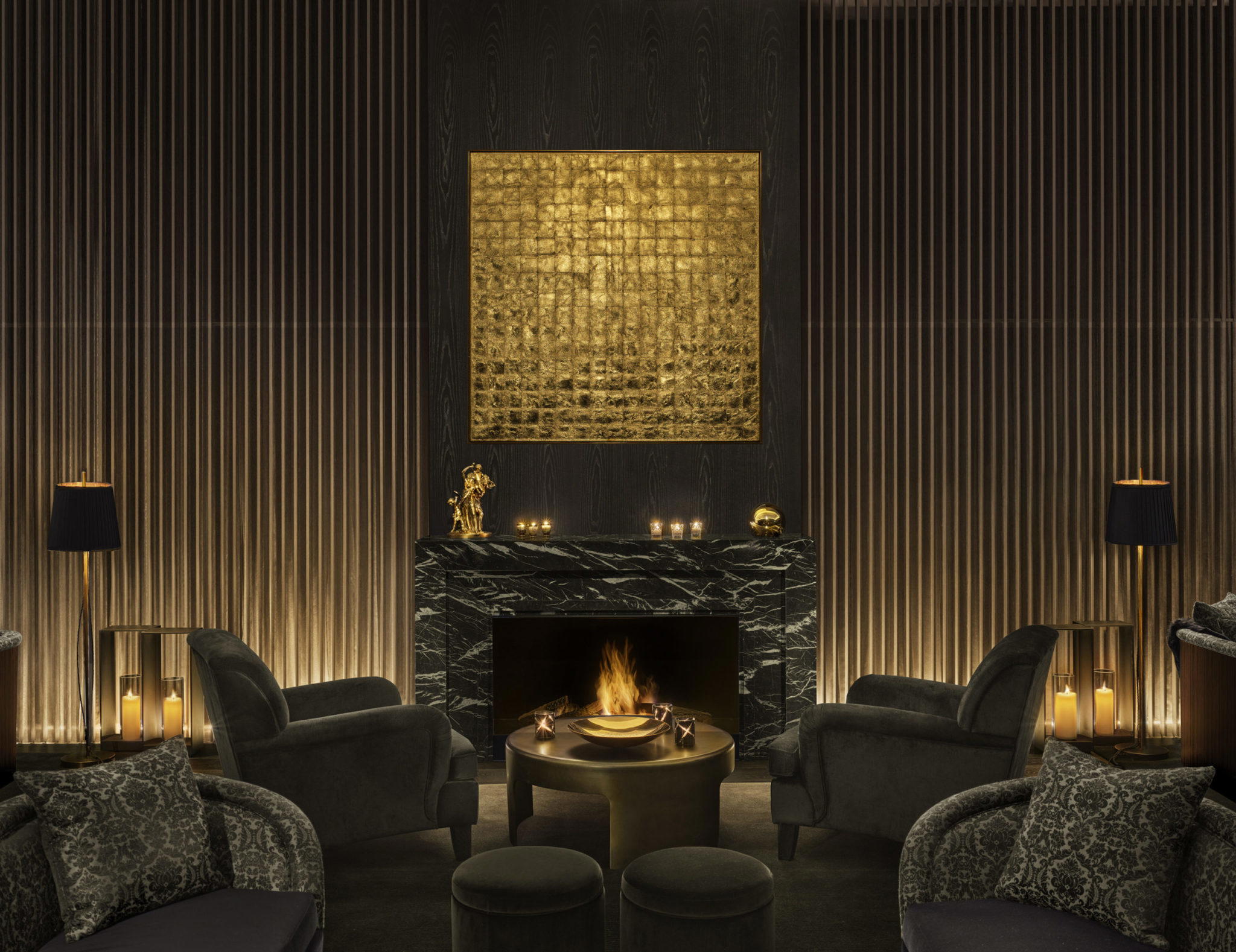
Warm and retro with the feel of a small house in an Akasaka backstreet, charcoal grills at the tables, and a bustling, convivial atmosphere suited to groups and casual gatherings.