
Hon Sekiguchi places Osaka’s sukiyaki and shabu-shabu tradition in a polished Sennichimae setting, with tatami rooms, private-room options, sake and wine, and recognition in Tabelog’s Hot Pot 100 for 2024. It suits diners who want hot pot treated as a full evening rather than a quick Namba-area stop, with enough scale for groups while keeping the meal anchored in classic Japanese beef-table cooking.
Pearl is the En Primeur Club membership app — saves, bookings, and concierge access live there. Same editors, same standards.
- Address
- 2 Chome-2-7 Sennichimae, Chuo Ward, Osaka, 542-0074, Japan
- Phone
- +81 6-6641-2303
- Website
- honsekiguti.gorp.jp
 Saves & bookings on Pearl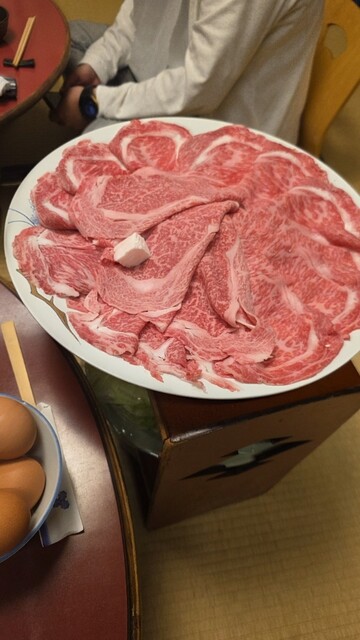
Sennichimae changes quickly after dark: theatre crowds, Namba foot traffic, late snacks, and group restaurants rather than hushed tasting-menu ritual. Here, hot pot has a different social role from counter sushi or kaiseki: slower, warmer, communal, with the table doing part of the work. Hon Sekiguchi belongs to that tradition, close to Kintetsu Nippombashi and focused on sukiyaki and shabu-shabu rather than the city’s louder, quicker pleasures.
Osaka’s dining identity is often reduced to casual immediacy: takoyaki, okonomiyaki, kushikatsu, standing bars, and Dotonbori snack logic. That misses another strand: the private-room meal built around beef, broth, shared pacing, and conversation. Hon Sekiguchi shows that side in a Namba-adjacent district better known to visitors for neon and queues. Tabelog’s Hot Pot 100 selection in 2024 places it in a national conversation around sukiyaki and shabu-shabu, not just as a local Namba dinner option.
Sukiyaki and shabu-shabu as Osaka's slower counterpoint to snack culture
Sukiyaki and shabu-shabu occupy different emotional territory from Osaka’s quick-service classics. Sukiyaki leans sweet, seasoned, and rich; shabu-shabu is cleaner, built around brief cooking, dipping sauces, and table control. Both make timing part of the meal, which matters in a city where many visitors eat in fragments across Namba, Shinsaibashi, and Ura-Namba.
Premium hot pot in Japan is not moving through spectacle but through format discipline: better beef, better room design, clearer service rhythms, and drinks lists that now commonly extend beyond sake into wine. Hon Sekiguchi fits that evolution. The category is old, but diner use has shifted. A hot pot restaurant near Nippombashi is no longer only a celebratory family room or business dinner setting; for travellers who have worked through Osaka’s street-food script, it reveals the city’s more deliberate side.
The contrast nearby is sharp. Osaka names such as Datedachi, Ankera So, Stand Aida, Fukutarou Honten, and Gyokusei Ya sit in much lower everyday spending bands, showing Namba’s range rather than a direct like-for-like comparison. The restaurant operates in a more occasion-led tier, where the point is not speed or novelty but a longer table, formal rhythm, and a cuisine that rewards patience. For a wider read on how these categories sit together, see Our full Osaka restaurants guide.
Private rooms, tatami, and the modern group meal
The room signals older Osaka dining grammar: tatami space, private rooms for small parties, and capacity for larger gatherings. That scale matters. Many premium Japanese meals have moved toward small counters and reservation scarcity, but hot pot’s strength is different. It suits birthdays, visiting relatives, client dinners, and friends who want one shared centre rather than separate plates in sequence.
Format has changed over time. Sukiyaki and shabu-shabu once read mainly as domestic or formal-occasion foods, tied to the family table or company dinner. In Osaka now, they also serve mixed groups: travellers with varied appetites, diners wanting Japanese beef without a steakhouse, and parties preferring a seated room after Namba’s street compression. Sake and wine reinforce the shift from traditional meal to fuller evening.
For visitors mapping an Osaka stay, the useful comparison is between moods as much as restaurants. A bakery such as 52CHO-ME BAKERY, a casual institution like 551 Horai (551蓬莱), an Italian table such as a canto (Italian), or a pizza specialist like 99 Pizza Napoletana Gourmet each answers a different Osaka question. Hot pot answers the one that appears after several days: where to slow dinner down without leaving the central entertainment district.
How to place it in a Namba itinerary
The restaurant works well as a planned dinner, not a spontaneous add-on after drinks. Its location near Kintetsu Nippombashi makes it easy to fold into a Namba evening, but the meal needs time. That is the right rhythm for sukiyaki and shabu-shabu: the table warms gradually, conversation stretches, and the cooking format resists Osaka’s habit of moving diners from stop to stop.
Its Tabelog Hot Pot 100 recognition is a clear trust signal in a category where travellers can struggle to separate serious specialists from generic beef restaurants. The listing also matters because hot pot is not always obvious to non-Japanese visitors seeking prestige dining; sushi, tempura, and kaiseki take more international attention. Here, the interest is regional and cultural as much as culinary. Osaka feeds people quickly, but it also knows how to keep them at the table.
Readers building a broader Osaka plan can pair this dinner with hotel and drinking context from Our full Osaka hotels guide and Our full Osaka bars guide. Longer itineraries connect outward through Our full Osaka experiences guide and Our full Osaka wineries guide, even if wine travel is not the first association most visitors make with Osaka.
Across Japan, the same tension between everyday food and specialist format appears differently: -Grilled beef Sukiyaki- KAMAKURA TANUKIAN 鎌倉 たぬき庵 in Kamakura frames beef through another city’s pace, while [ki:] in Kyoto.know in Kumamoto, (Shoku) Vietnam in Kawasaki, [Curry Senmon Ten] Maruyama Kyoju. in Sapporo, and 鮪と炭火焼き うお炭 秋葉原店 in Tokyo show how local categories shift by city. Outside Japan, Jōdo Saké Bar in Los Angeles and Onigiri Time in Pasadena show how Japanese formats travel and simplify abroad. Back in Osaka.cafe offers a quieter daytime counterpoint.
The editorial case is clear: this is not Osaka as eating while walking or chasing the shortest queue. It is Osaka as a city of rooms, groups, and controlled heat at the table’s centre. For diners who want that version of Namba, the restaurant has the right signals: specialist category, 2024 Hot Pot 100 recognition, private-room infrastructure, and a format that has aged well because it needs no theatrical reinvention.
Price and Recognition
Comparable venues for cuisine and category context.
| Venue | Cuisine | Price | Notes |
|---|---|---|---|
| Hon SekiguchiThis venue — the venue you are viewing | Not listed | $$$ | Not listed |
| Nagahori | Not listed | $$$ | Chūō, Michelin-starred Japanese Izakaya Omakase |
| Shushi Mon | Kita, Traditional Japanese Izakaya | $$$ | Not listed |
| Sushi Akazu | Not listed | $$$ | Kita, Traditional Edomae Omakase Sushi with Red Vinegar Rice |
| Wagyu no Kiraku | Not listed | $$$ | Kita, Traditional Wagyu Yakiniku & Yaki-shabu |
| Etchuya | Nishinari, Casual Neighborhood Sushi | $$$ | Not listed |
Recognition history
Dated appearances from independent guides and award organizations, with the underlying list record or original source where available.
Tabelog 100 #29 · No. 29
Tabelog · Tabelog 100 - Hot Pot - 2024
Continue exploring
More in Osaka
Restaurants in Osaka
Browse all →




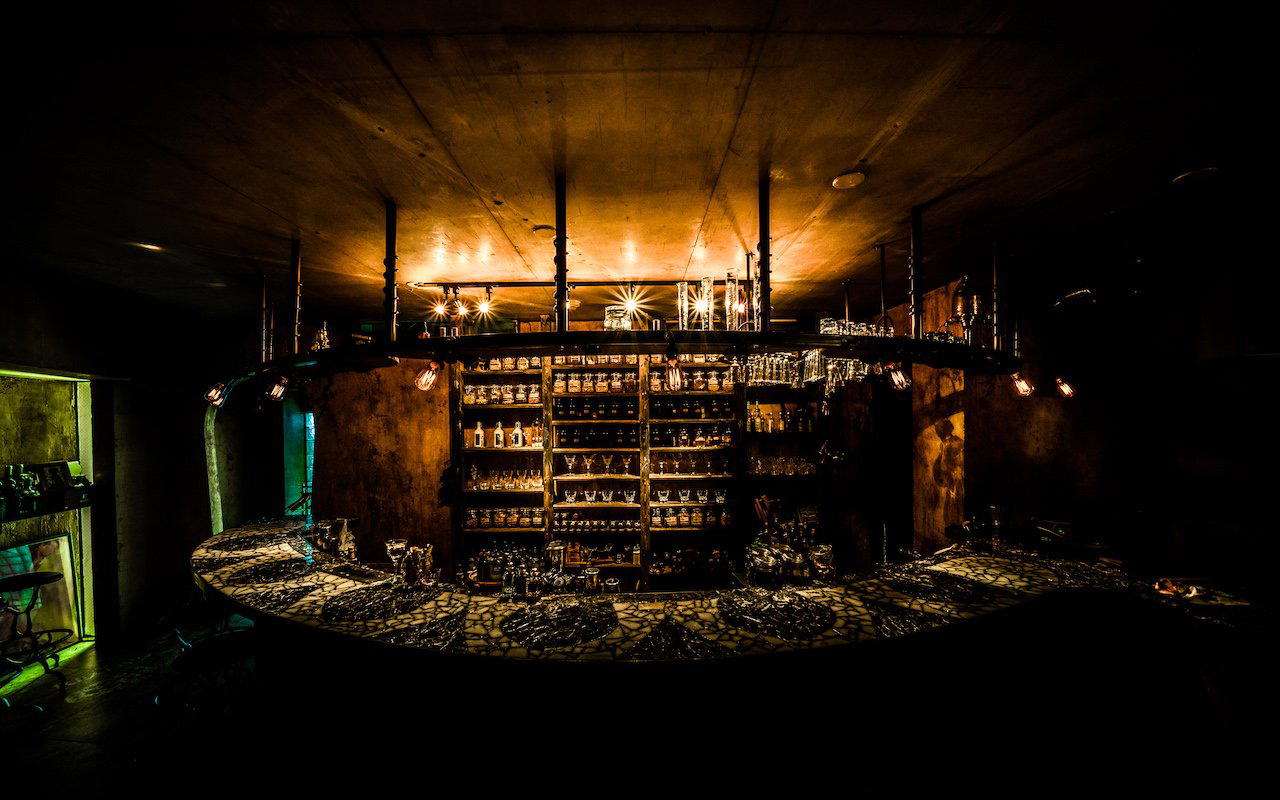
Bars in Osaka
Browse all →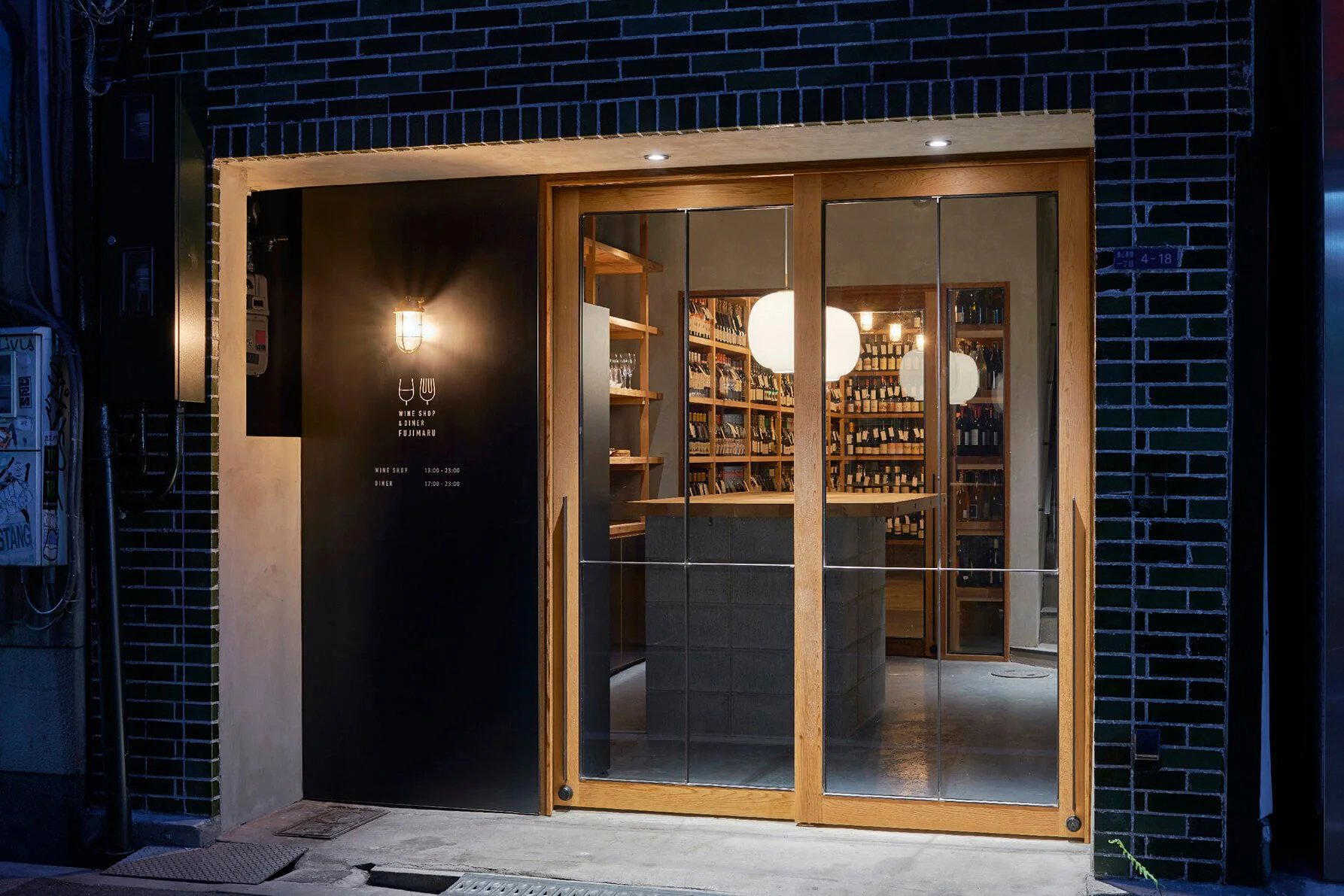


Hotels in Osaka
Browse all →



Wineries in Osaka
Browse all →
At a Glance
- Classic
- Cozy
- Intimate
- Well Known
- Elegant
- Group Dining
- Business Dinner
- Celebration
- Special Occasion
- Date Night
- Private Event
- Private Dining
- Courtyard
- Historic Building
- Standalone
- Sake Program
- Extensive Wine List
- Local Sourcing
- Garden
Current opening hours
- Monday
- 4–10 PM
- Tuesday
- 4–10 PM
- Wednesday
- 4–10 PM
- Thursday
- 4–10 PM
- Friday
- 4–10 PM
- Saturday
- 4–10 PM
- Sunday
- Closed
Hours can change for holidays and private events. Last verified .
Traditional and quietly elegant, with tatami-floor private rooms, classic Japanese decor, and a central courtyard that creates a calm, nostalgic retreat from the bustle of Namba’s Sennichimae district.