
Nagahori is a compact Uemachi izakaya-kappo address where the room matters as much as the cooking: 20 seats split between counter and tables, private room space for four, and a house-restaurant setting rather than a street-facing tavern. Its Tabelog 100 Izakaya WEST 2025 selection and fish-led Japanese cooking place it in Osaka’s serious drinking-and-dining tier, not the casual after-work category.
Pearl is the En Primeur Club membership app — saves, bookings, and concierge access live there. Same editors, same standards.
- Address
- 1 Chome-3-9 Uemachi, Chuo Ward, Osaka, 540-0005, Japan
- Phone
- +81 6-6768-0515
- Website
- instagram.com
 Saves & bookings on Pearl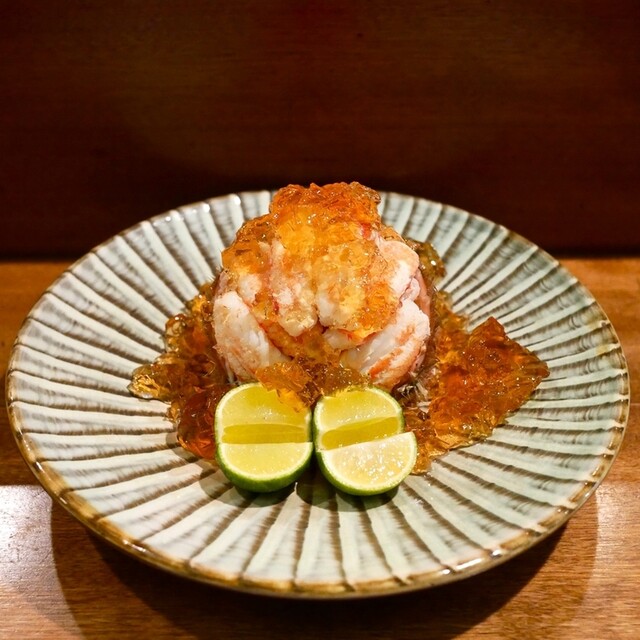
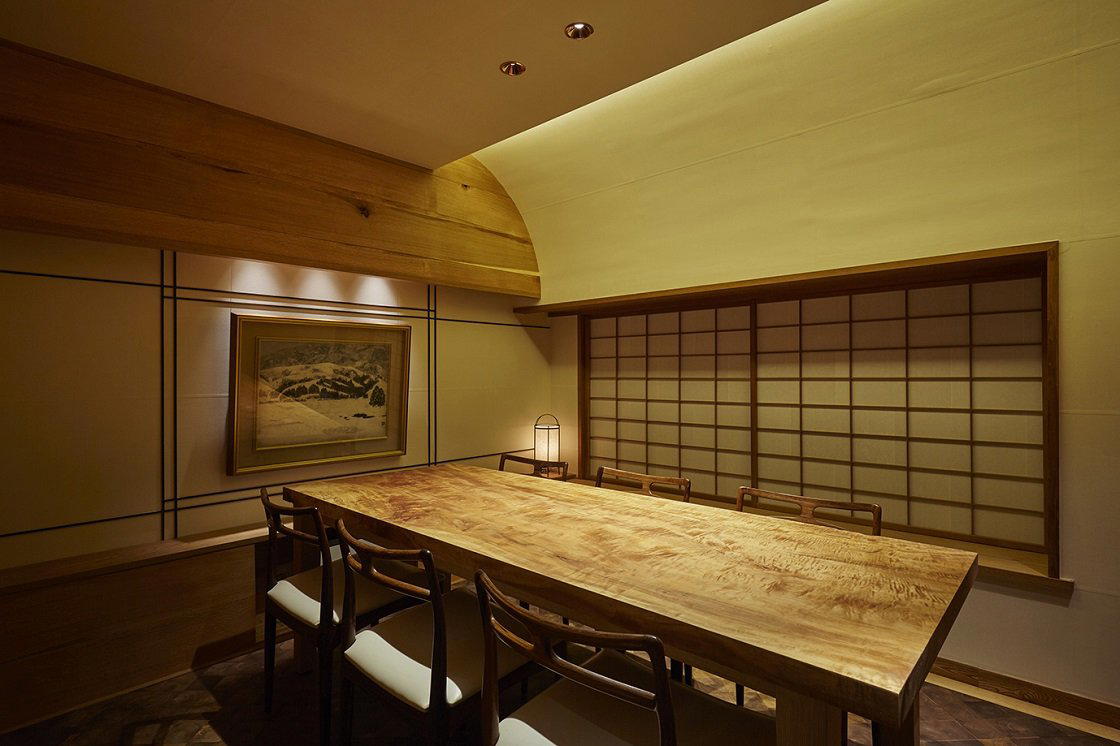
Approach matters in Osaka’s smaller kappo and izakaya rooms. The city can be loud, neon-lit and direct, but its serious counters ask for a slower read: a residential street, modest frontage, and a room where the counter fixes the rhythm before the first order. Nagahori belongs to that quieter Uemachi register, with 20 seats: 12 at the counter, 8 at tables, plus a private room for four. The format is clear: not a grazing crawl or station-side beer hall, but a compact Japanese room built around proximity, pacing and counter etiquette.
Osaka’s izakaya culture spans quick kushikatsu and ramen-adjacent drinking stops to fish-led rooms that overlap with kappo. Nagahori sits toward the latter end. Its listed categories are izakaya, creative cooking and Japanese cuisine, with an emphasis on fish, sake, shochu and wine. In a city where izakaya can mean grilled skewers or a full evening of seasonal dishes, those signals narrow the field. The pleasure is less maximal variety than a small room using the izakaya framework for deliberate Japanese dining.
A counter-led Osaka izakaya with kappo discipline
The counter is the key architectural fact. Twelve of the 20 seats are there, placing the main exchange in front of the kitchen rather than around the table. Osaka has long understood the counter as theatre without spectacle: guests see preparation, timing and service decisions, while conversation stays close. Tables add flexibility, but the counter defines the house.
The food positioning also points beyond generic tavern cooking. Fish is singled out, and the drinks program lists sake, shochu and wine, with a stated focus on sake and a sommelier available. In Japan’s mature izakaya tier, wine no longer signals Westernization so much as range: a room can pour nihonshu with grilled or simmered fish, then shift to wine when texture, acidity or richer seasoning asks for it. The useful Osaka comparison is not a cheap noodle shop such as Chukasoba Uemachi or an everyday soba stop such as Sobakiri Imose, but the city’s smaller specialist rooms where price, seating and pacing move into a more deliberate register.
Tabelog selected Nagahori for its Izakaya WEST 100 list in 2025, with earlier selections in 2024, 2022 and 2021 adding continuity rather than a single-year flash. Its Tabelog score is 3.79, meaningful in a category where local regulars and repeat dining often matter more than international guide visibility. A list does not replace judgment, but repeated recognition places the room among western Japan’s closely watched drinking-and-dining addresses, where reservations, counter seats and repeat custom shape access.
The room frames the meal before the menu does
Design is not decorative here. In a 20-seat house-style restaurant, space controls the evening: how long guests settle in, how much they hear from the counter, how quickly a table loosens into drinking. A private room for four gives Nagahori another use within the same compact footprint, useful for a small group that wants Japanese cooking without sacrificing conversation. The no-smoking policy matters more in a small room than in a hotel dining room; fish, sake and close seating leave little margin for smoke.
Osaka rewards this scale. The city’s dining identity is often summarized through appetite and informality, but that misses rooms where informality and precision coexist. Nagahori’s JPY 10,000 to JPY 14,999 price band for both lunch and dinner places it above casual izakaya spending and below the city’s rarefied fine-dining ceiling. That middle-high bracket is where experienced travelers often find Osaka most persuasive: serious sourcing, a compact room, enough structure to feel considered, without the stiffness associated with formal kaiseki.
Nearby alternatives sharpen the decision. Kiyo Suke shares a similar dinner spend but has a lower lunch band, changing how it can be used across a day. Être à l'aise sits in a French category, a different answer to the same premium-evening question. Kotikaze and Chukasoba Uemachi sit at easier price levels and read as lower-commitment stops. Nagahori is for the night when the room is part of the draw: counter seats, Japanese drinking culture, fish-led cooking and tighter social scale.
How to place it in an Osaka itinerary
Uemachi and the Tamatsukuri area are not default Osaka dining shorthand in the way Namba, Kitashinchi or Umeda often are, which helps explain the room’s tone. The address pulls the meal away from the city’s highest-volume eating corridors into a more residential pocket of Chuo Ward. For travelers, that changes the evening’s pacing. Treat this as the anchor of a night rather than a prelude to several stops, especially given the price tier and counter-led format.
Planning should account for access. Reservations are limited to regular customers, and the listing advises arranging ahead before visiting. Hours run Tuesday through Saturday, with Saturday including an afternoon window before evening service; Monday, Sunday and public holidays are closed. Cards are accepted, but electronic money and QR code payments are not. Parking is unavailable, so assume rail access and walking. These are not incidental details; in Japan’s small-room dining culture, logistics are part of the editorial judgment. A 20-seat room with restricted reservations is not an easy casual fallback.
For wider Osaka planning, use Our full Osaka restaurants guide alongside Our full Osaka hotels guide, Our full Osaka bars guide, Our full Osaka wineries guide and Our full Osaka experiences guide. Nearby and category-adjacent restaurant reading includes.cafe, 52CHO-ME BAKERY, 551 Horai (551蓬莱), 99 Pizza Napoletana Gourmet and a canto (Italian). For cross-Japan and international context, see -Grilled beef Sukiyaki- KAMAKURA TANUKIAN 鎌倉 たぬき庵 in Kamakura,. 鮪と炭火焼き うお炭 秋葉原店 in Tokyo,.know in Kumamoto, (Shoku) Vietnam in Kawasaki, [Curry Senmon Ten] Maruyama Kyoju. in Sapporo, [ki:] in Kyoto, Jōdo Saké Bar in Los Angeles and Onigiri Time in Pasadena.
Side-by-Side Snapshot
Comparable venues for orientation by cuisine and category.
| Venue | Cuisine | Price | Awards | Notes |
|---|---|---|---|---|
| NagahoriThis venue — the venue you are viewing | Michelin-starred Japanese Izakaya Omakase | $$$ | , | |
| Hari Ju Doutonbori honten | Traditional Wagyu Sukiyaki & Shabu-shabu | $$$ | , | Chūō |
| Takuya | Modern tonkatsu & pork dishes | $$$ | , | Kita |
| Yakiniku Horumon Uchida | Yakiniku & Horumon (Japanese BBQ) | $$$ | , | Kita |
| Sumibi Yakitori Nakao | Traditional Charcoal-Grilled Yakitori | $$$ | , | Chūō |
| Wagyu Matsushita Kamidoori ten | Premium Wagyu Yakiniku, Sukiyaki & Shabu-Shabu | $$$ | , | Kita |
Continue exploring
More in Osaka
Restaurants in Osaka
Browse all →



Bars in Osaka
Browse all →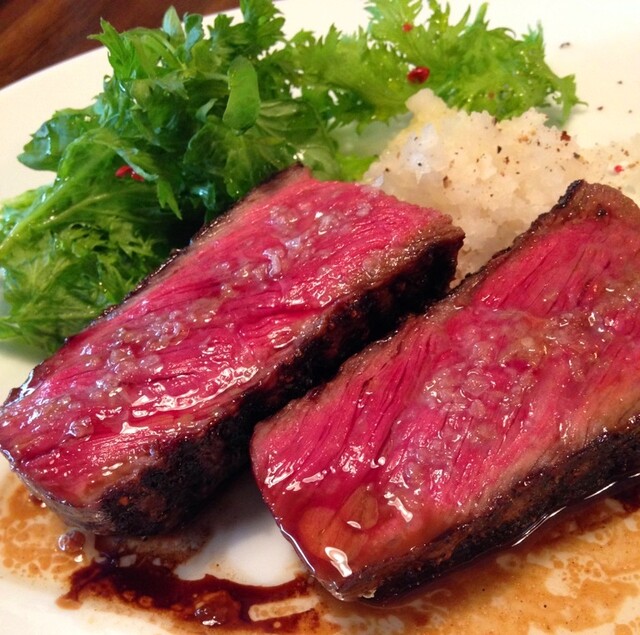

Hotels in Osaka
Browse all →



Wineries in Osaka
Browse all →
At a Glance
- Cozy
- Intimate
- Hidden Gem
- Date Night
- After Work
- Casual Hangout
- Late Night
- Solo
- Standalone
- Chefs Counter
- Sake Program
- Beer Program
Set in a small house on a quiet residential street, the restaurant has only counter and a few table seats, creating an intimate, relaxed atmosphere where guests watch precise plating of seasonal dishes in soft, understated lighting.