L'Opera Italian Restaurant

On the corner of Pine Avenue in downtown Long Beach, L'Opera Italian Restaurant has anchored the city's formal dining scene for decades, drawing a loyal crowd to its classical Italian format at a time when the category has largely retreated from American city centers. The address alone signals something about the restaurant's ambitions: a corner position on Long Beach's main pedestrian corridor, where the room carries weight before the food arrives.
Pearl is the En Primeur Club membership app — saves, bookings, and concierge access live there. Same editors, same standards.
- Address
- 101 Pine Ave, Long Beach, CA 90802
- Phone
- (562) 491-0066
- Website
- lopera.com
- Directions
- Get directions
 Saves & bookings on Pearl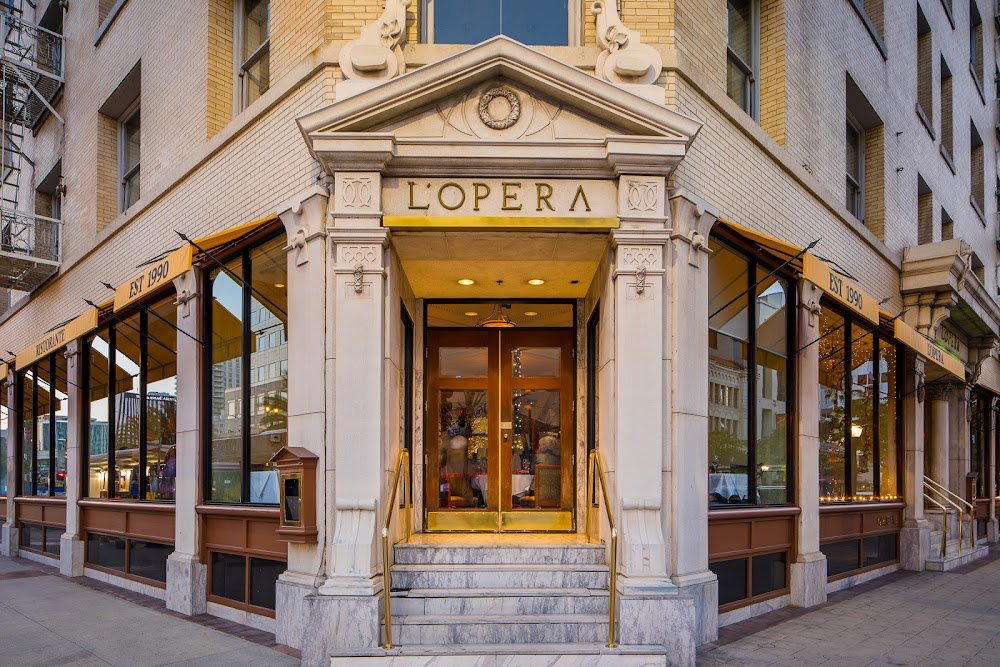
Pine Avenue and the Weight of a Corner Table
L'Opera Italian Restaurant is an Authentic Italian Ristorante at 101 Pine Ave in Long Beach, CA 90802. Casual Italian has proliferated; serious Italian, with the pacing and ceremony that the format demands, has not. L'Opera Italian Restaurant, at 101 Pine Ave, occupies exactly that narrower tier, a formal room in a city where formal rooms have quietly become fewer.
The approach to the building matters here. Pine Avenue functions as downtown Long Beach's main pedestrian spine, and a corner address at street level gives a restaurant a particular kind of visibility: it can be assessed from two directions before you even reach the door. That spatial legibility, the sense that the room announces itself rather than hides, sets an expectation about the dining ritual that follows. Classical Italian restaurants in this register tend to operate on a logic of ceremony, arrival acknowledged, table dressed, the meal paced over two hours rather than ninety minutes.
The Classical Italian Dining Format in an American Context
Italian restaurant culture in the United States has always operated in two parallel registers. One is the neighbourhood trattoria model: checkered cloth, house red, portions scaled for comfort. The other is the formal Italian dining room that takes its structural cues from the kind of restaurants operating in Milan or Rome's business districts, tableside presentation, a wine list built around regional Italian appellations, and a course progression that moves from antipasto through primo and secondo without collapsing into a single plate. The latter format found its American peak in the 1980s and 1990s, when Italian fine dining occupied the same prestige tier as French cuisine in major cities.
That tier has contracted significantly. The cost structure of running a formal Italian room, the staffing ratios, the imported ingredient sourcing, the cellar investment, makes the format less commercially flexible than fast-casual concepts. What remains in cities like Long Beach tends to be places that built a loyal base over many years and retained it through consistency rather than reinvention.
For context on how formal dining operates at a national level, rooms like Le Bernardin in New York City or Alinea in Chicago demonstrate how ceremony and deliberate pacing can function as core product rather than ambient feature. On the West Coast, The French Laundry in Napa and Providence in Los Angeles have each built their reputations on the same principle: the structure of the meal is inseparable from its quality.
Long Beach's Dining Scene: Where L'Opera Sits
Long Beach's restaurant scene covers a wider range than its reputation often suggests. At the accessible end, Chiang Rai delivers focused Thai cooking at a price point that keeps the room full and the menu tight. The Attic has built a following around Southern cooking in a casual format. At the summit of the local market, Heritage operates at the $$$$ tier with a Californian tasting menu format. L'Opera sits somewhere between the accessible mid-range and the Michelin-recognised tier, formal enough to carry ceremony, but positioned as a neighbourhood institution rather than a destination for out-of-city dining tourists.
That positioning matters for how you should approach it. Restaurants at this level in American cities tend to reward repeat visits more than single-occasion dining. The staff know what regulars prefer; the kitchen calibrates to familiar faces. A first visit is partly an orientation to the room's particular rhythms.
The Ritual of the Meal: What to Expect at This Register
Formal Italian dining operates on a course logic that differs meaningfully from contemporary tasting menu formats. Where a modern tasting menu might deliver twelve courses at deliberate speed, a classical Italian progression tends to organise around fewer, larger movements: a reception drink, antipasto, a pasta course, a main, and dessert, with bread and amuse-bouche framing the opening. The pacing is social rather than theatrical. Conversation is assumed. The table is a room within a room.
That structure places demands on both the kitchen and the diner. On the kitchen side, it requires consistency across a broader menu rather than the concentrated perfection of a tasting-only format. On the diner's side, it asks for a willingness to commit time and attention. Two hours at a properly paced Italian table is not unusual; it is the point. Restaurants like Single Thread Farm in Healdsburg and Blue Hill at Stone Barns have built entire identities around this kind of unhurried commitment to the table. The classical Italian room, operating at a different price and prestige level, makes the same structural argument.
For dining elsewhere in the region, Lazy Bear in San Francisco and Atomix in New York City offer points of comparison on how ceremony and course structure translate across different culinary traditions. Further afield, 8½ Otto e Mezzo Bombana in Hong Kong represents what the Italian fine dining format looks like when it travels to a different continent entirely. And Emeril's in New Orleans demonstrates how an American city restaurant can build a decades-long identity around a recognisable format and consistent execution.
Planning a Visit
L'Opera is located at 101 Pine Ave in downtown Long Beach, on the corner of Pine and First Street, within walking distance of the waterfront and the city's hotel corridor.
L'Opera is open daily from 4 to 10 PM, and reservations are recommended. Expect a smart casual dress code and a price point of about $50 per person. Formal dining rooms at this level tend to require reservations, particularly on weekends, and advance planning of at least a week is standard practice for a Friday or Saturday table.
Style and Standing
Comparable venues nearby, for context on price, style, and recognition.
| Venue | Cuisine | Price | Notes |
|---|---|---|---|
| L'Opera Italian RestaurantThis venue — the venue you are viewing | Authentic Italian Ristorante | $$ | Not listed |
| Nettuno | Coastal Italian Seafood | $$ | Downtown Long Beach |
| Taste | American (New) Farm-to-Table | $$ | Belmont Heights |
| Panxa Cocina | Modern Southwestern | $$ | Belmont Heights |
| The Crooked Duck | Classic American Comfort | $$ | East Long Beach |
| The 908 | Classic American with Seasonal Fare | $$ | East Long Beach |
Recognition history
Dated appearances from independent guides and award organizations, with the underlying list record or original source where available.
Wine Spectator Best of Award of Excellence
Wine Spectator
Continue exploring
More in Long Beach
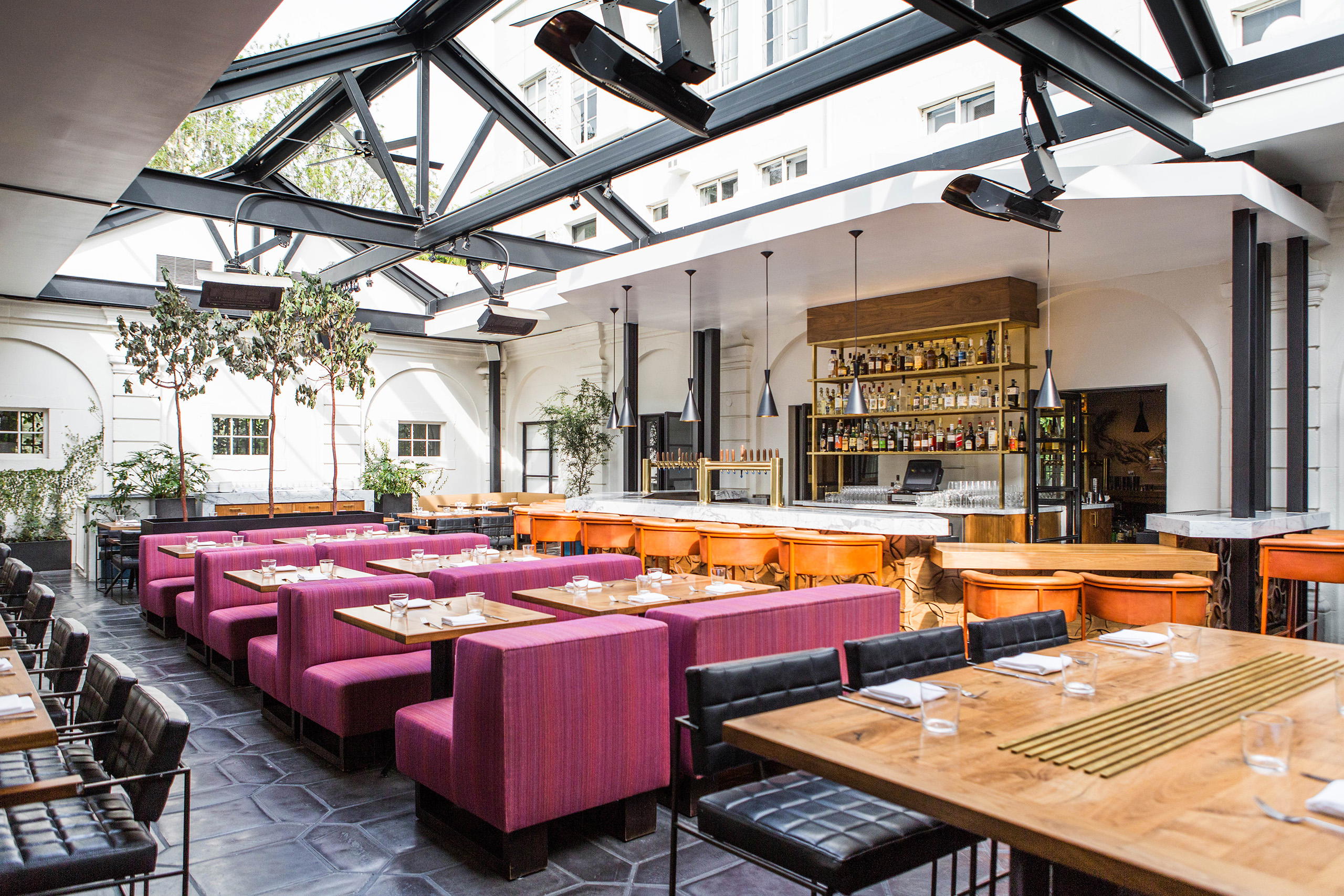
Restaurants in Long Beach
Browse all →
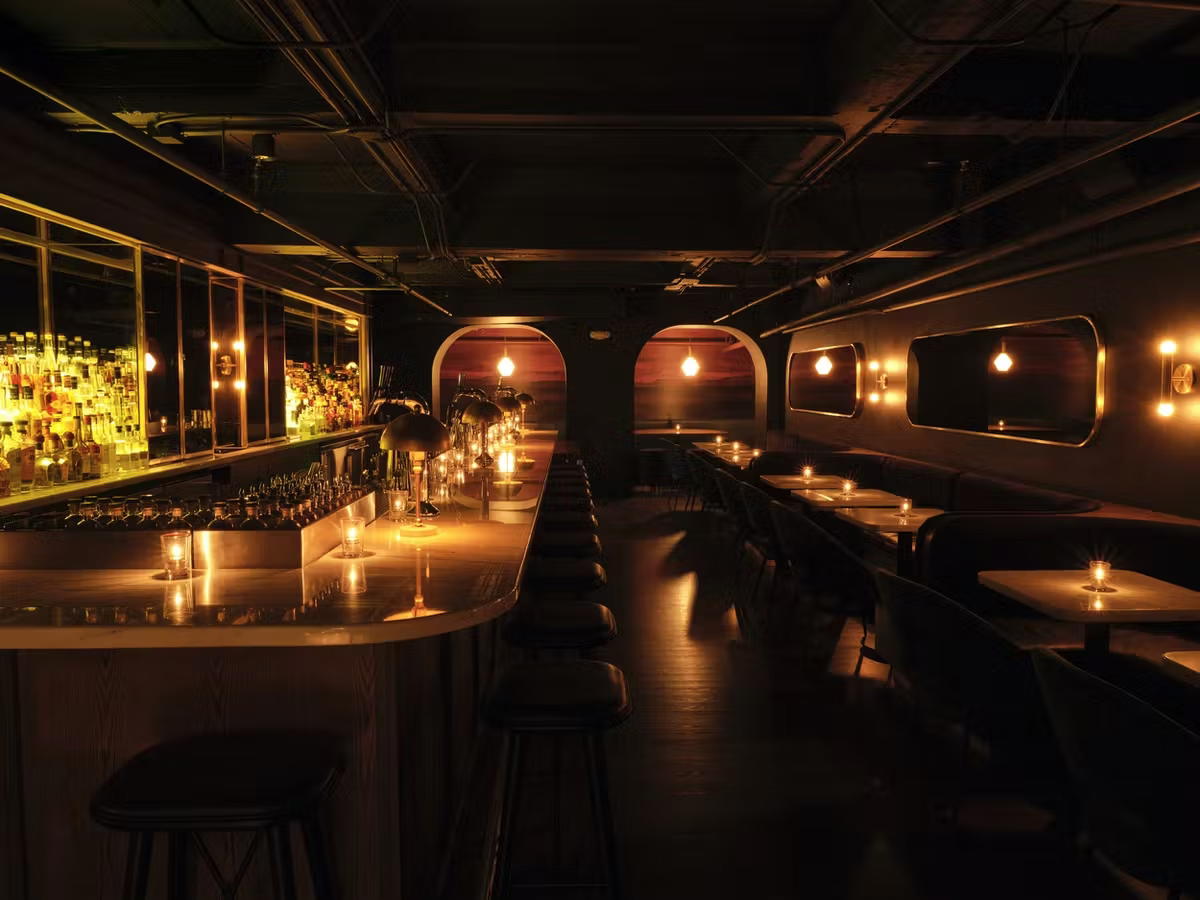
Bars in Long Beach
Browse all →
Hotels in Long Beach
Browse all →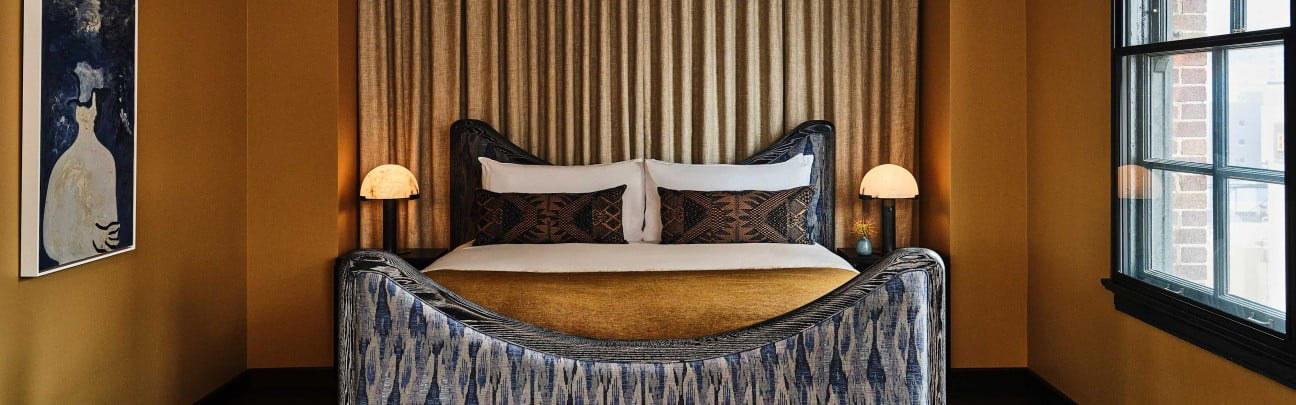
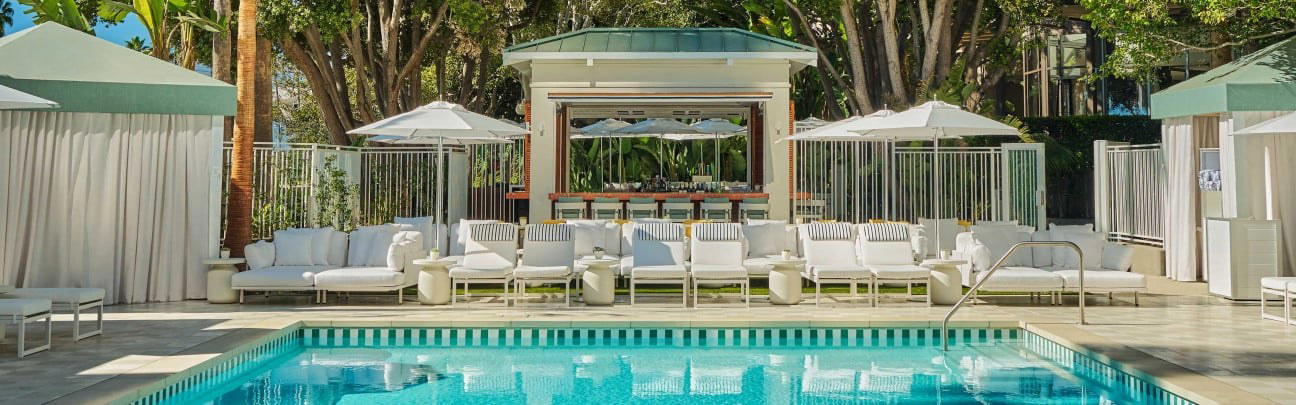
Wineries in Long Beach
Browse all →
At a Glance
- Romantic
- Elegant
- Classic
- Cozy
- Intimate
- Date Night
- Special Occasion
- Business Dinner
- Group Dining
- Family
- Live Music
- Historic Building
- Private Dining
- Extensive Wine List
- Sommelier Led
Current opening hours
- Monday
- 4–10 PM
- Tuesday
- 4–10 PM
- Wednesday
- 4–10 PM
- Thursday
- 4–10 PM
- Friday
- 4–10 PM
- Saturday
- 4–10 PM
- Sunday
- 4–10 PM
Hours can change for holidays and private events. Last verified .
Cozy and romantic with elegant wooden furniture, marble columns, warm lighting, and occasional live Italian opera performances creating a sophisticated yet intimate atmosphere.