Hof aan Zee


Hof aan Zee sits in a historic Scandinavian farmhouse 500 metres from the North Sea, where Chef Marcel Meijer's vegetable-centric kitchen draws on a kitchen garden, foraged coastline produce, and local suppliers. Holder of the Michelin Plate in both 2024 and 2025, it represents a quieter, landscape-rooted style of fine dining that Zeeland's rural edge makes possible. The pure plant menu option signals where the kitchen's ambitions are heading.
Pearl is the En Primeur Club membership app — saves, bookings, and concierge access live there. Same editors, same standards.
- Address
- Strandweg 15, 4371 PJ Koudekerke, Netherlands
- Phone
- +31 118 551 312
- Website
- hofaanzee.nl
- Directions
- Get directions
 Saves & bookings on Pearl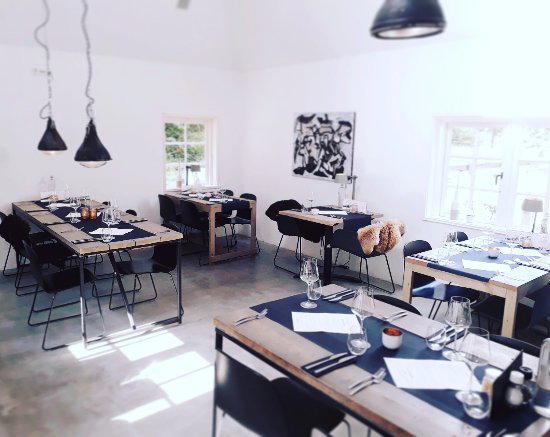
Where the North Sea Meets the Kitchen Garden
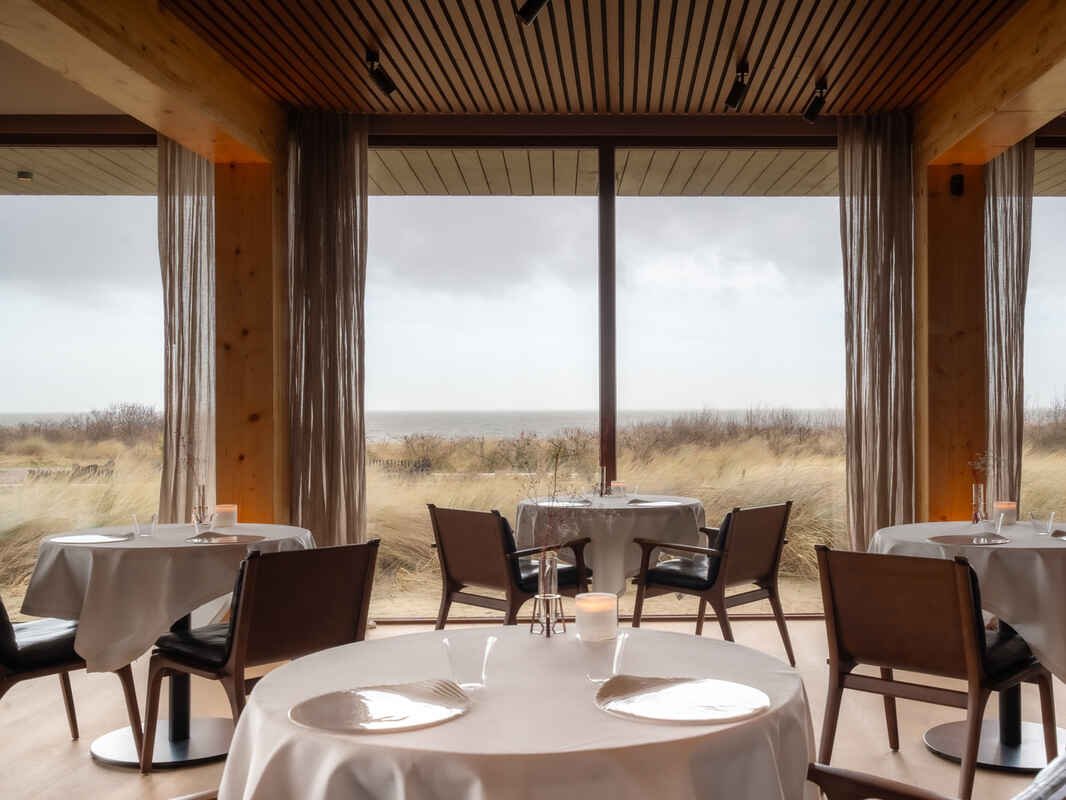
Arriving at Strandweg 15 on the outskirts of Koudekerke, the setting does much of the editorial work before a single dish appears. The building is a historic Scandinavian farmhouse, low and timber-framed against flat Dutch polderland, close enough to the North Sea that the wind carries salt when the kitchen door opens. That proximity, around 500 metres of dune grass and coast path between the farmhouse and the water, is not decorative. It is operational. The ingredients on the menu reflect the specific ecology of this shoreline: foraged coastal plants, produce from the kitchen's own vegetable garden, and supplies sourced from farmers and fishers operating in the immediate region.
This is a well-established pattern in northern European fine dining. From Copenhagen outwards, the argument that the plate should represent the landscape it sits in has reshaped what premium cooking looks like across Scandinavia, the Netherlands, and the German coast. What distinguishes the better practitioners of this philosophy is precision rather than ideology: the foraged herb should taste of exactly where it grew, and the root vegetable should arrive at a texture that reads as decision rather than accident. At Morille in Koudekerke, a similar commitment to regional sourcing and seasonal discipline operates at the same price point, making the stretch of Zeeland coastline something of a concentrated argument for this style of cooking.
The New Nordic Argument in a Dutch Context
The New Nordic manifesto, formalised in Scandinavia in the early 2000s, insisted on purity, seasonality, and the primacy of local ecology over imported technique. Dutch fine dining absorbed those principles selectively. The country's most decorated kitchens, including De Librije in Zwolle and Aan de Poel in Amstelveen, have largely built their reputations around creative technique applied to premium ingredients rather than the more austere, landscape-first approach. De Bokkedoorns in Overveen and Fred in Rotterdam operate in similarly technique-forward registers at the €€€€ tier.
Hof aan Zee occupies a different position in that hierarchy, sitting at the €€€ price point and leaning toward the vegetable-centric, forage-inflected end of the spectrum. That positioning matters. It reflects a kitchen that has structured its entire sourcing and cooking logic around what the surrounding land and coastline can produce, rather than importing ingredients that would deliver higher spectacle but less specificity. The Michelin Plate recognition in both 2024 and 2025 acknowledges that the execution meets a threshold of technical credibility. De Groene Lantaarn in Staphorst, De Lindehof in Nuenen, or De Lindenhof in Giethoorn remains a different competitive bracket.
The pure plant menu option is the clearest signal of where the kitchen's priorities are concentrated. few restaurants operating in the Zeeland region offer a dedicated plant-forward menu as a core format rather than an accommodation. The decision to structure the offering around vegetable-centric cooking, with a pure plant menu available alongside the main format, places Hof aan Zee in the same philosophical territory as Inter Scaldes in Kruiningen and Brut172 in Reijmerstok, both of which approach sustainability and ingredient sourcing as structural principles rather than menu footnotes.
What the Plate Is Actually Doing
Vegetable-centric cooking at this level is not about absence. It is about recalibrating where complexity comes from. When the larder is built on foraged coastal plants, garden produce, and hyper-local supply chains rather than luxury proteins, the kitchen has to find balance and surprise through technique applied to humbler ingredients. The result, when it works, is a kind of cooking that reads as both restrained and precisely constructed: textures that contrast deliberately, flavour combinations that reflect the actual season rather than a menu template carried over from a previous year.
That balance of surprise and meticulous construction is the working standard at kitchens operating in this register globally. Ciel Bleu in Amsterdam operates at a higher price and star tier, but the discipline of ingredient-led decision-making is the common thread. Further afield, the commitment to seasonal precision that defines places like Le Bernardin in New York City and Atomix in New York City reflects the same underlying argument: that particularly coherent menus are those where every element earns its place through sourcing logic and technical execution, not through prestige ingredient substitution.
Zeeland as a Dining Region
Koudekerke is not a destination that registers on most European fine dining maps, and that is part of the point. The Zeeland coast produces a specific set of ingredients: coastal herbs, North Sea fish and shellfish, flat agricultural land suited to root vegetables and brassicas, and a dune ecosystem that rewards foraging if you know where to look. Kitchens that build their identity around this geography are operating within a tight constraint that, when taken seriously, produces food that could not have been made anywhere else.
Koudekerke sits just inland from the Zeeland coast between Middelburg and Vlissingen.
At the €€€ tier, Hof aan Zee sits at a price point that makes the Zeeland excursion easier to justify than the €€€€ bracket that dominates Dutch fine dining recognition. The trade-off is the remoteness: this is not a restaurant you walk to from a hotel lobby. But for the kind of cooking it represents, that remoteness is the precondition, not the inconvenience.
Comparison Snapshot
Comparable venues nearby, for context on price, style, and recognition.
| Venue | Cuisine | Price | Awards | Notes |
|---|---|---|---|---|
| Hof aan ZeeThis venue — the venue you are viewing | Zeeuwse Nordic | $$$ | Michelin Plate | Not listed |
| Morille | Sustainable Botanical Fine Dining | $$$ | Michelin Plate | Koudekerke |
| Woods | Modern European Fine Dining | $$$ | Michelin Plate | Haagweg-Noord |
| 't Arsenaal | Modern Dutch with French influences | $$$ | Michelin Plate | city center |
| Bij Hammingh | Modern Dutch | $$$ | Michelin Plate | Garnwerd |
| Oesterput 14 | Contemporary Zeeland Seafood | $$$ | Michelin Plate | Yerseke |
Recognition history
Dated appearances from independent guides and award organizations, with the underlying list record or original source where available.
Michelin Plate
Michelin
We're Smart World 4 Radishes
We're Smart World
Michelin Plate
Michelin
Continue exploring
More in Koudekerke
Restaurants in Koudekerke
Browse all →
Bars in Koudekerke
Browse all →
At a Glance
- Cozy
- Elegant
- Intimate
- Scenic
- Date Night
- Special Occasion
- Historic Building
- Extensive Wine List
- Local Sourcing
- Farm To Table
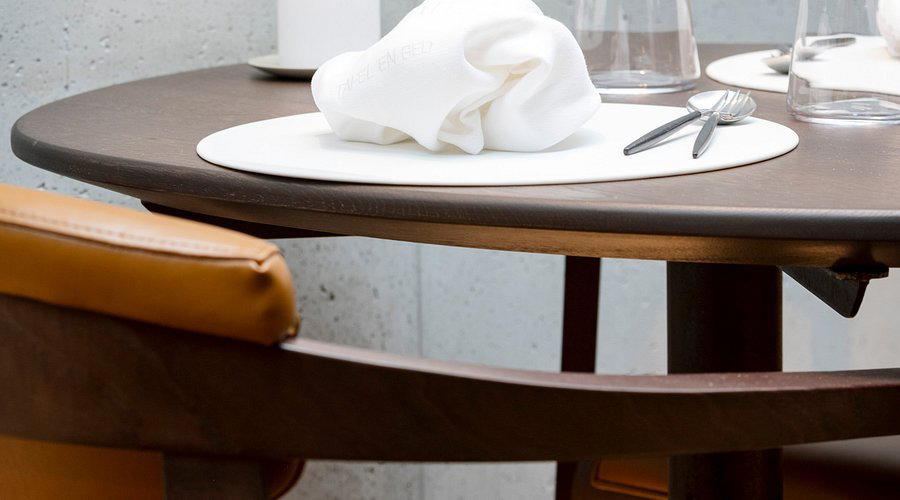
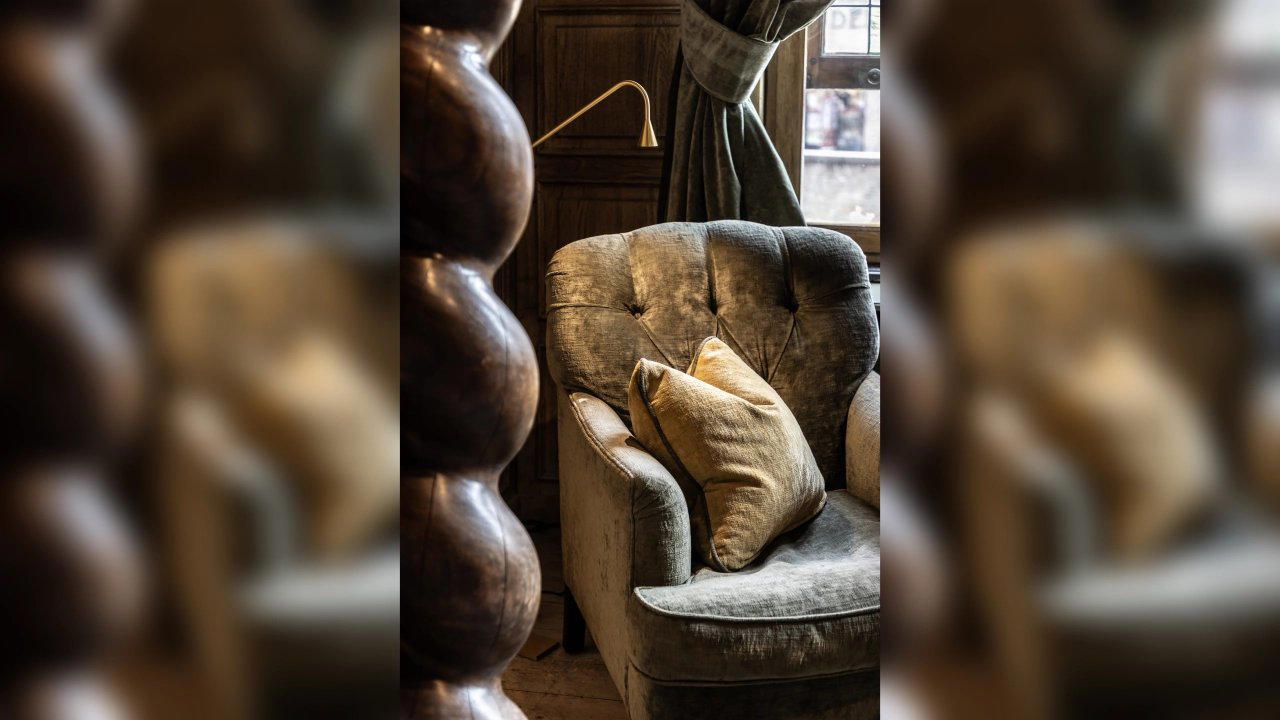
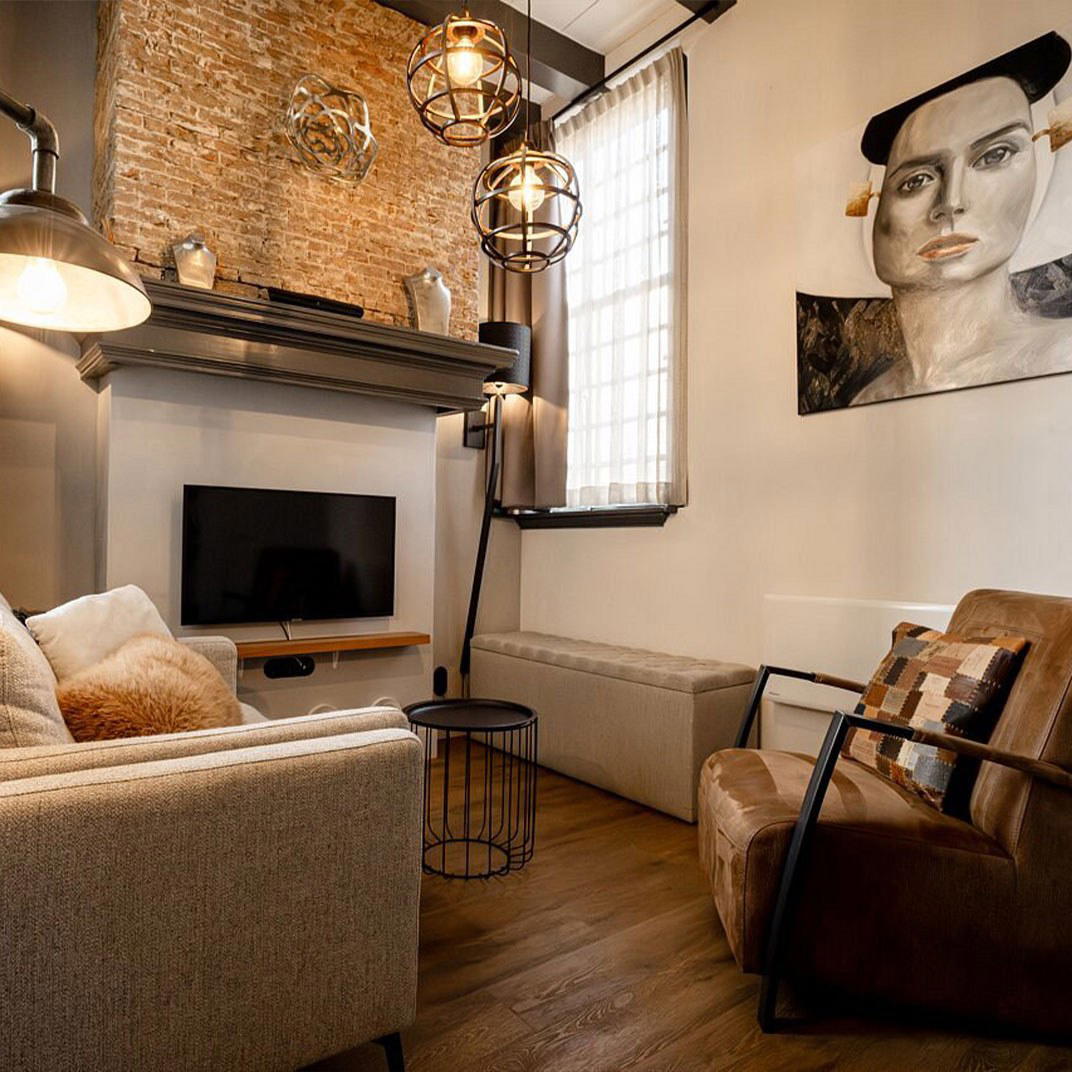
Warm, inviting atmosphere in a historic farmhouse with a cozy, relaxed yet elegant dining room and pleasant, intimate lighting.