Hiram's
Hiram's has anchored Fort Lee's Palisade Avenue for decades, drawing a loyal crowd that values consistency over spectacle. The kitchen holds to a straightforward American roadhouse tradition in a town better known today for its Korean dining corridor. For those tracking where old-school New Jersey eating persists alongside the borough's newer immigrant restaurant culture, Hiram's is a useful reference point.
Pearl is the En Primeur Club membership app — saves, bookings, and concierge access live there. Same editors, same standards.
- Address
- 1345 Palisade Ave, Fort Lee, NJ 07024
- Phone
- +1 201 592 9602
- Website
- restaurantsnapshot.com
- Directions
- Get directions
 Saves & bookings on Pearl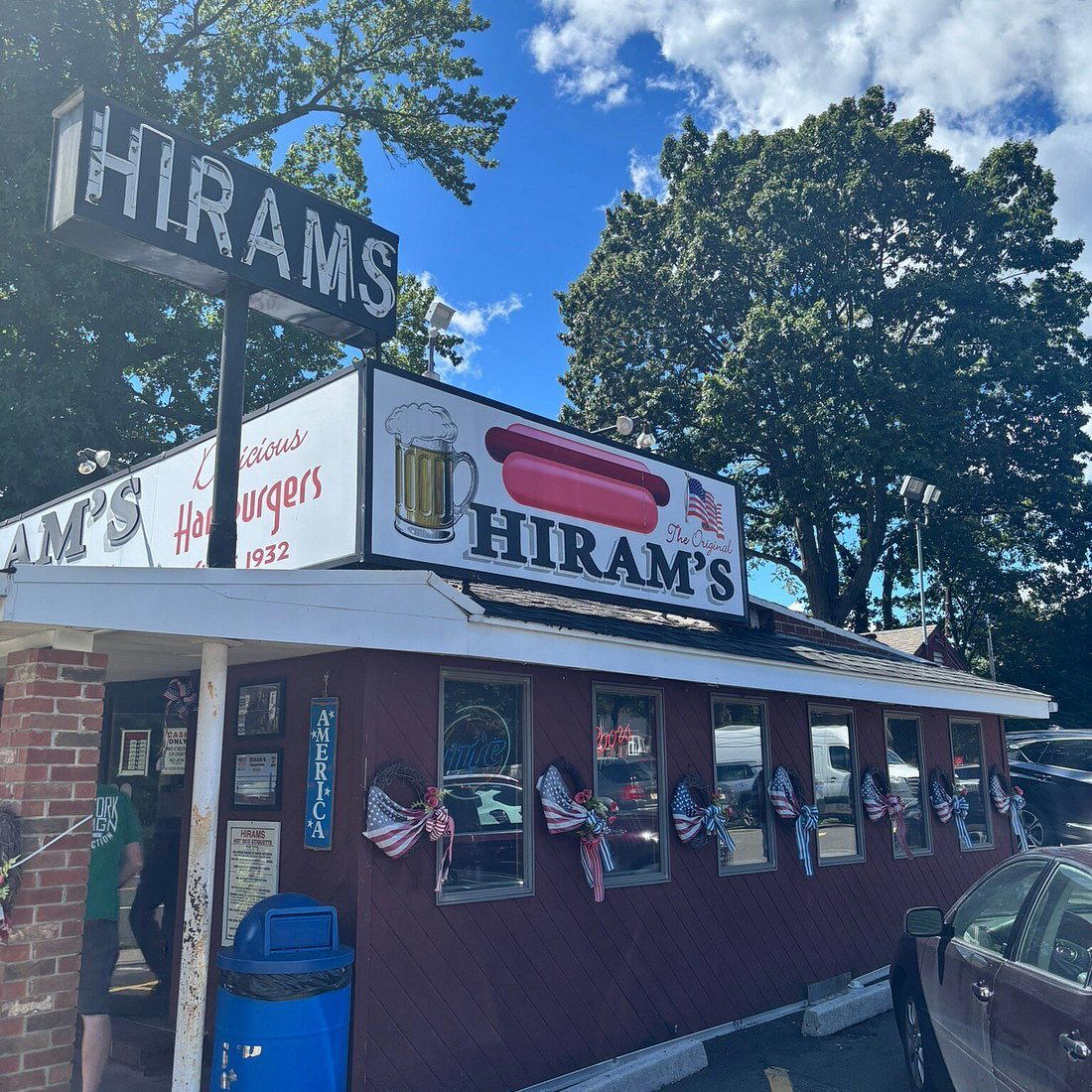
The Road Before the Bridge
Palisade Avenue in Fort Lee carries two distinct identities simultaneously. The stretch closest to the George Washington Bridge has become one of the most concentrated Korean dining corridors in the New York metropolitan area, a phenomenon covered in detail in our full Fort Lee restaurants guide. But further along the avenue, where the commercial strip thins out and the character of the block shifts toward a more traditional New Jersey roadhouse feel, Hiram's has occupied its corner long enough to predate nearly everything around it. The physical presence of the place — low-slung, unassuming, the kind of building that announces nothing — is itself a form of argument. In a dining moment defined by concept-forward openings and sourcing manifestos, a place that has simply stayed put for a long time says something about what regulars actually want.
What Fort Lee Eats, and Where Hiram's Fits
Fort Lee's culinary profile is unusual for a borough of its size. The Korean restaurant density along its main corridors rivals Koreatown Manhattan in some categories: banchan depth, charcoal grill formats, soft tofu soup variations. Venues like Obaltan K-BBQ and Soft Tofu 소공동 represent the high-engagement end of that scene, where ingredient specificity and preparation discipline draw commuters from Manhattan and dedicated diners from across Bergen County. Hiram's operates in a different register entirely. The American roadhouse tradition it belongs to is less about sourcing transparency and more about accumulated trust, the understanding between a kitchen and its regulars that the product will be consistent, the portions honest, and the format unchanged. That tradition is rarer than it used to be, and its persistence in Fort Lee is worth noting precisely because the neighborhood has otherwise transformed so dramatically around it.
The Sourcing Logic of the American Roadhouse
The editorial angle that connects Hiram's to a broader American dining conversation is ingredient sourcing, not in the farm-to-table sense that animates places like Blue Hill at Stone Barns in Tarrytown or Single Thread Farm in Healdsburg, but in an older, more functional sense. The roadhouse kitchen sources for reliability and volume. The beef that arrives at a place like Hiram's is chosen because it performs consistently under the same preparation, day after day, without the kind of seasonal variation that a tasting menu at The French Laundry in Napa or Smyth in Chicago is built to accommodate. That is not a lesser philosophy, it is a different one, and understanding the distinction matters if you are going to place Hiram's accurately in the broader American restaurant story.
The farm-to-table movement that reshaped fine dining from the 1990s onward drew a clear line between restaurants that named their suppliers and those that did not. Venues like Lazy Bear in San Francisco, Providence in Los Angeles, and Addison in San Diego all operate with sourcing narratives that form part of the menu's identity. At the opposite end of that spectrum, roadhouse kitchens have always prioritized a different covenant with their guests: not provenance, but predictability. The hot dog or burger that arrives at Hiram's is not accompanied by a farm name or a county of origin. It is accompanied by the expectation that it will taste the way it tasted last time, and the time before that.
That model of sourcing, consolidated, supply-chain-dependent, optimized for consistency, once defined most American eating. It still defines a great deal of it. What has changed is the cultural valuation. Places built around named-source ingredients now occupy the prestige tier, from Emeril's in New Orleans to The Inn at Little Washington to internationally-minded projects like Atelier Moessmer Norbert Niederkofler in Brunico, where the sourcing ethos is inseparable from the restaurant's reason for existing. Hiram's belongs to the other tradition, and the question of whether that tradition is worth preserving is one the neighborhood is quietly answering by keeping the place busy.
Placing Hiram's in the Metro Context
The New York metropolitan area has a denser concentration of fine dining sourcing programs than almost anywhere in the United States. Le Bernardin in New York City has built a four-decade reputation on the discipline of its seafood sourcing. Atomix in New York City applies a similar rigor to Korean fine dining, with supplier relationships that inform every tasting menu iteration. Frasca Food & Wine in Boulder and The Wolf's Tailor in Denver represent the same sourcing-forward instinct in the Mountain West. Against that backdrop, Fort Lee's roadhouse tradition reads as a counterpoint rather than a relic. The borough now holds both poles simultaneously: ingredient-narrative Korean dining that would not look out of place in Seoul's most considered restaurant districts, and a long-running American roadhouse where the menu has not needed to explain itself for decades. ITAMAE in Miami offers another version of this dual identity, where Nikkei traditions sit alongside more casual Peruvian formats without either diminishing the other.
Planning a Visit
Hiram's is located at 1345 Palisade Ave, Fort Lee, NJ 07024, accessible from the George Washington Bridge's upper level in under ten minutes by car, or via NJ Transit bus routes that run along Palisade Avenue from the Port Authority Bus Terminal. The venue operates in the casual American format, meaning walk-in is the standard approach rather than advance reservations. Given its regulars-first character and limited public-facing information online, visiting during off-peak lunch hours on a weekday is the lower-friction option for first-time visitors who want to read the room before committing to a peak-hour crowd. Current hours, pricing, and menu specifics are best confirmed directly with the venue before visiting, as no current booking platform or published hours are available through EP Club's database at time of writing.
Continue exploring
More in Fort Lee
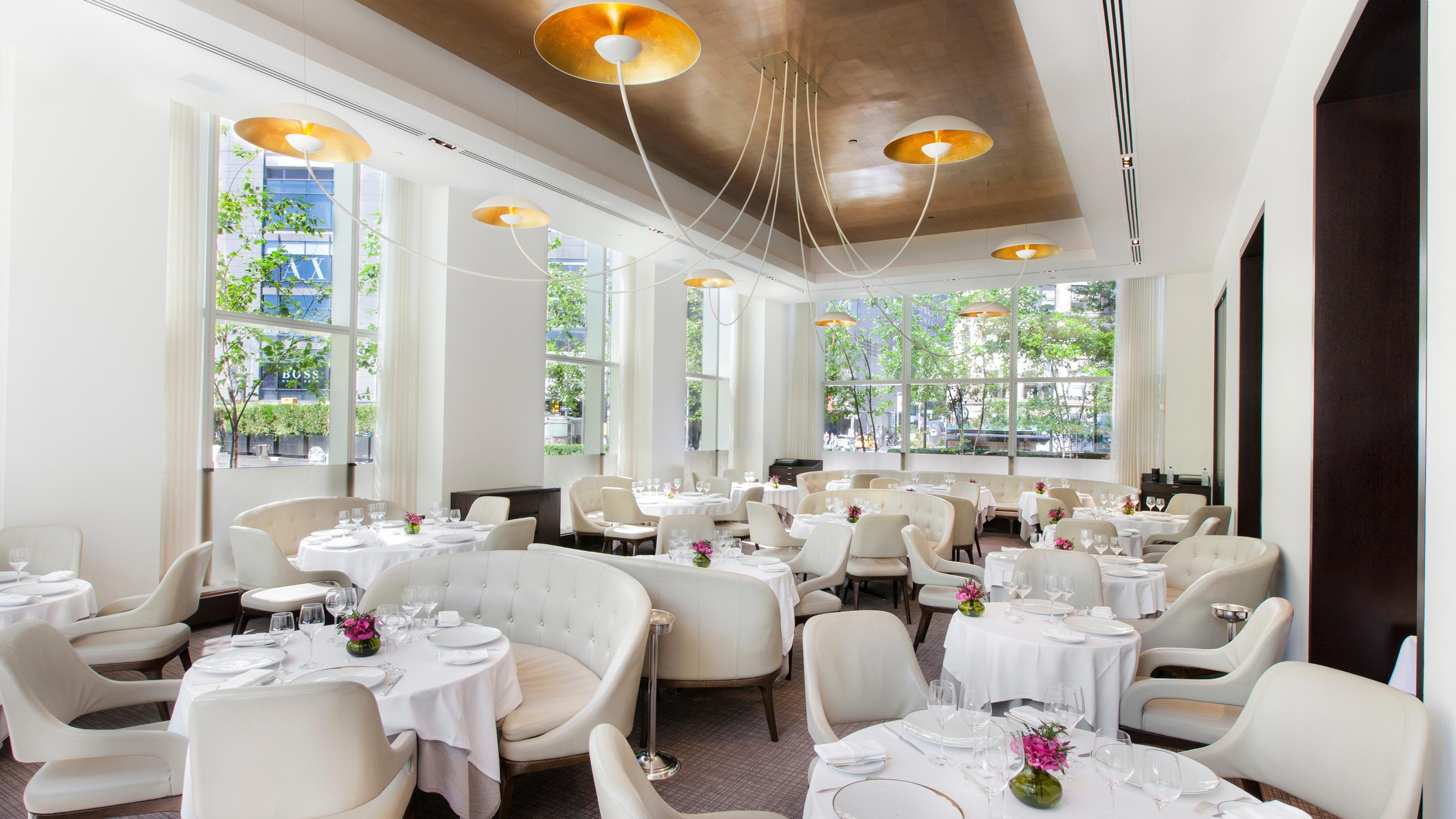
Restaurants in Fort Lee
Browse all →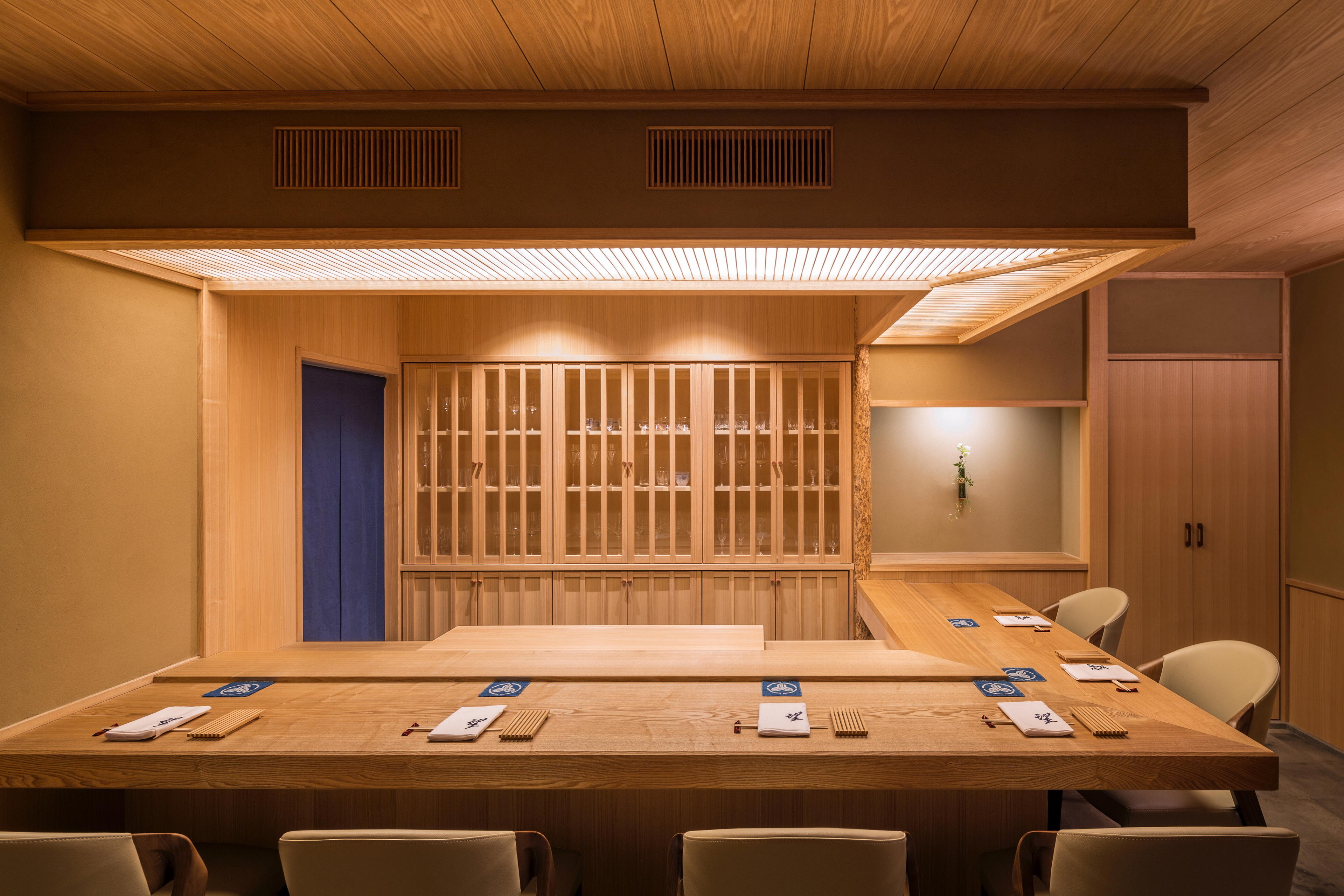
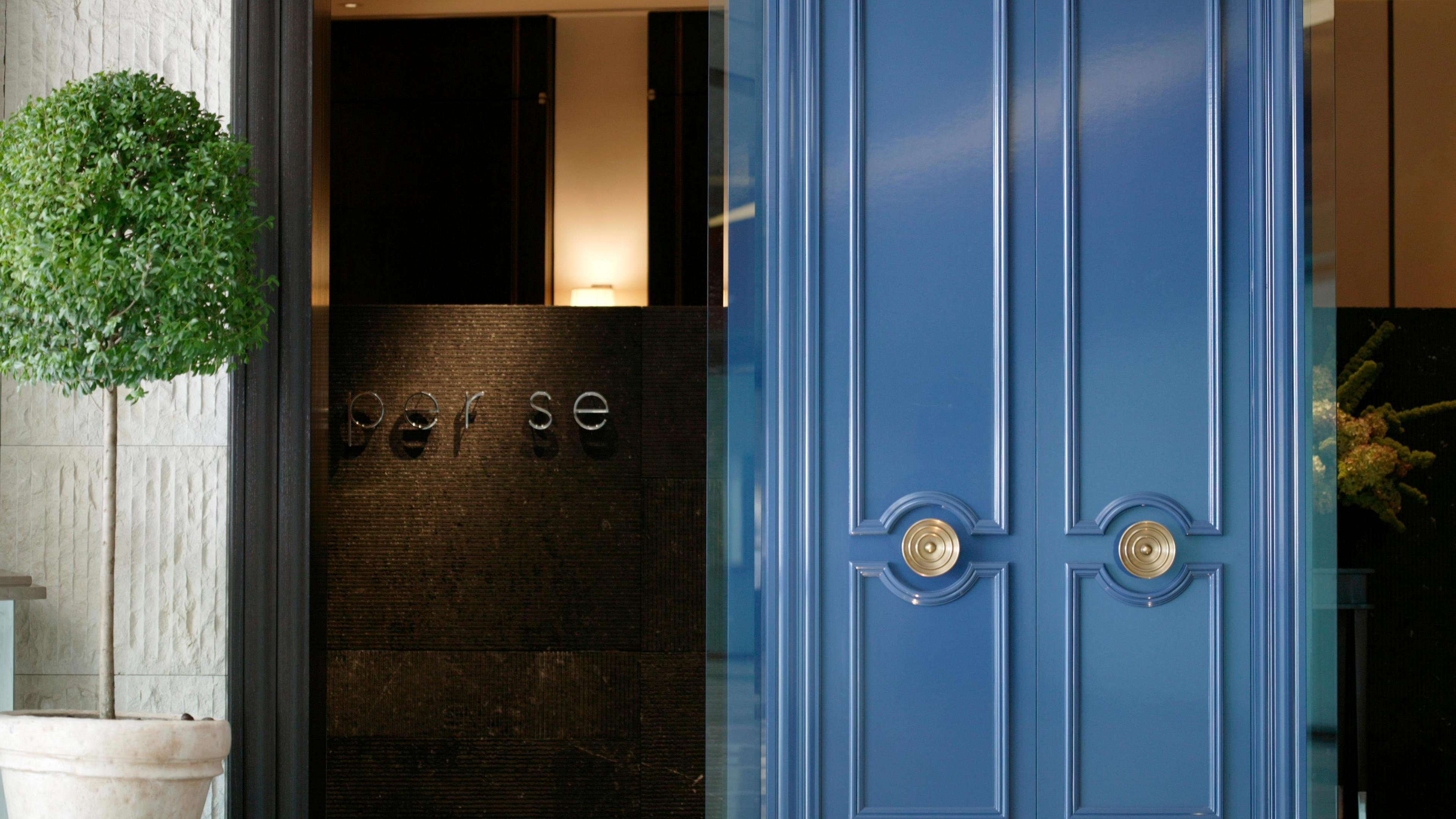
Bars in Fort Lee
Browse all →

Hotels in Fort Lee
Browse all →




At a Glance
- Classic
- Cozy
- Casual Hangout
- Family
- Beer Program
Current opening hours
- Monday
- 11 AM–8:30 PM
- Tuesday
- 11 AM–8:30 PM
- Wednesday
- 11 AM–8:30 PM
- Thursday
- 11 AM–8:30 PM
- Friday
- 11 AM–8:30 PM
- Saturday
- 11 AM–8:30 PM
- Sunday
- 11 AM–8:30 PM
Hours can change for holidays and private events. Last verified .
No-frills roadstand with cozy indoor seating, long picnic tables outside, and a casual throwback atmosphere.
Know Before You Go
- Getting there
- 1345 Palisade Ave, Fort Lee, NJ 07024