
Tabelog 100 #17
Our verdict
Akita’s Hinai jidori tradition gives this small yakitori counter its reason to exist: regional chicken treated as a serious local product rather than a casual drinking snack. Hinai Jidori Kushi Sot l'y laisse is selected for Tabelog 100 Yakitori EAST 2025, with a 16-seat format that keeps the focus on skewers, chicken dishes, and Akita’s sake culture.

Pearl is the En Primeur Club membership app — saves, bookings, and concierge access live there. Same editors, same standards.
- Address
- Japan, 〒010-0011 Akita, Minamidorikamenocho, 3−44 川原田ビル 1F
- Phone
- +81 50-3145-1538
- Hours
- Mon 11 AM–2 PM, 7–10 PMTue–Wed 11 AM–2 PM, 6–10 PMThu 11 AM–2 PM, 7–10 PMFri–Sun 11 AM–2 PM, 6–10 PM
- Website
- instagram.com
- Directions
- Get directions
The menu
What to order
- Hinai-jidori yakitori skewers
- Sot-l’y-laisse (oyster cut) skewer
- Hinai-jidori oyakodon
- Kiritanpo hotpot
- Chicken paitan ramen (weekend/holiday daytime)
Akita is not Ginza, and that matters. Akita’s serious dining rooms tend to feel closer to the region’s agricultural calendar than to the performance codes of the capital: snow-country produce, sake from local breweries, rice culture, and a stronger sense that dinner should explain where it is. In that context, yakitori is not filler between drinks. It becomes a way to read Akita through one bird, one grill, and a sequence of cuts that rewards attention.
Hinai jidori carries more weight in Akita than ordinary brand-name poultry. Alongside other regional chickens, it is often discussed as part of Japan’s broader poultry culture, but its meaning sharpens in its home prefecture. The meat is prized by diners for character rather than anonymous softness, which makes it especially suited to grilled preparations. A restaurant built around chicken skewers is not just a format choice; it signals a closer relationship between seasoning, heat, and pacing.
Hinai jidori turns yakitori into Akita regional cooking
Yakitori’s national image often splits in two directions: inexpensive after-work skewers on one side, chef-controlled counter dining on the other. Akita adds a third reading, because the local bird is part of the prefecture’s food identity in the same way kiritanpo, rice, and sake are. The value here is not novelty. It is specificity: chicken dishes rooted in a place where the ingredient already has cultural standing.
That explains why Hinai Jidori Kushi Sot l'y laisse sits in a different lane from broad izakaya dining. Its categories are yakitori, kushiyaki, and chicken dishes, but the narrower lens is the point. Its 2025 Tabelog Hyakumeiten recognition places the restaurant inside a competitive regional conversation rather than merely inside Akita’s local directory. The Tabelog score of 3.76 reinforces that this is being judged by diners within Japan’s detail-heavy restaurant culture, where small differences in sourcing, pacing, and grill work matter.
Akita’s comparison set also clarifies the positioning. Sake Tomi, FRUTTO, Shinsui Chubo Sie, and Sumibi Yakiniku Nama Horumon Dokoro Shouchan all point to different ways of eating in the city, from drinks-led meals to produce-focused cooking and grilled-meat formats. Against that spread, the appeal is not that chicken is less expensive than beef or tasting-menu cooking. It is that regional poultry is being framed as a serious dinner subject.
A compact counter format, built for cuts rather than spectacle
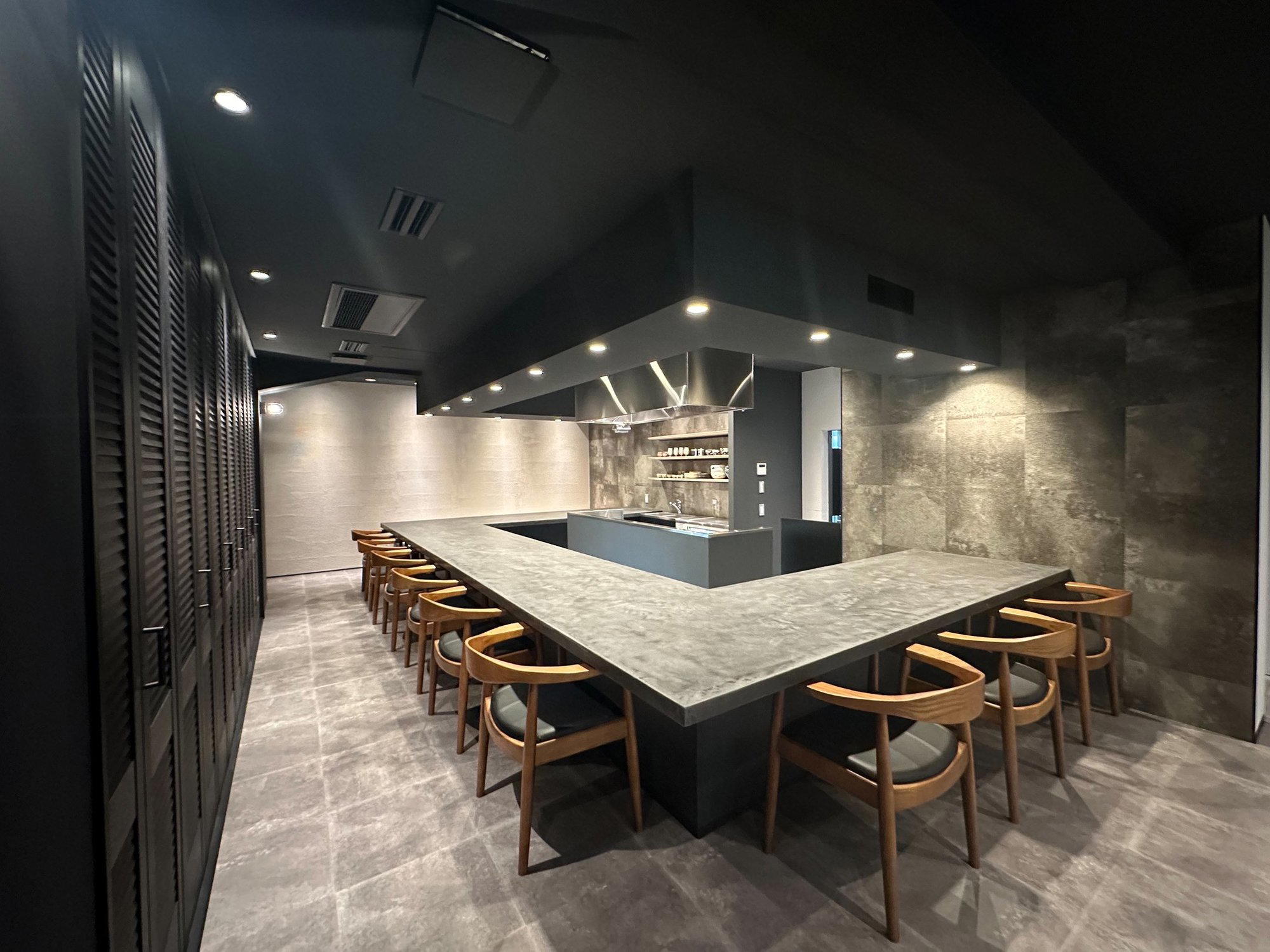
The room’s appeal is best understood through focus rather than scale. Yakitori depends on sequence: different cuts and supporting elements can all require different timing. The format makes sense for a restaurant whose identity rests on yakitori, kushiyaki, and chicken dishes rather than a long, flexible menu. The diner is asked to pay attention to the grill, not to spectacle around it.
The drink context also reads correctly for Akita. In a prefecture whose brewing reputation is tied to cold winters, clean water, and rice, yakitori naturally invites thoughtful pairing with local drinking culture. Chicken grilled over heat can support beer, highballs, or sake, but Hinai jidori especially benefits from drinks that can meet salt, fat, smoke, and tare without flattening the meat. For travelers, this is the useful distinction: the meal is not only about grilled chicken; it is about how Akita’s poultry and brewing cultures can sit at the same table.
There is a practical hierarchy to understand. A restaurant with this narrow a focus is not the same as a casual, order-anything izakaya, and diners should plan with that in mind. The experience is best approached as a composed reading of chicken rather than a loose grazing session. For diners used to high-end yakitori counters elsewhere in Japan, the logic will feel familiar; for visitors treating Akita as a food stop between onsen towns or rural excursions, it is a reminder to plan dinner with the same care as transport.
Where it fits in an Akita dining itinerary
Akita is a stronger dining city when read by category rather than by a single address. Regional chicken, grilled meat, sake, produce-focused cooking, and izakaya formats all tell different parts of the prefecture’s story. For a broader map of the city, start with Our full Akita restaurants guide, then compare the poultry thread with other Akita dining rooms. Beef-focused meals, drinks-led counters, and more casual rooms can all shape a different night, while unnamed local restaurants show how the city handles other formats.
The wider planning layer matters because Akita rewards slower travel. Pair dinner with Our full Akita hotels guide rather than treating the city as a rail-stop meal, and use Our full Akita bars guide, Our full Akita wineries guide, and Our full Akita experiences guide to understand how drinking culture, local producers, and seasonal travel shape the table. Visitors building a Japan-wide food route can place Akita’s grill culture against other dining in Japan and abroad without needing to reduce the comparison to named destination-hopping.
The editorial case is clear: this is Akita dining through a narrow aperture. The restaurant’s yakitori, kushiyaki, and chicken-dish focus, its dinner budget of JPY 10,000 - JPY 14,999, its lunch budget of JPY 5,000 - JPY 5,999, and its 2025 Tabelog Hyakumeiten recognition all point in the same direction. For travelers who want regional Japanese food to mean more than a checklist of famous dishes, Hinai jidori yakitori offers a compact, disciplined way to understand the prefecture’s appetite.
Frequently asked questions
What does dinner at Hinai Jidori Kushi Sot l'y laisse typically cost?
Pricing at Hinai Jidori Kushi Sot l'y laisse is listed as Dinner: JPY 10,000 - JPY 14,999; Lunch: JPY 5,000 - JPY 5,999.
What are the operating hours at Hinai Jidori Kushi Sot l'y laisse?
Specific operating hours are not provided in the supplied venue details for Hinai Jidori Kushi Sot l'y laisse. Confirm directly before visiting.
Where exactly is Hinai Jidori Kushi Sot l'y laisse?
Akita.
What's the standout thing about Hinai Jidori Kushi Sot l'y laisse?
Its clearest credential is its 2025 Tabelog Hyakumeiten recognition, supported by a Tabelog score of 3.76. The restaurant is categorized as yakitori, kushiyaki, and chicken dishes.
What if I have allergies at Hinai Jidori Kushi Sot l'y laisse?
The kitchen centers on yakitori, kushiyaki, and chicken dishes, so allergy disclosure matters from the start. Share any restrictions when booking or before ordering.
Is Hinai Jidori Kushi Sot l'y laisse child-friendly?
Child policies are not specified in the supplied venue details. Confirm directly with the restaurant before planning a visit with children.
Booking and Cost Snapshot
Side-by-side context: comparable cuisine and price.
| Venue | Cuisine | Price | Awards | Notes |
|---|---|---|---|---|
| Hinai Jidori Kushi Sot l'y laisseThis venue — the venue you are viewing | Hinai-jidori yakitori counter | $50–100 | Tabelog 100 #17 | Not listed |
| Toppin Parari no Pu | Akita regional izakaya with local sake | $50–100 | Tabelog 100 #24 | Akita, Akita regional izakaya with local sake |
| Shinsui Chubo Sie | Japanese Izakaya | $50–100 | Tabelog 100 #18 | Akita, Japanese Izakaya |
| Akita Gyugentei Ekimae honten | Akita wagyu yakiniku & grilled meat | $50–100 | Tabelog 100 #64 | Akita, Akita wagyu yakiniku & grilled meat |
| Akita Hinaiya Oodate honten | Hinai-jidori & Akita regional Japanese | $20–30 | Tabelog 100 #70 | Odate, Hinai-jidori & Akita regional Japanese |
| Sumibi Yakiniku Nama Horumon Dokoro Shouchan | Yakiniku & Horumon (Japanese BBQ) | $20–30 | Tabelog 100 #11 | Akita, Yakiniku & Horumon (Japanese BBQ) |
Recognition history
Dated appearances from independent guides and award organizations, with the underlying list record or original source where available.
Tabelog 100 #17 · No. 17
Tabelog · Tabelog 100 - Yakitori - EAST - 2025
Details
- Cozy
- Intimate
- Modern
- Date Night
- Group Dining
- Special Occasion
- Casual Hangout
- After Work
- Solo
- Chefs Counter
- Standalone
- Sake Program
- Beer Program
- Local Sourcing
- Tasting Menu
- Counter Dining
- Set Menu
- Sake
- Beer
Current opening hours
- Monday
- 11 AM–2 PM, 7–10 PM
- Tuesday
- 11 AM–2 PM, 6–10 PM
- Wednesday
- 11 AM–2 PM, 6–10 PM
- Thursday
- 11 AM–2 PM, 7–10 PM
- Friday
- 11 AM–2 PM, 6–10 PM
- Saturday
- 11 AM–2 PM, 6–10 PM
- Sunday
- 11 AM–2 PM, 6–10 PM
Hours can change for holidays and private events. Last verified .
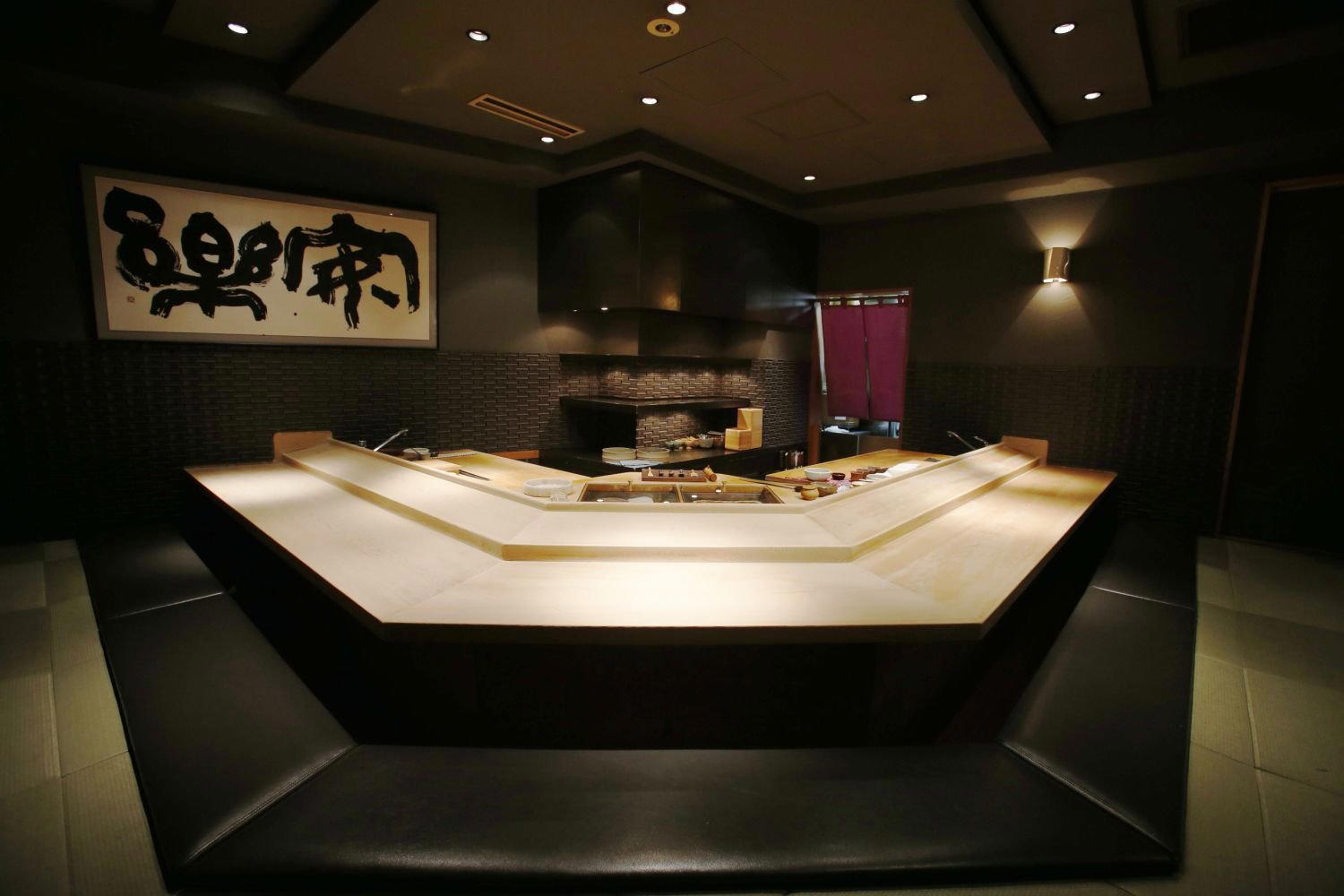
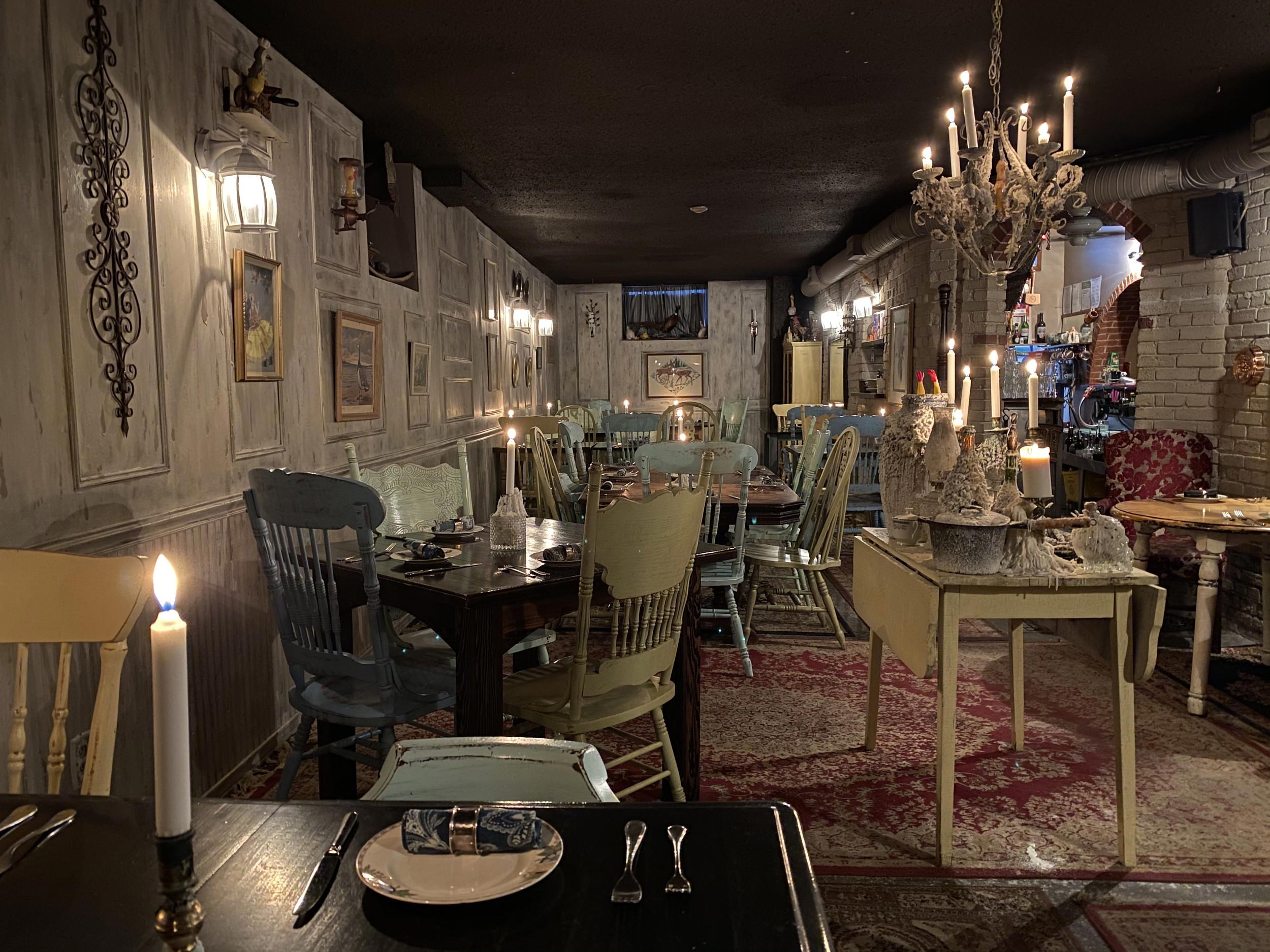
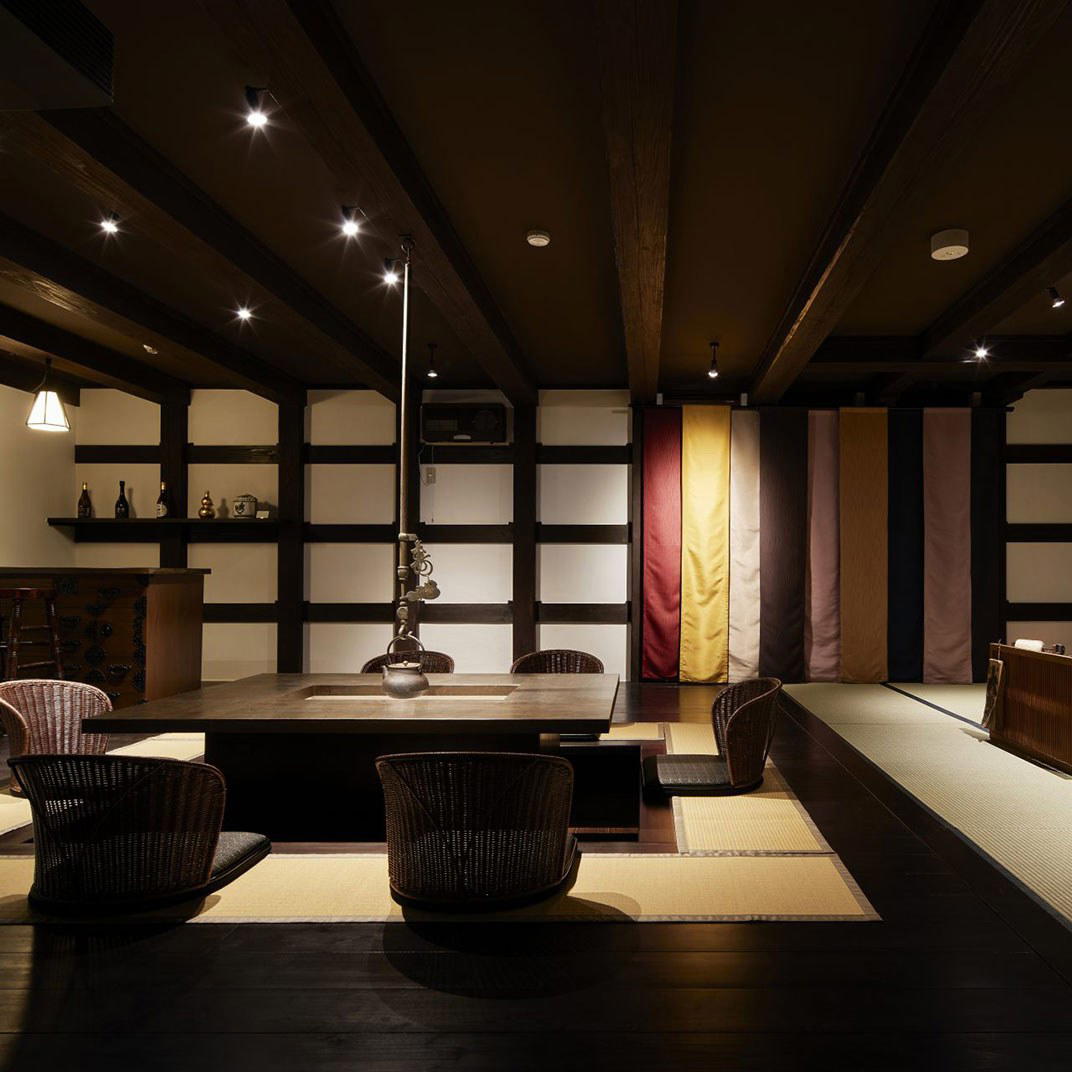
Refined, counter-focused yakitori with a modern, stylish interior; the atmosphere is relaxed and intimate, suited to quiet conversation rather than a loud izakaya vibe.