
Tabelog 100 #64
Our verdict
Akita Gyugentei Ekimae honten puts Akita’s beef culture into a yakiniku and steak format close to Akita Station, with an 80-seat room split across counter, table, and sunken kotatsu seating. Its Tabelog 100 Yakiniku EAST 2025 selection, plus repeated Tabelog 100 recognition since 2018, places it in a serious regional bracket rather than a casual grill category.

Pearl is the En Primeur Club membership app — saves, bookings, and concierge access live there. Same editors, same standards.
- Address
- 2 Chome-6-44-2F Nakadori, Akita, 010-0001, Japan
- Phone
- +81 18-893-3929
- Hours
- Daily 11:30 AM–2:30 PM, 5–9:30 PM
- Website
- akitagyugentei.com
- Directions
- Get directions
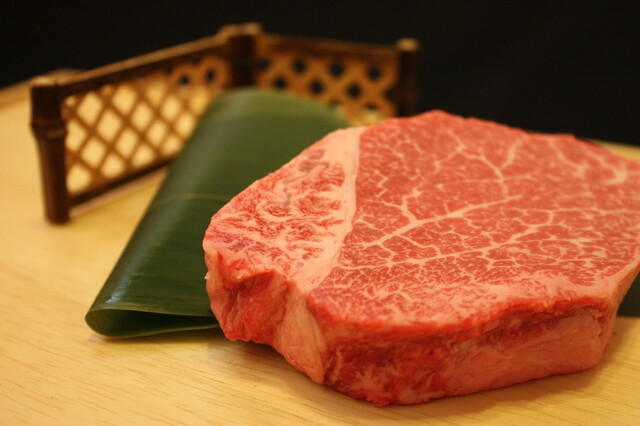
The menu
What to order
- Akita wagyu yakiniku platters
- Assorted local wagyu cuts
The approach is urban Akita rather than countryside theatre: a second-floor address in Nakadori, close to the station, where the meal is built around smoke, heat, and the shared discipline of grilling. Yakiniku in northern Japan carries a different charge from its big-city equivalents. It is less about spectacle and more about the link between local livestock, precise cuts, and a table format that lets diners control pace. Akita Gyugentei Ekimae honten belongs to that tradition, but with the scale and recognition of a restaurant that has moved beyond neighbourhood usefulness.
Akita’s food identity is often reduced to rice, sake, kiritanpo, and Hinai-jidori chicken, yet beef has its own place in the prefecture’s agricultural story. Yakiniku is a useful lens for that: the cooking happens in public, the hierarchy of cuts is exposed, and the success of the meal depends as much on sourcing and trimming as on service choreography. In that context, this restaurant’s Tabelog 100 Yakiniku EAST 2025 selection matters. Tabelog’s Hyakumeiten lists tend to reward category depth rather than tourist visibility, and repeated selection from 2018 through 2025 signals durability in a field where regional grill restaurants compete against Tokyo-area specialists and established suburban beef houses.
Akita beef culture, translated through yakiniku rather than ceremony
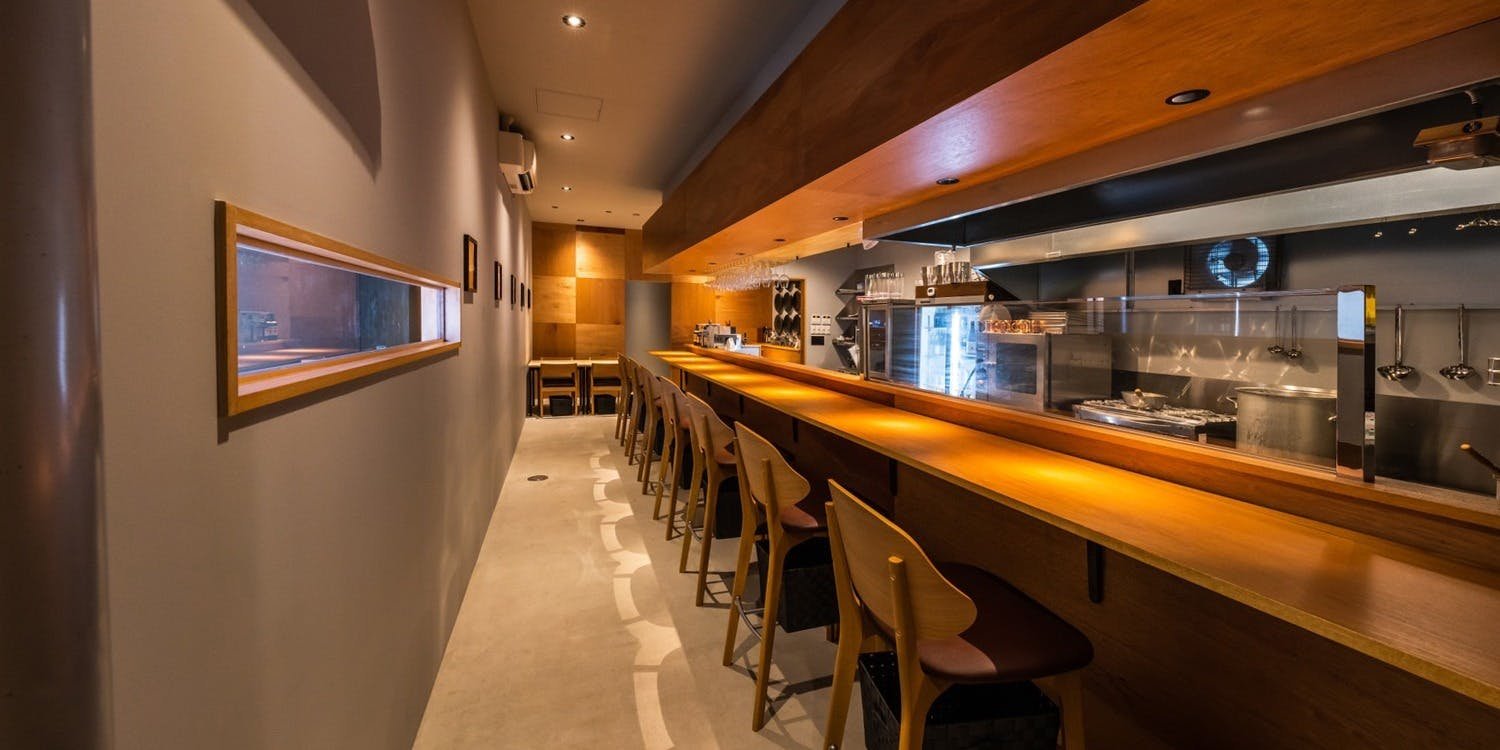
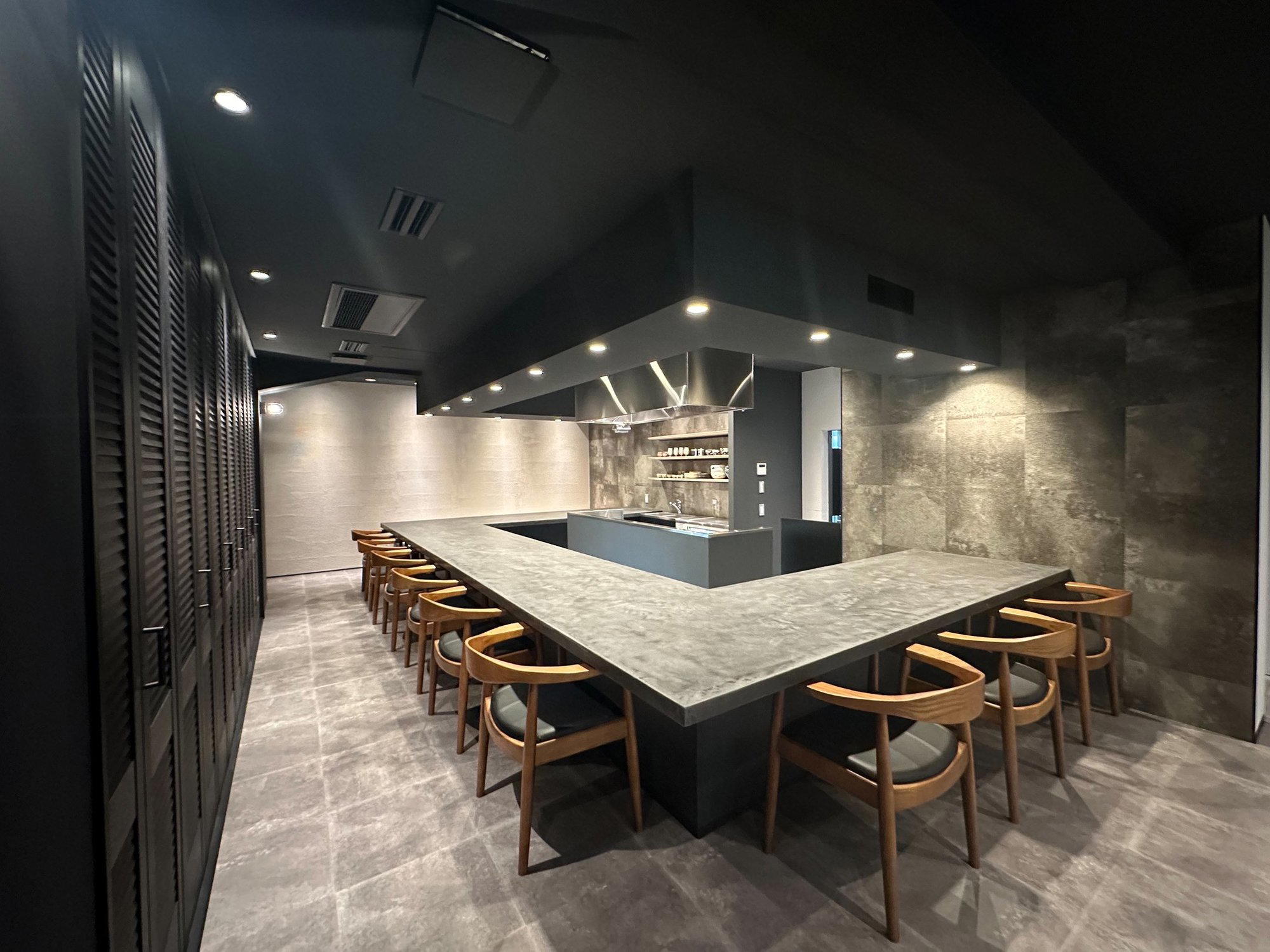
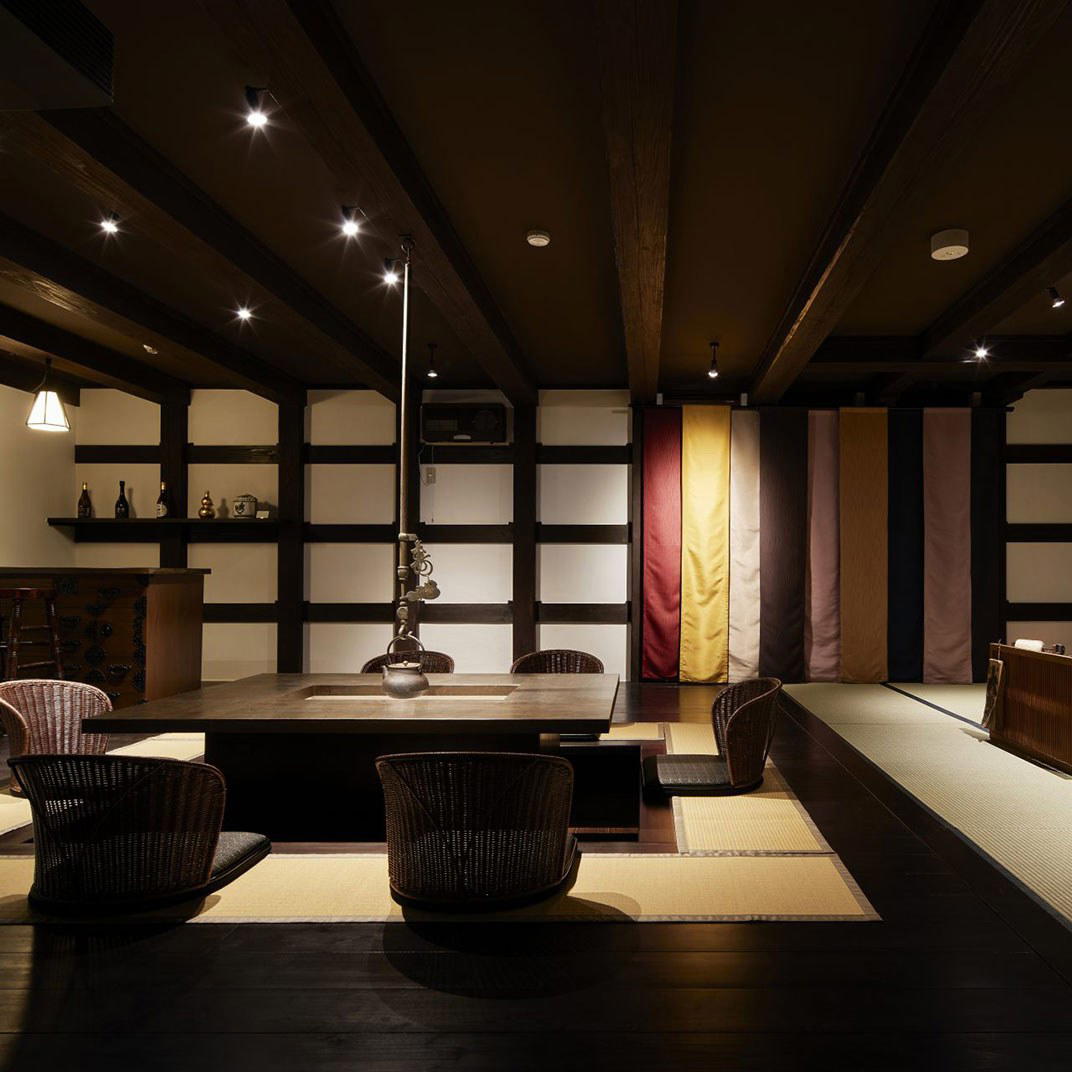
The room’s format says a great deal about its intended use. Eighty seats is large for a serious Japanese restaurant but normal for yakiniku, where groups, families, and after-work tables need space around grills. The mix of counter seats, tables, and sunken kotatsu seating puts it between a station-area restaurant and a regional beef house: flexible enough for a solo diner or pair, but clearly designed for shared ordering. Private rooms are not part of the proposition, so the experience sits in the communal language of yakiniku rather than the sealed-off luxury of a course-only beef counter.
That distinction matters for travelers deciding where Akita’s dining identity reveals itself. A sushi counter such as Sushi Cho, priced in the JPY 10,000 to JPY 14,999 bracket, tells one story about precision and seasonality; Torikou, in a similar spend range, points toward the city’s bird-focused cooking culture. Toppin Parari no Pu and Eiraku Shokudo, both around JPY 5,000 to JPY 5,999, occupy a different izakaya-adjacent register. Akita Gyugentei Ekimae honten sits between those poles: structured around beef, casual in format, but validated by category-specific recognition. For a broader dining read on the city, compare it with affetto akita, Akita Gyugentei Sannou bekkan, Akita Hinaiya Oodate honten, and Akita Kurasu.
The drinks list also reflects the region without turning dinner into a tasting lecture. Sake, shochu, wine, and cocktails are listed, with particular attention to sake, shochu, and wine. That range is practical for yakiniku: beef can pull diners toward red wine, grilled fat can call for shochu, and Akita’s sake culture remains too central to ignore. The smart move here is not to treat drinks as decoration, but to read the table. A beef-focused dinner in Akita has permission to be local, but it does not need to be narrow.
Why the recognition matters in a station-area grill room
Station proximity can flatten expectations in Japan. Many restaurants near major rail hubs are built for convenience first, with predictable menus and rapid turnover. The stronger station-area addresses do something else: they use accessibility without surrendering category ambition. Akita Gyugentei Ekimae honten fits that latter pattern. It opened in 2010 and has accumulated Tabelog 100 recognition across yakiniku and grill categories, including the Yakiniku EAST 2025 list. That history is the trust signal, not any invented mythology around a chef or house philosophy.
For visitors, the editorial case is clear. This is not the place to seek a hushed, chef-led tasting menu or the intimacy of a six-seat counter. It is for understanding how Akita presents beef in a format locals can use repeatedly: lunch, dinner, family meals, friend groups, and celebrations. Children are explicitly welcome, including strollers, which is not a minor detail in a grill restaurant.
Planning is simple by Japanese regional standards. The restaurant operates lunch and dinner daily, with last order and last seating built into the schedule, and reservations are available. The listed average spend separates lunch from dinner, which makes the midday sitting a lower-commitment way to sample the house style, while dinner puts the meal closer to Akita’s serious casual tier. Payment flexibility is stronger than many regional restaurants, with major credit cards and several electronic money options accepted. Parking is not on site, but the adjacent public parking arrangement offers a one-hour ticket when the meal spend reaches the stated threshold.
Akita is not a city where every good meal needs to be formal. Its appeal is in the way local food categories remain legible: Hinai-jidori chicken, sake-led drinking, rice country cooking, and beef handled through grill culture. For a fuller itinerary, the city’s restaurant map connects naturally with Our full Akita restaurants guide, while evening drinking can be extended through BAR Le Vert and Our full Akita bars guide. Travelers building a wider stay can pair that with Our full Akita hotels guide, Our full Akita wineries guide, and Our full Akita experiences guide.
For readers comparing Japanese grill and casual dining beyond Akita, the useful contrast is format rather than fame. Beef-led cooking appears in different registers at -Grilled beef Sukiyaki- KAMAKURA TANUKIAN 鎌倉 たぬき庵 in Kamakura, while charcoal and seafood pull another thread at. 鮪と炭火焼き うお炭 秋葉原店 in Tokyo. The wider Japanese casual spectrum runs from.cafe in Osaka and.know in Kumamoto to (Shoku) Vietnam in Kawasaki, [Curry Senmon Ten] Maruyama Kyoju. in Sapporo, and Japanese food culture abroad at Jōdo Saké Bar in Los Angeles and Onigiri Time in Pasadena. Against that broader field, Akita’s station-side yakiniku has a specific value: it makes regional beef culture easy to read without stripping it of seriousness.
Frequently asked questions
What days is Akita Gyugentei Ekimae honten closed?
Hours at Akita Gyugentei Ekimae honten: Mon: 11:30 AM–2:30 PM, 5–9:30 PM; Tue: 11:30 AM–2:30 PM, 5–9:30 PM; Wed: 11:30 AM–2:30 PM, 5–9:30 PM; Thu: 11:30 AM–2:30 PM, 5–9:30 PM; Fri: 11:30 AM–2:30 PM, 5–9:30 PM; Sat: 11:30 AM–2:30 PM, 5–9:30 PM; Sun: 11:30 AM–2:30 PM, 5–9:30 PM.
What price level is Akita Gyugentei Ekimae honten?
Pricing at Akita Gyugentei Ekimae honten is listed as JPY 6,000 - JPY 7,999 JPY 1,000 - JPY 1,999.
Where is Akita Gyugentei Ekimae honten in Akita?
Akita Gyugentei Ekimae honten is located in Akita.
What's the standout thing about Akita Gyugentei Ekimae honten?
Its clearest credential is Tabelog 100 EAST 2025 selection, backed by a long run of recognition in the same category. The room is built for scale, with 80 seats including counter, table, and sunken kotatsu seating, which suits yakiniku better than a formal dining room.
Can Akita Gyugentei Ekimae honten handle vegetarian requests?
The kitchen is centered on yakiniku and steak, so vegetarian diners should expect a narrow fit rather than a dedicated vegetarian menu. That said, the restaurant does list drinks such as sake, shochu, wine, and cocktails, and the Akita address is clear at 2 Chome-6-44-2F Nakadori.
Is Akita Gyugentei Ekimae honten suitable for children?
Yes. The venue is marked child-friendly, with children welcome and strollers welcome, and it also lists family-friendly use. The 80-seat layout in Akita gives it more room than a tightly packed counter-only grill.
Budget Reality Check
Side-by-side context: comparable cuisine and price.
| Venue | Cuisine | Price | Awards | Notes |
|---|---|---|---|---|
| Akita Gyugentei Ekimae hontenThis venue — the venue you are viewing | Akita wagyu yakiniku & grilled meat | $50–100 | Tabelog 100 #64 | Not listed |
| すし匠 | Akita Edomae Omakase | $500+ | Tabelog Bronze #433 | Akita, Edomae-Style Sushi Omakase |
| Akita Gyugentei Sannou bekkan | Yakiniku (Japanese BBQ) | $50–100 | Tabelog 100 #33 | Akita, Yakiniku (Japanese BBQ) |
| Akita Hinaiya Oodate honten | Hinai-jidori & Akita regional Japanese | $20–30 | Tabelog 100 #70 | Odate, Hinai-jidori & Akita regional Japanese |
| Tobu | Traditional Japanese chicken hot pot (mizutaki) | $20–30 | Tabelog 100 #86 | .null, Traditional Japanese chicken hot pot (mizutaki) |
| スシュ | Classic French | Not listed | Tabelog Bronze #421 | Akita, Classical French Cuisine |
Recognition history
Dated appearances from independent guides and award organizations, with the underlying list record or original source where available.
Tabelog 100 #64 · No. 64
Tabelog · Tabelog 100 - Yakiniku - EAST - 2025
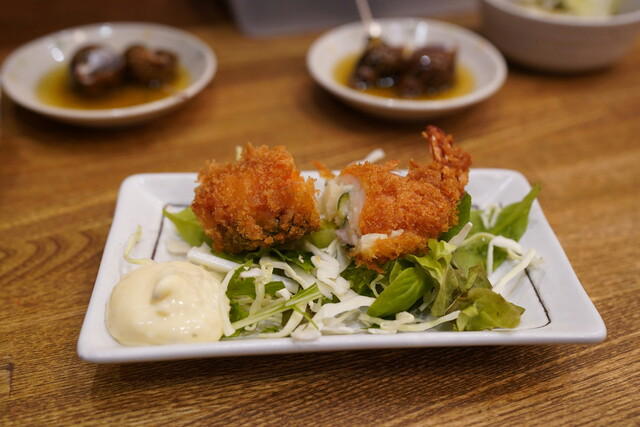
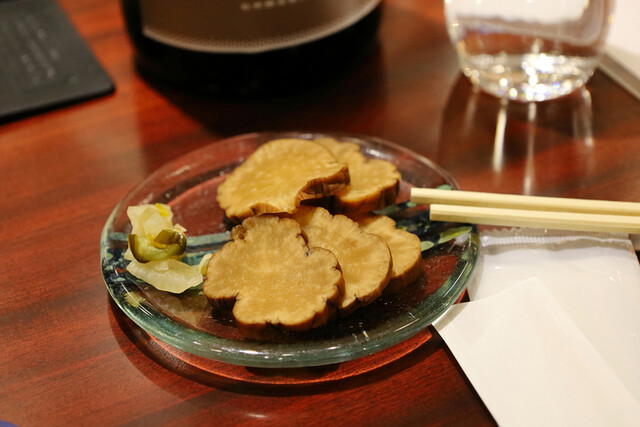
Details
- Cozy
- Classic
- Lively
- Group Dining
- Business Dinner
- Family
- Celebration
- Casual Hangout
- Standalone
- Beer Program
- Local Sourcing
- A La Carte
- Family Style
- Beer
- Sake
Current opening hours
- Monday
- 11:30 AM–2:30 PM, 5–9:30 PM
- Tuesday
- 11:30 AM–2:30 PM, 5–9:30 PM
- Wednesday
- 11:30 AM–2:30 PM, 5–9:30 PM
- Thursday
- 11:30 AM–2:30 PM, 5–9:30 PM
- Friday
- 11:30 AM–2:30 PM, 5–9:30 PM
- Saturday
- 11:30 AM–2:30 PM, 5–9:30 PM
- Sunday
- 11:30 AM–2:30 PM, 5–9:30 PM
Hours can change for holidays and private events. Last verified .
Warm, relaxed yakiniku dining room with counter, table, and sunken kotatsu seating that emphasizes a sense of hospitality, comfort, and an easygoing yet polished atmosphere suitable for both everyday meals and gatherings.