
Tabelog 100 #11
Our verdict
Akita’s yakiniku conversation is usually strongest when it moves away from luxury theatre and toward sourcing, offal handling, and charcoal discipline. Sumibi Yakiniku Nama Horumon Dokoro Shouchan brings that argument into a compact counter format in Omachi, with Tabelog 100 Yakiniku EAST 2025 recognition and a focus on fresh beef offal, black wagyu, sake, and wine.

Pearl is the En Primeur Club membership app, where members save venues, book tables and use the concierge.
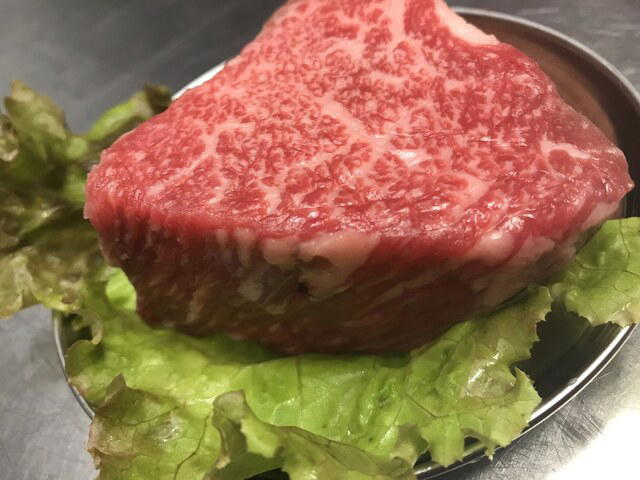
The menu
What to order
- Fresh beef horumon (offal) platter
- Charcoal-grilled wagyu cuts
Akita’s evening dining scene is built for close-range decisions: modest frontages, smoke in the air, and rooms where the cooking says more than the signage. Here, yakiniku is not simply a grill dinner but a test of procurement, trimming, heat control, and confidence with less forgiving cuts. Sumibi Yakiniku Nama Horumon Dokoro Shouchan belongs to the Akita category where offal is not a side note, but central to the argument.
The signal is not scale. The restaurant is listed for yakiniku and tripe, which gives the visit a clearer point than a general grill dinner. Akita has other dining rooms where the appeal often sits closer to comfort, volume, or familiar local specialties. Here, the draw is narrower: charcoal-style grilling, horumon, and a format that makes product handling feel exposed.
Fresh horumon changes the yakiniku calculation
Offal-led yakiniku rewards restaurants that buy well and prepare precisely. Richer cuts tolerate generosity; tripe and other internal cuts punish indifference. The listed category, yakiniku and tripe, places the restaurant inside a Japanese tradition that treats texture as seriously as richness. That matters in Akita, where visitors often arrive primed for rice, sake, kiritanpo, Hinai-jidori chicken, and cold-weather cooking rather than offal-focused counters.
The sourcing angle explains why Tabelog’s Yakiniku EAST 2025 selection matters. The Tabelog 100 format is category-specific, so the recognition places the restaurant in a regional yakiniku conversation rather than a generic dining list. A 3.56 Tabelog score is not a luxury trophy, but in Japan’s user-review culture it is a useful quality marker, especially for a specialist outside the usual metropolitan circuits. The relevant comparison is not hotel dining or a prestige tasting menu; it is whether an Akita yakiniku room can compete on product handling.
Horumon gives the restaurant its identity. The appeal works because yakiniku contains two appetites: the celebratory pull of grilled meat and the izakaya-adjacent pleasure of sharper, more textural cuts. This is not framed as a hushed tasting menu. It sits in a more direct register, serious enough for a planned dinner and relaxed enough for an Akita night that continues elsewhere.
Akita's grill scene, away from the obvious itinerary
Akita dining is often read first through regional staples and seasonal cooking. Other local dining rooms speak to the prefecture’s chicken traditions, drinking culture, and small-restaurant range, showing how the city stretches beyond a single northern-Japan template. Yakiniku sits differently. It is less sightseeing cuisine than local night eating, the kind of dinner that makes sense after work, after sake, or before a second bar.
That is why Akita is the right frame. The city rewards compact venues with a clear function. BAR Le Vert and The Bar 1980 occupy a comparable part of the evening drinking circuit, while Ichigen and Moonshine show how Akita’s night economy moves between food and alcohol without the rigid separation found in larger cities. A yakiniku specialist here competes not only with formal restaurants, but with the entire plan for the night. The better choice depends on appetite: grilled meat and offal before drinks, or drinks as the main event.
For travelers building an Akita itinerary, the restaurant corrects the predictable regional checklist. The city’s broader dining map is useful for range, and Our full Akita restaurants guide gives that wider view. Pair it with Our full Akita bars guide if the night may move beyond dinner, or Our full Akita hotels guide when location matters more than a long taxi ride after charcoal and sake. For trips beyond restaurants, Our full Akita experiences guide and Our full Akita wineries guide help separate food-led evenings from day planning.
Who should choose this specialist
This is the stronger call for diners who care about grilled meat and offal in practical terms, not only reputation or setting. Fresh offal requires a different kitchen discipline from broader grill presentation, and charcoal keeps the focus on timing rather than garnish. The restaurant’s Tabelog Hyakumeiten recognition in 2025 makes it a useful Akita marker for diners who want a focused yakiniku stop rather than a broad regional sampler.
The better fit is a diner or group wanting a focused Akita dinner without turning the evening into ceremony. The listed dinner budget, JPY 4,000 - JPY 4,999, keeps it in a planned-but-accessible bracket rather than a luxury-only one. Treat the restaurant as the experience itself: a yakiniku and tripe specialist whose value depends on the handling of the ingredients, not on elaborate ceremony.
Readers comparing across Japan should not flatten every charcoal venue into the same category. Other restaurants may use charcoal in different ways, from broader casual cooking to more formal grill-led meals. The contrast is useful: Akita’s version here is more compact in purpose, more offal-centered, and more dependent on procurement than spectacle. For a wider Japan food map, the point is not to chase sameness from city to city, but to notice how format changes meaning. Shouchan’s value is that it keeps Akita’s yakiniku conversation specific: charcoal, offal, tripe, and a clear enough focus to make sourcing visible.
Frequently asked questions
Is Sumibi Yakiniku Nama Horumon Dokoro Shouchan okay with children?
The venue is a yakiniku and tripe specialist in Akita, so it is best for children who are comfortable with grilled meat, smoke, and offal-focused ordering. Families should judge the fit by appetite and tolerance for a focused dinner rather than expecting a broad family-restaurant format.
Is Sumibi Yakiniku Nama Horumon Dokoro Shouchan better for a quiet night or a lively one?
It is better understood as a focused yakiniku dinner than a hushed fine-dining room. The appeal is the directness of grilled meat and tripe in Akita, with enough energy to work well before or during a night out.
What's the price range at Sumibi Yakiniku Nama Horumon Dokoro Shouchan?
Pricing at Sumibi Yakiniku Nama Horumon Dokoro Shouchan is listed as JPY 4,000 - JPY 4,999 for dinner.
What is Sumibi Yakiniku Nama Horumon Dokoro Shouchan known for?
Sumibi Yakiniku Nama Horumon Dokoro Shouchan is known for yakiniku and tripe in Akita, with Tabelog Hyakumeiten recognition for Yakiniku EAST 2025 and a listed Tabelog score of 3.56.
A Quick Peer Check
Comparable venues by cuisine and price in the same metro.
| Venue | Cuisine | Price | Awards | Notes |
|---|---|---|---|---|
| Sumibi Yakiniku Nama Horumon Dokoro ShouchanThis venue (the venue you are viewing) | Yakiniku & Horumon (Japanese BBQ) | $20–30 | Tabelog 100 #11 | Not listed |
| Hinai Jidori Kushi Sot l'y laisse | Hinai-jidori yakitori counter | $50–100 | Tabelog 100 #17 | Akita |
| Takarazushibunten | Omakase Sushi | $50–100 | Tabelog Bronze #448 | Akita |
| Torikou | Yakitori Izakaya | $50–100 | Tabelog 100 #49 | Akita |
| Akita Gyugentei Ekimae honten | Akita wagyu yakiniku & grilled meat | $50–100 | Tabelog 100 #64 | Akita |
| Akita Kurasu | Akita local sake standing bar & specialty shop | $10–20 | Tabelog 100 #95 | Akita |
Recognition history
Dated appearances from independent guides and award organizations, with the underlying list record or original source where available.
Tabelog 100 #11 · No. 11
Tabelog · Tabelog 100 - Yakiniku - EAST - 2025
Continue exploring
More in Akita
Restaurants in Akita
All restaurants in Akita →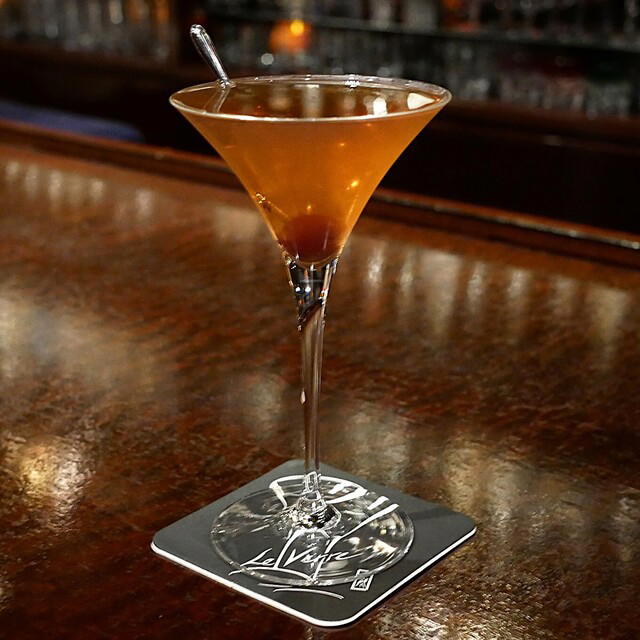
Hotels in Akita
Browse all →
Details
- Lively
- Cozy
- Casual
- Group Dining
- Casual Hangout
- After Work
- Solo
- Family
- Celebration
- Standalone
- Beer Program
- Local Sourcing
- A La Carte
- Family Style
- Beer
- Sake
- Shochu
Current opening hours
- Monday
- 5–11 PM
- Tuesday
- 5–11 PM
- Wednesday
- 5–11 PM
- Thursday
- 5–11 PM
- Friday
- 5–11 PM
- Saturday
- 5–11 PM
- Sunday
- Closed
Hours can change for holidays and private events. Hours as of .
Casual and energetic yakiniku joint with a large, easygoing atmosphere, where guests grill meat over charcoal at their tables and enjoy drinks in a relaxed, everyday setting.