
Tabelog 100 #24
Our verdict
Akita’s izakaya culture is at its sharpest when regional cooking, sake literacy, and after-work looseness share the same table. Toppin Parari no Pu sits in that serious-but-social lane, recognized in Tabelog’s Izakaya EAST 100 selections for 2024 and 2025, with a format built around Akita ingredients, fish, kiritanpo, and a sake-focused counter culture.

Pearl is the En Primeur Club membership app, where members save venues, book tables and use the concierge.
The menu
What to order
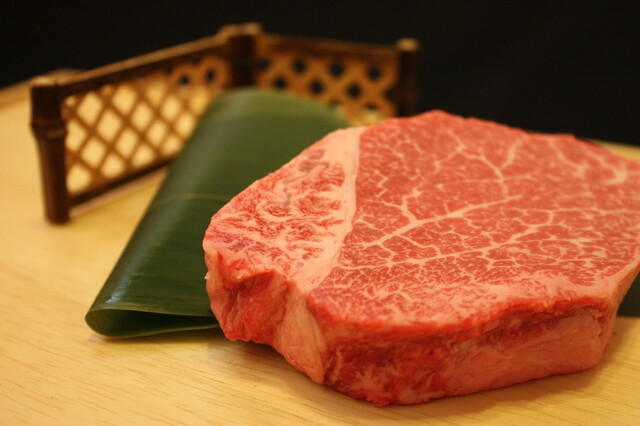
- Akita beef dishes
- Hinai jidori chicken (charcoal-grilled)
- Kiritanpo nabe (hot pot)
- Seasonal local specialties
Akita’s dining rhythm changes after dusk: office workers loosen ties, small groups settle into tavern meals, and the evening becomes less a sequence than a negotiated ritual of drinks, regional staples, and conversation. Toppin Parari no Pu belongs to that world rather than to the polished tasting-menu circuit. The room’s appeal is in its izakaya grammar: a social setting for eating and drinking, a pace shaped by the table, and a local sensibility that makes Akita’s food culture part of the evening rather than an afterthought.
That matters in Akita, where the local table is tied closely to rice, brewing, seasonal produce, and the winter logic of kiritanpo. The city is not trying to behave like Tokyo. Its better meals tend to reward patience with local categories: regional cuisine rather than genre-hopping, tavern drinking rather than cocktail theatre, and a pace that allows several small decisions across the night. The venue’s 2025 Tabelog recognition places it in a selective regional tavern conversation, not a luxury restaurant bracket.
Akita izakaya ritual, built around tavern rhythm rather than spectacle
The strongest way to read this Akita restaurant is through the customs of an izakaya meal. Ordering is incremental. Drinks arrive early, food follows in waves, and the table adjusts as the evening settles. This is not the format for a diner who wants a fixed narrative with every course explained in advance. It suits people who understand that Japanese tavern dining often works by rhythm: a first pour, a few shared plates, a regional anchor, then another round once the room has found its tempo.
The drinking side gives the experience part of its center of gravity. Akita has a strong brewing identity, and a tavern in this category can be read through that broader local drinking culture. That does not turn the meal formal. It does mean the room is best approached socially, especially for travelers who want Akita’s regional identity expressed in an everyday dining setting rather than a classroom format.
Food categories point in the same direction. The kitchen is listed for izakaya cooking, regional cuisine, and kiritanpo. Kiritanpo, the pounded-rice cylinder associated with Akita, is one of the prefecture’s defining comfort foods; in a tavern context, it reads less as tourist shorthand and more as a local carbohydrate with deep seasonal memory. Drinks, shared dishes, and regional cooking together create the logic of the meal: begin with the table, order in stages, let the local idiom do the work.
Where it sits in Akita's dining map
Akita’s serious eating scene is more varied than its size suggests. Beef specialists such as Akita Gyugentei Ekimae honten serve a different purpose: meat-focused meals with clearer occasion energy. Akita Kurasu works at a lighter everyday price tier, while places such as Eiraku Shokudo, Sushi Cho, and Torikou show how broad the city’s dining field can feel. Toppin Parari no Pu occupies the middle lane: more deliberate than a casual stop, less ceremonial than some special-occasion counters, and better understood as a regional izakaya for diners who want Akita on the table without surrendering the ease of a tavern.
That middle position is useful. Travelers often overcorrect in regional Japan, either chasing prestige counters or defaulting to convenience meals. Akita rewards a third approach: choose one strong tavern, let the city’s dining culture guide the evening, and treat the local dishes as the structure. The listed dinner budget of JPY 5,000–JPY 5,999 makes it a mid-range choice, while the 2025 Tabelog recognition gives it a sharper editorial signal than a random Akita pick.
For a wider read on the city, Our full Akita restaurants guide maps the broader dining field, while Our full Akita hotels guide, Our full Akita bars guide, Our full Akita wineries guide, and Our full Akita experiences guide help place dinner inside a fuller trip. Nearby editorial reference points also include other Akita dining rooms, useful for seeing how the city’s contemporary dining range stretches beyond izakaya traditions.
How to use the room
The best approach is to let the meal behave like an izakaya evening rather than a formal restaurant progression. Smaller parties can lean into the room’s movement and order gradually; groups can use the format for a slower, more conversational dinner. The appeal is a familiar regional-Japan balance: local food categories, flexible pacing, and enough informality to support different kinds of nights.
Etiquette is simple but worth observing. Start with drinks, order in stages, and avoid treating the meal like a checklist of Akita specialties. A regional izakaya works better when the table leaves space for pacing. If you have allergies or strong dislikes, it is sensible to communicate them clearly when booking or ordering. That is not unusual in Japan, but it is worth respecting in a regional restaurant where local preparations may be unfamiliar to visitors.
The editorial case is clear: this is the Akita dinner to choose when the point is not luxury polish but local fluency. Recognition from Tabelog in 2025 gives the address a measurable signal, and the format gives it cultural usefulness. For diners comparing Japan’s everyday drinking-food culture across regions, it also sits neatly within a broader picture of unnamed casual dining rooms, taverns, rice-centered meals, counters, focused meat rituals, cafés, and other everyday specialists. Those comparisons are not substitutes; they show how specific Akita’s izakaya language feels when set against Japan’s wider casual-dining spectrum.
Frequently asked questions
Is Toppin Parari no Pu a family-friendly restaurant?
Toppin Parari no Pu is an izakaya-style restaurant in Akita, with dinner priced at JPY 5,000–JPY 5,999. As with many taverns, families should consider the drinking-led setting and book or inquire ahead if visiting with children.
What's the vibe at Toppin Parari no Pu?
The vibe is best understood as a regional Akita izakaya: social, locally grounded, and built around shared ordering rather than a formal course-by-course restaurant experience. Its 2025 Tabelog recognition gives it a clear editorial signal within the city’s tavern scene.
Is Toppin Parari no Pu more mid-range or high-end?
Pricing at Toppin Parari no Pu is listed as JPY 5,000 - JPY 5,999.
Is Toppin Parari no Pu open every day?
Specific opening days and hours are not provided here. Check directly with Toppin Parari no Pu before visiting.
Cuisine and Recognition
Nearby venues at a similar price tier for orientation.
| Venue | Cuisine | Price | Awards | Notes |
|---|---|---|---|---|
| Toppin Parari no PuThis venue (the venue you are viewing) | Akita regional izakaya with local sake | $50–100 | Tabelog 100 #24 | Not listed |
| Tonkatsu Ishikawa | Japanese Tonkatsu | Not listed | Tabelog 100 #76 | Akita |
| Hinai Jidori Kushi Sot l'y laisse | Hinai-jidori yakitori counter | $50–100 | Tabelog 100 #17 | Akita |
| Washoku Sugawara | Seasonal Japanese Kaiseki | Not listed | Tabelog 100 #82 | Akita |
| Takaraya | Local sake-focused Japanese izakaya | Not listed | Tabelog 100 #28 | Akita |
| すし匠 | Akita Edomae Omakase | $500+ | Tabelog Bronze #433 | Akita |
Recognition history
Dated appearances from independent guides and award organizations, with the underlying list record or original source where available.
Tabelog 100 #24 · No. 24
Tabelog · Tabelog 100 - Izakaya - EAST - 2025
Continue exploring
More in Akita
Restaurants in Akita
All restaurants in Akita →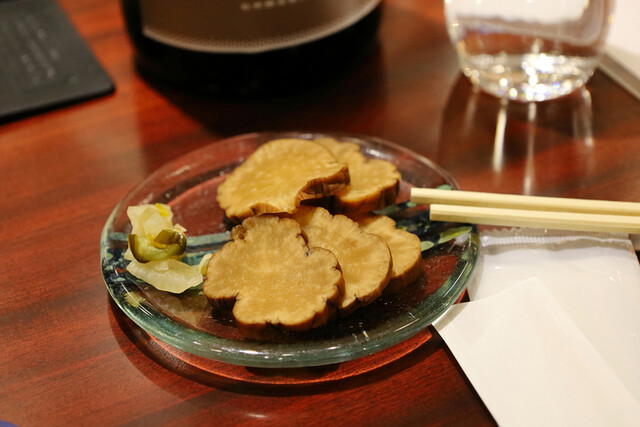
Hotels in Akita
Browse all →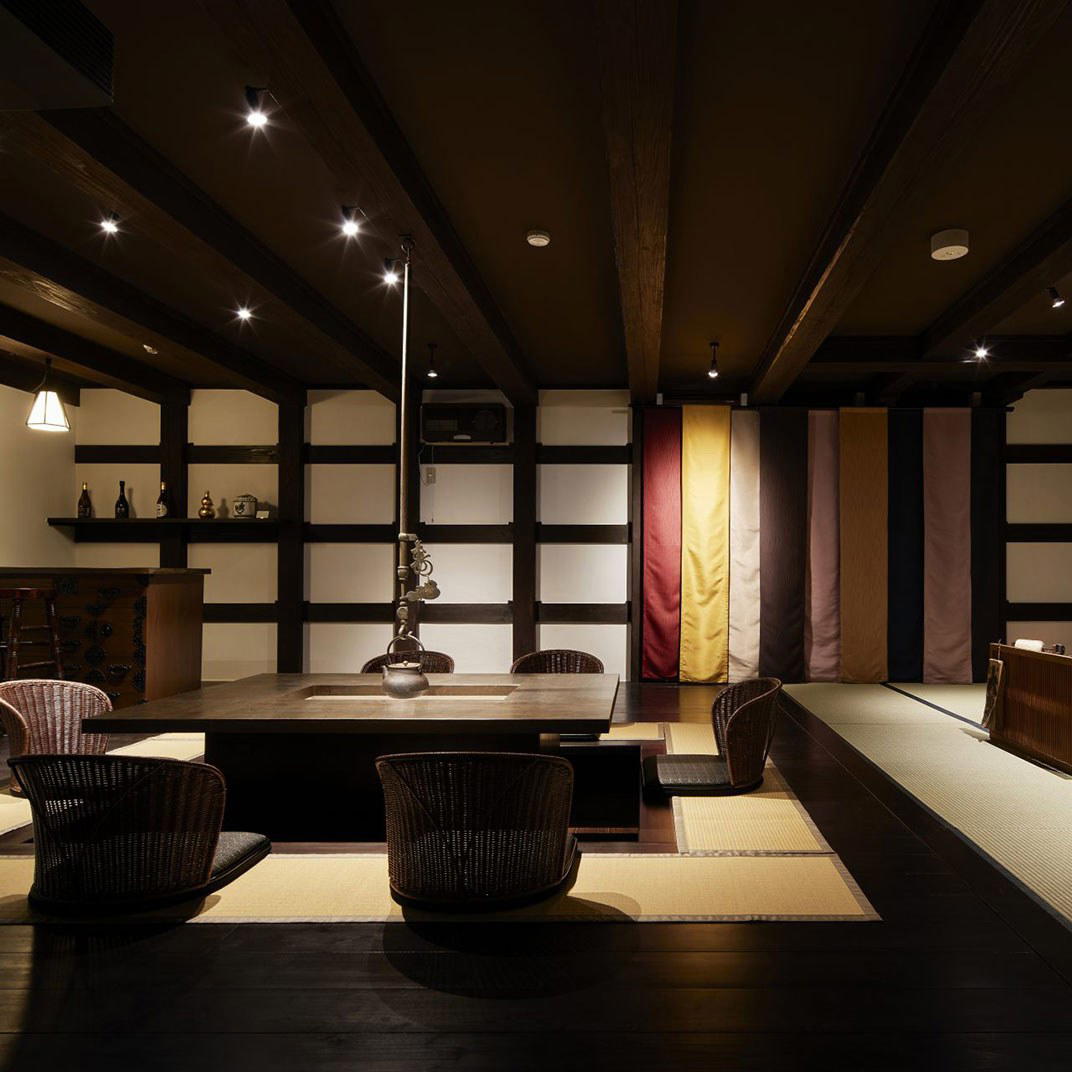
Details
- Cozy
- Lively
- Intimate
- Classic
- After Work
- Group Dining
- Casual Hangout
- Date Night
- Business Dinner
- Late Night
- Private Dining
- Standalone
- Sake Program
- Sommelier Led
- Local Sourcing
- Street Scene
- A La Carte
- Small Plates
- Counter Dining
- Sake
- Beer
Current opening hours
- Monday
- 4:45 PM–12 AM
- Tuesday
- 4:45 PM–12 AM
- Wednesday
- 4:45 PM–12 AM
- Thursday
- 4:45 PM–12 AM
- Friday
- 4:45 PM–12 AM
- Saturday
- 4:45 PM–12 AM
- Sunday
- 4:45 PM–12 AM
Hours can change for holidays and private events. Hours as of .
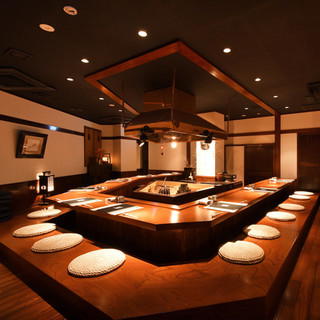
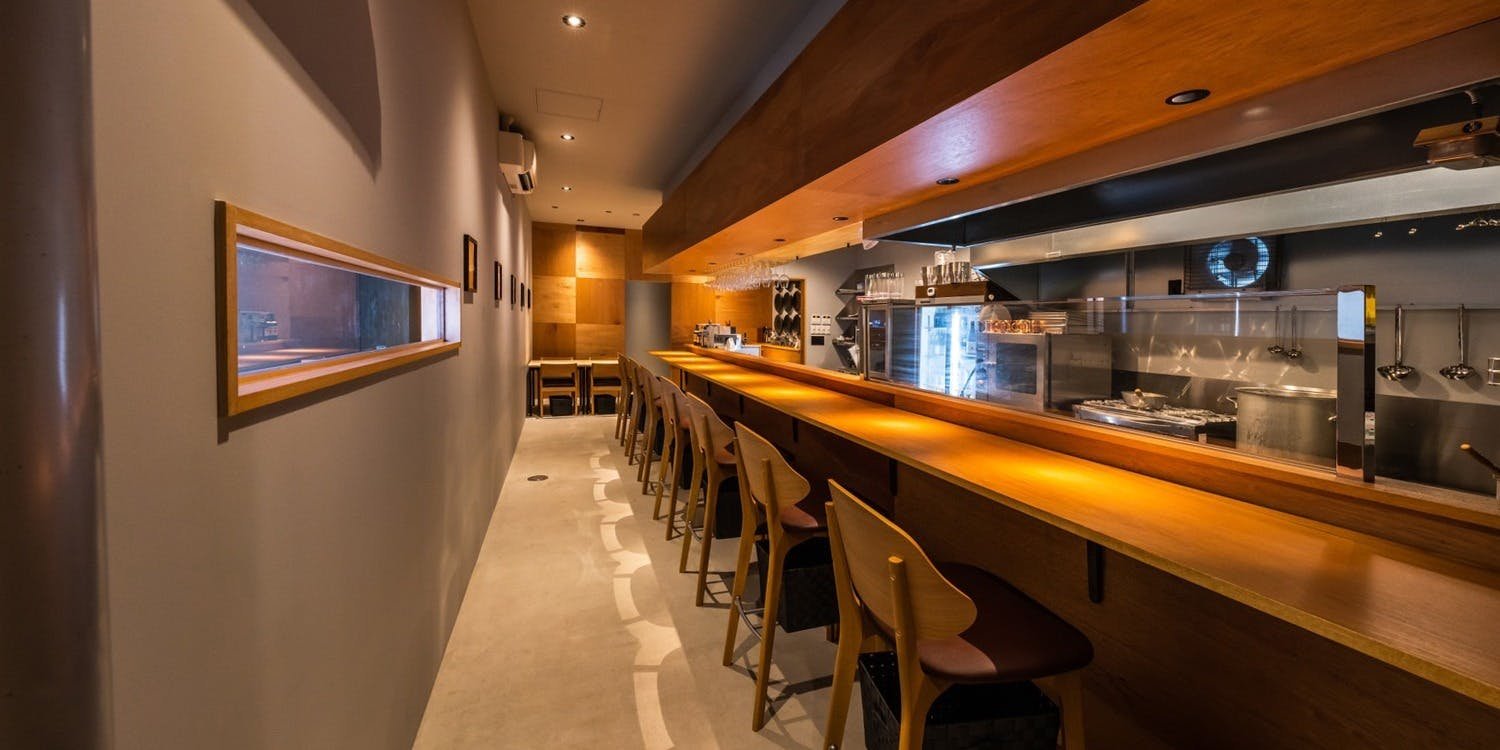
Warm and traditionally styled izakaya with a vermillion-lacquered counter, sake barrels and sakabayashi (cedar ball) at the entrance, tatami rooms and private spaces, creating a cozy yet lively atmosphere ideal for enjoying local sake and regional dishes near Akita Station.