
Tabelog 100 #40
Our verdict
Hikizan Tashizan places Nagoya yakitori in a serious counter-dining frame: compact, reservation-only, and selected for Tabelog Yakitori EAST 100 in 2023, 2024, and 2025. The Ikeshita address, 10 counter seats, no-smoking room, and dinner pricing in the JPY 10,000 to JPY 14,999 band put it closer to destination yakitori than casual skewers.

Pearl is the En Primeur Club membership app, where members save venues, book tables and use the concierge.
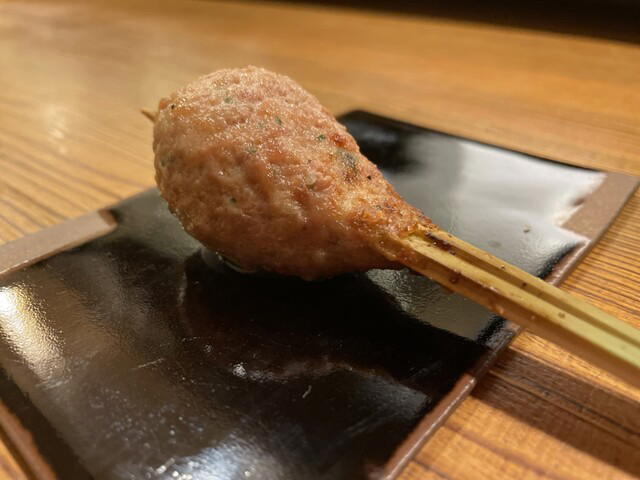
The menu
What to order
- Yakitori liver
- Yakitori gizzards
- Crispy eel
- Seasonal Japanese appetizers
Nagoya is not always read by first-time visitors as a city of focused specialist dinners, which is part of the point. The city’s sharper eating often sits away from the most obvious tourist script, in restaurants where a narrow craft can define the evening. Hikizan Tashizan belongs to that Nagoya category: yakitori as the central reason to book, with grilled chicken skewers treated as more than a casual add-on to drinks.
In Japan, serious yakitori has moved beyond the old binary of casual beer food versus rarefied kaiseki. The stronger venues are judged by sourcing, heat control, seasoning restraint, and the order in which cuts arrive. Recognition matters because yakitori is a craft of repetition, not spectacle. Its 2025 Tabelog Hyakumeiten recognition places Hikizan Tashizan in a broader conversation about specialist chicken cookery, not just Nagoya neighborhood dining.
A Nagoya counter, with yakitori treated as a course format
The first clue is the category itself. A focused yakitori restaurant builds the experience around repetition, timing, and attention to the grill rather than a sprawling menu. That differs from more casual yakitori, where energy often comes from volume and table ordering around drinking. Here the appeal is discipline. The format makes small differences matter, from seasoning to pacing, and gives the meal a clear reason to exist beyond simply filling a dinner slot.
That structure explains the pricing tier. Dinner at JPY 10,000 to JPY 14,999 sits above everyday skewers and below Nagoya’s luxury end, where comparison venues such as Housa Saryo may answer a different brief. Nagoya also has less expensive specialist and neighborhood options, including KOBOYA Ikeshita ten and Tonkatsu Tsuchimoto, but they answer different needs. The relevant choice is whether the evening should be a focused meal built around one craft, or a broader meal with more flexibility and less ceremony.
For a wider Nagoya itinerary, the distinction matters. The city’s dining identity is often flattened into miso katsu, hitsumabushi, kishimen, and station-area convenience. Those dishes are part of the grammar, but Nagoya’s stronger restaurant culture also includes intimate specialist rooms. Hikizan Tashizan fits that pattern: accessible as part of a Nagoya stay, but deliberate enough to feel like the evening’s main event.
Why Tabelog recognition carries weight for yakitori
Awards in yakitori do not work exactly as they do in fine dining. There is less room for architectural theater or menu manifesto. The craft is narrower and more exposed: chicken, fire, salt or tare, sequence, and the kitchen’s ability to keep each round distinct. Tabelog Hyakumeiten recognition in 2025 therefore has particular value, signaling notice in a category where small technical lapses are easy to see and hard to disguise.
The recognition also helps place Hikizan Tashizan beyond local affection. A Tabelog score of 3.78 further confirms sustained approval from a demanding Japanese restaurant audience. Scores on that platform move conservatively, especially for small specialist venues, so the number reads as a trust marker rather than decoration.
The specialist setup sharpens the trade-off. This is not the kind of venue to choose for maximum menu breadth, last-minute improvisation, or a night where the cooking is secondary to the social plan. Its appeal comes from the opposite direction: attention, pacing, and a narrow category handled with care.
Compared with larger Nagoya dining rooms, this is a more deliberate booking decision. It rewards diners who want a contained meal and understand why yakitori deserves the seriousness often granted to sushi or tempura. It is less useful for groups seeking breadth, late changes, or a night built around conversation more than cooking.
How to place it in a Nagoya eating plan
Hikizan Tashizan works well as the focused dinner in a Nagoya stay, especially if the rest of the trip covers the city’s comfort-food canon. It is not for a loose first night with uncertain timing. The better fit is a planned evening when the restaurant is the activity and the point is to see how a specialist kitchen handles a narrow repertoire under scrutiny.
The location in Nagoya puts the restaurant outside a generic tourist checklist while keeping it within the city’s dining conversation. For travelers building a food-led stay, it adds a useful specialist layer. It also pairs with Our full Nagoya restaurants guide, and with planning beyond meals through Our full Nagoya hotels guide, Our full Nagoya bars guide, Our full Nagoya wineries guide, and Our full Nagoya experiences guide.
Within EP Club’s Japan coverage, Hikizan Tashizan contrasts with other tightly defined restaurants and casual-specialist formats across Nagoya and beyond. Rather than using it as a generic “nice dinner” slot, place it beside other focused specialist rooms and destination meals where the point is a clear craft identity. For Japanese drinking and comfort-food culture outside Japan, the useful comparison is not a single named venue but the broader difference between casual formats and restaurants built around repetition, precision, and a narrow repertoire.
The editorial case is clear: Nagoya yakitori for diners who value repetition, constraint, and recognition within a specialist category. Its 2025 Tabelog Hyakumeiten recognition supplies the external validation; the yakitori focus explains why it matters. In a city often reduced to hearty regional staples, Hikizan Tashizan gives a quieter reading of Nagoya dining: smaller in scope, more precise in intent, and best understood as a specialist dinner.
Frequently asked questions
Can I bring kids to Hikizan Tashizan?
Hikizan Tashizan is best approached as a focused yakitori meal in Nagoya rather than casual family dining. Diners bringing children should consider whether they are comfortable with a specialist dinner format.
How would you describe the vibe at Hikizan Tashizan?
It is a focused yakitori venue in Nagoya, with the atmosphere centered on the progression of the meal. The 2025 Tabelog Hyakumeiten recognition points to a serious, tightly framed specialist experience rather than a casual izakaya scene.
What's the pricing like at Hikizan Tashizan?
Pricing at Hikizan Tashizan is listed as JPY 10,000 - JPY 14,999 for dinner.
What are Hikizan Tashizan's hours?
Current opening hours are not provided in the verified venue information. Confirm directly with Hikizan Tashizan before planning a visit.
Price and Positioning
Comparable venues to anchor price and recognition.
| Venue | Cuisine | Price | Awards | Notes |
|---|---|---|---|---|
| Hikizan TashizanThis venue (the venue you are viewing) | Modern Yakitori Counter | $50–100 | Tabelog 100 #40 | Not listed |
| Yadorigi | Casual Edomae Sushi Counter | $100–150 | Tabelog 100 #93 | Kita, Casual Edomae Sushi Counter |
| Masaka | Traditional Yakiniku (Japanese BBQ) | $50–100 | Tabelog 100 #58 | Naka, Traditional Yakiniku (Japanese BBQ) |
| Chisouan Hijiri | Traditional Kyoto-style kaiseki | $50–100 | Tabelog 100 #96 | Higashi, Traditional Kyoto-style kaiseki |
| Tempura Yokoi | Traditional Tempura Restaurant | $50–100 | Tabelog 100 #33 | Moriyama, Traditional Tempura Restaurant |
| Sen Kame | Traditional Yakitori & Izakaya | $30–50 | Tabelog 100 #5 | Naka, Traditional Yakitori & Izakaya |
Recognition history
Dated appearances from independent guides and award organizations, with the underlying list record or original source where available.
Tabelog 100 #40 · No. 40
Tabelog · Tabelog 100 - Yakitori - EAST - 2025
Continue exploring
More in Nagoya
Restaurants in Nagoya
All restaurants in Nagoya →





Details
- Intimate
- Date Night
- Solo
- After Work
- Special Occasion
- Chefs Counter
- Open Kitchen
- Standalone
- Sake Program
- Beer Program
- A La Carte
- Counter Dining
- Sake
- Beer
Current opening hours
- Monday
- 6–11 PM
- Tuesday
- 6–11 PM
- Wednesday
- 6–11 PM
- Thursday
- 6–11 PM
- Friday
- 6–11 PM
- Saturday
- 6–11 PM
- Sunday
- Closed
Hours can change for holidays and private events. Hours as of .
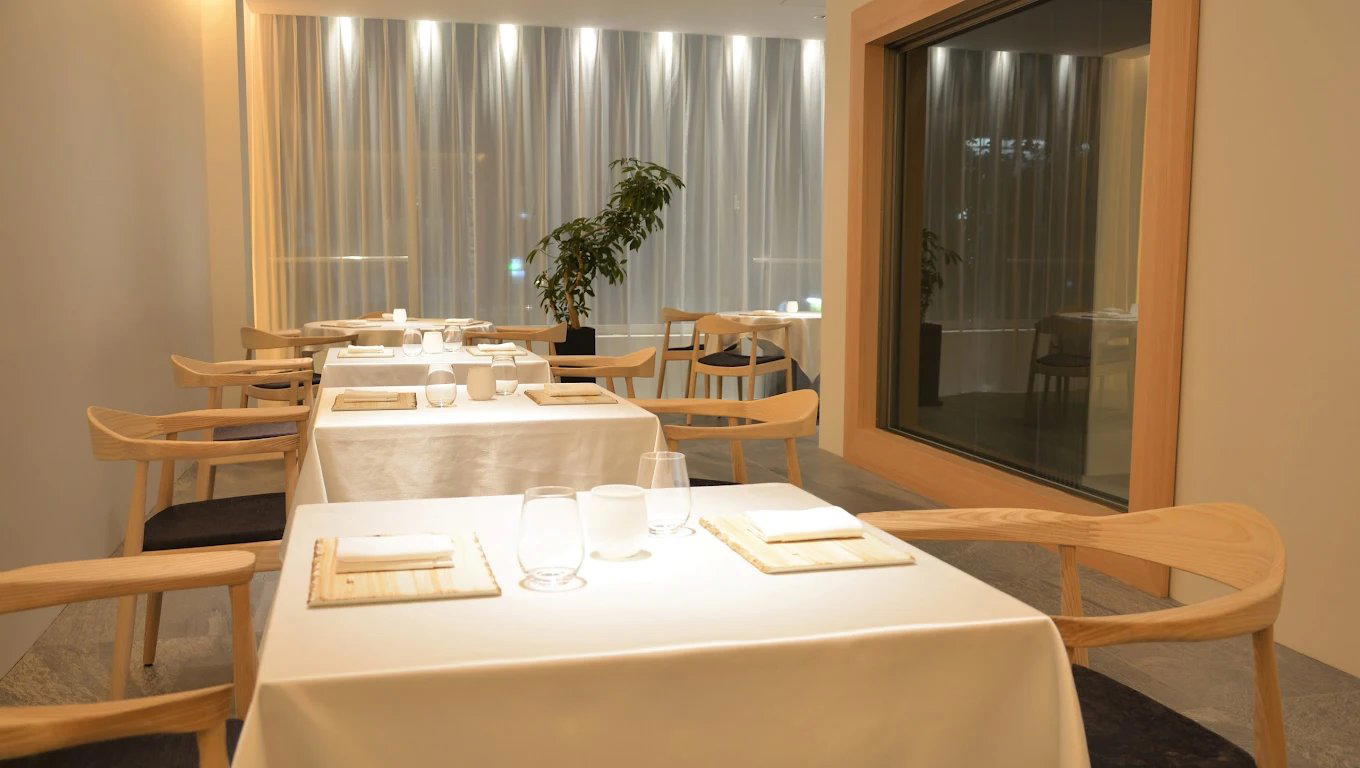
An intimate, counter-focused space with only about a dozen seats, hidden in a quiet alley near Ikeshita Station; the atmosphere is calm and focused on the grill, giving a refined yet relaxed feel suited to solo diners and small parties.