Hickory & Ash
Our verdict
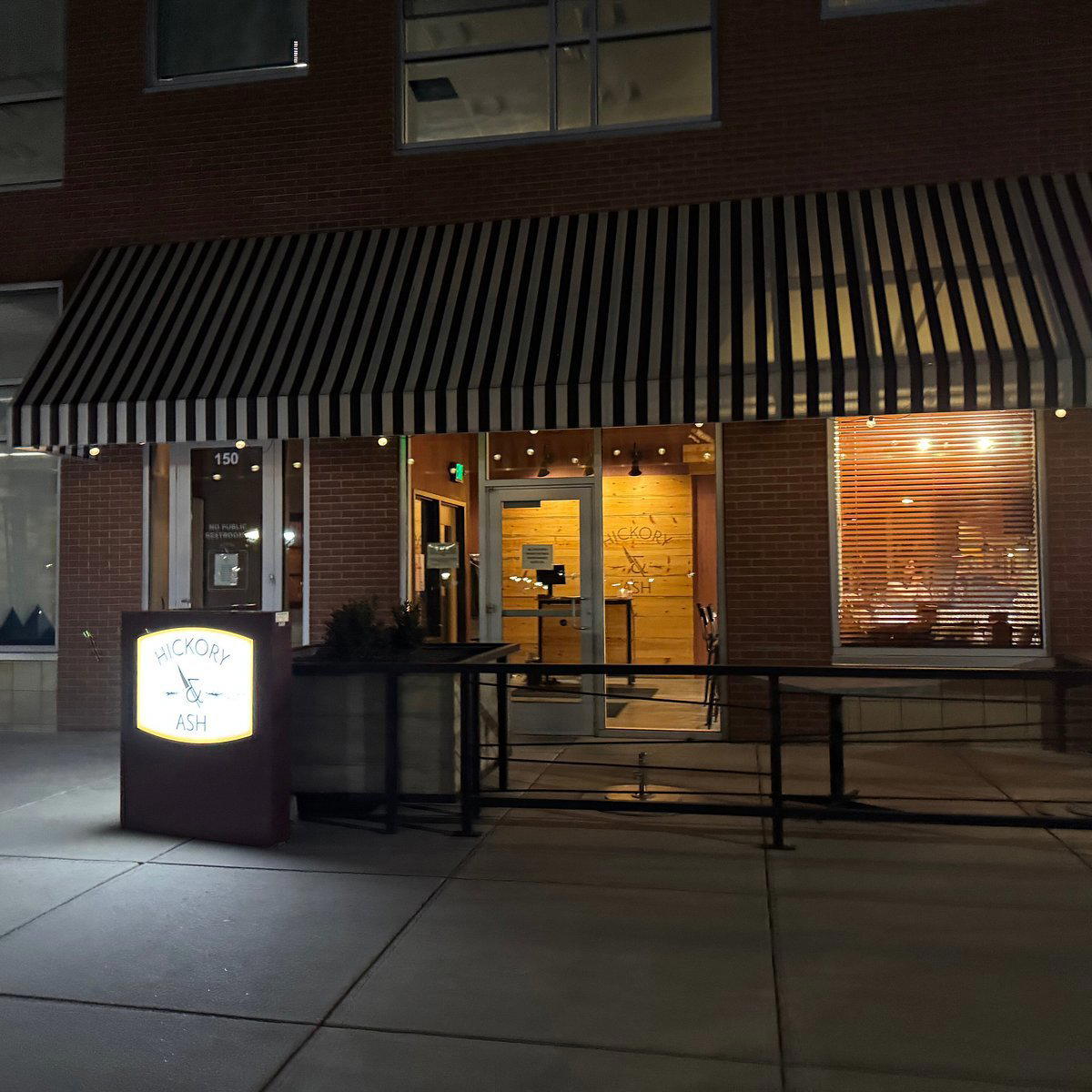
Hickory & Ash sits on Arista Place in Broomfield, Colorado, where the name alone signals a kitchen anchored to fire and wood. The combination of smoke and live-fire technique positions it within a broader American tradition of ingredient-forward cooking that has found serious footing along the Front Range. For Broomfield diners, it occupies a distinct tier in a market still defining its upper register.

Pearl is the En Primeur Club membership app, where members save venues, book tables and use the concierge.
The menu
What to order
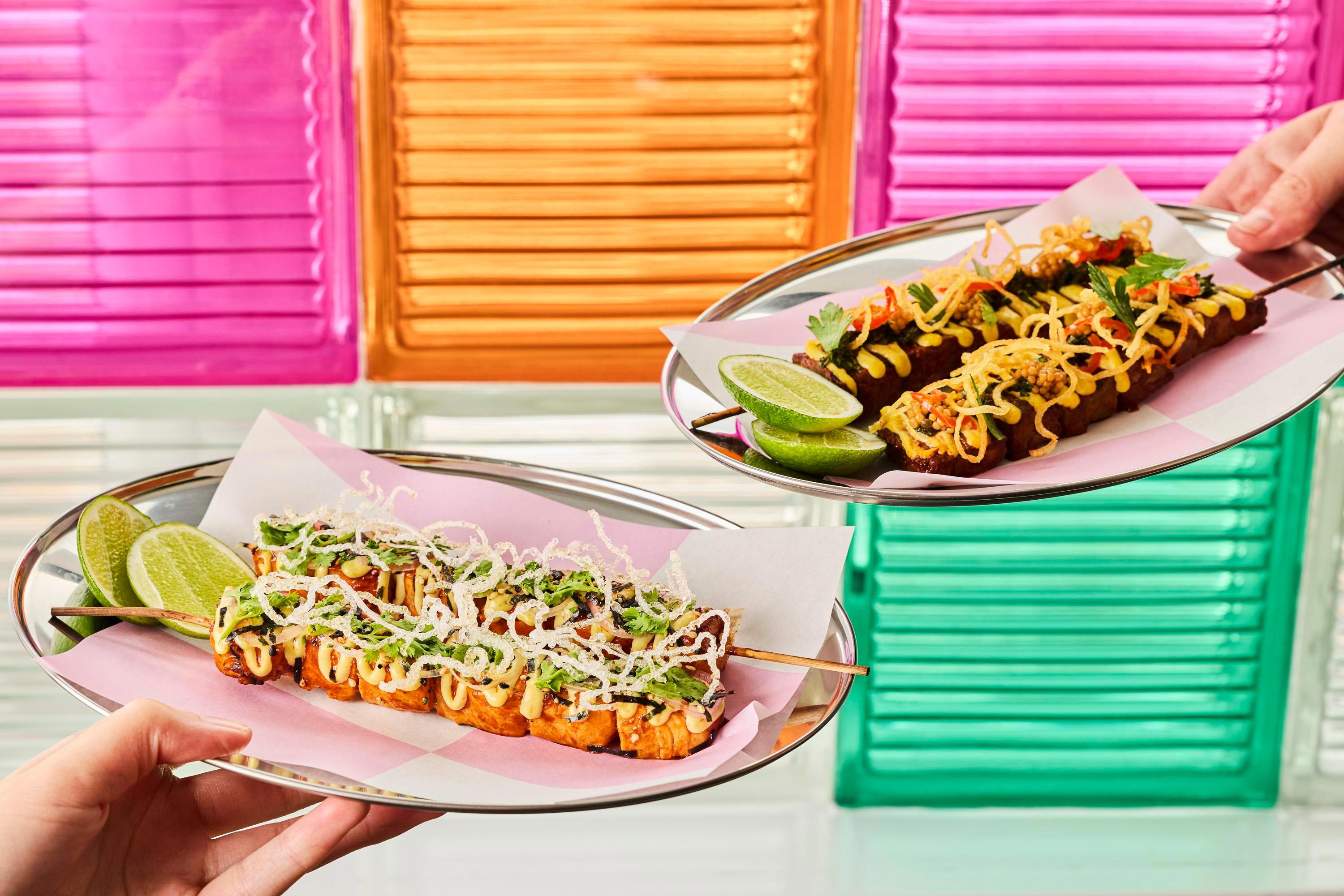
- Braised Beef Short Rib
- Pork Chop
- Hickory Grilled Salmon
Fire as Framework: How Live-Fire Cooking Took Hold on the Front Range
The American wood-fire revival did not begin in Colorado, but the Front Range has become one of its more committed regional expressions. What started as a coastal fine-dining preoccupation, the idea that flame and smoke are as precise as any French technique, has filtered steadily into mountain-state markets over the past decade. Broomfield, a suburb with a growing dining density that its geography rarely gets credit for, is part of that shift. Hickory & Ash, located at 8001 Arista Place, sits at the intersection of that tradition and a local dining scene still pressing upward.
The name is not decorative. Hickory and ash are two of the dominant hardwoods in American live-fire cooking, each producing distinct combustion profiles: hickory runs hot and assertive, ash burns cleaner and longer. A kitchen named after its fuel sources is making a statement about method before the first plate arrives. That framing matters because it places the cooking in a specific American culinary tradition, one in which sourcing and technique are inseparable, and where what you burn is as consequential as what you cook.
Where the Ingredients Come From, and Why That Shapes the Menu
Live-fire cooking at a serious level imposes a discipline on sourcing that most formats do not. Smoke and char amplify ingredient quality in both directions: a well-raised cut becomes more itself, and a mediocre one has nowhere to hide. This is the logic behind the sourcing focus that defines the leading practitioners of this style, from Single Thread Farm in Healdsburg, where produce arrives from an adjacent farm, to Blue Hill at Stone Barns in Tarrytown, where the agricultural system precedes the menu.
Colorado sits within a productive agricultural corridor that is often overlooked in national food conversations. The state's ranching heritage, the San Luis Valley's vegetable production, and the Western Slope's orchard output give Front Range kitchens genuine regional material to work with. A restaurant anchored to wood-fire technique has particular incentive to exploit that supply chain: local protein and produce carry a traceability that aligns with the transparency the format demands. Whether Hickory & Ash draws directly from Colorado producers is a detail leading confirmed at the venue, but the logic of the format makes a regionally grounded sourcing approach the natural fit.
This places Hickory & Ash in a category that distinguishes itself from more conventional steakhouse or grill formats. The difference between a steakhouse and a live-fire restaurant is not just aesthetic, it is philosophical. One is built around a product (the steak); the other is built around a process (the fire) that demands the product justify itself. That distinction has driven some of the most consequential American restaurants of the past two decades, including Lazy Bear in San Francisco and Bacchanalia in Atlanta, both of which built their reputations on treating sourcing as the first creative act.
Broomfield's Dining Position: Context for the Venue
Broomfield occupies an unusual position on the Front Range. It is not Denver, which carries the critical mass and media attention of a major food city, but it is not a satellite suburb either. The Arista development, where Hickory & Ash is located, represents a deliberate urban-density play in a community that historically lacked a walkable dining core. Restaurants that anchor themselves to that development are betting on a local professional population with metropolitan dining expectations and limited appetite for long drives south into Denver proper.
Denver's own live-fire scene has been gaining traction, with kitchens like Brutø in Denver pushing the format into more ambitious territory. Broomfield's version of that conversation is less documented but no less active. For residents of the northern suburbs, a wood-fire kitchen at this address removes a practical barrier that matters: distance from the city does not have to mean distance from serious cooking.
Other Broomfield options worth knowing include Go Fish Sushi Broomfield and Miya Moon, both of which occupy different format niches. The broader picture of the area's dining scene is mapped in our full Broomfield restaurants guide.
The Live-Fire Format in National Context
Placing Hickory & Ash against its national peers clarifies what the format can and cannot be. At the highest tier, live-fire cooking has become a vehicle for genuinely ambitious cuisine: Alinea in Chicago uses heat as a conceptual tool, while The French Laundry in Napa represents the precision-cooking end of the American fine dining spectrum that wood-fire kitchens often consciously diverge from. The smoke-forward approach is partly a stylistic counterargument to that kind of technical abstraction, a return to something legible and primal in the cooking.
Seafood-focused kitchens like Le Bernardin in New York City and Providence in Los Angeles demonstrate how ingredient sourcing can anchor an entire restaurant's identity at the highest level. Atomix in New York City and Causa in Washington, D.C. show how a sourcing philosophy rooted in a specific geography or culinary tradition can define a dining room's character with equal force. The Inn at Little Washington in Washington and Addison in San Diego illustrate what sustained investment in regional identity looks like over years of operation. Even internationally, kitchens like 8 1/2 Otto e Mezzo Bombana in Hong Kong and Emeril's in New Orleans have built durable reputations on the premise that sourcing and technique are the joint foundation of any serious kitchen.
Hickory & Ash operates at a more local scale than those references, but the format it belongs to carries the same underlying logic: the fire is the method, the ingredient is the argument, and the sourcing is the first decision that determines everything else.
Planning a Visit
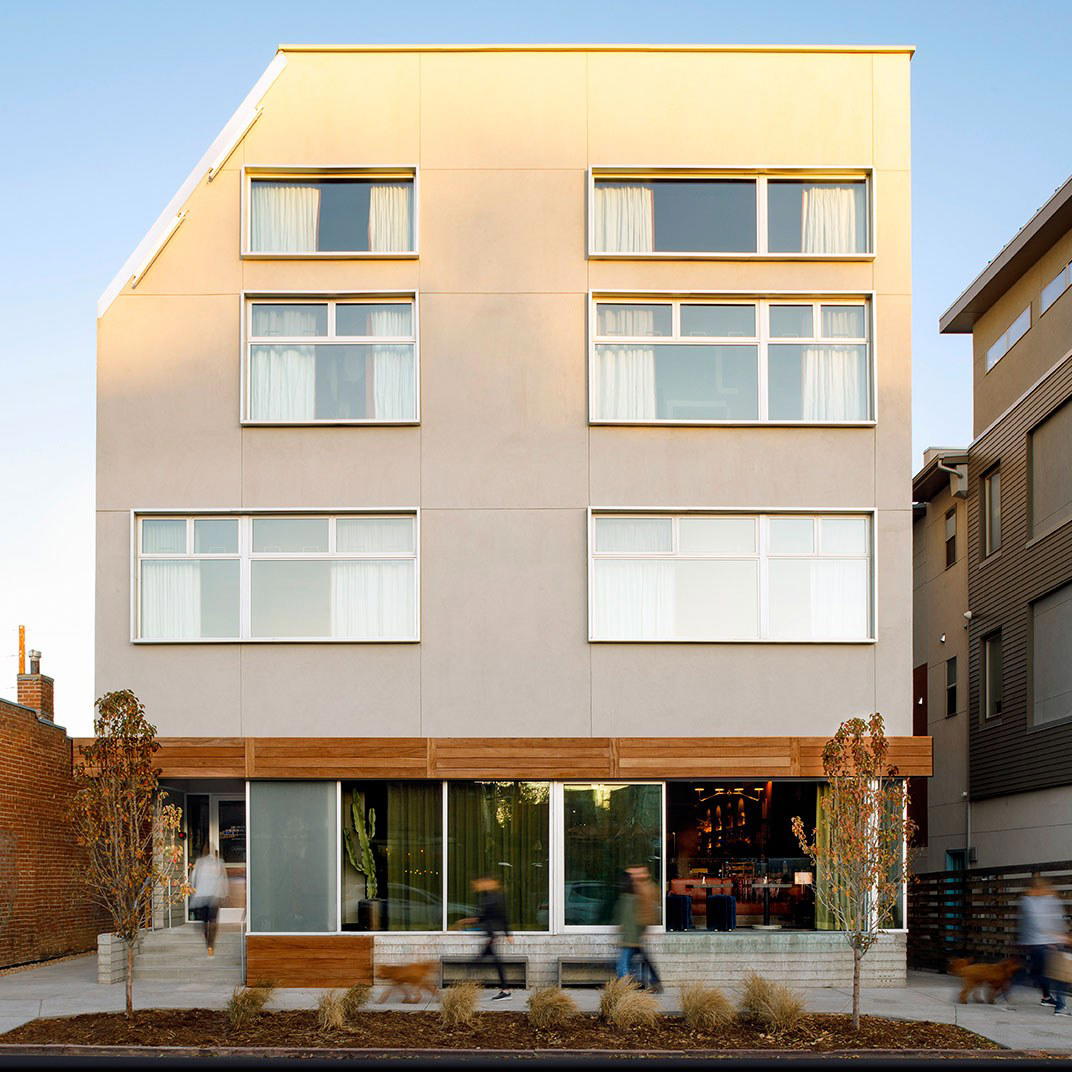
The restaurant is at 8001 Arista Place, Suite 150, in Broomfield's Arista mixed-use district, accessible from both US-36 and the regional light rail network, making it reachable from Denver without requiring a car. For current hours, booking availability, and menu information, contacting the venue directly or checking the Arista district's dining listings is the most reliable approach, as operational details for this address are subject to change.
Frequently asked questions
Where exactly is Hickory & Ash?
Hickory & Ash is located at 8001 Arista Pl #150, Broomfield, CO 80021, Broomfield.
How does Hickory & Ash fit into the broader Front Range live-fire dining scene?
The Front Range has developed a committed live-fire dining culture, with most serious wood-fire kitchens concentrated in Denver itself. Hickory & Ash at 8001 Arista Place in Broomfield is positioned as the primary expression of that format north of the city along the US-36 corridor, making it the default reference point for live-fire cooking in the suburban metro rather than a secondary option behind a Denver original.
What's the must-try dish at Hickory & Ash?
The kitchen is built around hardwood fire, so anything passing directly over that heat, proteins especially, carries the char and smoke that define the restaurant's identity. Broomfield diners report the fire-touched proteins as the clearest expression of what makes the Arista Place location worth seeking out. Order whatever the kitchen is running off the live fire that evening rather than defaulting to a safer preparation.
How hard is it to get a table at Hickory & Ash?
Broomfield's dining scene is less saturated than Denver proper, which typically eases reservation pressure at well-regarded spots. That said, a wood-fire kitchen in a suburban Front Range market draws diners from across the US-36 corridor, so weekends can fill. Booking ahead by a week or two for Friday and Saturday sittings is a reasonable precaution; mid-week access is generally more open.
What's the standout thing about Hickory & Ash?
The format is the point. A kitchen anchored to hardwood combustion in Broomfield's Arista mixed-use district occupies a niche that most comparable suburban markets lack entirely. Where live-fire cooking in the Denver metro tends to concentrate in the city proper, Hickory & Ash places the technique in a Front Range suburb, making it the most immediate option for that style of cooking north of Denver.
Do they accommodate allergies at Hickory & Ash?
check the venue's official channels before your visit to confirm what the kitchen can adjust, particularly given that live-fire cooking often involves shared surfaces and wood-smoke environments that affect certain sensitivities.
Is a meal at Hickory & Ash worth the investment?
For Broomfield residents and Front Range diners, the calculation is straightforward: Hickory & Ash delivers a wood-fire format that would otherwise require a drive into Denver. The relevant comparison is not against Michelin-tracked city dining but against the alternative of commuting south for equivalent technique. On that basis, the proximity premium is real.
Comparison Snapshot
Comparable venues nearby, for context on price, style, and recognition.
| Venue | Cuisine | Price | Notes |
|---|---|---|---|
| Hickory & AshThis venue (the venue you are viewing) | Modern American Steakhouse | $50–100 | Not listed |
| Miya Moon | Modern Chinese Cuisine | $30–50 | Northglenn |
| Go Fish Sushi Broomfield | Japanese Sushi | Not listed | Broomfield |
| duo Restaurant | Contemporary American Farm-to-Table | $50–100 | Highland |
| The Velvet Cellar | New American Steakhouse with Southern Gulf Coast Influences | $50–100 | LoDo |
Continue exploring
More in Broomfield
Restaurants in Broomfield
All restaurants in Broomfield →
Bars in Broomfield
All bars in Broomfield →

Details
- Cozy
- Modern
- Rustic
- Elegant
- Date Night
- Celebration
- Business Dinner
- Open Kitchen
- Craft Cocktails
- Local Sourcing
- Sustainable
- A La Carte
- Vegetarian Friendly
- Gluten Free Options
Current opening hours
- Monday
- 4–9 PM
- Tuesday
- 4–9 PM
- Wednesday
- 4–9 PM
- Thursday
- 4–9 PM
- Friday
- 4–9 PM
- Saturday
- 4–9 PM
- Sunday
- Closed
Hours can change for holidays and private events. Hours as of .
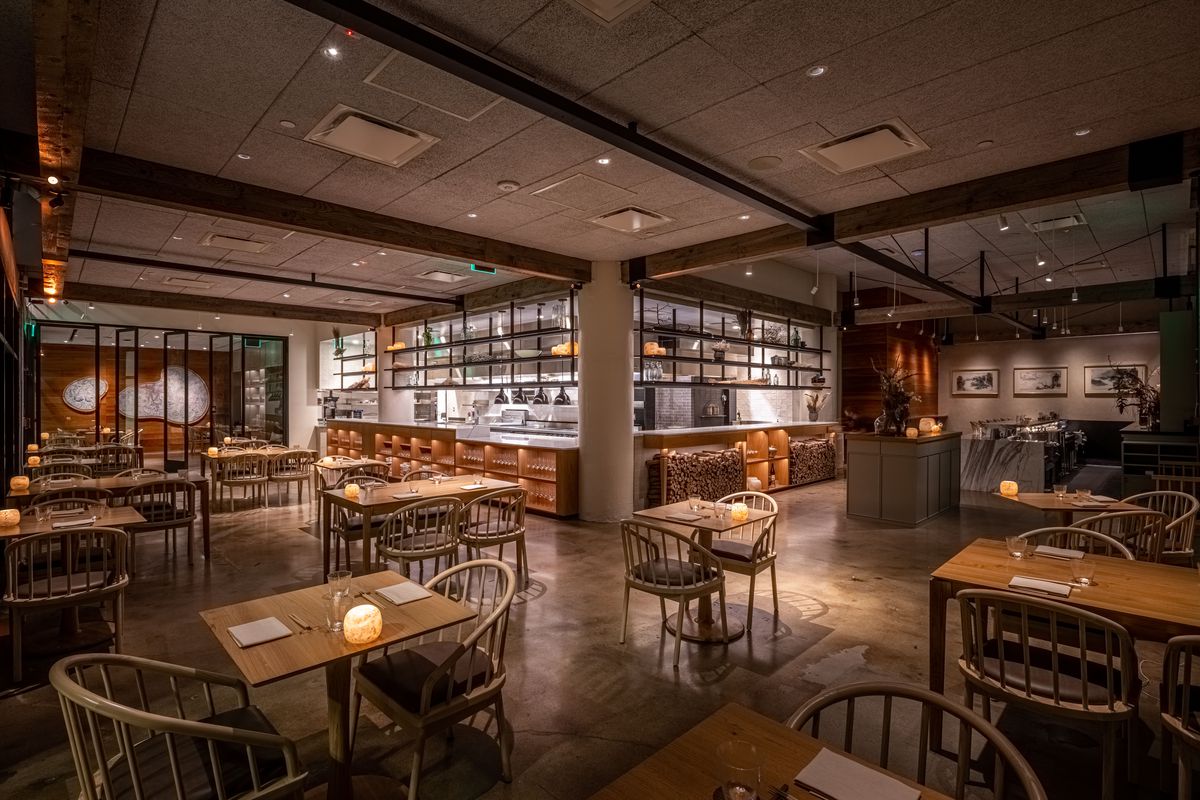
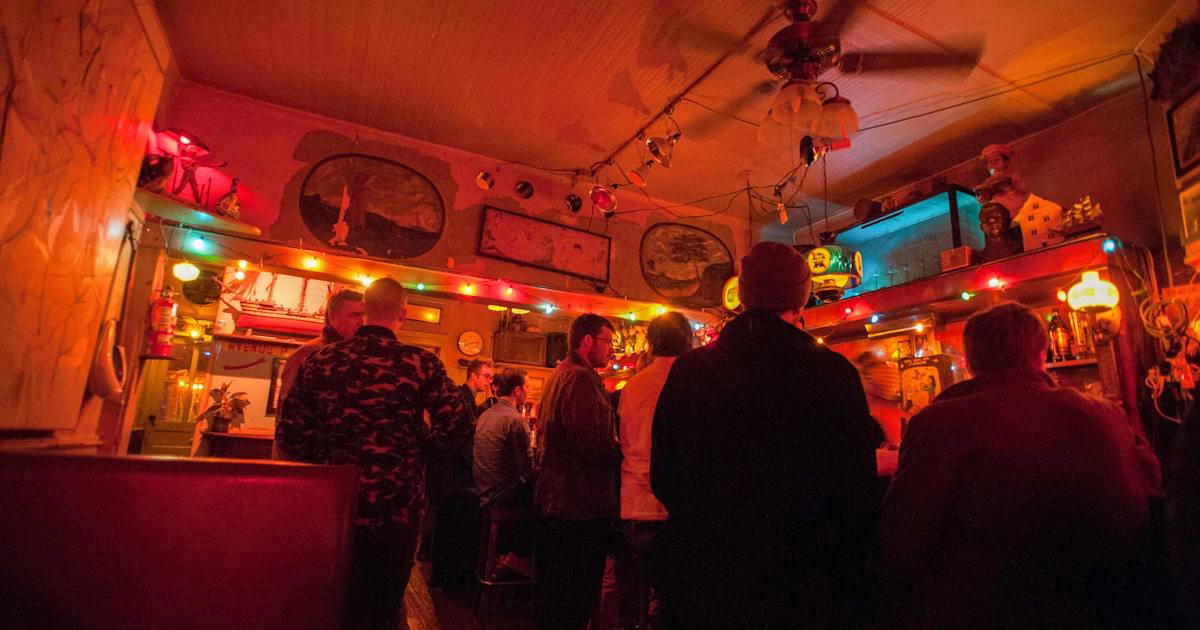
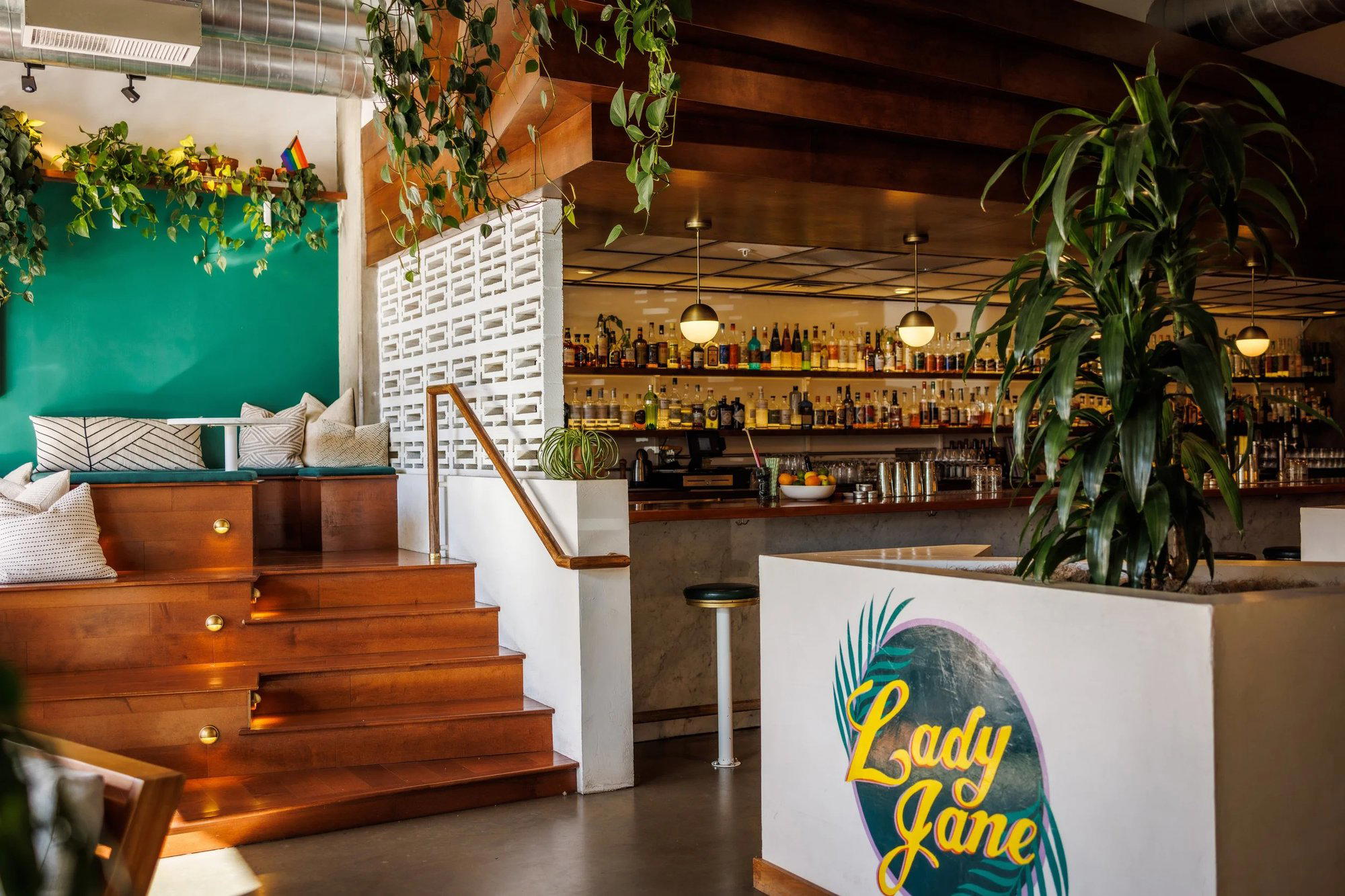
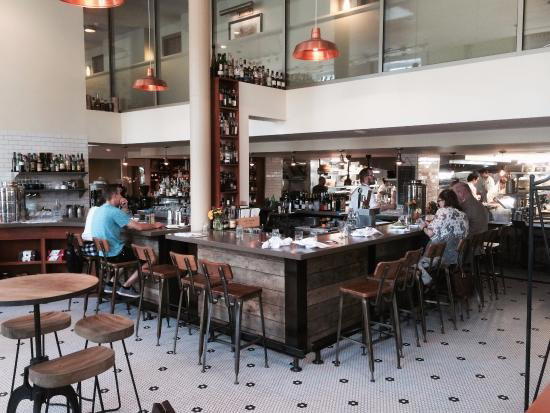
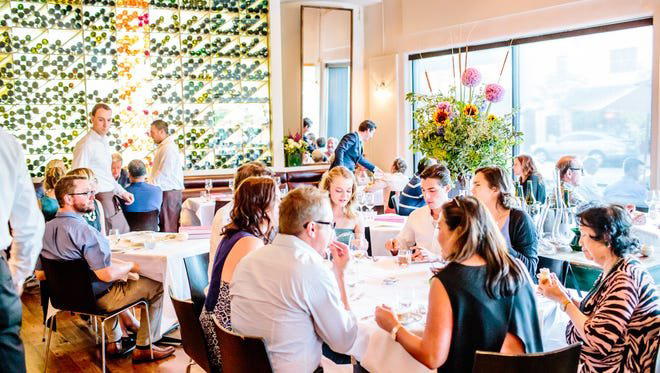
Warm and inviting with stylish yet relaxed vibe, rich wood tones, open spaces, and a great buzz from guest reviews.