HENRII occupies a riverside address at Untere Mühlbrücke 5 in Bamberg's medieval core, where the city's brewing heritage and Franconian agricultural tradition converge in the dining room. The restaurant sits in a city better known for smoked beer than fine dining, making it an interesting signal of how ambitious cooking is taking hold in smaller German cultural centres. Book ahead and arrive on foot from the old town bridge.
Pearl is the En Primeur Club membership app — saves, bookings, and concierge access live there. Same editors, same standards.
- Address
- Untere Mühlbrücke 5, 96047 Bamberg, Germany
- Phone
- +4995129993429
- Website
- henrii-bamberg.de
- Directions
- Get directions
 Saves & bookings on Pearl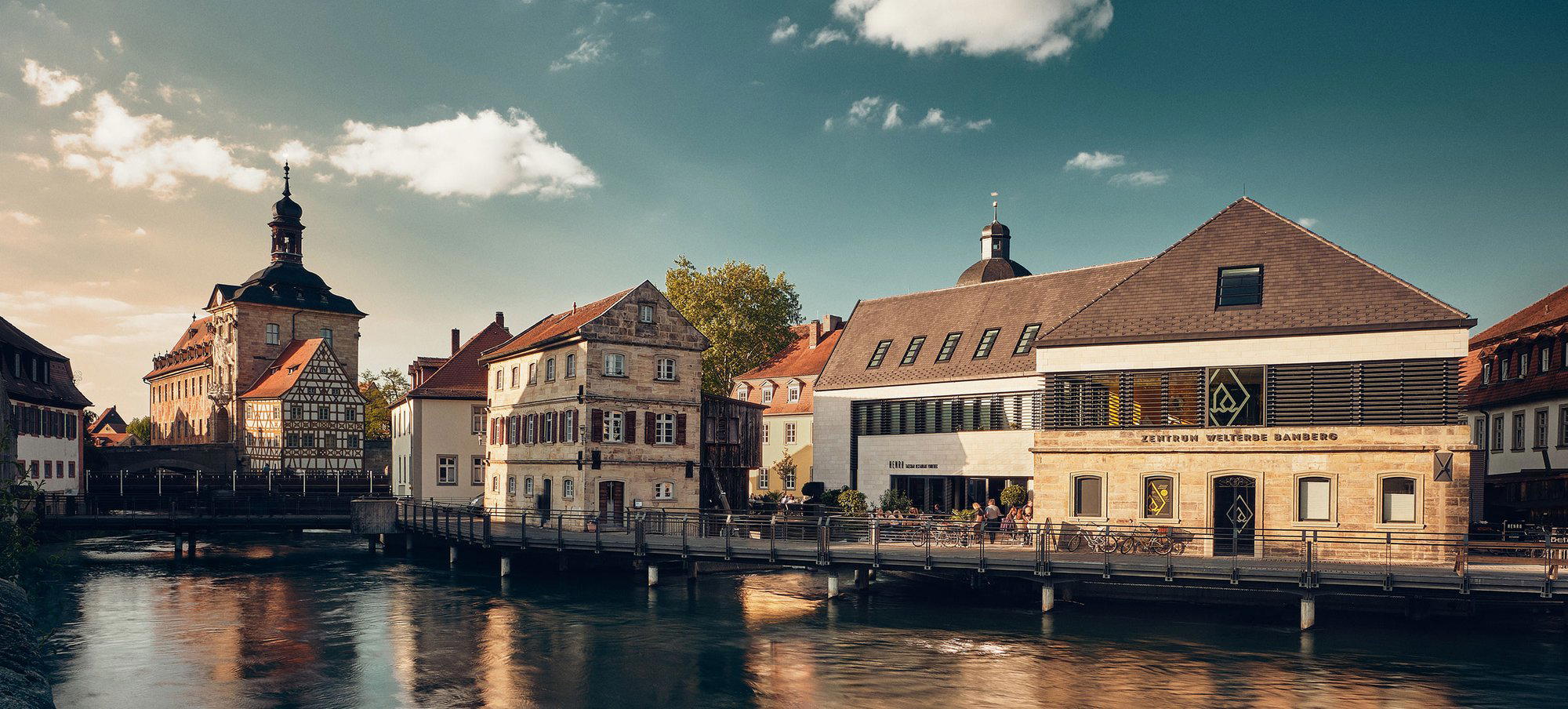
Where Bamberg's Food Culture Is Heading
Bamberg is a city whose gastronomic identity has long been anchored in the brewery tap and the butcher's counter. Rauchbier, the smoked lager produced by a handful of family breweries in the old town, is the reference point most visitors carry with them, and for good reason: the city's malting and brewing tradition is centuries old and shapes how locals think about flavour. What is less remarked upon is how that same regional specificity, that instinct toward provenance and process, is beginning to inform a more ambitious restaurant scene. HENRII, at Untere Mühlbrücke 5 on the lower mill bridge, is part of that shift.
The address itself is instructive. The Regnitz river runs beneath the mill bridges that have defined this part of Bamberg since the Middle Ages, and the lower bridge sits between the old fishermen's quarter of Klein-Venedig and the cathedral hill. Arriving on foot from the old town, you pass timber-framed facades and the slow movement of the river before reaching the restaurant. The physical setting frames the meal before you have read a menu.
Sourcing in a Region Built on Ingredient Specificity
Franconia has one of the more coherent regional food identities in Germany, built on a short list of ingredients that recur with almost doctrinal consistency: carp from the pond farms of the Aischgrund, Franconian asparagus in spring, game from the forested uplands, and bread that leans dark and dense. The regional brewery network, which reaches from Bamberg outward to hundreds of small producers across Upper and Middle Franconia, has historically been the primary lens through which outsiders engage with local food culture. The more interesting development in recent years is how serious kitchens in the region are treating Franconian agricultural output not as folkloric colour but as a genuine sourcing argument.
This matters because ingredient sourcing in German fine dining has become an increasingly articulate conversation. At the upper end of the national scene, kitchens like ES:SENZ in Grassau and Schanz in Piesport have built their identities substantially around regional producer relationships. In Bamberg, HENRII operates in a city where the raw material argument is already strong: the Aischgrund carp ponds are within easy sourcing distance, Franconian wine country begins just south of the city, and the market garden tradition around the Bamberg onion, a protected variety with its own appellation, gives local kitchens an ingredient few other German cities can claim.
The Bamberg onion (Bamberger Hörnla) is worth dwelling on. It is a heritage cultivar grown on the sandy soils of the Bamberg market garden district, elongated and mild, with a sweetness that intensifies when slow-cooked. It has protected geographical indication status, which places it in the same category of traceable, place-specific produce that drives sourcing decisions at particularly carefully constructed tables in Germany. A kitchen with access to that ingredient, and the discipline to use it honestly, is working with something that cannot be replicated by importing from elsewhere.
HENRII in the Context of Bamberg's Dining Scene
Bamberg's restaurant scene is smaller than its cultural profile might suggest. The UNESCO World Heritage designation brings significant visitor numbers, but the dining infrastructure has historically skewed toward brewery restaurants, traditional Franconian taverns, and hotel dining rooms. The emergence of more considered restaurants, including Altenburg 1 and Edelfrei, represents a meaningful broadening of what the city offers beyond its brewing identity. HENRII sits within this developing tier, in a city that is beginning to attract the kind of dining attention more commonly directed at Munich, Nuremberg, or the Michelin-dense corridors of Baden-Württemberg.
For context on what ambitious cooking looks like elsewhere in Germany, the reference points are worth naming. Aqua in Wolfsburg and Vendôme in Bergisch Gladbach represent the established upper tier. JAN in Munich and CODA Dessert Dining in Berlin show how younger kitchens in larger cities are building recognition through format innovation. HENRII is operating in a different register, in a smaller city where the competitive set is tighter and the sourcing case, rooted in a genuinely distinctive agricultural and brewing region, is potentially stronger.
Germany's mid-tier fine dining scene has also seen consistent interest from international visitors who are building itineraries around culinary geography rather than Michelin density. Bamberg already draws visitors for its architecture and breweries; a restaurant that can make an honest case for Franconian ingredients adds another layer to what the city offers. Waldhotel Sonnora in Dreis, Bagatelle in Trier, and Schwarzwaldstube in Baiersbronn have each demonstrated how destination-restaurant thinking works in smaller German cities and towns. The pattern is consistent: a strong local identity, a clear sourcing argument, and a physical setting that earns the journey.
Planning Your Visit
HENRII is located at Untere Mühlbrücke 5, 96047 Bamberg, in the riverside quarter between the old fishermen's district and the cathedral precinct. Bamberg is served by regional rail from Nuremberg in under an hour and from Munich in approximately two hours, making it a credible day-trip or short-break destination. The restaurant's riverside position makes it accessible on foot from the main train station in around fifteen minutes. For a broader picture of what the city offers, our full Bamberg restaurants guide covers the scene in more detail.
Internationally, the ingredient-led approach visible in Germany's more considered kitchens has parallels at tables like Le Bernardin in New York City, where a single sourcing discipline organises the entire menu, and Atomix in New York City, where provenance documentation is part of the formal dining experience. The ambition is different in scale, but the underlying argument, that knowing where an ingredient comes from changes how you cook and eat it, travels across formats and price tiers. In Bamberg, that argument has centuries of regional infrastructure behind it.
How HENRII Bamberg compares with similar nearby venues.
| Venue | Cuisine | Price |
|---|---|---|
| VITA | Mediterranean Cuisine | €€€ |
| Rocus | International | €€€ |
| Gasthaus Hofmann | Country cooking | €€ |
Continue exploring
More in Bamberg
Restaurants in Bamberg
Browse all →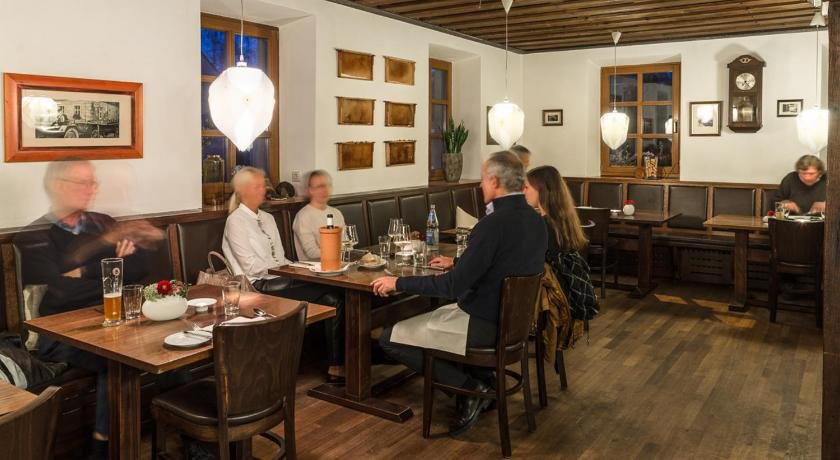
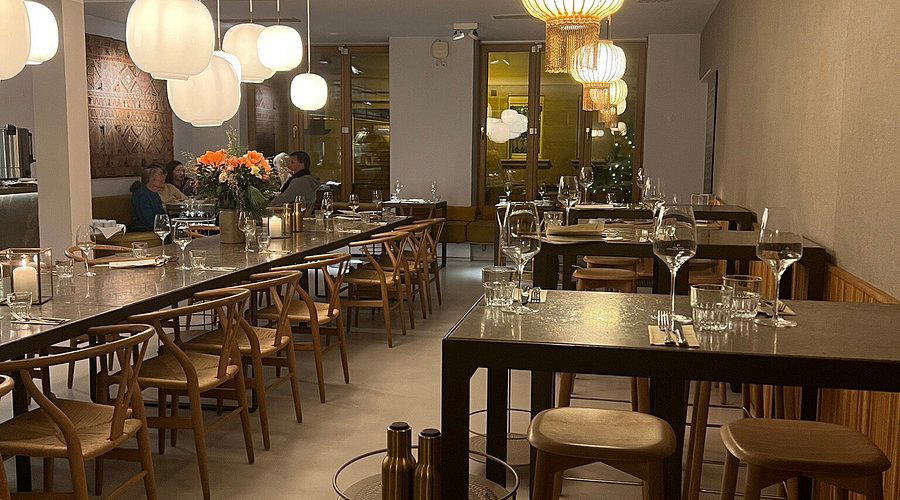
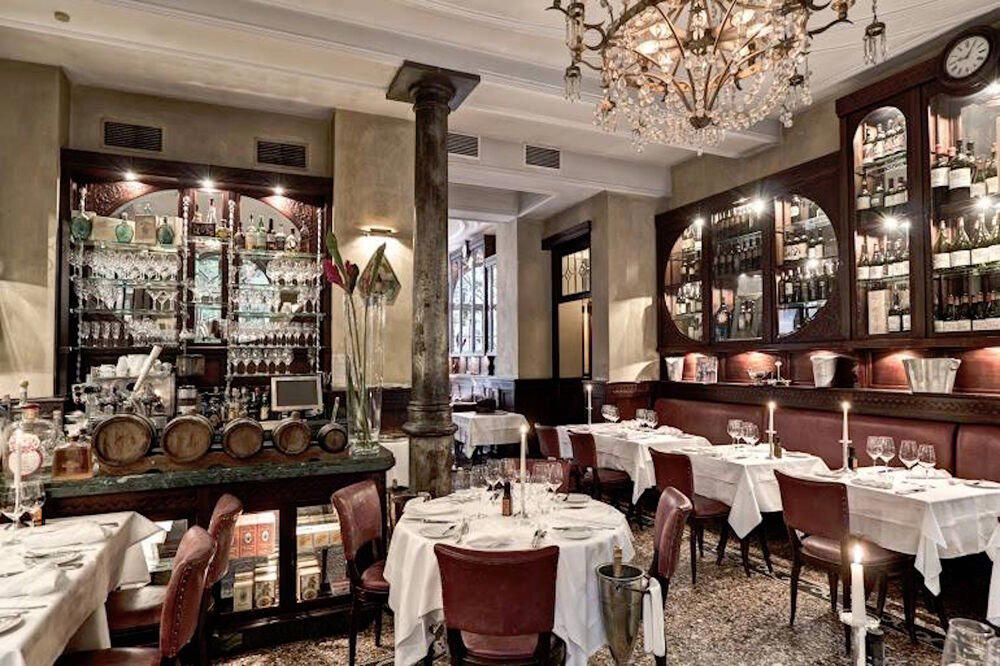
Bars in Bamberg
Browse all →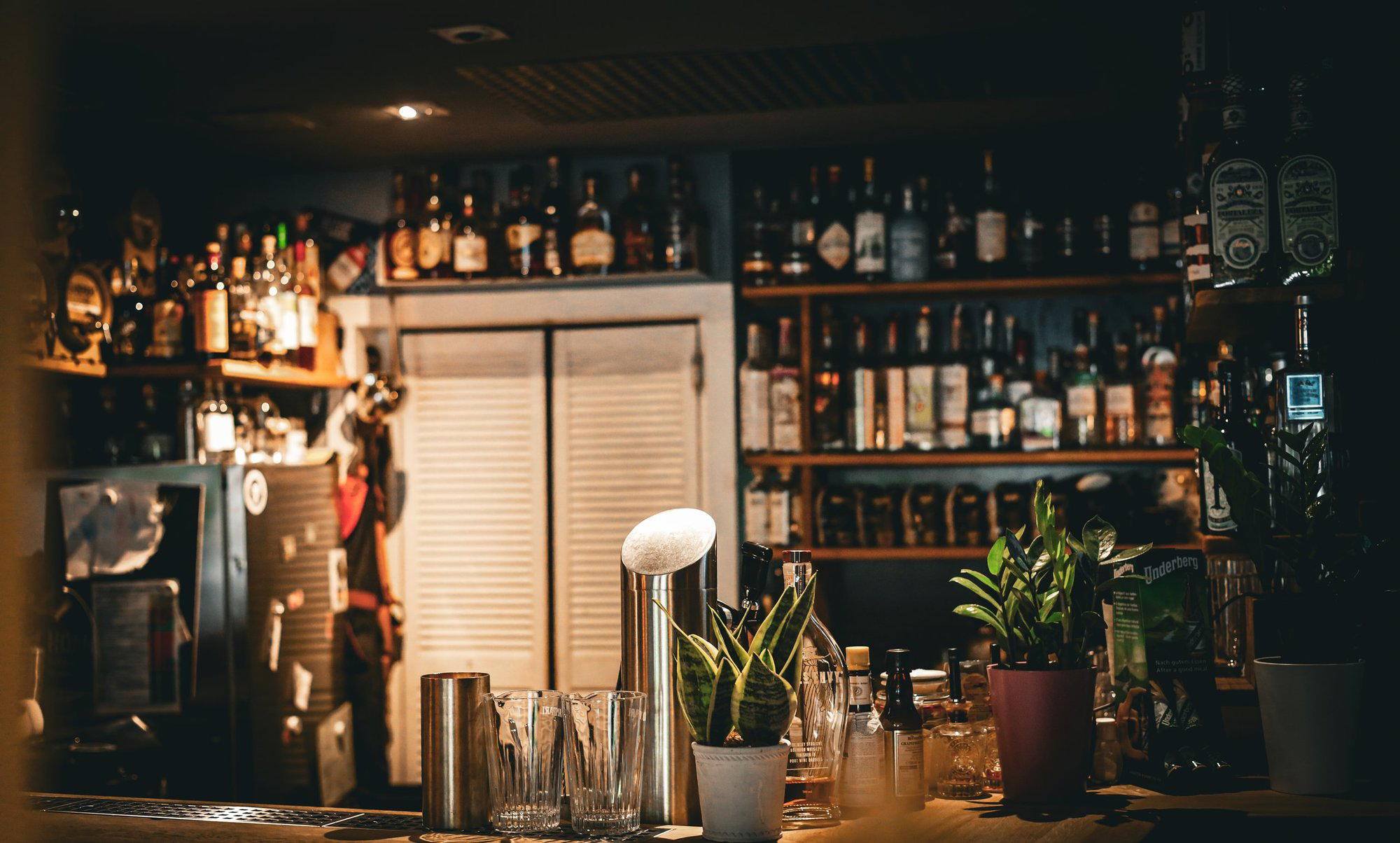
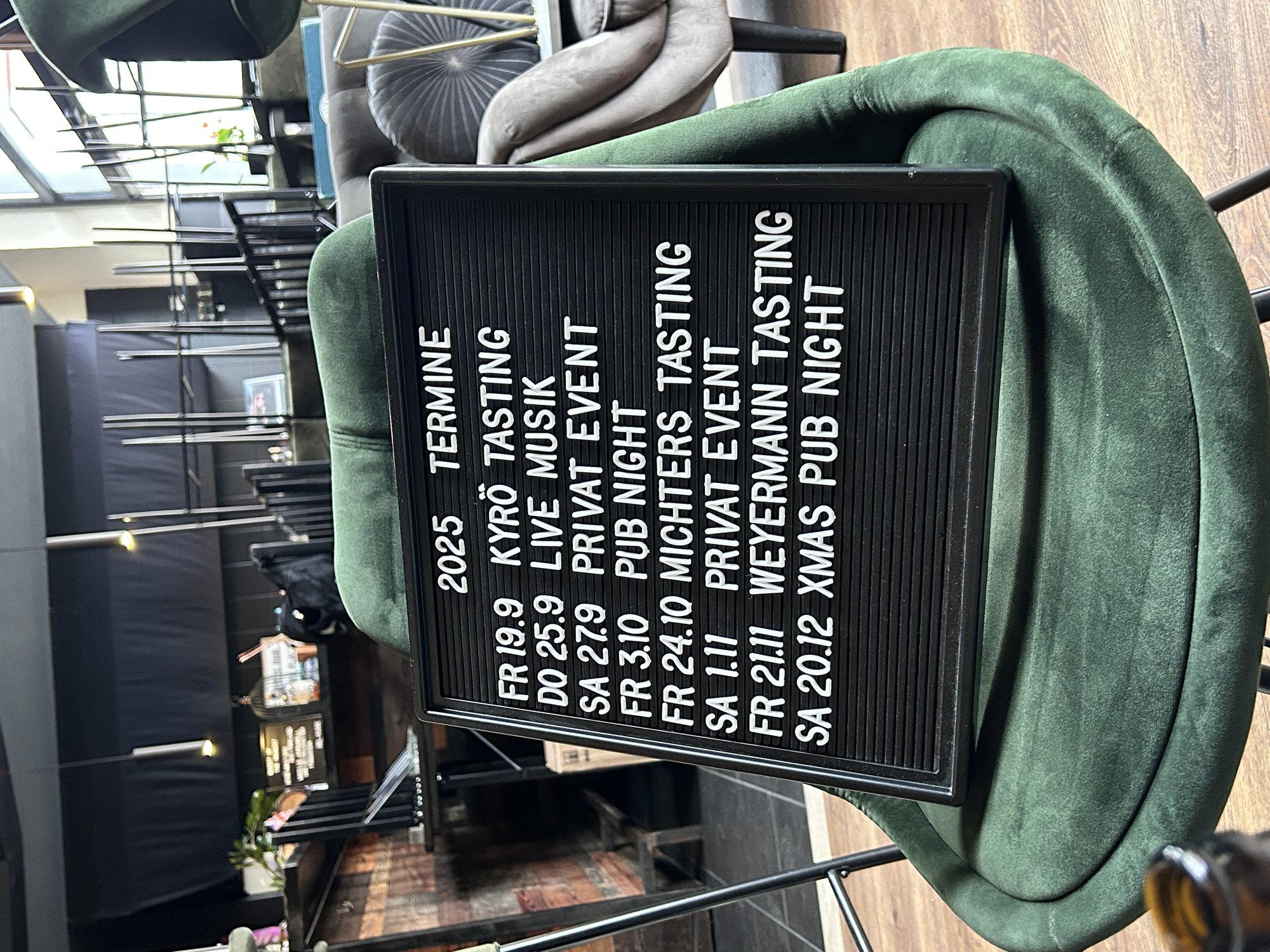
Hotels in Bamberg
Browse all →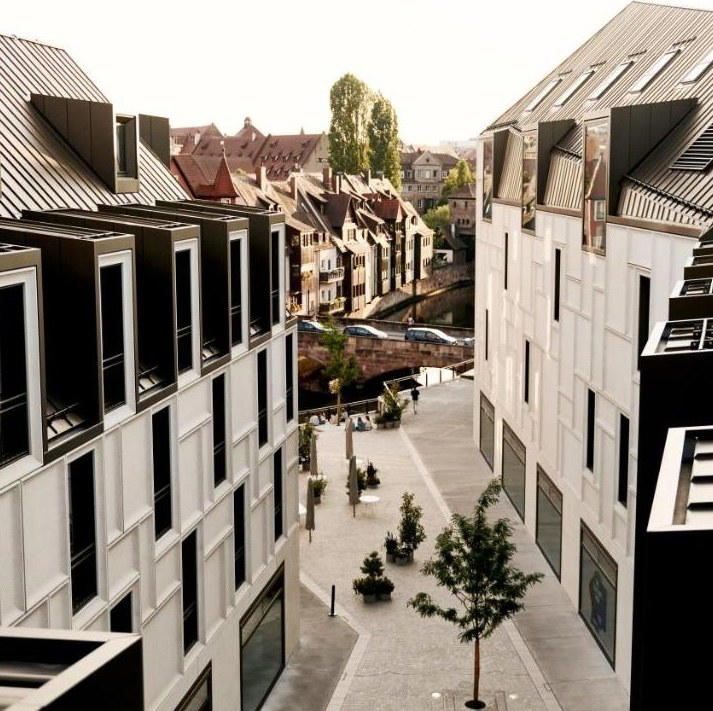

At a Glance
- Modern
- Elegant
- Lively
- Date Night
- Casual Hangout
- Waterfront
- Open Kitchen
- Live Music
- Extensive Wine List
- Organic
- Waterfront
- Street Scene
Current opening hours
- Monday
- 12–2:30 PM, 5:30–11 PM
- Tuesday
- 12–2:30 PM, 5:30–11 PM
- Wednesday
- 12–2:30 PM, 5:30–11 PM
- Thursday
- 12–2:30 PM, 5:30–11 PM
- Friday
- 12–2:30 PM, 5:30 PM–12 AM
- Saturday
- 12–2:30 PM, 5:30 PM–12 AM
- Sunday
- 12–2:30 PM, 5:30–11 PM
Hours can change for holidays and private events. Last verified .
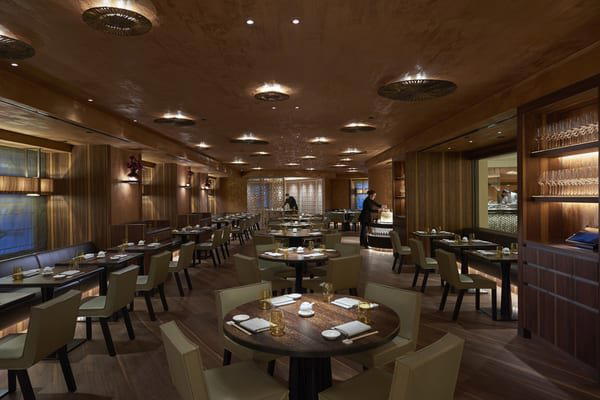
Cozy modern interior with suede banquettes and big city atmosphere overlooking the river.