
Edelfrei, on Karolinenstraße in the heart of Bamberg, pairs a focused restaurant with an adjoining vinothek built around long-term relationships with small German wine producers. It is the city's clearest case for the argument that great wine lists are made through sourcing discipline, not catalogue breadth. For anyone visiting Bamberg with serious interest in German wine culture, it is the natural first stop.
Pearl is the En Primeur Club membership app — saves, bookings, and concierge access live there. Same editors, same standards.
- Address
- Karolinenstraße 26, 96049 Bamberg, Germany
- Phone
- +49 951 18074487
- Website
- edelfrei.com
- Directions
- Get directions
 Saves & bookings on Pearl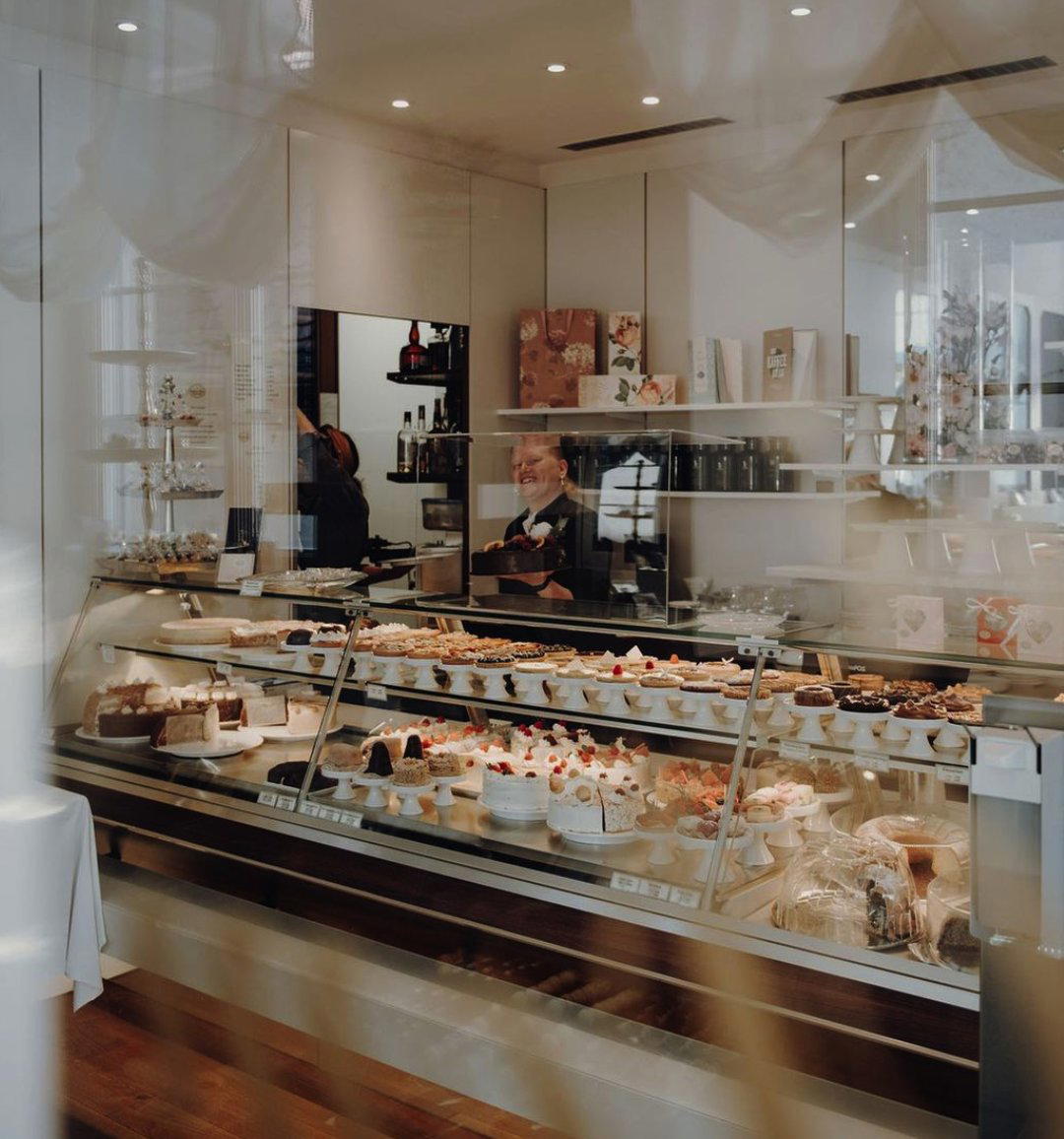
A Street in Bamberg Where the Wine Does the Talking
Karolinenstraße runs through Bamberg's commercial centre with the unhurried confidence of a street that has been feeding and drinking the city for generations. The building at number 26 presents itself without theatre: a restaurant on one side, a vinothek immediately adjacent, the two spaces sharing a philosophy if not a wall. Edelfrei is not asking for your attention with exterior drama. The draw is internal, and it operates on the assumption that the people who need to find it will.
That restraint is characteristic of a particular strain of German wine culture, one that prizes the relationship between producer and intermediary over the spectacle of a vast cellar. Edelfrei represents that model in concentrated form, and in a city better known internationally for its smoked beer than its wine programme, the combination of restaurant and wine shop under a shared sourcing logic is notable.
The Sourcing Logic Behind the List
German wine retail and restaurant pairing has, in recent decades, split into two broad models. The first is the catalogue approach: wide coverage, branded names, predictable regional anchors. The second is the relationship model, where a smaller, more considered selection is built through direct contact with producers over time, often with allocation access that open-market buyers cannot replicate. Edelfrei operates firmly in the second camp.
The vinothek element is significant here. A wine shop attached to a restaurant is not unusual in Germany's wine-producing regions, but in Bamberg, a city whose culinary identity has historically centred on Franconian brewing traditions rather than viticulture, it signals a deliberate editorial position. The selection reflects ongoing relationships with small producers rather than a distributor's standard offering. What this means in practice is that the bottles available, whether to take home from the shop or to drink at the table, are not replicated easily elsewhere in the city. For anyone comparing Bamberg's wine options across [our full Bamberg restaurants guide]() or [our full Bamberg bars guide](), Edelfrei occupies a distinct position in that map.
Germany's wine story in the early twenty-first century is one of accelerating critical reassessment. Riesling from the Mosel and Nahe, Pinot Noir from Baden and the Ahr, Silvaner from Franconia itself: these are wines that serious international lists now include alongside Burgundy and the Rhône. Venues like Schwarzwaldstube in Baiersbronn, Aqua in Wolfsburg, and Vendôme in Bergisch Gladbach operate at the Michelin three-star tier with wine programmes that span continents. Edelfrei works at a different register entirely, one defined not by breadth or prestige anchors but by depth of producer knowledge and the kind of allocation access that comes only from sustained relationships.
Bamberg as a Dining City
Bamberg's food culture is frequently read through its beer. The city's smoked lager tradition, produced by a handful of family-owned breweries operating on centuries-old methods, draws visitors who treat the Franconian brewing circuit as a destination in itself. Wine-focused dining has historically played a secondary role in the city's culinary identity, which makes Edelfrei's positioning more pointed. It is making a case that Bamberg can hold both arguments simultaneously.
Franconia as a wine region sits in an interesting position nationally. Its Silvaner and Müller-Thurgau production has a long history but limited international recognition compared to the Mosel or Rheingau. Recent critical attention to the region, particularly from writers covering emerging European wine areas, has shifted that slightly. A restaurant-vinothek that prioritises small producer relationships in this context is working with regional material that is genuinely undervalued relative to its quality, which gives the sourcing model a logic beyond the philosophical.
Visitors planning time in Bamberg should account for this when thinking about how the city fits into a broader German itinerary. The beer tradition is well documented and accessible. The wine dimension is harder to find without a point of entry, and Edelfrei functions as that point of entry. Check our full Bamberg experiences guide and [our full Bamberg hotels guide]() for wider planning context.
Planning a Visit
Edelfrei sits at Karolinenstraße 26 in central Bamberg, within walking distance of the cathedral and the old town. The dual-format setup, restaurant and vinothek side by side, means a visit can take different shapes depending on the occasion: a full sit-down dinner with wine chosen from a list built on producer relationships, or a stop at the wine shop to pick up bottles that are unlikely to surface in standard retail. Given the sourcing model and the scale of operation implied by a small-producer focus, booking ahead for the restaurant is the sensible approach rather than arriving speculatively. Specific hours and reservation methods are best confirmed directly with the venue, as operational details for a space of this type can shift seasonally. Those researching the broader Bamberg area for wine-focused travel may also want to cross-reference [our full Bamberg wineries guide]() for regional producer context.
Where Edelfrei Sits in the German Wine-Dining Picture
Germany's wine-forward dining scene at the serious end is represented by restaurants where the list is as much an editorial statement as the menu. Places like Schanz in Piesport operate in Mosel wine country with the regional advantage of proximity to producers. Victor's Fine Dining by Christian Bau in Perl and Waldhotel Sonnora in Dreis sit at the formal fine-dining tier where wine service is part of a complete luxury proposition. JAN in Munich and Restaurant Haerlin in Hamburg operate in major urban markets with the wine access those cities provide.
Edelfrei is not competing in any of those tiers. That category is small in Germany and smaller still outside the main wine cities. Finding one in Bamberg, a city whose culinary conversation has been dominated by beer culture, makes it an address worth noting for anyone with a serious interest in where German wine is heading.
For comparative reference across other European wine-dining formats, Le Bernardin in New York City and Emeril's in New Orleans illustrate how wine and food programmes operate at different scales and in different culinary traditions. CODA Dessert Dining in Berlin and ES:SENZ in Grassau show how focused format restaurants in Germany build identity through specialisation. Bagatelle in Trier provides a closer regional data point for wine-adjacent fine dining in Francophone-influenced German territory. Edelfrei's approach, sourcing-led, producer-relationship-driven, dual-format, is its own answer to the question of what a serious wine address looks like outside the obvious cities.
How Edelfrei Bamberg compares with similar nearby venues.
| Venue | Cuisine | Price | Awards |
|---|---|---|---|
| Edelfrei | Not listed | Not listed | Star Wine List (2026) |
| VITA | Mediterranean Cuisine | €€€ | Not listed |
| Rocus | International | €€€ | Not listed |
| Gasthaus Hofmann | Country cooking | €€ | Not listed |
Recognition history
Dated appearances from independent guides and award organizations, with the underlying list record or original source where available.
Star Wine List
Star Wine List
Continue exploring
More in Bamberg
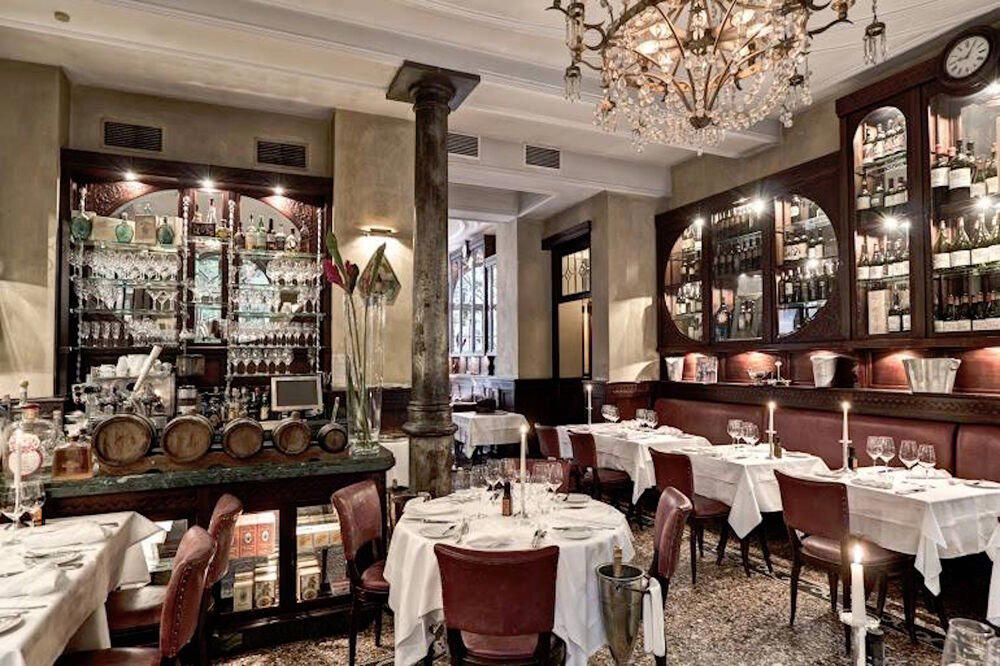
Restaurants in Bamberg
Browse all →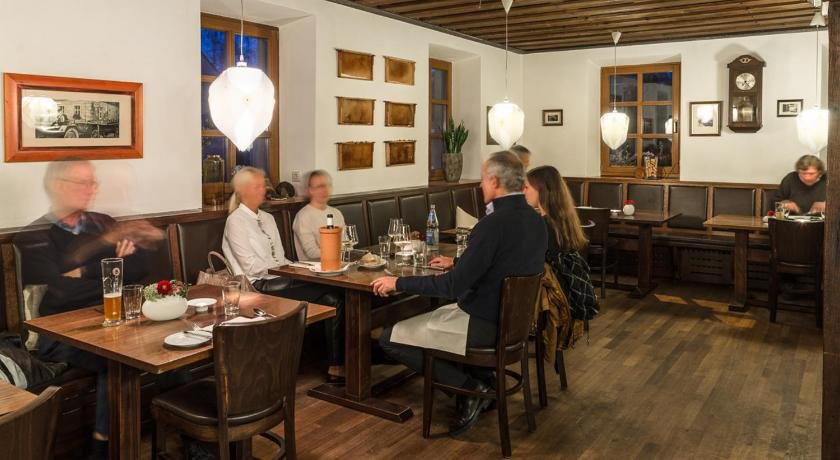
Bars in Bamberg
Browse all →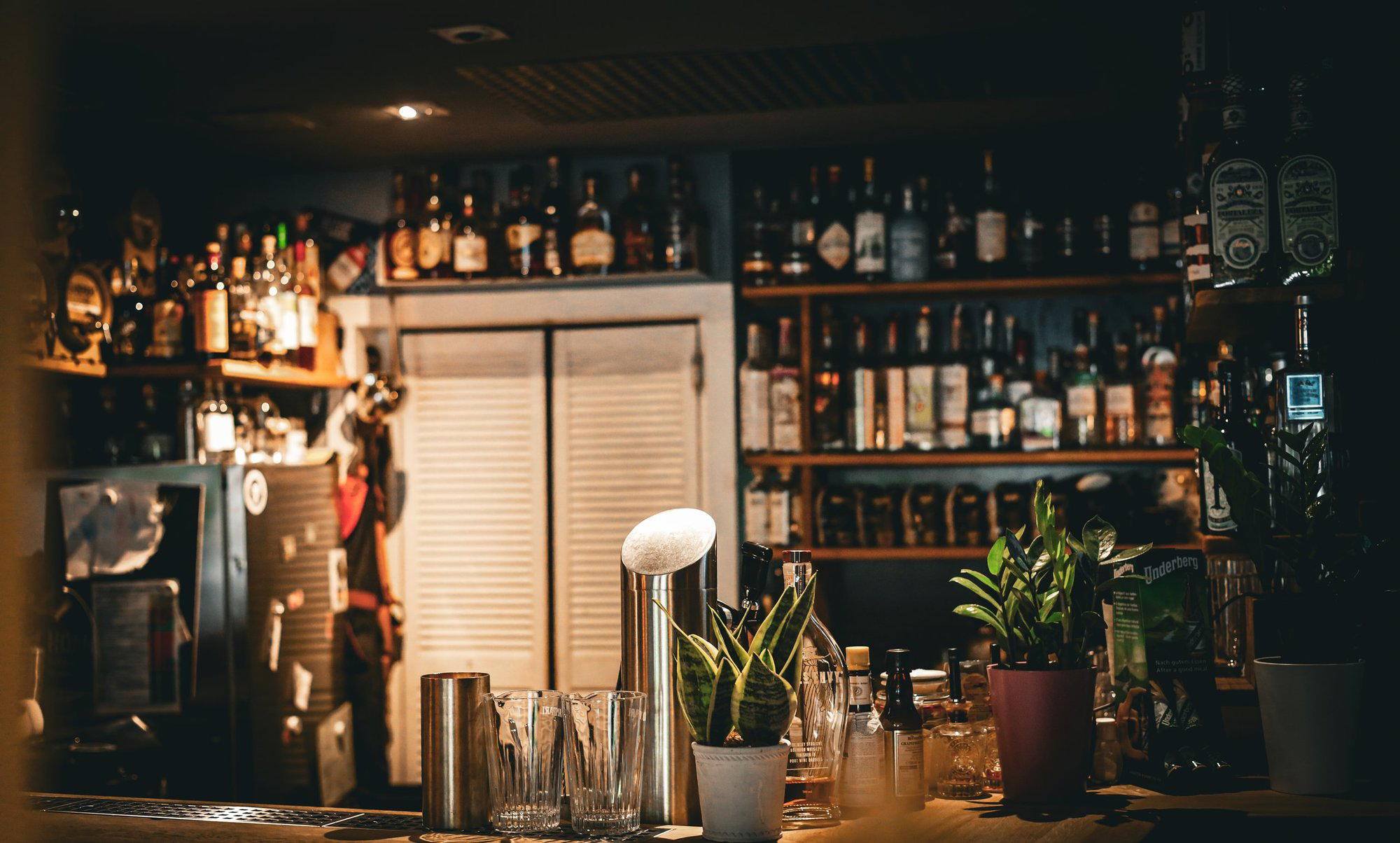
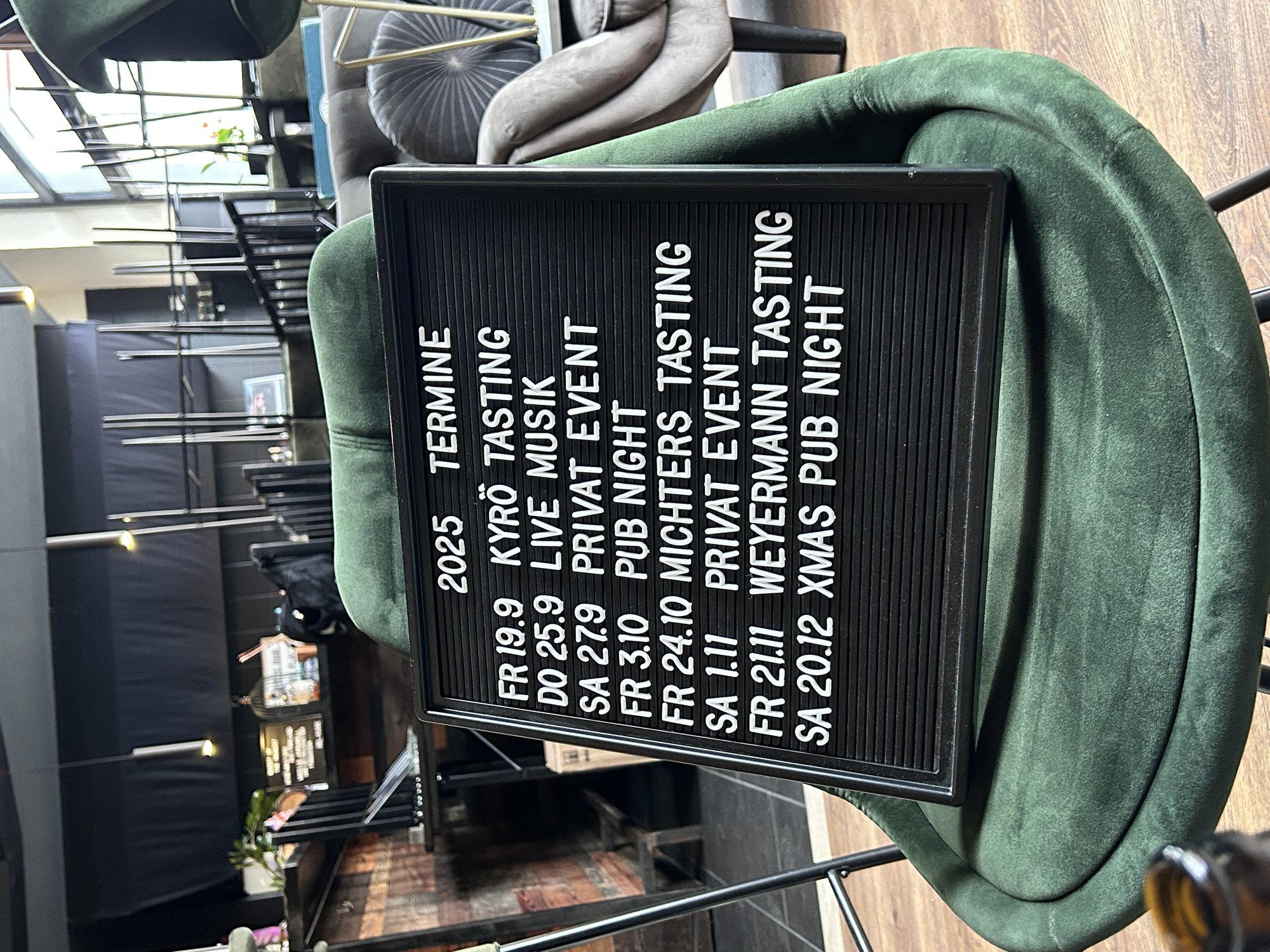
Hotels in Bamberg
Browse all →

At a Glance
- Elegant
- Cozy
- Sophisticated
- Intimate
- Date Night
- Special Occasion
- Historic Building
- Wine Cellar
- Extensive Wine List
- Local Sourcing
Current opening hours
- Monday
- Closed
- Tuesday
- 5–10 PM
- Wednesday
- 5–10 PM
- Thursday
- 5–10 PM
- Friday
- 5–11 PM
- Saturday
- 5–11 PM
- Sunday
- Closed
Hours can change for holidays and private events. Last verified .
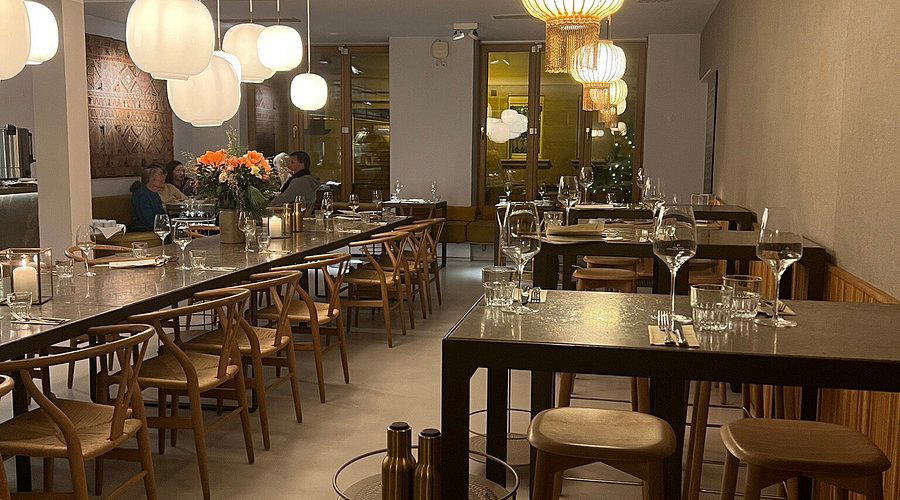
Stylish interior with beautiful bar, floral decorations, real candlelight, and pleasant quality mood creating an elegant and welcoming atmosphere.