SLVJ occupies a prime position inside the Galería Canalejas food hall on Calle Alcalá, placing it at the intersection of Madrid's food hall revival and its broader appetite for format-breaking dining. The address alone signals ambition: Galería Canalejas is one of the Spanish capital's most closely watched retail and hospitality developments, and SLVJ has emerged as one of its more talked-about restaurant tenants.
Pearl is the En Primeur Club membership app — saves, bookings, and concierge access live there. Same editors, same standards.
- Address
- Food Hall Galería Canalejas, C. Alcalá, 12, Planta Baja, S 1-10 y S 1-11, Centro, 28014 Madrid, Spain
- Phone
- +34911088818
- Website
- madridcanalejas.slvj.es
- Directions
- Get directions
 Saves & bookings on Pearl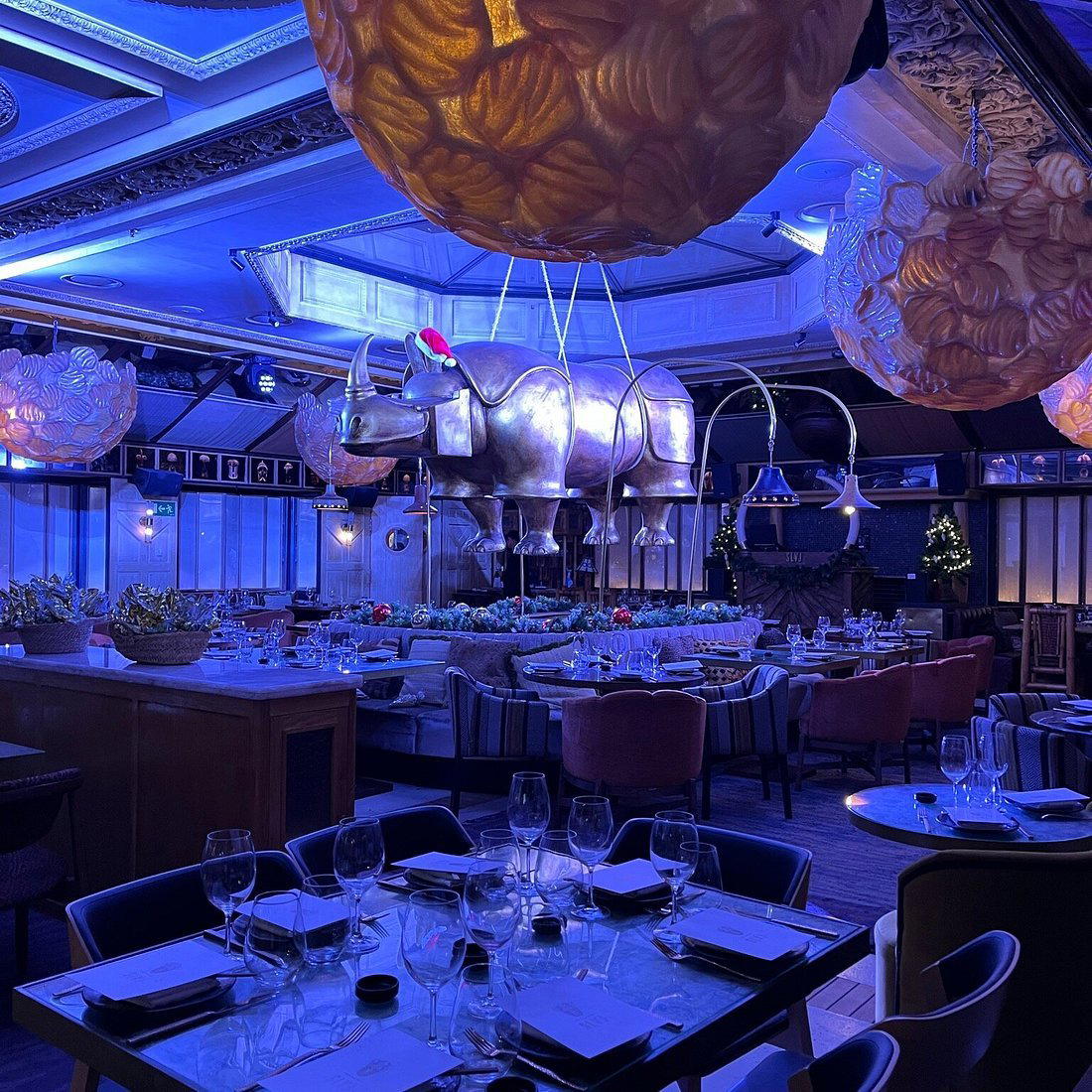
A Food Hall Address That Rewrites the Format
The food hall as a serious dining venue has taken longer to arrive in Madrid than in London or Copenhagen, but Galería Canalejas — occupying a restored early-twentieth-century block a short walk from the Puerta del Sol — has accelerated the conversation considerably. Where food halls once meant casual counters and rapid turnover, the Canalejas project set out to attract operators with genuine culinary credibility, and the result is a ground-floor dining tier that competes with standalone restaurants rather than simply servicing foot traffic. SLVJ sits inside that proposition, at units S 1-10 and S 1-11 on the ground floor of C. Alcalá, 12.
That address matters editorially. In cities where fine dining historically required a discrete building, a reservation-only door, and a certain theatrical remove from the street, the food hall placement represents a deliberate pivot. Madrid's dining establishment has spent the last decade pulling in multiple directions: toward the hyper-technical creative cooking associated with venues like DiverXO, toward the revival of classical Spanish craft at places like Coque, and toward the kind of product-focused modern Spanish cooking seen at Deessa and DSTAgE. SLVJ enters that conversation from a different angle: the food hall setting creates its own accessibility signal, lowering the threshold for a first visit even if the cooking inside sits at a more serious level.
How the Setting Shapes the Experience
Approaching SLVJ within Galería Canalejas means moving through a building that reads as architecture first, retail second, and hospitality third, in that order of visual weight. The restored vaulted ceilings and stone detailing of the Canalejas complex establish a register that most food hall operators would struggle to match with interior fit-out alone. SLVJ's units benefit from that inherited grandeur without needing to manufacture it independently. The effect is a dining room that carries spatial authority without the hushed formality of a closed-door restaurant.
This is consistent with a broader shift across European cities: premium hospitality increasingly operates in adaptive reuse settings where the building provides the emotional anchoring and the operator focuses resources on what arrives at the table. In Madrid specifically, the Centro district's heritage stock has made it a natural zone for this kind of hybrid. Paco Roncero, operating nearby on the same street axis, represents the older model of the destination address with its own architectural statement. SLVJ takes the opposite approach: let the building speak, and let the food follow.
The Evolution Question: From Concept to Canalejas Fixture
The editorial angle worth pressing on is how SLVJ has positioned itself across successive iterations of what Galería Canalejas has wanted to be. The complex opened in phases, and the dining component has sharpened over time as the overall project found its footing. Food halls in their early phases frequently carry a provisional energy: operators test formats, some consolidate, others exit. The ones that remain tend to have settled into something more defined, a clearer point of view about who they are cooking for and at what level of seriousness.
Within the Canalejas context, SLVJ's continued presence is itself a signal. The early years of the food hall saw considerable attention focused on the project as a whole rather than on individual tenants; by now, the more durable operators have begun to develop their own identities separate from the umbrella. That SLVJ has maintained its position through the settling-out period suggests a format that works for the location, a clientele that has become reliable, and cooking that has found its register.
Spain's wider restaurant scene provides a useful frame here. The country's top tier, El Celler de Can Roca in Girona, Martín Berasategui in Lasarte-Oria, Mugaritz in Errenteria, Arzak in San Sebastián, Azurmendi in Larrabetzu, Aponiente in El Puerto de Santa María, Quique Dacosta in Dénia, operates almost exclusively in standalone, purpose-built or carefully chosen historic spaces. The food hall model represents a genuinely different bet, one that Madrid is testing in real time through venues including SLVJ. Comparable experiments can be found internationally: Le Bernardin in New York and Atomix in New York hold the best of the market in purpose-built rooms. Cocina Hermanos Torres in Barcelona, with its former industrial greenhouse, shows what adaptive reuse can deliver at the highest level. The Canalejas food hall model is a different proposition still, shared infrastructure, mixed footfall, adjacent operators, and SLVJ's version of that bet remains the one to watch on this block.
Madrid's Centro Dining Belt: Where SLVJ Sits
Calle Alcalá 12 places SLVJ at the heart of a dining and cultural corridor that runs between the Puerta del Sol and the Retiro. The concentration of serious restaurants along this axis has increased significantly over the past decade, driven partly by hotel investment (Galería Canalejas itself includes a Four Seasons), partly by international visitor numbers, and partly by Madrid's own evolving sense of what its dining identity should be. The Centro has historically housed the city's older, more traditional restaurants; the newer generation has arrived with different expectations and, in some cases, different formats. Atrio in Cáceres and Ricard Camarena in Valencia show what serious Spanish cooking looks like when it commits to a specific regional register in a standalone space. SLVJ operates within the capital rather than from a regional stronghold, which gives it access to a broader and more international clientele, and a different kind of editorial positioning. For a broader view of the city's restaurant tier, the EP Club Madrid guide maps the full range of options across neighbourhoods and formats.
Planning Your Visit
SLVJ is located at Galería Canalejas, C. Alcalá, 12, ground floor, units S 1-10 and S 1-11, in the Centro district of Madrid. The building is accessible from both the Alcalá street frontage and the Canalejas interior. The nearest Metro stations are Sol and Sevilla, both within comfortable walking distance. Given the food hall context, access is generally less formal than at a reservation-only restaurant, though specific booking, hours, and dress expectations should be confirmed directly with the venue, as operational details are subject to change.
Quick reference: Galería Canalejas, C. Alcalá, 12, Planta Baja, S 1-10 y S 1-11, Centro, 28014 Madrid. Nearest Metro: Sol or Sevilla.
A Credentials Check
| Venue | Cuisine | Price | Awards |
|---|---|---|---|
| SLVJThis venue — the venue you are viewing | Not listed | Not listed | This venue |
| DiverXO | Progressive - Asian, Creative | €€€€ | Michelin 3 Star |
| Coque | Spanish, Creative | €€€€ | Michelin 2 Star |
| Deessa | Modern Spanish, Creative | €€€€ | Michelin 2 Star |
| Paco Roncero | Creative | €€€€ | Michelin 2 Star |
| Smoked Room | Progressive Asador, Contemporary | €€€€ | Michelin 2 Star |
Continue exploring
More in Madrid
Restaurants in Madrid
Browse all →
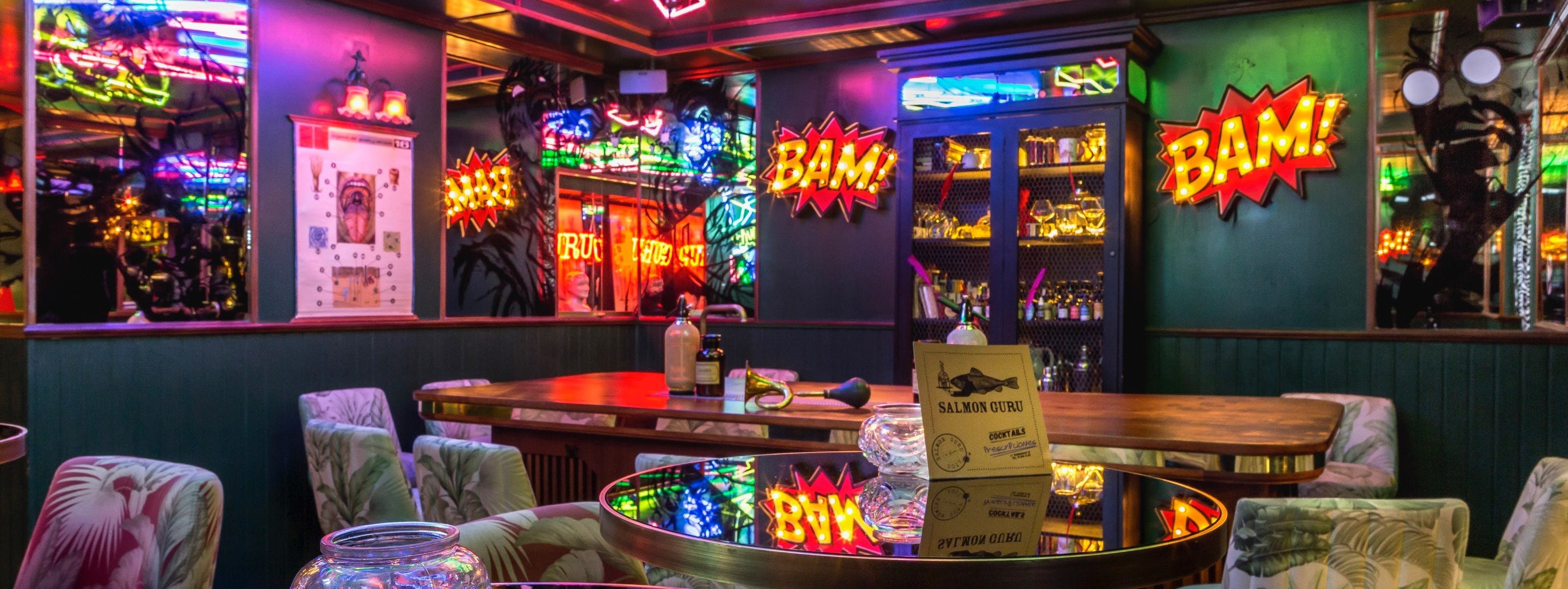
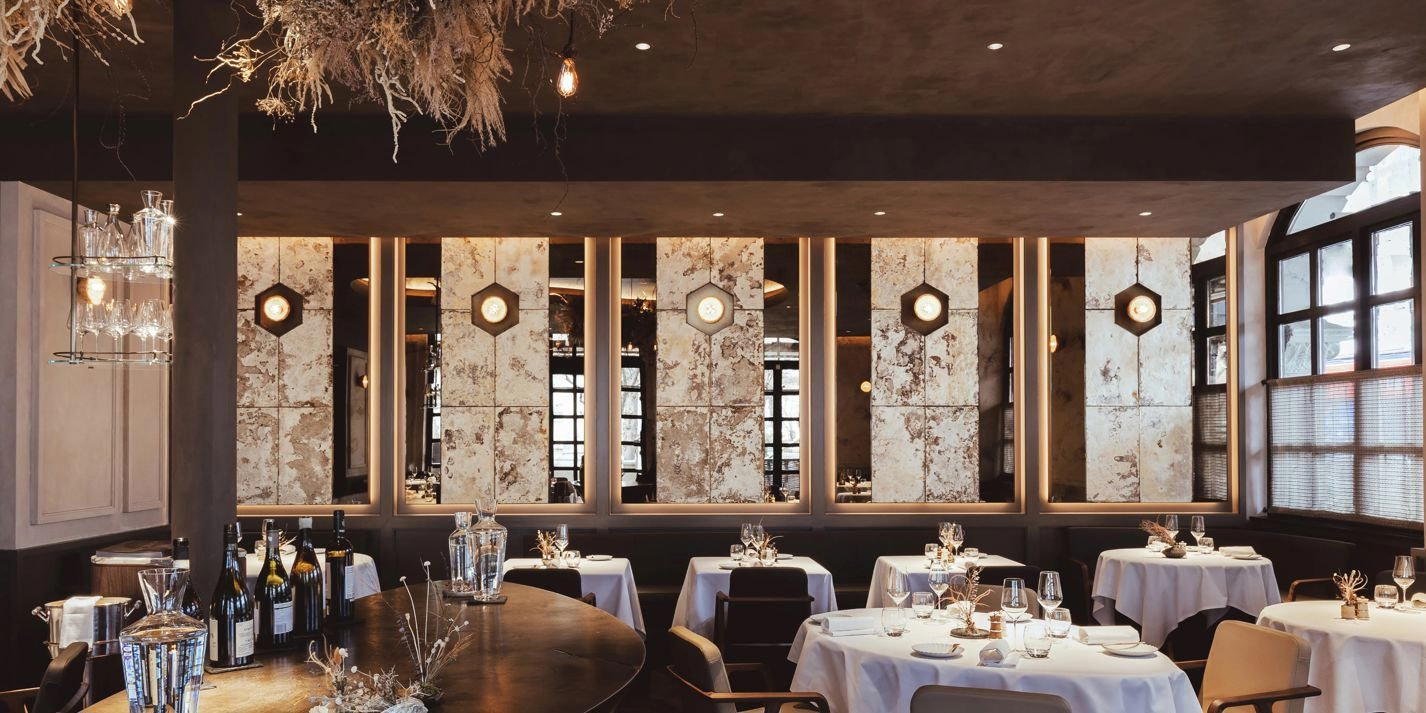
Bars in Madrid
Browse all →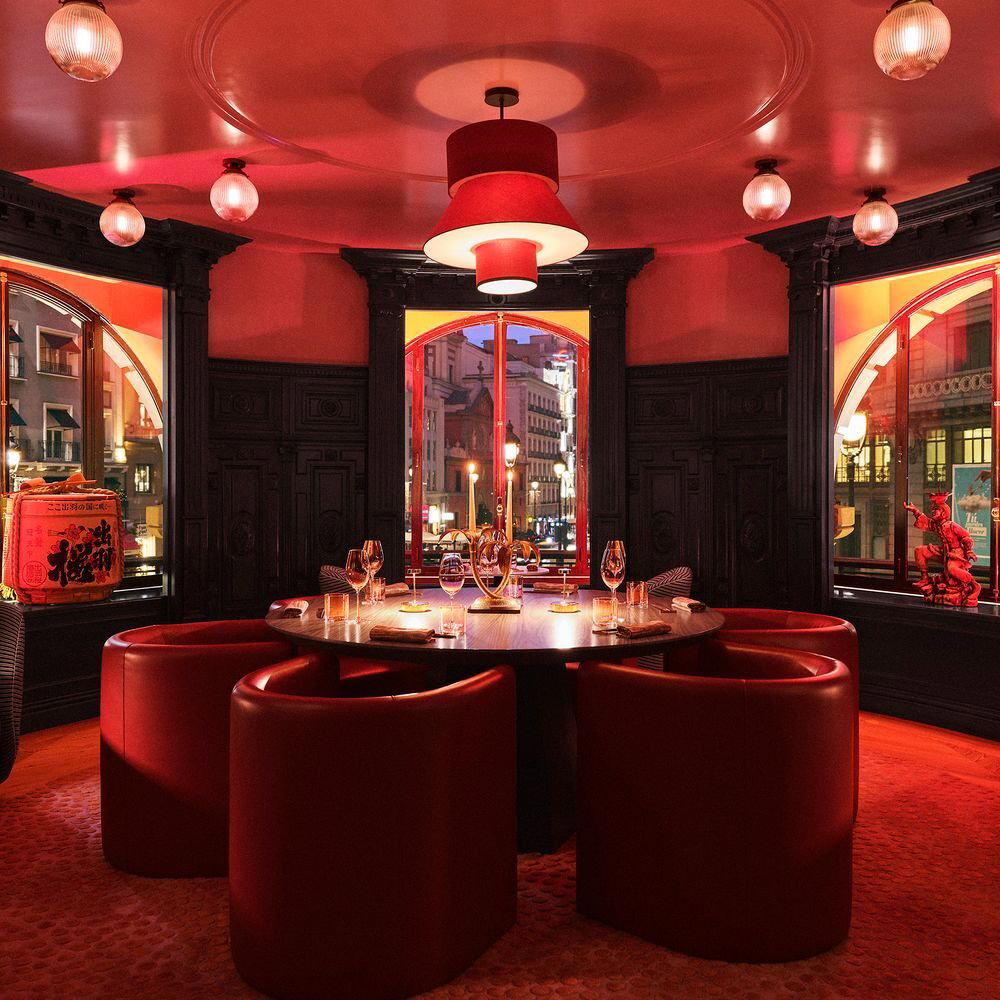
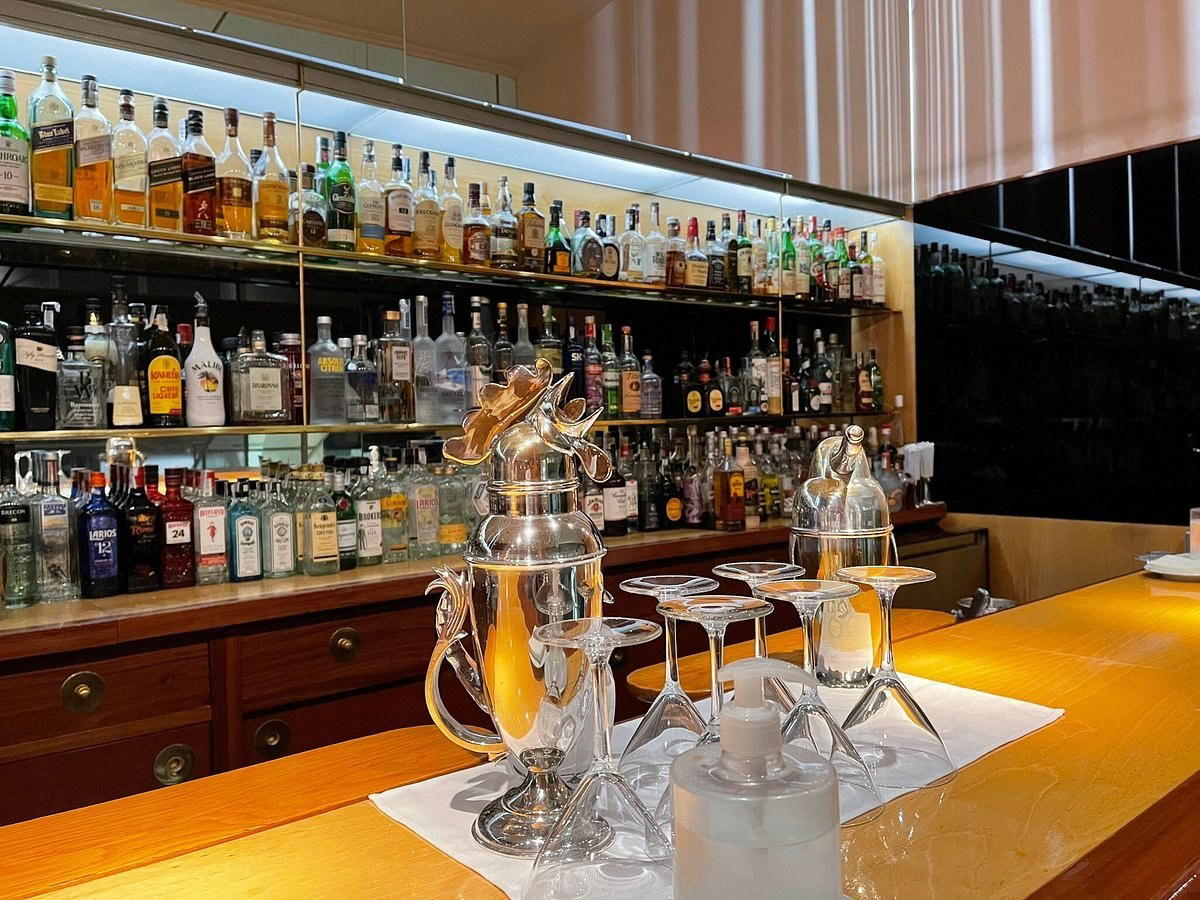
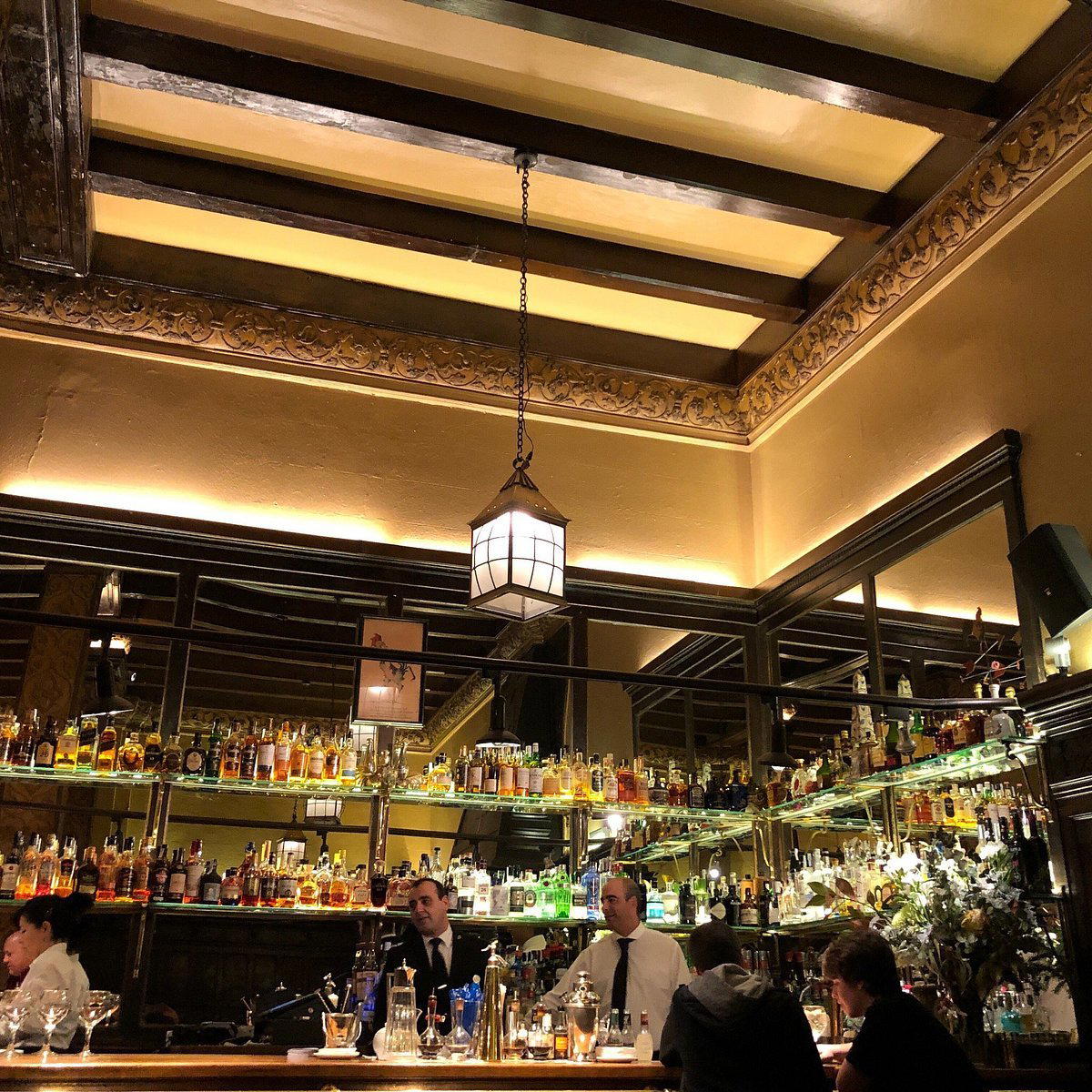
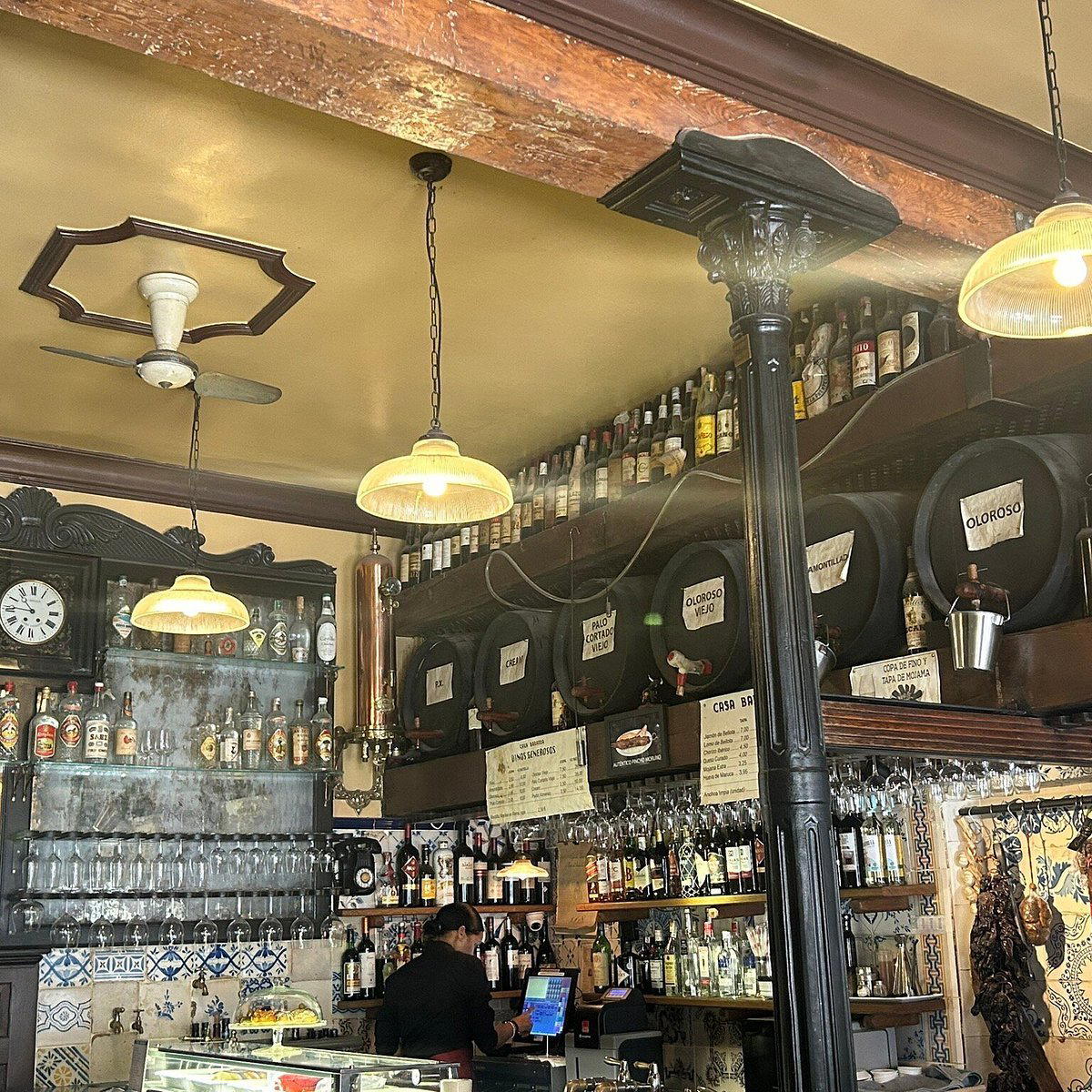
Hotels in Madrid
Browse all →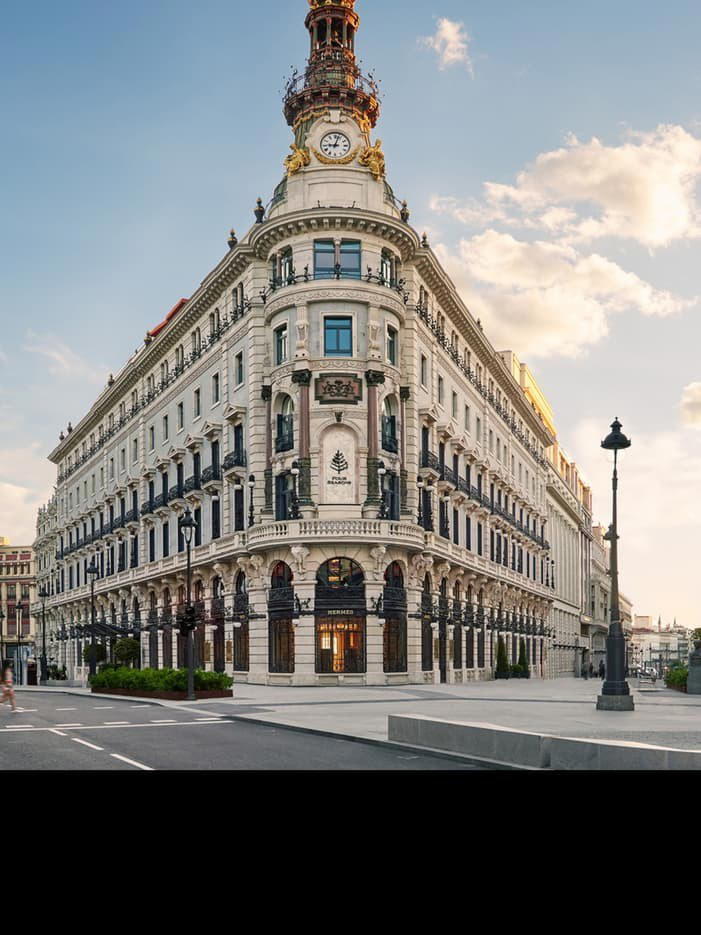


At a Glance
- Lively
- Trendy
- Industrial
- Energetic
- Sophisticated
- Date Night
- Group Dining
- Celebration
- Casual Hangout
- Special Occasion
- After Work
- Late Night
- Design Destination
- Standalone
- Craft Cocktails
- Sustainable Seafood
Lively, theatrical, and design-forward, with industrial-chic decor, designer lighting, staff dance performances, and a late-night party atmosphere.
Know Before You Go
- Getting there
- Food Hall Galería Canalejas, C. Alcalá, 12, Planta Baja, S 1-10 y S 1-11, Centro, 28014 Madrid, Spain