Our verdict
Hellfire occupies a Westmoreland Street address at the edge of Temple Bar, placing it in one of Dublin's most historically layered dining corridors. The name nods to a specific strand of Irish gothic tradition, and the room follows that register: dark, deliberate, and structured around a meal that moves through distinct phases rather than offering a casual drop-in experience. For Dublin's multi-course dining scene, it sits in an interesting position between the formal fine-dining tier and the more relaxed modern Irish movement.

Pearl is the En Primeur Club membership app — saves, bookings, and concierge access live there. Same editors, same standards.
- Address
- 7 Westmoreland St, Temple Bar, Dublin, D02 XF76, Ireland
- Phone
- +35314845015
- Hours
- Mon–Fri 5–9:30 PMSat 1–10 PMSun 1–9:30 PM
- Website
- hellfire.ie
- Directions
- Get directions
- Booking
- Book on OpenTable
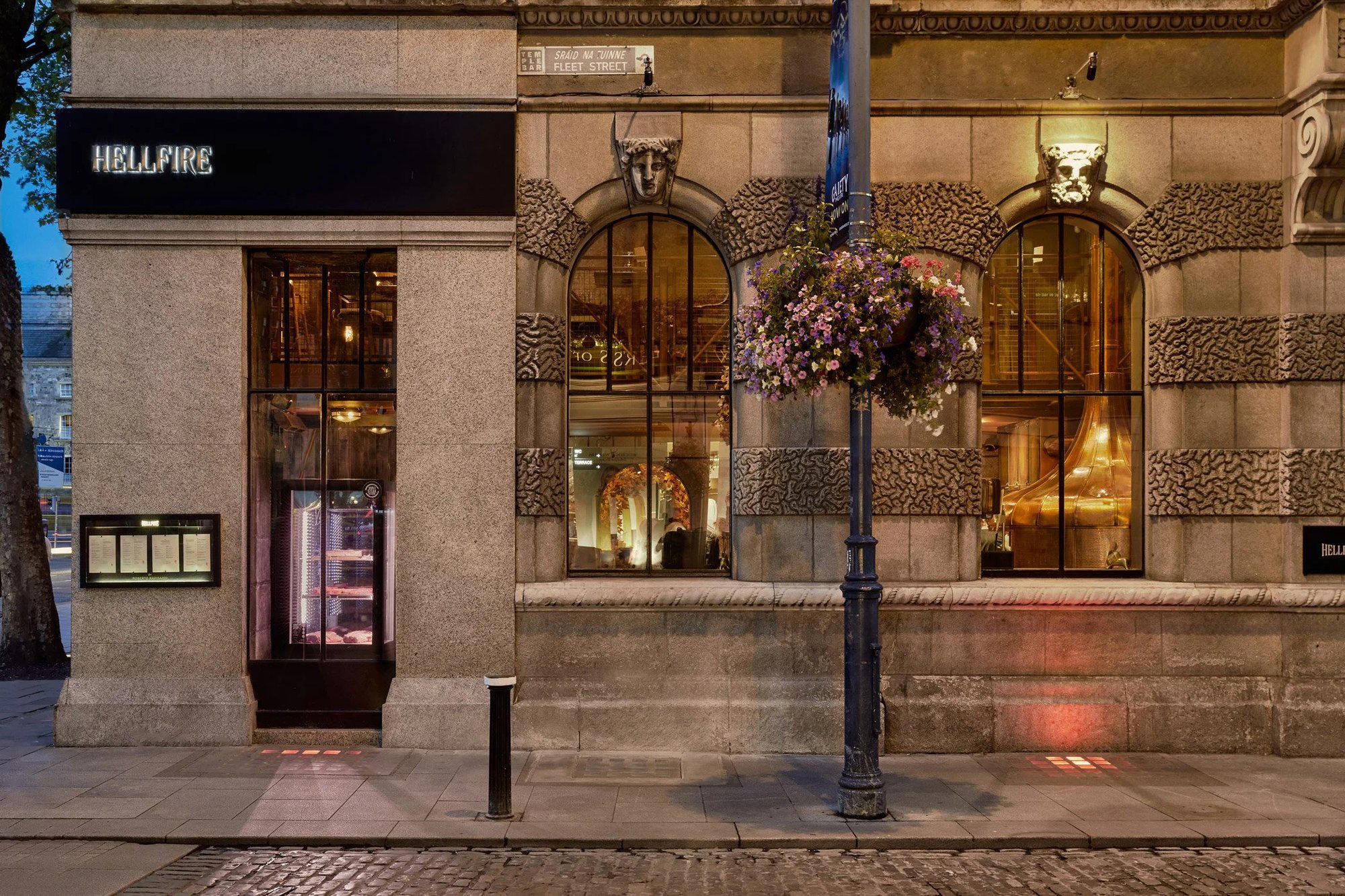
Where Westmoreland Street Sets the Tone
The stretch of Westmoreland Street running from O'Connell Bridge toward College Green carries more dining history per metre than almost anywhere else in Dublin. This is not the polished Georgian calm of Merrion Street, where Patrick Guilbaud has held its two Michelin stars across decades of Irish fine dining, nor the neighbourhood-rooted conviction of Bastible on South Circular Road. Westmoreland sits at a crossroads: tourist-adjacent but not tourist-captured, central without being corporate. Hellfire, at number 7, occupies that ambiguity on purpose.
Approaching from the quays, the address sits close to the Temple Bar boundary, a district whose reputation for stag parties and overpriced pints has long obscured the more serious hospitality that operates quietly within and around it. Hellfire draws on a different Dublin entirely: the city of Georgian drinking clubs, of the original Hellfire Club that met on Montpelier Hill in the 1730s, of a gothic undercurrent that Irish culture has never entirely shaken. The room's register follows that lineage rather than the bright, produce-forward aesthetic that dominates contemporary Irish dining at venues like Chapter One by Mickael Viljanen or Glovers Alley.
The Architecture of a Meal Here
Dublin's multi-course dining scene has fractured into distinct tiers over the past decade. At the leading end, tasting menus run long and ceremonial, with wine pairings that can double the bill. A tier below, modern Irish cooking has embraced shorter sequences and more casual service without sacrificing ingredient quality. Hellfire sits in that second tier's more atmospheric corner: the meal moves through defined stages, but the surrounding darkness and the gothic naming convention signal that you are not here for a bright, Nordic-lit produce presentation.
That progression matters. The opening stages of a meal at a venue like this function as calibration: establishing the kitchen's register, setting expectations for richness, weight, and the degree of technical ambition on display. Comparable moves appear in the opening courses at D'Olier Street, just around the corner, where the early plates announce the kitchen's approach before the main sequence begins. At Hellfire, the atmospheric framing does part of that work before any food arrives.
The middle courses are where a kitchen reveals what it actually does well. In the broader Irish dining conversation, this is the moment where venues either commit to Irish provenance with genuine specificity or retreat into vague European eclecticism. The Michelin-starred circuit in Ireland, from Aniar in Galway to Liath in Blackrock, has largely resolved this question in favour of hyperlocal sourcing and fermentation-forward technique. Outside the Michelin bracket, the choices are less settled.
Dessert and the close of a meal at a venue operating in gothic-adjacent territory carries its own expectation: something bitter, something dark, something that earns the name on the door. The finest finishers in any tasting sequence leave a flavour memory that reframes the earlier courses in retrospect. Whether Hellfire's kitchen achieves that full arc is the operative question for any visit.
Dublin's Broader Dining Context
To place Hellfire accurately, it helps to understand how Dublin's restaurant scene has restructured since 2019. The pandemic accelerated a split between venues with clear identities and those relying on location alone. Temple Bar and its immediate surroundings lost several undistinguished operations and gained some more deliberate ones. The venues that have held ground tend to offer something a transient visitor cannot easily replicate elsewhere: a specific atmosphere, a kitchen with a defined point of view, or a price-to-quality ratio that makes repeat visits rational.
At the higher end of the city's dining tier, the reference points are well established. Glovers Alley and Chapter One operate in the formal tasting-menu bracket with Michelin recognition. Bastible runs a tighter, more affordable multi-course format with strong local sourcing. Around the country, the Michelin presence extends to venues like Campagne in Kilkenny, Bastion in Kinsale, Chestnut in Ballydehob, Terre in Castlemartyr, Homestead Cottage in Doolin, House in Ardmore, Lady Helen in Thomastown, and dede in Baltimore. Hellfire occupies a different register from all of these: darker in aesthetic, central in geography, and positioned for a visitor who wants atmosphere as part of the meal's structure rather than as decoration around it.
Internationally, the shift toward atmosphere-as-ingredient has been well documented. Venues like Atomix in New York City have shown that conceptual framing can coexist with serious technical cooking, while Le Bernardin demonstrates the opposite model: near-invisible design in service of the plate. Hellfire sits closer to the Atomix end of that spectrum, where the room's identity is part of the proposition.
Planning a Visit
Hellfire is located at 7 Westmoreland Street, Temple Bar, Dublin, D02 XF76, making it walkable from most central Dublin accommodation and a short distance from the main bus corridors along O'Connell Street and College Green. The Westmoreland Street address puts it equidistant from the cultural quarter around Temple Bar and the more formal dining corridor of Dame Street and beyond. For a broader survey of what Dublin's restaurant scene currently offers, our full Dublin restaurants guide covers the range from neighbourhood bistros to the formal tasting-menu tier. Given the venue's gothic positioning and atmospheric format, an evening visit on a quieter mid-week night is likely to serve the experience better than a busy Friday when the surrounding streets carry considerable noise from the Temple Bar pub circuit.
Frequently asked questions
Where do I go for Hellfire?
Hellfire is located at 7 Westmoreland St, Temple Bar, Dublin, D02 XF76, Ireland, Dublin.
Is Hellfire Dublin suitable for a pre-theatre or pre-event dinner near Temple Bar?
The location at 7 Westmoreland Street, Temple Bar, D02 XF76 puts Hellfire within a short walk of the Project Arts Centre, the Gaiety Theatre, and the National Concert Hall on Earlsfort Terrace. That proximity makes it a practical option for pre-event dining in central Dublin, provided you confirm the kitchen's timing flexibility ahead of your visit. Booking in advance and noting your curtain time when reserving is standard practice at this end of the city.
What do regulars order at Hellfire?
The Westmoreland Street address places Hellfire within a corridor where kitchens tend to lean on Irish produce — expect that framing to shape whatever is on the pass.
Do they take walk-ins at Hellfire?
Walk-in policy for Hellfire on Westmoreland Street, Dublin has not been publicly documented in available booking channels. Given the address sits at one of central Dublin's busiest thoroughfares — close to O'Connell Bridge and College Green — demand on weekend evenings is likely to make a reservation the safer approach. Contacting the venue directly before arrival is the most reliable way to confirm availability.
Where the Accolades Land
Comparable venues nearby, for context on price, style, and recognition.
| Venue | Cuisine | Price | Notes |
|---|---|---|---|
| HellfireThis venue — the venue you are viewing | Flame-Fired Steakhouse | $50–100 | Not listed |
| Boeuf | Irish Steakhouse | $30–50 | Royal Exchange A |
| Trocadero | Contemporary Irish & Continental Steakhouse | $50–100 | Royal Exchange A |
| Millstone | Irish Steakhouse | $30–50 | Royal Exchange A |
| FX Buckley Steakhouse Crow Street | Classic Irish Steakhouse | $50–100 | Royal Exchange A |
| Boeuf & Coq | French-Inspired Irish Steakhouse | $20–30 | Royal Exchange A |
Continue exploring
More in Dublin
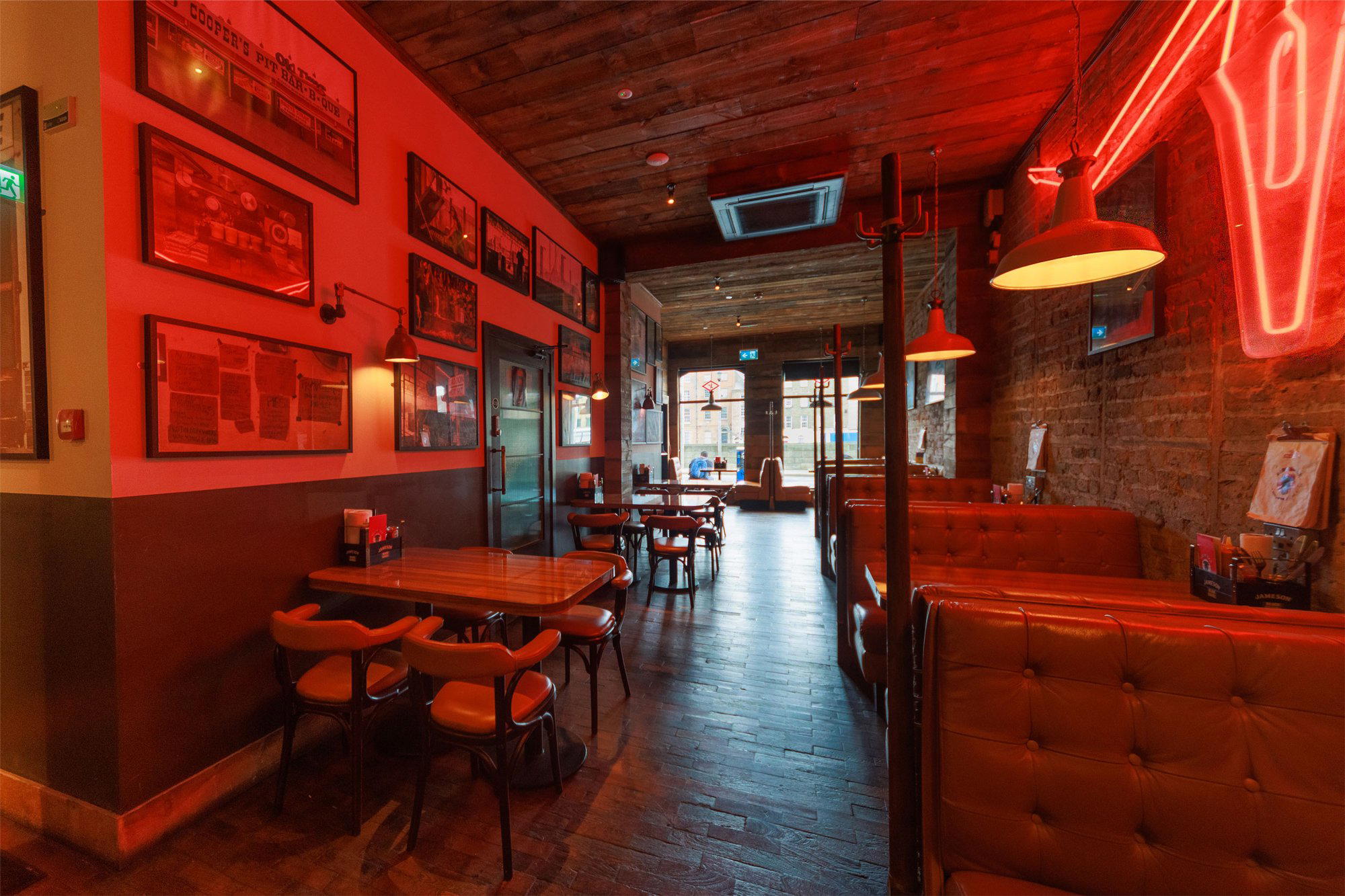
Restaurants in Dublin
Browse all →
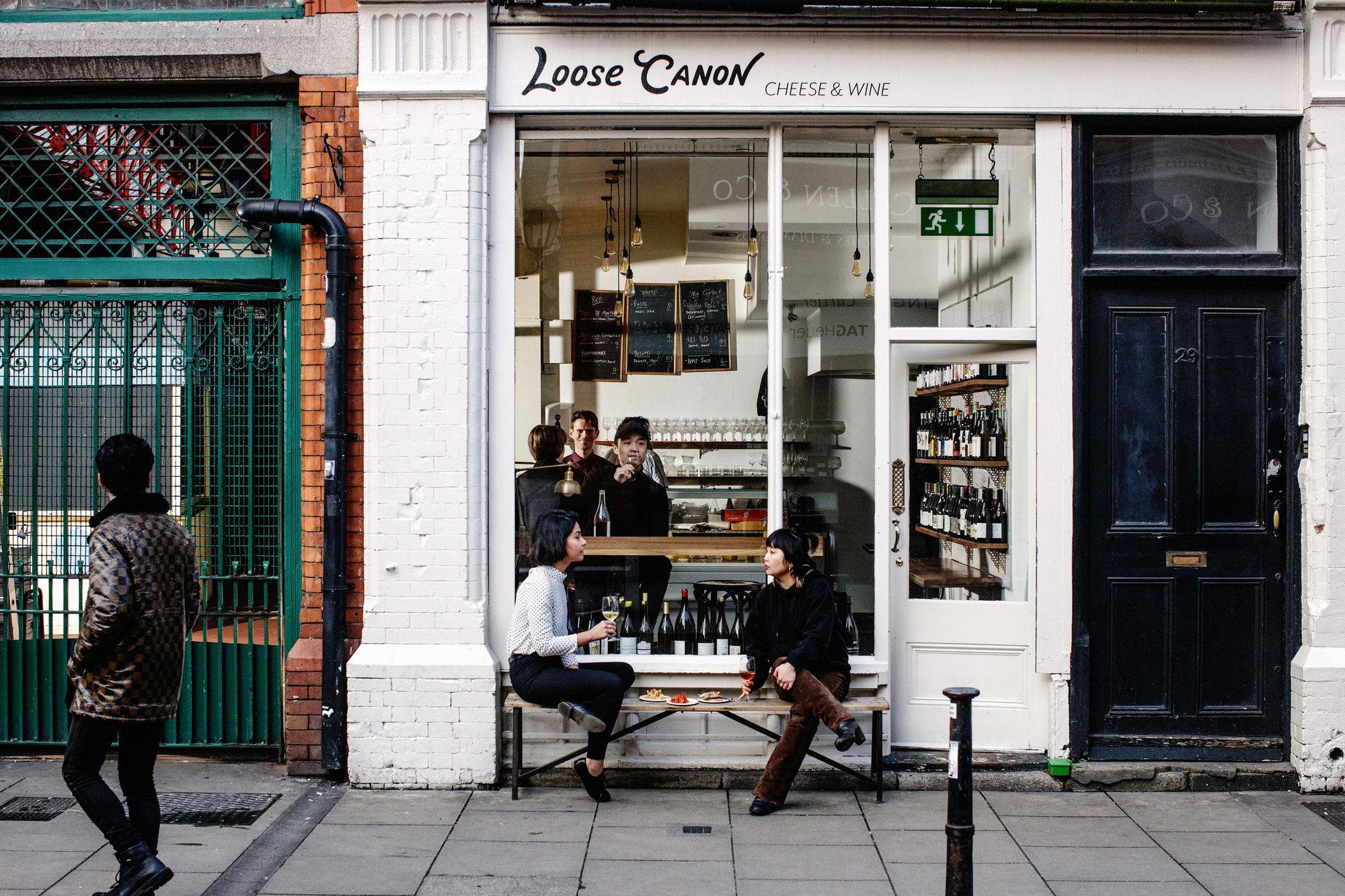
Bars in Dublin
Browse all →

Hotels in Dublin
Browse all →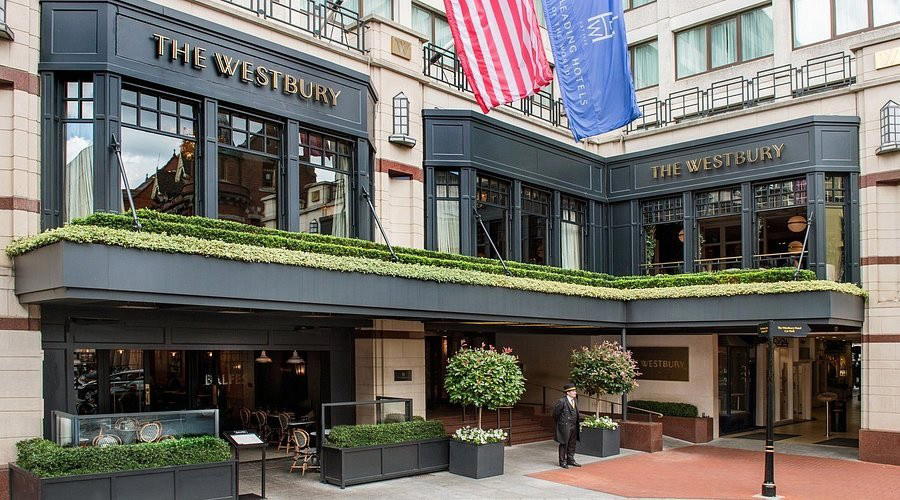
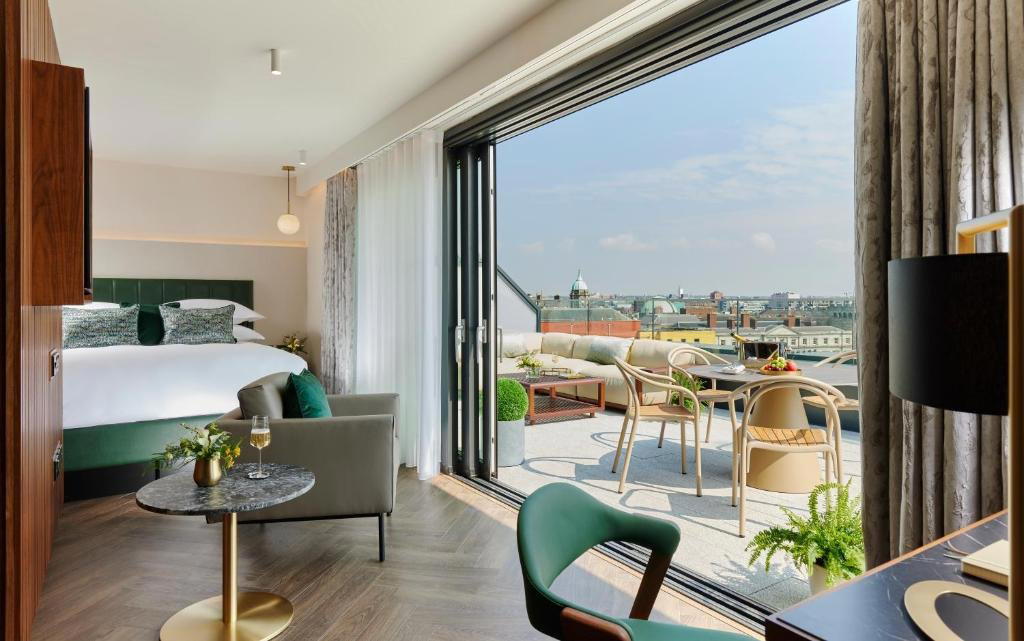
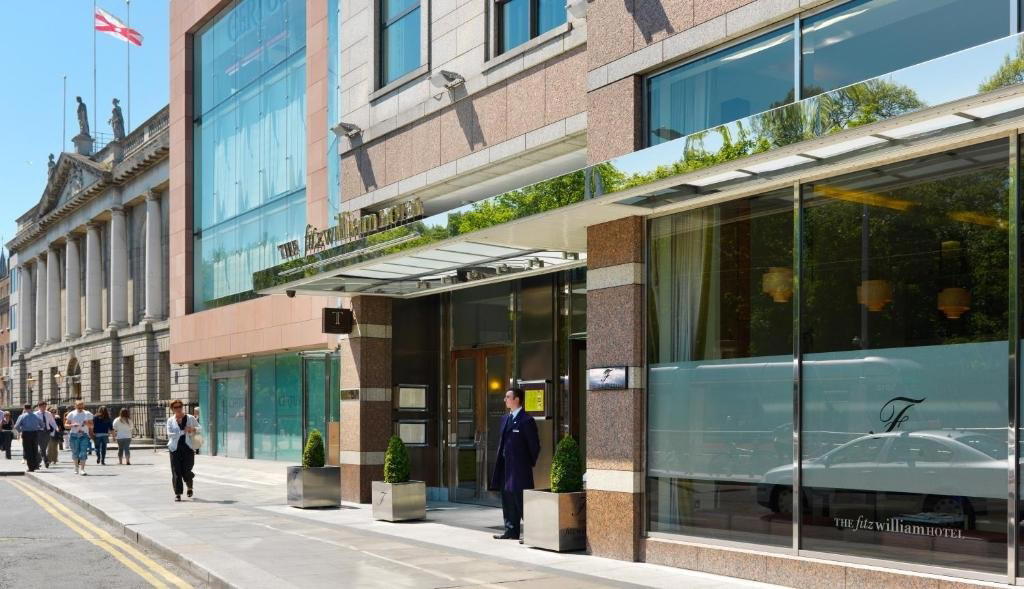
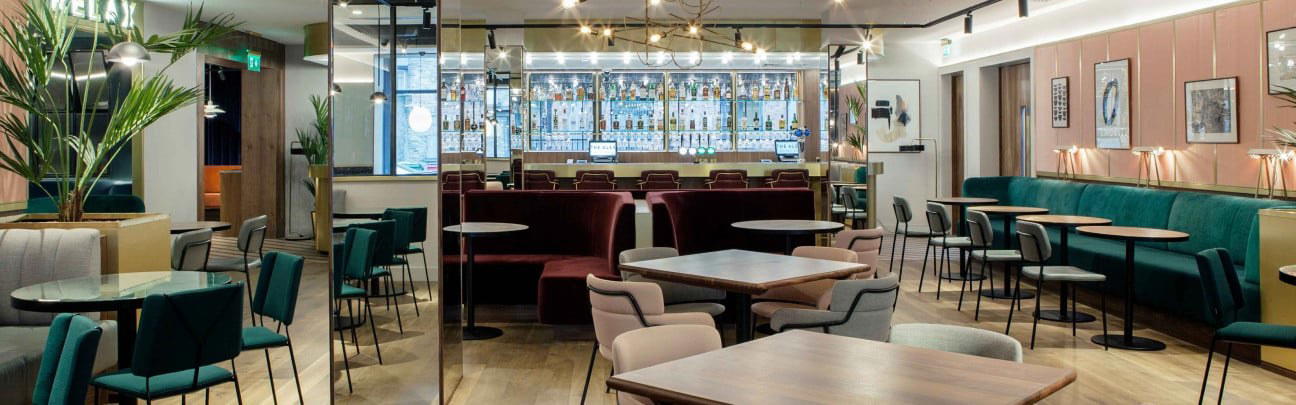
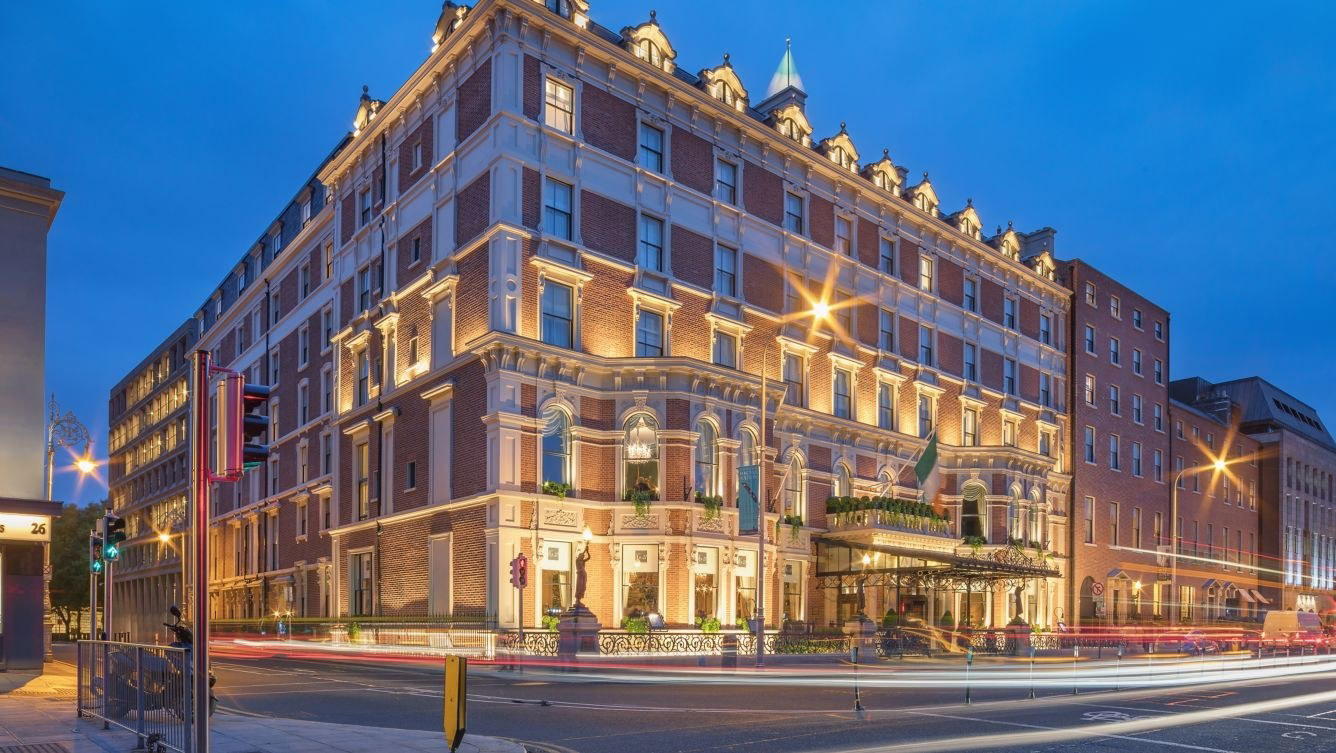
Wineries in Dublin
Browse all →
Details
- Lively
- Trendy
- Elegant
- Date Night
- Special Occasion
- Group Dining
- Open Kitchen
- Local Sourcing
- A La Carte
- Vegetarian Friendly
Current opening hours
- Monday
- 5–9:30 PM
- Tuesday
- 5–9:30 PM
- Wednesday
- 5–9:30 PM
- Thursday
- 5–9:30 PM
- Friday
- 5–9:30 PM
- Saturday
- 1–10 PM
- Sunday
- 1–9:30 PM
Hours can change for holidays and private events. Last verified .
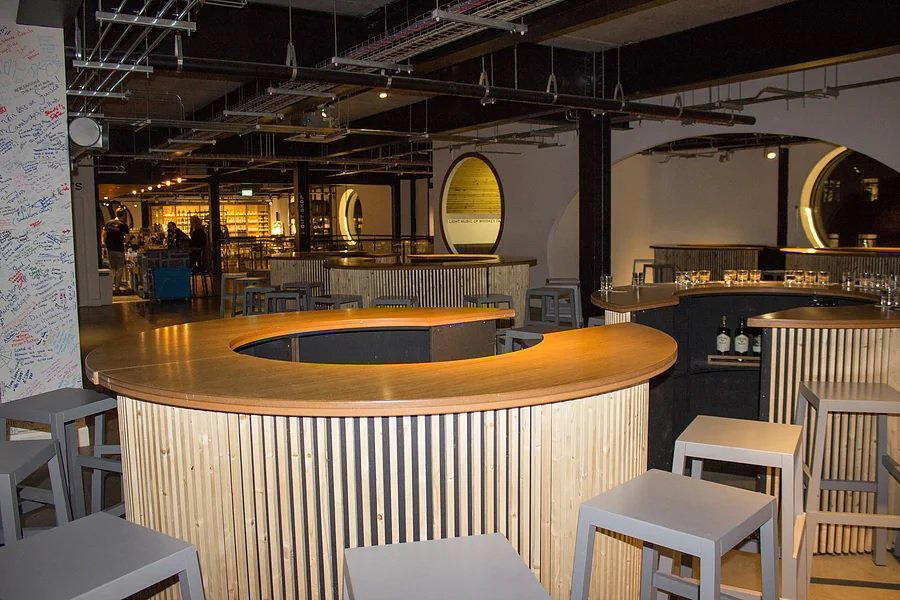
Warm and intimate with low lighting, atmospheric interiors featuring tiled walls, metallic staircase, and indoor trees.